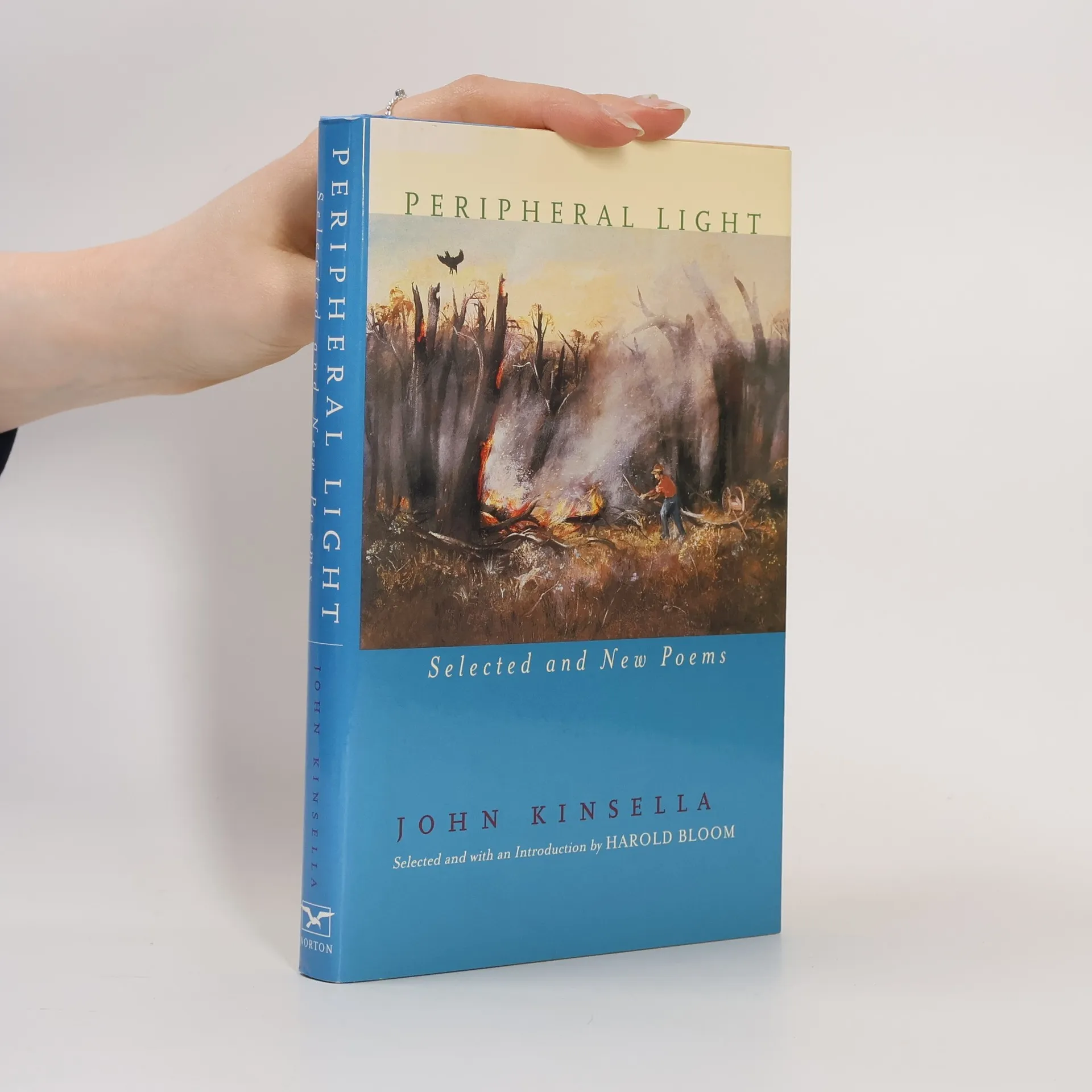
Harold Bloom has selected poems by Australian poet, John Kinsella, and provides an introduction to them.
John Kinsella Books
John Kinsella is a prolific Australian poet whose extensive body of work spans over twenty collections of poetry. His writing is deeply rooted in the Australian landscape and culture, while also exploring universal themes of identity, memory, and humanity's connection to nature. Kinsella is recognized for his experimental approach to language and form, constantly pushing the boundaries of traditional poetry. His work challenges readers to reconsider their perception of the world around them, discovering new perspectives through his words.

Mahler Erasures
- 218 pages
- 8 hours of reading
The narrative follows Harold Lime, a once-celebrated poet now living in isolation in a Cambridge basement. Stripped of his former glory and grappling with age, he finds his solitude disrupted by a fox hunt saboteur, leading to a complex relationship that serves as both a connection and a confession. As he immerses himself in Mahler's music, each symphony evokes memories of his Australian youth and ignites reflections on the intertwining of body and soul, exploring themes of commitment, connectedness, and the struggle between rootedness and unrootedness in a flawed world.
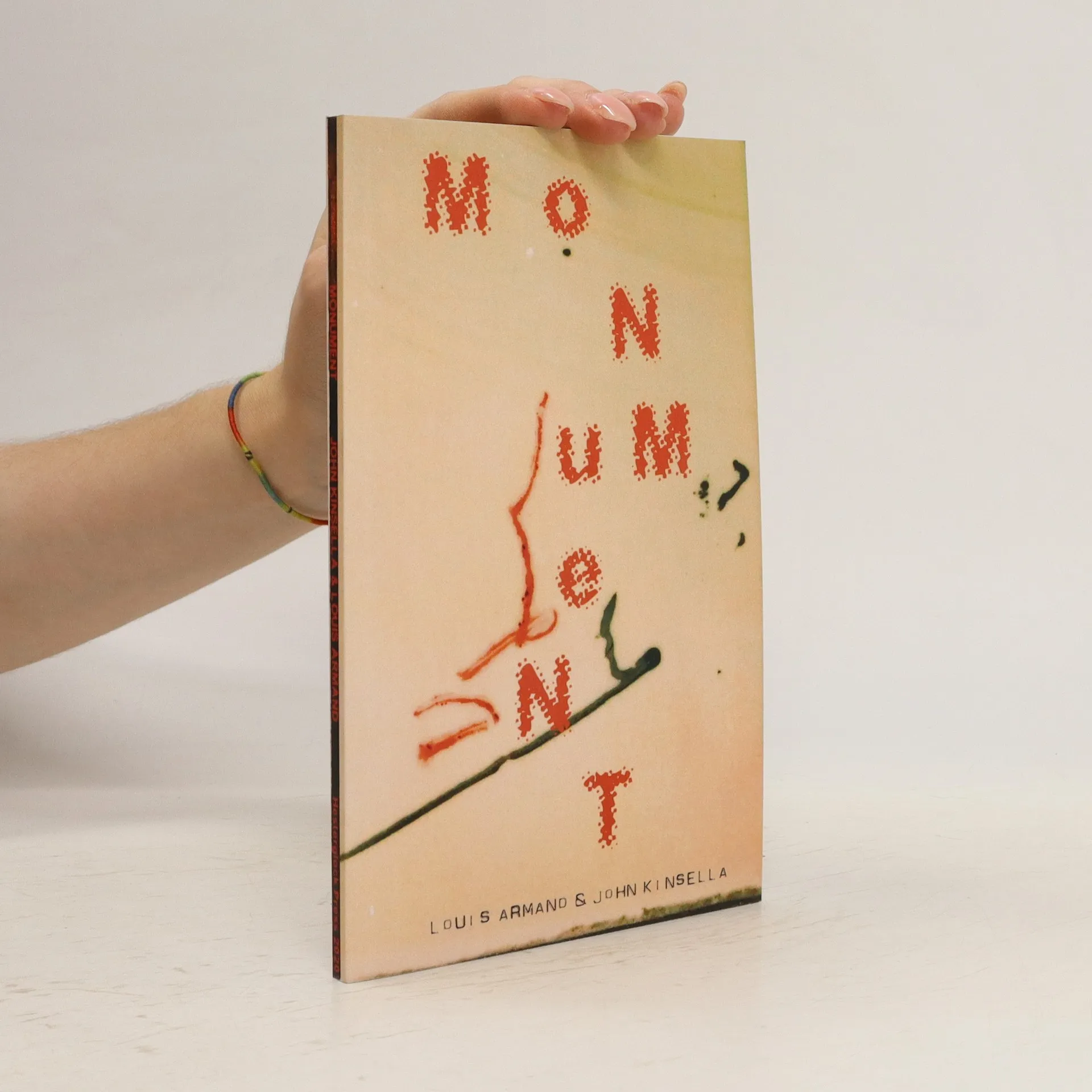
Monument
- 111 pages
- 4 hours of reading
Monument is a collaborative collection between John Kinsella and Louis Armand, which follows on from their earlier Synopticon project (though differs from it in that, rather than being an 'overwriting,' this was produced in a reverse 'erasure' process). Featuring 100 pseudo sonnets & variations, it began in Gordon Square, London as a response to the colonial institutional politics of the British Museum.
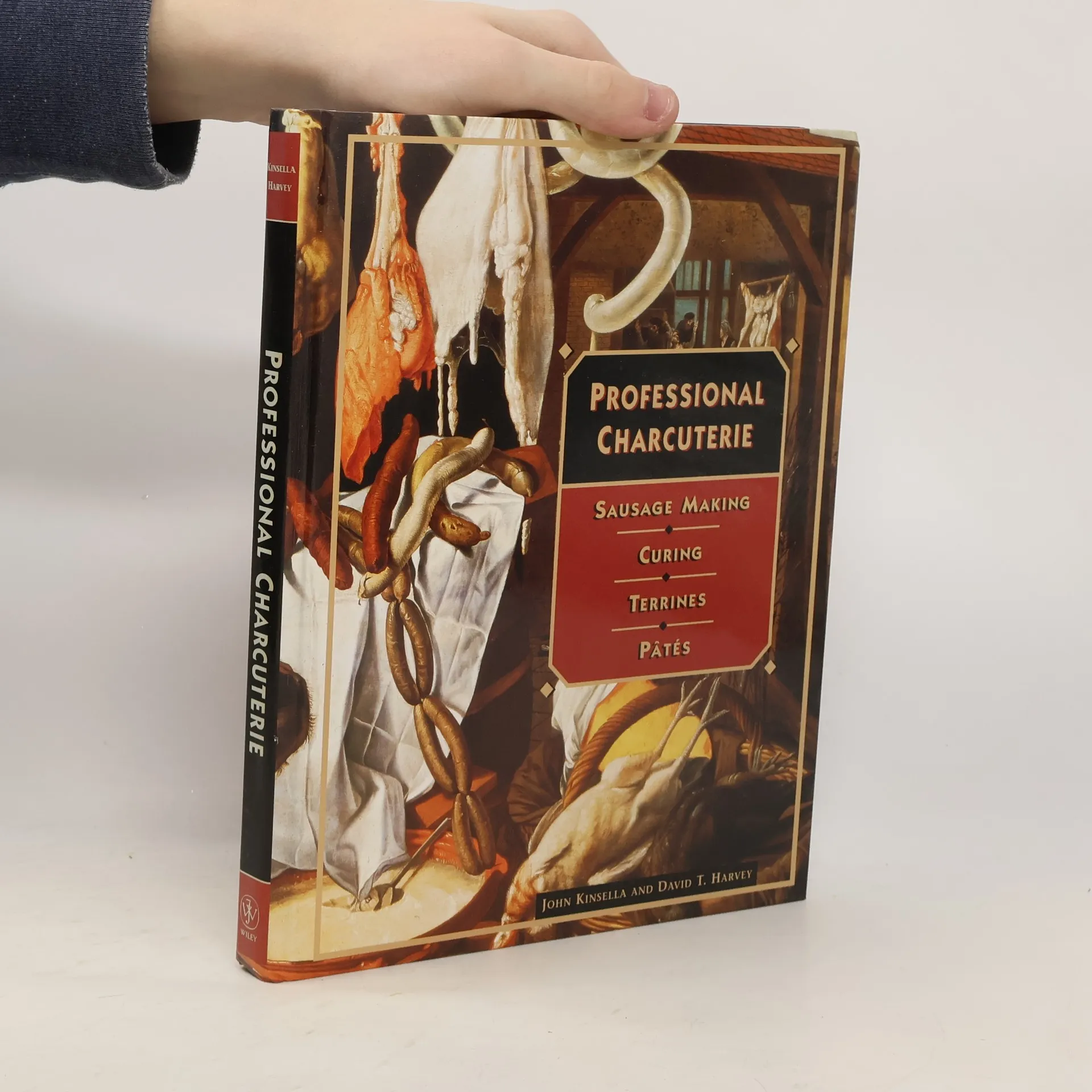
The complete, contemporary guide to preparing sausages, cured and smoked meats, pâtés and terrines, and cured and smoked fish of the highest quality Centuries of skill and imagination have earned charcuterie a revered place in the world of gastronomy, and Professional Charcuterie honors that proud tradition. This working manual and treasury of recipes covers the selection and assembly of ingredients, the most effective use of equipment, and the indispensable basics of food safety. Incorporating a wide variety of meats, seafood, fowl, and game, its range of over 200 enticing, culinary classroom-tested recipes includes all the classics of charcuterie, as well as exceptional contemporary favorites. Step-by-step instructions for smoking and curing are clearly presented, as well as illustrated procedures for preparing and stuffing sausages. Designed for professionals and culinary students as well as home cooks, Professional Charcuterie allows readers to produce superior products upon the very first effort, and to develop their skills to even higher levels.
Exploring the intersection of poetry and activism, this work by John Kinsella delves into themes of legibility and protest against tyranny. It emphasizes peaceful yet persistent participation in human rights advocacy and environmentalism. The author reflects on the role of poetry as a tool for intervention during social crises, highlighting the importance of community and the rights of all beings. This book serves as a compelling poetics against fascism, advocating for the well-being of the biosphere through thoughtful engagement and action.
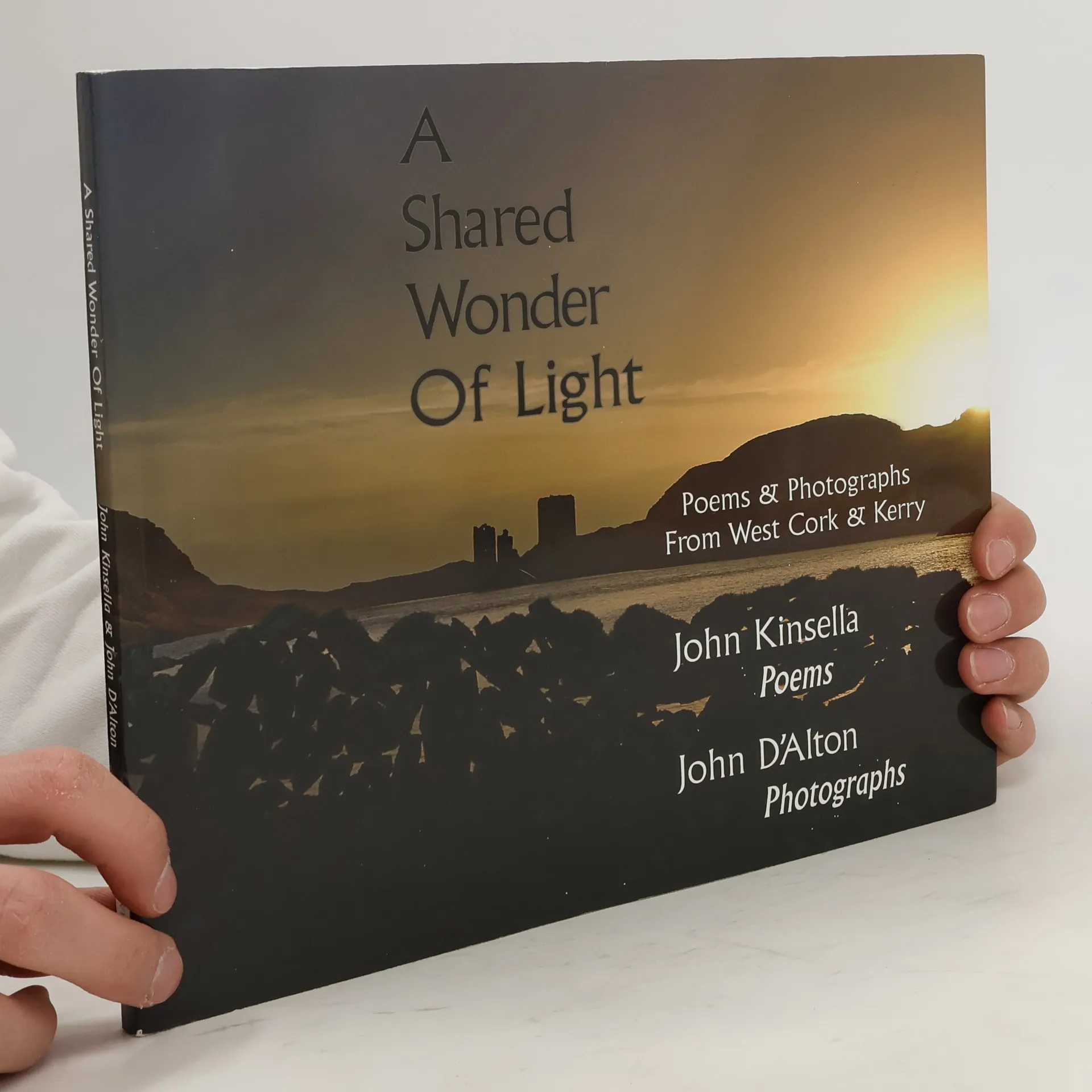
A Shared Wonder of Light
- 86 pages
- 4 hours of reading
The Penguin Anthology of Australian Poetry
- 454 pages
- 16 hours of reading
'A very fine anthology, with exemplary introductions. It is refreshing to see how much has been done so well.' - Peter Pierce Wide in scope and bold in ambition, this exciting anthology covers the range of Australian poetic achievement, from early colonial verse through to contemporary work, with a strong recognition of Indigenous voices. This collection brings together great and familiar names with those that deserve better recognition. Including valuable introductory essays by John Kinsella, and biographical notes for all the poets, The Penguin Anthology of Australian Poetry presents the full measure of Australian poetic talent in all its richness and diversity.
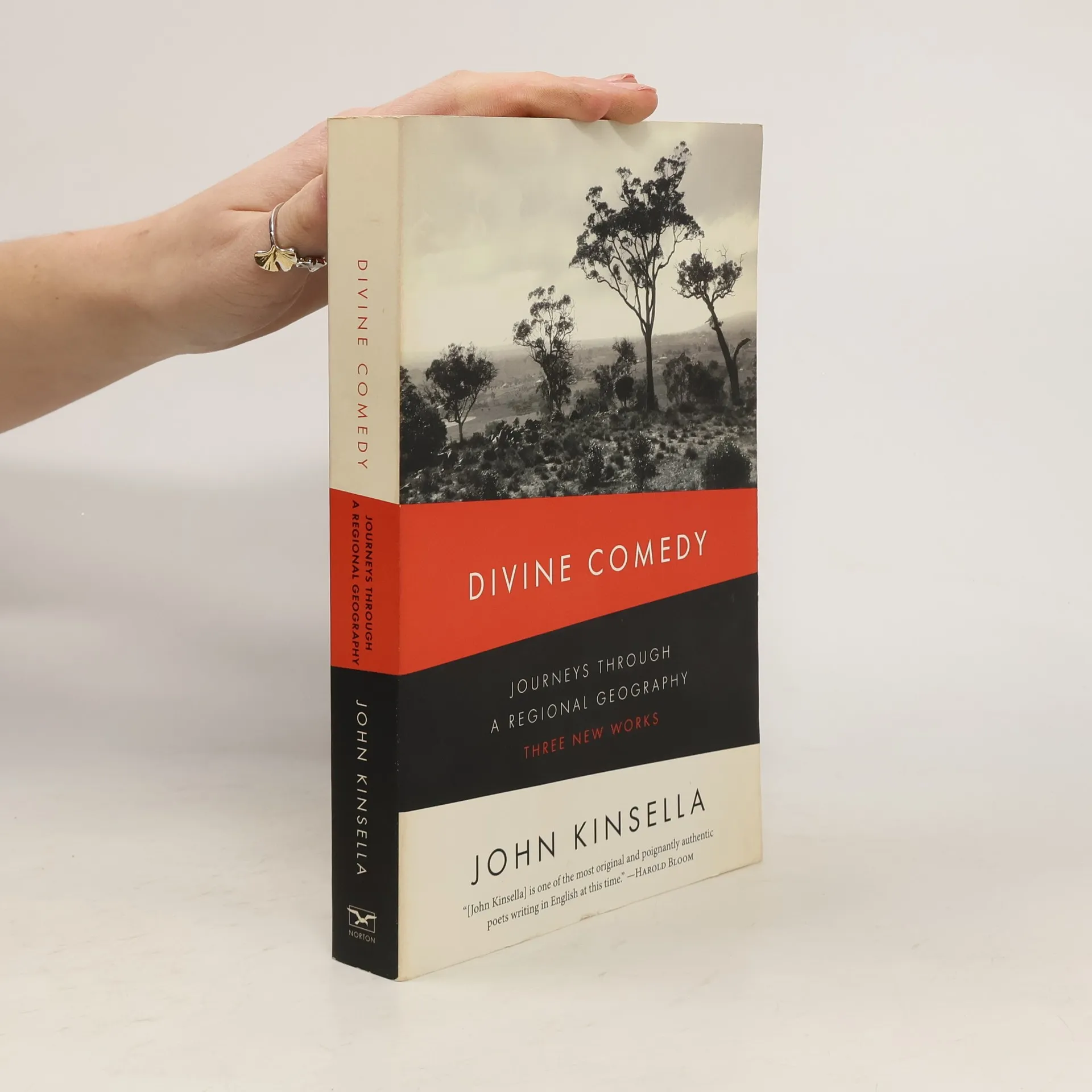
A three-part, epic work challenging our notions about the environment by Australia’s preeminent poet of the natural world. Consisting of Purgatorio: Up Close , Paradiso: Rupture , and Inferno: Leisure Centre , John Kinsella's "distractions" on Dante's Divine Comedy journey through time and space. Set in a wheat-belt Western Australia, these poems are a phantasmagoria of the real and imagined, depicting nature in its full regalia, resisting forces of environmental damage and human indifference.