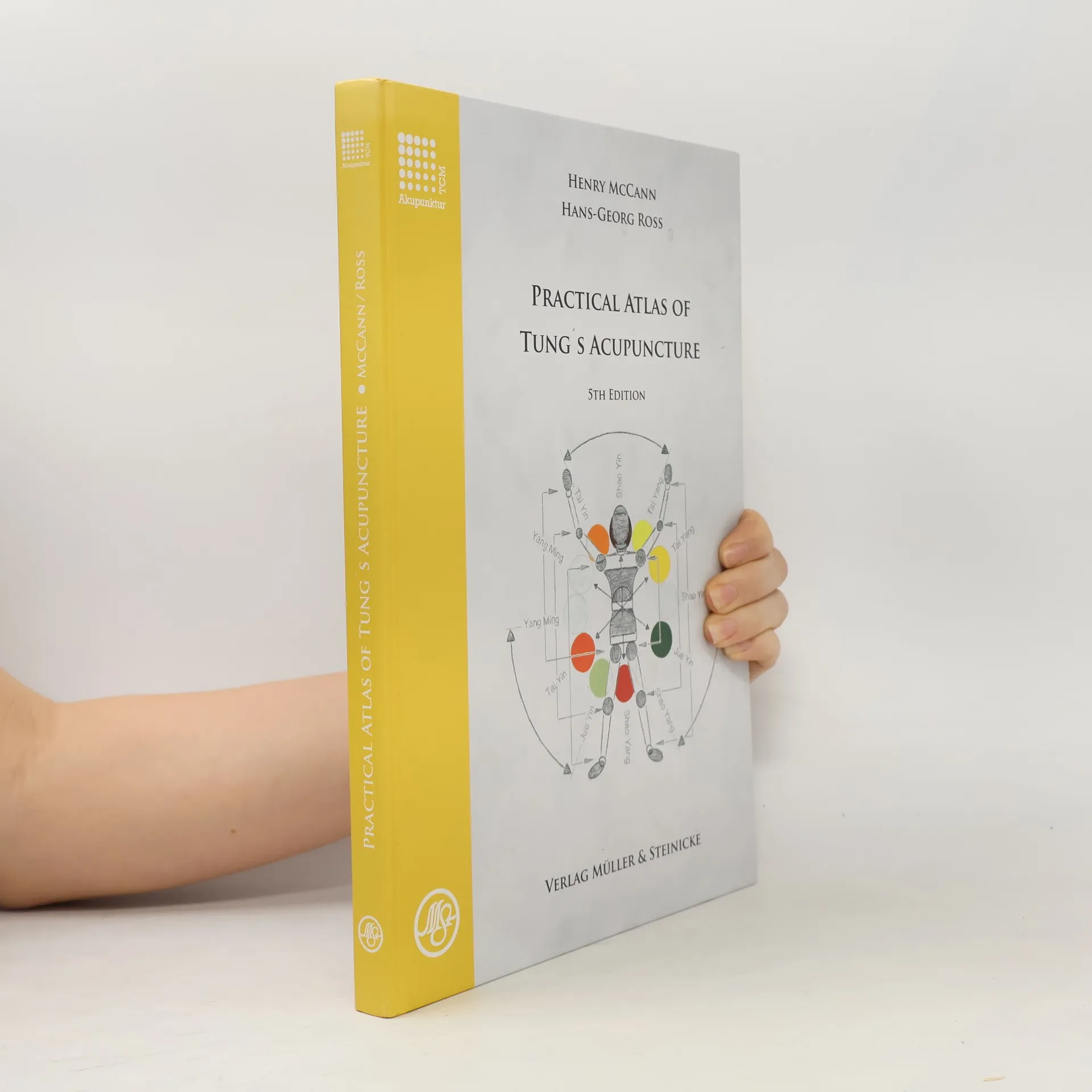
Throughout the history of Chinese medicine, various practices have emerged, some rooted in the Confucian scholar tradition and others maintained as family secrets. These family lineages, often kept within small groups, have occasionally vanished when there were no heirs to carry on the knowledge. This tradition of secrecy poses a significant challenge, particularly in medicine, where the concept of compassion (Yi Wei Ren Shu) emphasizes the need for open sharing of knowledge. Tung's acupuncture is one such lineage that has survived, thanks to the openness of its last proponent, Tung Ching Chang. According to oral tradition, Tung's Acupuncture dates back to the Han Dynasty, although this is not academically verified. Traditionally, the practice was passed from father to eldest son until the 20th century. Tung Ching Chang, born in 1916 in Shandong Province, learned acupuncture from his father. His life coincided with significant turmoil in China; he served in the Kuo Min Tang army during the Second Sino-Japanese War and the Nationalist-Communist Civil War. Following the KMT's retreat to Taiwan in 1949, he established a private acupuncture clinic in the early 1960s, gaining recognition for treating high-ranking ROC officials and even serving as a cultural ambassador to Cambodia.
Henry McCann Books