
Explore the latest books of this year!
Bookbot

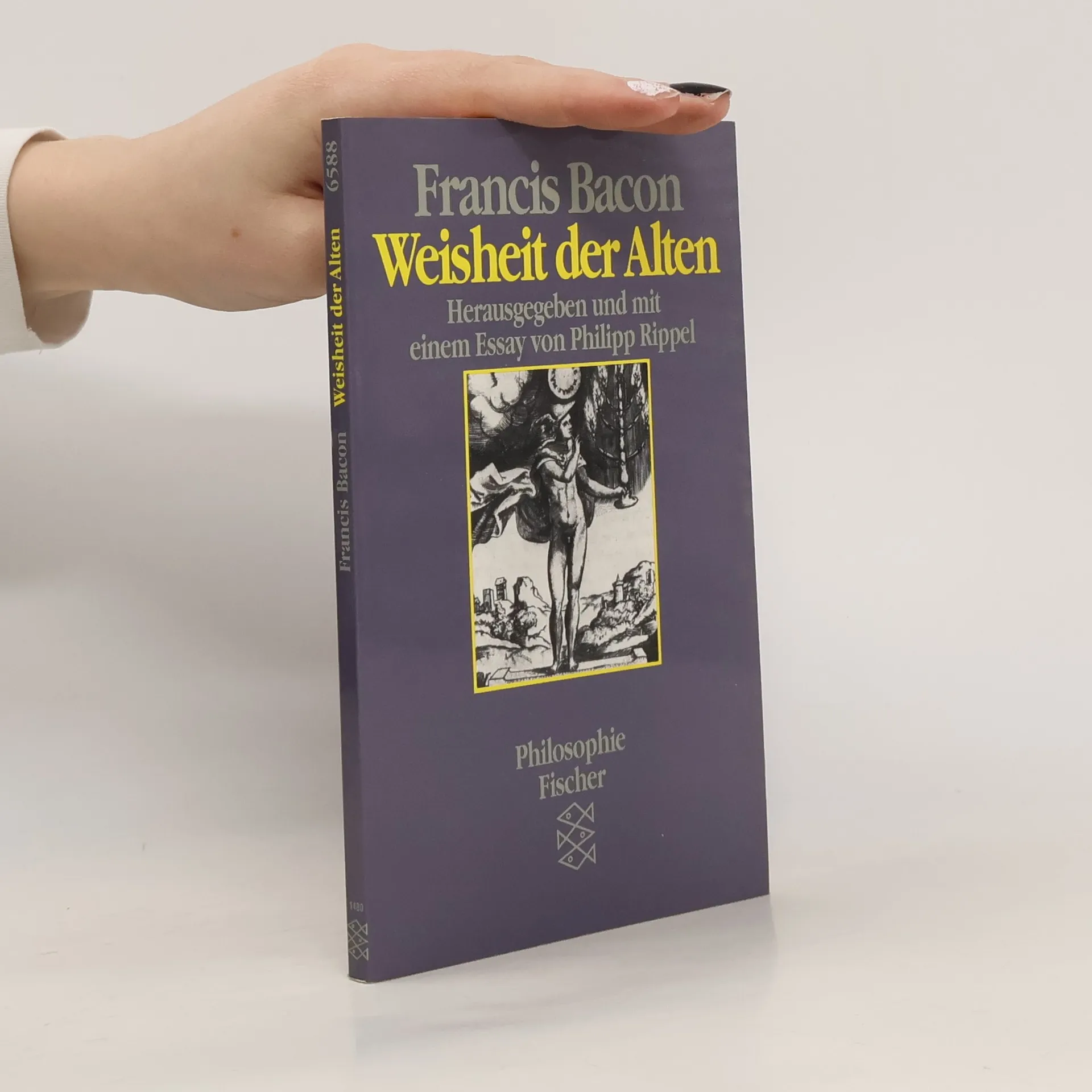
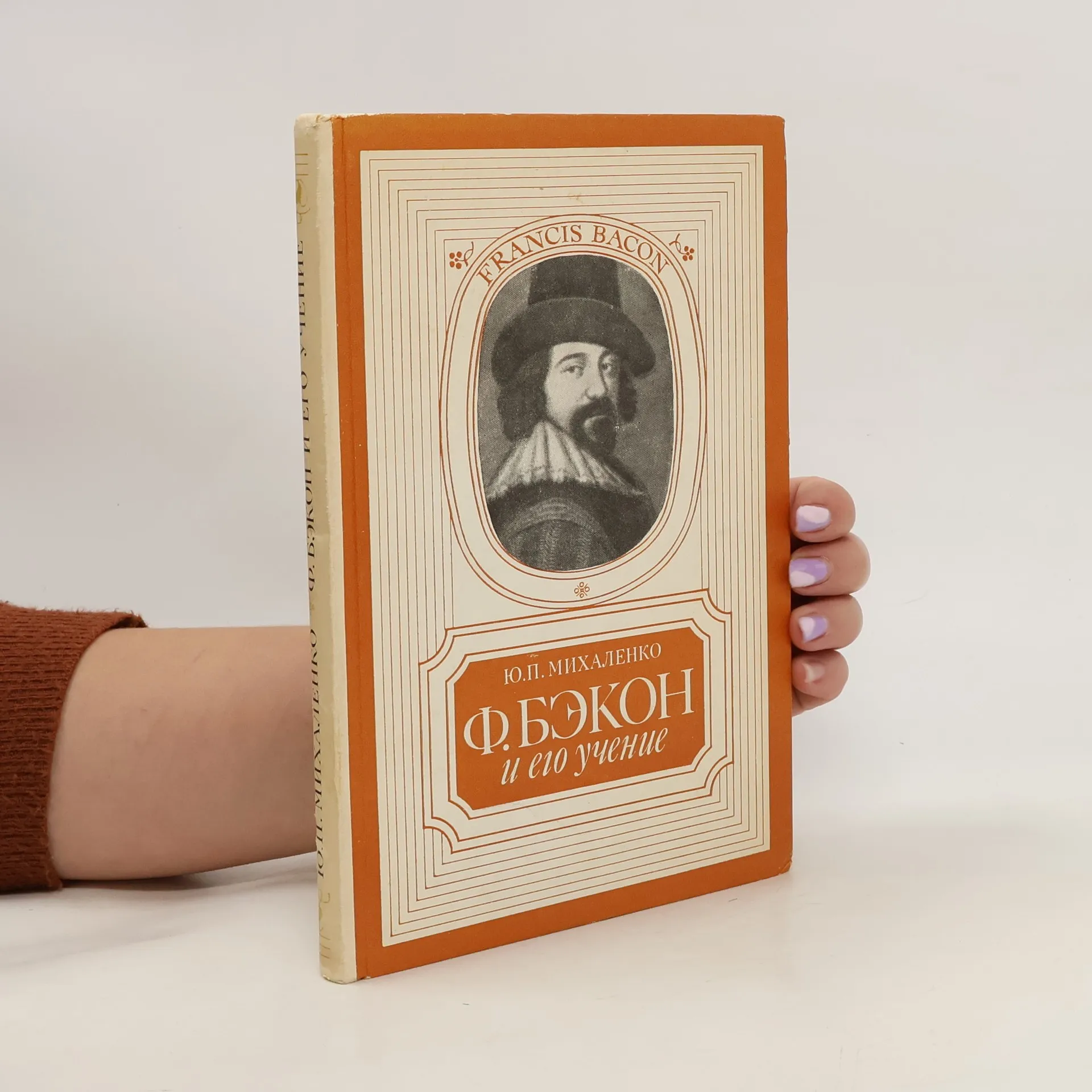
Francis Bacon

    January 22, 1561 – April 9, 1626
    Francis Bacon
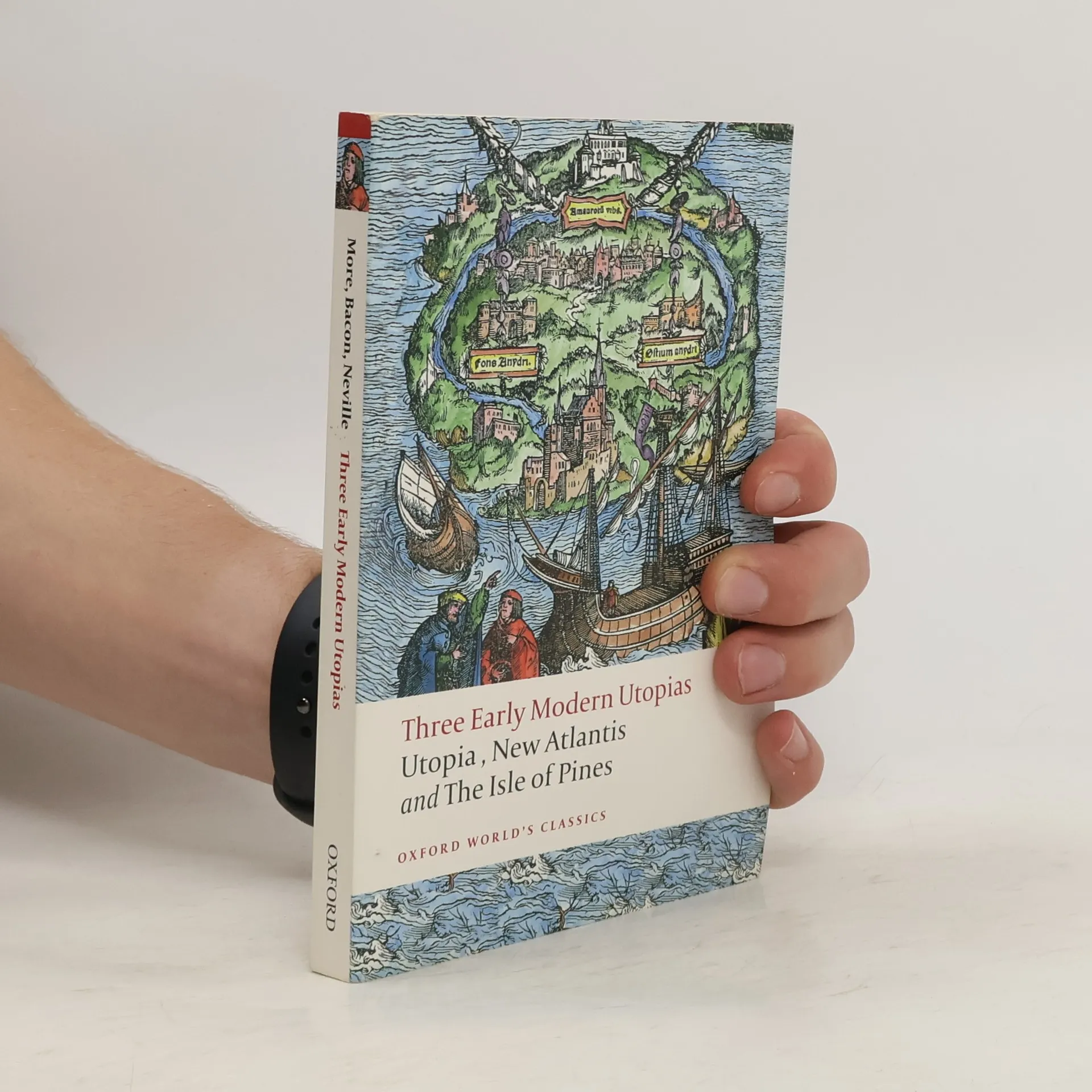
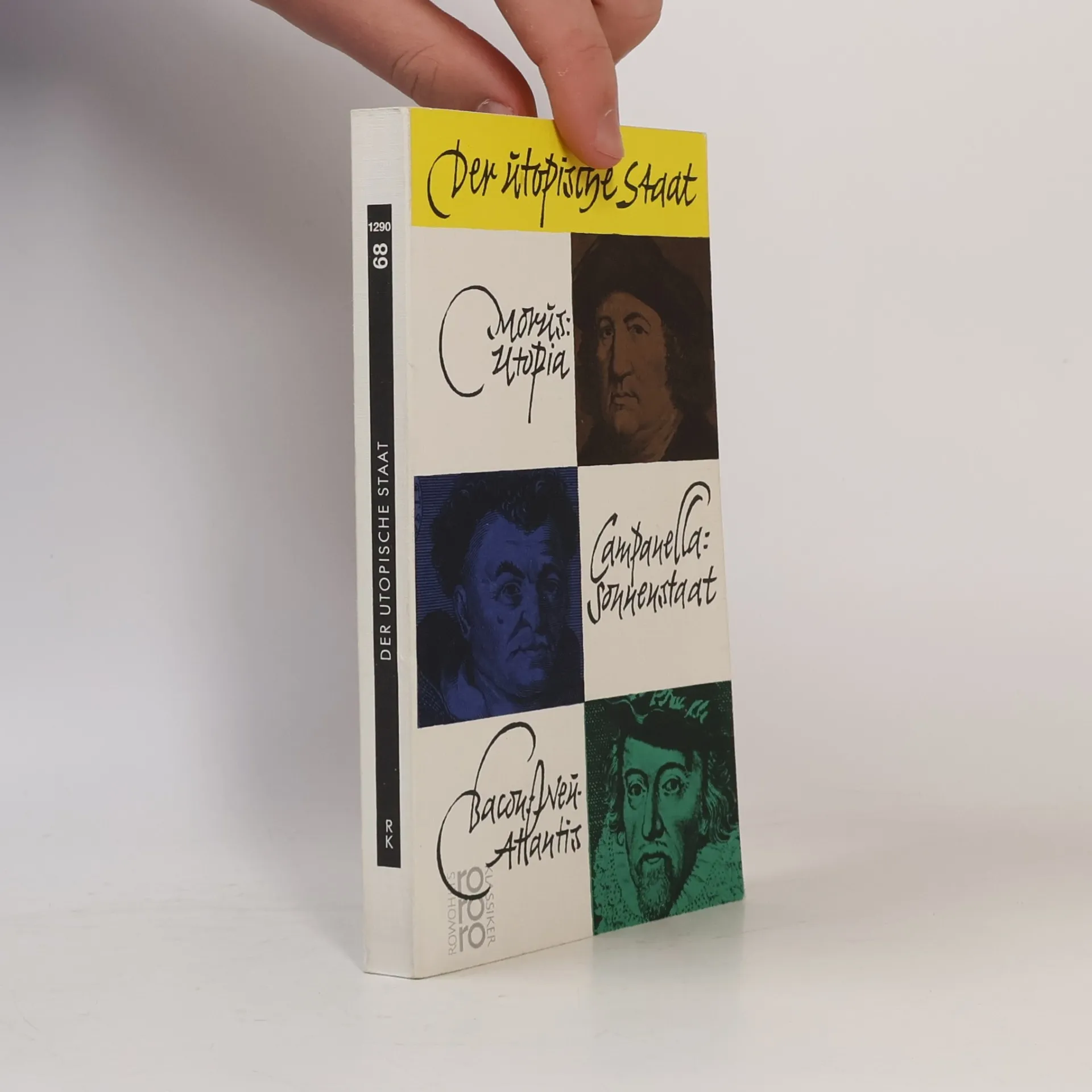
    Three Early Modern Utopias
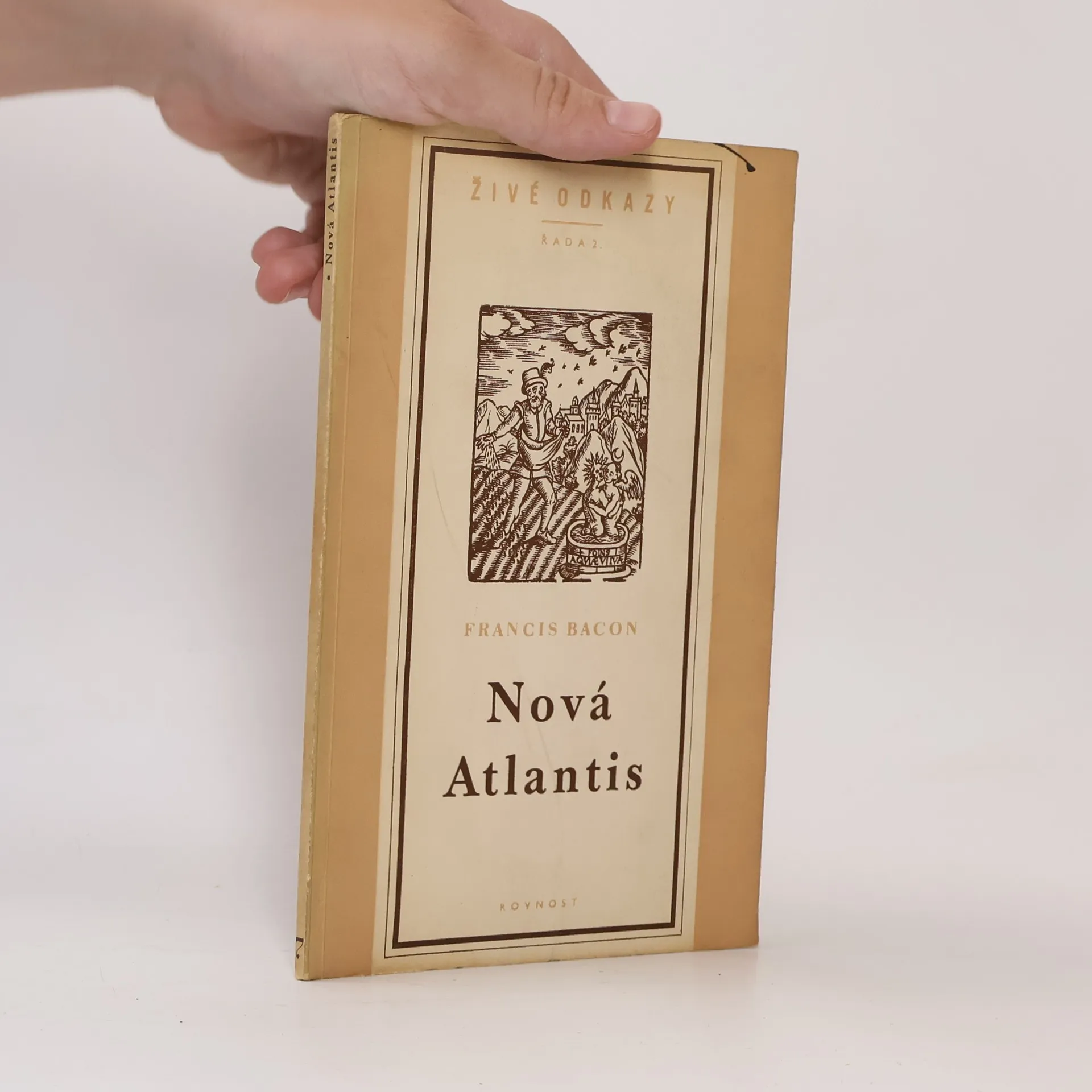
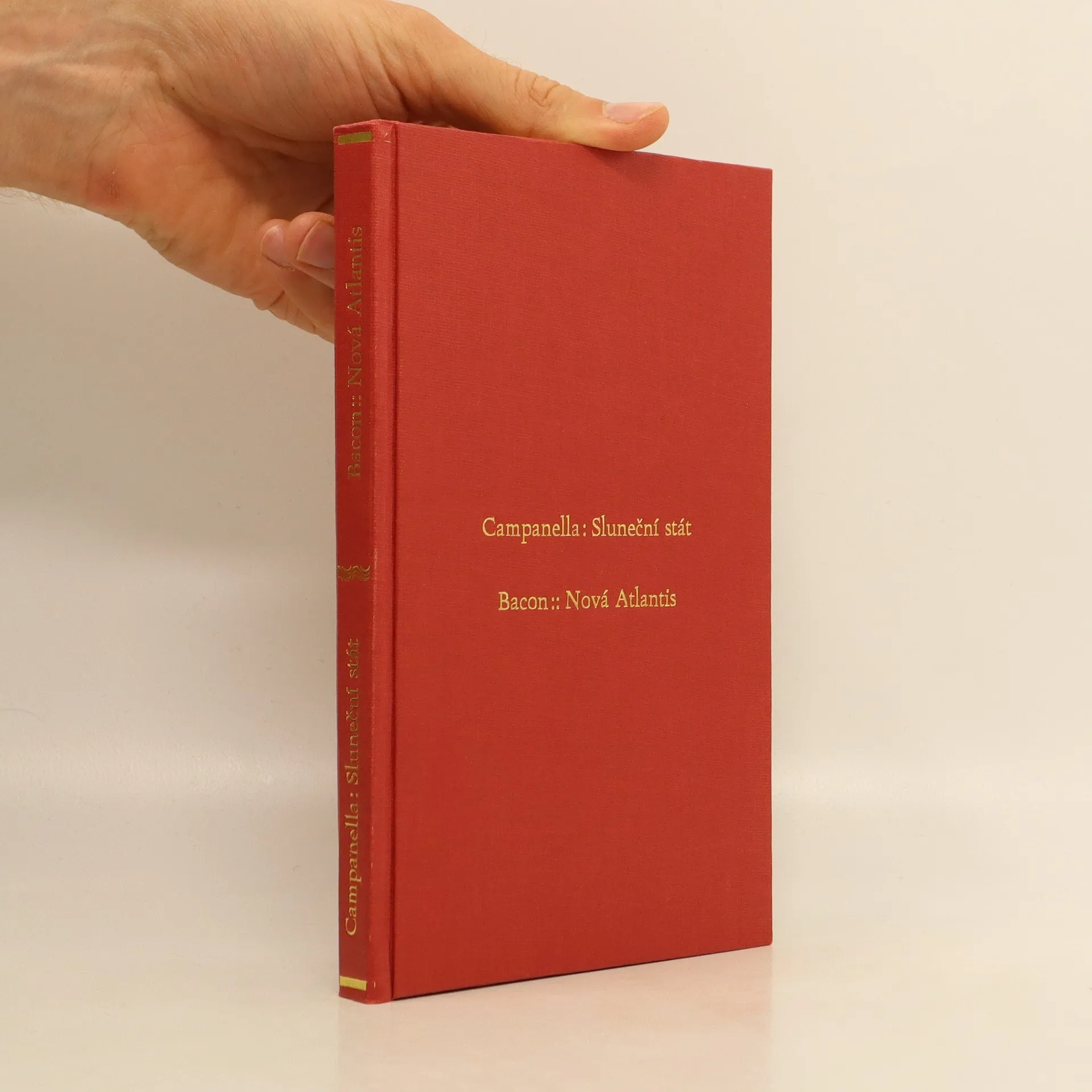
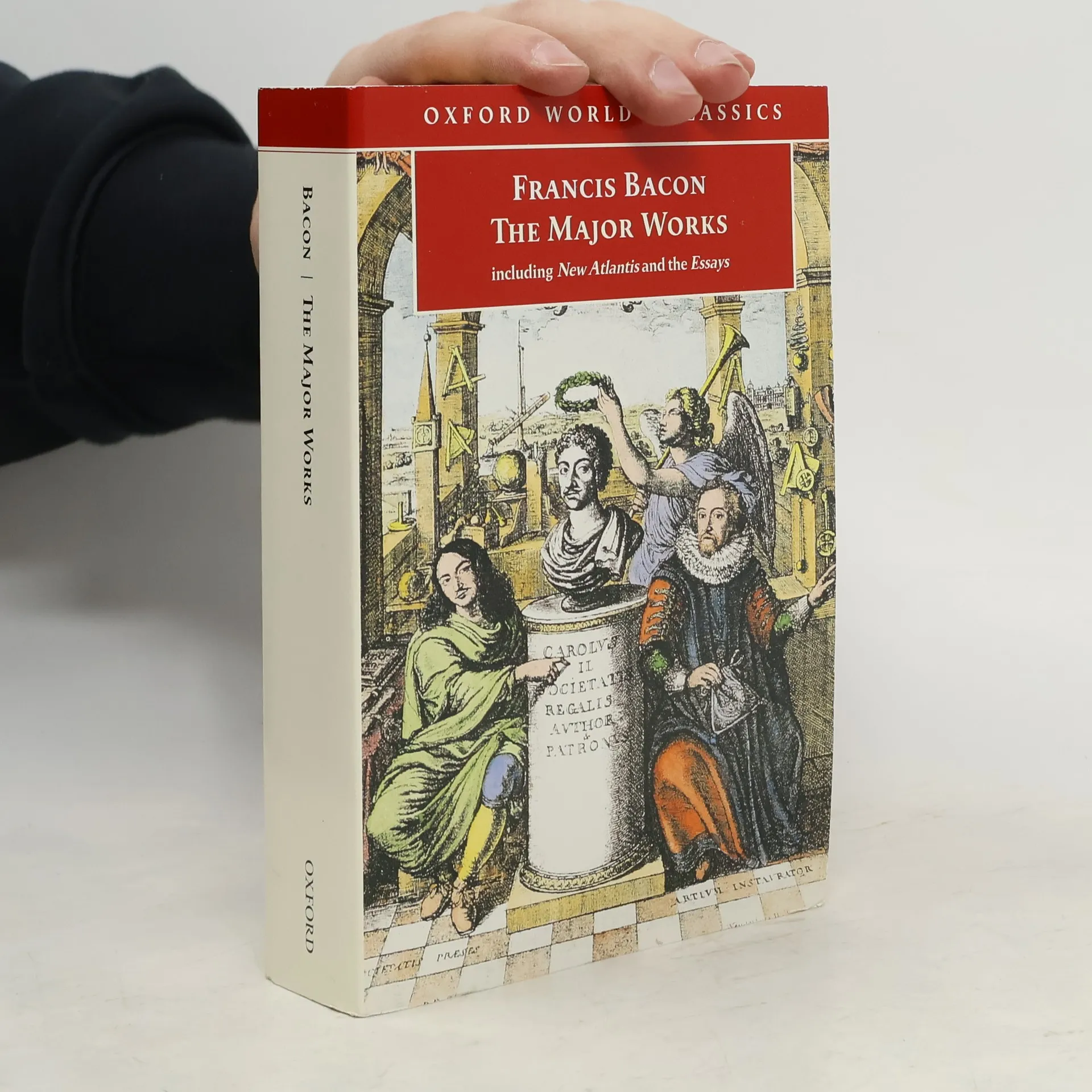
    New Atlantis
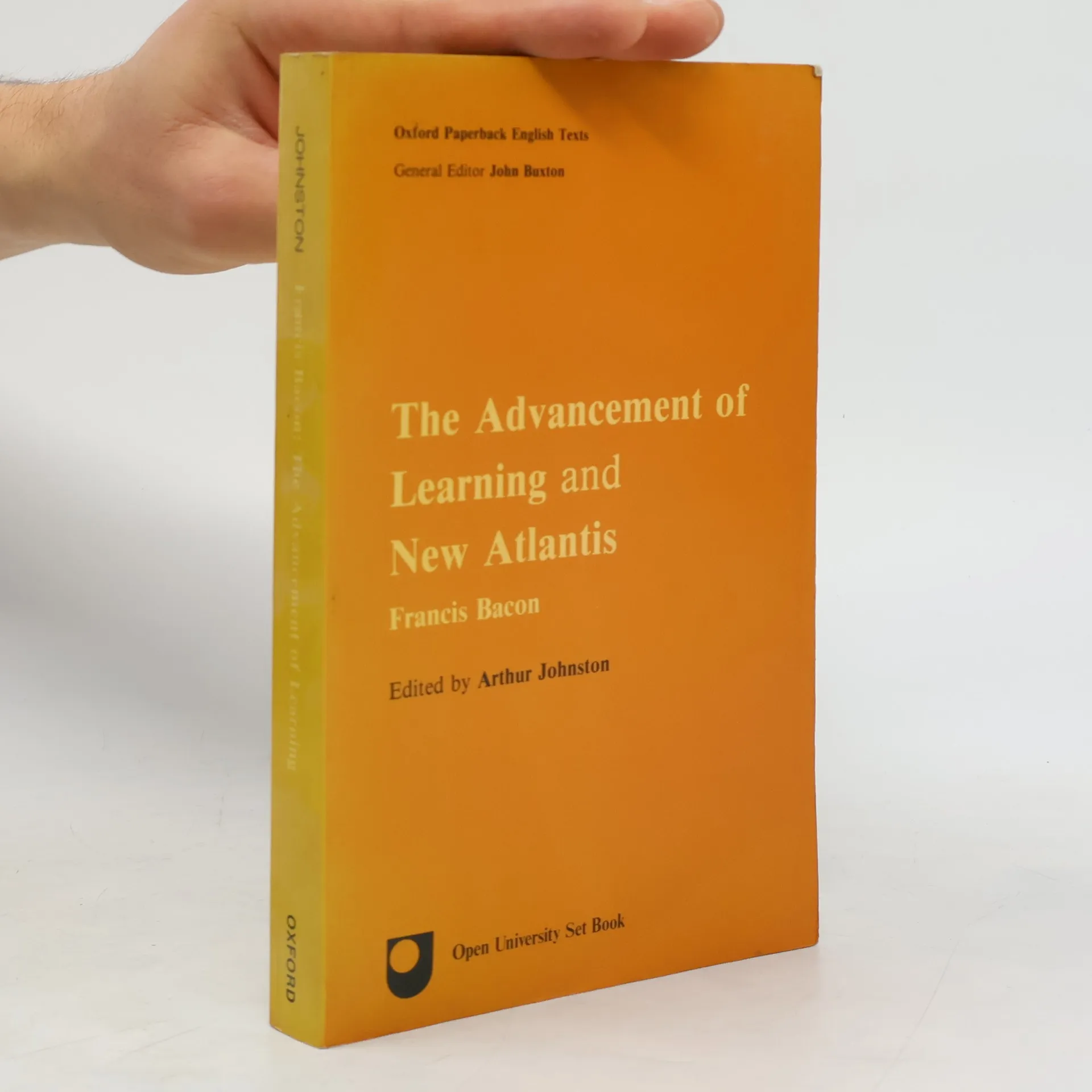
    The advancement of learning and New Atlantis
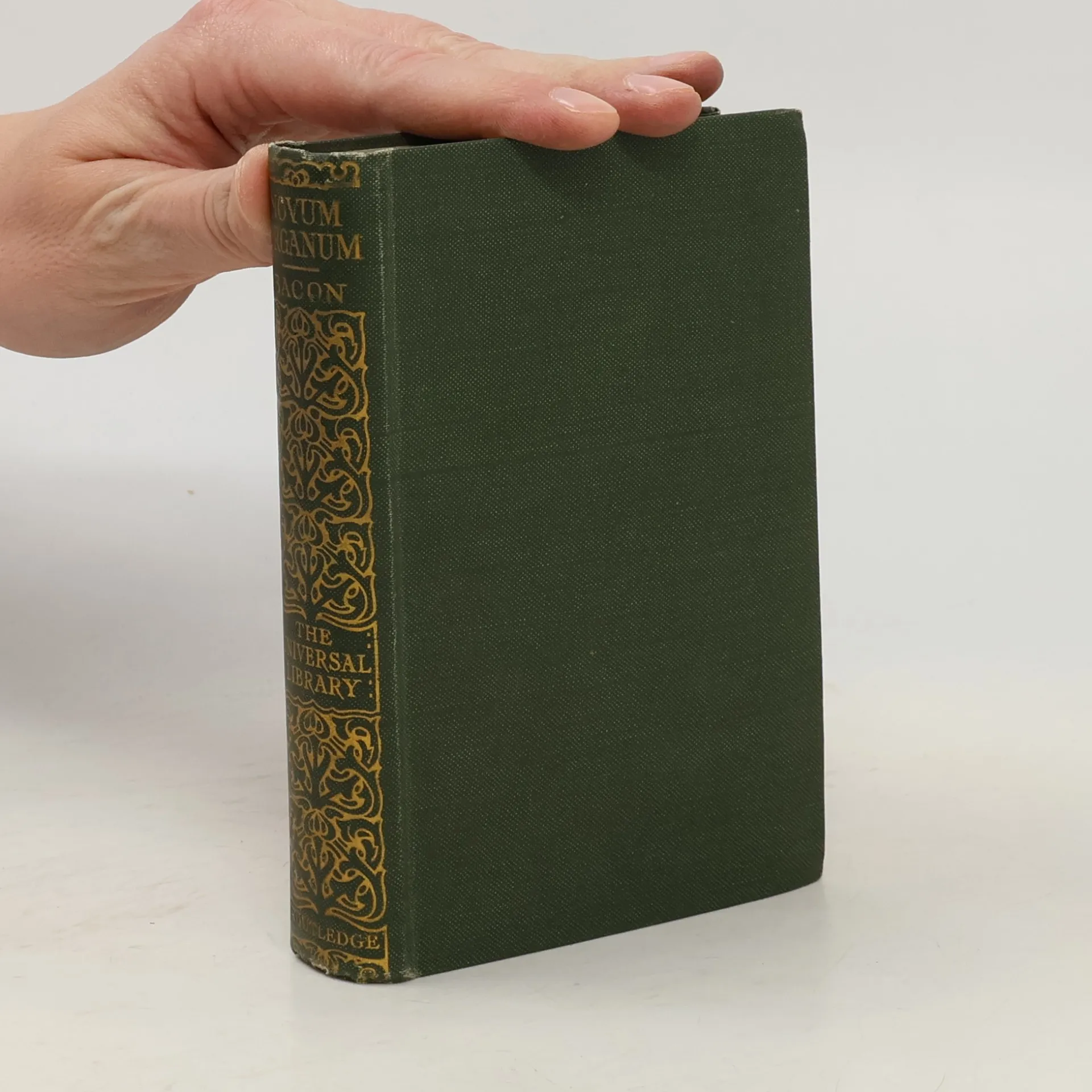
    The New Organon
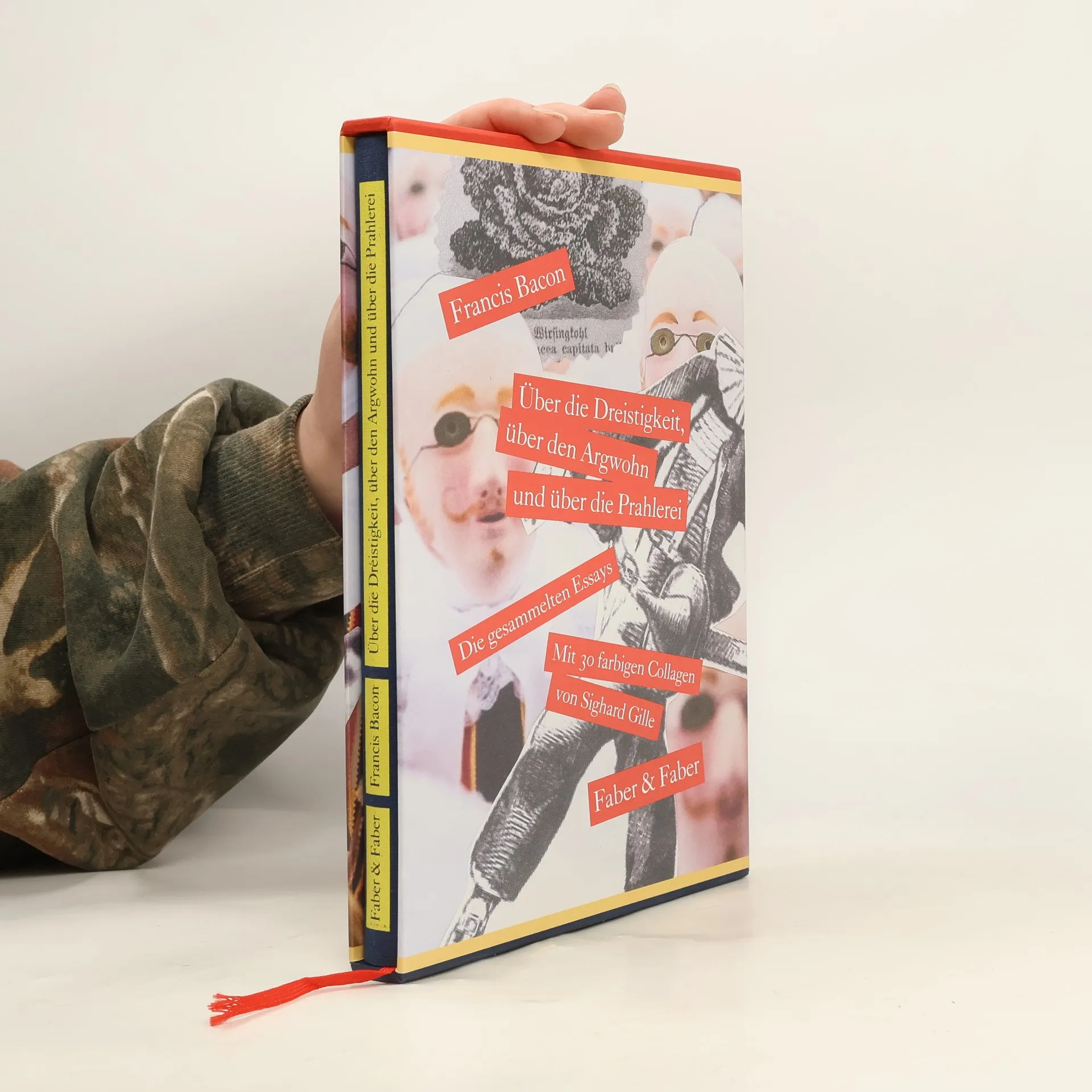
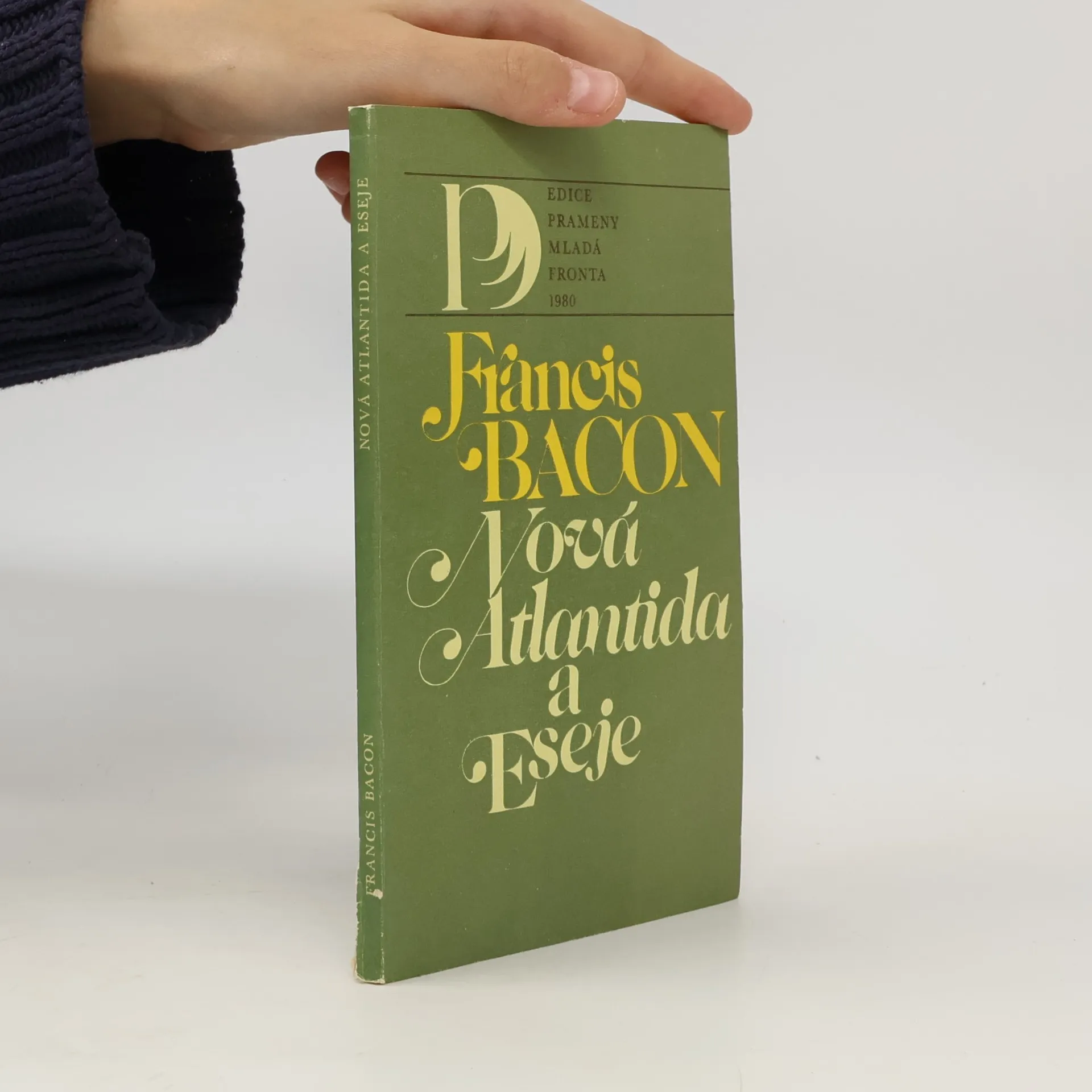
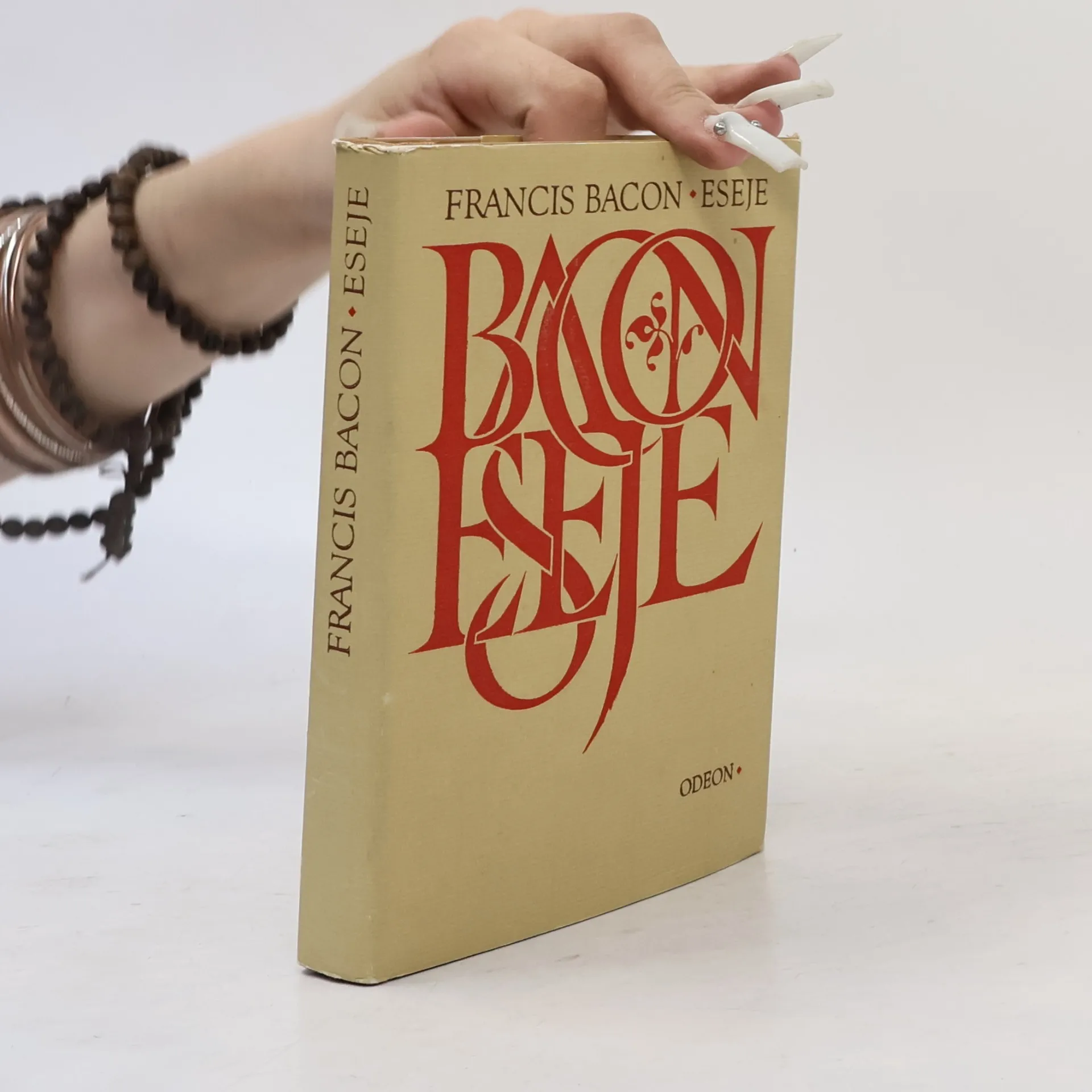
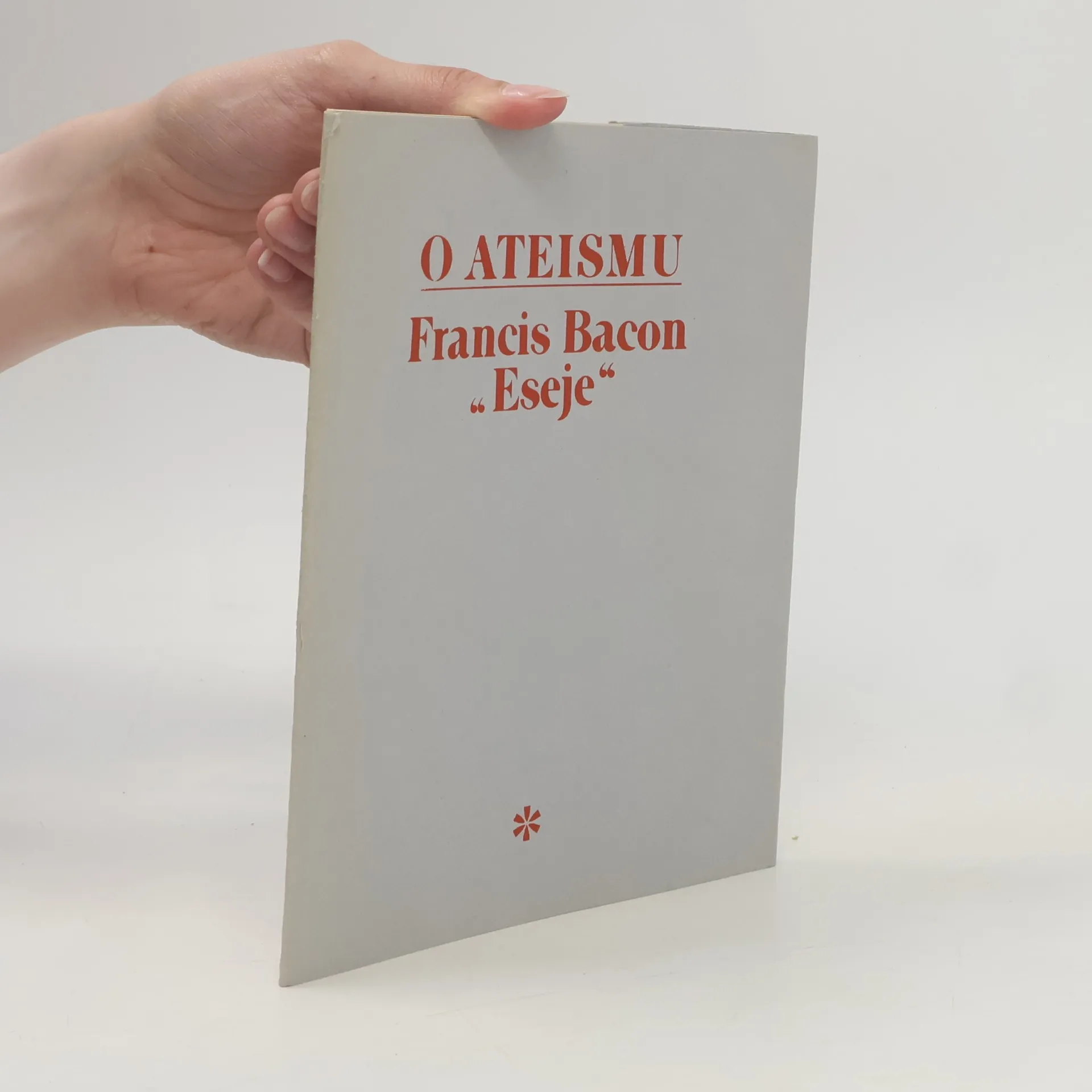
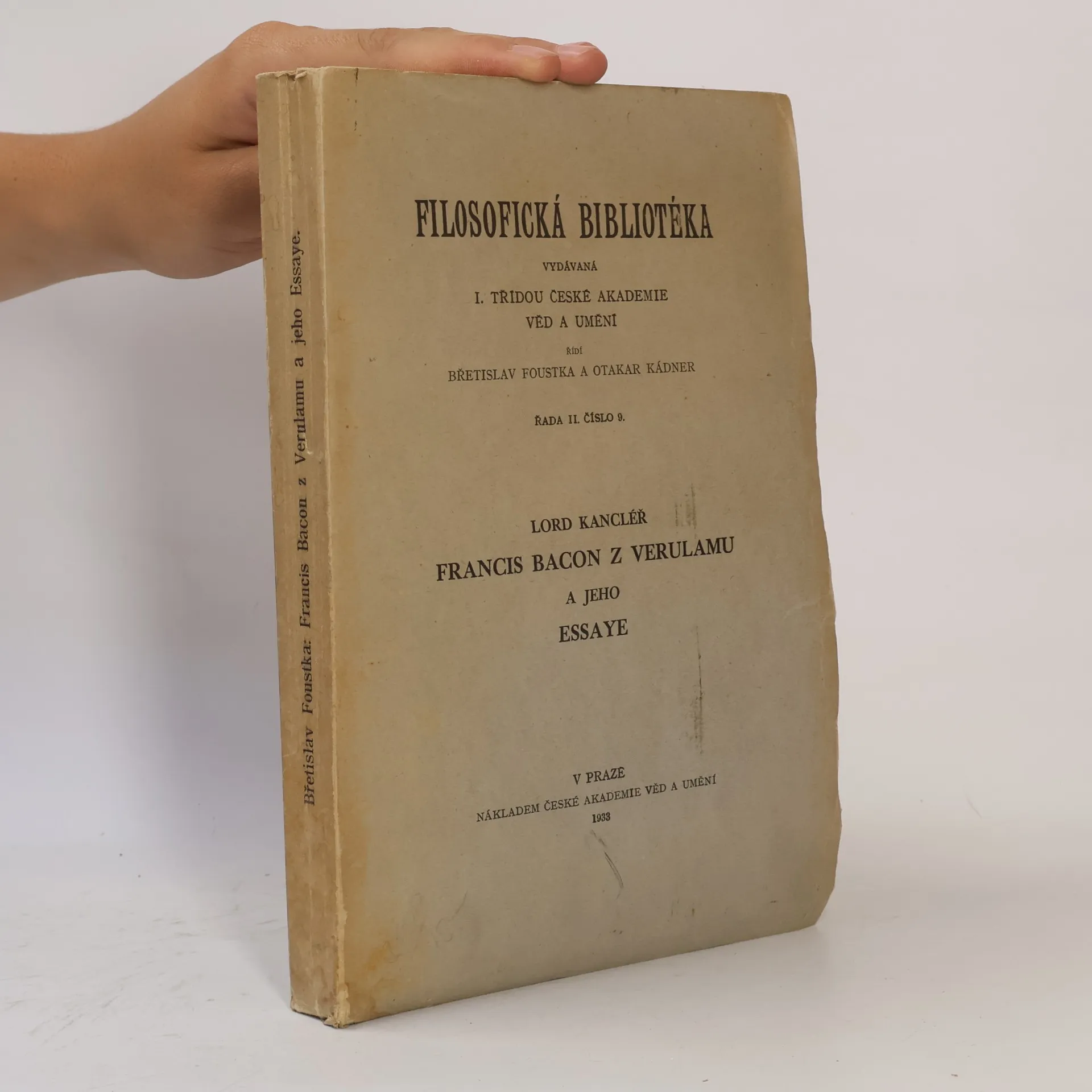
    Essays
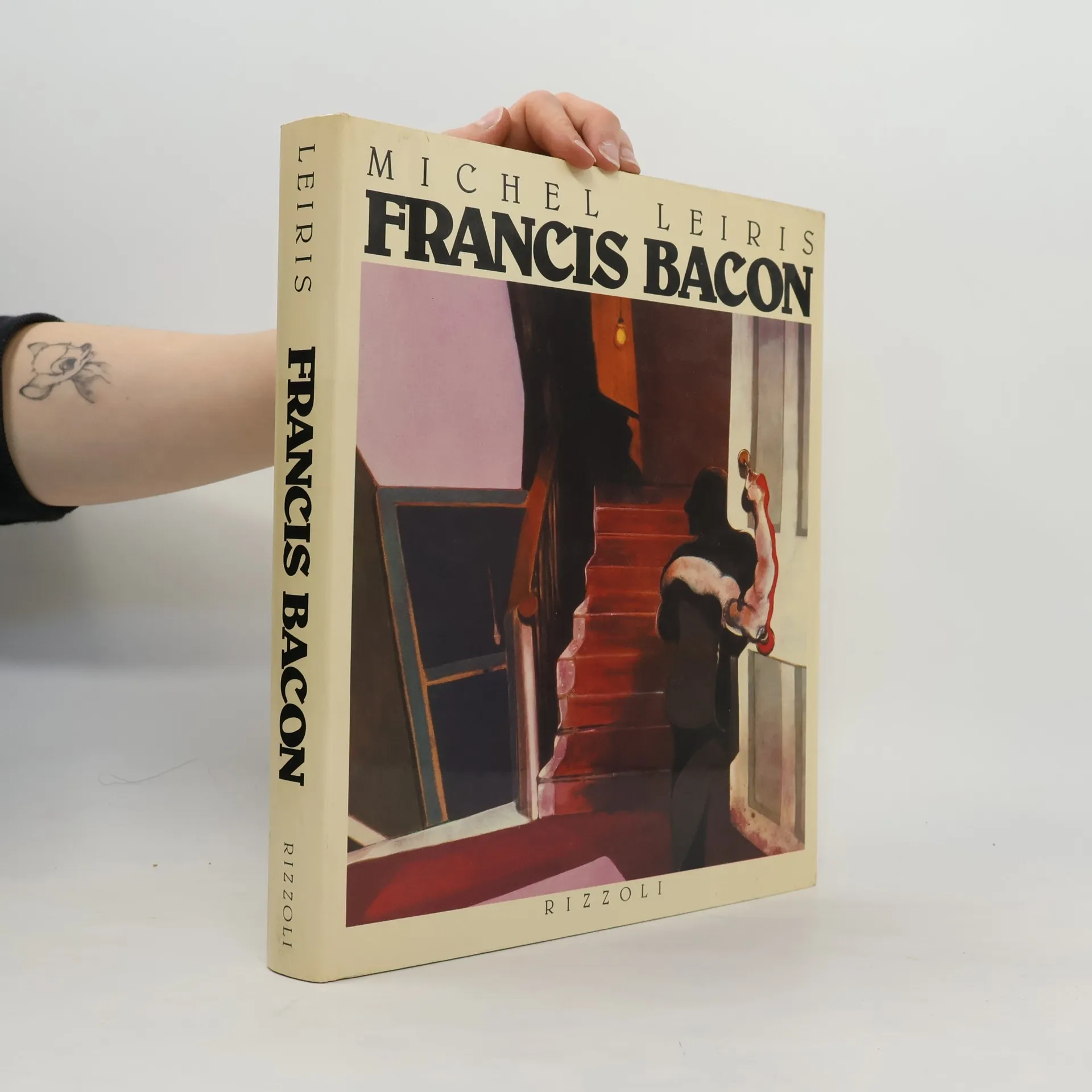
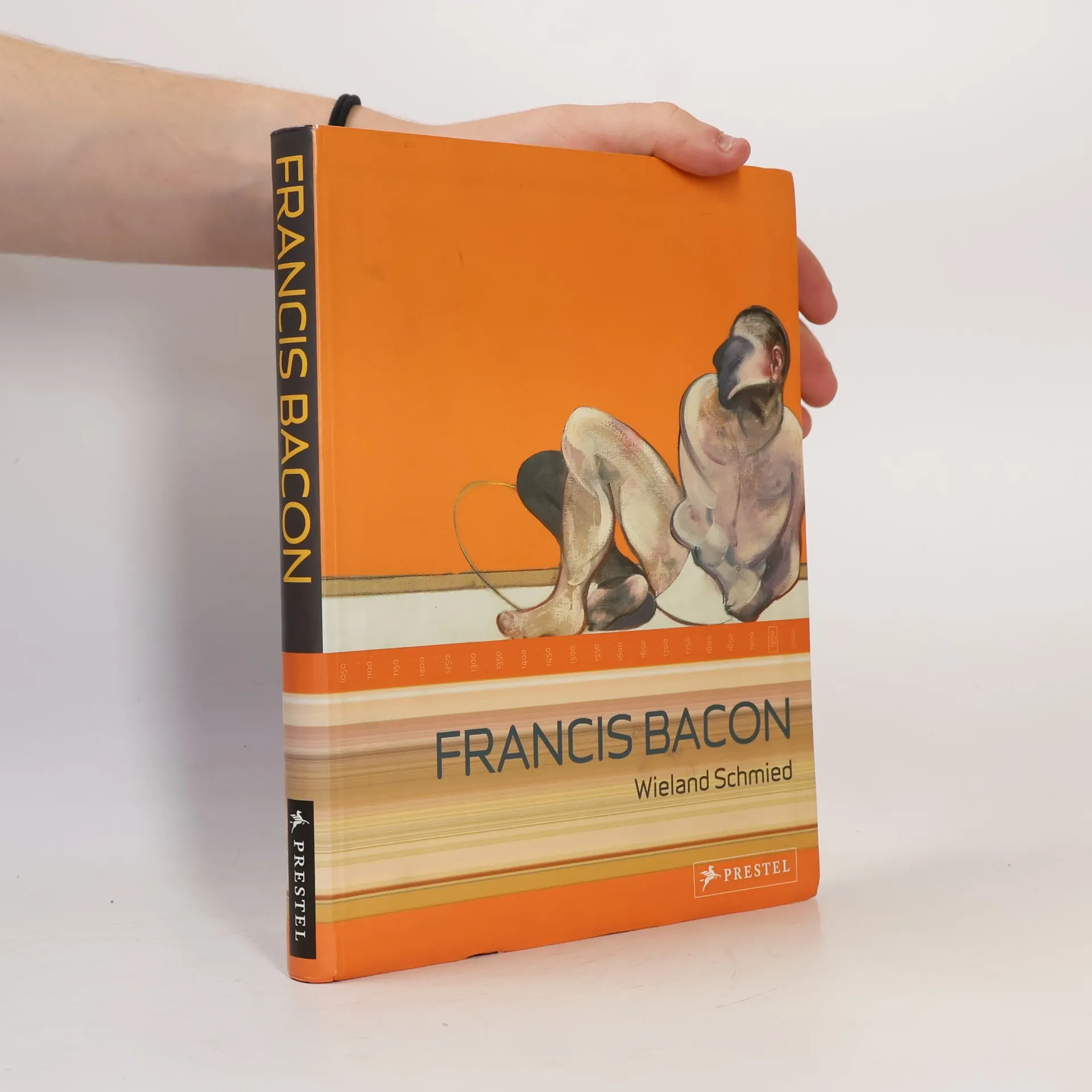
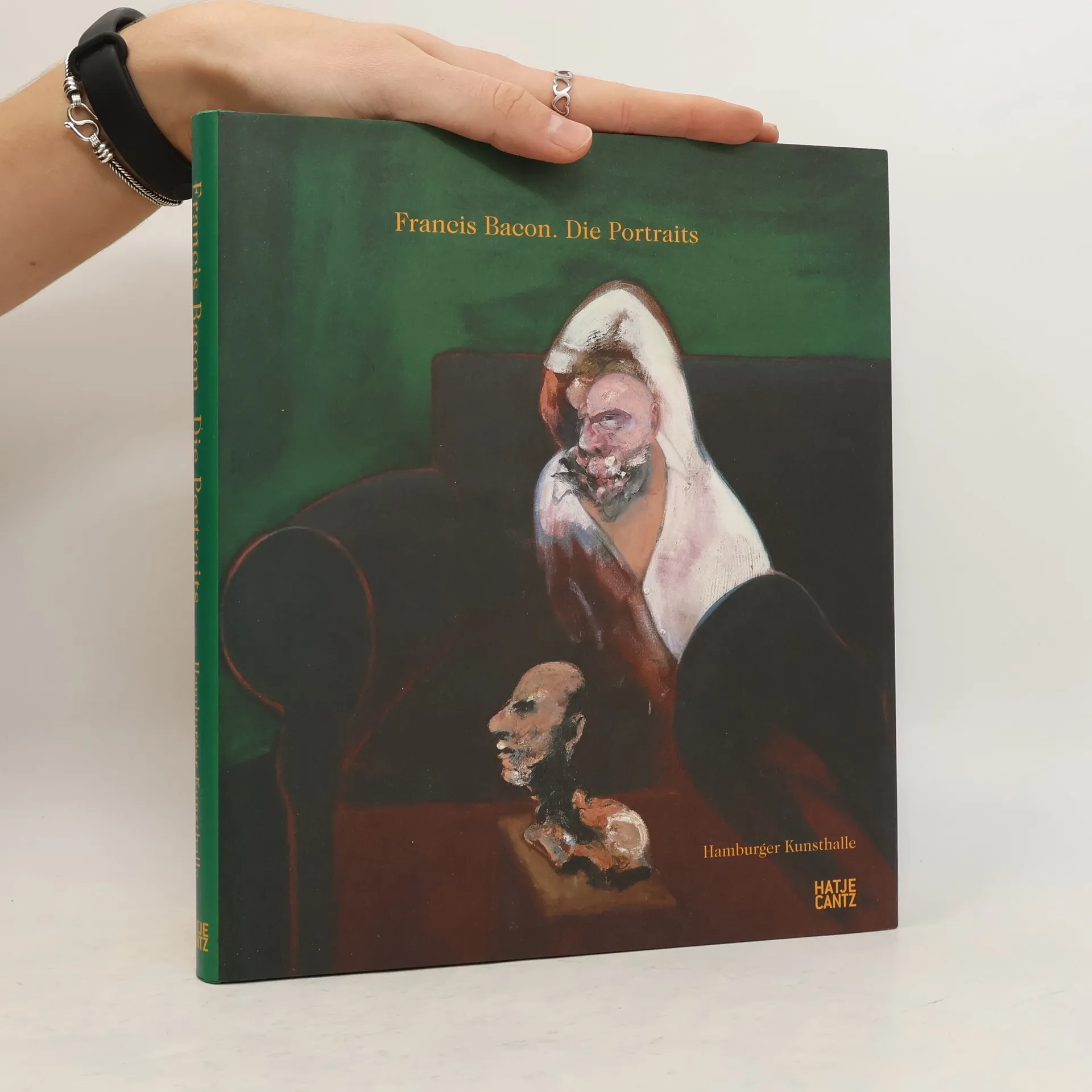
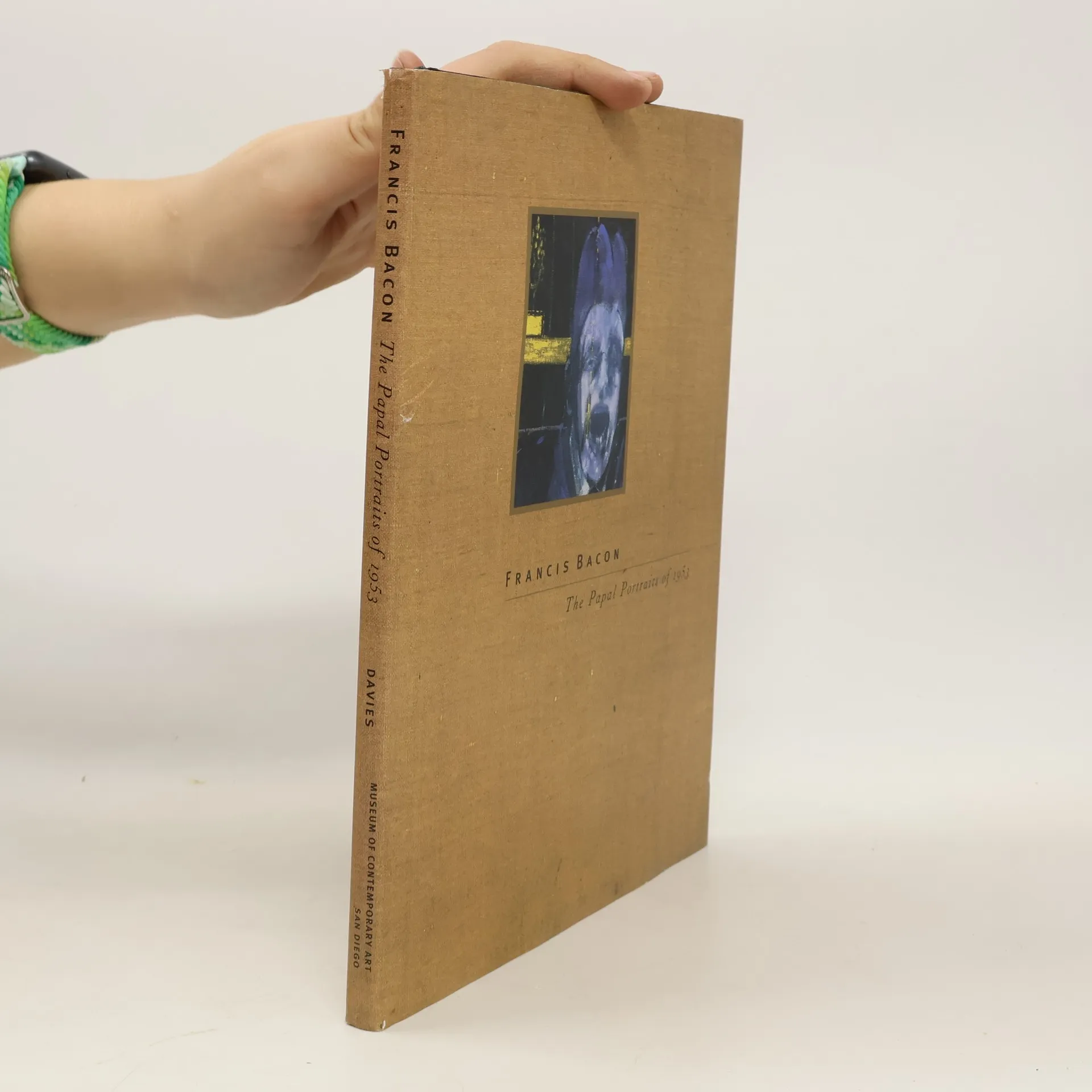
    The Papal Portraits of 1953
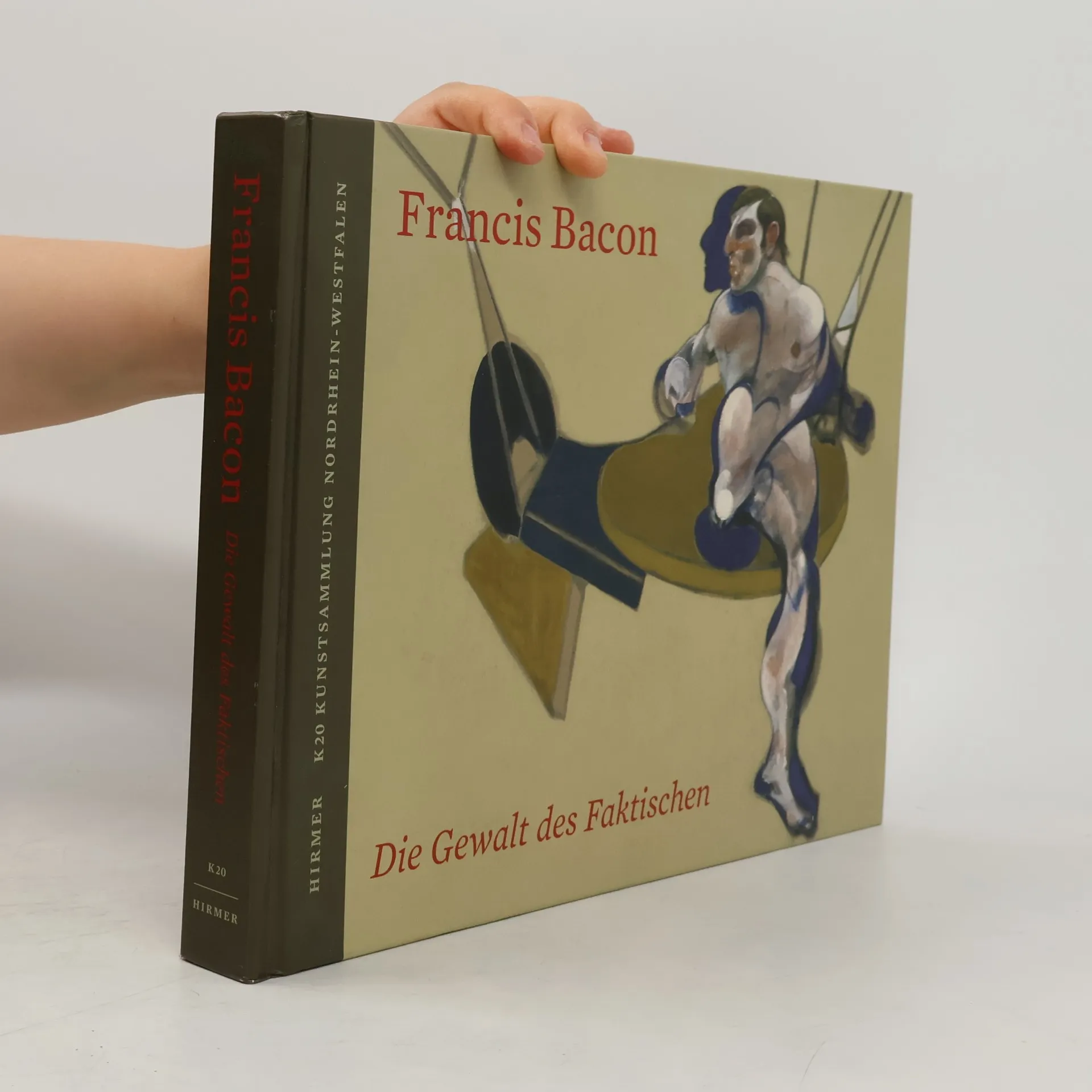
    • Francis Bacon: The Papal Portraits of 1953 explores the largest series of paintings made by the British artist Francis Bacon. For the first time, this book collects all eight Study for Portrait paintings, the famous "Study after Velazquez's Portrait of Pope Innocent X" from 1953 and several other works from the period. An essay by Hugh M. Davies, who has written extensively about Bacon, discusses his influences and sources of imagery for this body of work. Also included is a previously unpublished interview with Bacon that Davies conducted more than 25 years ago. Rounded out with a chronology and selected bibliography, Papal Portraits is a major document for the study of this vital and influential twentieth-century master.

      The Papal Portraits of 1953
    • Essays

      • 240 pages
      • 9 hours of reading
      4.2(20)Add rating

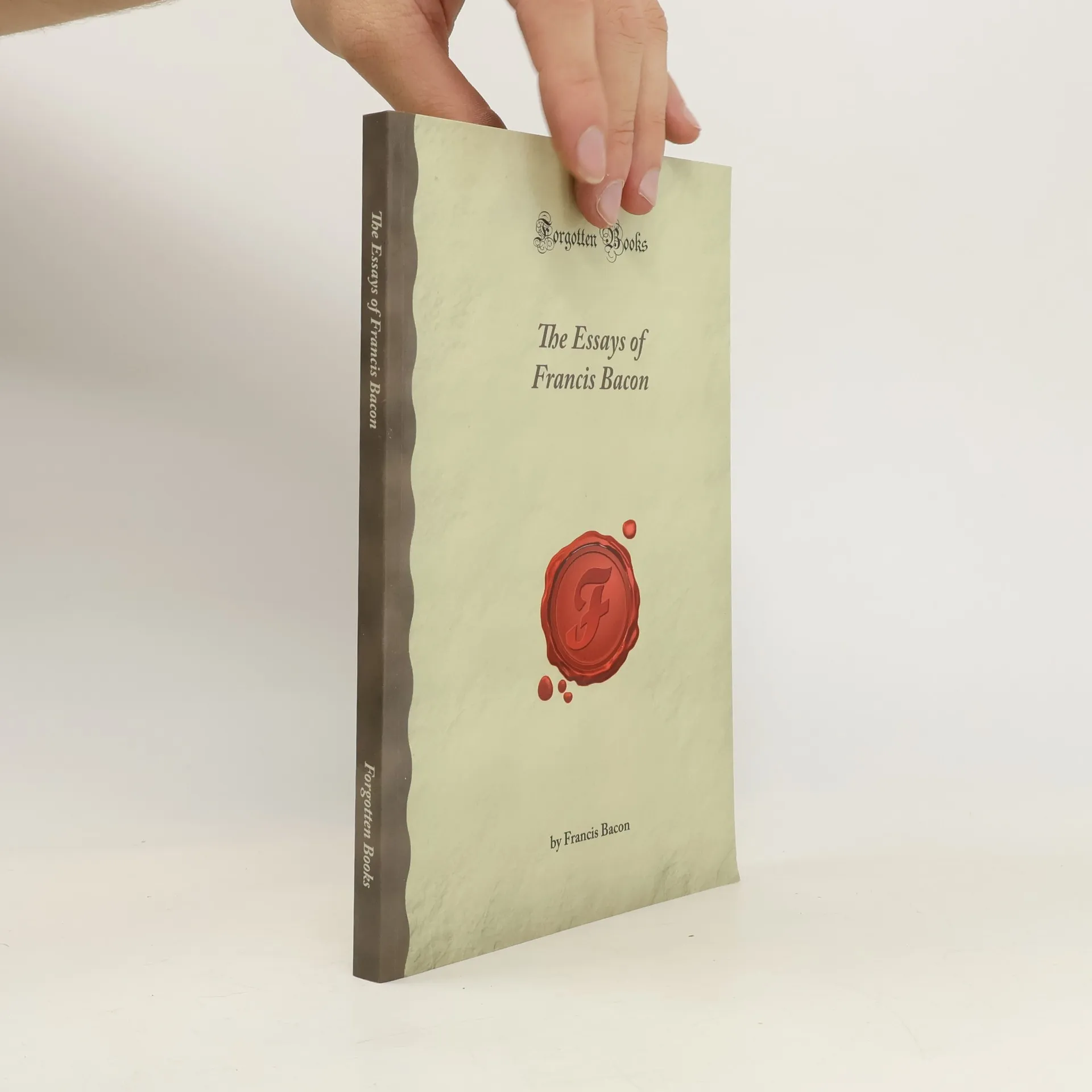
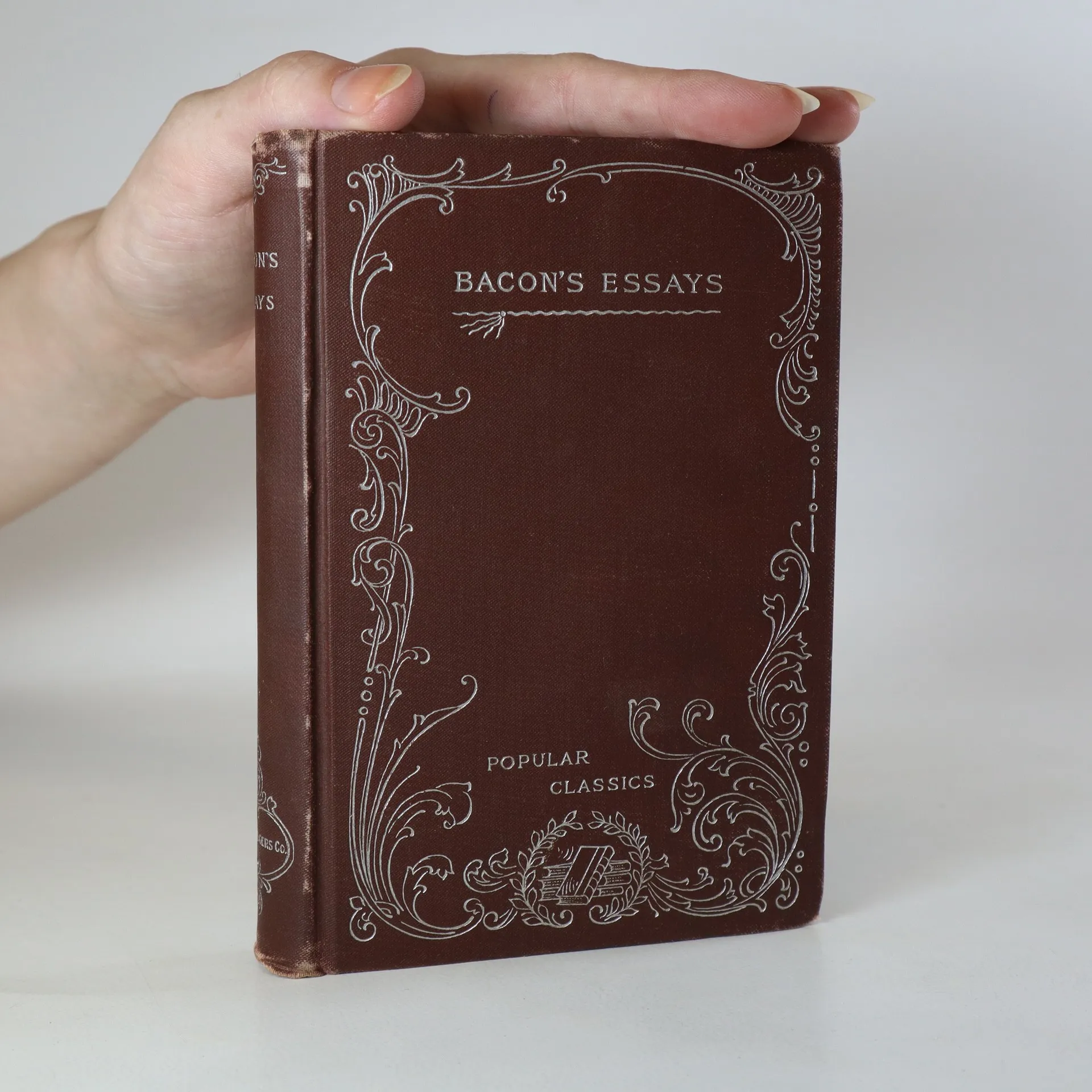
      The Essays of Francis Bacon cover the fields of philosophy, science, history and law. Bacon believed that they would last as long as books last, and it is for them that he is primarily remembered. The essays counsel on civil and moral life. This book is based on the 1625 edition.

      Essays
    • Sir Francis Bacon, 1st Viscount St. Alban (1561-1626) was an English philosopher, statesman, and essayist. He is also known as a proponent of the scientific revolution. He was knighted in 1603, created Baron Verulam in 1618, and created Viscount St. Alban in 1621. Bacon's threefold goals were to discover truth, to serve his country, and to serve his church. He did not propose an actual philosophy, but rather a method of developing philosophy. He wrote that, whilst philosophy at the time used the deductive syllogism to interpret nature, the philosopher should instead proceed through inductive reasoning from fact to axiom to law. He claimed that any moral action is the action of the human will, which is governed by belief and spurred on by the passions; good habit is what aids men in directing their will toward the good; no universal rules can be made, as both situations and men's characters differ. Bacon's ideas about the improvement of the human lot were influential in the 1630s and 1650s; during the Restoration; and in the nineteenth and twentieth centuries.

      The New Organon
    • Three Early Modern Utopias

      • 320 pages
      • 12 hours of reading
      3.4(154)Add rating

      A unique edition of three early modern utopian texts, using a contemporary translation of More's Utopia and examining the Renaissance world view as shown by these writers. The edition includes the illustrative material that accompanied early editions of Utopia, full chronologies of the authors, notes, and glossary.

      Three Early Modern Utopias
    • With the publication of Utopia (1516), Thomas More provided a scathing analysis of the shortcomings of his own society, a realistic suggestion for an alternative mode of social organization, and a satire on unrealistic idealism. Enormously influential, it remains a challenging as well as a playful text. This edition reprints Ralph Robinson's 1556 translation from More's original Latin together with letters and illustrations that accompanied early editions of Utopia. This edition also includes two other, hitherto less accessible, utopian narratives. New Atlantis (1627) offers a fictional illustration of Francis Bacon's visionary ideal of the role that science should play in the modern society. Henry Neville's The Isle of Pines (1668), a precursor of Defoe's Robinson Crusoe, engages with some of the sexual, racial, and colonialist anxieties of the end of the early modern period. Bringing together these three New World texts, and situating them in a wider Renaissance context, this edition - which includes letters, maps, and alphabets that accompanied early editions - illustrates the diversity of the early modern utopian imagination, as well as the different purposes to which it could be put.

      Utopia Three early modern Utopias : Utopia, New Atlantis, The isle of pines
    • Of Empire

      • 112 pages
      • 4 hours of reading
      2.8(28)Add rating

      Throughout history, some books have changed the world. They have transformed the way we see ourselves � and each other. They have inspired debate, dissent, war and revolution. They have enlightened, outraged, provoked and comforted. They have enriched lives � and destroyed them. Now Penguin brings you the works of the great thinkers, pioneers, radicals and visionaries whose ideas shook civilization and helped make us who we are. Francis Bacon�s landmark writings on subjects ranging from anger and ambition, marriage and money to envy and empire established him as the founding father of modern scientific thinking, with his rejection of superstition and his emphasis on proof and experiment, rational enquiry and reasoned argument.

      Of Empire