

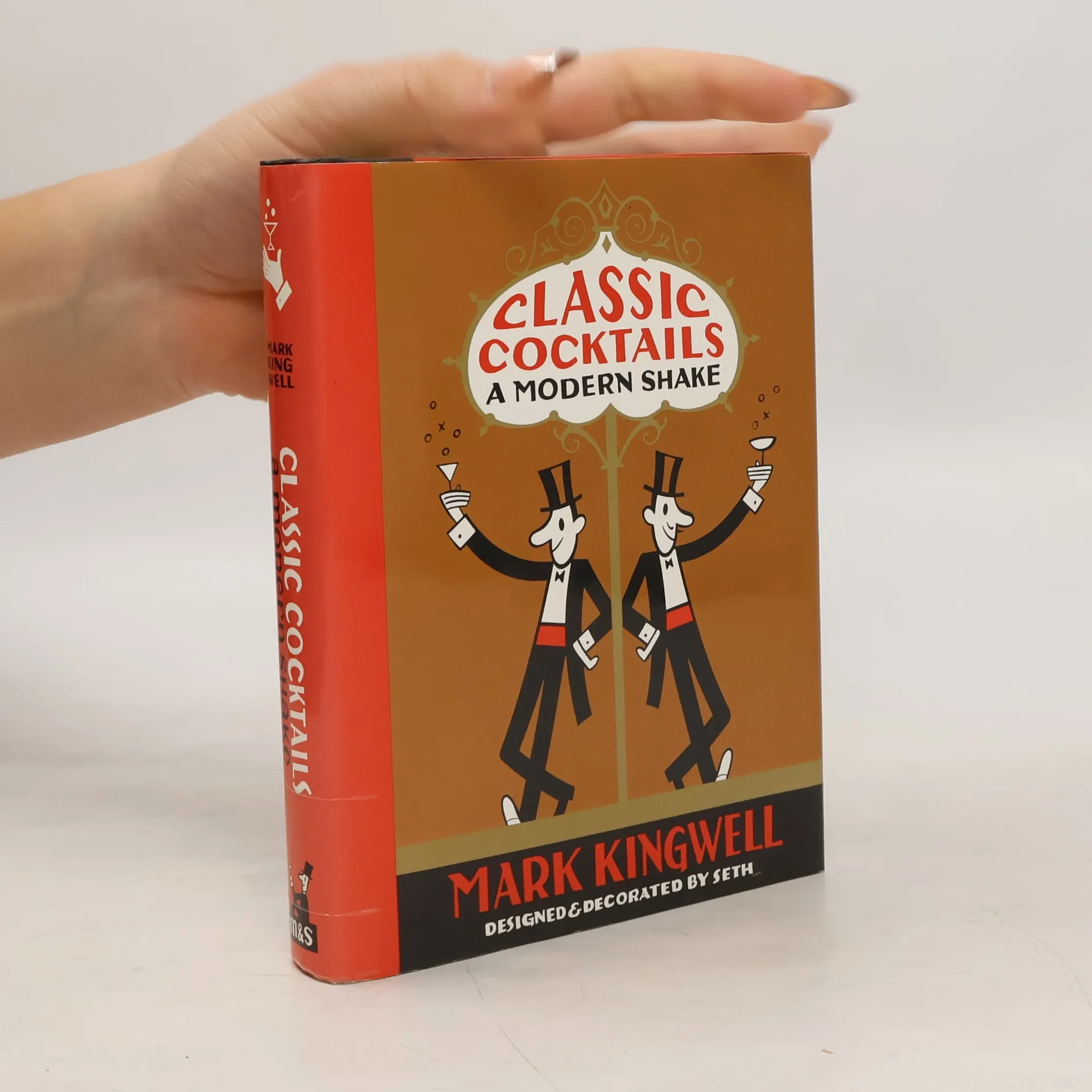
A literary guide to classic mixed drinks, riffing on their place in culture, art, film, and literature. Instructions included.For over a decade Mark Kingwell has been one of Canada’s wisest and wittiest commentators on everything from political philosophy to The Simpsons. When he turns his lively mind to the gentlemanly subject of cocktails, he not only mixes the perfect drink, but also tells us where it fits into a wider literary and social world. Loosened perhaps by a few samples of his recipes, it’s a joy to follow this elegant writer wherever he may lead us through the spirit world. Kingwell introduces us to all the Collins Tom, whom we may already know, John, Pedro, Ivan, Mike, Jack, and even Brandy — all the while regaling us with snippets from Raymond Chandler, Walt Whitman, All About Eve, and Casablanca. It’s like sitting in the city’s swankiest bar with your most erudite friend and your favourite drink.Add a dash of original art by famed Canadian illustrator Seth and a classic is born.
Mark Kingwell Books
Mark Kingwell is a Canadian philosopher whose work delves deeply into theories of politics and culture. His writing is characterized by a sharp exploration of complex societal issues and philosophical concepts. Kingwell's approach is both analytical and accessible, allowing him to engage a wide audience, from academic circles to the general public. His contributions to philosophy and criticism are recognized across various platforms.

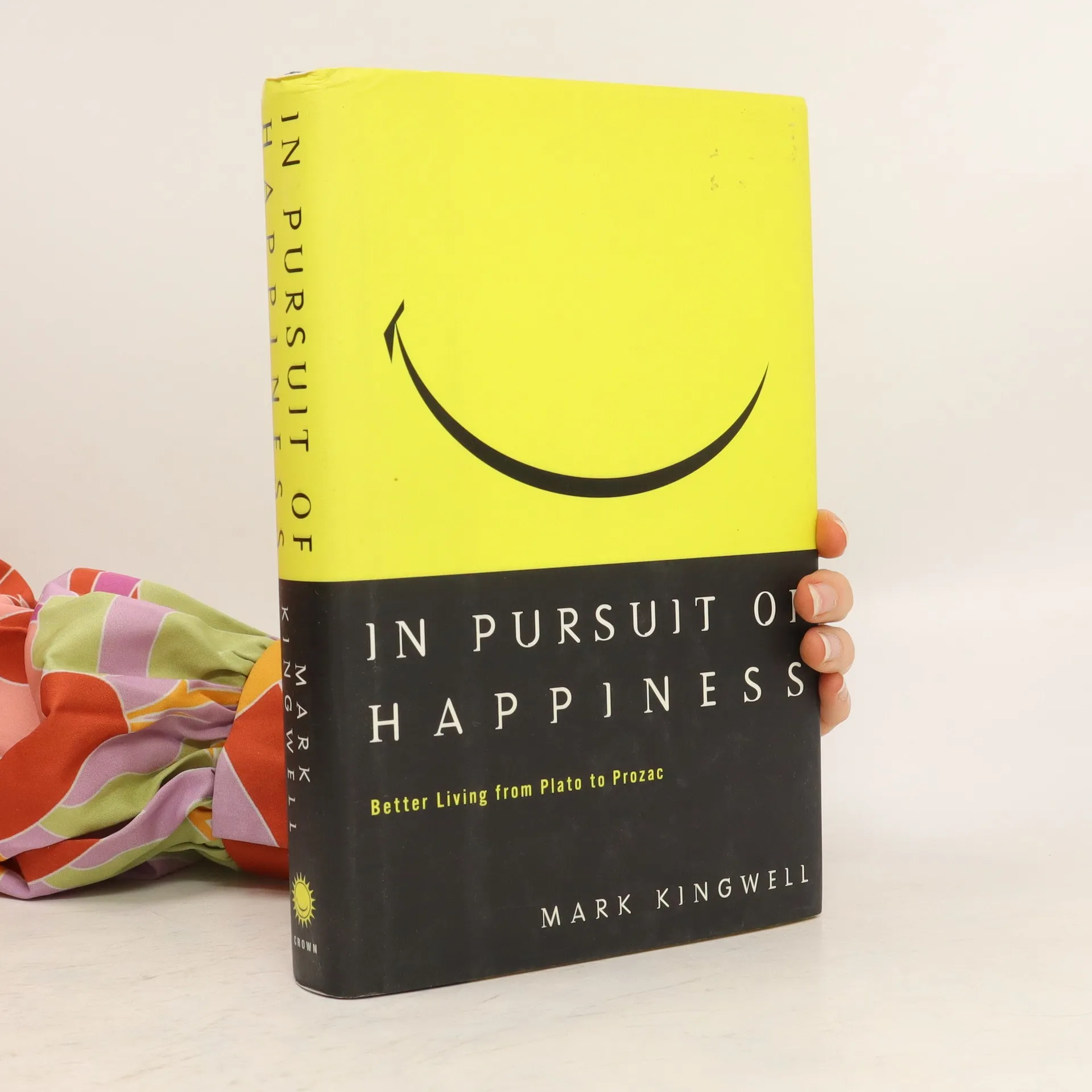
In Pursuit of Happiness
- 416 pages
- 15 hours of reading
We all think that we know what happiness is, or at least that we would like more of it. But the pursuit of this rather abstract commodity may be at once the simplest and the most vexing of human endeavors. In Pursuit of Better Living from Plato to Prozac is an exploration of the idea of happiness, the ways in which that idea has changed over the course of history, and how it influences not only individual lives, but also economic and political thinking, psychological investigation, medical practice -- in fact all facets of human life. Featuring Mark Kingwell's unique combination of cultural reportage, historical investigation, and philosophical reflection, In Pursuit of Happiness excavates layers of manipulation to seek out a happiness uncontaminated by technology, advertising, and popular culture. From a meditation on the relevance of Platonic ideas about happiness to a running commentary on the author's week at a "happy camp" in Massachusetts, this is an utterly absorbing and often hilarious exploration of just what it is that makes life worth living.
Langeweile ist eine der geläufigsten menschlichen Erfahrungen, trotzdem scheint sie sich beharrlich einem vollständigen Verständnis zu entziehen. Wir alle wissen, wie es sich anfühlt, gelangweilt zu sein, doch was genau den Zustand des Gelangweiltseins auslöst, was ihn ausmacht und was aus ihm folgt, ist weit weniger klar. Ist Langeweile eine Funktion der Muße, sodass es, wie manche meinen, vor dem Zeitalter Schopenhauers so etwas wie Langeweile gar nicht gab? Oder ist die aus dem Mittelalter bekannte Sünde der Acedia – eine Art Apathie, ein Überdruss an jeder Art des Tätigseins – vielleicht ein passender Vorläufer? Stürzt uns die Langeweile in ein Wechselbad widersprüchlichen Verlangens oder konträrer Zustände oder beides? Kurz: Wenn ich mich angesichts eines gefüllten Kühlschranks darüber beklage, dass es nichts zu essen gibt, oder wenn ich in hundert Fernsehkanälen vergeblich nach etwas Gescheitem suche, wer oder was ist dann genau daran schuld?
Nach der Arbeit
- 100 pages
- 4 hours of reading
Was erwartet uns nach der Arbeit? Mark Kingwell entwirft in seiner philosophischen Erkundung verschiedene Szenarien zukünftiger Geschäftigkeit. Doch unabhängig davon, wie viel Arbeit uns Maschinen und Roboter abnehmen mögen oder auch nicht: Die entscheidenden Fragen zu unserer Arbeit und Lebensweise müssen wir uns immer noch selbst beantworten. Oder sollten wir lieber einmal ganz grundsätzlich über die Art und Weise nachdenken, wie wir unseren Platz hier und den Zustand unseres reinen »Da-Seins« verstehen? Kingwell begleitet uns beim Finden aktuell dringlicher Antworten in die Ära »nach der Arbeit« – inspiriert von Hegel, Marx, Arendt, den Situationisten, Science Fiction und Frankenstein.