
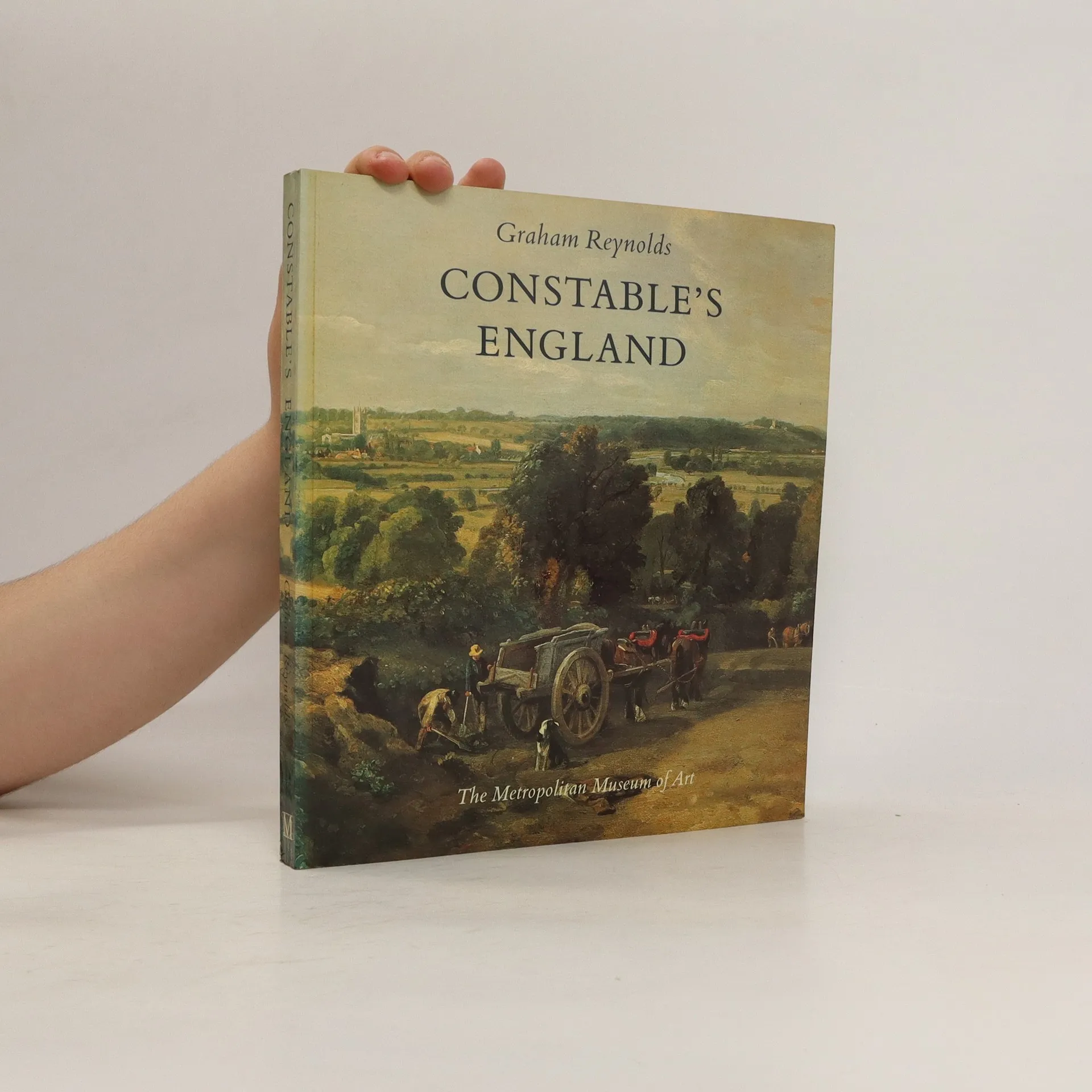
Constable's England accompanies an exhibition of the same name mounted at The Metropolitan Museum of Art, as part of the festival Britain Salutes New York 1983. This major exhibition was the first of the paintings of John Constable to be shown in the United States. The shaping of the exhibition and writing of the catalogue was entrusted to Graham Reynolds, the leading specialist on Constable. The images in the exhibition ranged from small oil sketches done in the open air to finished paintings on a large scale, selected to show not only the landscape subjects that Constable chose to paint but also the full scope of his remarkable development as an artist. In Constable's time England was divided into thirty-nine counties. Constable set foot in just over half of them; he never crossed the borders into Wales or Scotland, still less did he travel out of the country, even when his pictures were creating a furor in Paris is 1824. The scenes that enter signficantly into his painting are drawn from an even more restricted area: the six counties of Suffolk, Essex, Middlesex, Wiltshire, Dorset, and Sussex. Geographically, "Constable's England" is a severly limted concept. In his concentration on a small number of places studied over and over again Constable presents a sharp contrast with his great contemporary Turner, who took not only England, Scotland, and Wales, but also the whole of accessible Europe as his province. The publication includes an introduction to Constable and his oeuvre and catalogue entries with color illustrations of each of the works in the exhibition, grouped by the places they depict. There are also a biographical summary with chronology of Constable's life, a sketched map of "Constable's England," a bibliography, and a list of further reading. [This book was originally published in 1983 and has gone out of print. This edition is a print-on-demand version of the original book.]
Graham Reynolds Books


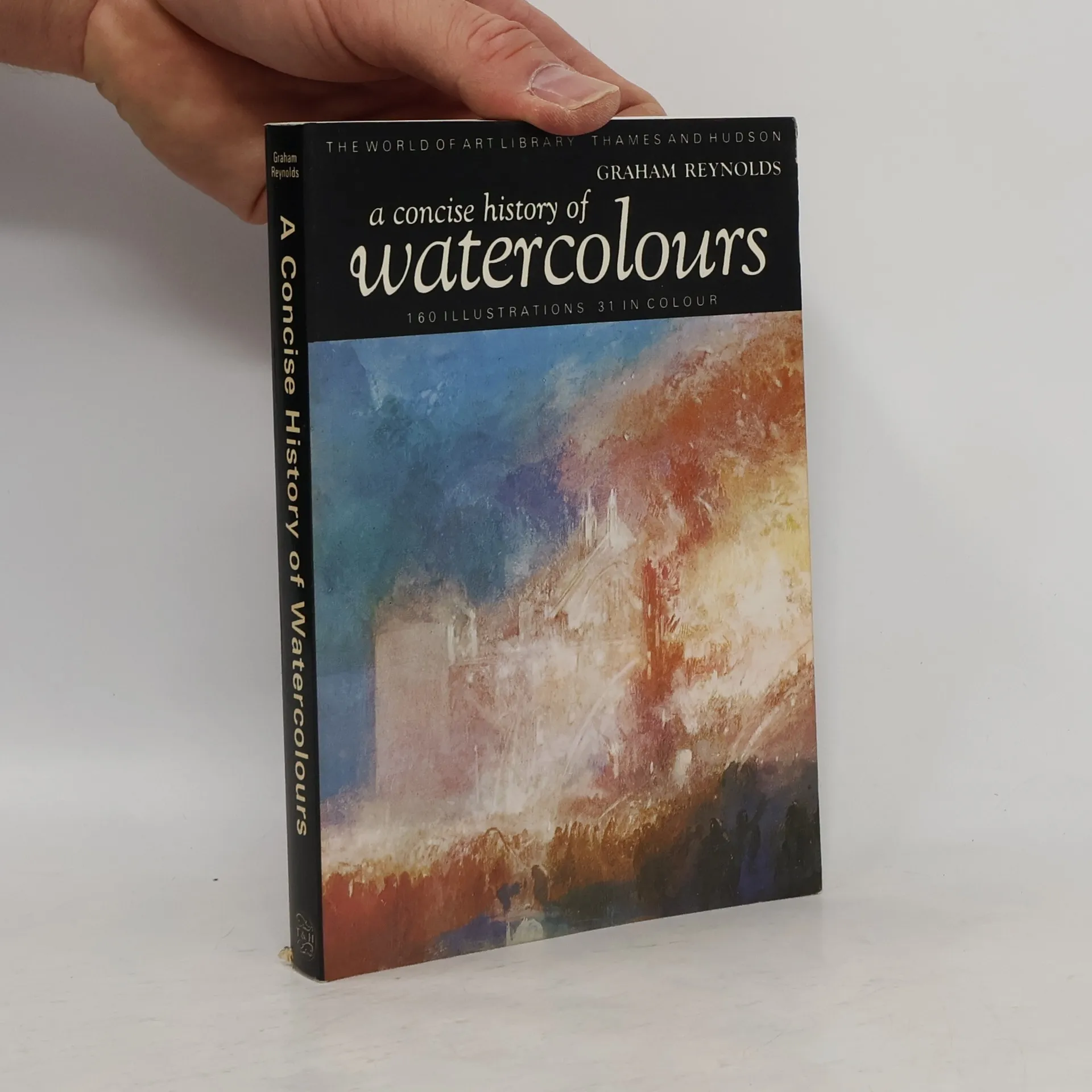
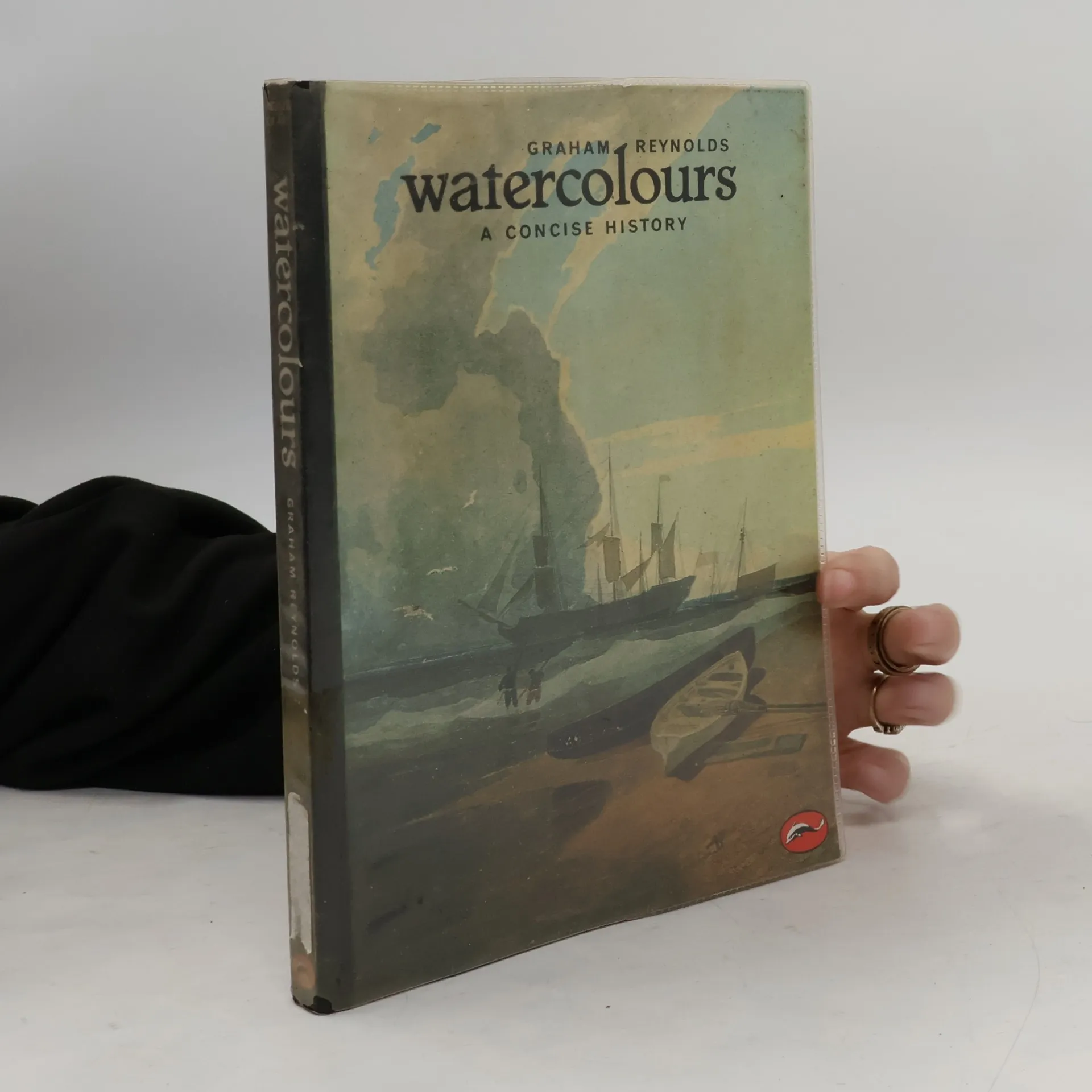
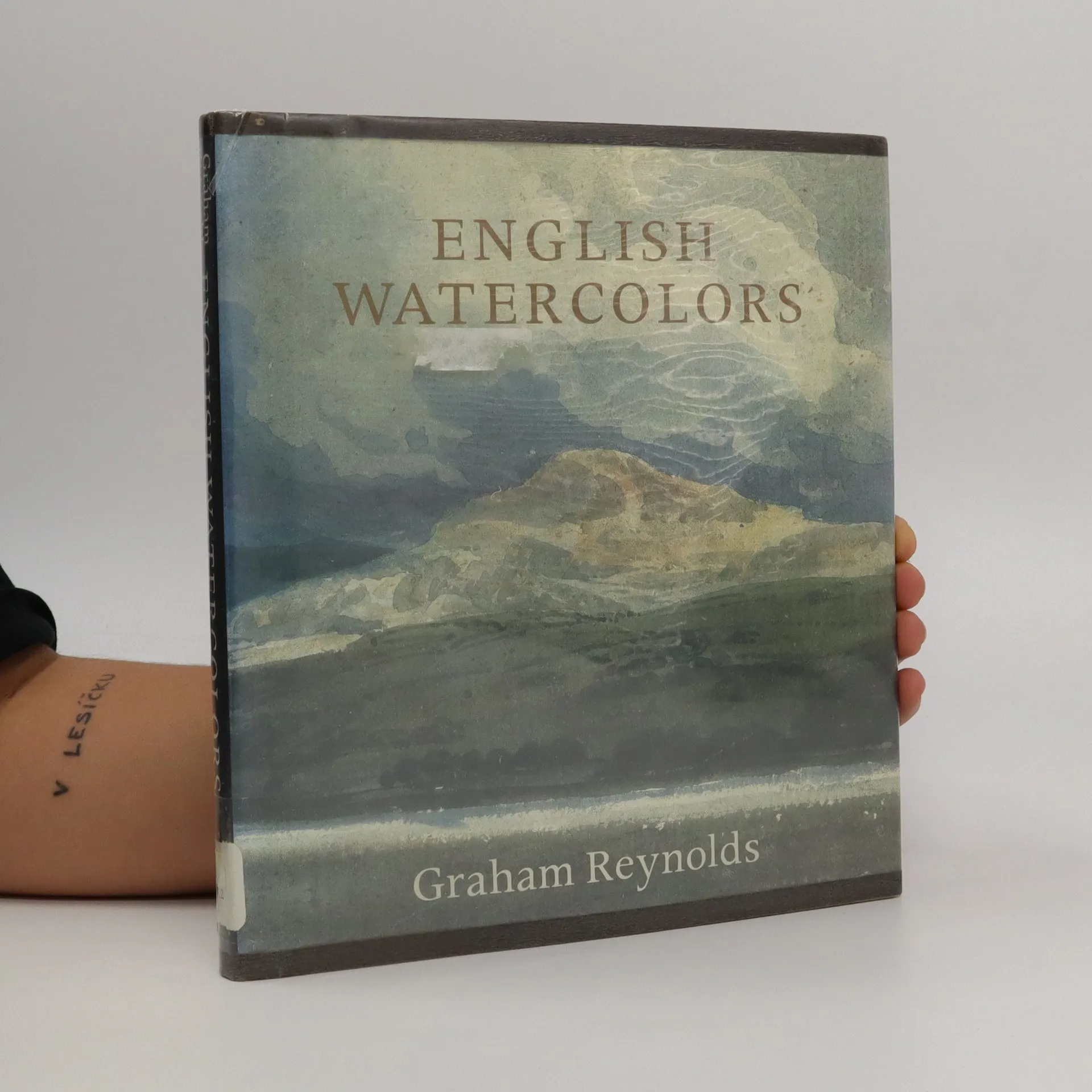
English Watercolors
- 160 pages
- 6 hours of reading
The book offers a stylish and concise exploration of the history of English watercolors, skillfully condensing a rich artistic tradition into just 160 pages. It showcases notable artists, techniques, and cultural contexts, making it a valuable resource for both art enthusiasts and historians. The engaging presentation invites readers to appreciate the evolution and significance of watercolor art in England.
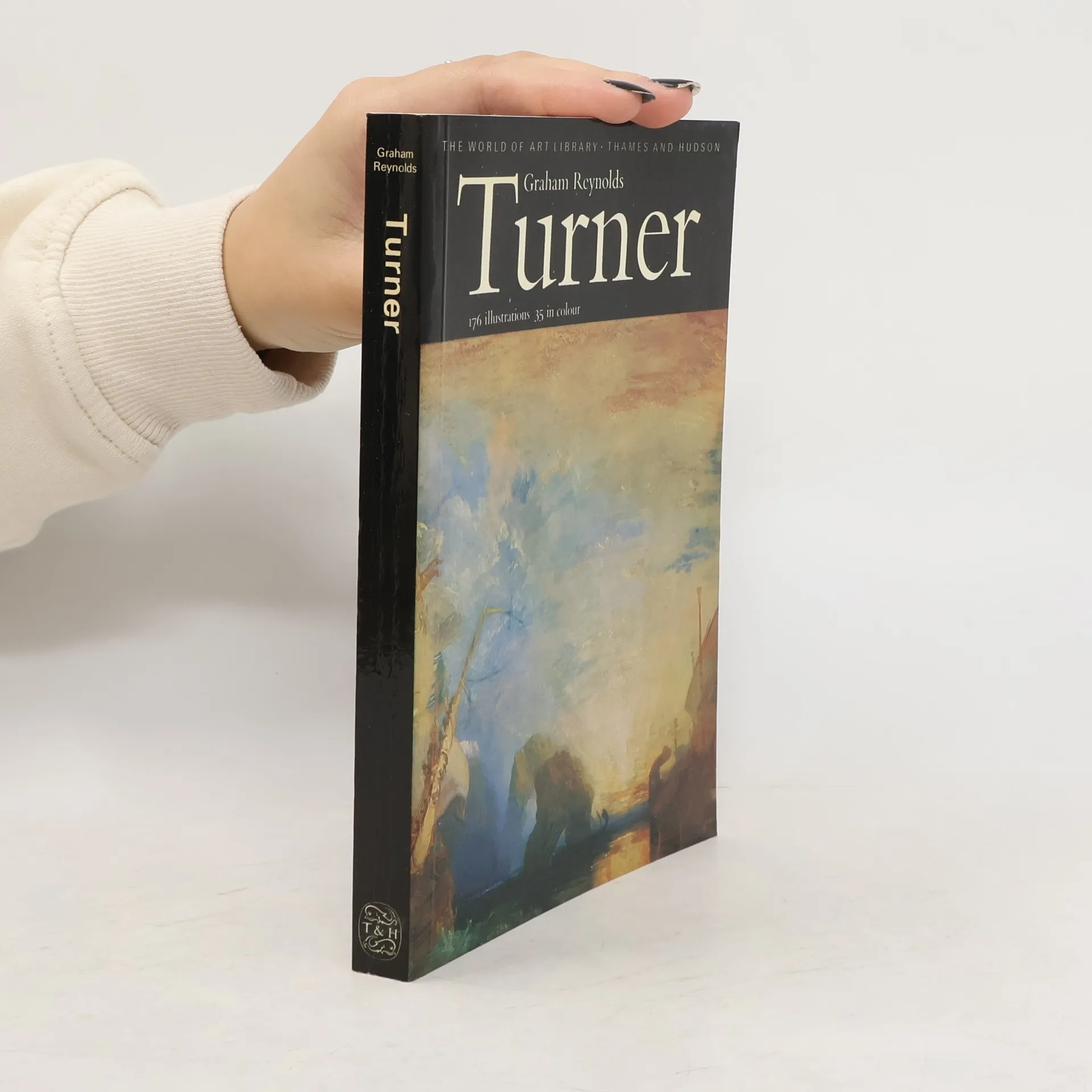
Turner
- 216 pages
- 8 hours of reading
A study of the life and works of Joseph Mallord William Turner. A precocious talent, he first exhibited at the Royal Academy at the age of 15, an institution that was to play a major part in his life, recognizing his genius and supporting him against many contemporary arbiters of taste.
A survey of watercolor covers important movements and individual artists, including Durer, Blake, Turner, Homer, Cezanne, and Klee
Wallace Collection Catalog of Miniatures
- 366 pages
- 13 hours of reading
This collection showcases a rich array of miniatures from the 16th to 19th centuries, highlighting English, French, and Continental works. Each piece is thoroughly described and beautifully illustrated, offering insights into the artistry and cultural significance of these intricate artworks. The book serves as both a visual feast and a comprehensive resource for enthusiasts and collectors interested in the history and craftsmanship of miniature paintings.