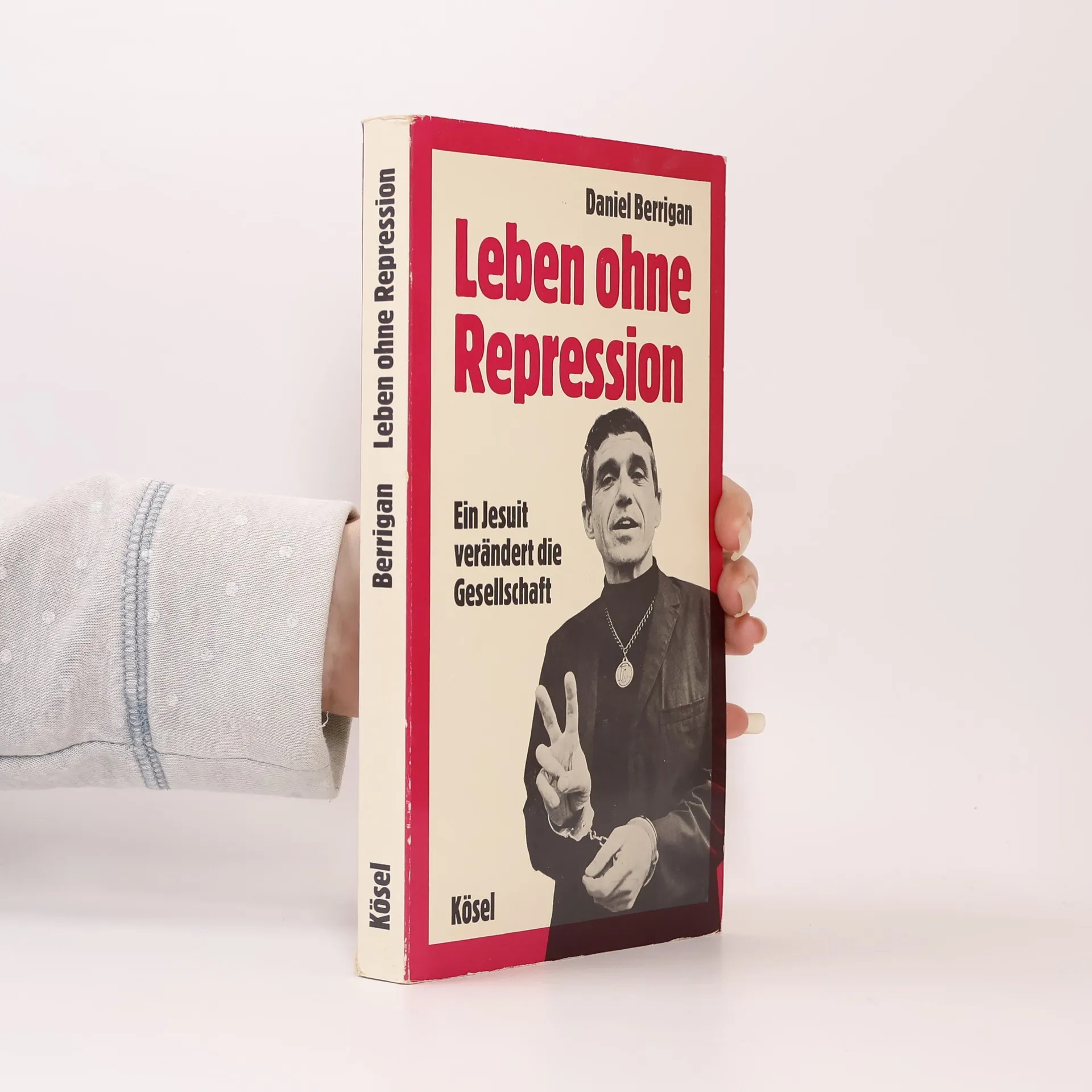
Daniel Berrigan was a college professor, an activist against war and abortion, and an opponent of capital punishment. His literary work often engaged with moral dilemmas and social injustice, exploring the intersections of faith and activism.
Daniel Berrigan's poetry critiques the American war machine, emphasizing the dangers of civil obedience over civil disobedience. Compiled by Rev. John Dear, this collection calls on readers to embrace nonviolence and advocate for the abolition of war, violence, and nuclear weapons. Berrigan's work serves as a powerful reminder of the need for active resistance against systemic injustices and the moral imperative to pursue peace.
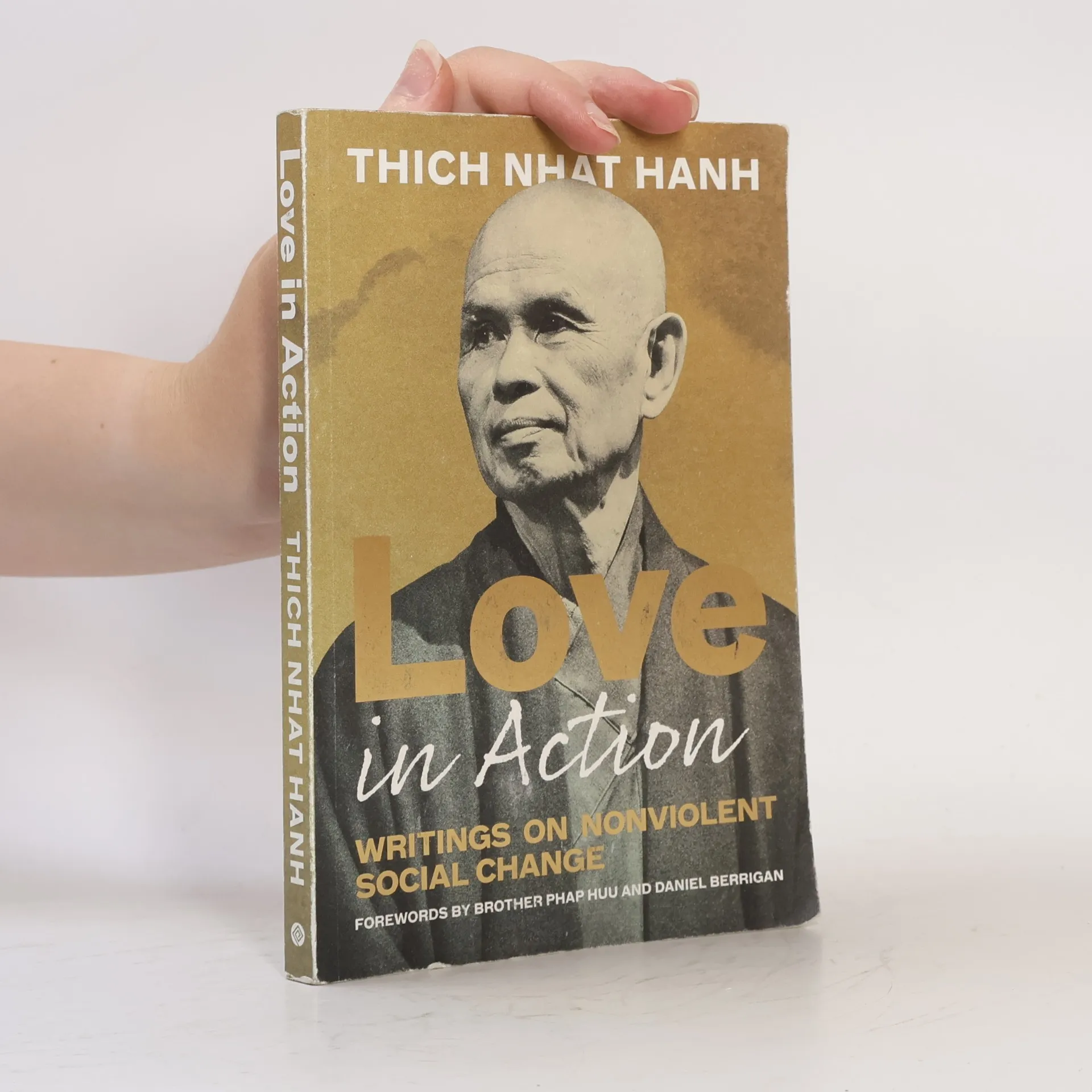
Writings On Nonviolent Social Change, Second Edition
208 pages
8 hours of reading
Be inspired by 21 key writings on nonviolence and reconciliation by Vietnamese peace activist and refugee advocate Zen master Thich Nhat Hanh. "The essence of nonviolence is love," he asserts, emphasizing that selfless love naturally leads to effective nonviolent strategies. This collection of essays, written during pivotal moments of social change, serves as a vital resource for those involved in social work, community organizing, and political activism. Thich Nhat Hanh reflects on the devastation of war, arguing that ethical, altruistic love rooted in mindfulness is essential for sustainable political action. Having been a key figure in the Buddhist nonviolent movement for peace in Vietnam during the 1960s and participating in the Paris Peace Accords, he embodies the belief that "There is no way to peace. Peace is the way." This anthology includes essays linking outer engagement with inner peace work, as well as poetry and the poignant script of the 1972 play, The Path of Return Continues the Journey. The characters are based on the author's experiences, particularly the young volunteers from his School of Youth for Social Service, many of whom lost their lives for their efforts. Thich Nhat Hanh recounts a tragic event in which five young men were abducted and killed, highlighting their commitment to healing and reconstruction amidst war. This work serves as both an elegy and a prayer for peace, showcasing his deep sorrow an
„Ich habe das Gefühl, dass die Zeiten selbst, unabhängig von mehr oder weniger absichtlich geschaffenen Krisen, starke Dinge zerbrechlich und zerbrechliche Dinge tödlich gefährdet machen. Die Zeiten selbst sind eine permanente Krise.“ So schreibt Daniel Berrigan in diesem Journal von Reflexionen und Überlegungen aus den späten 1970er Jahren. Dieses Buch verfolgt Berrigans Arbeit nach seiner Freilassung aus dem Danbury-Gefängnis im Jahr 1972 für seine Beteiligung an der Catonsville Nine Anti-Kriegs-Demonstration – von seinen Erfahrungen in Palästina, Nordirland und Frankreich (wo er mit Thich Nhat Hanh lebte) bis hin zu seinen Erfahrungen als Lehrer in Manitoba und Berkeley. Durchgehend denkt Berrigan über die Gebote Christi nach, über den Kampf, diesen Geboten treu zu bleiben, und warum so wenige sie ernst nehmen. Mit Witz und Weisheit teilt Berrigan seinen Glaubensweg und ermutigt uns, diesem Weg treu zu bleiben und langfristig Friedensstifter zu sein.
Am Freitag, dem 17. Mai 1968, dringen neun Personen in das Wehrersatzamt Catonsville/Baltimore ein, leeren die Karteikästen mit den Stammrollen für die Einberufung nach Vietnam und verbrennen alles im Hof. Das geschieht unter der Leitung von Philip und Daniel Berrigan, zwei katholischen Ordenspriestern. Heute sitzen sie und die anderen im Gefängnis, zu mehrjährigen Freiheitsstrafen verurteilt. Die Berrigans wurden inzwischen zum Symbol des Widerstands, den sie »zivilen Ungehorsam« nennen. Er basiert nicht auf marxistisch begründetem Verlangen nach gesellschaftlichem Umsturz, sondern auf der christlichen Verantwortung für die Menschen »um uns herum«. So kämpfen sie gegen jede Passivität, die organisiertes Unrecht hinnimmt, wenn es öffentlich geduldet wird, und sind bereit, auch zur Gewaltanwendung gegen Personen. Ihr Prinzip heißt »gewaltloser Widerstand«. Wie weit man dabei gehen darf oder nach seinem Gewissen sogar gehen muß, diskutieren in diesem Buch unter anderem die weltbekannten Gelehrten Noam Chomsky und Gordon Zahn.
Committed radical that he is, Daniel Berrigan, launches his personal rockets against the social evils that disturb and preoccupy him. Beginning with a long autobiographical piece he traces the influences that brought him first to a radical stance and then to a direct confrontation with society. From this very intimate statement he develops his theme of a need for nonviolent revolutionary change in his reflections on his own trial and sentencing, in his thoughtful examination of the true implications of Christianity, and in his consideration of prophets as revolutionaries. In a long dialog with an SDS student about the 1969 Black/White confrontation at Cornell University, he relates the questions raised by that crisis to the larger crises of American life. Finally, he directs two stinging parables at the well-fed and the complacent. Probing and provocative, this work illuminates starkly the agonizing decisions people must make.