Leonard Woolf was a British political theorist and author, renowned not only for his published works but also as the husband of Virginia Woolf. His writings delved into profound questions of politics and society. As a publisher, he co-founded a significant literary press. His intellectual contributions shaped the discourse of his era.
The book emphasizes the critical need for a framework that upholds international law and fosters global cooperation. Leonard Woolf advocates for mechanisms to regulate international power and ensure collective defense against aggression, reflecting on the importance of these principles in maintaining global peace and stability. His insights remain relevant in discussions about international relations and governance.
The Wise Virgins (1913) is a semi-autobiographical novel about a dilemma: whether Harry, the hero, should go into the family business and marry the suitable but dull girl next door or move in artistic circles and marry one of the entrancing 'Lawrence' girls. For, as Lyndall Gordon writes in her Persephone Preface: 'It is a truth widely acknowledged that Camilla Lawrence is a portrait of the author's wife - Virginia Woolf.' This is one reason why the novel is so intriguing. But it is also a Forsterian social comedy, funny, perceptive, highly intelligent, full of clever dialogue and at times bitterly satirical; while the dramatic and emotional denouement still retains a great deal of its power to shock. It was on his honeymoon in 1912 that Leonard Woolf began writing his second (and final) novel. He was 31, newly returned from seven years as a colonial administrator, and asking himself much the same questions as his hero. Helen Dunmore wrote in The Sunday Times: 'It's a passionate, cuttingly truthful story of a love affair between two people struggling against the prejudices of their time and place. Woolf's writing is almost unbearably honest.'
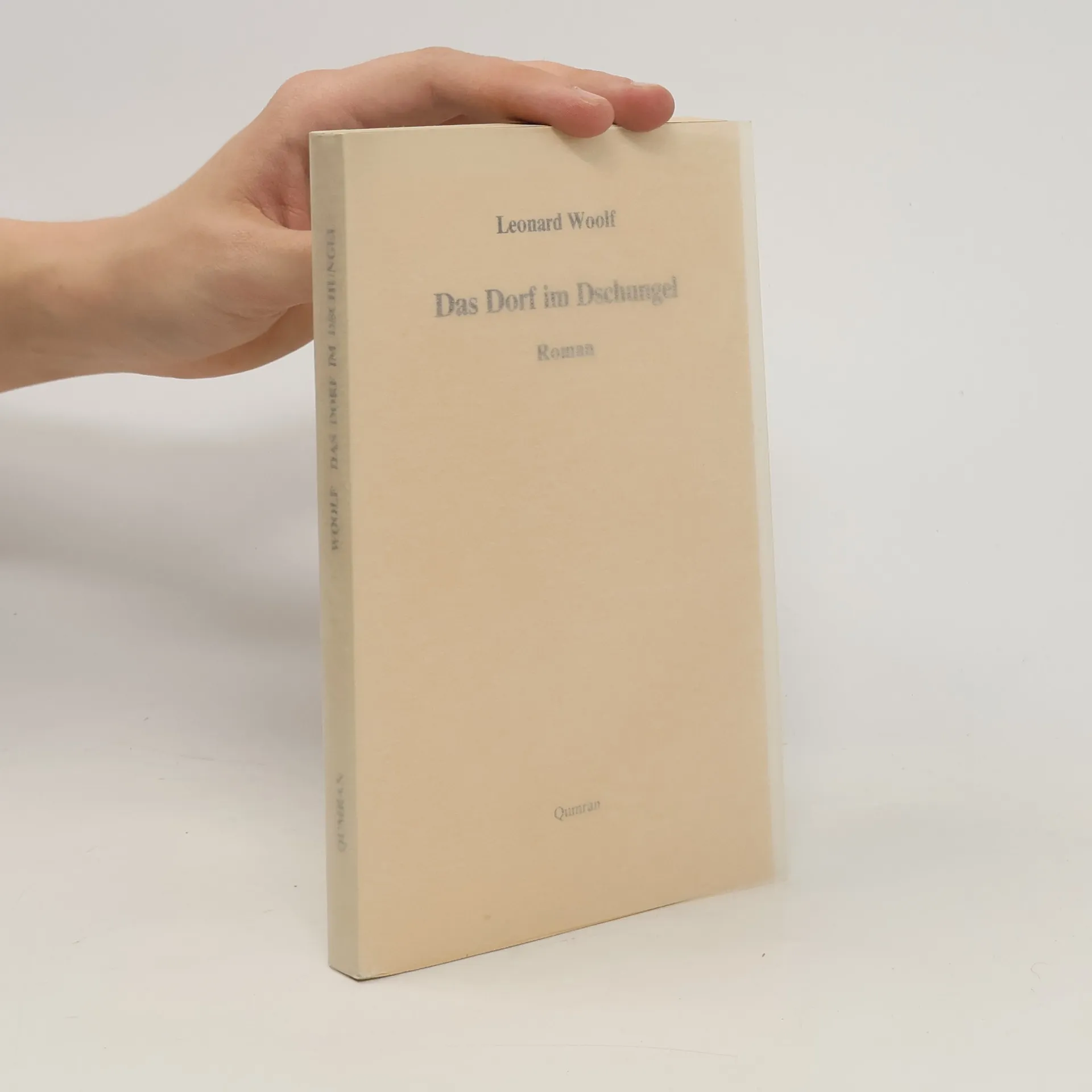
The classic novel of colonial Ceylon (Sri Lanka), first published in 1913 and written Virginia Woolf's husband. This novel, set in Ceylon, follows the lives of a handful of villagers hacking out a fragile existence in a jungle where indiscriminate growth, indifferent fate and malevolent neighbours constantly threaten to overwhelm them.
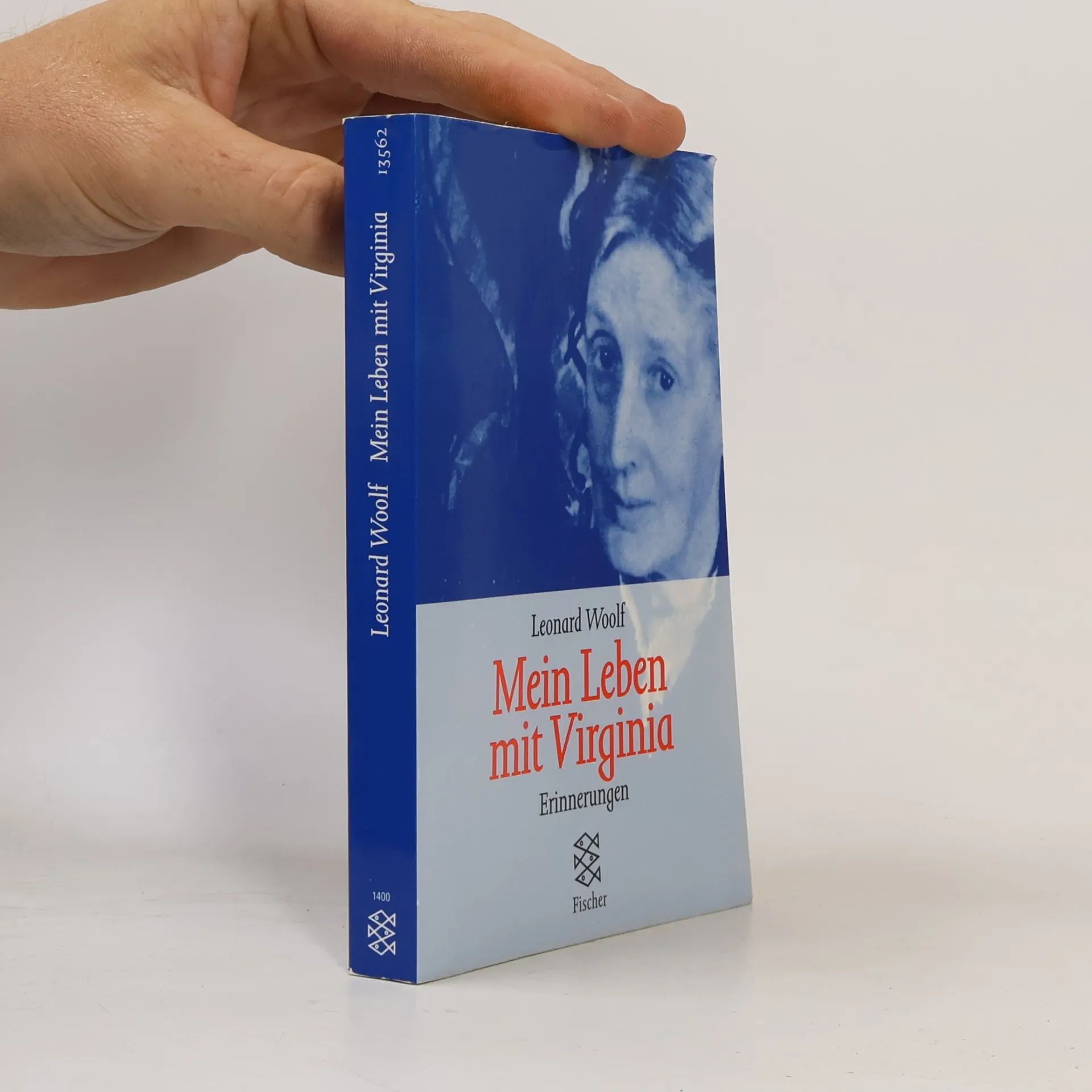
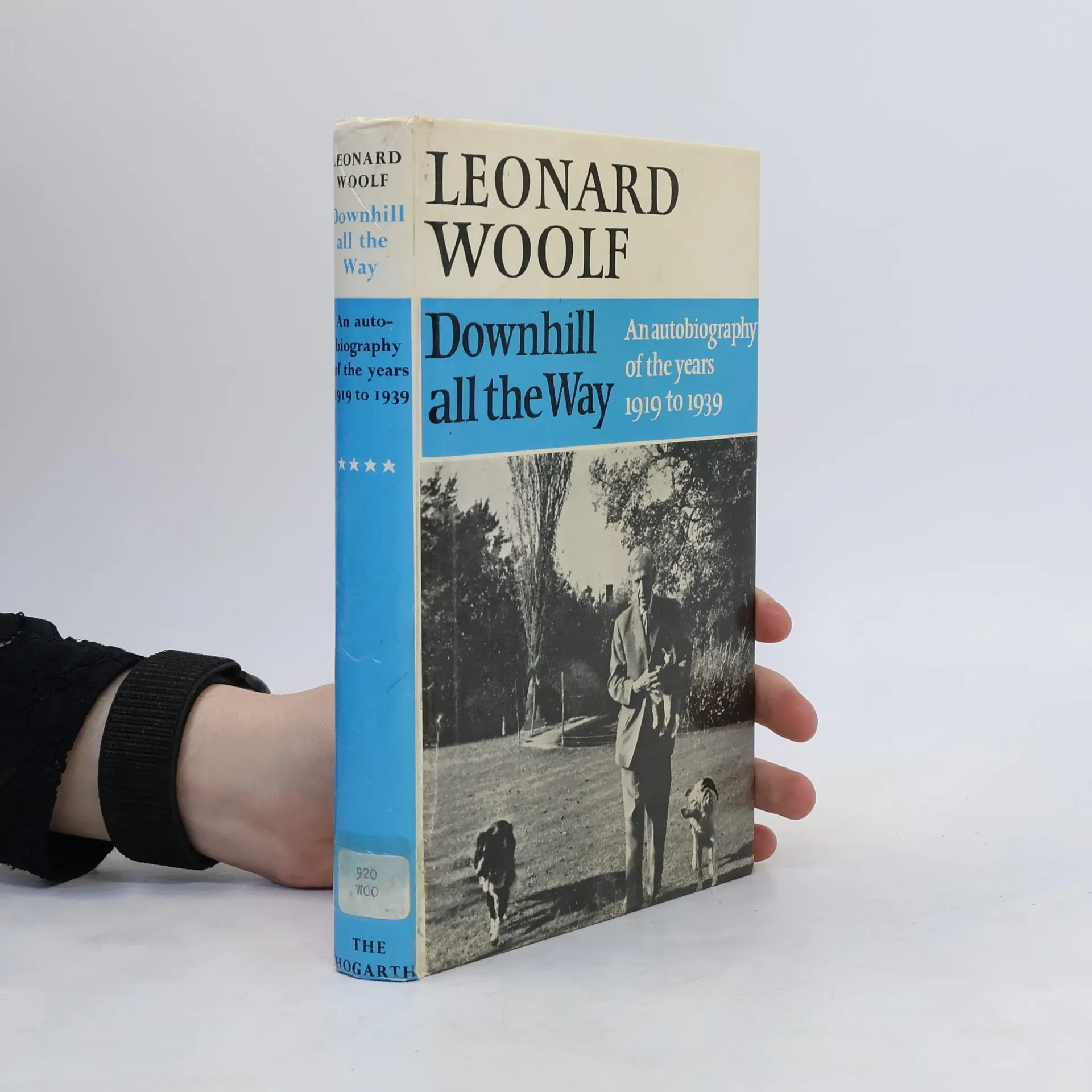
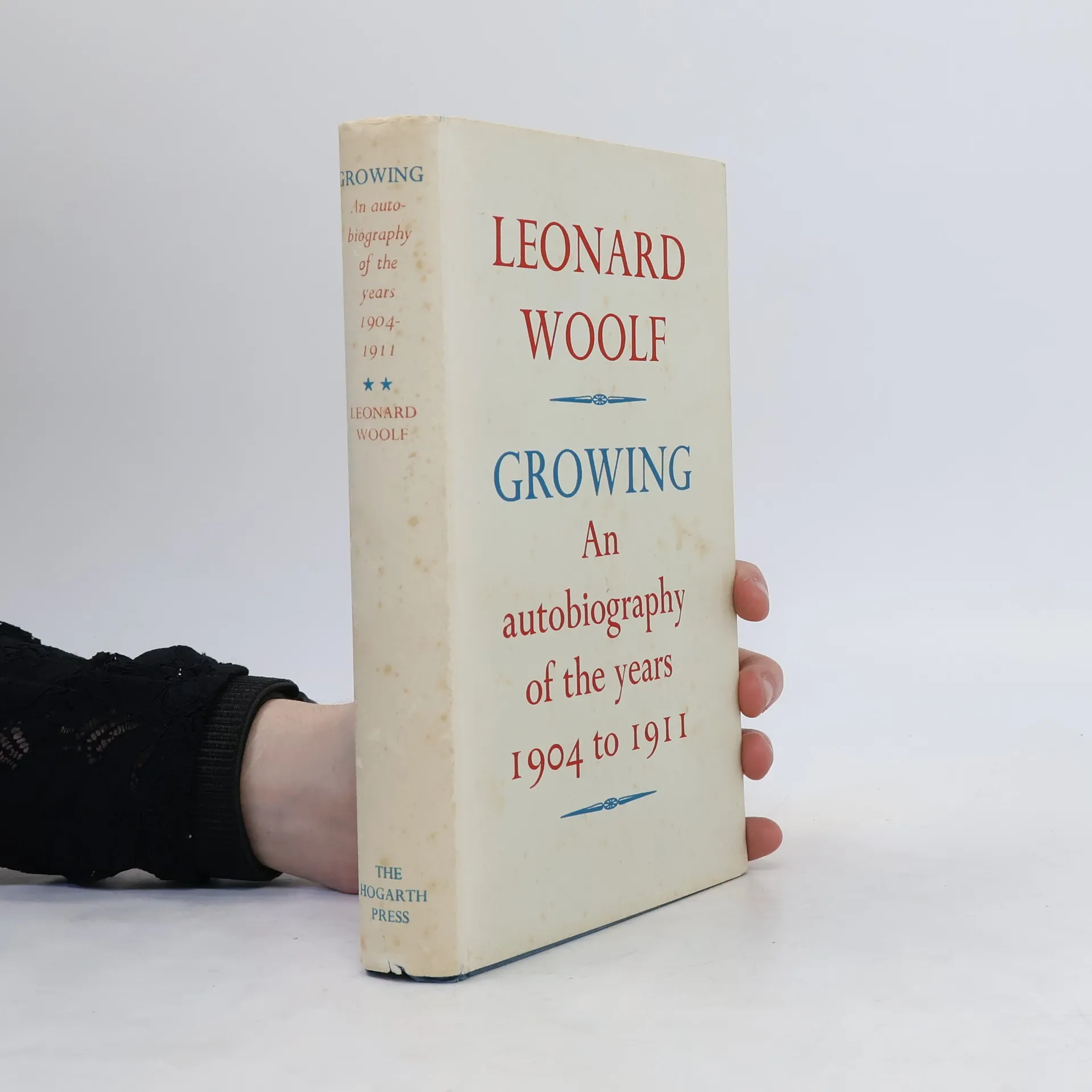
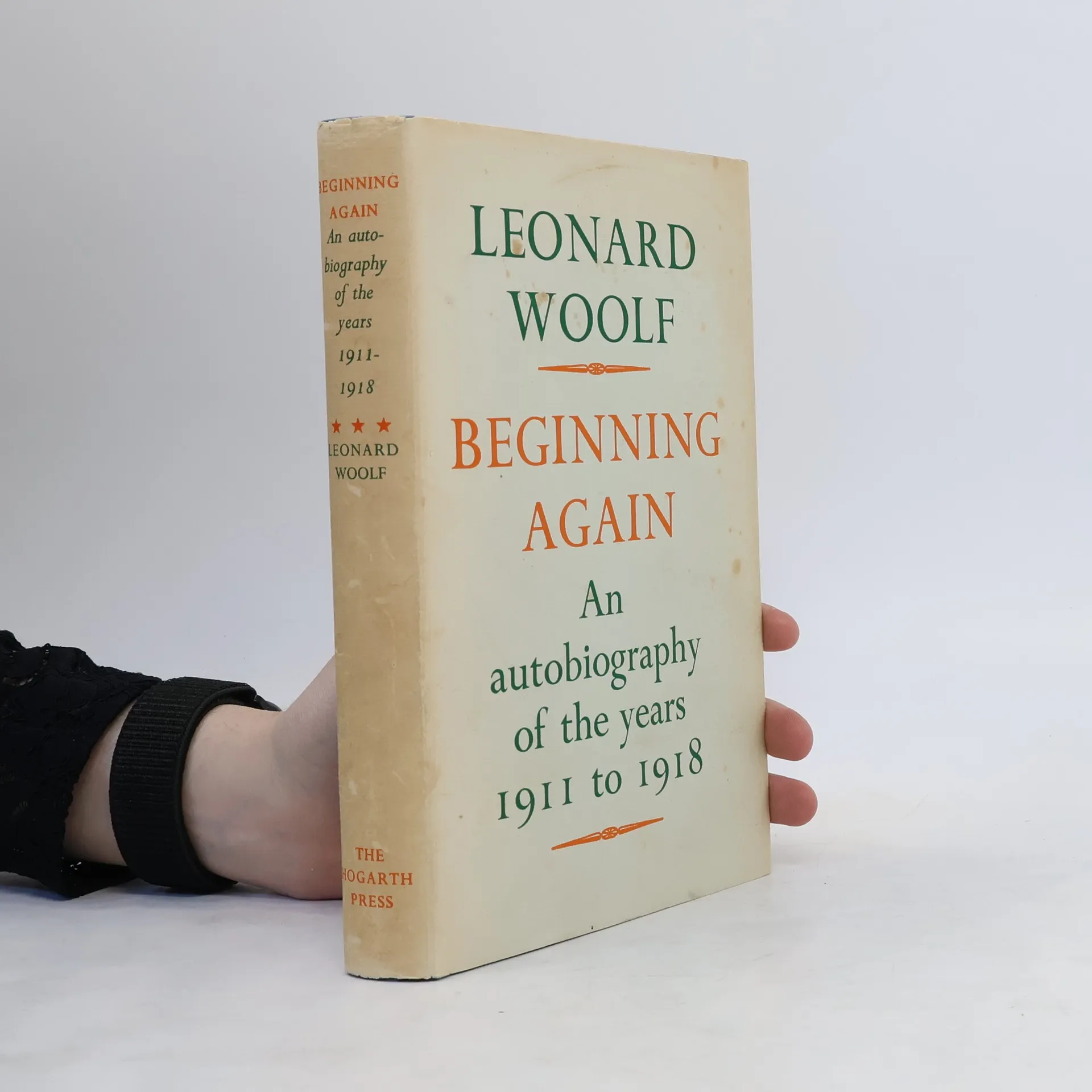
In ihrem Abschiedsbrief an Leonard Woolf schrieb Virginia Woolf: „Wenn jemand mich hätte retten können, wärest Du es gewesen.“ Leonard war der engste Vertraute der bedeutendsten Schriftstellerin des 20. Jahrhunderts. In den Auszügen seiner Autobiografie beschreibt er die fast dreißig Jahre ihrer Ehe, geprägt von der Freundschaft zur berühmten Bloomsbury Group. 1917 erwarben sie eine Handpresse, um das Drucken zu erlernen, was zur Gründung ihrer eigenen Hogarth Press führte, in der Virginias bedeutende Werke veröffentlicht wurden. Leonard reflektiert über die Herausforderungen, die mit der Rolle als Schriftstellerin und Verlegerin verbunden sind, und erörtert, wie viel die Woolfs an ihren berühmten Romanen wie Orlando und Mrs Dalloway verdienten. Offen spricht er über die extremen Höhen und Tiefen im Schreibprozess seiner Frau, ihre Selbstzweifel und seine Sorgen um ihren psychischen Zustand, die ihre Ehe von Anfang an prägten. Leonard zeigt, wie zentral Virginia in seinem Leben war, und widmete sich aus Liebe und Bewunderung ihrem Wohlergehen: „Virginia ist der einzige Mensch, den ich gut gekannt habe, der die Eigenschaft hatte, die man Genie nennen muss.“
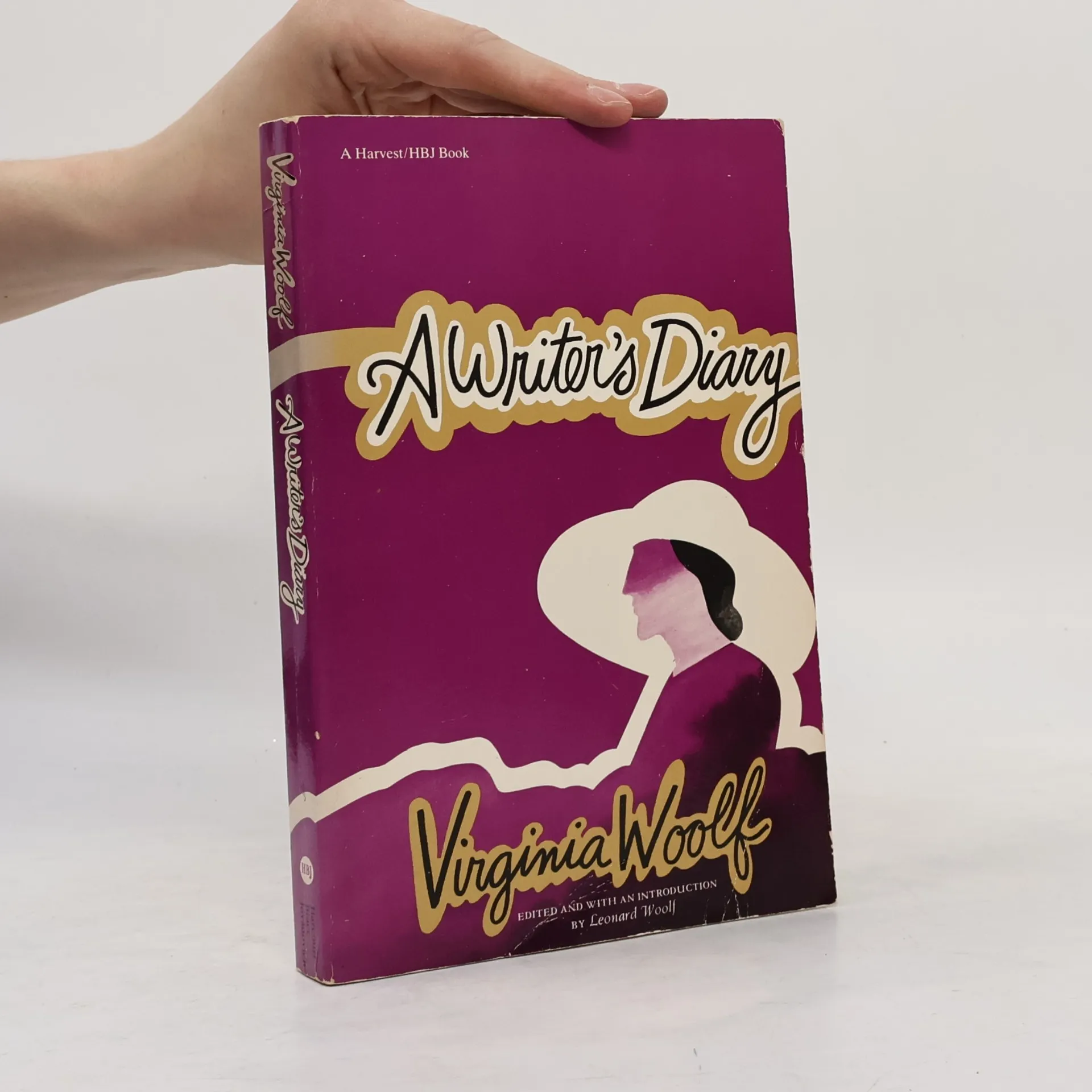
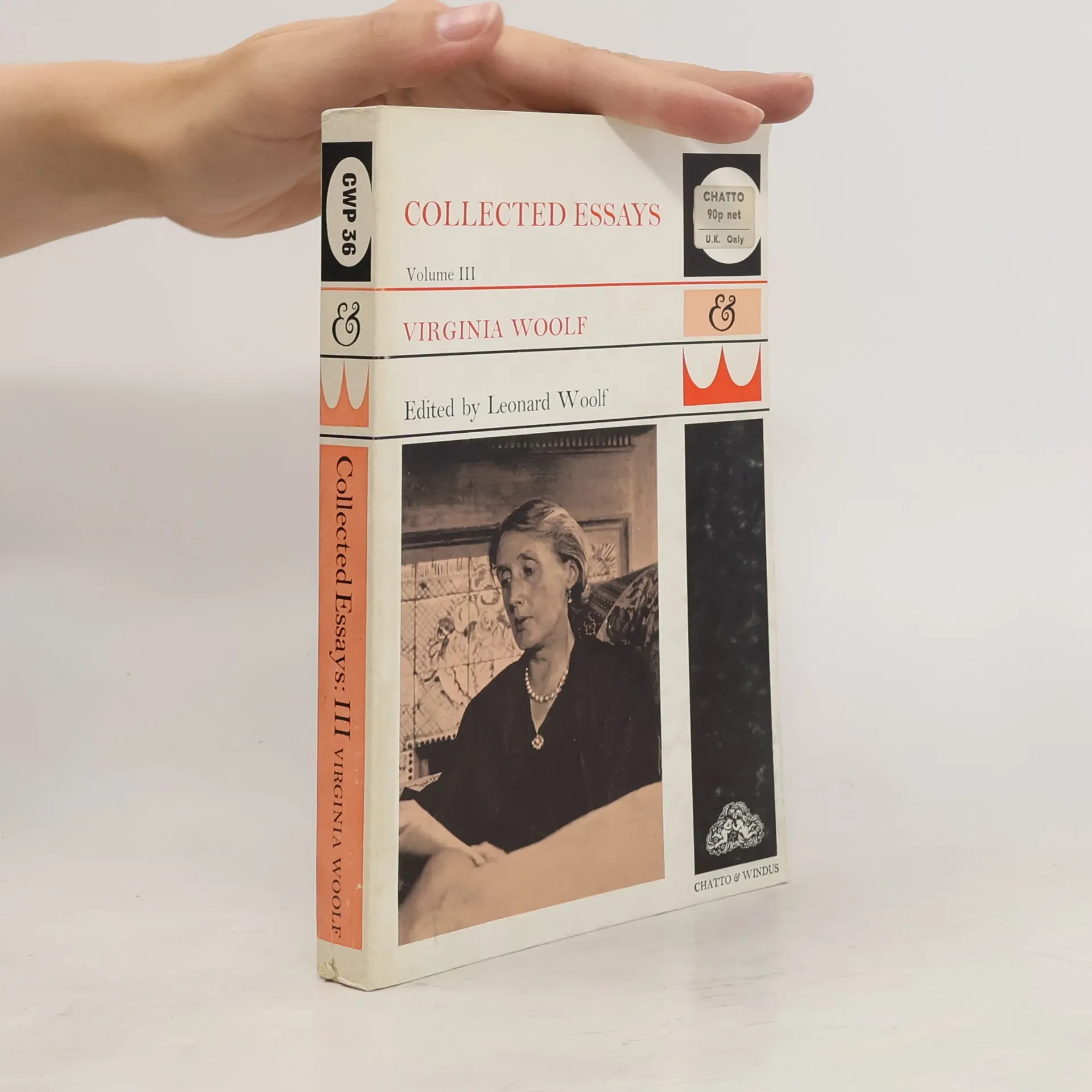
An invaluable guide to the art and mind of Virginia Woolf, drawn by her husband from the personal record she kept over a period of twenty-seven years. Included are entries that refer to her own writing, others that are clearly writing exercises; accounts of people and scenes relevant to the raw material of her work; and comments on books she was reading. Edited and with a Preface by Leonard Woolf; Indices.