This influential theorist examines changing values and motivations across generations and cultures. His work explores how economic development and global events shape human behavior, from gender roles to the spread of democracy. He investigates the impacts of modernization on society, seeking to understand the dynamics of values on a global scale.
Focusing on cosmopolitan communications, this book presents a novel theoretical framework that examines how global interactions can threaten cultural diversity. It explores the specific conditions that lead to these dangers, offering insights into the dynamics of communication in a globalized world.
This book demonstrates that although advanced societies have been moving
toward secular orientation, the world has more people with traditional
religious views.
The book offers a redefined perspective on modernization theory, exploring its evolution and relevance in contemporary contexts. It critically examines traditional concepts, addressing their limitations and proposing new frameworks for understanding social and economic development. By integrating historical insights and current case studies, it aims to provide a comprehensive analysis of how societies transform and adapt in the modern world. This revised approach encourages readers to rethink established ideas and engage with the complexities of modernization.
Authoritarian populist parties have advanced in many countries, and entered government in states as diverse as Austria, Italy, the Netherlands, Poland, and Switzerland. Even small parties can still shift the policy agenda, as demonstrated by UKIP's role in catalyzing Brexit. Drawing on new evidence, this book advances a general theory why the silent revolution in values triggered a backlash fuelling support for authoritarian-populist parties and leaders in the US and Europe. The conclusion highlights the dangers of this development and what could be done to mitigate the risks to liberal democracy.
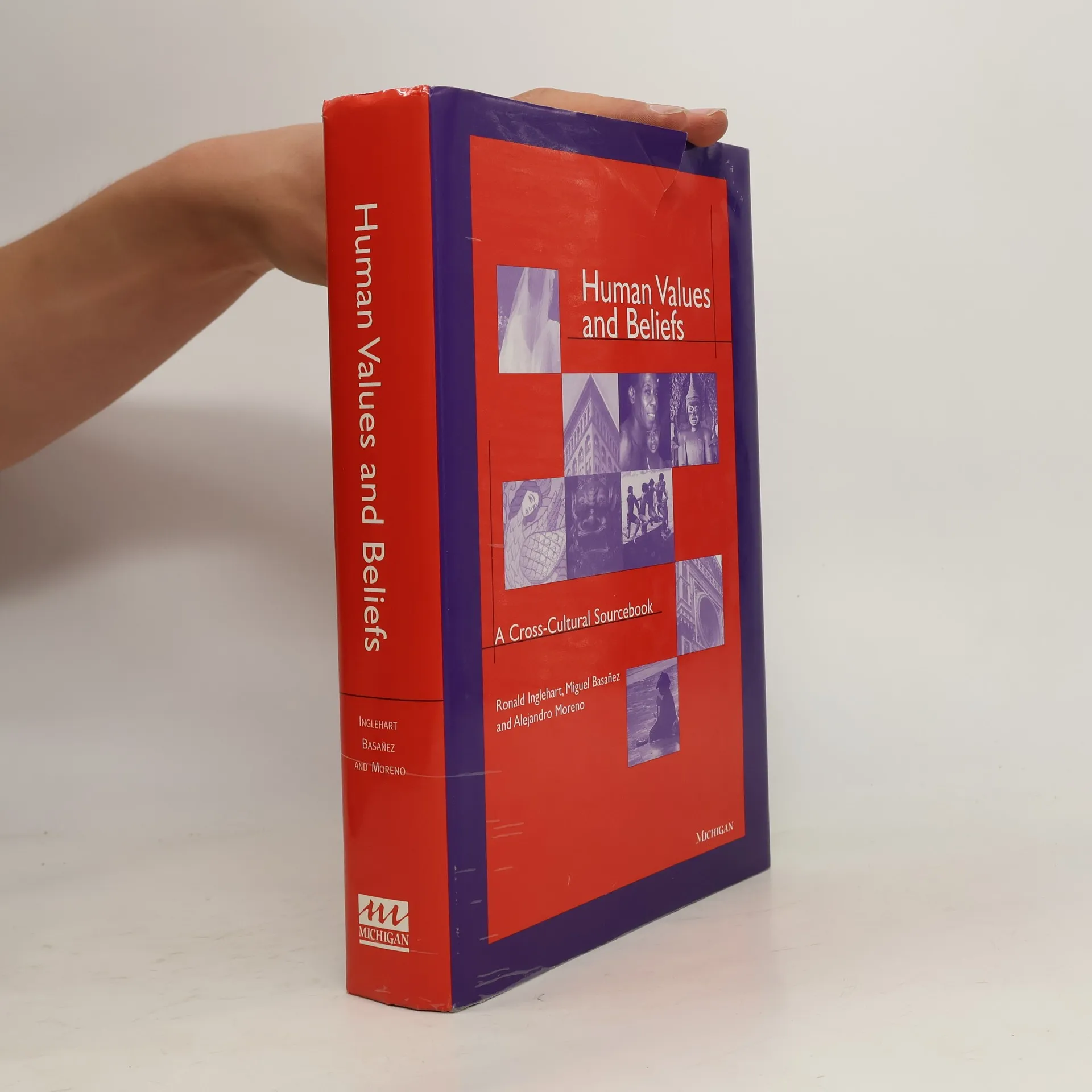
For over twenty-five years Ronald Inglehart and his colleagues have been collecting survey data on the beliefs and opinions of people all over the world on a variety of topics. This work led Inglehart to expound his noted theory about the development of post-materialist values in developed countries and explore its effect on politics. This book, based on the most comprehensive of these surveys, the World Values Survey conducted in over forty countries from 1990-93, publishes for the first time all of the findings of this survey. The questions cover issues such as politics, economics, religion, family life, and gender roles, and reflect differences in response by age, gender, economic standing, and education.This book provides a wealth of data that will appeal to social scientists, journalists, people in international business, and policy makers interested in understanding social, political, or cultural attitudes in different countries.Ronald Inglehart is Professor of Political Science, University of Michigan, and coauthor of Value Change in Global Perspective , as well as many other books and articles. Miguel Basanez is Professor of Political Science, Institutio Tecnologico Autonomo de Mexico, and director of MORI de Mexico. Alejandro Moreno is Professor of Political Science, Institutio Tecnologico Autonomo de Mexico.