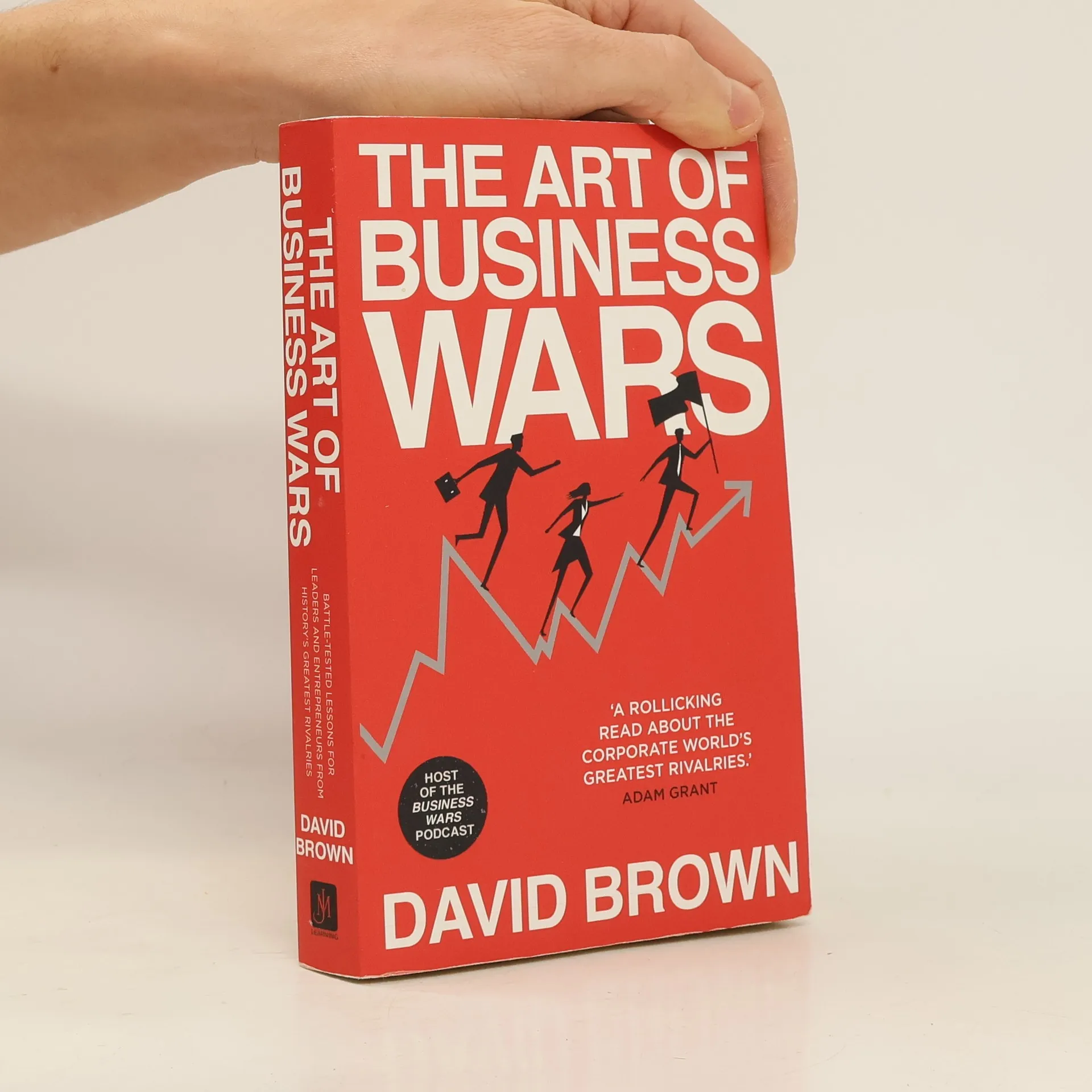
Sun Tzu's THE ART OF WAR meets the hit podcast BUSINESS WARS, in this powerful compilation of insights from the biggest business rivalries in history.
David Brown Book order (chronological)
This author's literary output spans a diverse range of genres, from chilling horror to insightful biographies and political commentary. Their work also delves into theological discussions and legal scholarship. Multiple authors share this name, each contributing distinct expertise in fields such as musicology, travel writing, and poetry. This variety means readers should select carefully to find the specific content that aligns with their interests.




Empire and Enterprise
- 312 pages
- 11 hours of reading
The Adventurers for Irish land transformed England's trade and government finances in the mid-seventeenth century, laying the foundations of the British Empire and modern fiscal state. This is the first book to recognise the key role of the Adventurers and the centrality of Ireland to the Wars of the Three Kingdoms. -- .
A Year Off
A Story about Traveling the World—and How to Make It Happen for You
- 256 pages
- 9 hours of reading
Have you ever dreamed of quitting the rat race and taking a year off, only to be jolted back to reality? This book offers the inspiration and courage to make that dream a reality. It begins with a simple phrase, "Wait for me," spoken to a near stranger, igniting an international travel adventure. The narrative unfolds as a blend of travel guide, essays, and memoir, chronicling the journey of Alexandra and David Brown, who decided to take a year off from their jobs to explore the world together after only a few months of knowing each other. With stunning photographs and practical travel advice, it captures the essence of wanderlust and demonstrates how achievable round-the-world travel can be. Each chapter presents perspectives from both authors, covering their experiences and insights, including their evolving relationship, colorful essays on adventure travel, and essential tips on leaving jobs, budgeting, packing, planning routes, managing culture shock, and re-entering daily life. This inspiring journey encourages readers to turn their travel daydreams into reality, making it a perfect gift for dreamers, aspiring adventurers, and practical professionals eager to embrace the adventure of a lifetime.
Sleeping Your Way to The Top
- 277 pages
- 10 hours of reading
Many people believe the less sleep you get, the more productive you are. Sleeping Your Way to the Top debunks that myth and shows that sleep and success go hand in hand. This groundbreaking study presents compelling new research and the latest clinically proven techniques for getting quality rest, achieving maximum productivity, and overcoming common sleep impediments to enhance your career. Featuring sidebars, charts, and illustrations, this book finally takes the stigma out of sleep.
The Secret of the Gondola
- 44 pages
- 2 hours of reading
A masterpiece by Canaletto leads a young art historian on the trail of an unsolved mystery. In this debut work of fiction, an art-historical investigation quickly becomes detective work. On a pilgrimage to study a masterpiece by Canaletto, a young American graduate student uses his camera phone to solve a centuries-old mystery, thanks to clues left by the painter employing a mobile device of his time--the camera obscura. With the action taking place over a single day, art and technology, as well as ambition, romance, and a brutal crime intersect in a series of step-by-step revelations culminating in a startling deus ex machina at the end. "Surveying the scene from the Dogana, Canaletto seems to have stumbled upon a murder taking place before him and put it in his painting. To decipher the episode depicted in the Bacino, Jeremy exploited several functions of his smartphone. The informational apps provided the context for the murder, while the camera captured its image in the painting. Jeremy wondered whether Canaletto had not also viewed the event through the portable camera of his day--the camera obscura, used as an aid to drawing outdoors. ... Jeremy could just imagine how Canaletto, breathless with excitement, had quickly sketched the momentary image projected on the screen."
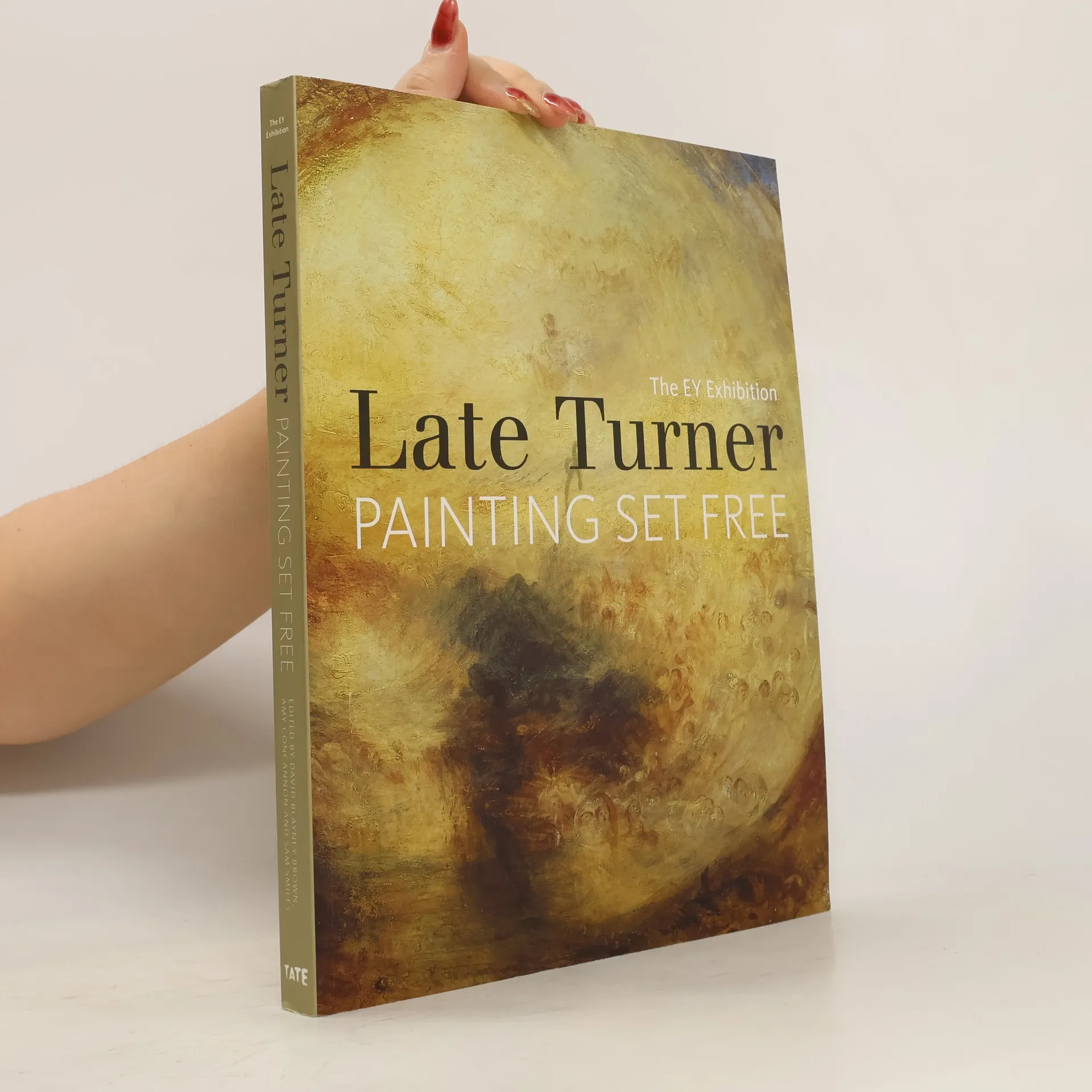
"When the prolific British painter Joseph Mallord William Turner (1775-1851) died at the age of 76, his contemporaries held a generally negative view of his recent work, describing it as indulgent, eccentric, and even repulsive. But over the past century, a number of curators and critics have reassessed Turner's late paintings. Instead of finding his employment of shimmering color to evoke light unpleasant or unskilled, they have seen it as a precursor to the Impressionists and consider his use of abstraction to be distinctly modern. In this elegantly conceived volume, leading experts on Turner consider these contrasting views of the artist in a groundbreaking exploration of his paintings. They examine his notes and sketchbooks to determine whether his health may have impacted his art and how Victorian views of old age influenced perceptions of the elderly artist. They also question the notion that Turner's late work articulated a conclusive, radical vision heedless of public reaction, for evidence makes clear that he had a firm idea of the art market in his day."--Publisher's description
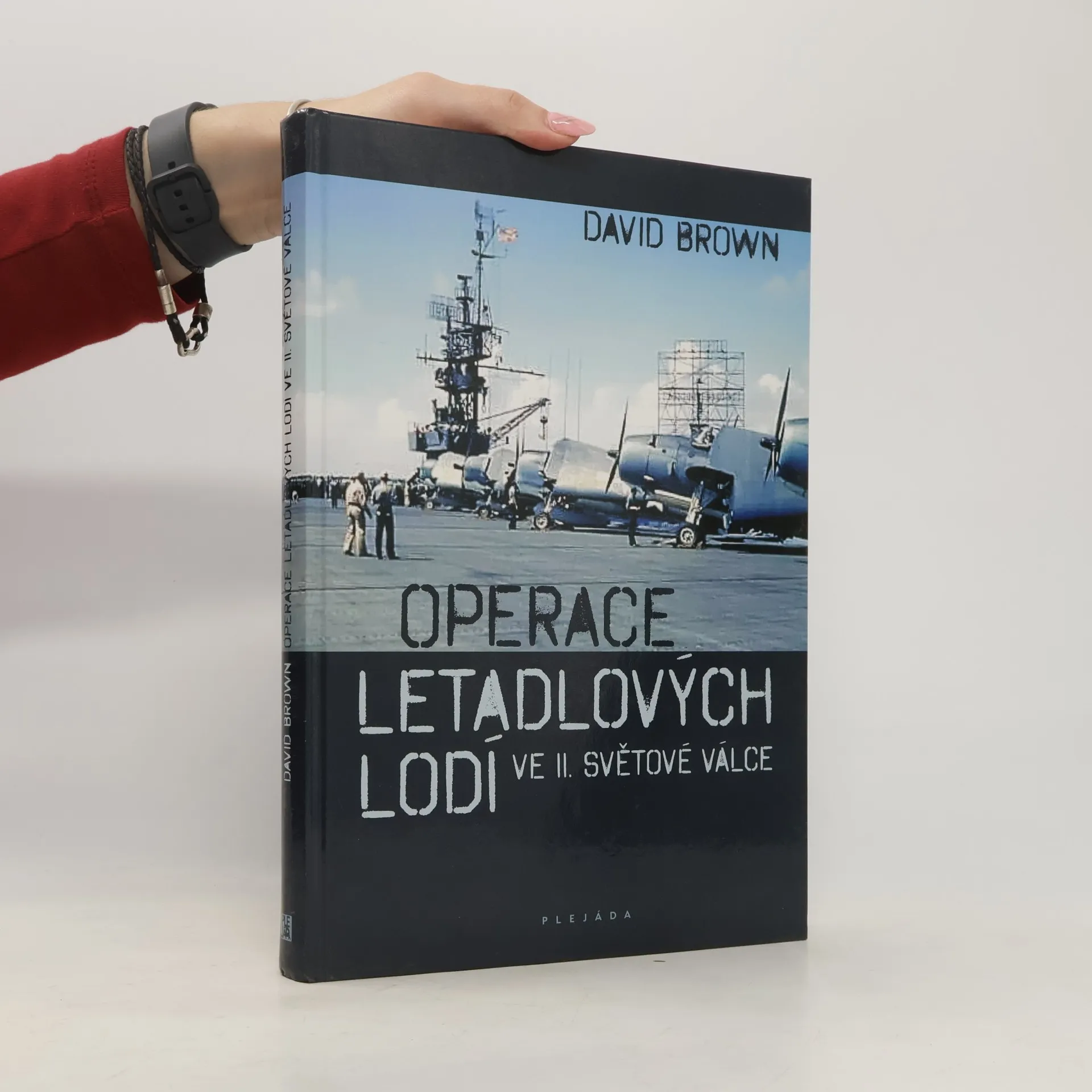
Od počátku války v roce 1939 do jejího konce v roce 1945 se letectvo Královského námořnictva přeměnilo ze zanedbatelné v mohutnou strategickou zbraň. Letadla startující z britských letadlových lodí bojovala po celém světě. David Brown ve své knize podrobně popisuje jeho boje u Domácího loďstva, ve Středomoří, v Atlantském, Indickém i Tichém oceánu. Stranou nezůstávají ani operace sil, vytvořených pro zvláštní jednorázové operace. Dále jsou analyzovány operace loďstva v Pacifiku mezi lety 1941 a 1945, kdy se odehrávala největší námořní bitva všech dob. Námořnictva jak USA, tak císařského Japonska sledovala operace Britů v raných stadiích války a vzala si z nich ponaučení. Ameriští letci a námořníci se v průběhu bojů rychle učili, až se koncem března 1945 5. flotila námořnictva Spojených států spolu s námořní pěchotou staly nejvýkonnějším a nejefektivnějším válečným nástrojem, použitým v době před svržením atomových bomb na Hirošimu a Nagasaki. Předkládaná publikace představuje vrchol snažení jednoho z nejvýznamnějších historiků námořního letectva. Kniha je doplněna četnými ilustracemi a tabulkami, uvádějícími letadla a jednotky na jednotlivých letadlových lodích v průběhu té které válečné operace. Spolu s živým a poutavým vyprávěním tvoří jednu z nejpozoruhodnějších knih o 1. svazku, popisujících operace letadlových lodí Velké Británie, USA a Japonska v průběhu 2. světové války.
Negotiating
- 128 pages
- 5 hours of reading
The negotiating secrets that experts and top professionals use.
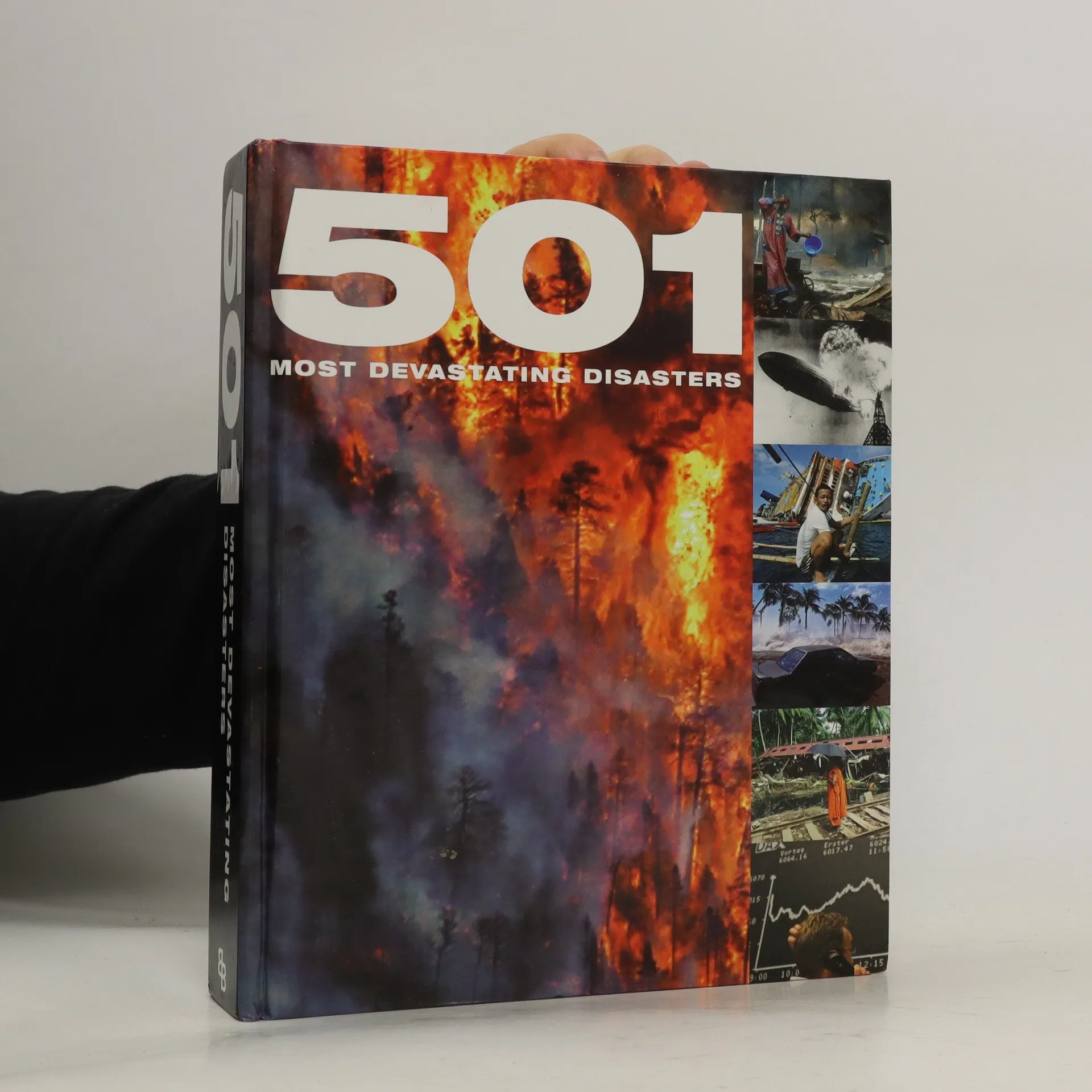
501 Most Devastating Disasters
- 544 pages
- 20 hours of reading
This book will take you through the devastating events & defining moments that changed our planet & our lives. It is divided into sections covering significant moments from the Antioch Earthquake in 526 AD to the collapse of Lehman Brothers in 2008 & the Afghan Elections in 2009.
501 Days Out for Kids in the UK & Ireland
- 544 pages
- 20 hours of reading
This title is an invaluable source of inspiration for anyone planning to take the kids for a day out in the UK or Ireland. There are so many choices for great days out, you and the kids will be spoilt for choice.
David Brown explores the ways in which the symbolic associations of the body and what we do with it have helped shape religious experience and continue to do so. A Church narrowly focused on Christ's body wracked in pain needs to be reminded that the body as beautiful and sexual has also played a crucial role not only in other religions but also in the history of Christianity itself. Dance was one way in which the connection was expressed. The irony is not that such a connection has gone but that it now exists almost wholly outside the Church. Much the same could be said about music more generally, and Brown writes excitingly about the spiritual potential of not just classical music but also pop, jazz, musicals, and opera. Like Brown's much-praised earlier volumes, God and Enchantment of Place , Tradition and Imagination , and Discipleship and Imagination , the present book will enlarge horizons and challenge the narrowness of much theological thinking.
Brown's Guide to the Good Life Without Tears, Fears or Boredom
- 113 pages
- 4 hours of reading
This is a last hurrah from a man who enjoys every minute of his life and his memoir is full of cheerful nuggets of wisdom on how you can do the same.
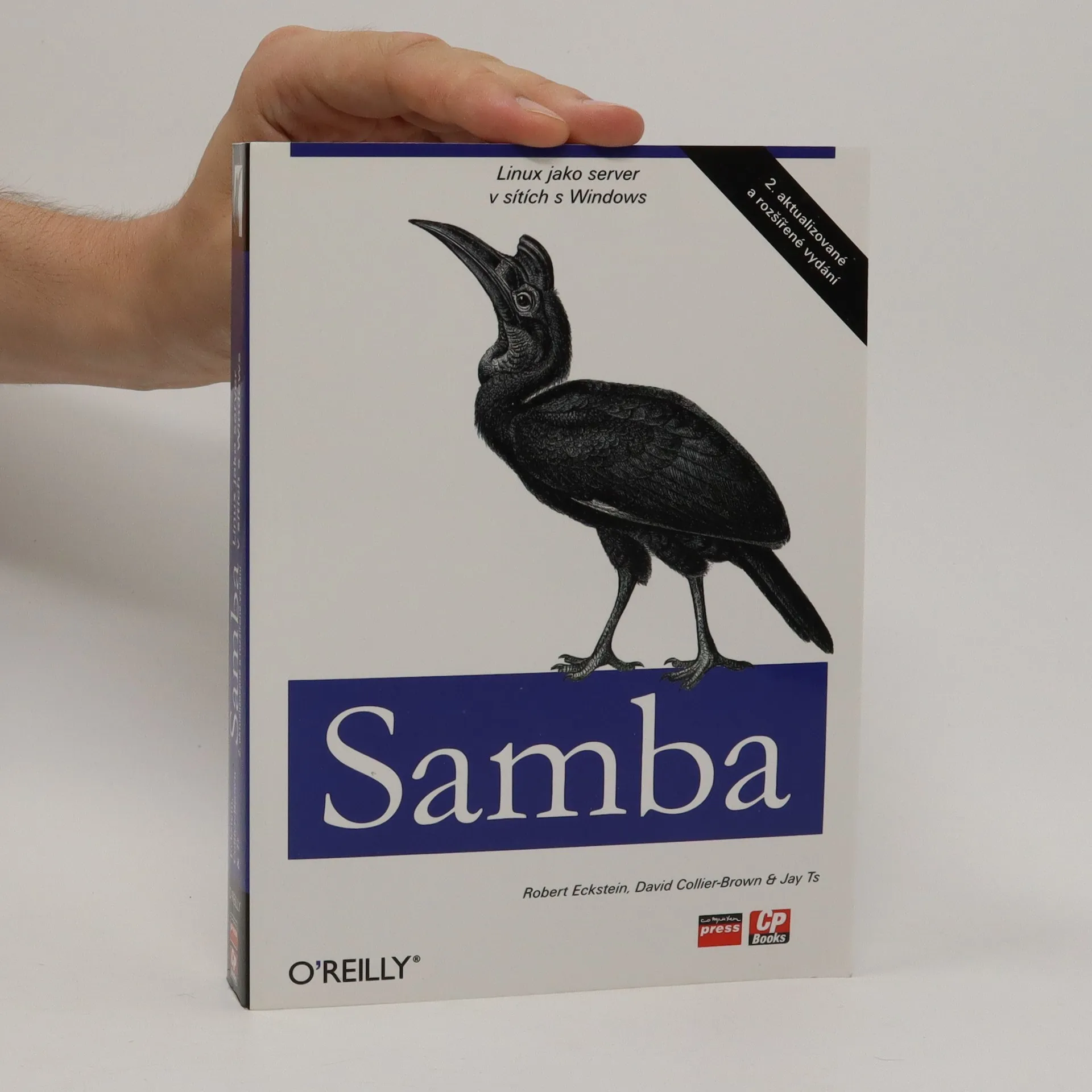
(2. aktualizované a rozířené vydání) Kniha je psána pro plynulou řadu verzí Samby z několika posledních let, přičemž upozorňuje na konfigurační odlišnosti platné v nejnovější verzi 3.0. Soustředí se na nástroje smbd, nmbd, commandline, nechybí v ní vysvětlující popis a informace o začlenění do windowsových domén a grafického konfiguračního nástroje SWAT.
The World According to Groucho Marx
- 162 pages
- 6 hours of reading
Having amused and bemused millions across the globe, Groucho Marx had a hilarious opinion on every subject and a radical riposte for every occasion. This biography covers such subjects as his childhood and family, women and love, marriage and divorce, and politics and wealth. Born in New York in 1890 to a French mother and German father, Julius Henry "Groucho" Marx began his stage career at 15, and after many disappointments and much perseverance, he enjoyed his first success alongside his brothers in a Broadway show in 1924. More successful stage shows followed until his clever word-play and unique wit began to spread to a much wider audience through his many films, books, and radio shows. Entertaining and informative, this account quotes Marx's works, providing a fascinating insight into this unique individual—arguably the 20th century's greatest comedian.
The Discus
- 128 pages
- 5 hours of reading
The Discus, authored by tropical fish experts, offers essential guidance for new fish keepers. It covers tank selection, water conditions, nutrition, and breeding, enriched with informative sidebars and vibrant photos. This book aims to make the experience of keeping Discus enjoyable and fulfilling for hobbyists.
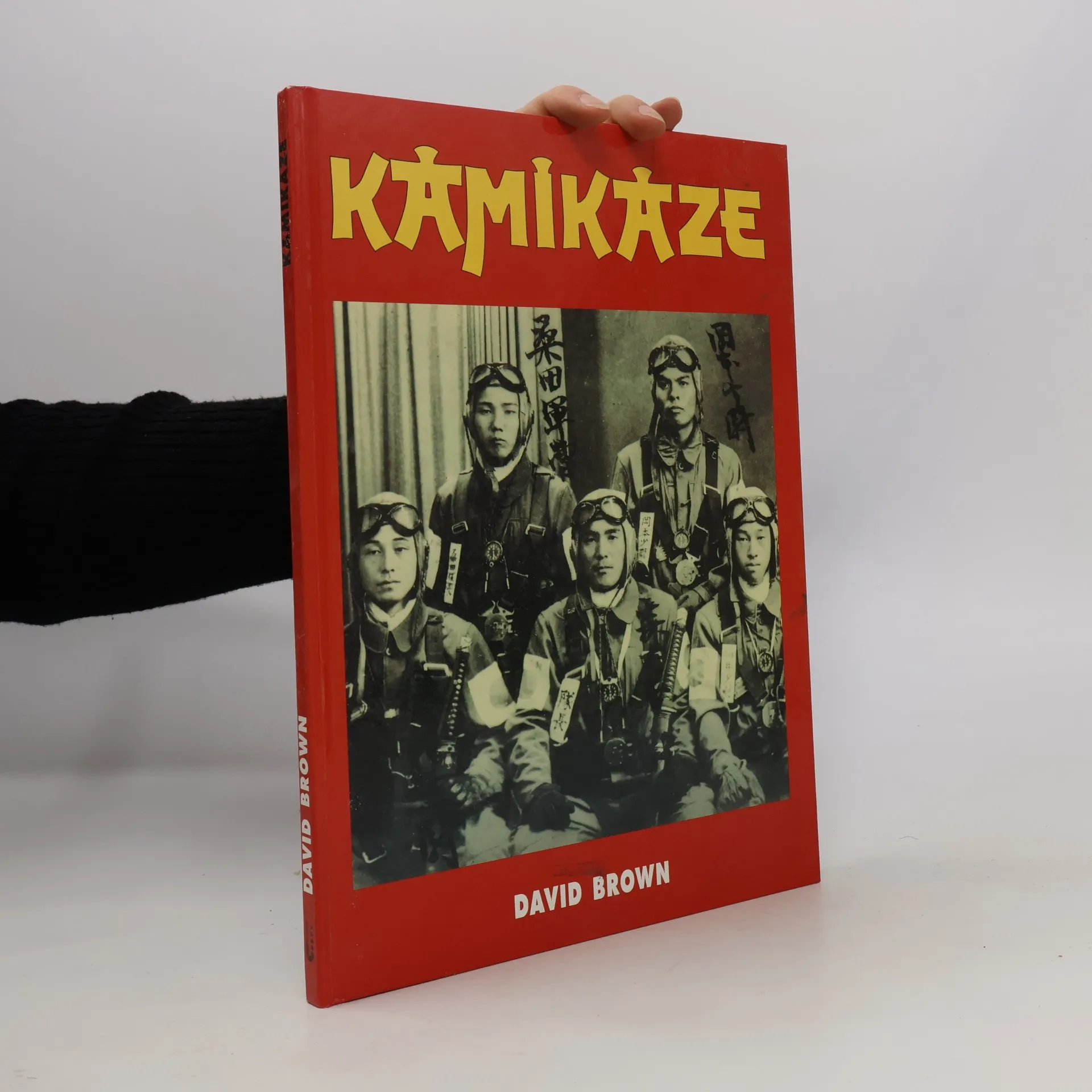
Kamikaze
- 80 pages
- 3 hours of reading
přání a zašlete jej svým známým. Přidat do přečtených knih » Máte již přečtenou danou knihu? Zařaďte si jí do knihovny a najděte podobné.
The effects of computers on business and society have over the last few decades been phenomenal; but they are nothing compared to the effects the information revolution will have in the future. In this overview of the trends of the present and the future, David Brown explores the implications for business, politics and society, taking a global perspective, and treating developments in Europe and Japan with equal attention to the future of the superhighway in the US.
View from the Cockpit
- 200 pages
- 7 hours of reading
In "View From the Cockpit," David Brown puts the reader in the cockpit and shows what it's like to fly a wide range of aircraft, from aerobatic biplanes to the most advanced jet fighters. Brown offers the reader a range of experiences from the delights of puttering around in a classic Tiger Moth biplane to the awesome vertical climb of the F-15 Eagle, to the challenge of learning to fly a Piper Cub on floats, and more. "View from the Cockpit" will appeal to pilots, plane enthusiasts, and anyone who's ever wished to fly. David Brown is the Technical Director of Advanced Trainer Programs at Northup Grumman. He learned to fly at age sixteen and has flown all of the planes he writes about.
The Bethany Parallel Commentary on the Old Testament
- 1983 pages
- 70 hours of reading
This parallel commentary, prepared from the condensed editions of the Matthew Henry, Adam Clarke, and Jamieson/Fausset/Brown works, provides background, word definitions, and inspirational insights and opinions of all passages
The Bethany Parallel Commentary on the New Testament
- 1499 pages
- 53 hours of reading
"Commentaries presented side by side in parallel columns for easy reference and comparison."--Cover.
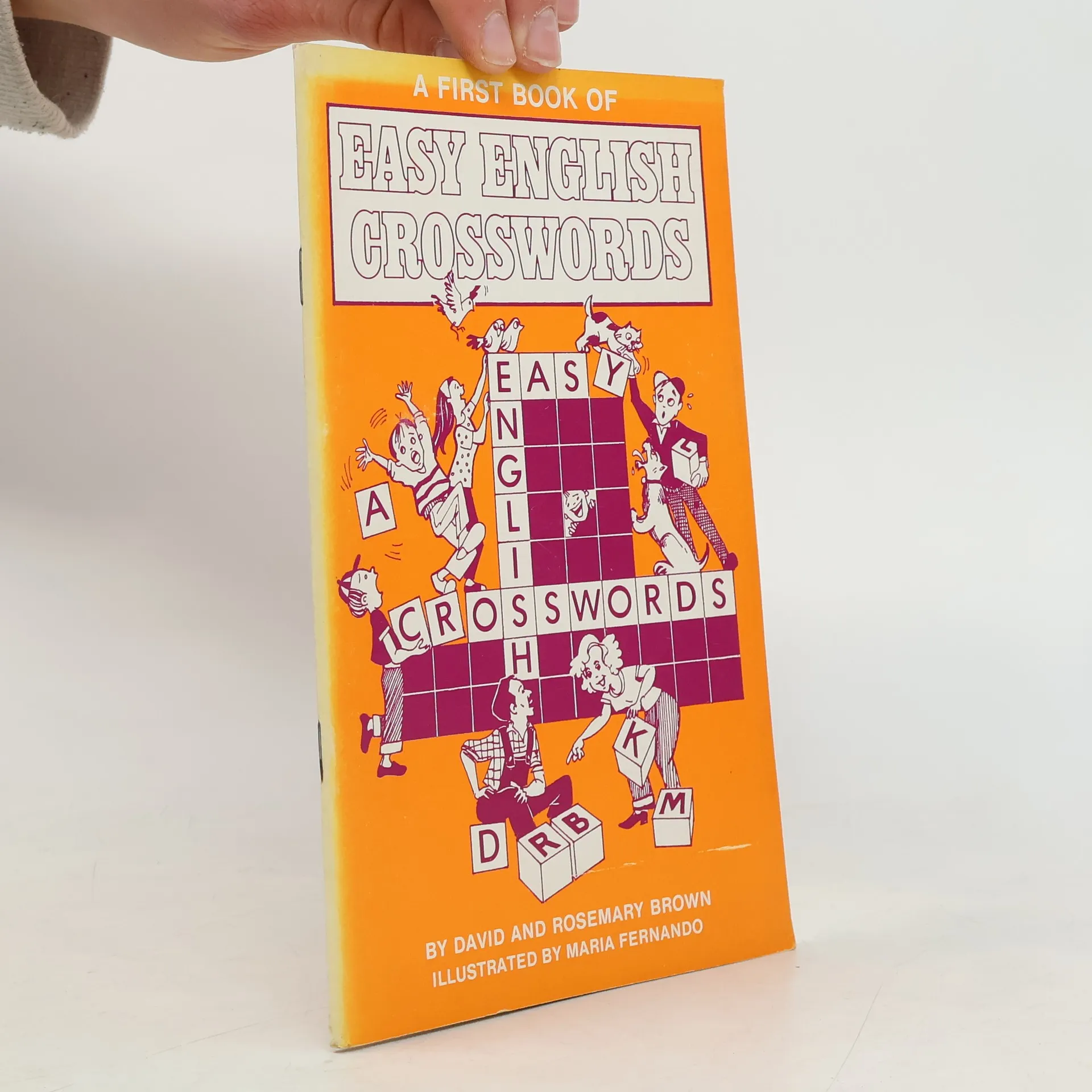
A First Book of Easy English Crosswords
- 23 pages
- 1 hour of reading
Guide to Model Railways
- 32 pages
- 2 hours of reading
Book by Brown, David
Operationsbasis Flugzeugträger
- 255 pages
- 9 hours of reading
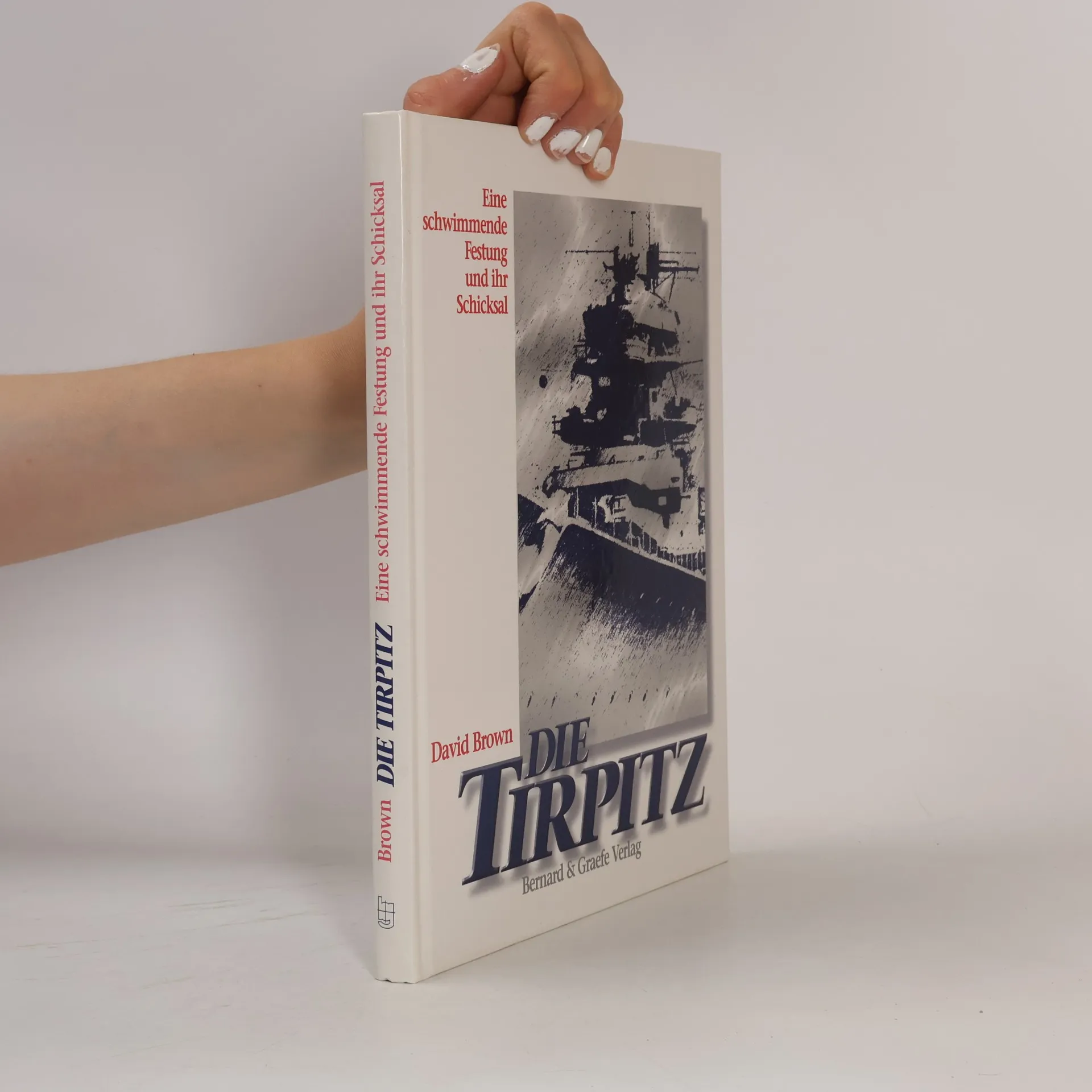
Die Tirpitz
- 159 pages
- 6 hours of reading
Tirpitz - die schwimmende Festung.. erzählt die vollständige Geschichte ihres Designs, ihrer Konstruktion und ihrer Karriere. Es enthält fünf Karten, eine große ausklappbare Sammlung von Zeichnungen von Alan Raven und über 200 Fotografien, von denen die meisten zuvor nie veröffentlicht wurden.