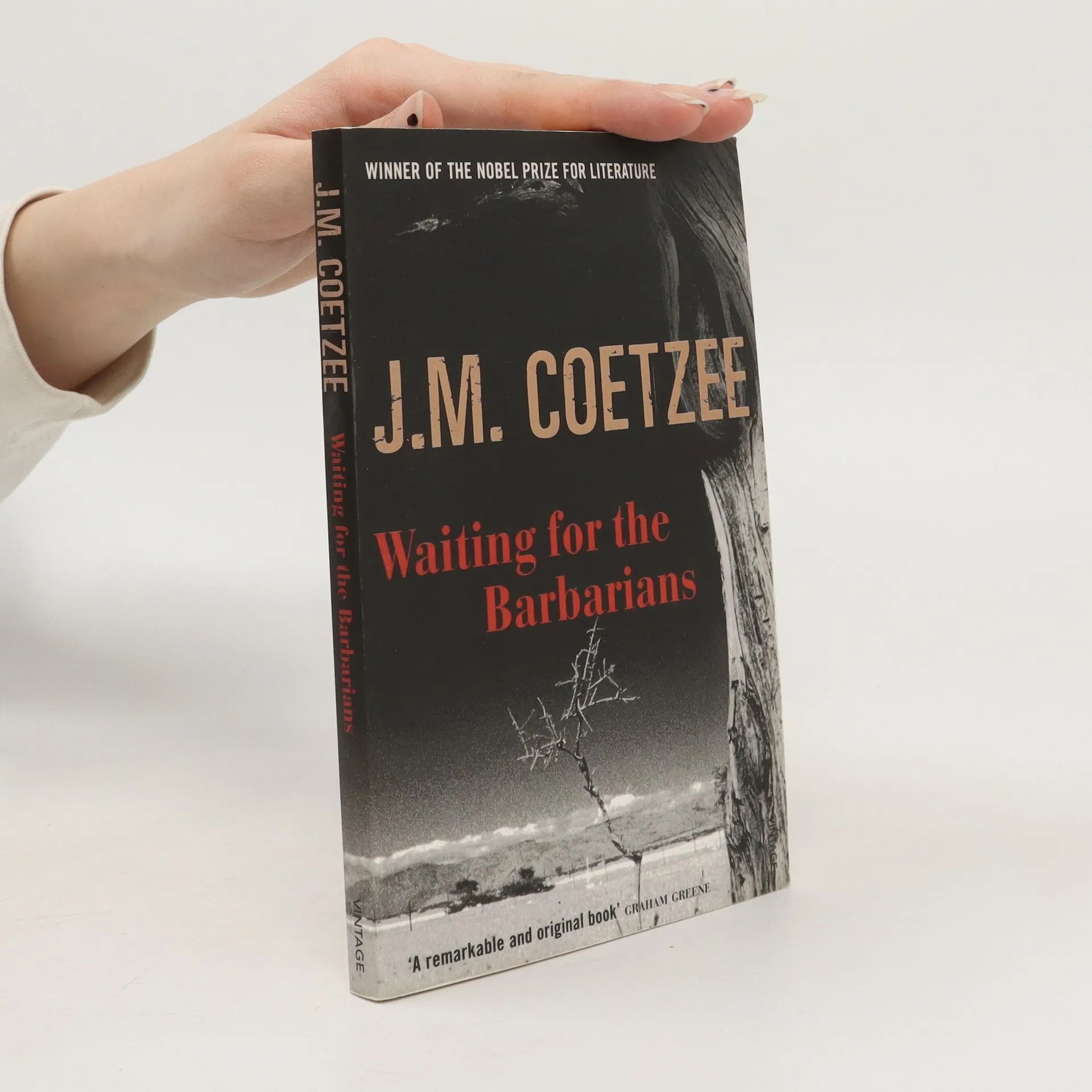
Waiting for the Barbarians
- 176 pages
- 7 hours of reading
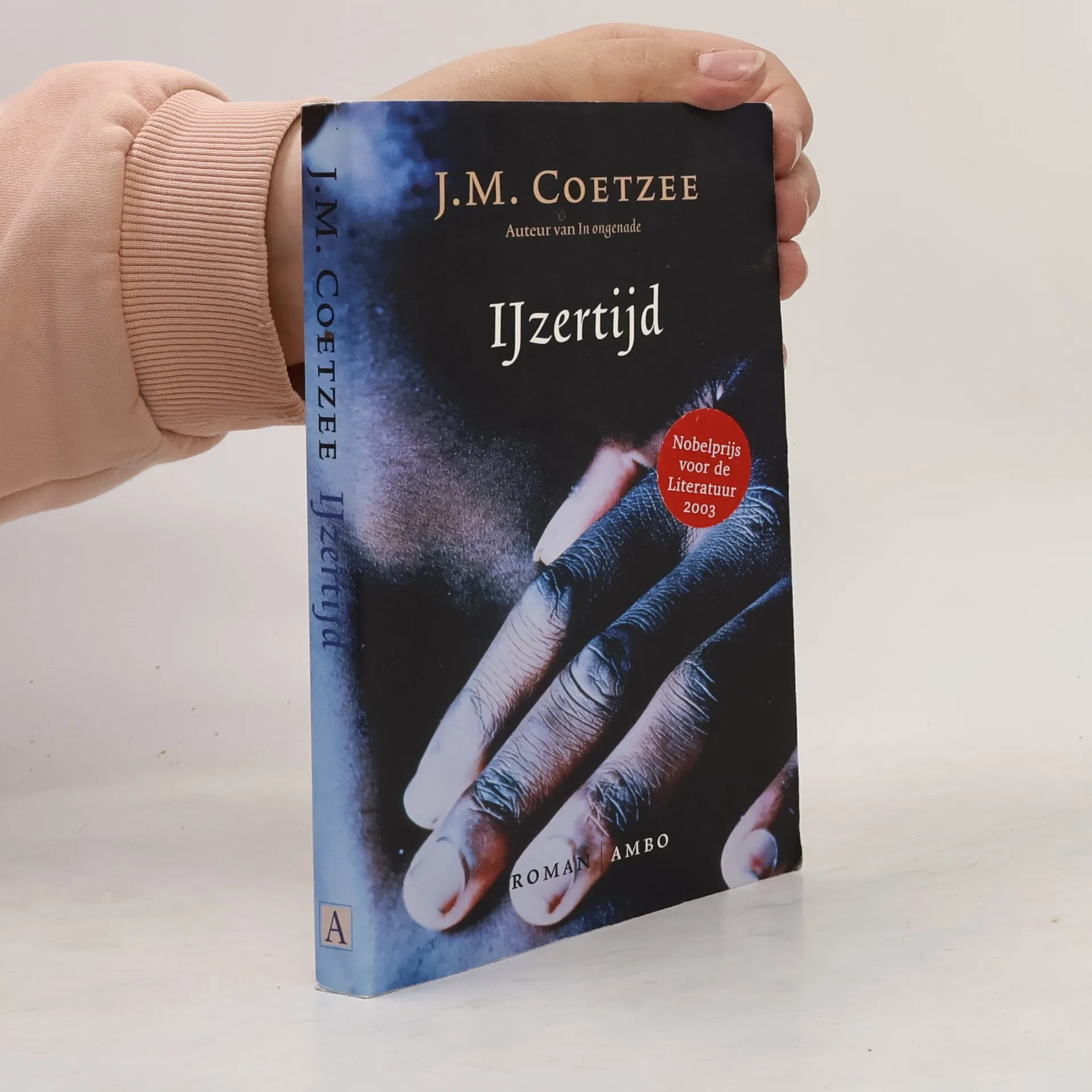
A magistrate in a country village protests the army's treatment of members of the barbarian tribes taken prisoner during a civil war and finds himself arrested as a traitor.
Peter Bergsma is a distinguished literary translator with extensive experience. His work is characterized by precision and a deep understanding of the original authors' texts. Bergsma focuses on preserving the spirit and style of the source material during its transfer into a new language. His translations are valued for their fluency and faithfulness to the original, bringing world literature to readers.


A magistrate in a country village protests the army's treatment of members of the barbarian tribes taken prisoner during a civil war and finds himself arrested as a traitor.
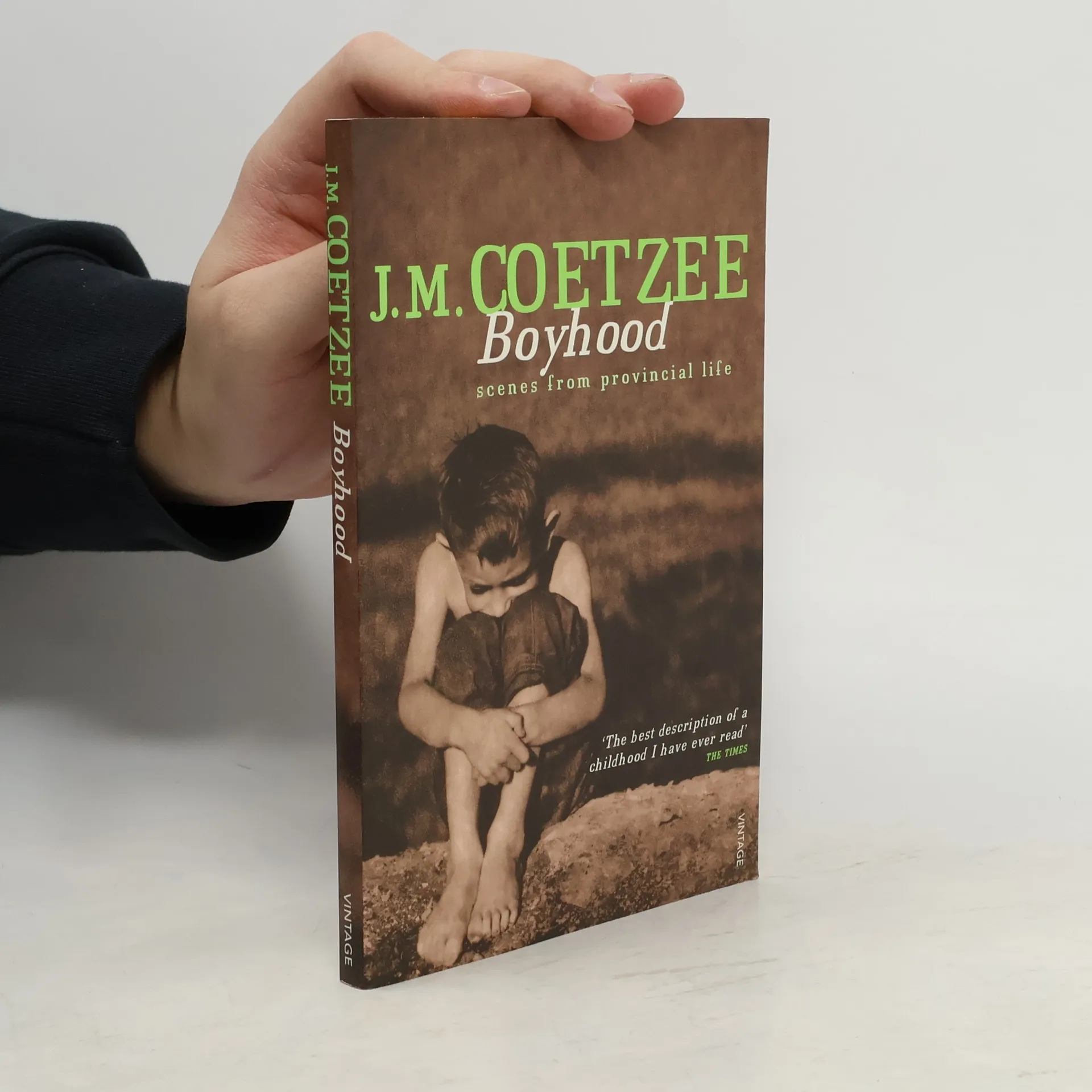
Chłopięce lata otwierają autobiograficzny cykl powieści Coetzee'go. To książka wyjątkowa, pierwsza, w której autor opisuje własne dzieciństwo i dojrzewanie w Południowej Afryce epoki apartheidu. Chłopak dorasta w normalnej rodzinie, o jasno podzielonych rolach i wyrazistych poglądach. Pod gładką fasadą pozorów kryją się jednak nienawiść i obłuda, wypaczające charakter kilkuletniego Johna. Deformują jego percepcję świata, niszczą relacje w rodzinie. Coetzee, znany z powściągliwości mistrz chłodnego dystansu ukazał nierzadko przerażające okoliczności, które ukształtowały styl jego pisarstwa.
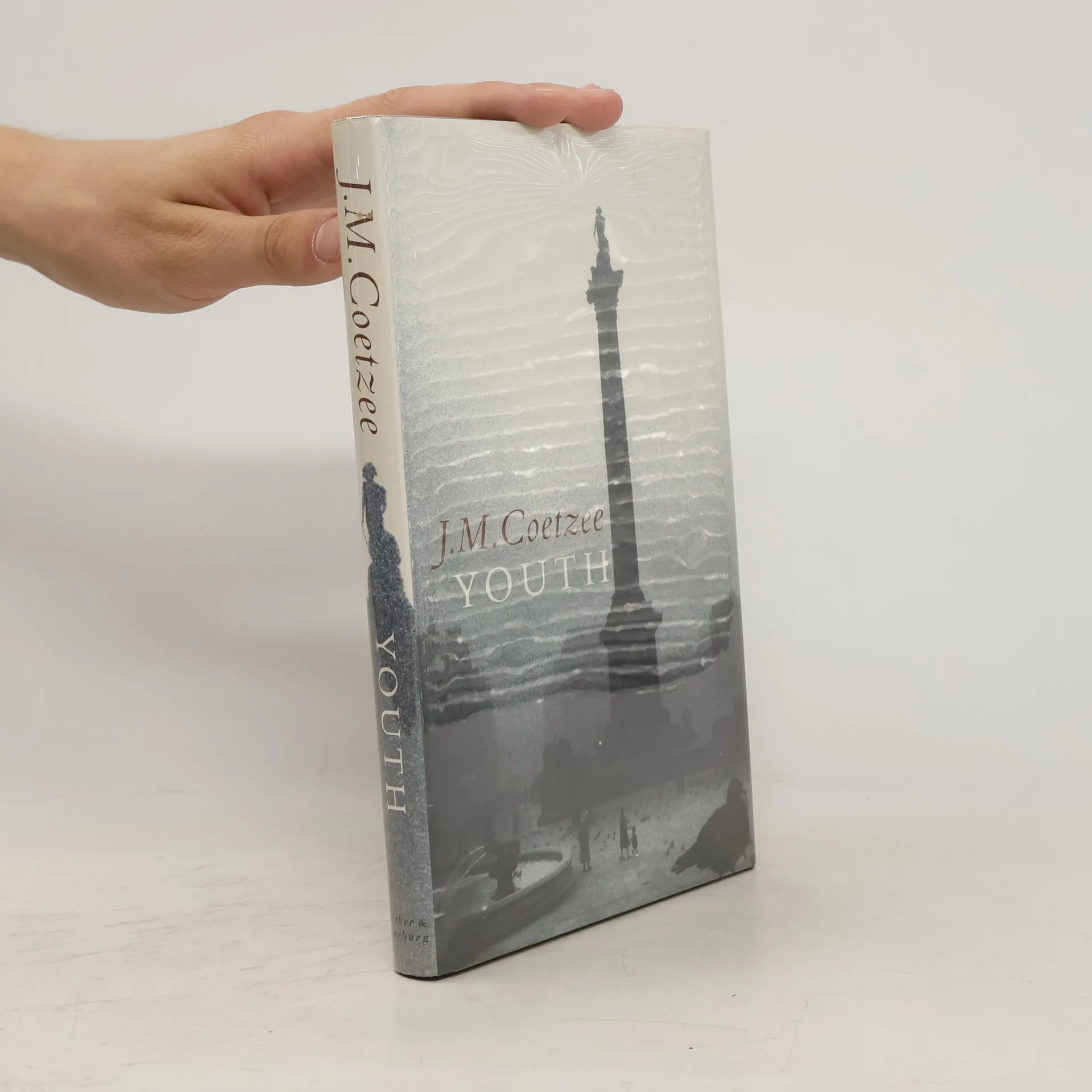
A searing portrait of a young colonial in early 1960s London – from the two-time winner of the Booker Prize. Set against the background of the 1960s - Sharpeville, the Cuban missile crisis, Vietnam – Youth is a remarkable portrait of a consciousness, isolated and adrift, turning in on itself. The narrator of Youth, a student in the South Africa of the 1950s, studies mathematics, reads poetry, saves money, trying to ensure that when he escapes to the real world, wherever that may be, he will be prepared to experience life to its full intensity and transform it into art. Arriving in London, however, he finds neither poetry nor romance. Instead he succumbs to the monotony of life as a computer programmer, from which random, loveless affairs offer no relief. Devoid of inspiration, he stops writing. An awkward colonial, a constitutional outsider, he begins a dark pilgrimage in which he is continually tested and continually found wanting.
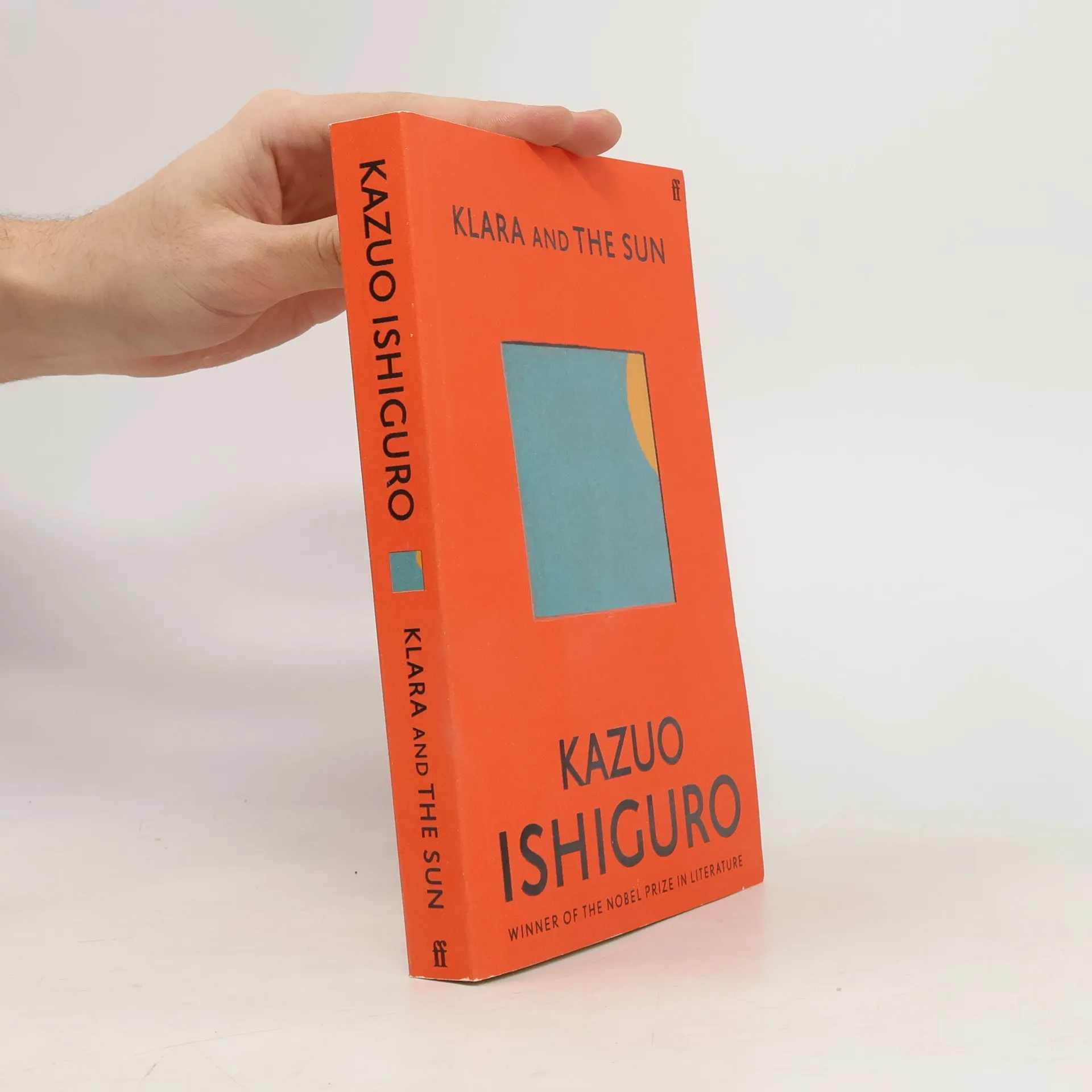
From the bestselling and Booker Prize winning author of Never Let me Go and The Remains of the Day, a stunning new novel - his first since winning the Nobel Prize in Literature - that asks, what does it mean to love? A thrilling feat of world-building, a novel of exquisite tenderness and impeccable restraint, Klara and the Sun is a magnificent achievement, and an international literary event.
A young refugee washes up unconscious on the beach of a small island inhabited by no one but Samuel, an old lighthouse keeper. Unsettled, Samuel is soon swept up in memories of his former life on the mainland: a life that saw his country suffer, then fight for independence, only to fall to a cruel dictator; he recalls his own part in its history.
'Bloomington- Now that I have been here a while, I can say with confidence that I have never been here before.' 'Delightful, deeply moving, deliciously humorous, beautiful and surprising.' Financial Times'One of America's finest practitioners of prose . . . brimming with renewed inventiveness and the ability to assault readers with an upped dosage of wit, pathos and insight. Stunning, mesmerising.' Herald'A chance to revel . . . good, funny, remarkable.' Observer'Take these writings as they come, slowly. You will go back to a little gem that has wormed its way into your mind and stuck there, and discover that it is indeed a little gem, which sparkles a different way each time and flashes with a brief beauty of hidden meaning.' Susan Hill, Spectator'Davis can invest descriptions of everyday events with startling reserves of emotion. She has a brilliant eye for the surprising, vibrant detail.'Sunday Times'A clever and refreshing observation of the world around us.' Stylist'One of the unique creations of American literature.' Prospect
Elizabeth Costello is an Australian writer of international renown. Famous principally for an early novel that established her reputation, she has reached the stage where her remaining function is to be venerated and applauded. Her life has become a series of engagements in sterile conference rooms throughout the world - a private consciousness obliged to reveal itself to a curious public: the presentation of a major award at an American college where she is required to deliver a lecture; a sojourn as the writer in residence on a cruise liner; a visit to her sister, a missionary in Africa, who is receiving an honorary degree, an occasion which both recognise as the final opportunity for effecting some form of reconciliation; and a disquieting appearance at a writers' conference in Amsterdam where she finds the subject of her talk unexpectedly amongst the audience. She has made her life's work the study of other people yet now it is she who is the object of scrutiny. But, for her, what matters is the continuing search for a means of articulating her vision and the verdict of future generations.
Clay comes home on break from his East Coast college to a landscape of limitless privilege and absolute moral entropy, where the natives drive Porsches, dine at Spago, and gobble their Quaaludes from Pez dispensers. Where else can Clay go but down? "A teenage slice-of-death novel, no holds barred".--VILLAGE VOICE. Copyright © Libri GmbH. All rights reserved.
After a life-altering cycling accident leads to the amputation of his leg, Paul Rayment grapples with complex emotions for his nurse and her attractive teenage son. His world is further disrupted by the unexpected visit of renowned Australian novelist Elizabeth Costello, who seeks to influence both his recovery and romantic entanglements. The interplay of personal struggles and external influences shapes a poignant narrative about love, loss, and the quest for direction in life.
In een brief aan haar dochter beschrijft een oude, blanke vrouw uit Kaapstad de wreedheden van de Apartheid waarmee ze de laatste maanden van haar leven wordt geconfronteerd.