
A series of illustrated books specifically designed for children in elementary
education, narrating the stories of those great historical figures who have
left their mark on humanity in fields such as science, art, exploration,
music, and other subjects.
Echo Beach is a fictional beach that resides along the western coast of the Korean peninsula. For those land-locked in cities and tied to the long hours of work and domestic duties, it is a place of fantasy. In reality, it may also be a beach they love and one that they may never get to visit, remaining far away in time.For some, it may be a shoreline that conjures up thoughts, desires, and expectations of a long-awaited summer vacation, the notion of fun with family, and a time to relax and enjoy life. For others, it may be a place where worries can be cast to the wind, pain can be swallowed into the depths of the sea, sorrows can sink into the sand, and they can stand in solitude.Aside from the fantasy and the imagery that Echo Beach brings to mind, and the desire and pull it has for city-dwellers, the images chosen for this collection are those that stand, perhaps, in stark contrast to the above. They do this by not only illustrating how the reality of this fantasy and desire may play out, but the reality of what it must play out alongside – the flotsam and jetsam of refuse.In this collection, David Kent captures a series of images that serve to represent a composite of South Korean beach culture at one specific point in time. The photographs do not depict any one beach in particular. All images were taken in the early morning, and in a number of locations along the western shores of South Korea.
Key to the provision of education in the era of the fourth industrial revolution is understanding the use and applicability of various technologies with 21st century learners, as well as being able to assess the usability, implementation, and evaluation of any technological tool that an instructor (or learner) may choose to use. As such, this text aims to not only introduce teachers of English to speakers of other languages (TESOL) to the theories behind this topic, but, more importantly, it seeks to present a range of practical means of providing digital language learning and teaching in ways that can benefit instructors and pupils alike. Of significance, content has been specifically developed by both native and non-native English language teachers, to encompass a range of methods and approaches, as well as a variety of linguistic outcomes suitable to a range of teaching and learning contexts. These include that of young learners through to young adults, and all those undergoing life-long learning. As such, the book is an essential read for any educator, student, administrator, or stakeholder involved with the TESOL industry, particularly those who want to understand how pre-service and in-service teachers are honing their technological teaching craft, and how digital language learning and teaching currently, and will potentially, impact the educational sector.
Artificial Intelligence in Fundamentals for Educators presents those issues in artificial intelligence (AI) that are of concern to teachers when coming to understand the various aspects involved with the field, and how they relate and can be applied to those in education. This includes developing a working knowledge of the key concepts behind AI, and an understanding of the characteristics and evolution of the field itself. The benefits, risks, biases, and ethics involved with AI design, development, and deployment are also considered, and this includes aspects of AI and human perception, how these differ, and what this means practically. The manner in which we can naturally come to interact with AI systems, along with an understanding of the differences and similarities between human-machine learning. After these fundamentals are established, the five big ideas in AI for education are introduced, and the more integral aspects of each, including their implications for society, are examined. This establishes a grounding for presenting what it now means to be teaching and learning in the era of the fourth industrial revolution; how digital assistants and voice user interfaces, along with chatbots and robots, can be applied in the teaching and learning context, particularly that of English language learning; and how the design thinking process can assist in the development of pedagogical projects in educational workplaces. The text also has a companion workbook in which all of the activities presented can be completed.
Nestled in South Korea, Gyejoksan, or Chicken Foot Mountain, features a unique shape reminiscent of chicken feet and stands at 429 meters. The mountain is rich in history, showcasing temple ruins, burial mounds, and the Joseon Dynasty's Biraeam temple. It offers diverse flora and fauna, scenic lookouts, and numerous hiking trails. At its summit lies the Gyejoksanseong Fortress. As one of Daejeon's eight scenic spots, it also provides a distinctive eco-healing barefoot walking experience along a 14.5-kilometer trek.
The book showcases a stunning collection of photographs that capture the unique cityscapes, landscapes, and daily life of Gdańsk, a historically rich city on the Baltic coast of Poland. It highlights Gdańsk's complex past, from its role as a key trade port in the Hanseatic League to its significance during World War II and the birth of the Solidarity movement. Additionally, images from nearby cities like Sopot, Warsaw, and Toruń are included, emphasizing the beauty and vibrancy of this region throughout different times of the day and year.
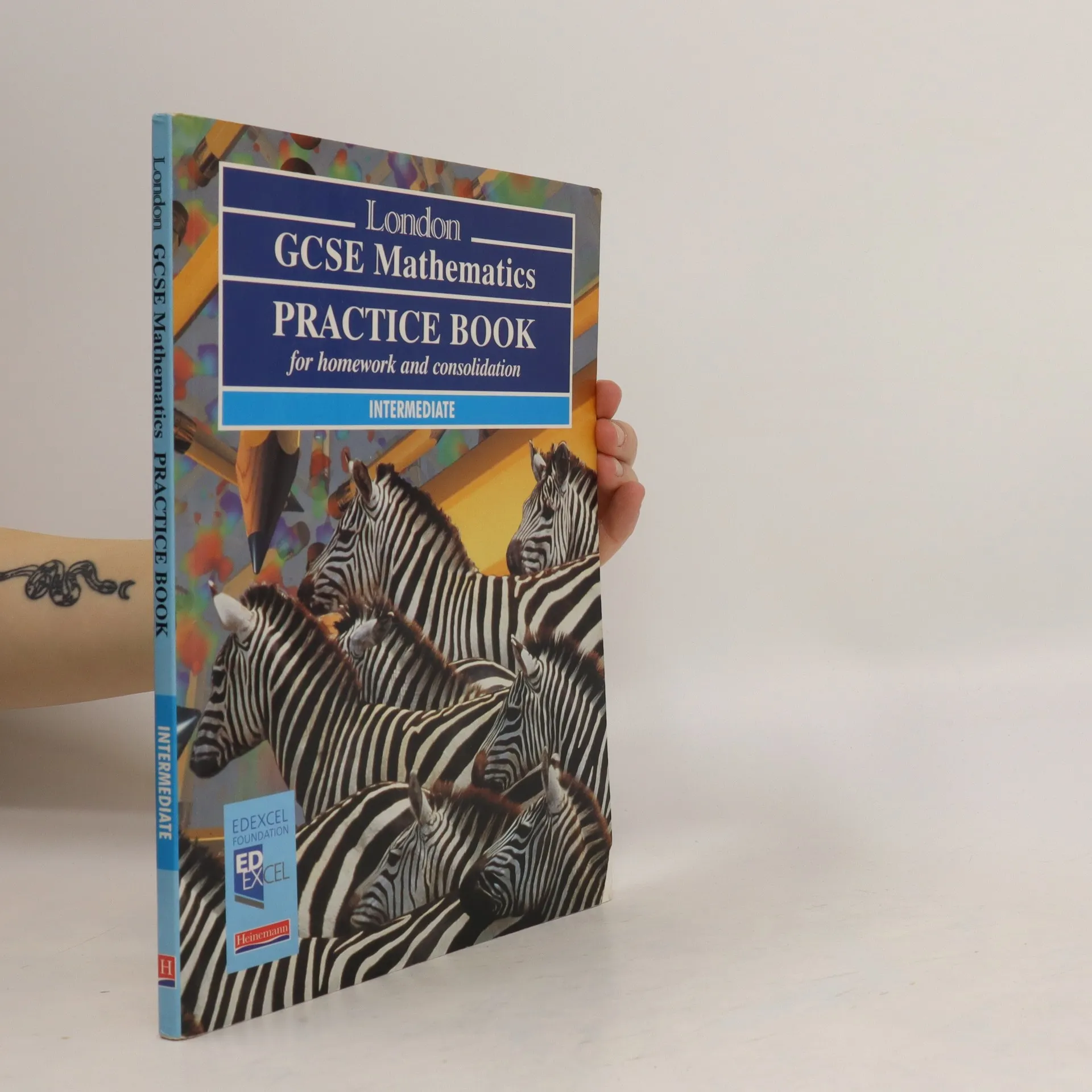
Providing a bank of additional exercises written to complement the course textbooks, these books also include links to the textbook exercises, helping to plan homework or consolidation, and answers to the questions, providing the opportunity for students to self-test.