Margaret Iversen stands as a leading international authority in art theory and contemporary art. Her work primarily explores the intersections of art, psychoanalysis, and theory, investigating how artistic creations and their histories shape our understanding of the human psyche and societal structures. Her research delves deeply into the relationship between photography and contemporary art, examining themes of trace, trauma, and memory.
An introduction to 'Transitional Object (PsychoBarn)', Cornelia Parker's major
installation in the courtyard of the Royal Academy of Arts, London, inspired
by Hitchcock's 'Psycho' and Edward Hopper's paintings
"The chance situation or random event - whether as a strategy or as a subject of investigation - has been central to many artists' practices across a multiplicity of forms, including expressionism, automatism, the readymade, collage, surrealist and conceptual photography, fluxus event scores, film, audio and video, performance, and participatory artworks. But why - a century after Dada and Surrealism's first systematic enquiries - does chance remain a key strategy in artists' investigations into the contemporary world?" "The writings in this anthology examine the gap between intention and outcome, showing it to be crucial to the meaning of chance in art. The book provides a new critical context for chance procedures in art since 1900 and aims to answer such questions as why artists deliberately set up such a gap in their practice; what new possibilities this suggests; and why the viewer finds the art so engaging."--Jacket
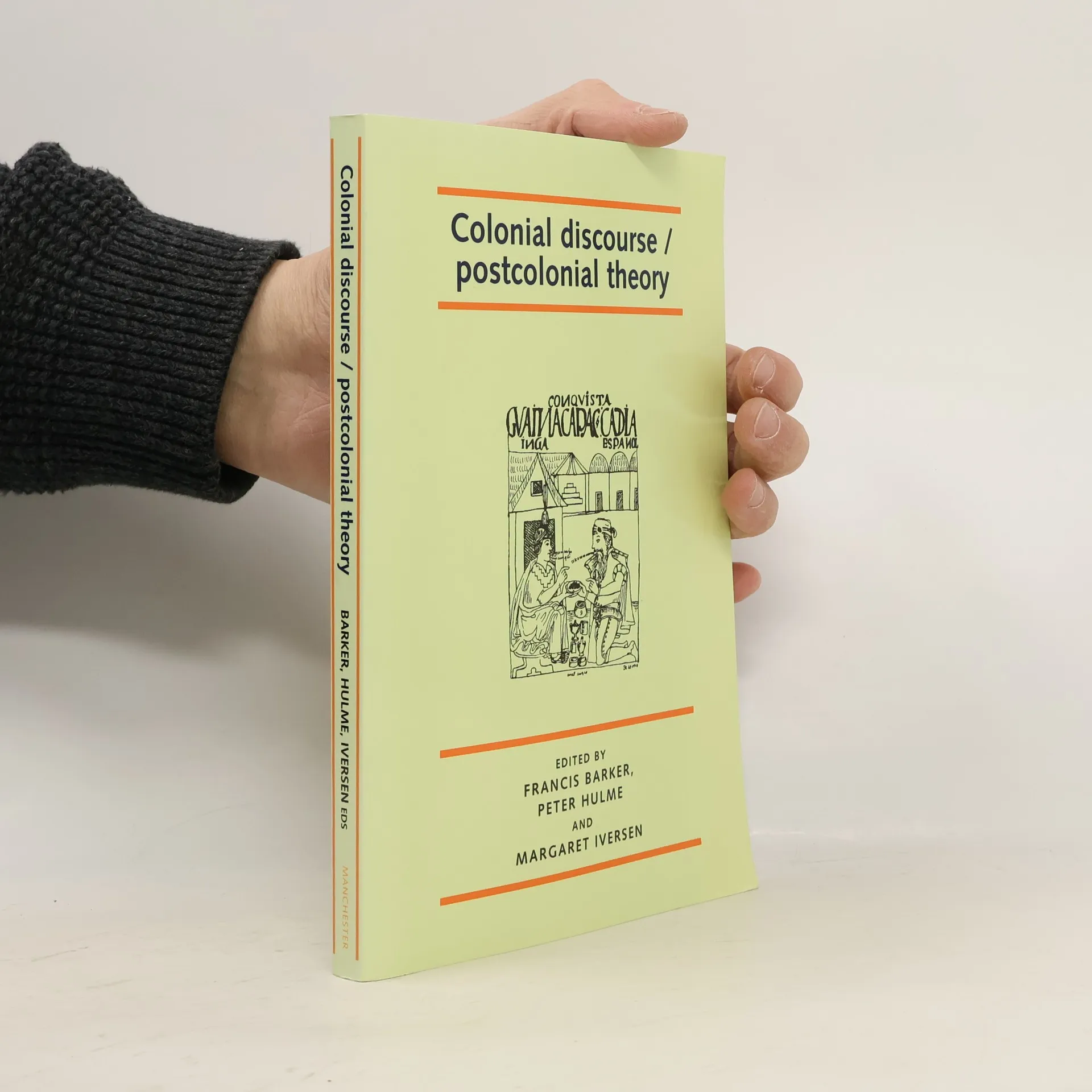
The issues of colonialism and imperialism have recently come to the forefront of thinking in the humanities. Disciplines such as history, literature and anthropology are taking stock of their extensive and usually unacknowledged legacy of Empire. At the same time, contemporary cultural theory has had to respond to post-colonial pressure, with its different registers and agendas. This volume ranges, geographically, from Brazil to India and South Africa, from the Andes to the Caribbean and the USA. This range is matched by a breadth of historical perspectives. Central to the whole volume is a critique of the very idea of the "postcolonial" itself. Contributors include Annie Coombes, Simon During, Peter Hulme, Neil Lazarus, David Lloyd, Anne McClintock, Zita Nunes, Benita Parry, Graham Pechey, Mary Louise Pratt, Renato Rosaldo and Gayatri Chakravorty Spivak.
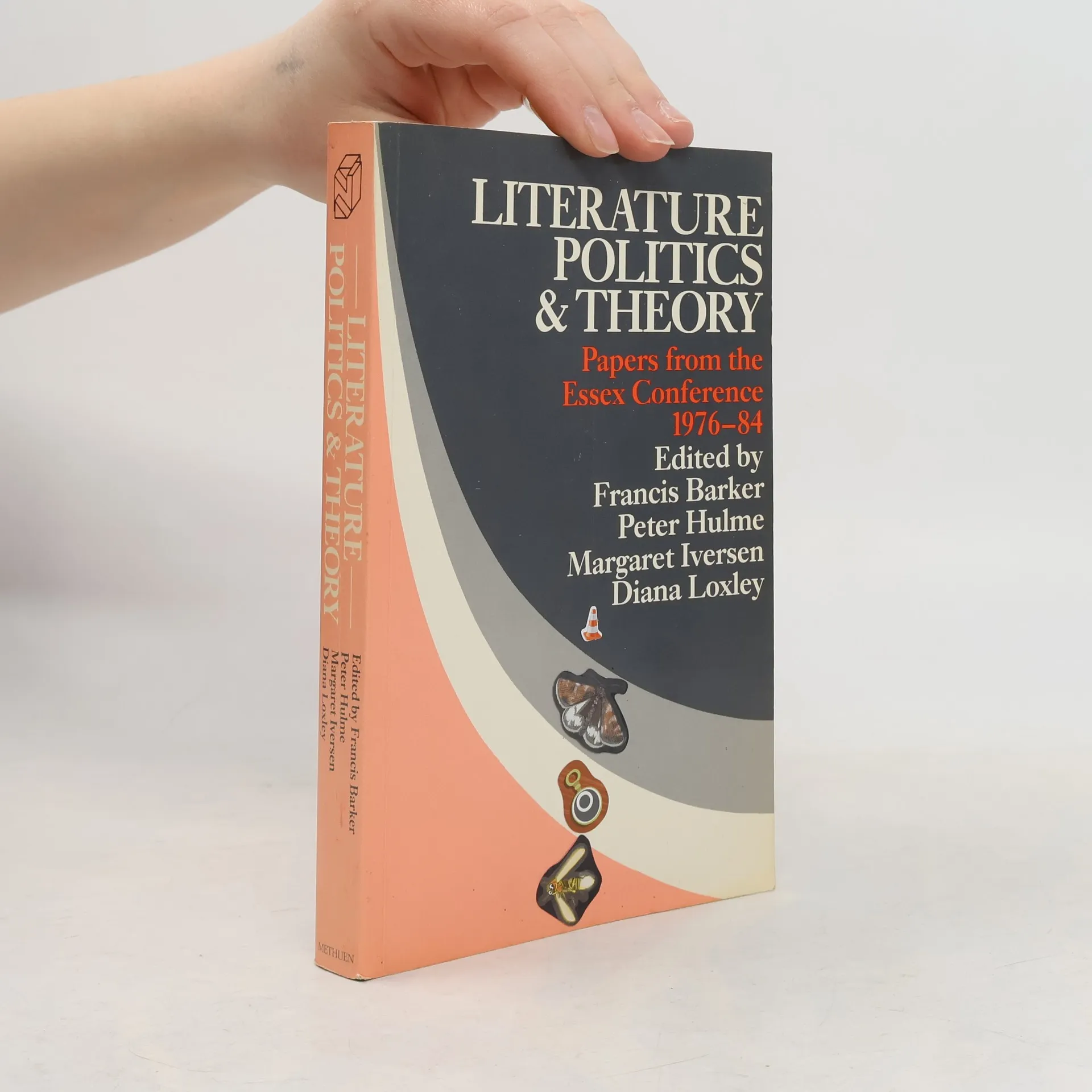
The crisis in literary criticism today has its roots in the political and cultural developments of the post-war period, and particularly in the aftermath of '1968'. During the 1970s and 1980s the annual Sociology of Literature conferences at the University of Essex provided a major international forum for contention and debate in the rapidly expanding field of theory and criticism on the left.Essential reading for all those concerned with this crisis, Literature, Politics and Theory gathers together in one volume a selection of papers from the Essex Conferences chosen to illustrate the depth and range of the historical and critical engagements of those years and, as the title suggests, to represent the politics both of the issues addressed and of the debates themselves.A number of the essays have been given new introductions by their authors, reflecting on the original context of their delivery and on their continuing significance. The volume as a whole begins with an introductory essay by the editors on the project of the Conferences.The editors are all at the University of Essex.