In this stunning collection, an acclaimed Magnum photographer captures the essence of Belgium through his unique perspective. The work showcases the country's diverse landscapes, culture, and people, blending artistry with a deep sense of place. Each photograph tells a story, reflecting the photographer's personal connection to his homeland while highlighting its beauty and complexity. This visual journey invites readers to explore Belgium beyond the surface, revealing its rich heritage and vibrant life.
A beautifully crafted story of one woman's journey to find her son. From her home on the California coast, Dalva hears the broad silence of the Nebraska prairie where she was born and longs for the son she gave up for adoption years before. Beautiful, fearless, tormented, at forty-five she has lived a life of lovers and adventures. Now, Dalva begins a journey that will take her back to the bosom of her family, to the half-Sioux lover of her youth, and to a pioneering great-grandfather whose journals recount the bloody annihilation of the Plains Indians
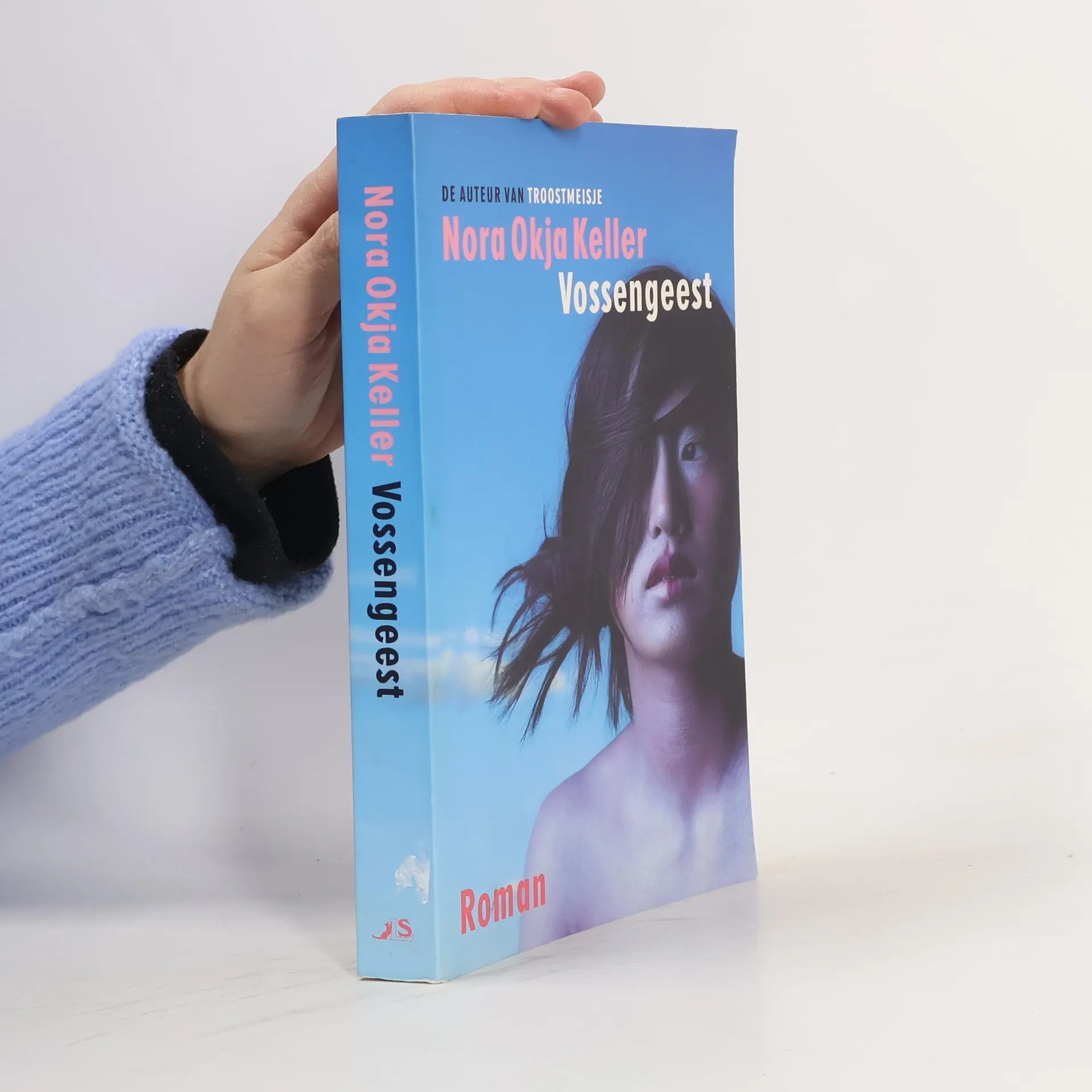
From the author of Ripley Bogle and Manfred's Pain, this story is set in Belfast in the 6 months just before and after the latest ceasefires. Politics and violence are the backdrop to the erotic action of a city that fuels itself on love.
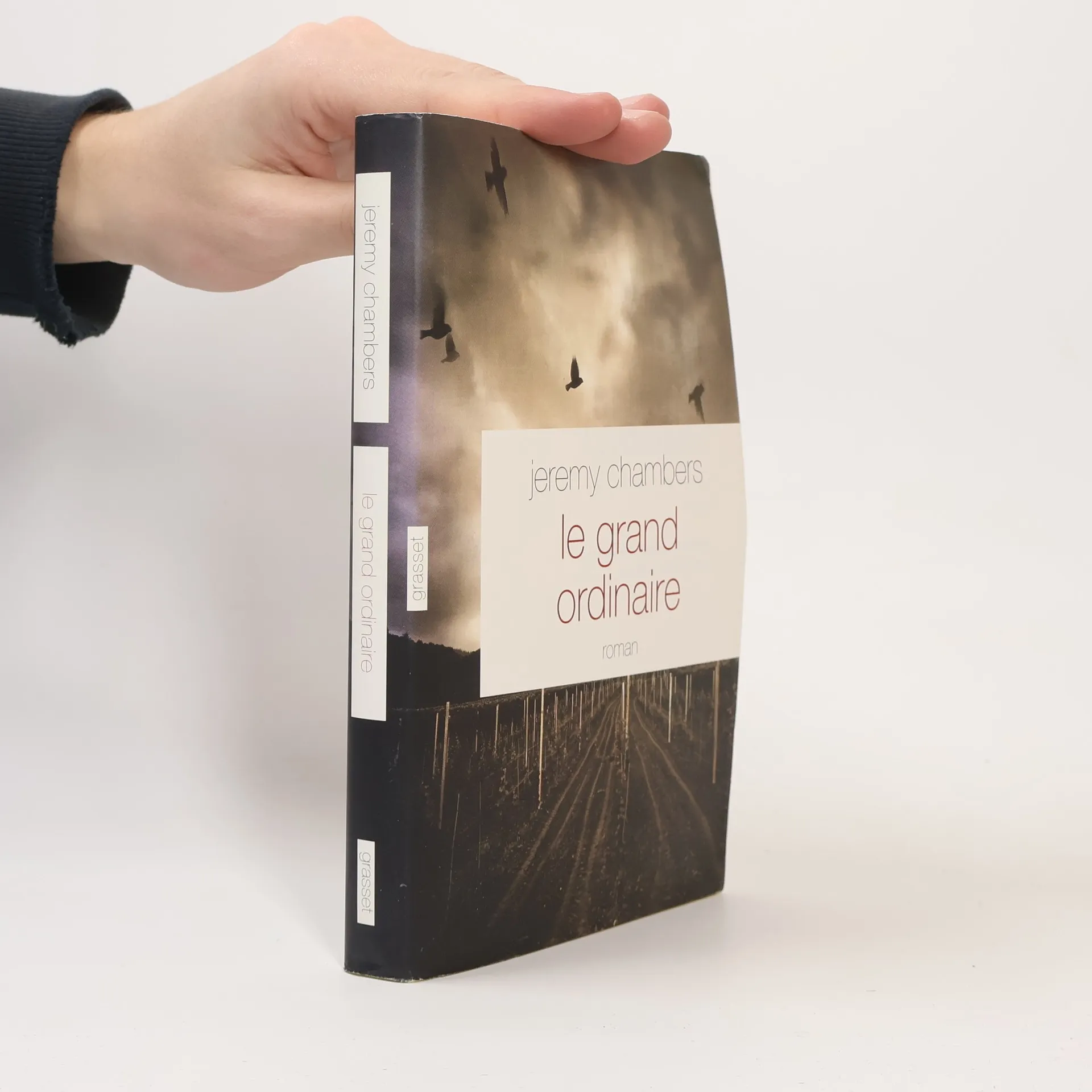
Roman - traduit de l'anglais (Australie) par Brice Matthieussent
312 pages
11 hours of reading
Une bourgade perdue de la région de Victoria, au sud-est de l'Australie, cernée de vignobles où triment, jour après quelques saisonniers brisés par une vie sans horizon. Le soir venu, ces hommes rugueux pleins de désespoir et de vioence rentrée, se saoulent jusqu'à l'oubli. Smithy fut l'un d'eux, jadis. Ancien tondeur de moutons et buveur invétéré, aujourd'hui contraint par son médecin à l'abstinence, il observe ses compagnons de labeur se détruire à petit feu, avec une apparente indifférence. Mais dans le secret de la nuit, ce vieil homme de peu de mots est visité par les démons du regret, hanté par les réminiscences d'un amour perdu. Lorsque la jeune et ingénue Charlotte, apeurée par l'immente sortie de prison de son mari, vient trouver refuge chez lui, il entrevoit soudain, au fil des confessions que s'échangent timidement ces deux êtres si dissemblables, la possibilité d'une rédemption. Jeremy Chambers, révélation de la nouvelle scène littéraire australienne, signe avec Le Grand Ordinaire, un premier roman somptueux, porté par une écriture brute et incandescente, au confluent des fleuves Beckett et Faulkner.
Quatrième de couverture : Je suis Zenzontli, Gardien de la Maison Obscure des Aztex. Durant des siècles, ces stupides Europiens ont kru en la destruction de nos bibliothèques sakrées, en la disparition totale de notre civilisation au profit de leurs anciennes diktatures théocratiques. Mais moi, je sais qu'en vérité nos dieux malfaisants ont eu raison des Espagnols, un peuple aujourd'hui asservi, et dans les abattoirs des usines Farmer John - où je trucide des porcs huit heures par nuit au dézingueur électrique - j'ai reçu mes ordres de l'Aîné du Clan en personne : « Zenzón, au nom de l'Imperium Socialiste Aztex, tu partiras demain avec ton unité Jaguar et reprendras Stalingrad. » Alors, dans l'avion qui survole le Caucase, assis à côté de Maxtla, Gardien de la Maison Brumeuse, je pense à ma femme que j'ai oublié d'embrasser. « Avec Atomik Aztex, Sesshu Foster est à l'histoire ce que Hunter Thompson fut au journalisme : un punk survitaminé qui se contrefout de la réalité, a fortiori historique, pour délivrer un message sans concession sur notre société consumériste, impérialiste et sanglante. » David Foster Wallace
This collection features a diverse array of pieces originally published in various esteemed outlets, showcasing a rich tapestry of writing. The contributions span culinary insights, cultural reflections, and personal narratives, highlighting the author's versatility and engagement with different themes. Readers can expect a blend of humor, food culture, and thoughtful observations, reflecting the unique voices and perspectives of the original publications.
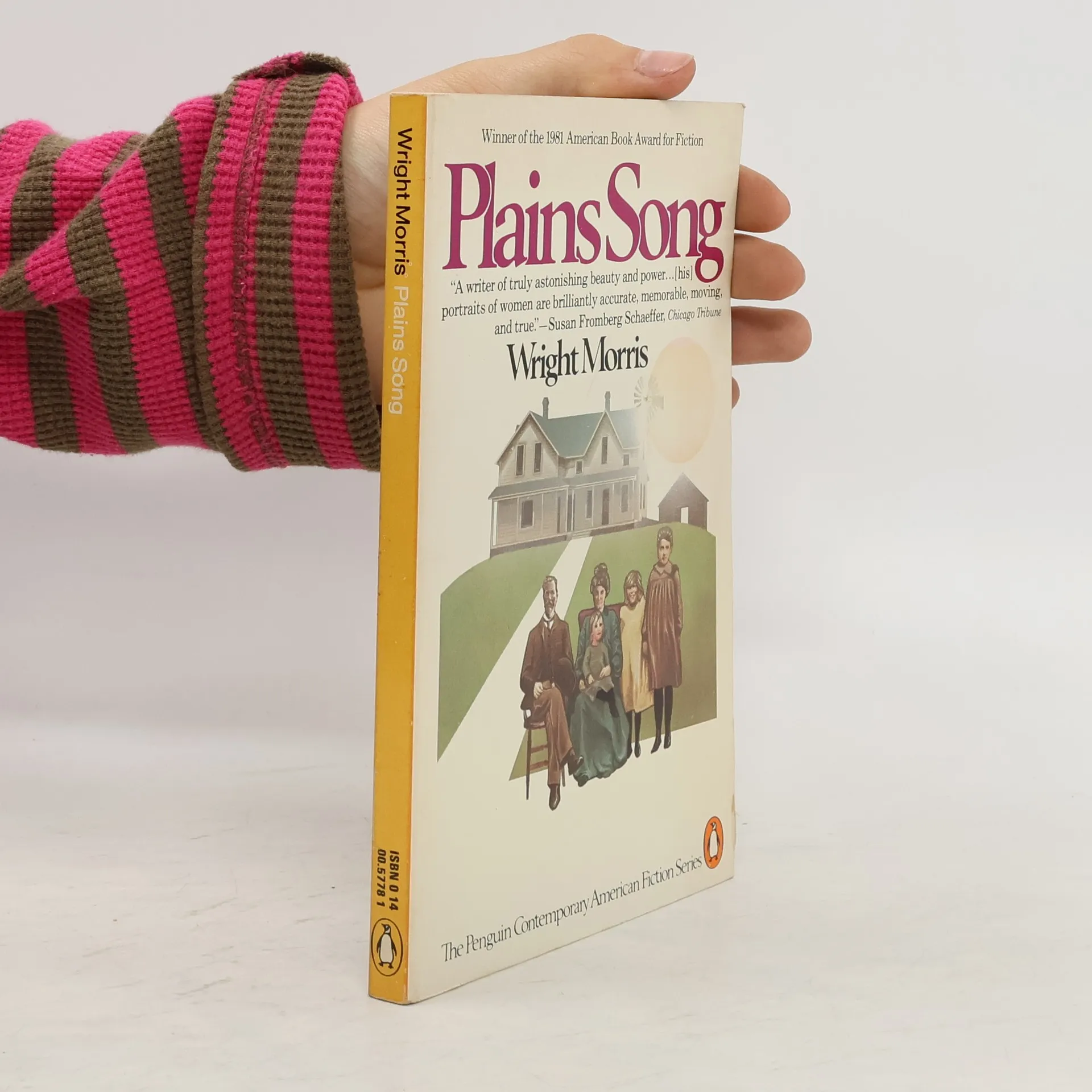
Wright Morris (1910-1998) wrote thirty-three books, including The Home Place, also available in a Bison Books edition, and Field of Vision, which won the National Book Award. Charles Baxter is a professor of English at the University of Michigan and the author of numerous works, including The Feast of Love.
In his universally-praised book, Harrison has delivered a masterpiece--a tender, profound, and magnificent novel about life, death, and the possibility of finding redemption in unlikely places.
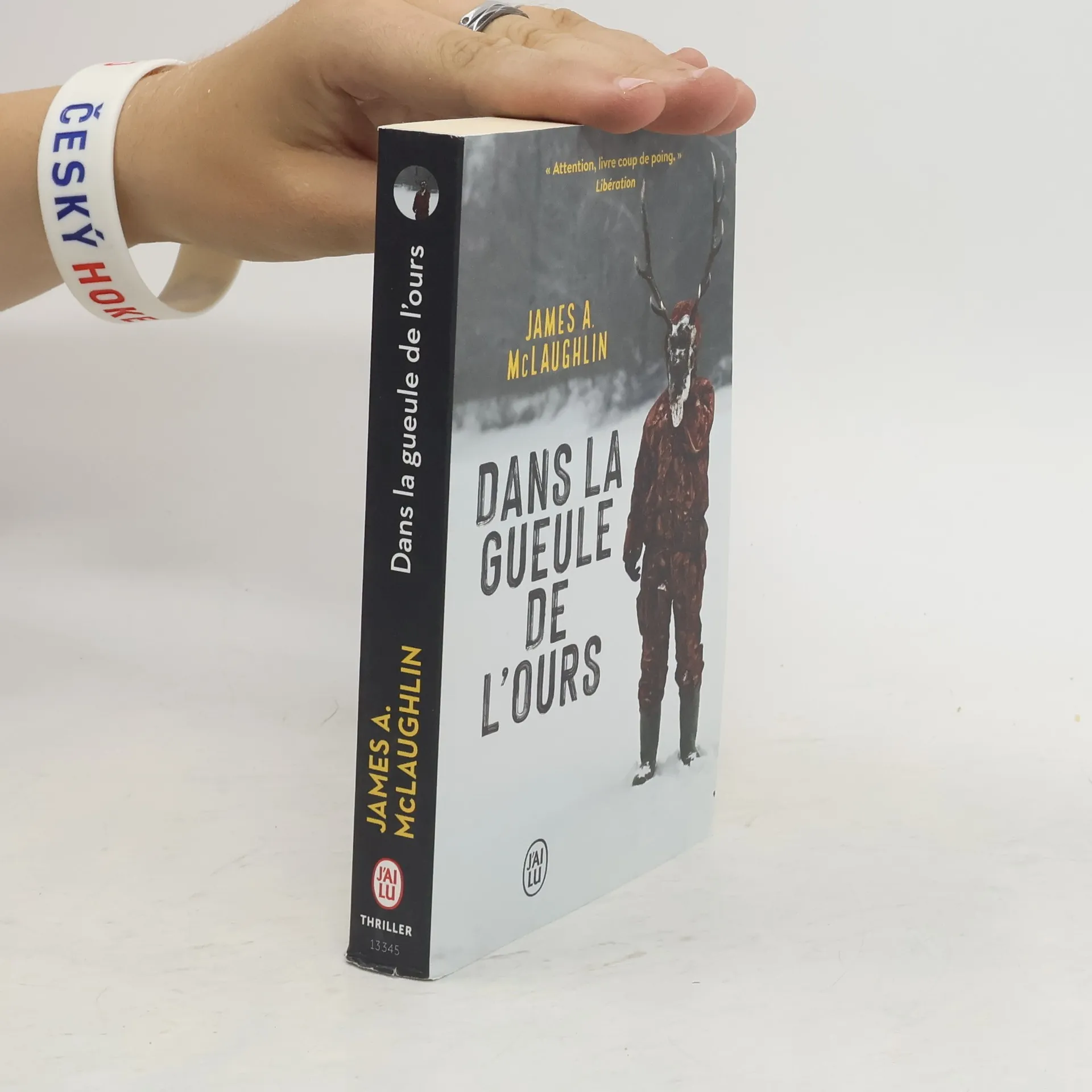
Criminel en cavale, Rice Moore trouve refuge dans une réserve des Appalaches, au fin fond de la Virginie. Employé comme garde forestier, il cherche à se faire oublier du puissant cartel de drogues mexicain qu'il a trahi. Mais la découverte de la carcasse d'un ours abattu vient chambouler son quotidien : s'agit-il d'un acte isolé ou d'un braconnage organisé ? L'affaire prend une tout autre tournure quand de nouveaux ours sont retrouvés morts. Alors que la police ouvre une enquête, Rice décide de faire équipe avec Sara Birkeland, une scientifique qui a occupé le poste de garde forestier avant lui. Ensemble, ils mettent au point un plan pour piéger les coupables. Un plan qui risque bien d'exposer le passé de Rice.
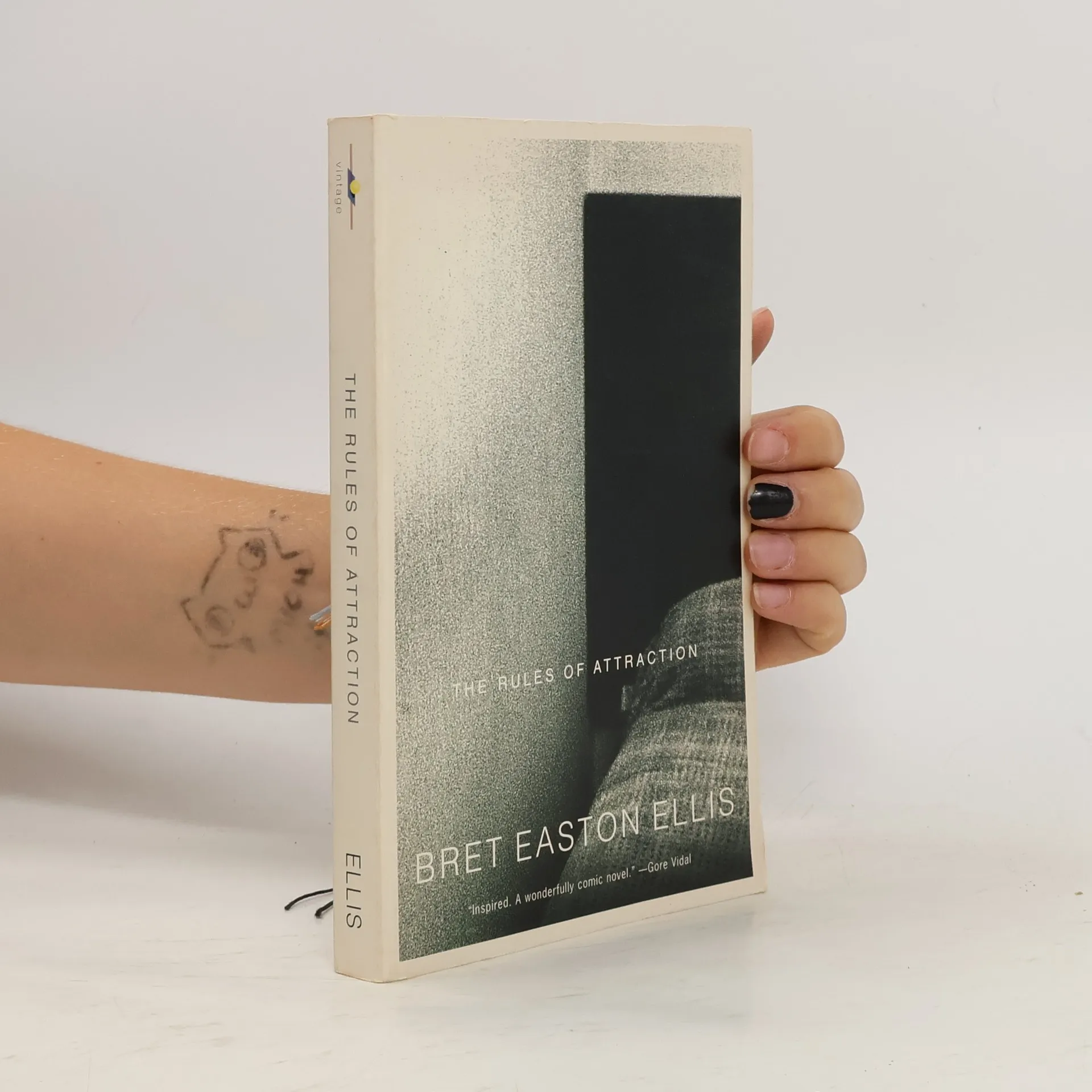
From the New York Times bestselling author or Less Than Zero and American Psycho—a startlingly funny, kaleidoscopic novel about three students at a small, affluent liberal-arts college in New England with no plans for the future—or even the present—who become entangled in a romantic triangle. • “An extraordinary writer.” —LA Weekly Bret Easton Ellis trains his incisive gaze on the kids at self-consciously bohemian Camden College and treats their sexual posturings and agonies with a mixture of acrid hilarity and compassion while exposing the moral vacuum at the center of their lives. Lauren changes boyfriends every time she changes majors and still pines for Victor who split for Europe months ago and she might or might not be writing anonymous love letter to ambivalent, hard-drinking Sean, a hopeless romantic who only has eyes for Lauren, even if he ends up in bed with half the campus, and Paul, Lauren's ex, forthrightly bisexual and whose passion masks a shrewd pragmatism. They waste time getting wasted, race from Thirsty Thursday Happy Hours to Dressed To Get Screwed parties to drinks at The Edge of the World or The Graveyard. The Rules of Attraction is a poignant, hilarious take on the death of romance. The basis for the major motion picture starring James Van Der Beek, Shannyn Sossamon, Jessica Biel, and Kate Bosworth.
The Sunday Times of London has described Jim Harrison as a writer with immortality in him, while The Washington Times considers him a national treasure. In this collection of three novellas, Harrison showcases his generous humanity and seasoned wisdom through stories that explore the connections between humans and beasts, culture and wildness, and the complexities of longing.
In the first novella, a man nearing the end of his life becomes a caretaker for a younger man whose brain has been damaged in a motorcycle accident, prompting reflections on mortality and civility. The second story follows Brown Dog, a Michigan Indian, as he wanders Los Angeles in search of a vanished activist friend, navigating the contrasts between his current life and his roots. Finally, an aging "alpha canine," author of numerous disposable biographies, reunites with a woman he married briefly, leading him to confront his past dreams of becoming a poet in Spain and question the ownership of his life.
Infused with sly humor and quiet wisdom, these narratives reflect the expansive grace of the American landscape, both urban and rural, and offer a resonant journey through the geography of masculinity from a masterful writer.
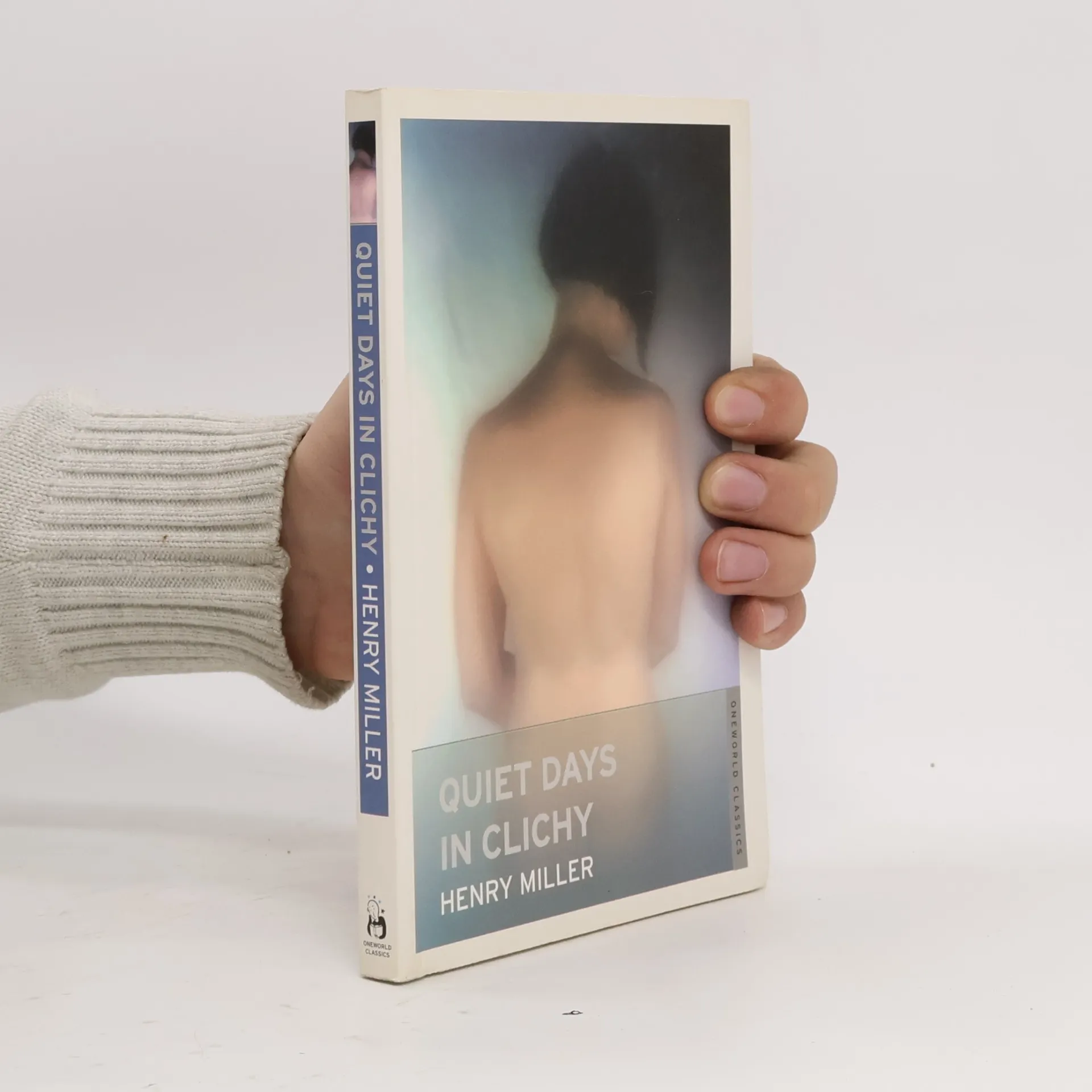
'Quiet Days in Clichy' was banned when first published in 1956, on the charge of pornography. The story focuses on the seamier side of Paris, its seedy world of cheap sex, booze and destitution.
" Si vous avez des idées noires, plongez-vous dans Mon chien Stupide. Vous en sortirez revigoré. Le nouvel avatar de Fante, alias Bandini, est un quinquagénaire, vivant sur le bord du Pacifique avec sa femme et ses quatre enfants qui le font tourner en bourrique. Il recueille un énorme quadrupède, Stupide, un chien étrange qui complète la maisonnée. C'est à la fois drôle, ironique, tragique, bouleversant et merveilleusement écrit. A lire de toute urgence. " Pierre Roudil Figaro magazine, 1987
In 1941, Henry Miller, the author of Tropic of Cancer, was commissioned by a Los Angeles bookseller to write an erotic novel for a dollar a page. Under the Roofs of Paris (originally published as Opus Pistorum) is that book. Here one finds Miller’s characteristic candor, wit, self-mockery, and celebration of the good life. From Marcelle to Tania, to Alexandra, to Anna, and from the Left Bank to Pigalle, Miller sweeps us up in his odyssey in search of the perfect job, the perfect woman, and the perfect experience.
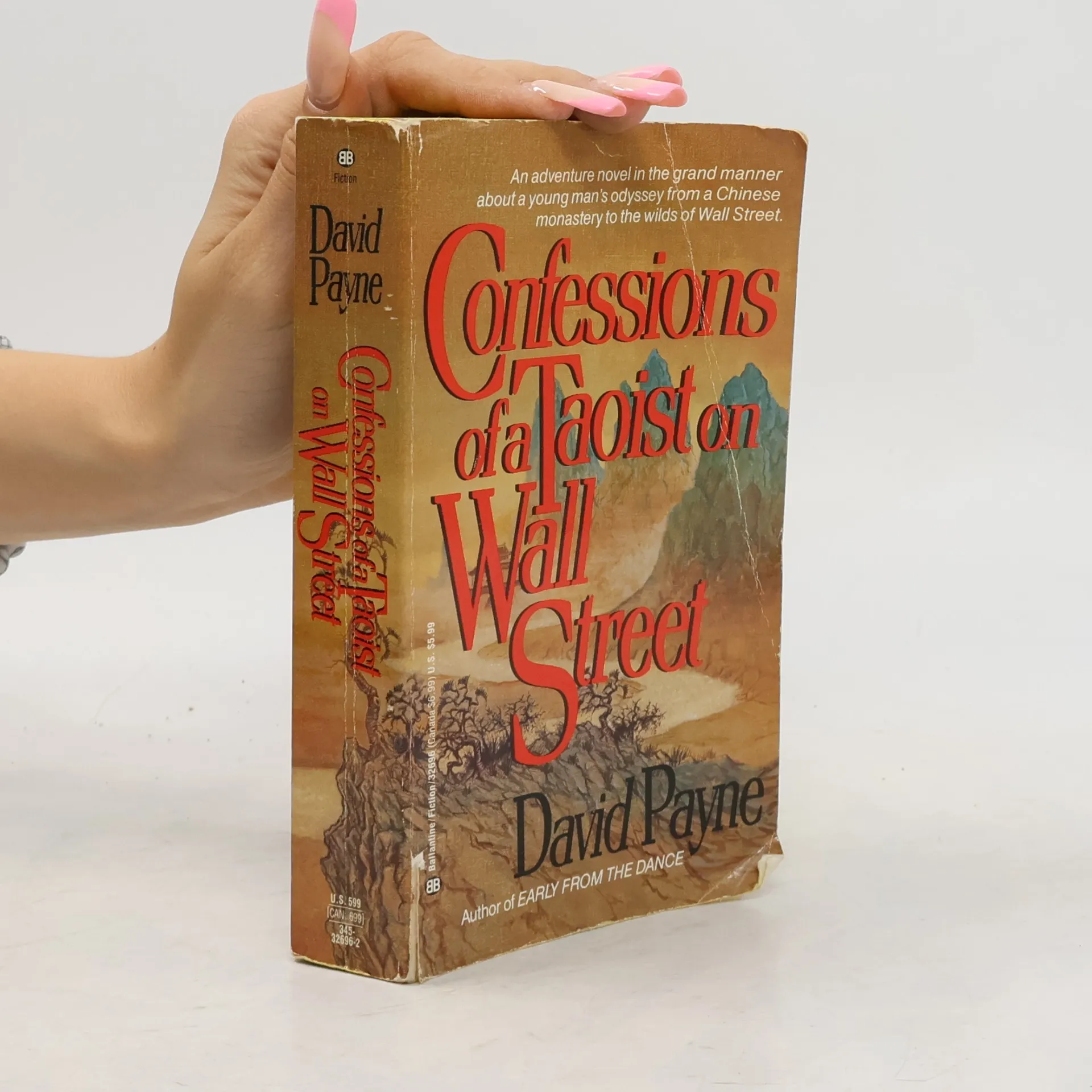
From the tranquillity of an Oriental monastery to the tumult of the New York Stock Exchange, the hero of this amazing novel embarks on a quest for a father, a fortune, and the ultimate essence of the universe. The illegitimate son of a Chinese woman and an American officer, he was reared as an orphan by Taoist monks. When he learns that his father may be a wealthy Wall Street entrepreneur, he feels compelled to go to New York. His efforts to reconcile his two lives -- to find the Tao in the Dow -- make a story rich in character, wit, and insight
Roman - Traduit de l'anglais (États-Unis) par Brice Matthieussent
288 pages
11 hours of reading
Devant le pénitencier de Grassland près de Chicago, un homme attend. Il guette la sortie de Hartley Nolan, emprisonné depuis quatre ans pour homicide involontaire. Par sa faute, une jeune femme, Sonia, avait trouvé la mort dans un tragique accident de voiture. Une onde de choc avait alors traversé les deux familles, celle de la victime et celle du coupable. Et l’ancien golden boy au destin brisé n’a peut-être pas fini de payer sa dette, car l’homme qui l’attend occupait une place particulière dans la vie de Sonia… Mais quand la libération de Hartley est repoussée de vingt-quatre heures, toutes les cartes sont rebattues. En onze chapitres qui se lisent comme autant de nouvelles, Baird Harper livre une magistrale variation sur la famille. L’histoire de deux clans frappés par le deuil et la culpabilité est au cœur d’un roman où le suspense va de pair avec une vision subtile de ce qui se joue quand nos existences basculent.
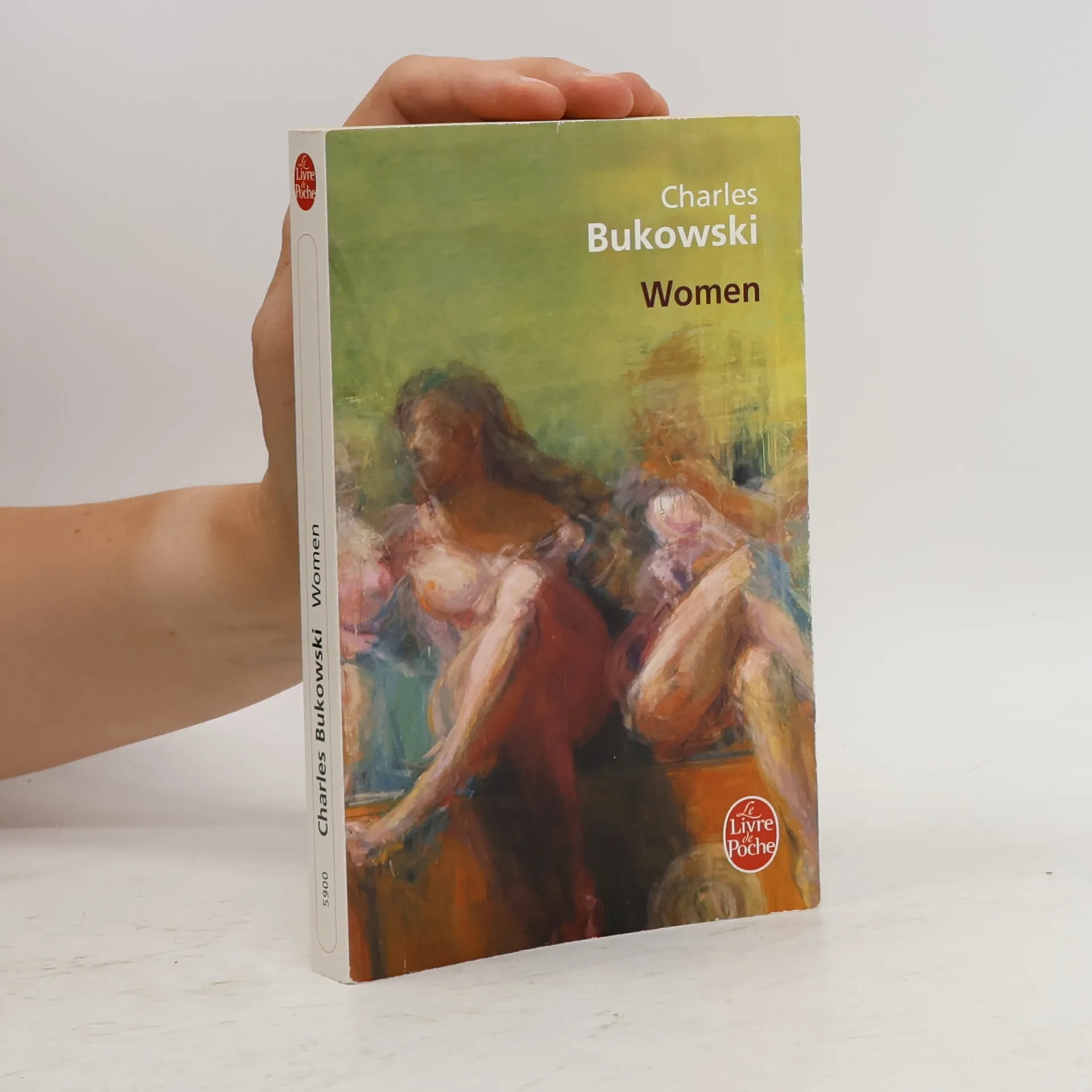
Henry Chinaski, c'est Bukowski lui-même, un écrivain alcoolique et grand amateur de femmes. Elles défilent dans ce récit, véritables créatures felliniennes : Lydia Vance qui se révèle d'une jalousie féroce, Mercedes la capiteuse, Dee Dee la mère célibataire, Joanna la camée, Katherine la Texane incendiaire, et bien d'autres encore ; les occasions pleuvent sur un poète en vogue ! La norme est triste pour Bukowski, alors vive les mots orduriers, l'ivresse et la débauche sexuelle ! Le célèbre auteur des Contes de la folie ordinaire crie à nouveau son mal de vivre, son désir sans cesse renaissant de tendresse et de sexe.
Péninsule nord du Michigan. Terre d'errance de Chien Brun, métis indien. Membre d'un clan détonnant, il va devoir composer entre détresse charnelle et blessures à l'âme...Trois républicaines. Bien mariées, bien installées. Mais qui, depuis toujours, en pincent pour un sulfureux don Juan. À tel point qu'elles souhaitent mettre fin à ses jours...D'anciens copains de campus aujourd'hui bien rangés volent au secours d'un des leurs dont l'engagement terroriste ne s'est pas élimé...Dans ces longues nouvelles, dans l'art desquelles il était passé maître, Jim Harrison exalte autant les paysages américains que l'âme de ses nombreux personnages, à qui il prête des voix conquérantes, désabusées ou gloutonnes, des voix à son image." L'œuvre de Jim Harrison danse, galope, tangue vers le large, embrasse l'infini d'un continent sans limites. Né sous le signe du coyote, Jim Harrison ne s'apprivoise pas. Par ces temps de sieste prolongée, il nous remet debout et nous offre bien plus qu'une tranche d'exotisme : une cure de sauvagerie. " André Clavel, L'Express
Dans cette luxuriante autobiographie, Jim Harrison commence par le récit de son enfance. Mais plutôt que d'en distiller les détails, le grand romancier américain en retient surtout les images intenses, celles imprégnées de nourritures délicieuses, de feuilles fraîches et de bruits de rivière, car seule « la sensualité marque la mémoire ». Dès lors, l'écriture déroule un formidable et gargantuesque appétit pour la vie, mais aussi une mélancolie profonde dont Jim Harrison, comme tout hédoniste, n'est pas exempt. Mais le plus extraordinaire est encore dans cette folle déclaration d'amour adressée à la littérature. En marge , dans le fond, n'est traversé que par un seul récit : celui d'une vie vouée à l'écriture. « Des coups de blues, des parties de rigolade, des plages de solitude, l'amitié, tels sont les ingrédients mélangés dans ce cocktail à boire cul sec : attention, il est très fort. À consommer sans modération. » Éric Neuhoff, Figaro Madame
New in the Photofile series, a mini-monograph on Belgian photographer Harry
Gruyaert. Born in Antwerp in 1941, Harry Gruyaert was a pioneer of European
colour photography in the 1970s and 1980s. In 1972, he created TV Shots, a
series of images created by turning the dial on a television set at random and
photographing the screen. Later he travelled the world, seeking out different
kinds of light and exhibiting a particular fascination with borders,
interfaces and incongruous juxtapositions. A member of Magnum Photos since
1982, he describes colour as ‘a means of sculpting what I see ... it’s the
emotion of photography.’ Most recently he has begun to explore the
experimental freedom offered by digital photography. Autonomous, non-narrative
and often witty, Gruyaert’s images are complex encounters with colour and
light. About the Author Brice Matthieussent is an award-winning translator of
over 200 novels from English into French, including the writings of Jim
Harrison, for which he was awarded the 2013 Prix Jules Janin from the Académie
française. He currently teaches the history of contemporary art and aesthetics
at the Ecole Supérieure des Beaux-Arts in Marseille.