John Fletcher began his railway career at the age of 15 at Lostock Hall loco shed near Preston in 1962. He soon progressed to became a fireman, working around the shed and on the footplate in the twilight years of steam in the North of England.
John Fletcher Books
John Fletcher was among the most prolific and influential dramatists of his era, whose fame during his lifetime and into the early Restoration rivaled Shakespeare's. His early career was marked by a significant collaboration with Francis Beaumont, with whom he partnered for nearly a decade. Fletcher remains an important transitional figure bridging the Elizabethan popular tradition and the Restoration drama. He significantly shaped the direction of theatre with his distinctive voice and prolific output.





A Student's Guide to the Plays of Samuel Beckett
- 222 pages
- 8 hours of reading
A critical analysis of Samuel Beckett's plays, including Waiting for Godot and Endgame, for students and general readers
Samuel Beckett: Waiting for Godot, Endgame, Krapp's last Tape
- 150 pages
- 6 hours of reading
Do you want to know why Beckett has become a figure of such continuing influence and importance in the theatre? Are you studying his plays and looking for help with interpretation? Do you teach Beckett and need a reliable guide to his plays? A Faber Critical Guide to Samuel Beckett's major work gives all this and more: An introduction to the distinctive features of the playwright's work The significance of the playwright in the context of modern theatre A detailed analysis of each of the classic plays: language, structure and character features of performance select bibliography Compiled by experts in their field, for use in classroom, college or at home, Faber Critical Guides are the essential companions to the work of all leading dramatists. Also in this series: Faber Critical Guides to the major works of Sean O'Casey, Brian Friel, Harold Pinter and Tom Stoppard.
Wuhan
- 768 pages
- 27 hours of reading
A multi-stranded historical epic set in China in 1937, when Wuhan stood alone against a whirlwind of war and violence.
Tourism : principles and practice
- 704 pages
- 25 hours of reading
In a changing and turbulent environment for tourism, Tourism - Principles and Practice offers the reader the fundamental and underlying principles with which to approach the study of tourism, contributing a complete framework that effectively integrates theory and practice. The text has been updated to take into account developments such as growing concern for climate change and the maturing response of tourism to the safety and security of tourists.
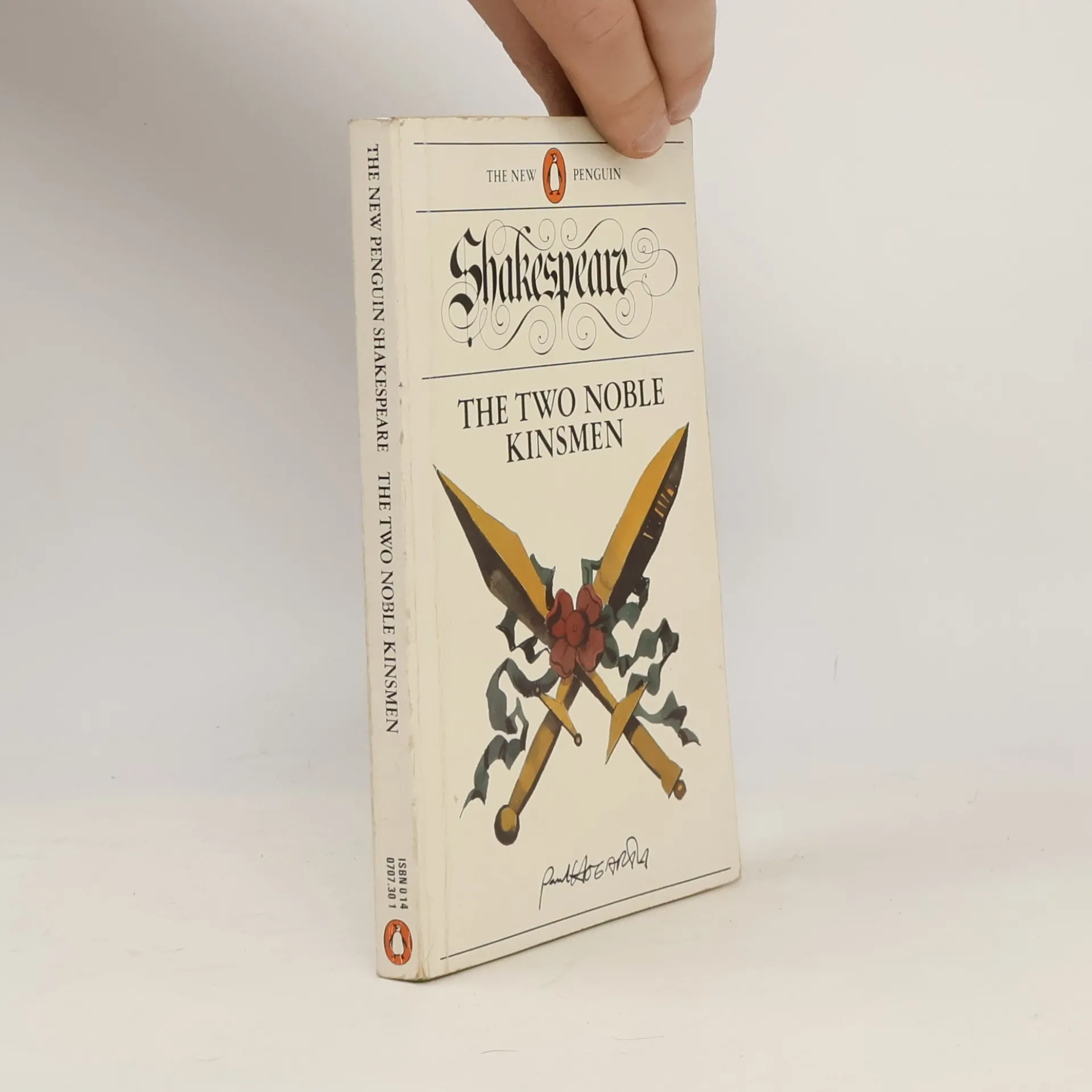
The New Penguin Shakespeare: The Two Noble Kinsmen
- 256 pages
- 9 hours of reading
This edition includes a list of illustrations and a preface by the editor discussing her work with the play. The introduction explores the tragicomedy genre, potential collaborators, authorship questions, and the role of collaboration and censorship during the play's creation, along with historical context. The editor examines the public, literary, and theatrical environments surrounding the play, its adaptations, and technical editing notes. Following the text are six appendices: "John Fletcher, 'Upon An Honest Man's Fortune'"; "The Portrait--Frontispiece of John Fletcher, 1647"; "Francis Beaumont, The Masque of the Inner Temple and Gray's Inn"; "Beaumont's 1613 Masque and The Two Noble Kinsmen"; "The Morris"; and "The Music." A reference section lists abbreviations, a catalog of Shakespeare's works, citations for modern productions, and additional reading materials. Renowned for its exceptional scholarship, the Arden Shakespeare offers a comprehensive introduction that contextualizes the play within its historical and cultural milieu, examining critical approaches. Detailed appendices tackle dating and casting issues and analyze Quarto and Folio sources. A full commentary by leading scholars illuminates the text, explaining unfamiliar terms and providing significant background information, making Arden's edition highly informative and accessible for readers.
Rule a Wife and Have a Wife
- 140 pages
- 5 hours of reading
John Fletcher, a prominent Jacobean playwright, succeeded William Shakespeare as the house playwright for the King's Men and was a significant figure in early 17th-century drama. His prolific output and collaborations with Francis Beaumont and Shakespeare positioned him as a rival to Shakespeare during his lifetime. Although his fame has diminished over time, Fletcher is recognized as a crucial transitional figure bridging the Elizabethan and Restoration theatrical traditions, influencing the evolution of popular drama.
The False One
- 84 pages
- 3 hours of reading
Set in ancient Egypt, this gripping tragedy explores the intricate dynamics of power and betrayal, highlighting the often devastating consequences of ambition. The narrative weaves a tale of complex characters navigating political intrigue and personal desires, ultimately revealing the darker aspects of human nature.
The Faithful Shepherdess
- 86 pages
- 4 hours of reading
John Fletcher was a prominent Jacobean playwright known for his prolific output and influence, rivaling even Shakespeare during his lifetime. He served as the house playwright for the King's Men and collaborated with both Francis Beaumont and Shakespeare on several works. Fletcher's contributions mark a significant transitional phase in English drama, bridging the Elizabethan era and the Restoration period, despite his subsequent decline in popularity. His legacy remains vital in understanding the evolution of theatrical traditions.
Offering a vibrant and engaging exploration of Beckett's theatre, this book delves into the unique elements of his plays, highlighting their innovative structure and profound themes. It provides readers with insights into the complexities of his characters and the existential questions they grapple with, making it an essential resource for both newcomers and seasoned fans of Beckett's work. The lively approach invites a deeper understanding of his contributions to modern drama.
This book, first published in 1985, stresses Beckett's success as an innovator in the theatre through a close reading and analysis of his plays. 'Their analysis is clever yet level-headed, readable but does not shirk complexities.' (TES). 'Brilliant collection of essays on Beckett and his works.' (Irish Times)
Eine Geschichte so weit wie Australien Sydney, um 1835: Lorna und ihr Mann Andrew kommen nach 120 Tagen auf See in Australien an. Die beiden ziehen Richtung Süden nach New South Wales, dort, wo es noch freies Land gibt, das derjenige in Besitz nehmen kann, der als erstes ankommt. Doch dann überfallen Bushranger sie und nehmen Lorna als Geisel …
Cardenio of Het tweede treurspel van de jonkvrouw
- 398 pages
- 14 hours of reading
Mogelijk laatste toneelstuk van Shakespeare (1564-1616) over de vergeefse liefde van een tiran voor een mooie jonkvrouw, met vertaling en toelichting.
Eine ergreifende Familiensaga vom roten Kontinent Die Familie Warren war jahrzehntelang entzweit – nie hatten der verbitterte Hedley und sein Bruder Wilf den Zwist über ihren Landbesitz beilegen können. Auch ihre Nachkommen sind sich nur im Streit begegnet, und die Kluft schien unüberbrückbar. Nun liegt Hedley im Sterben. Die Frage, wer das Land erben soll, lässt die Familie von nah und fern anreisen – im Gepäck all die enttäuschten Hoffnungen, Schmerzen und derWunsch nach Liebe …
Mein Herz ist für immer am anderen Ende des Meeres. Im letzten Jahr des 19. jahrhunderts erlebt die junge Anneliese in Südafrika den Krieg zwischen Buren und Engländern und verliert alles, was sie hat. Sie flieht nach Australien, doch vergessen kann sie ihre Heimat nicht. Jahrzehnte später muss ihre Urenkelin Anna schwören, dass sie das Andenken an den Familiensitz Oudekraal für immer bewahren wird. Hundert Jahre nach Annelieses Reise macht sich Anna auf den Weg zurück …
Alžbětinská komedie, jejíž autorství je připisováno vedle Williama Shakespeara i jeho současníkovi, dramatiku Johnu Fletcherovi. Vyšlo v rámci edice Souborné dílo Williama Shakespeara v překladu Martina Hilského, v souboru s dalšími třemi svazky: Kupec benátský, Něco za něco a Dobrý konec všechno spraví.
Ben Jonson Und Seine Schule
Dargestellt in Einer Auswahl Von Lustspielen Und Tragödien, Erster Theil
- 610 pages
- 22 hours of reading