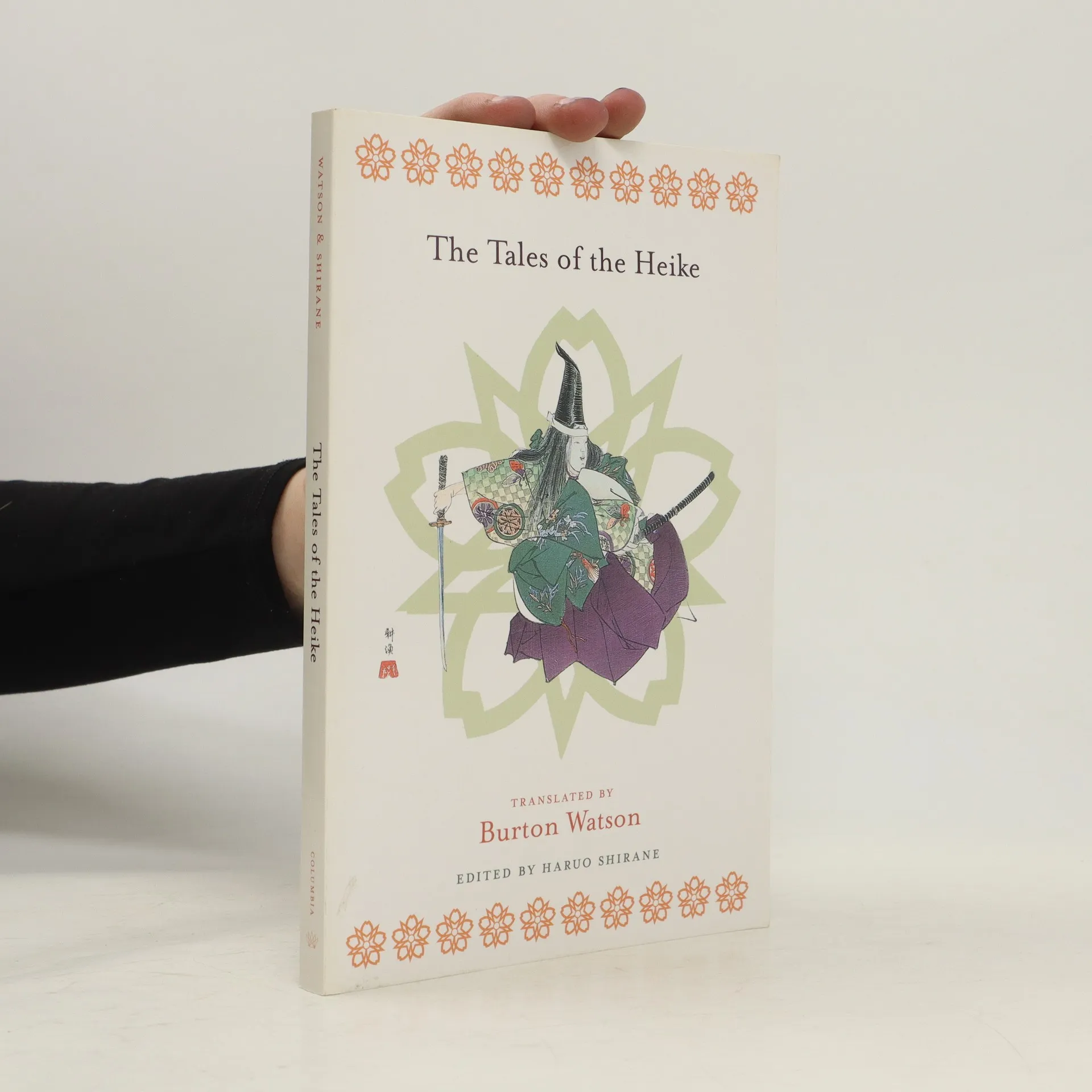
Originally written in the mid-thirteenth century, The Tales of the Heike chronicles the epic Genpei war, a civil conflict that marked the end of the power of the Heike clan and changed the course of Japanese history. Featuring a vivid cast of characters, the book depicts the emerging world of the medieval samurai and recounts in absorbing detail the chaos of the battlefield, the intrigue of the imperial court, and the gradual loss of courtly tradition. This new, abridged translation presents the work's most gripping episodes and includes woodblock illustrations, a glossary of characters, and an extended bibliography.
Burton Watson Book order (chronological)
Dr. Burton Dewitt Watson was a distinguished Professor of Chinese at Columbia and Stanford Universities. His extensive and prolific career focused on translating Chinese, Japanese, and English texts, earning him significant recognition. Watson dedicated himself to making classical Chinese literature accessible to a wider audience through his masterful translations.

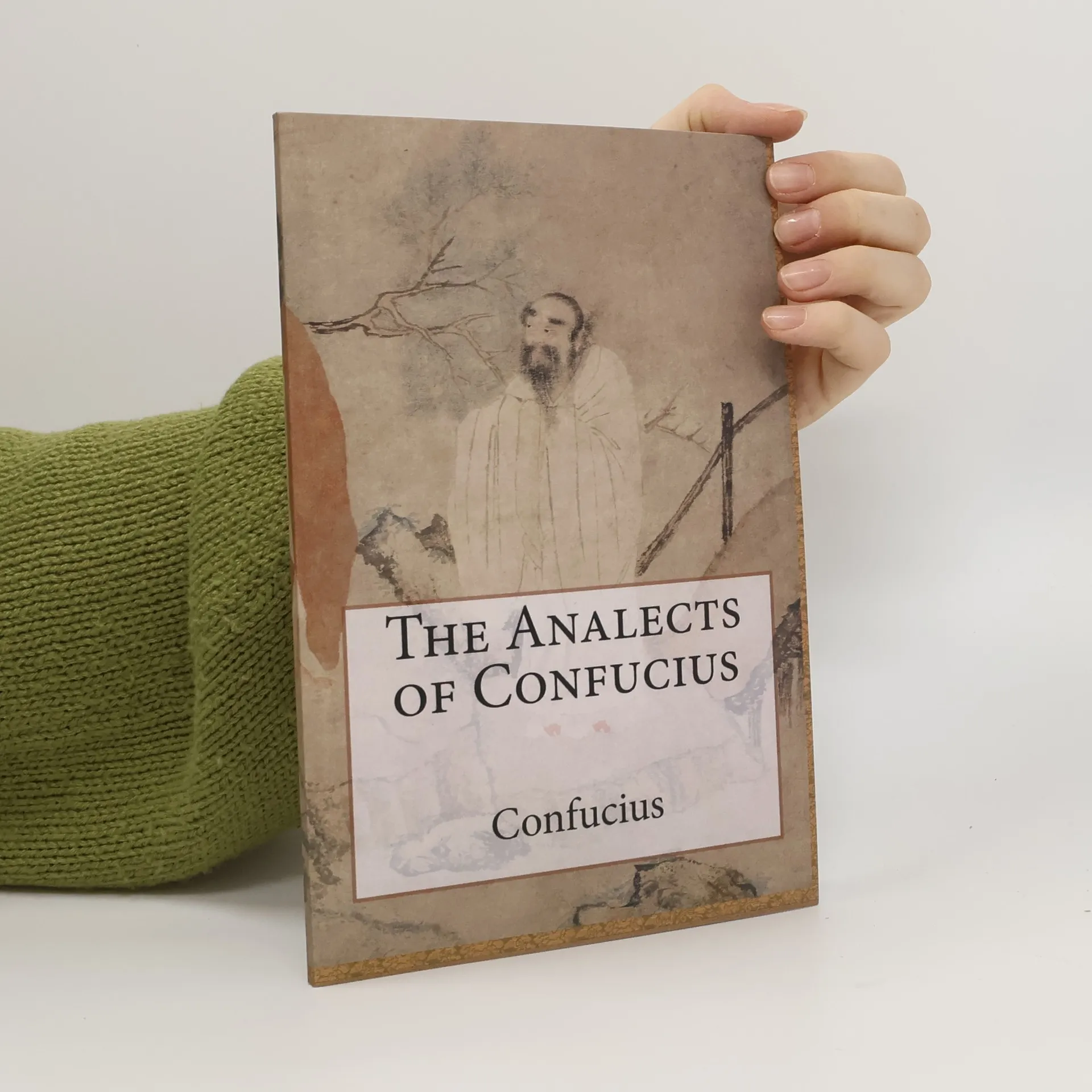
The Analects of Confucius
- 84 pages
- 3 hours of reading
The Analects, or "Selected Sayings"), also known as the Analects of Confucius, is the collection of sayings and ideas attributed to the Chinese philosopher Confucius and his contemporaries, traditionally believed to have been written by Confucius' followers. It is believed to have been written during the Warring States period (475 BC–221 BC), and it achieved its final form during the mid-Han dynasty (206 BC–220 AD).Confucius believed that the welfare of a country depended on the moral cultivation of its people, beginning from the nation's leadership. He believed that individuals could begin to cultivate an all-encompassing sense of virtue through ren, and that the most basic step to cultivating ren was devotion to one's parents and older siblings.
Il Sutra del Loto. Nuova edizione completa dei sutra di prologo ed epilogo
- 560 pages
- 20 hours of reading
Sin dalla sua apparizione in Cina nel III secolo d.C. il Sutra del Loto è stato considerato una delle più importanti scritture del Buddismo Mahayana. Ricco di splendide immagini letterarie e di celebri parabole, rivela che la suprema illuminazione è inerente e accessibile a tutti gli esseri viventi. Per la prima volta viene pubblicata in italiano la versione tradizionalmente conosciuta come “Triplice Sutra del Loto”. Apre il volume il Sutra degli innumerevoli significati, considerato il prologo e articolato in tre capitoli; seguono il Sutra del Loto e il Sutra di Virtù Universale, che ne è l’epilogo. L’edizione italiana si basa sulla traduzione inglese curata da Burton Watson, professore di Lingue e Culture Asiatiche alla Columbia University, uno dei massimi esperti di lingue orientali antiche, in particolare cinese e giapponese.
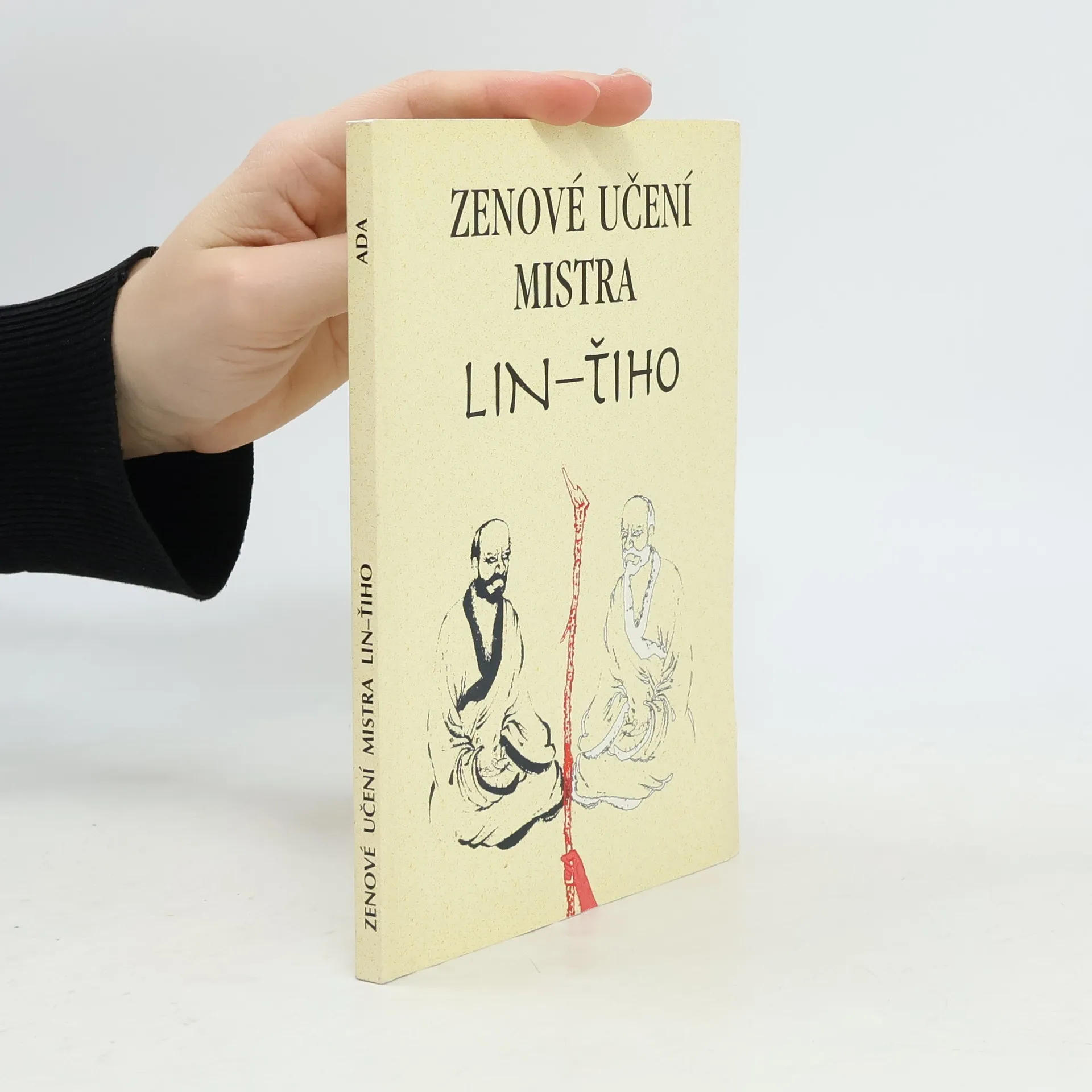
Zenové učení mistra Lin-ťiho
- 144 pages
- 6 hours of reading
Učebnice pro následnovníky Ctihodného Buddhy po cestě ZENu - buddhismus.
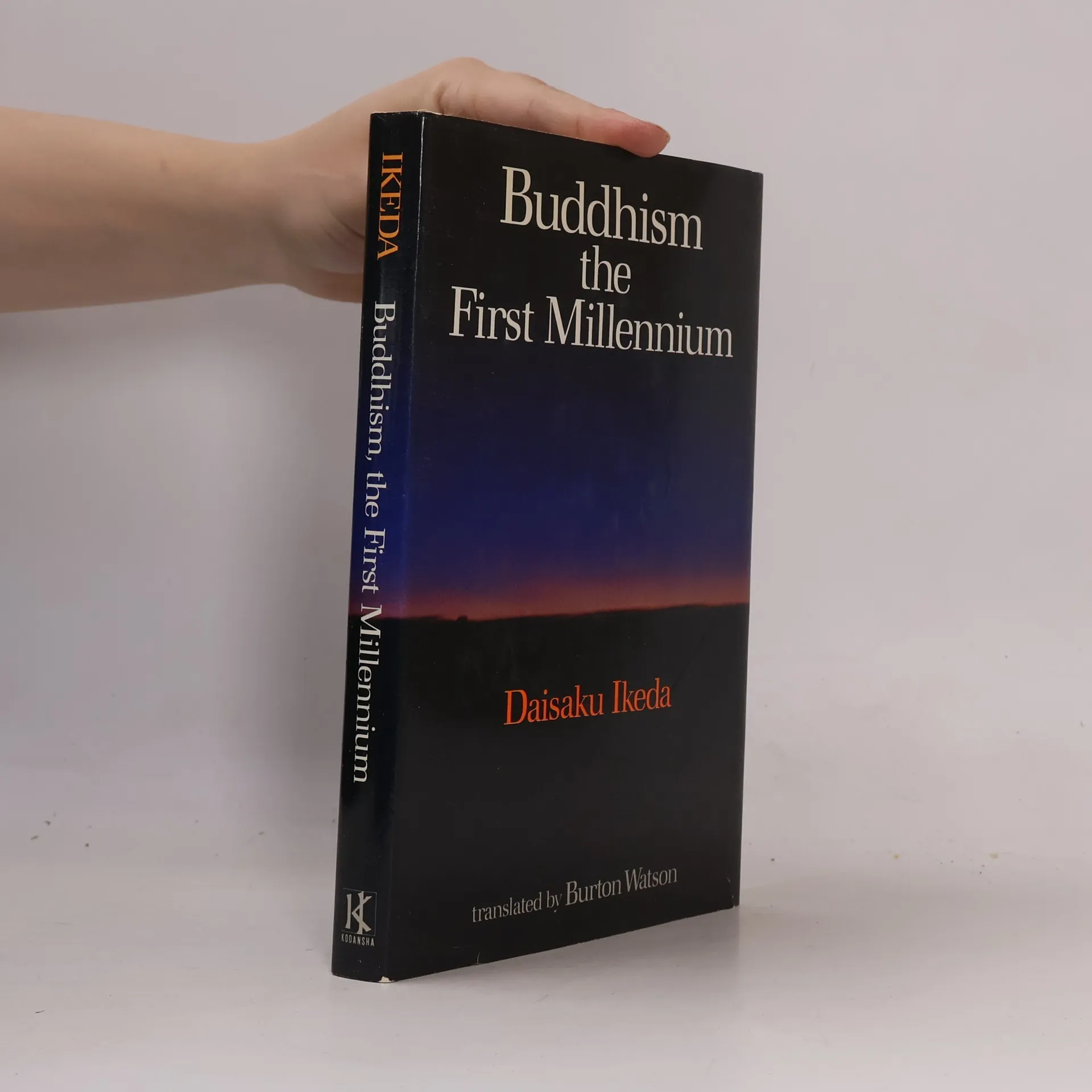
Buddhism, the First Millennium
- 172 pages
- 7 hours of reading
The volume addresses the development of Buddhism after the death of its founder. Beginning with the first council organized by the direct disciples of Shakyamuni, which organized the complex system of the Buddha's teachings, it goes on to the emergence of the Mahayana movement, whose origins remain somewhat unclear. Daisaku Ikeda examines the scarce historical information that has come down to us and interprets it with his characteristic originality and insight. He presents the essential principles of the Lotus Sutra, the fundamental scripture of the Great Vehicle, and recounts the stories of key figures in the history of Buddhism: King Ashoka and the philosophers Nagarjuna and Vasubandhu, who contributed to its establishment as one of the world's major religions.
The flower of Chinese Buddhism
- 194 pages
- 7 hours of reading
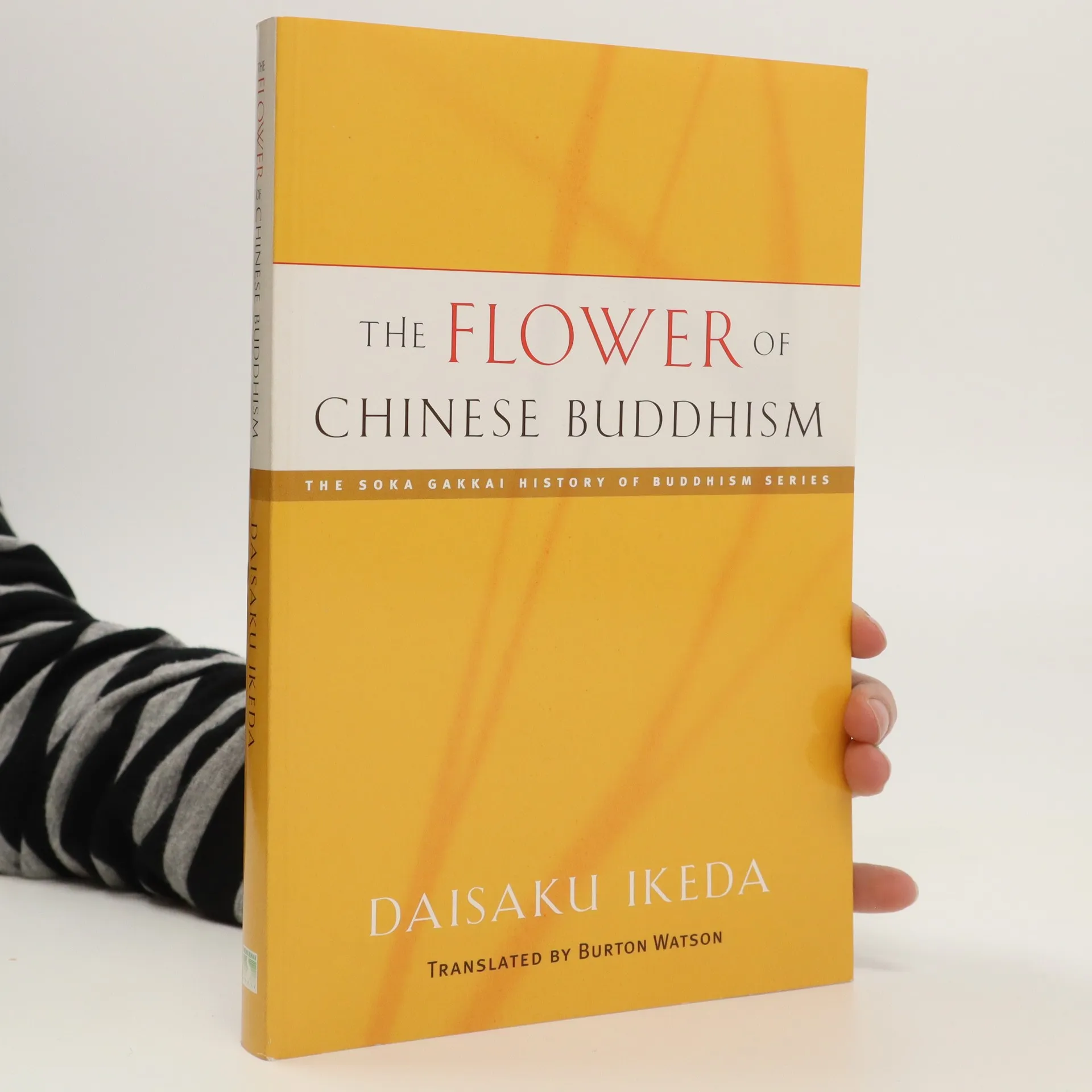
Beginning with the introduction of the religion into China, this chronicle depicts the evolution of Buddhism. The career and achievements of the great Kumarajiva are investigated, exploring the famed philosophical treatises that form the core of East Asian Buddhist literature. Providing a useful and accessible introduction to the influential Tien-t’ai school of Buddhism in Japan as well as the teachings of the 13th-century monk Nichiren, this examination places special emphasis on the faith of the Lotus Sutra and the major works of masters such as Hui-su, Chih-i, and Chanjan. From the early translations of the Buddhist scriptures to the persecution of the T'ang dynasty, this exploration illuminates the role of Buddhism in Chinese society, and by extension, in humanity in general.
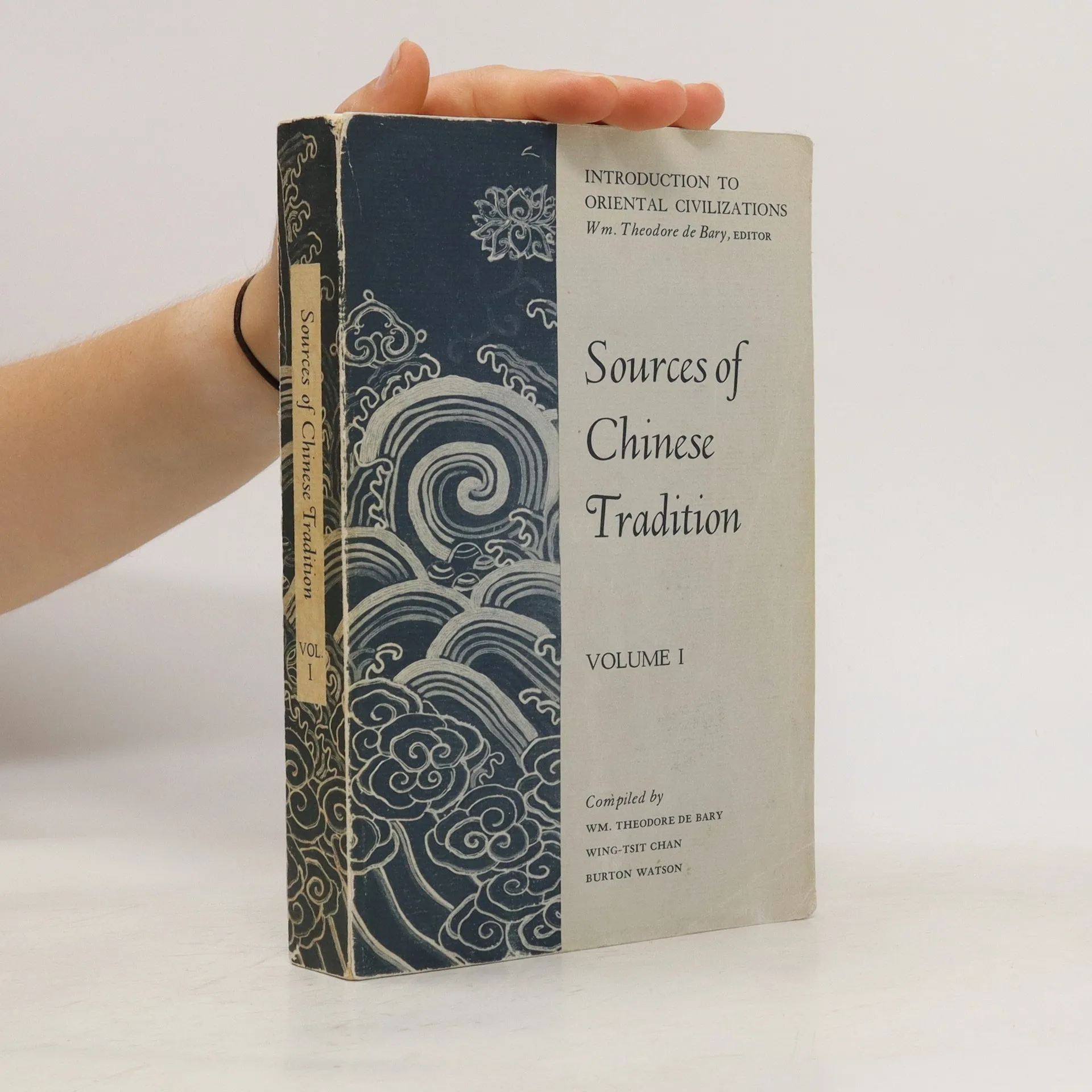
To provide an exciting introduction to the background of contemporary civilization in China, the editors of this book bring together translations from Chinese sources that illustrate Chinese thought since earliest times. The traditions represented range from Confucianism and Taoism to Buddhism. This volume contains a chronological table of Chinese history beginning with 2852 B.C. up to A.D. 1849. In addition to presenting the major schools of classical philosophy, this volume discusses yin-yang theories of cosmology and geomancy and the rationale of monarchy and dynastic rule. Neo-Confucianism is dealt with in its manifold revival in the Sung dynasty, the political reforms of Wang Anshih, and the philosophical school of Reason.