

Focusing on practical applications, this book guides readers through using Python for algorithmic trading, making it accessible to individuals and small organizations. It covers essential topics such as setting up a Python environment, retrieving financial data, and vectorized backtesting with tools like NumPy and pandas. Additionally, it explores machine learning for market predictions and real-time data processing. By providing insights into automated trading strategies using platforms like OANDA and FXCM, the book empowers traders to compete effectively in the financial markets.
Yves Hilpisch Books
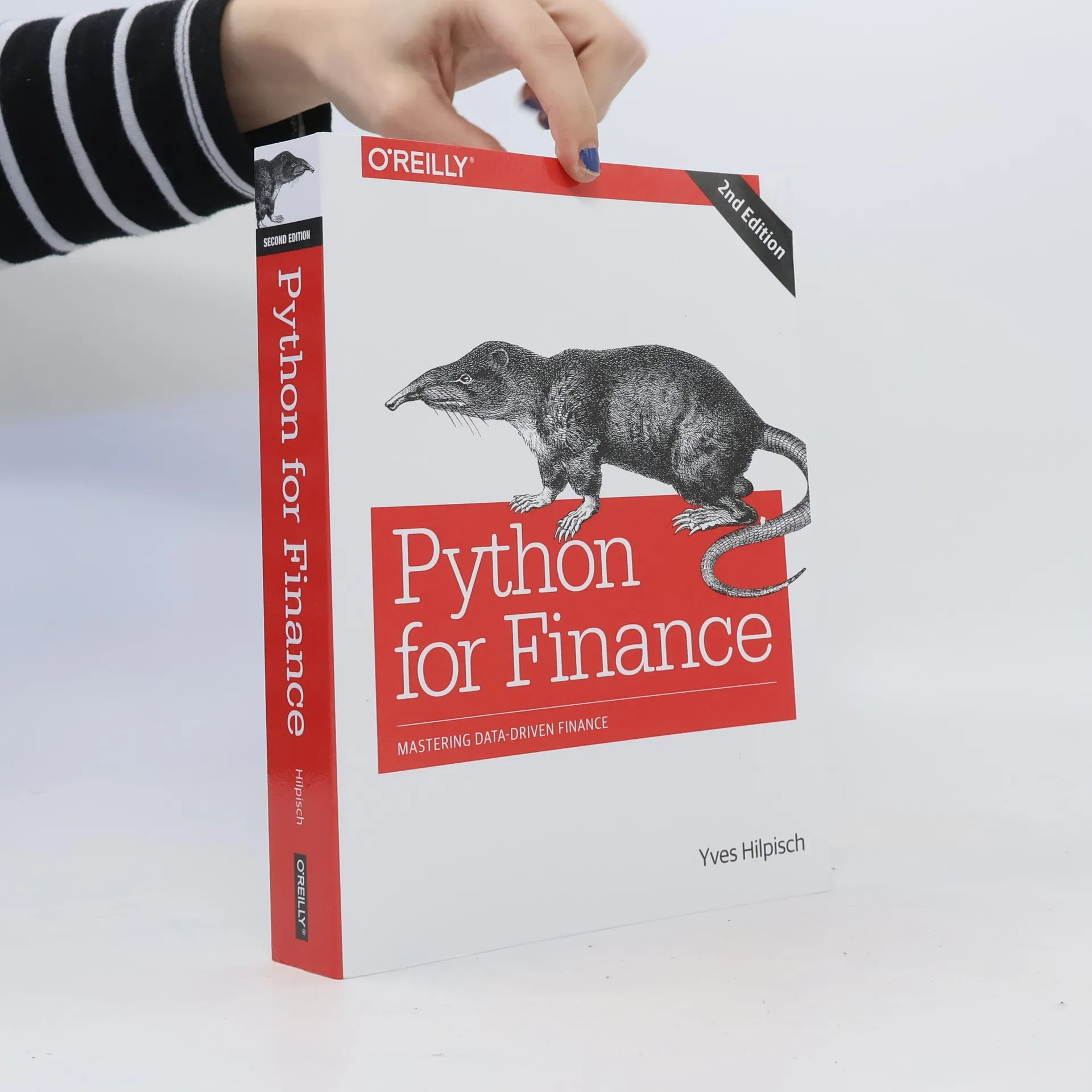

This second edition provides a comprehensive introduction to essential libraries and tools for developers and quantitative analysts, focusing on their applications in development and financial analytics. It equips readers with the necessary skills and knowledge to effectively utilize these resources in their work, enhancing their analytical capabilities in the financial sector.