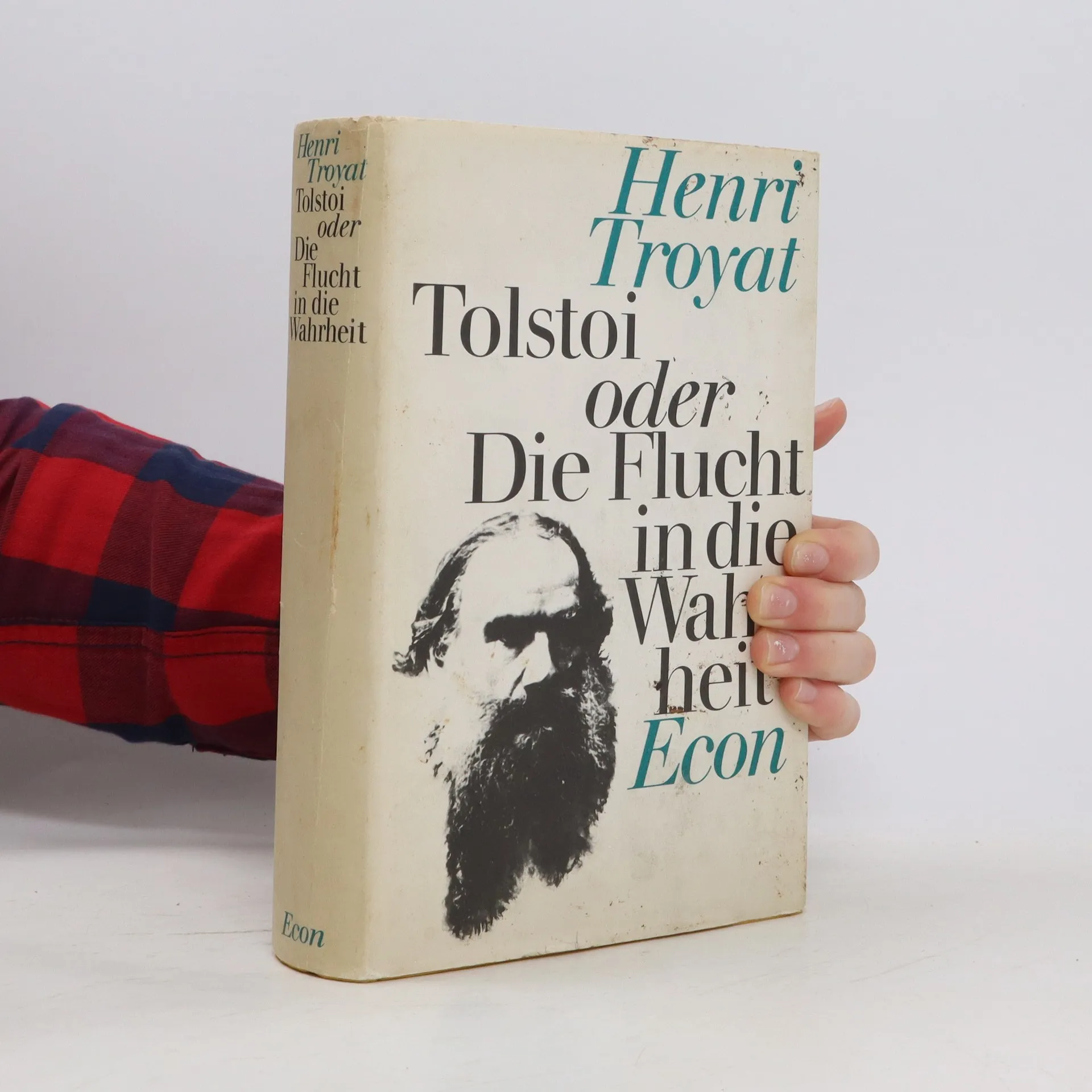
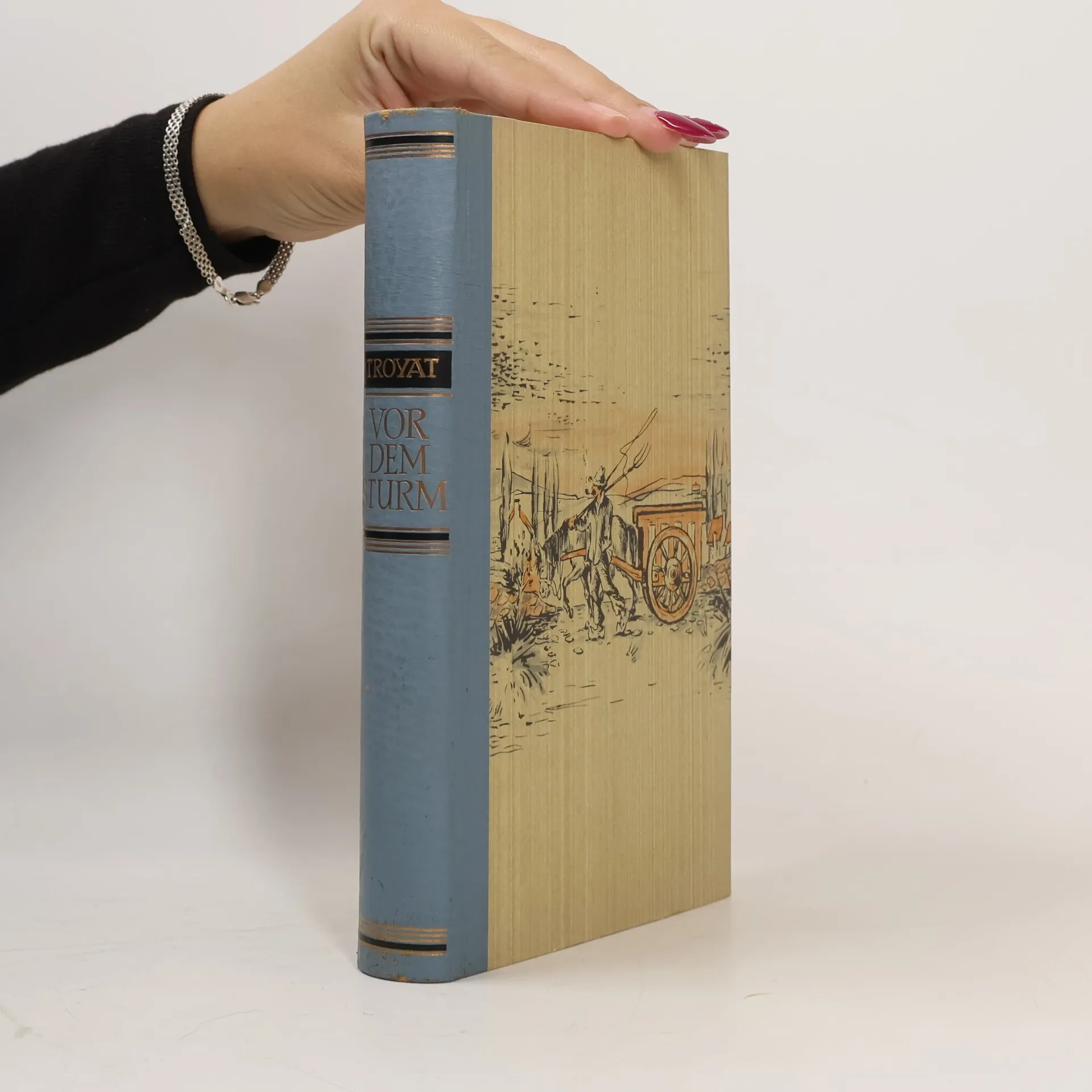
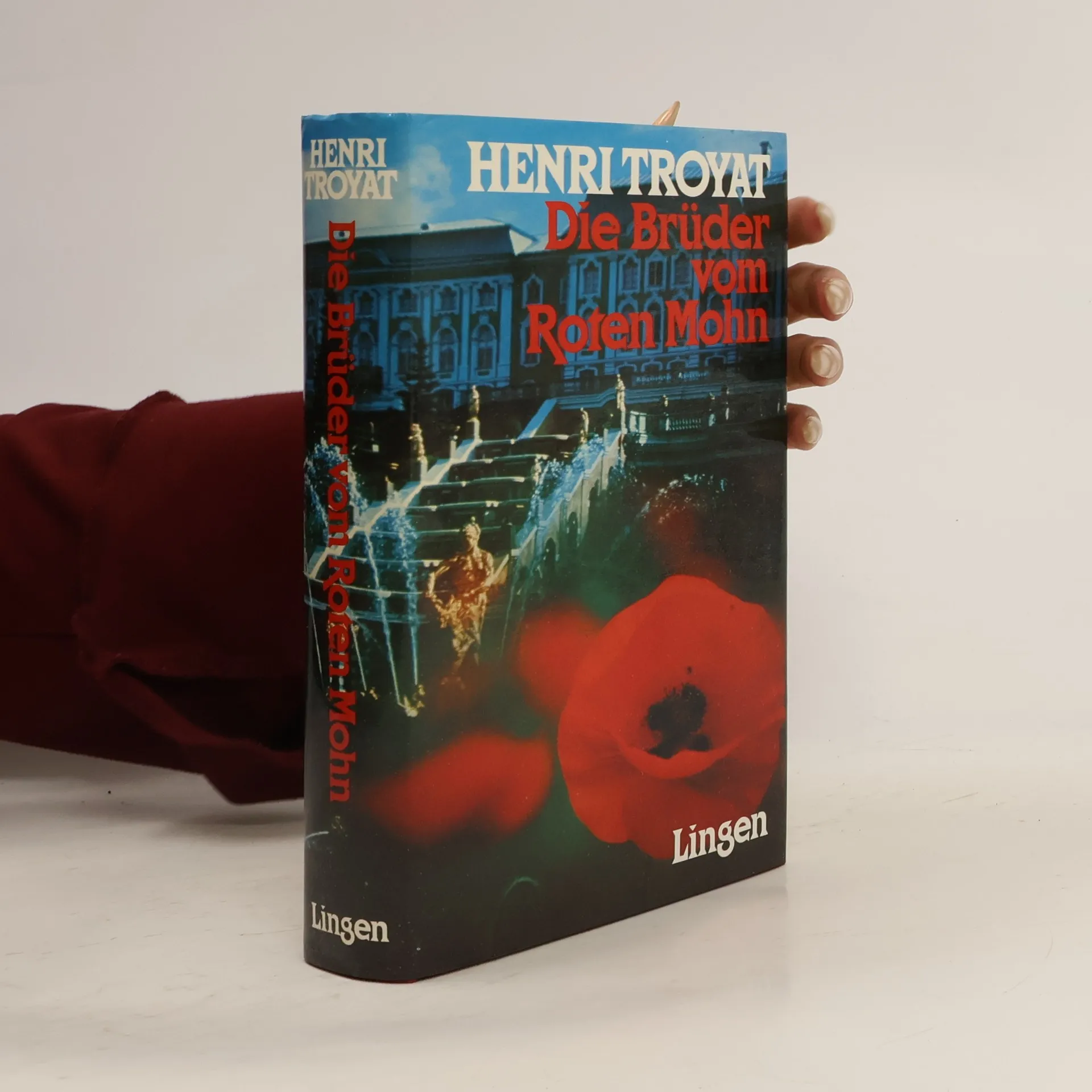
The critically acclaimed biographer of Russian rulers and writers has now written a masterful work about the author whose novels, plays and memoirs depicted the working-class life in the pre-revolutionary and post-revolutionary eras. 16 pages of photos.
Henri Troyat Books
November 1, 1911 – March 2, 2007
Henri Troyat was a French author whose works often delved into the depths of human psychology and history. His own experiences fleeing Russia imbued his prose with vivid descriptions and emotional tension. His extensive oeuvre encompasses both novels and compelling biographies, illuminating historical figures while exploring universal human experiences. Troyat masterfully blended meticulous historical research with a powerful narrative gift, offering readers engaging insights into the past and the human condition.



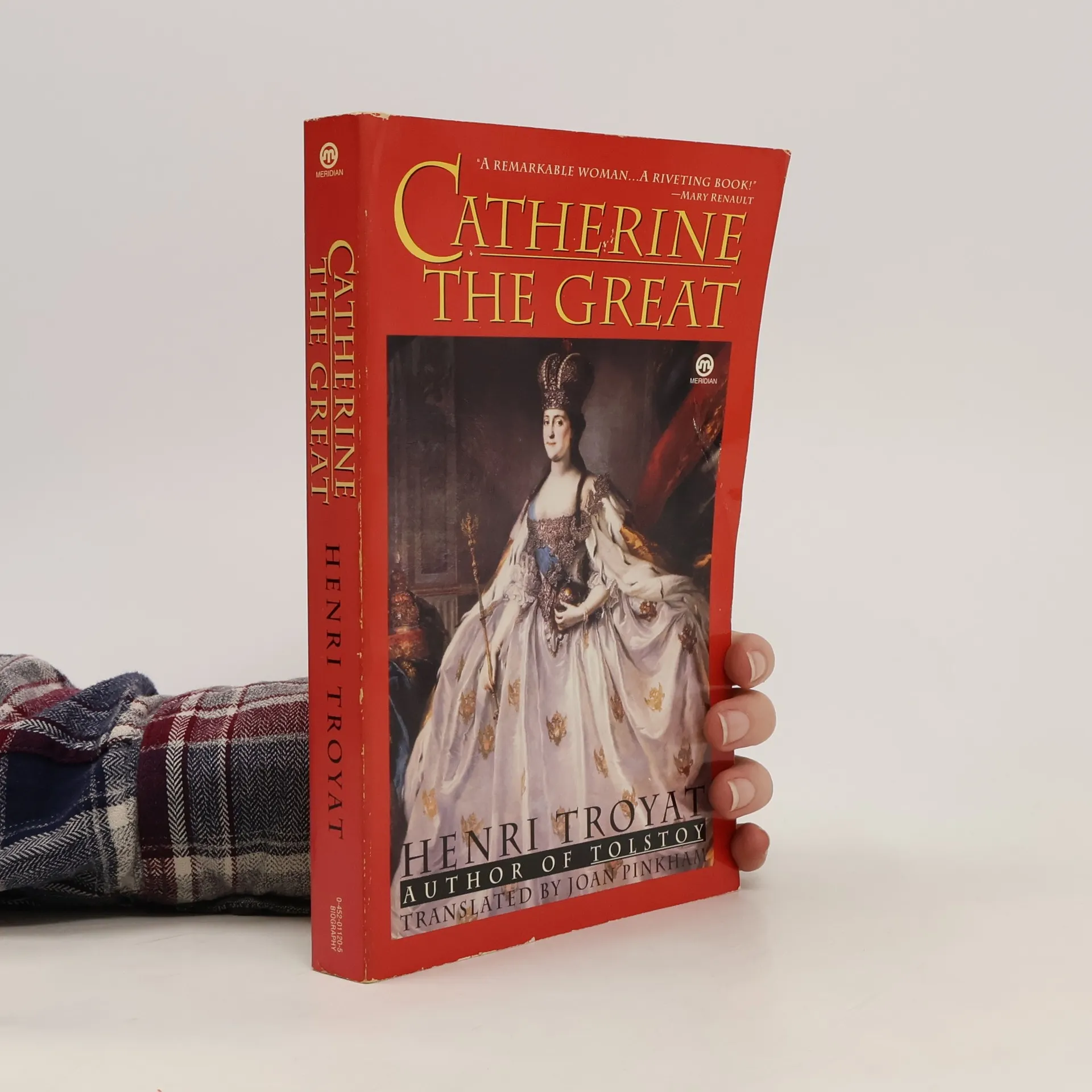
By delving into the life of Catherine the Great, this acclaimed biographer reveals the rich tapestry of Russia’s past, giving insight into the paradoxical character of its people and their stunning evolution from feudalism to communism to their present-day struggle for a free-market democracy. This is history as it is rarely written today—elegant, witty, dramatic, and with an intimate knowledge of its characters. And what better subject for a biography than one of history's most powerful women, the German-born Russian empress whose adopted language and culture were French, and whose most loyal correspondents were Voltaire and Diderot? Troyat details the various lives of Catherine II: the ambitious child, the acquiescent yet firm grand duchess, the forceful politician and patron of the arts, the belligerent war maker, and the doting grandparent. “A remarkable woman . . . A riveting book.”—Mary Renault “Brilliantly captures one of the most colorful figures of all time.”—Doubleday Book Club News
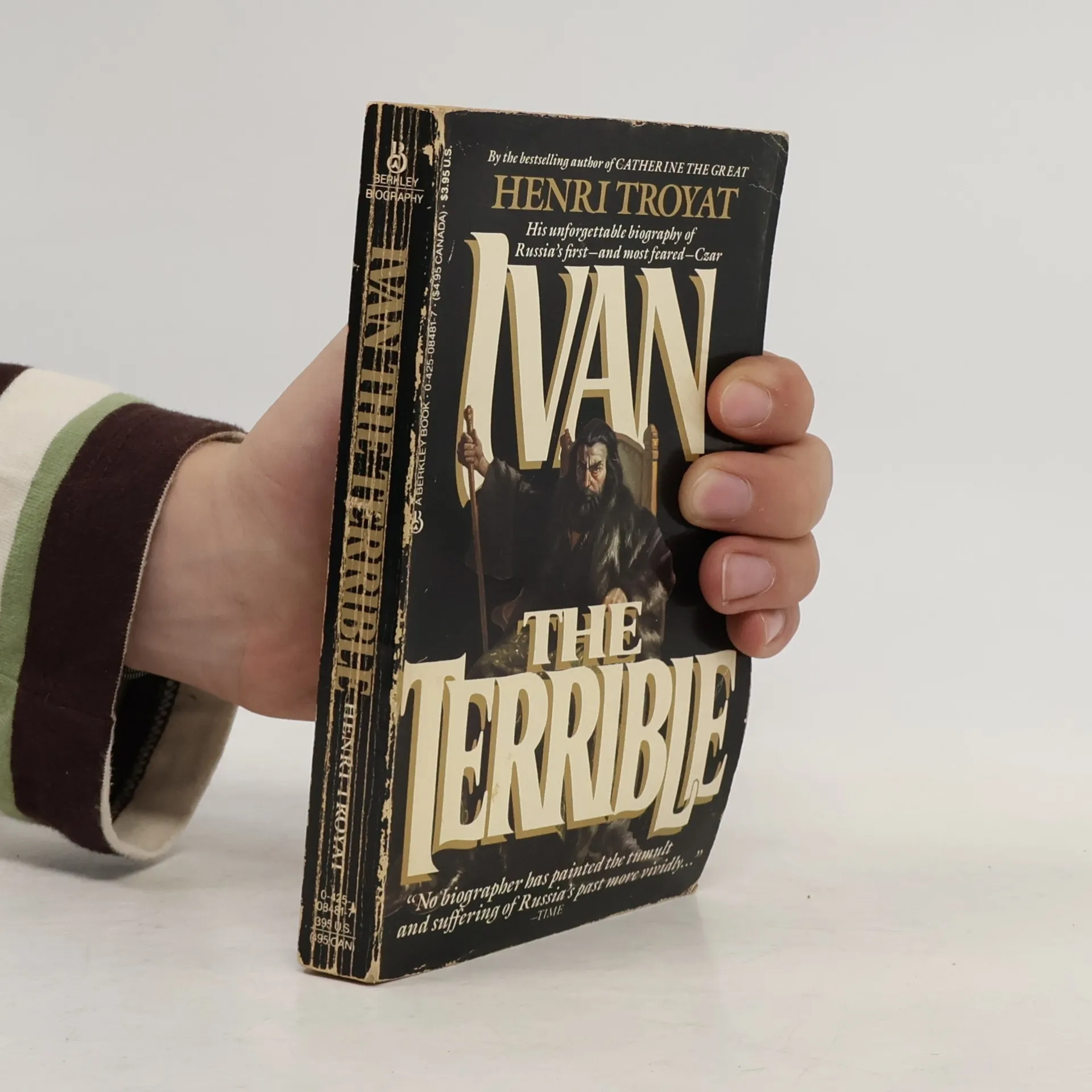
Ivan the Terrible
- 328 pages
- 12 hours of reading
Ivan IV, the first Grand Duke of Moscow to take the title Czar, was one of the most violent and demented rulers in history. Both sadist and mystic, he claimed to be both the blood successor to Caesar Augustus and God¿s vicar on earth. Devoted associates and sworn enemies alike perished amid hideous tortures. Villages, towns and an entire city were obliterated; he even murdered his own son in a burst of fury. And yet, by conquering much of the territory that became 20th century Russia, he also forged an orderly empire out of the barbarous and disordered world into which he was born. Henri Troyat, the Prix Goncourt ¿winning biographer of Catherine the Great, Tolstoy, Turgenev and other giants of Russian history brings to life Russia¿s bloodiest czar creating the unforgettable portrait of a man driven mad with the delirium of his divine right to power.
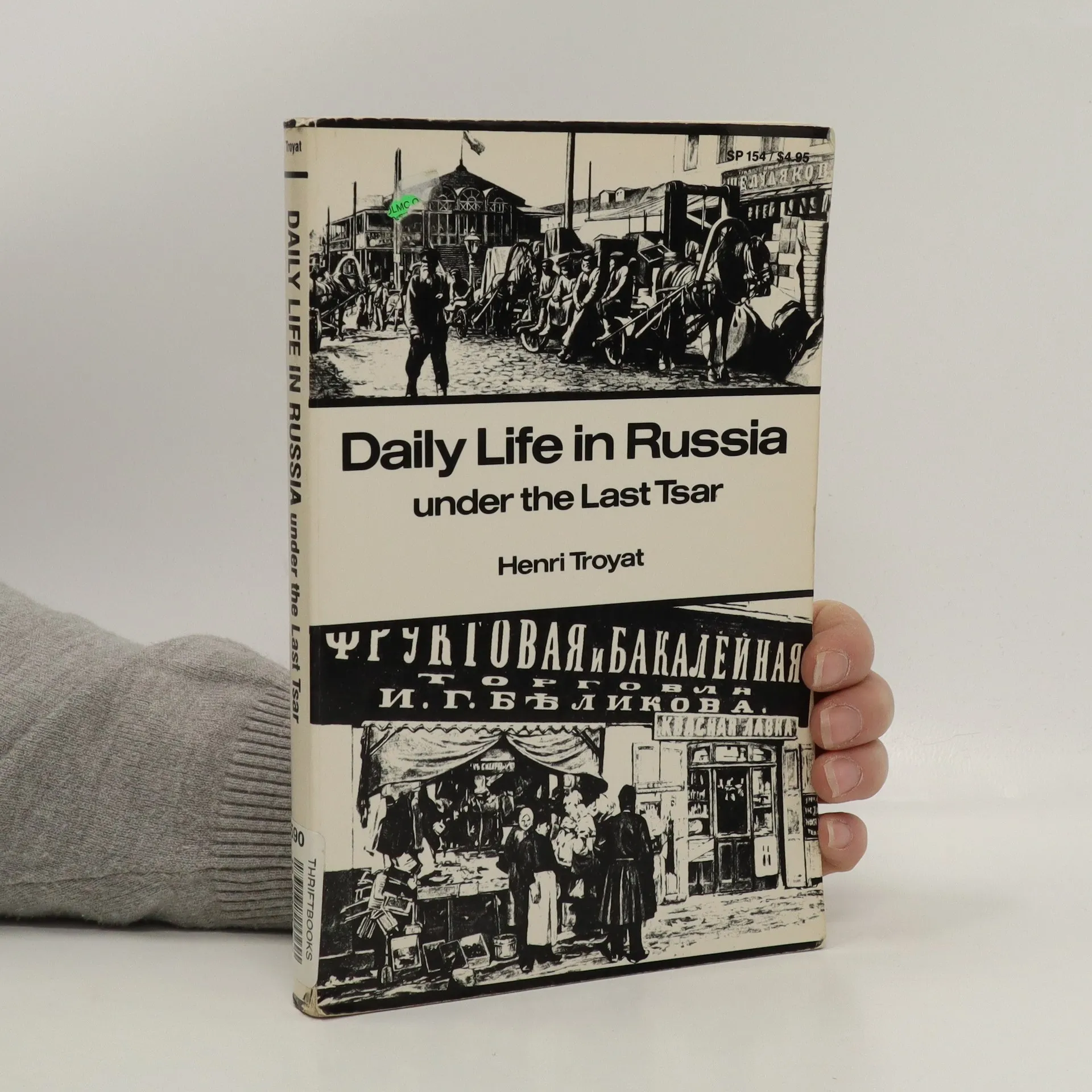
Daily Life in Russia Under the Last Tsar
- 256 pages
- 9 hours of reading
This book is a vivid account of life in Moscow, "the most Russian of Russian cities," in the year 1903, a year before Russia's disastrous war with Japan and two years before the momentous Revolution of 1905. Though the undercurrents of social change were running swiftly, the surface stability of the Tsarist regime show no indication of the turmoil ahead. The author, who is perhaps best known for his biography Tolstoy, describes Russian life through the eyes of a fictional young Englishman visiting a prosperous Russian merchant family. All facets of Moscow life are covered, from entertainment and night life to family life and the devotions of the Orthodox. We learn about Russia's factory workers and peasants, its soldiers and lawyers, its priests and its city officials, its Tsar and his entourage: what they do and what they wear, what they think and what they dream. Concluding chapters take our visitor to the famous fair at Nizhny-Novgorod, which was held every year from July 15 to September 10, and on a boat trip down the Volga.
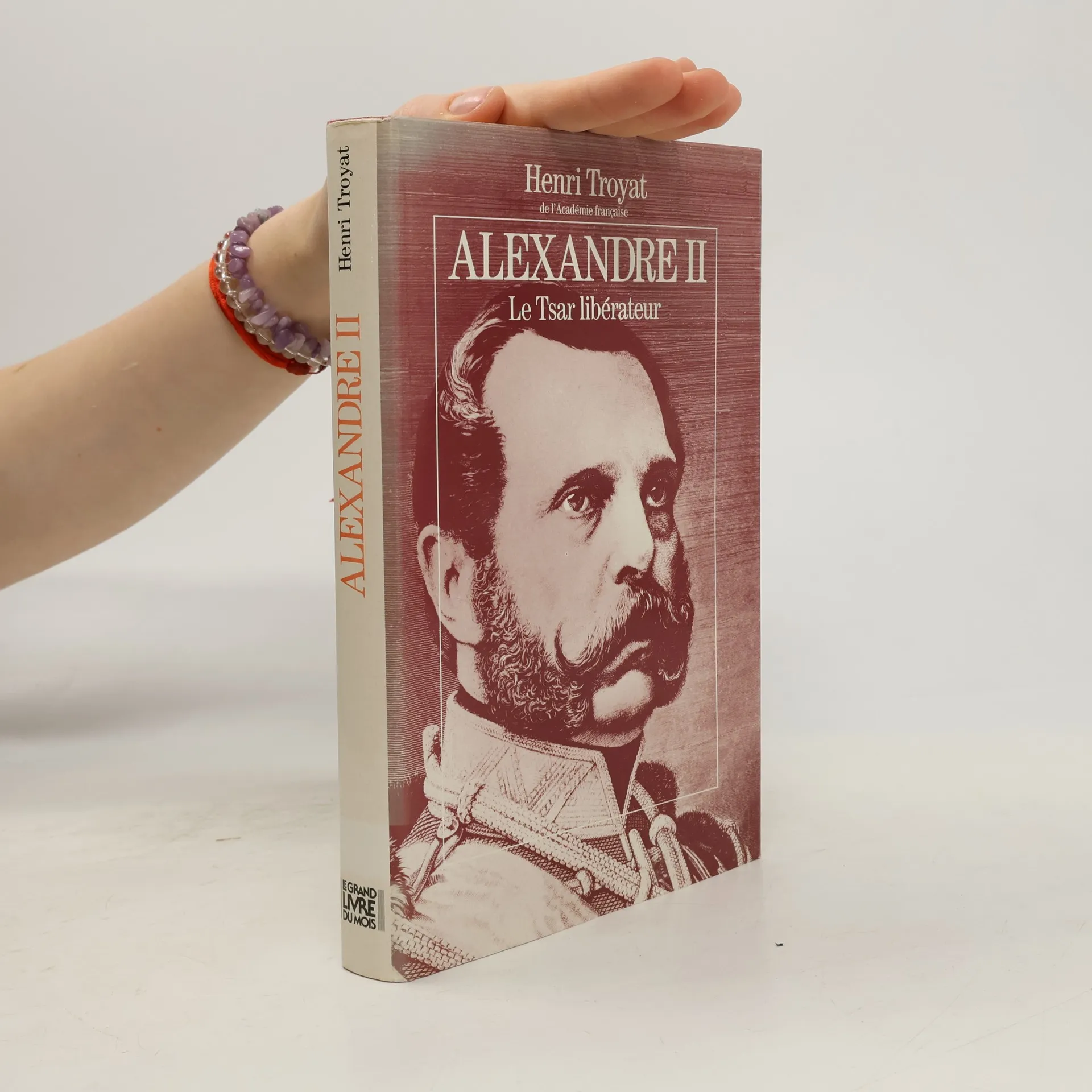
Alexandre II.
Le Tsar libérateur
Berkley Biography: Ivan the Terrible
His Unforgettable Biography of Russia's First-and Most Feared-Czar
- 10 pages
- 1 hour of reading
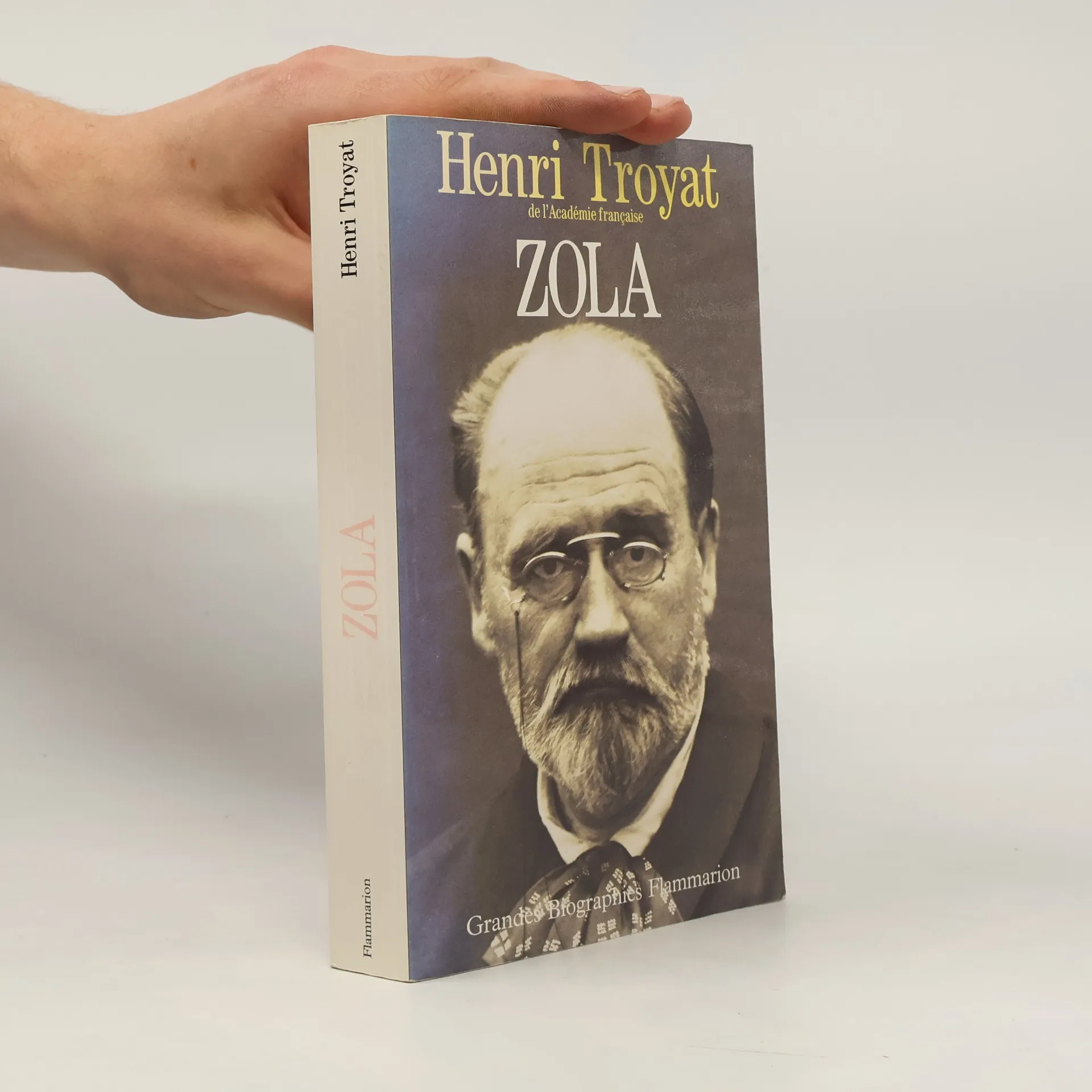
Zola
- 420 pages
- 15 hours of reading
Émile Zola, porte-drapeau du naturalisme, l'un des romanciers français les plus traduits et lus du XIXe siècle, n'était pas seulement l'auteur de romans célèbres tels que Nana, Thérèse Raquin, Germinal, mais aussi un rebelle et un combattant pour la justice. Chaque roman de Zola a été accompagné de protestations et de scandales, il a défendu les impressionnistes, attaqué la corruption du Second Empire et ensuite l'hypocrisie et la décomposition morale de la République, s'élevant contre le chauvinisme, le nationalisme et l'antisémitisme lors de l'affaire Dreyfus, devenant ainsi le symbole de l'intellectuel moderne par son engagement social sans compromis. Tout cela a attiré le célèbre biographe Henri Troyat, qui a brillamment lié la vie privée et l'engagement public de l'écrivain dans une biographie d'une grande valeur littéraire et historique. Le livre est enrichi de photographies de Zola et de ses contemporains, d'une liste des œuvres de Zola en version originale et traduites, ainsi que d'un aperçu chronologique de sa vie et de son œuvre.
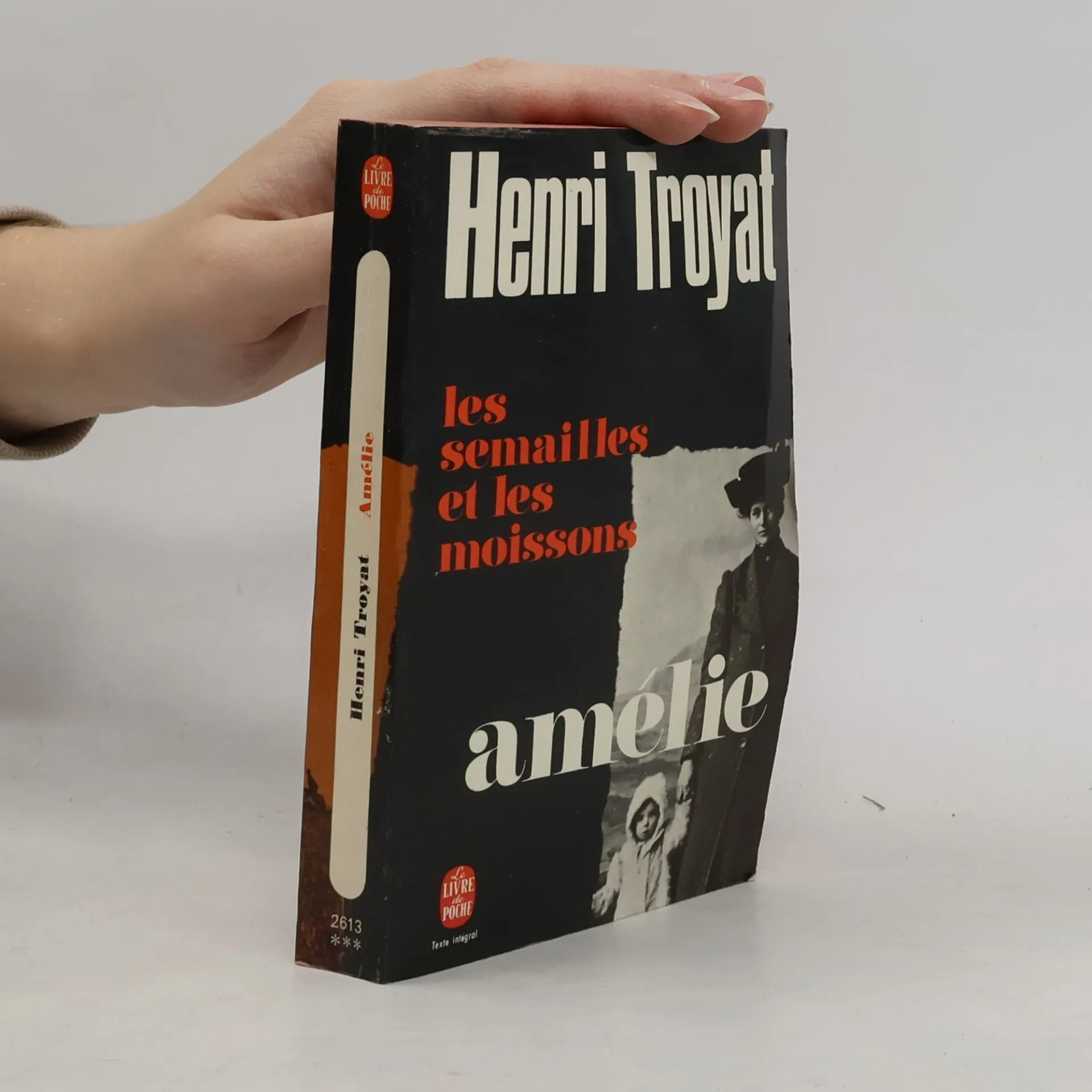
Roman fra Paris under 1. verdenskrig om Amélie, der alene med sin lille datter, må klare driften af familiens café, mens hendes mand er med i krigen.
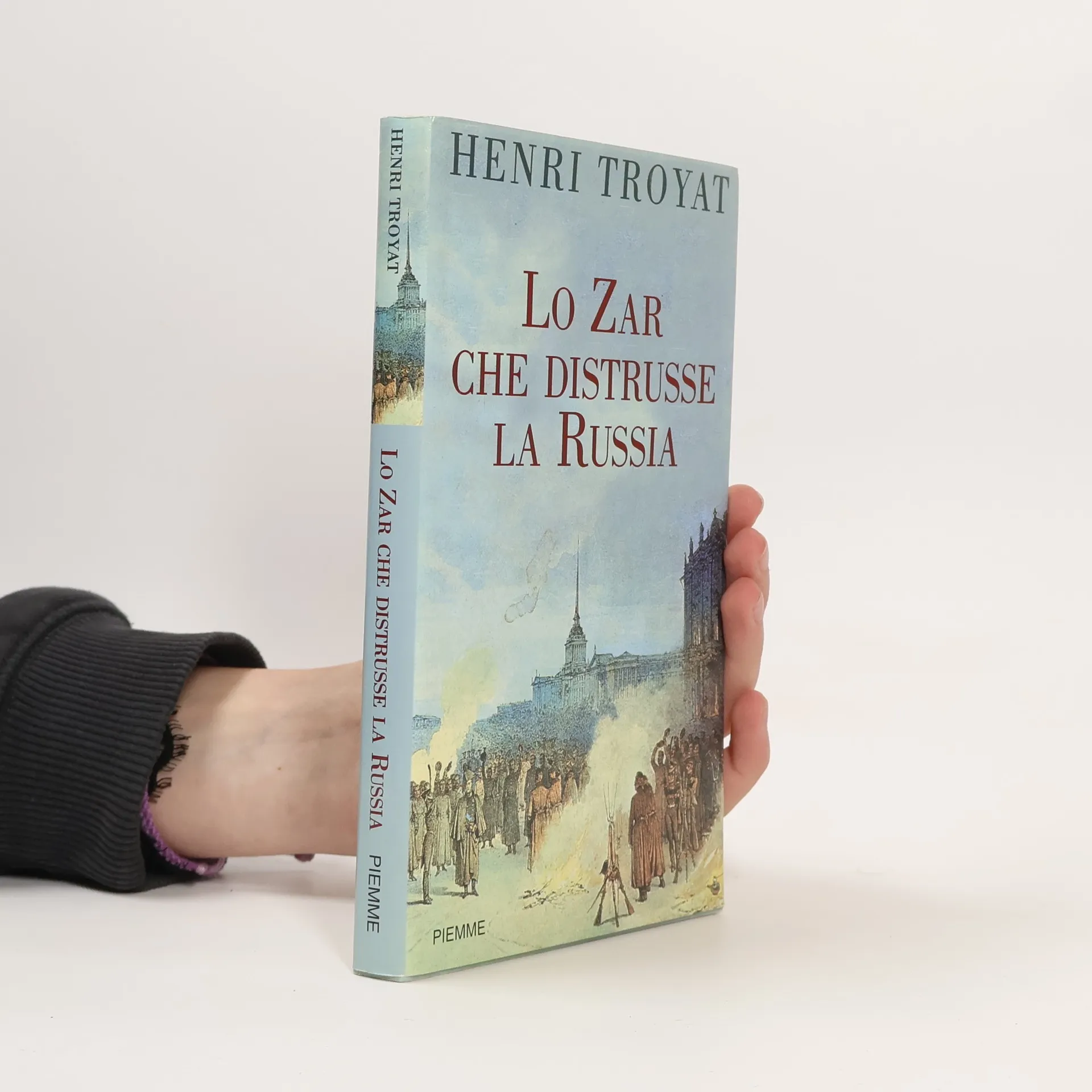
Lo zar che distrusse la Russia
- 219 pages
- 8 hours of reading
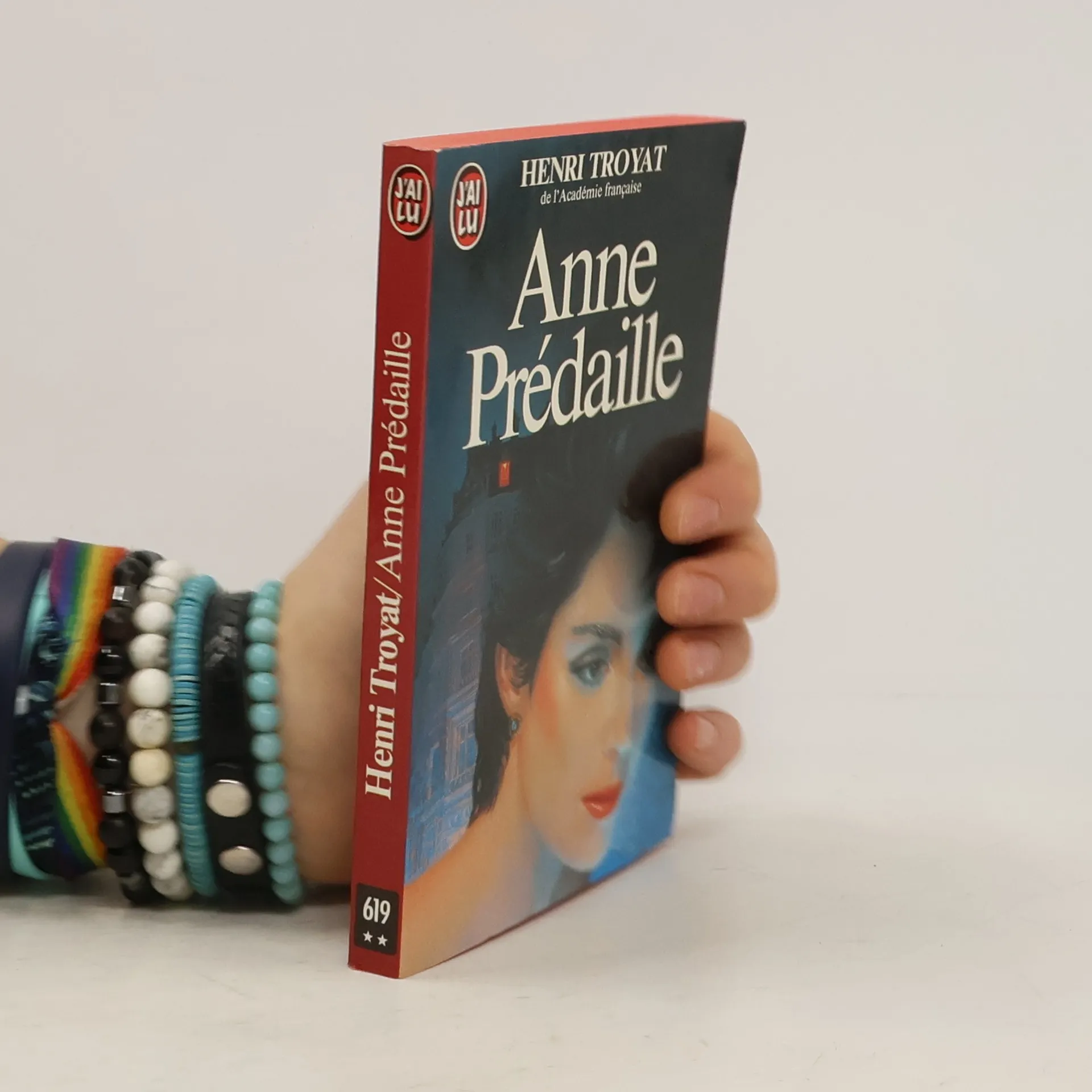
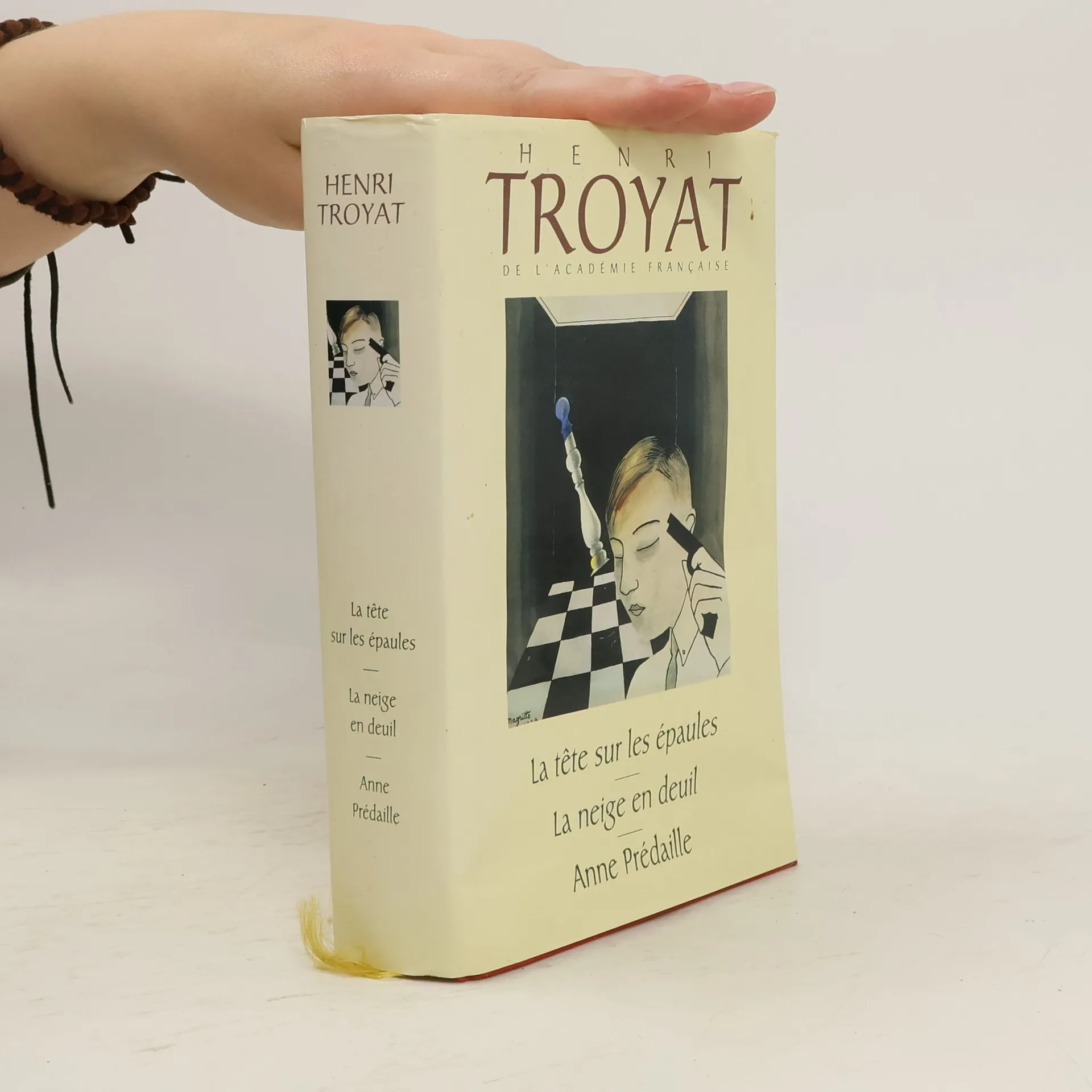
215pages. poche. broché. Après la mort de sa mère, qu'elle aimait passionnément, Anne Prédaille est restée seule avec son père. Un père timide et vulnérable que ce deuil a rendu plus dépendant encore. Face à lui, Anne dresse sa rigueur, sa lucidité et ce qu'elle croit être la sagesse de ses trente ans. Cette fière assurance, Anne va cependant la perdre quand elle rencontre Laurent, et avec lui le plaisir et la passion. Mais Laurent est un être capricieux, instable, et bientôt Anne prendra sur lui l'empire tyrannique qu'elle exerce déjà sur son père. Mais a-t-on le droit de décider pour autrui, de peser sur lui ? Ne l'étouffe-t-on pas jusqu'à le mener à sa perte ?
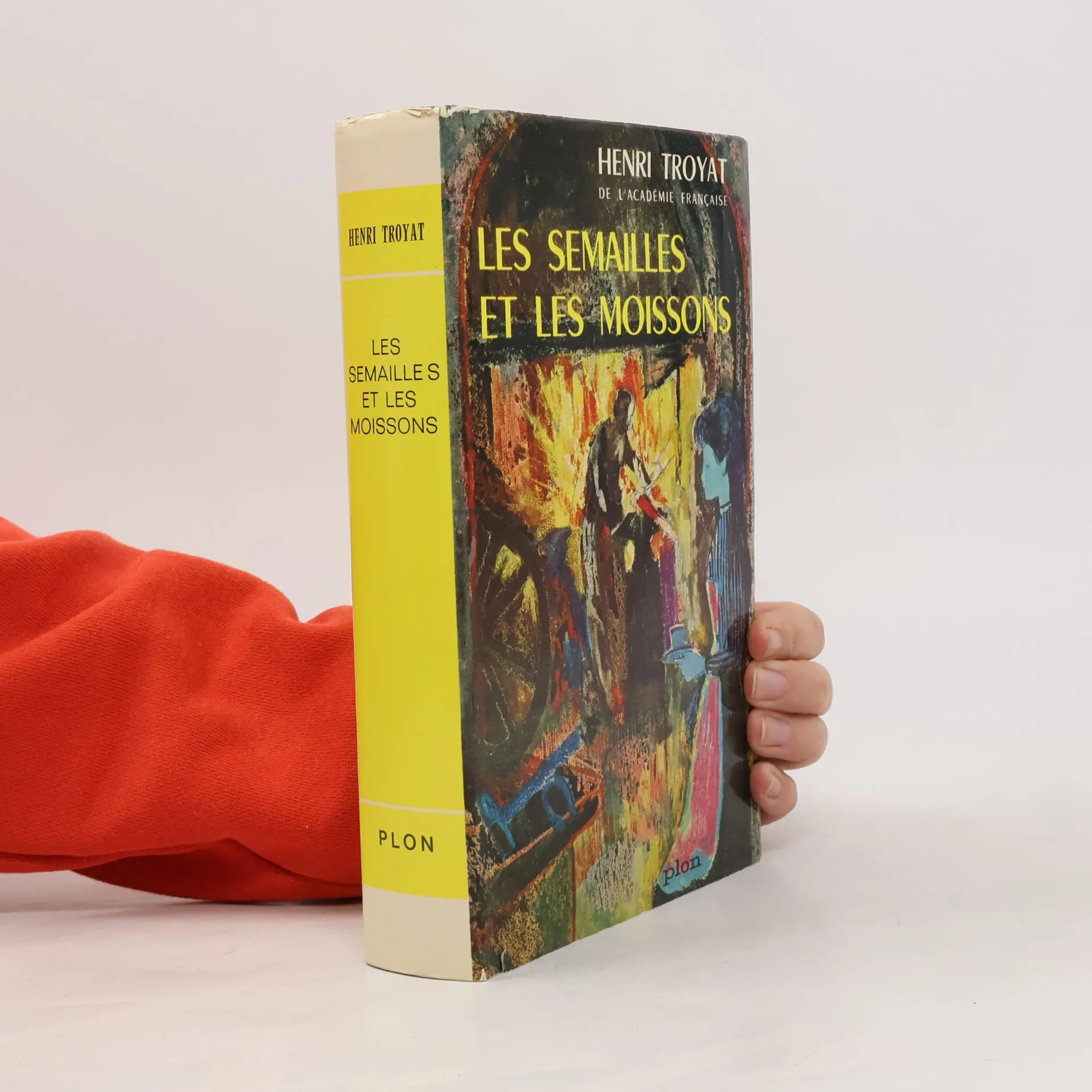
Les jours heureux et les travaux paisibles se succèdent à la Chapelle-au-Bois, une bourgade corrézienne plutôt déshéritée, à la veille de la Grande Guerre. C'est là qu'a grandi Amélie Aubernat, entre un père maréchal-ferrant qu'elle adore, et une mère un peu fantasque qui tient la petite épicerie du village. À dix-huit ans, la jolie et farouche Amélie sait d'instinct qu'elle n'aime pas Jean Eyrolles, le fiancé qu'on lui destine et qui doit hériter de la scierie paternelle. En revanche, toutes ses pensées et tous ses sentiments vont vers Pierre Mazalaigue qui rêve, lui aussi, de l'épouser. Ainsi débute cette chronique familiale exemplaire, cette fresque vivante et colorée, ce roman d'amour raisonnable et passionné, geste intimiste que le succès public a transformée en véritable légende. Egalement chez Pocket, les autres tomes du cycle : 2. Amélie ; 3. La grive ; 4. Tendre et violente Elisabeth ; 5. La rencontre ; ainsi que La ballerine de Saint-Pétersbourg et Nicolas 1er.
Grimbosq
- 256 pages
- 9 hours of reading
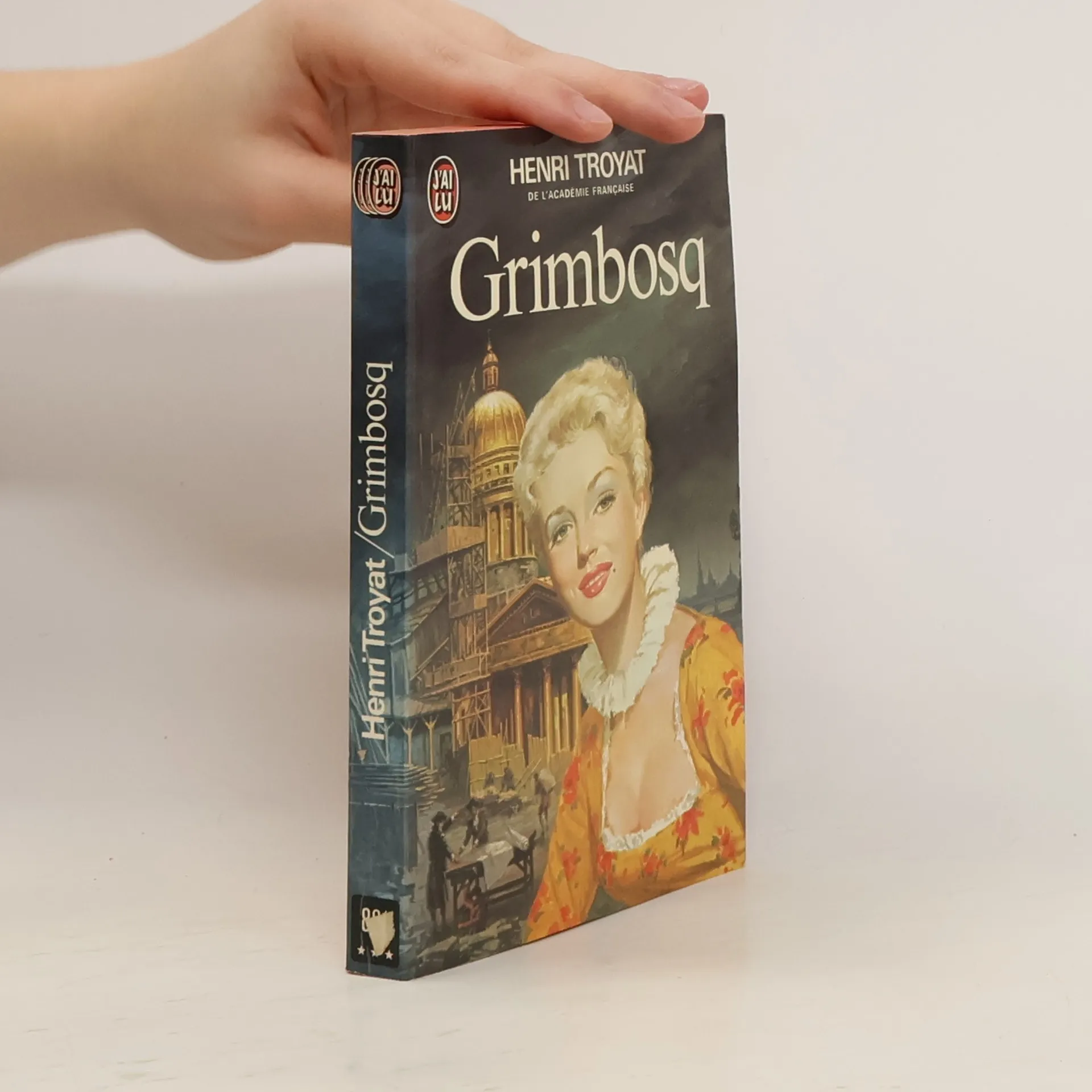
En 1721. L'architecte français Etienne Grimbosq quitte Paris en toute hâte : Pierre le Grand l'a chargé d'édifier à Saint Pétersbourg le palais de son chambellan. Tout à la joie de sa tâche à accomplir, Grimbosq est à mille lieues de pressentir le monde étrange et sauvage qui l'attend. Saint-Pétersbourg...une ville naissante, où des façades à l'italienne dressent leurs portiques au-dessus des marécages, où des serfs peinent et meurent sur des chantiers noyés de brouillard. Pierre le Grand...un géant brutal, ivrogne mais subtil politique, un tyran aux élans généreux. Grimbosq et sa femme, la fragile Adrienne, vont se trouver mêlés aux intrigues de la cour et contraints de participer à des fêtes extravagantes où leur amour risque de sombrer. Possédé par sa passion de construire, Etienne semble inconscient des dangers qui le guettent.
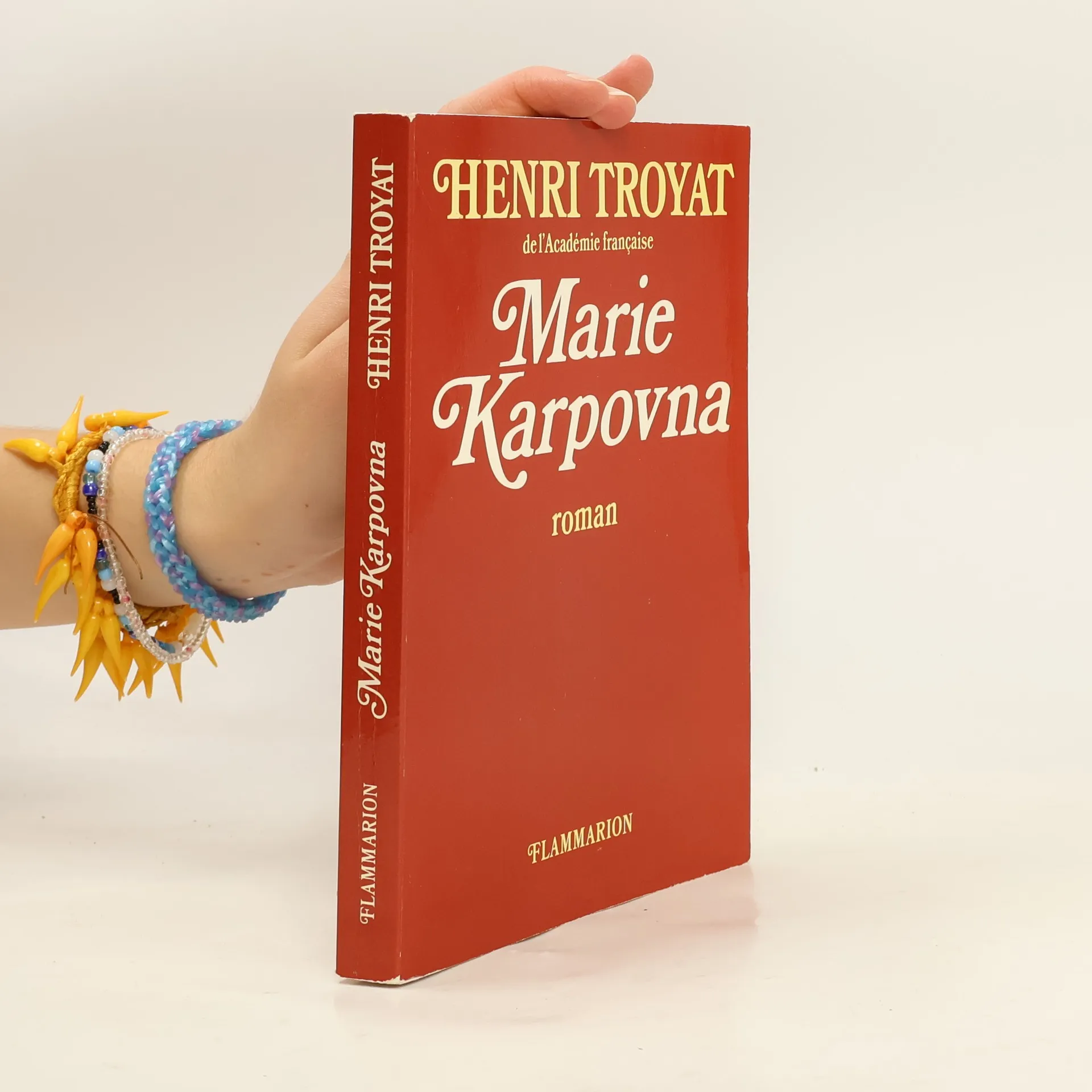
Gorbatovo, été 1856... Des champs dorés à l'infini, des paysans au travail, des villages aux maisons basses... C'est le domaine de Marie Karpovna, veuve et belle encore, régnant en despote non seulement sur ses innombrables serfs mais aussi sur ses deux fils : Léon, le soumis, et Alexis, le rebelle, qui un jour a fui mais est de retour aujourd'hui. Modeste fonctionnaire à Saint-Pétersbourg, il veut obtenir de sa mère une donation. Marie Karpovna, recourant à un odieux chantage, pose ses conditions : qu'il se réinstalle auprès d'elle et épouse la terne Agathe qui leur est toute dévouée. Une mésalliance qu'Alexis refuse avec indignation. Mais peut-on déjouer toutes les ruses de Marie Karpovna et résister à son magnétisme ?
Mit großer Geschicklichkeit bietet H. Troyat durch das intime Tagebuch von Nikolaus II. und die Erinnerungen seiner Zeitgenossen ein Dokument von großer Relevanz, um das Russland unserer Zeit zu verstehen. Diese Sicht auf die Vergangenheit, mit den aufkommenden Nationalismen, den ideologischen Konflikten und den zaghaften Schritten in Richtung Parlamentarismus, beleuchtet auf besondere Weise die Probleme des zeitgenössischen Russlands und seiner vielen Seelen. Auffällig ist in diesen Seiten die Distanz des Historikers, der die Ereignisse festhält, und gleichzeitig die menschliche Teilnahme des Autors am Schicksal eines Mannes, der im Wesentlichen allein gelassen wurde.
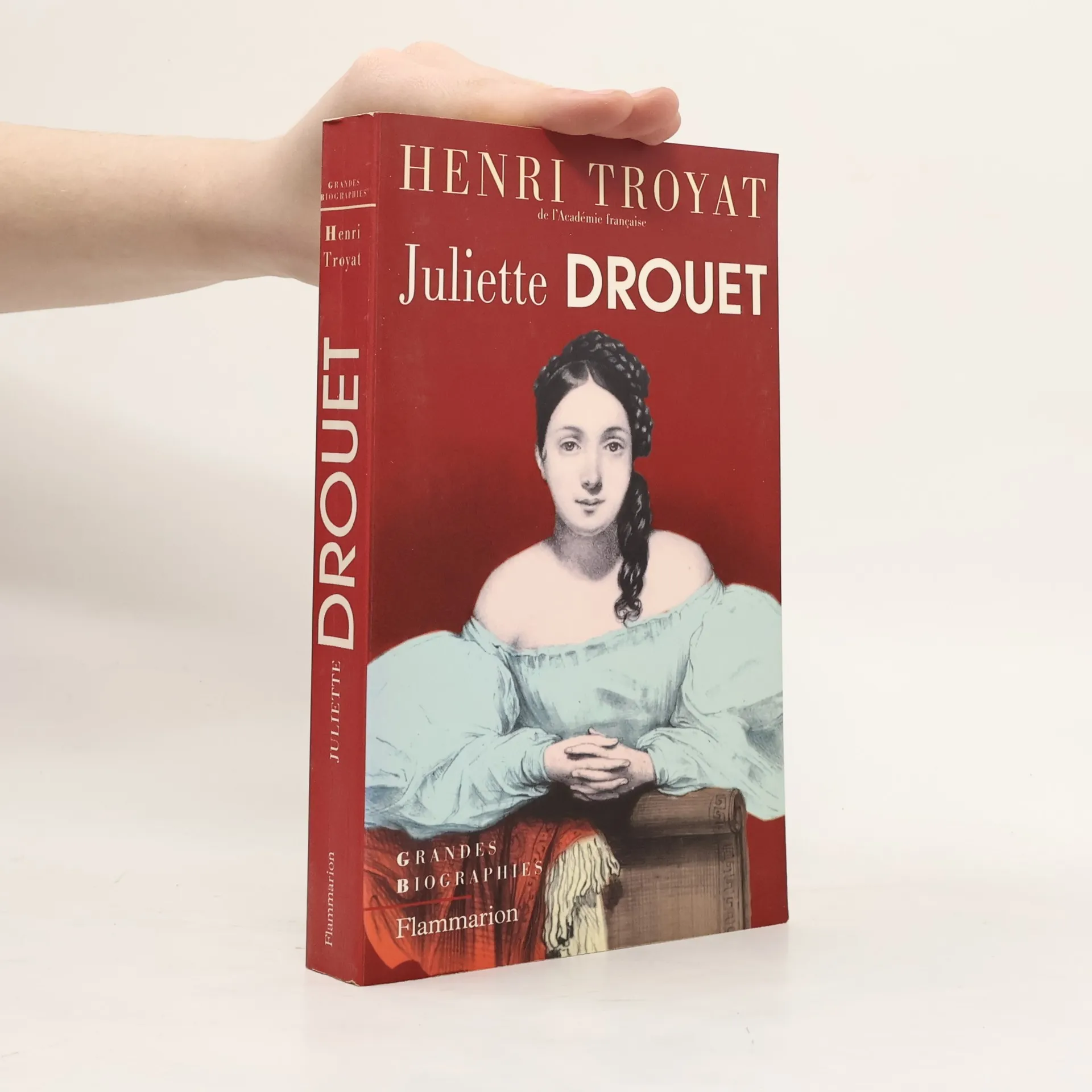
Juliette Drouet
- 401 pages
- 15 hours of reading
French
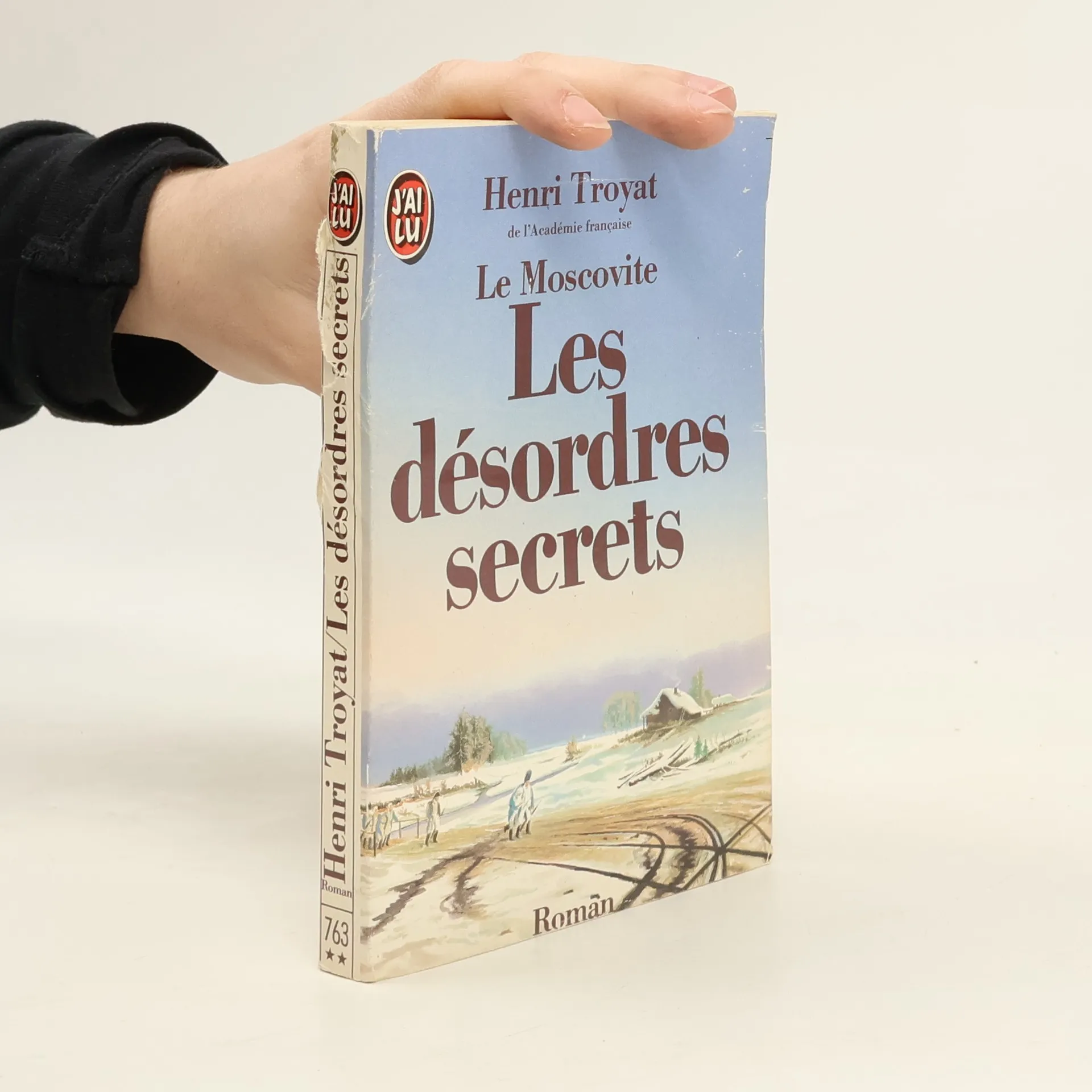
Les Désordres secrets
- 253 pages
- 9 hours of reading
"Armand de Croué, jeune émigré français, ... malade à en mourir, abandonné de ses compagnons, ... est miraculeusement ramené chez les Béreznikoff où l'attendent celles qui n'ont cessé de l'aimer, Nathalie Ivanovna et sa fille Catherine."--Cover.
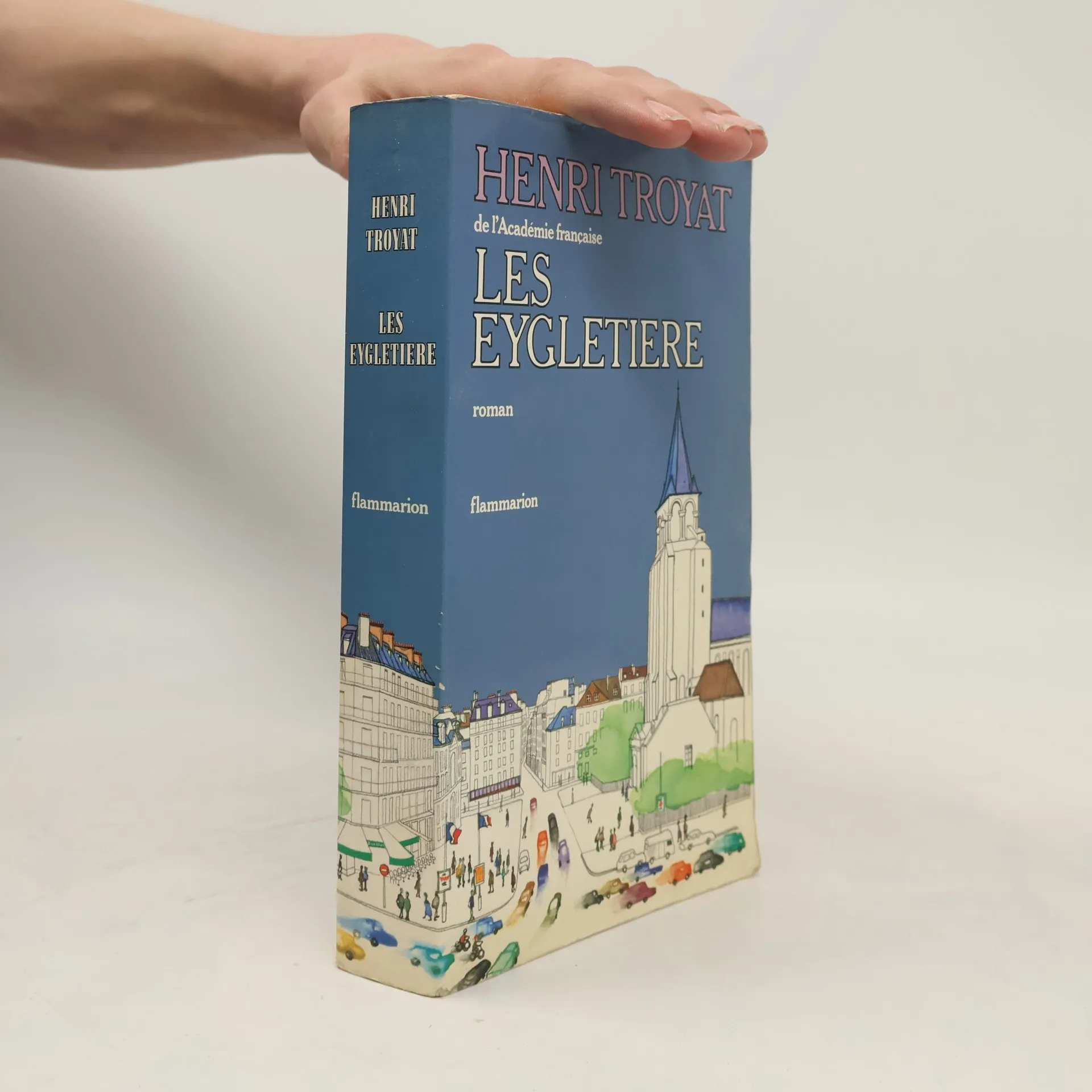
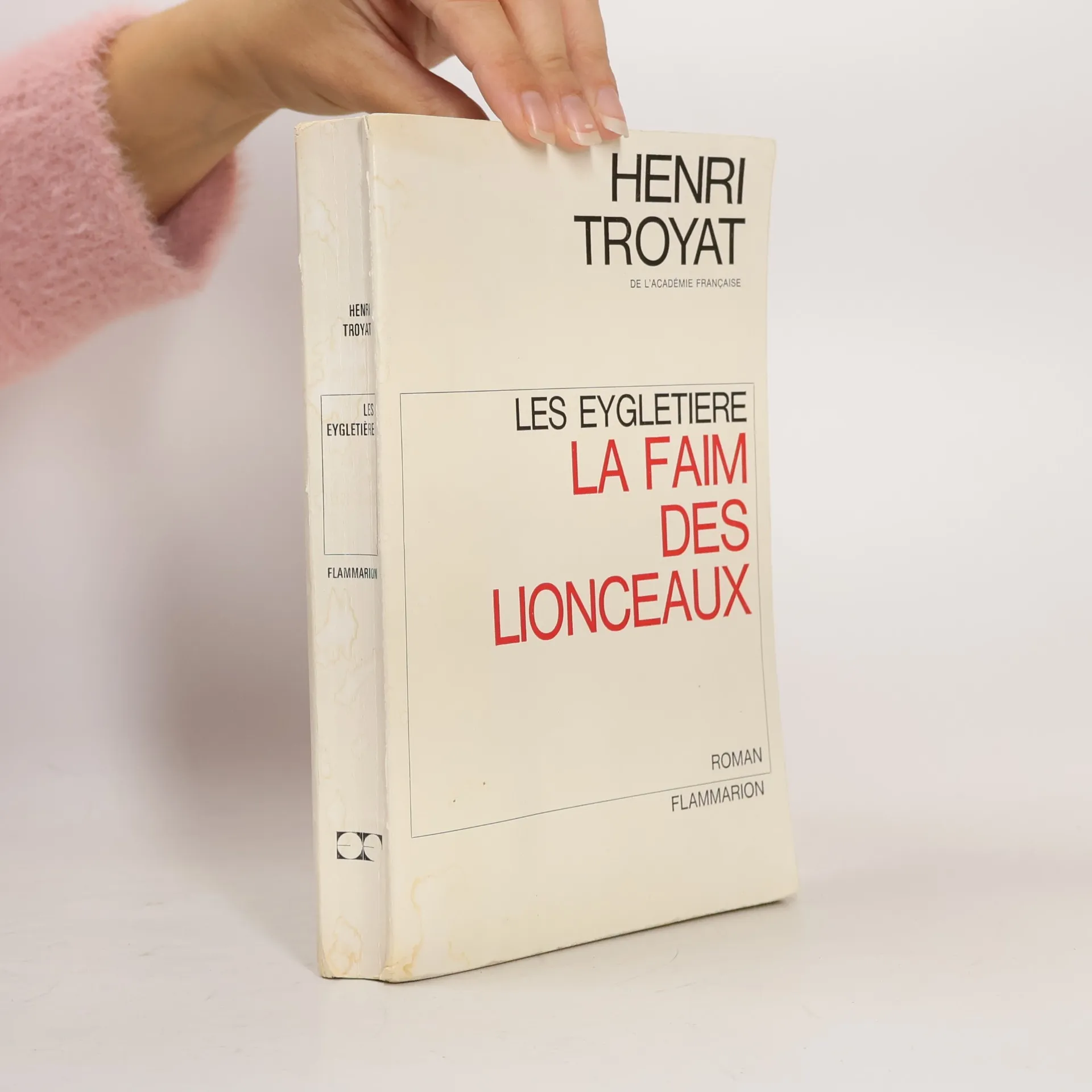
Les Eygletière
- 642 pages
- 23 hours of reading
Romane autorius parodo tipišką buržuazinę šeimą. Šeimos galva, Filipas Egletjeras, prasisiekęs juristas, - ciniškas ištvirkėlis, žmogus be principų, kurio vieninteliai „idealai“ - komfortas ir malonumai. Gražuolė Karolė, jo antroji žmona, - išorinės elegancijos, egoizmo ir veidmainystės įsikūnijimas. Abu jie puikiai atstovauja tai bedvasei visuomenei, kurios būdingiausi bruožai - vidinė tuštuma, žmogiško jausmo stoka, vergavimas daiktams, materialinės gerovės troškimas, malonumų vaikymasis. Tuo tarpu jų vaikai - morališkai dar sveiki, tyraširdžiai, nepatyrę jaunuoliai. Jie svajoja apie kilnesnius idealus, bet visos jų iliuzijos subyra į dulkes, kai jie geriau pažįsta vyresniosios kartos gyvenimą ir perpranta jos veidmainingą moralę.
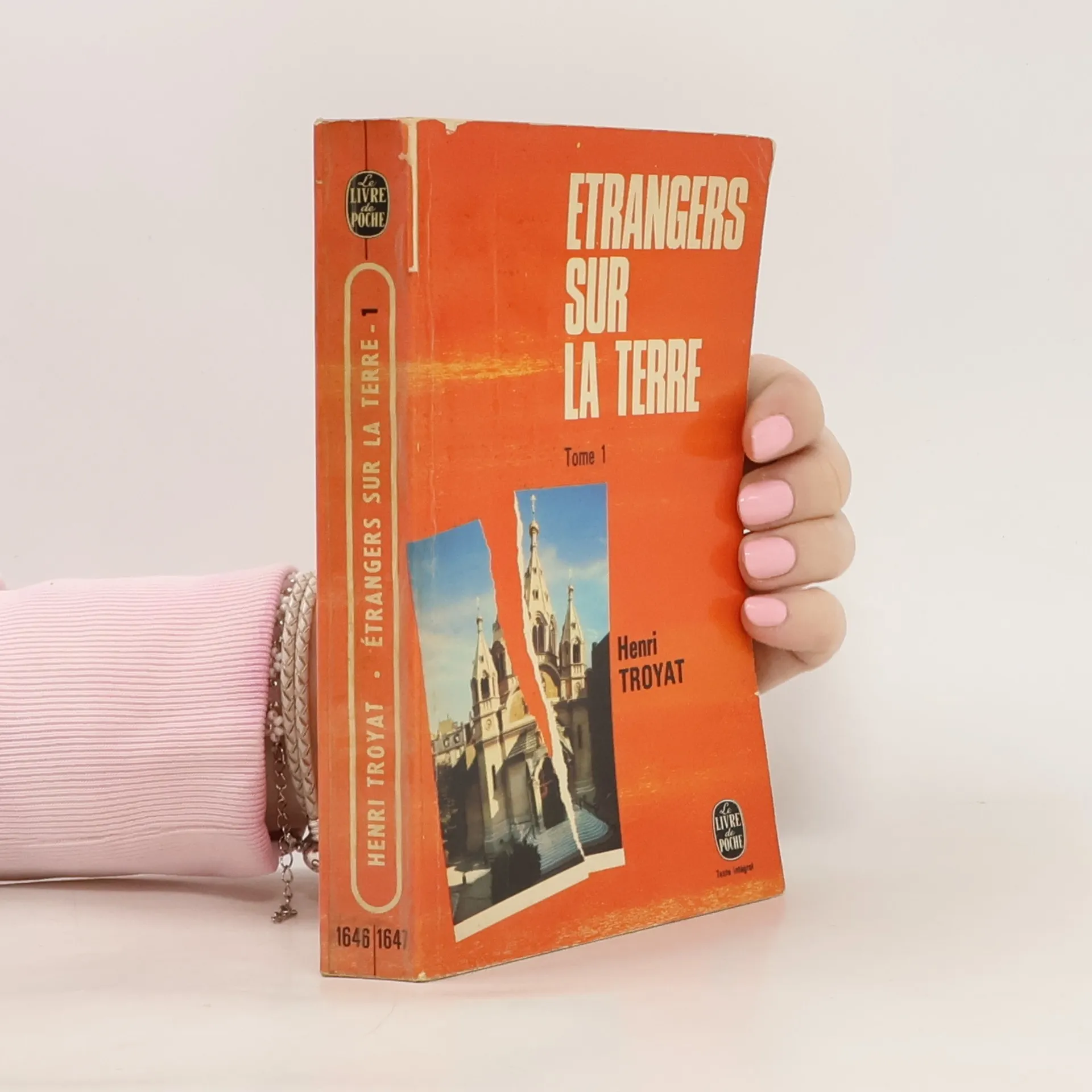
Etrangers sur la Terre, tome 1
- 379 pages
- 14 hours of reading
" Il avait conscience d'un partage douloureux dont sa personne faisait les frais. Sollicité par le passé et le présent, par la Russie et la France, il flottait sans se décider entre ces deux tentations contraires. Je ne suis ni d'ici, ni delà. Français en Russie, Russe en France, je resterai toute ma vie un étranger. " Fuyant une Russie à feu et à sang, Tania, Michel et leurs enfants se sont réfugiés à Paris. Ils sont les survivants hagards d'un passé disparu, les rescapés du naufrage de leur peuple. D'un exil pénible naîtront bien des épreuves. Les fantômes du passé rôdent encore dans les cœurs, autour de plaies ouvertes à jamais.
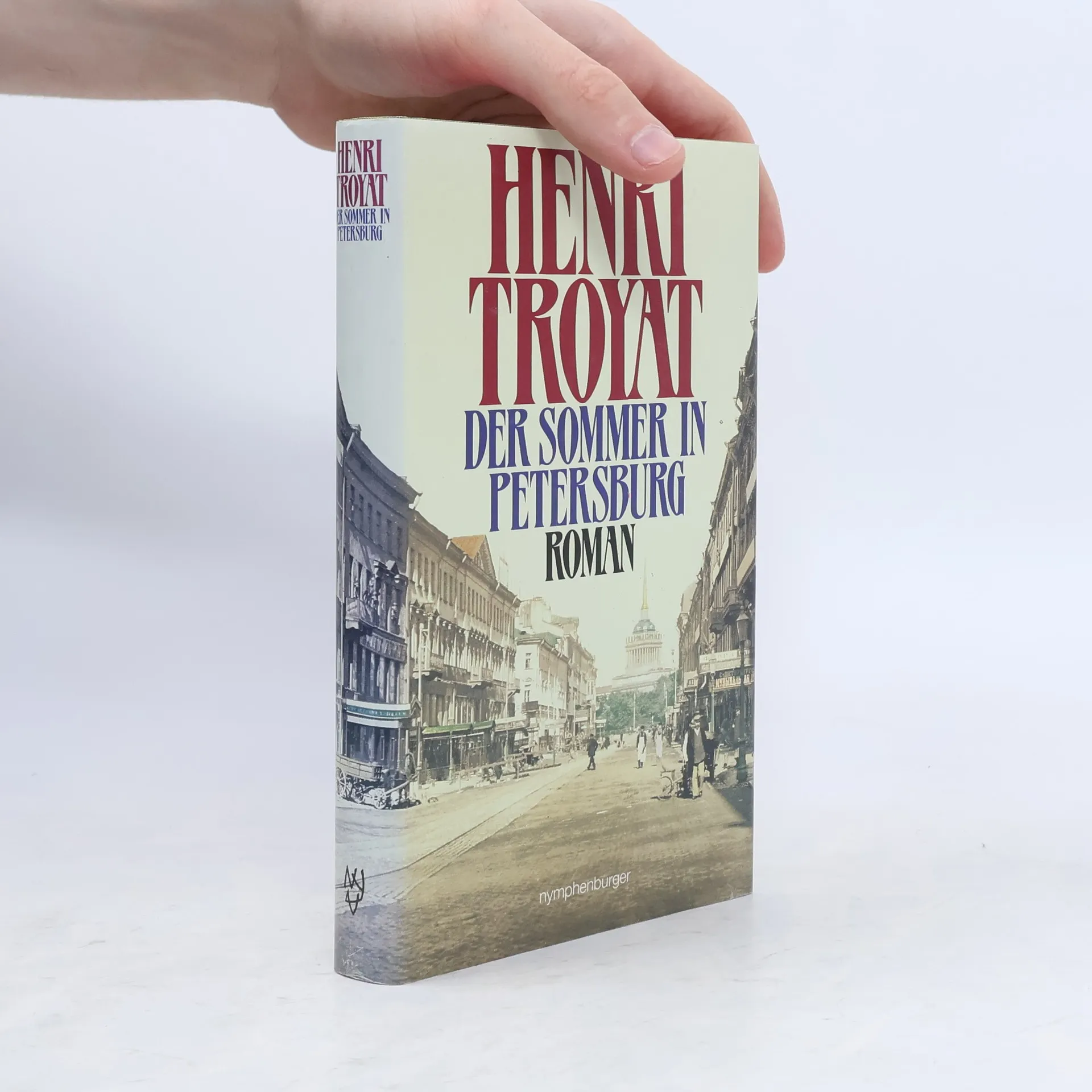
Der Sommer in Petersburg
- 200 pages
- 7 hours of reading
Bei einer russischen Familie des liberalen Bürgertums erlebt eine junge französische Erzieherin in St. Petersburg den ersten Weltkrieg und den Ausbruch der Revolution.
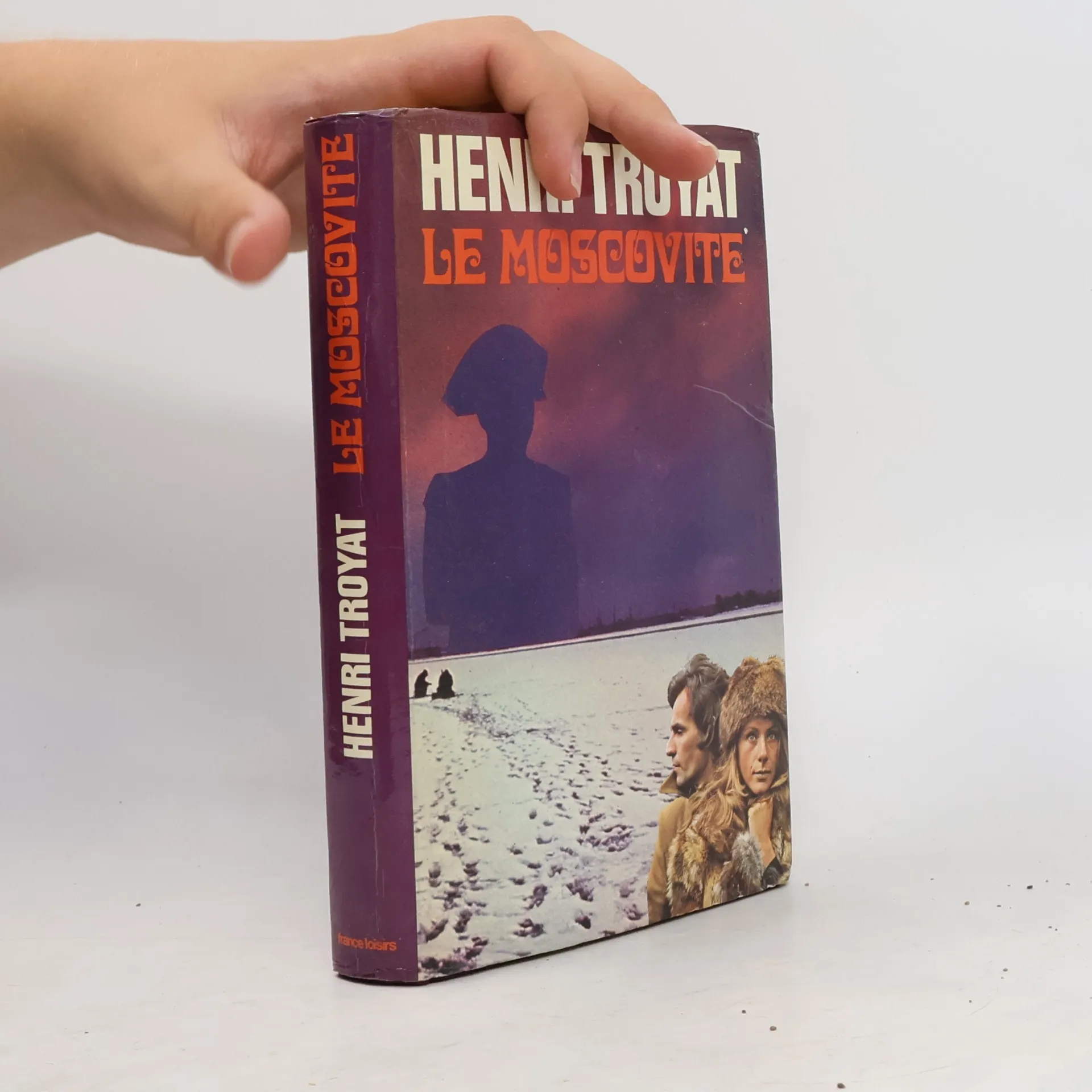
Moscou, 1812. Napoléon est aux portes de la ville que ses habitants, pris de panique, désertent dans la confusion la plus totale. Quand l'armée française victorieuse pénètre dans la vieille cité des tsars, il ne reste plus que les domestiques, chargés par leurs maîtres de garder leurs palais menacés, et des bandes de maraudeurs affamés. Armand, français d'origine, est demeuré au chevet de son père mourant, M. de Croué, royaliste farouche chassé de sa patrie par la Révolution. Elevé dans les traditions russes au sein de la famille Béreznikoff qui a accueilli les réfugiés vingt ans plus tôt, le jeune homme attend dans l'angoisse l'arrivée de cet ennemi qui est de son sang et parle sa langue. Dans la ville meurtrie où le gigantesque incendie n'a laissé que des ruines Armand va découvrir, auprès d'une troupe de comédiens français, une nouvelle vie où la fantaisie se mêle à l'horreur et la misère à l'amour... Le Moscovite est composé de Le Moscovite, Les Désordres secrets et Les Feux du matin.
Dans ce deuxième roman consacré aux Eygletière, on voit se déchaîner les égoïsmes, les appétits, les vices des membres de la famille, parents et enfants. Si Jean-Marc tente de mettre un terme à sa scandaleuse liaison avec Carole, sa trop jeune belle-mère, Françoise, en revanche, après un suicide raté, succombe à la passion physique que lui inspire Alexandre Koslov. Daniel, le clair et joyeux Daniel, renoncera à concilier ses études avec son désir de courir les routes et son amour naissant pour la petite Danielle Sauvelot. Quant à Philippe Eygletière, trop égoïste pour comprendre ses enfants, trop sûr de lui pour soupçonner sa femme, trop comblé par l'ordre établi pour s'apercevoir que celui-ci est en train de s'effondrer, il continue à se croire le chef d'une famille qui désormais lui échappe pour glisser vers le chaos.
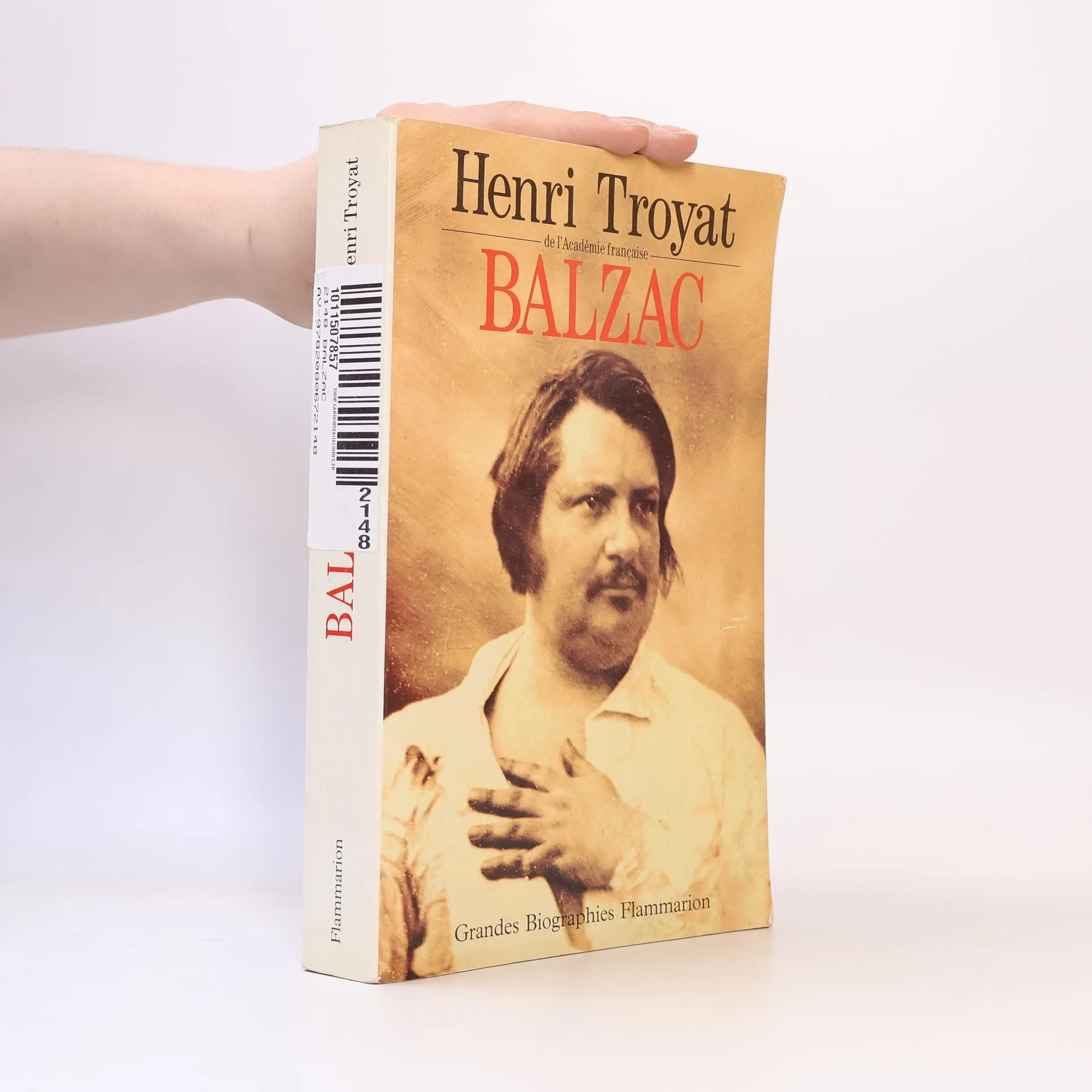
Balzac
- 545 pages
- 20 hours of reading
Enthousiaste, tonitruant, vêtu avec extravagance et la tête bouillonnante de projets mirifiques, tel Balzac apparaît à ses contemporains et tel il surgit, criant de vérité, dans la biographie qu'Henri Troyat lui consacre aujourd'hui. Destin chaotique, car l'auteur de La Comédie humaine ne se contente pas d'être un "galérien des lettres" qui anime des centaines de personnages, noue et dénoue des écheveaux d'intrigues et collectionne les succès de librairie, il veut, de surcroît, jouir de l'existence, réussir en amour et gagner une fortune dans les affaires. Travaillant nuit et jour, assoiffé de mondanités, courant d'une femme à l'autre, se ruinant en objets de luxe, poursuivi par les créanciers malgré tout l'argent qu'il ramasse, il souffre encore de n'être pas salué par l'ensemble de la presse comme un écrivain de génie et soupire désespérément après Mme Hanska, "l'Étrangère" inaccessible, avec laquelle il correspond à longueur d'année. Au vrai, Balzac s'est toujours trompé sur lui-même. Son énorme naïveté qui le sert si bien dans la peinture de ses héros, le dessert dans la vie quotidienne. Maître de l'univers quand il a une plume à la main, il vacille tel un enfant dès qu'il met un pied devant l'autre. Mais n'est-ce pas justement à la faillite de son aventure terrestre que nous devons l'impérissable monument de son oeuvre ?
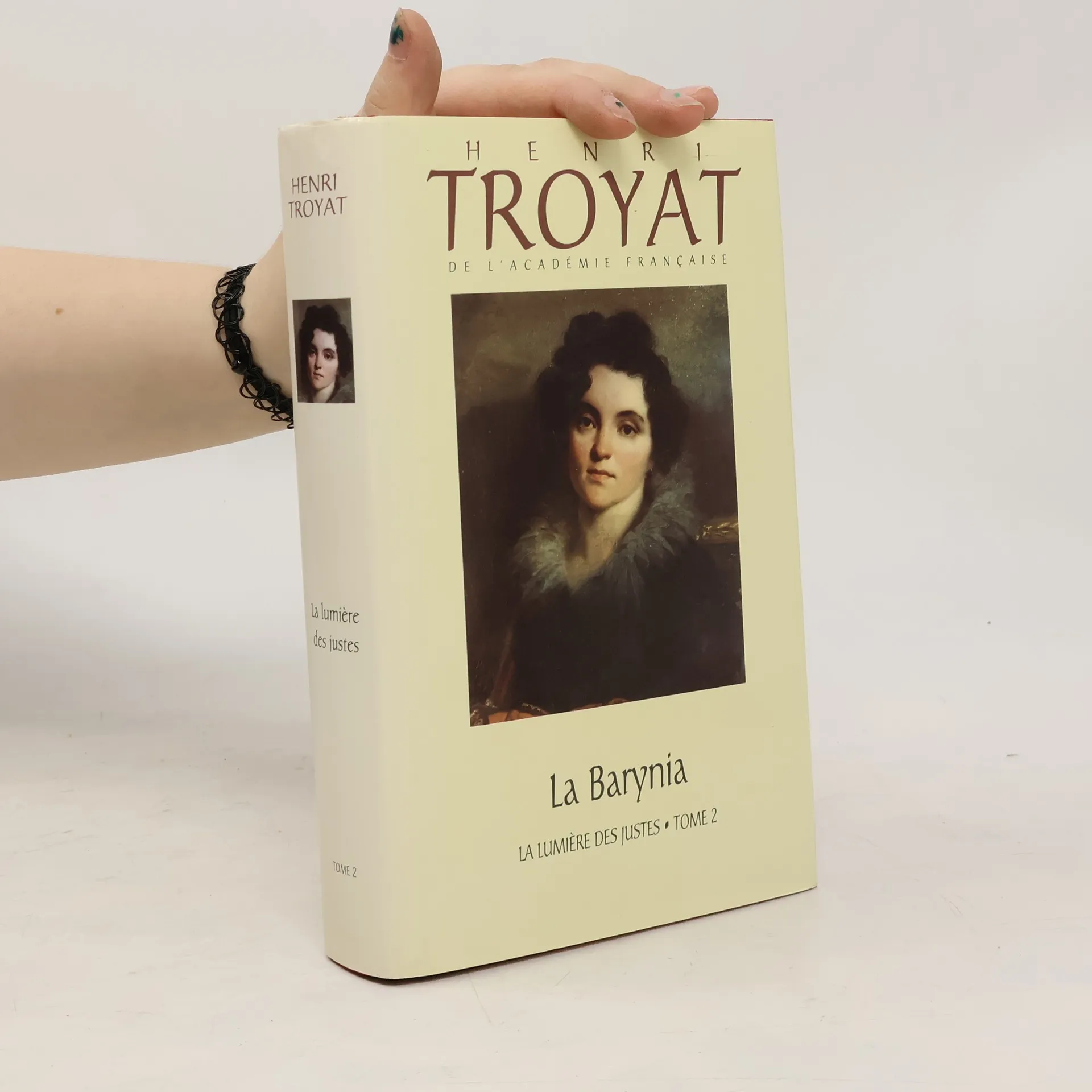
La lumière des justes 1
- 1276 pages
- 45 hours of reading
Par une tiède matinée du mois de mars 1814, le jeune lieutenant russe Nicolas Ozareff pénètre dans Paris avec les troupes coalisées qui vont occuper la capitale. Il ne tarde pas à s'éprendre d'une jeune veuve, belle, secrète, volontaire et hautaine, Sophie de Champlitte. Tout, semble-t-il, devrait séparer l'officier dévoué au tsar Alexandre de la fière aristocrate française qui a subi l'empreinte de la Révolution au point de conspirer contre Louis XVIII. Le retour de Napoléon éloigne Nicolas avant qu'il ait pu obtenir le moindre mot d'espoir. Après Waterloo, il se retrouve soudain à Paris et court à la recherche de Sophie. Qu'est-elle devenue durant cette longue séparation ?
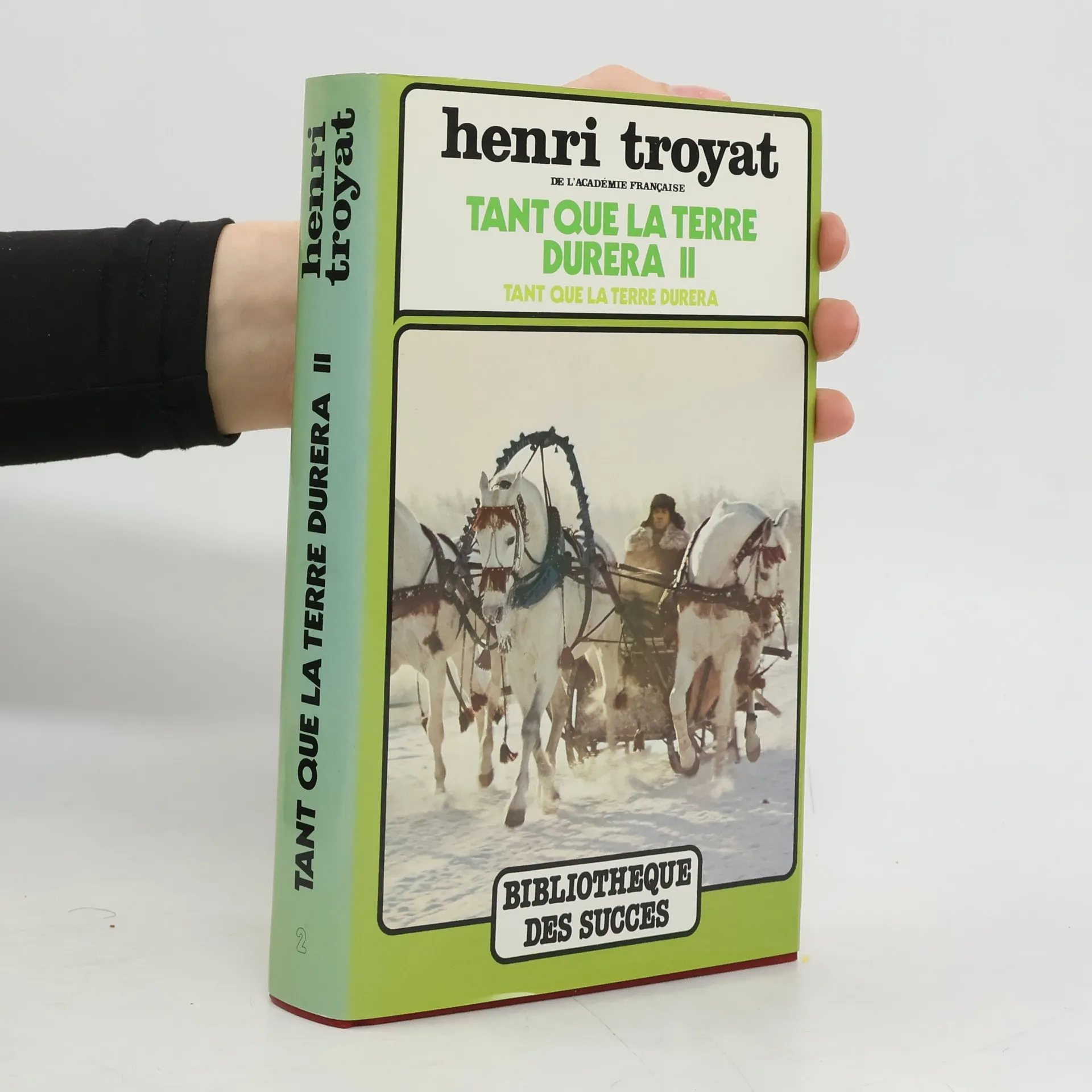
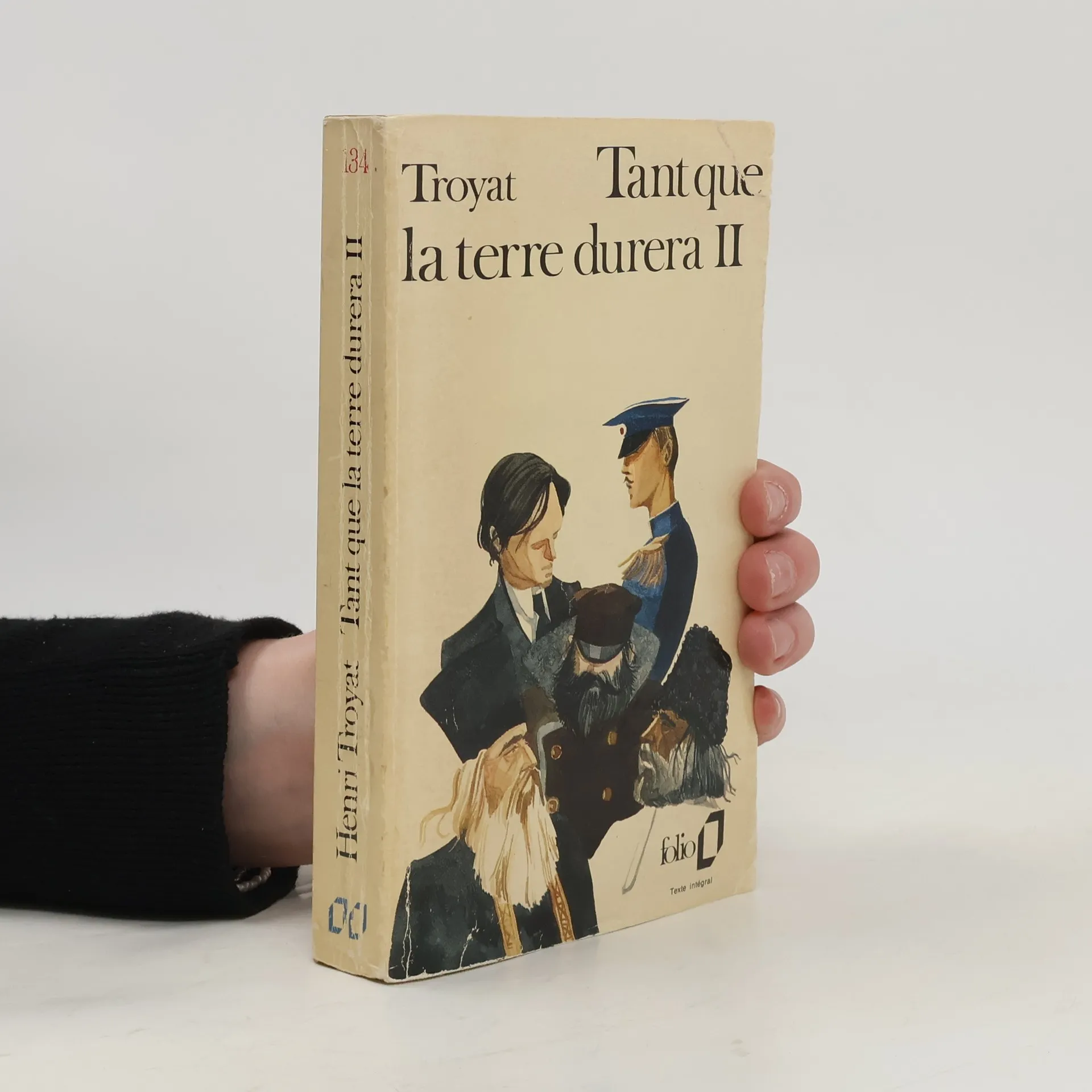
Tant que la Terre durera
- 455 pages
- 16 hours of reading
"- Nous sommes au bord d'événements terribles, dit Nicolas. Tania porta les mains devant sa figure. Elle ne comprenait pas l'archarnement de Nicolas à prévoir le pire. Pourquoi ne voulait-il pas la laisser vivre heureuse, entre son mari et ses enfants, dans cette maison qu'elle aimait ? Certes, il y avait les désordres de la famille impériale, quelques révoltes dans les universités, la présence à la cour de Raspoutine. Mais tout s'arrangerait, elle en était sûre. Nicolas était un pessimiste. Elle le regarda droit dans les yeux et demanda : - Quelle est donc ta vie, Nicolas ?"
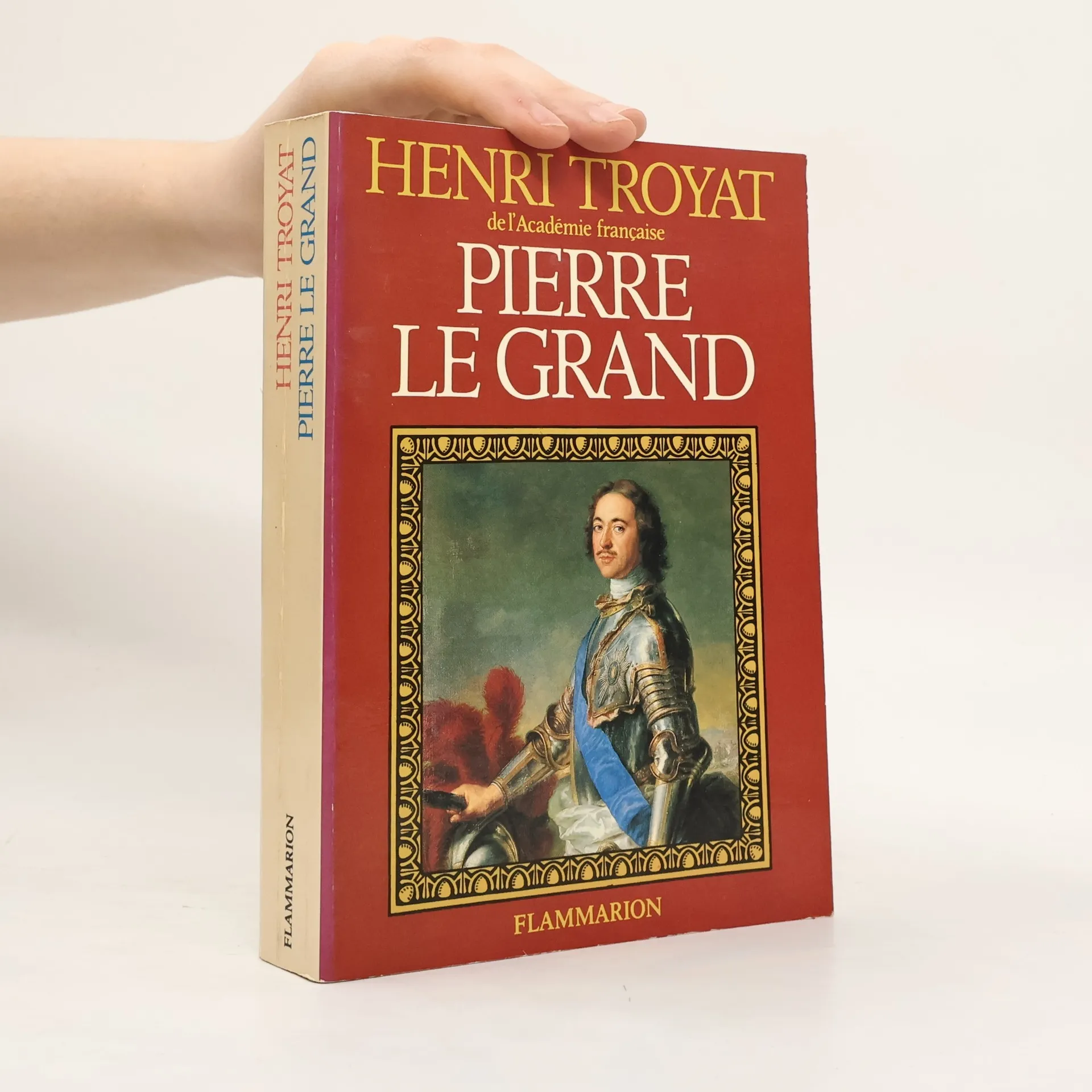
Pierre le Grand
- 394 pages
- 14 hours of reading
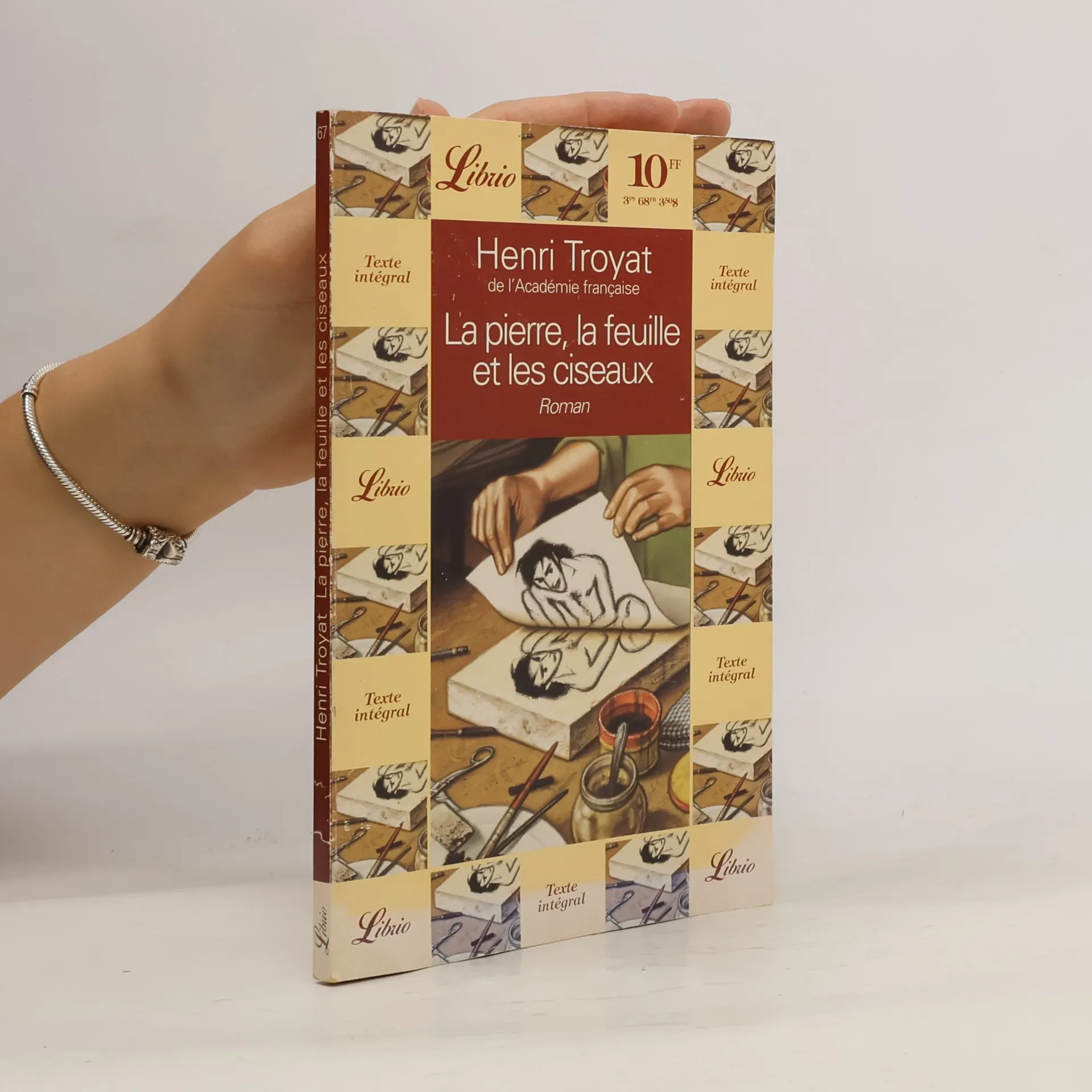
Peindre, rêver, choyer ses amis, recueillir chats perdus et garçons errants dans son appartement parisien... Telles sont les joies paisibles d'André. Jusqu'au jour où... Un coup de sonnette, une porte qui s'ouvre... Aurelio surgit dans sa vie, telle une tornade. Avec sa jeunesse provocante, son appétit de vivre, son ambition démesurée... Bientôt maître des lieux, Aurelio subjugue André et fait de Sabine, la meilleure amie de celui-ci, sa maîtresse. Sabine, jeune femme fantasque, avide de plaisir et de liberté, aussi prompte à déchirer Aurelio qu'à l'adorer. Entre ces trois êtres que lient des sentiments ambigus et sans cesse menacés s'instaure un jeu cocasse et tantôt tragique. Une dangereuse version de ce jeu très ancien qu'on appelle " la pierre, la feuille et les ciseaux "...
in8. Broché.
Au-delà, En deçà ! Où est la frontière ? Où est la norme ? Lorsque Ferdinand Pastre s'éveille de l'autre côté, devenu passe-muraille, sait-il s'il est mort ou vivant ? Pour en avoir le cœur net, il ne lui reste plus qu'à faire tourner les guéridons : " Esprit ! Je suis là ! " Les fantômes ont bonne presse. Tout aussi humains que ces inconnus qu'Achille Dupont-Marianne visite en rêve. Bien souvent sur la même longueur d'onde que les fous, amateurs de sortilèges et de pirouettes. Magie noire ou supercherie ? Dans ce domaine, le Malin reste le plus grand charlatan. Prince des illusions, il séduit la rouquine, pour son plus grand malheur. Par quel charme lui sacrifie-t-elle sa plus belle parure ? Ses cheveux ont la couleur de l'enfer et Clarissou, son mari, ne le sait pas... D'une nouvelle à l'autre, des visiteurs entrebâillent la porte de l'ailleurs en un fantastique carnaval...
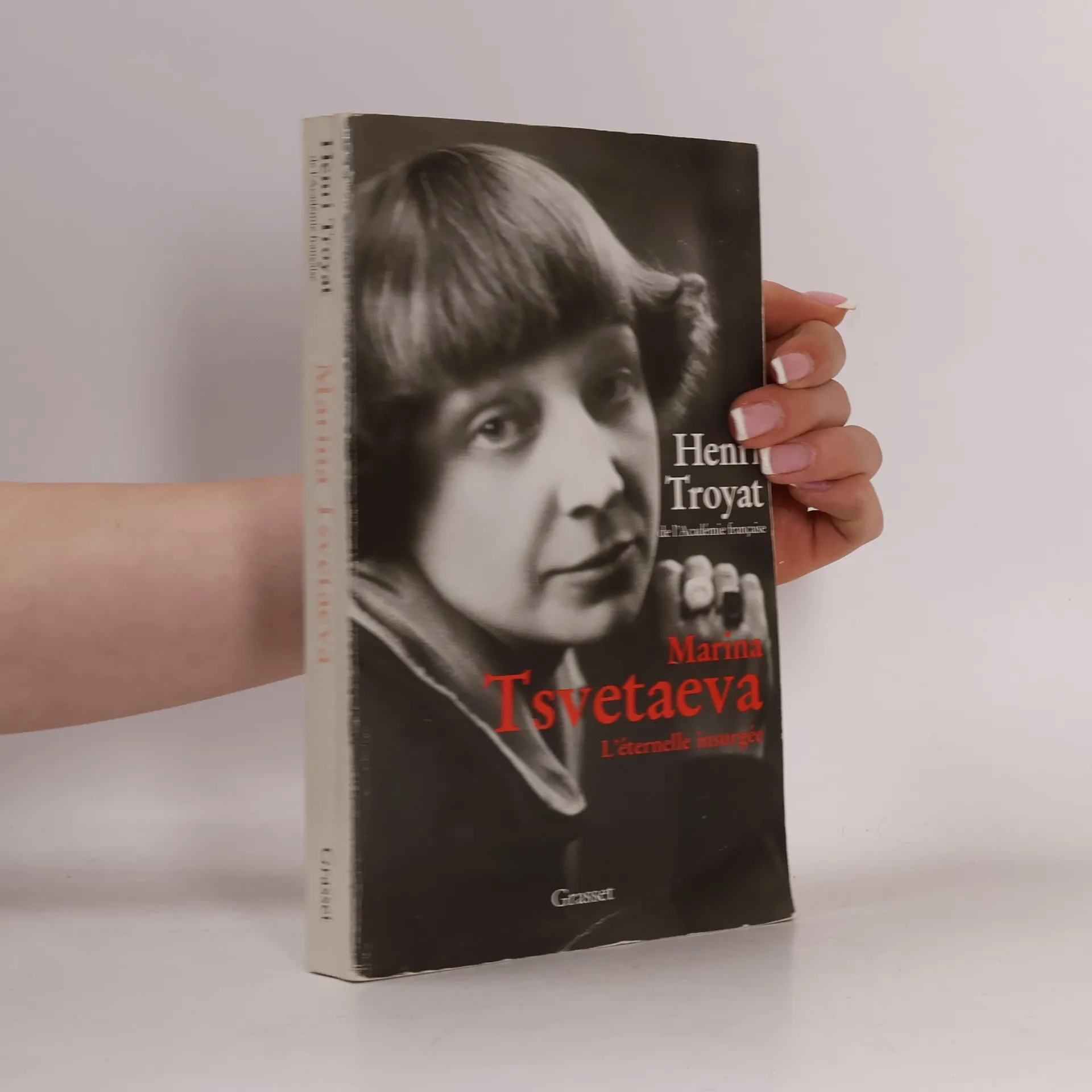
Henri Troyat, né en 1911 à Moscou, est membre de l'Académie française, romancier et biographe. Il a obtenu le prix Goncourt en 1938 pour L'Araigne. Derniers livres parus chez Grasset : Le Fils du Satrape (1998), Terribles Tsarines (1998), Namouma ou la Chaleur animale (1999) et La fille de l'écrivain (2001). Marina Ivanovna Tsvetaïeva (1892-1941) fut un être attachant, génial, et dont l'oeuvre émeut autant que le destin. Ses premiers poèmes, elle les publia avant Pasternak et Maïakovski - qui, plus tard, l'influencèrent pourtant. Marquée par la tradition du romantisme allemand, par les chants populaires russes et par la sensibilité de Pouchkine, elle composa des recueils merveilleux et désespérément slaves. Dès 1922, hostile à la Révolution et à ses dérives totalitaires, elle quitta l'URSS et exalta la « Vendée russe » dans des textes qui lui valurent une immense réputation (Le camp des cygnes) Mariée à un officier « blanc », émigrée à Prague, puis à Paris, elle poursuit sous diverses formes une oeuvre qui trouve son unité dans le refus de la médiocrité bourgeoise et dans une quête sans pareille de l'absolu. Dévorée de nostalgie (Après la Russie, 1928) et lassée par les intrigues sordides du petit monde de l'émigration, (Le preneur de rats, 1925) elle décida, en 1939, de rentrer en URSS - pour s'y suicider au moment de l'invasion allemande.
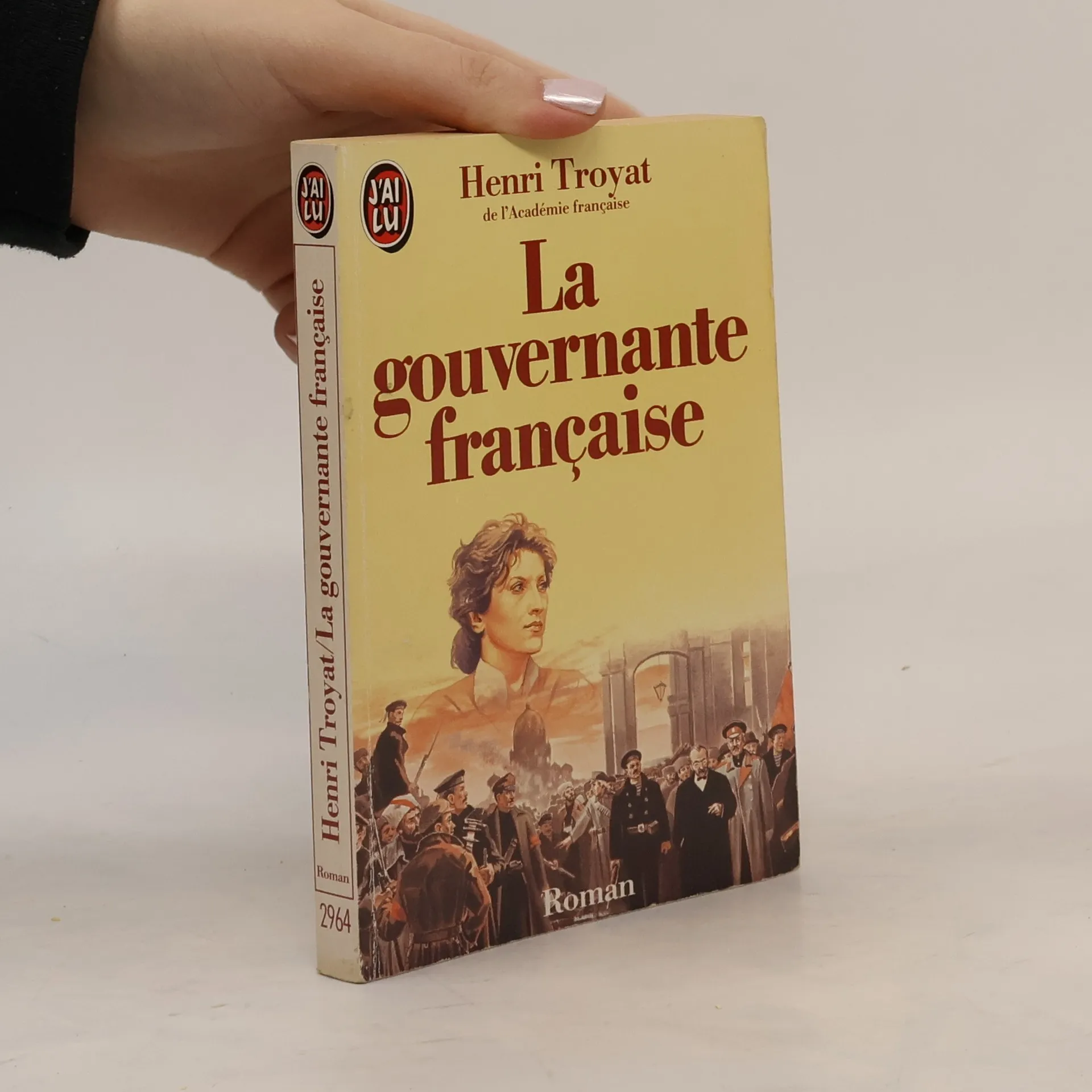
C'est à la veille de la Révolution d'Octobre que Geneviève arrive à Saint-Pétersbourg. Elle a vingt-quatre ans, elle est française, gouvernante des enfants Borissov, et la vie lui semble pleine de promesses. Elle découvre, à travers ses yeux d'étrangère idéaliste, les premiers mois de l'insurrection bolchevique, le dénuement soudain des familles bourgeoises dépossédées de leurs biens, le danger, mais aussi la fougue qui anime les acteurs de ce drame. Geneviève va connaître la passion, la misère, la maladie, la désillusion aussi. Elle va tomber amoureuse de la Russie. Et rien, pas même son retour à Paris, ne pourra plus jamais la détourner de cet amour.
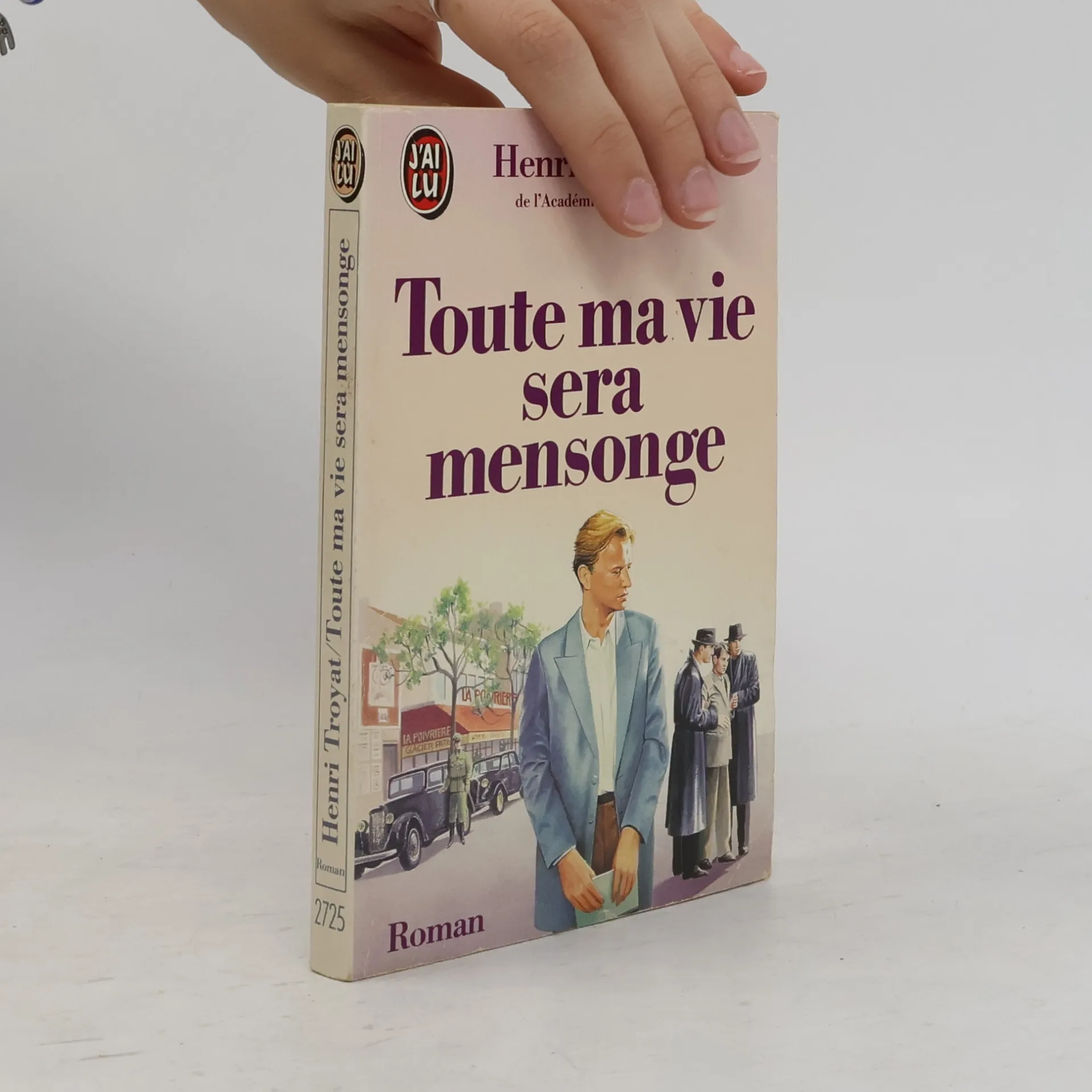
Toute ma vie sera mensonge
- 183 pages
- 7 hours of reading
*** French Book ! ***Très bon état, in12 broché, n°2725 , Auteur : TROYAT, Henri , Titre : Toute ma vie sera mensonge , couverture souple format poche , éditions : J'ai lu de 1990
Igor Dimitrievitch Lébédev habite Paris. Il vit au ralenti, comme tous les vieillards : ses joies sont de menus plaisirs et tout ce qui perturbe ses habitudes le contrarie. Il n'est pas malheureux. Il a deux fils, et Zénaïde Antonovna, sa gouvernante. Bien sûr, ils sont très occupés, mais ils ne le laissent manquer de rien. Bien sûr, Zénaïde est agaçante, mais elle le connaît si bien qu'ils forment un vieux couple. Dehors, on arrache les pavés et on lance des grenades lacrymogènes. Pour Igor Dimitrievitch, c'est l'angoisse, car dans les étudiants de 1968, il croit reconnaître les bolcheviks qu'il a fuis en 1917. Puis le calme revient. Igor Dimitrievitch ferme les yeux, et il se retrouve là-bas, à Moscou. Il revit sa jeunesse, inlassablement, et n'entend plus que le bruit de son cœur, celui de la Russie éternelle.
La femme de David
- 224 pages
- 8 hours of reading
Elle a dix-sept ans ; il en a trente-quatre. Elle est une enfant timide, pas très jolie, mais avec une intelligence précoce et une ardente sensibilité ; lui est un peintre déjà célèbre, assoiffé d'honneurs et entouré d'une cour d'élèves enthousiastes. C'est moins l'attrait physique qu'un arrangement famille qui unit, un jour de mai 1782, la discrète Charlotte Pécoul et l'impétueux Louis David. D'emblée, elle se pelotonne dans son ombre, essaie de le comprendre, l'admire avec une crainte quasi religieuse et se surprend à le juger. À travers le regard d'une épouse aimante, nous découvrons peu à peu la vraie nature de cet homme démesuré dans l'orgueil, la puissance créatrice et la naïveté politique. Emporté par les événements, le couple traverse les tempêtes de la monarchie, de la Révolution, de l'Empire, de la Restauration, des Cent-Jours... Quel que soit le régime, Louis David est sur la brèche. Il se compromet avec une ivresse qui tantôt indigne Charlotte et tantôt la terrorise. Plus raisonnable et plus intuitive que lui, elle voudrait le sauver des périls vers lesquels il court, la tête en feu. Mais n'est-ce pas justement cette imprudence qui le stimule dans son travail de peintre ? Sous la forme d'une confession écrite à la première personne par la femme de David, ce roman pose tragiquement le problème des rapports de l'artiste avec le pouvoir.
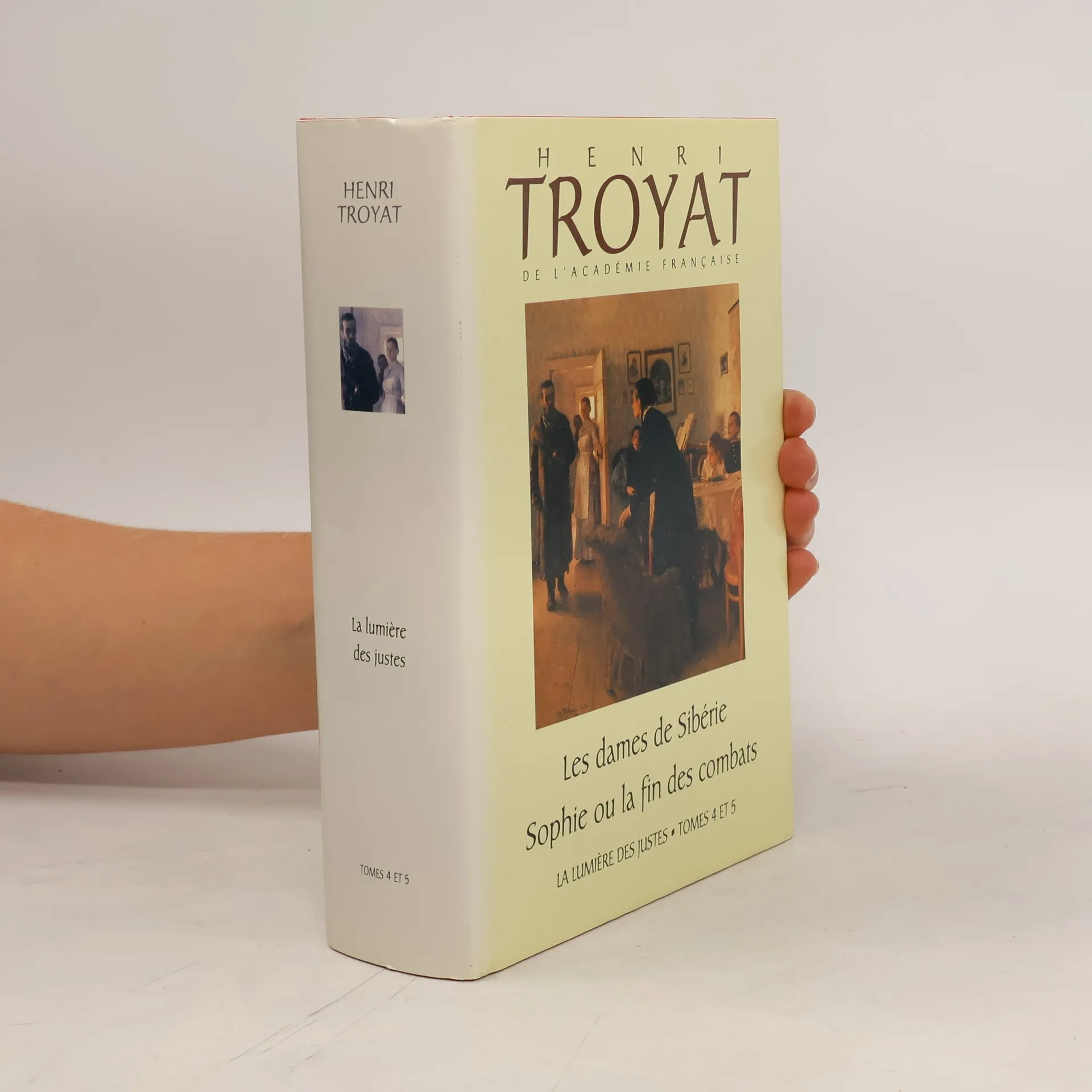
Les Dames de Sibérie
- 377 pages
- 14 hours of reading
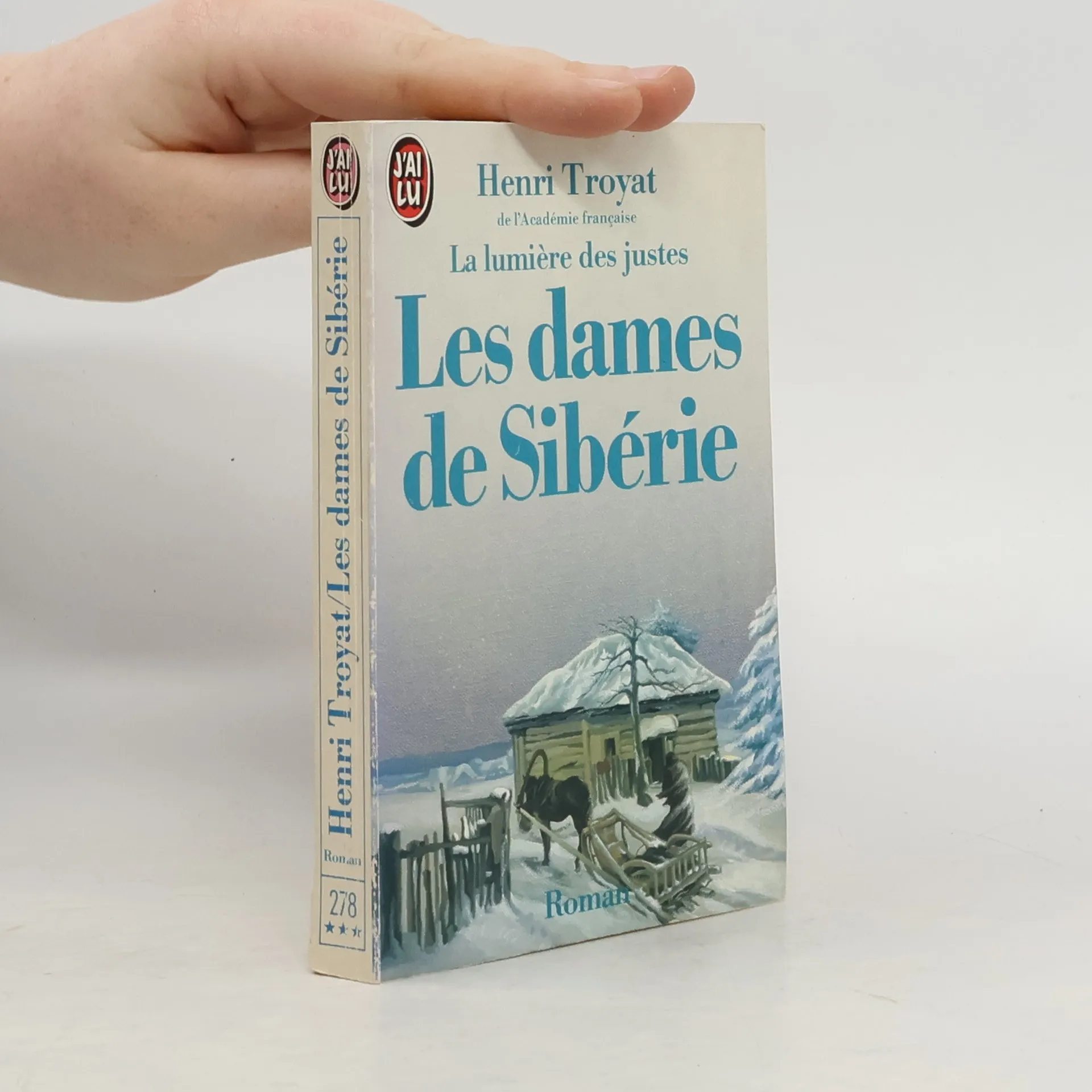
Un élan humain ardent, et une complexité d'une relation émotionnelle qui se cache derrière les murs de l'amour et de la fidélité conjugale, déclenche des énergies de défi pour traverser les déserts de l'éloignement et de l'exil, ainsi que la colère de la nature et de l'homme, laissant l'horizon ouvert à l'exploration d'un monde vaste où se manifestent la vertu, la fidélité et le défi à travers une femme qui nous entraîne aux confins de l'émerveillement et allume en nous la flamme de l'humanité sacrée.
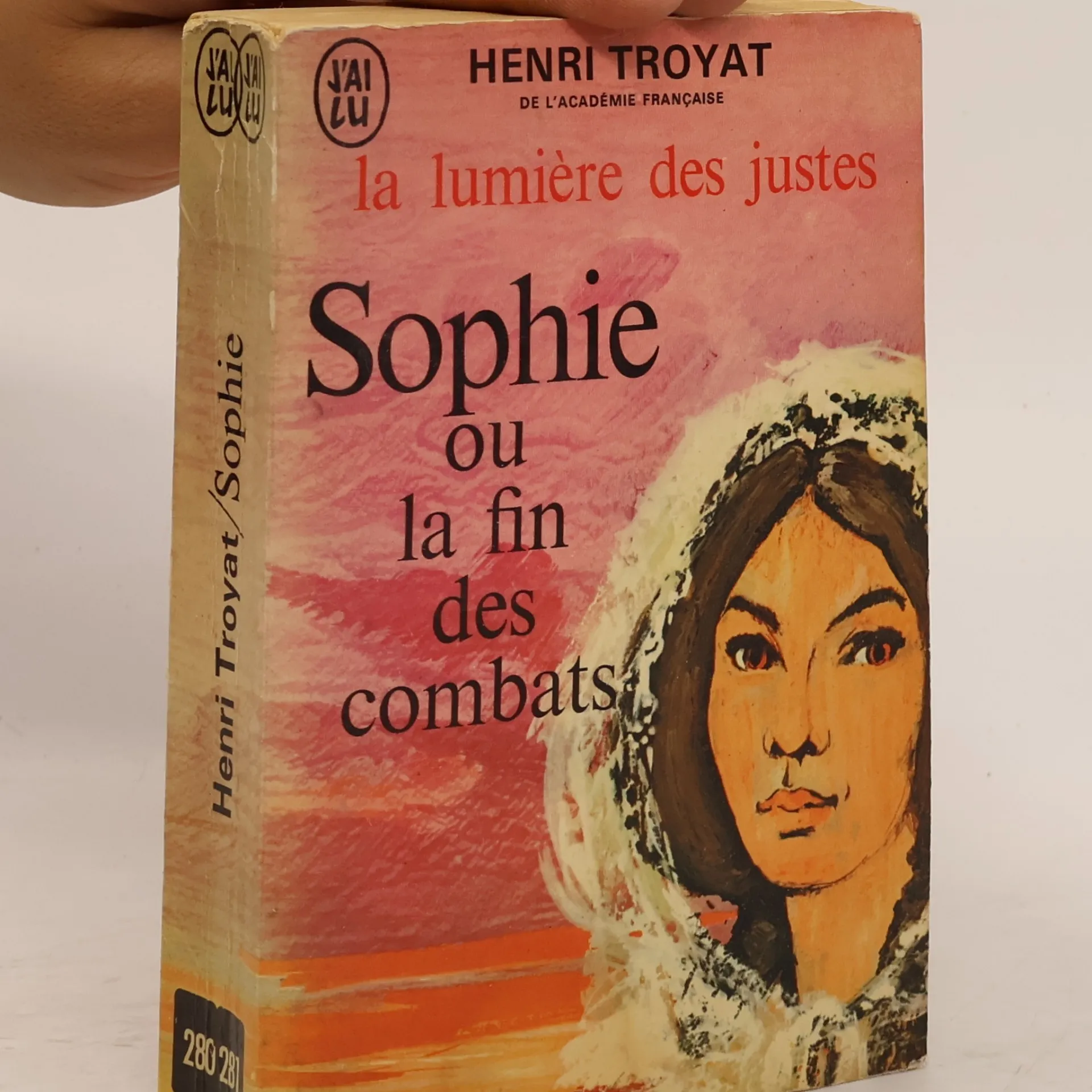
376pages. poche. broché. jamais je n'oublierai ce que vous avez été pour moi. si je continue à travailler, à vivre, ce sera pour me montrer digne de votre confiance. que va-t-il vous arriver, loin de moi ? dieu vous garde! je prierai pour vous. il y a un grand vide dans mon existence! adieu, adieu, sophie! vingt-cinq ans après la révolte des décembristes et son exil en sibérie, sophie est graciée par le tsar. mais au prix de quels drames, passés et à venir ? pour elle, le retour tant attendu en russie, puis en france, n'est désormais plus qu'un long voyage empreint de nostalgie. bouleversant plaidoyer pour la tolérance et l'amour, ce dernier volet de la lumière des justes fait aussi l'amer constat des illusions perdues et nous montre, à travers le regard d'une vieille femme, la vanité des conflits armés.
Youri
- 154 pages
- 6 hours of reading
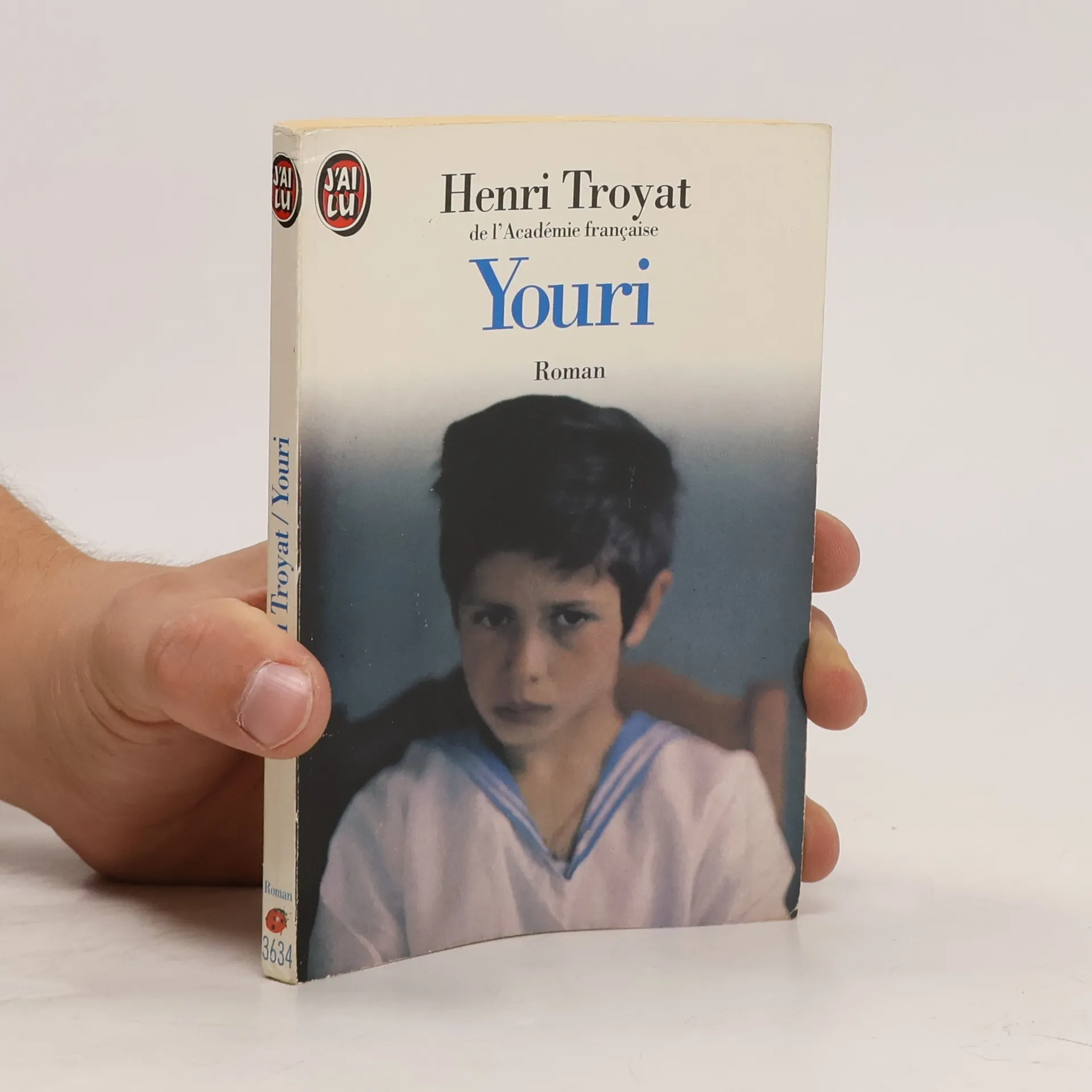
1917, la révolution couve à Moscou et à Petrograd. Indifférents à cette agitation, Youri et Sonia grandissent ensemble dans le vaste domaine des Samoïlov. Il est le fils de la famille, elle est la fille d'une domestique. Brusquement le drame éclate : la vague bolchevique qui déferle contraint les deux enfants et leurs mères à la fuite. C'est alors l'interminable exode en wagons à bestiaux ; c'est l'inconfort et la faim, la peur et la clandestinité. Tandis que l'ancienne Russie s'effondre, Youri et Sonia ont l'impression d'être en vacances. Tout est neuf, inattendu, tout est permis. Insensibles au mouvement du monde, sourds aux propos des adultes, leur affaire, ce n'est pas la guerre civile, l'argent, les soubresauts politiques, le ravitaillement....Le pays entier vit un cataclysme sanglant, eux vivent un amour puéril et farouche.
Les turbulences d'une grande famille
- 280 pages
- 10 hours of reading
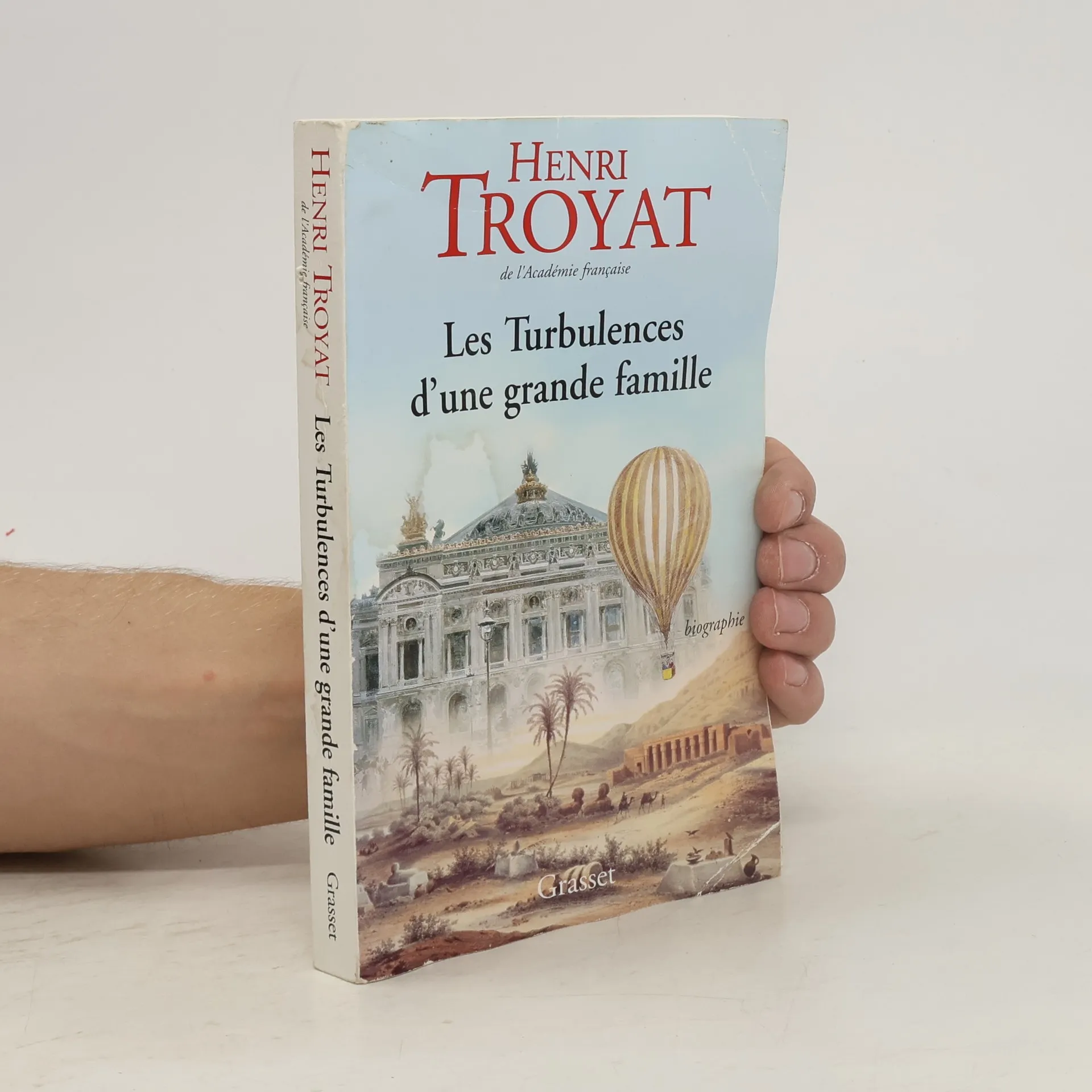
Comment le krach de l'Union générale, à Paris, en 1882, ruina des milliers de petits porteurs et enrichit à millions l'industriel Jules Lebaudy. Comment sa femme, Amicie, ne se remit jamais de ce "fabuleux coup de Bourse"... Comment, à la mort du scandaleux bénéficiaire de l'opération, Amicie, qui l'avait pris en haine, se trouva, avec ses enfants, à la tête d'une des plus grosses fortunes de France et se transforma, par horreur de l'argent, en fausse pauvresse et en philanthrope despotique... Comment ses fils, la bride sur le cou, se lancèrent dans les plus folles aventures jusqu'à vouloir, l'un, conquérir le ciel avec des dirigeables et, l'autre, régner en empereur sur les sables du Sahara... Ce sont ces turbulences d'une grande famille qu'Henri Troyat évoque dans une biographie multiforme et atypique dont les péripéties tiennent à la fois du roman picaresque, de l'étude psychologique et du document d'histoire contemporaine. [Source : 4e de couv.]
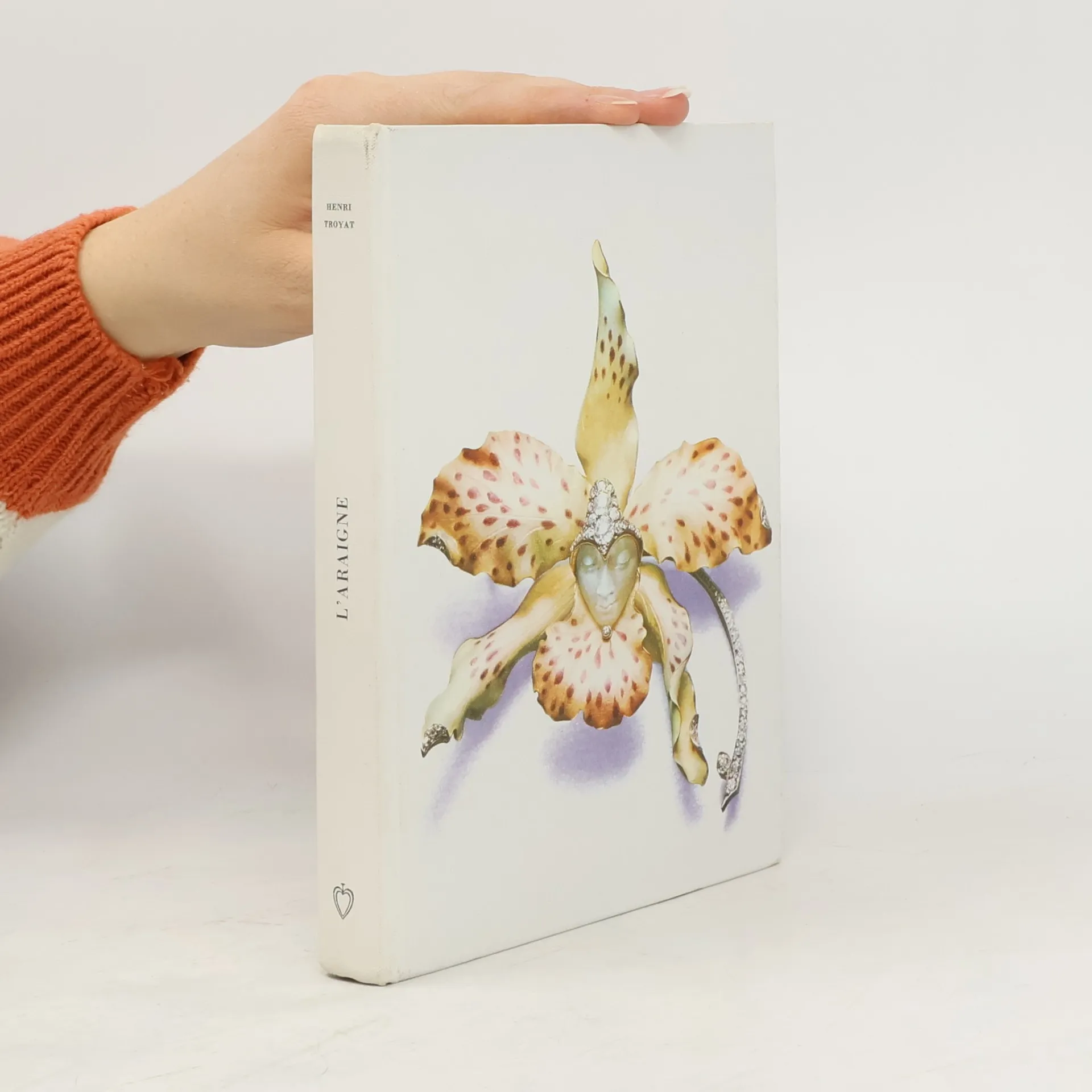
1938. Un appartement bourgeois, place des Vosges. Gérard Fonsèque y vit avec sa mère et ses trois sœurs. Jeune homme maladif, il reste confiné dans sa chambre où il compte écrire un essai philosophique qui, bien sûr, sera le chef-d’œuvre du siècle... En fait, il se complaît dans un délire hypocondriaque et exerce une subtile tyrannie sur ces quatre femmes qui sont tout son univers. De toutes les forces de son amour, de son égoïsme et de sa jalousie, il refuse que ses sœurs se marient et utilise les ressources d'une imagination destructrice pour briser leur bonheur et les garder près de lui. En vain : peu à peu il voit sa propre vie s'effilocher et sera finalement victime de la toile qu'il a patiemment tissée. Dans cet oppressant huis clos, Henri Troyat oppose, avec un art subtil, la banalité des détails à la violence des sentiments, la monotonie de la vie quotidienne à l'exaltation des héros qui tentent désespérément de s'en délivrer. Un très grand roman, qui n'a pas pris une ride.
Im Dezember 1825 in Sankt Petersburg versucht Nicolas Ozareff mit seinen Freunden, einer Gruppe von Aristokraten und großzügigen Militärs, das autokratische Regime zu stürzen und eine liberale Verfassung einzuführen. Versammelt auf dem Senatsplatz werden die "Dezembristen" von den Kanonen des zukünftigen Zaren Nikolaus I. dezimiert. Die Überlebenden, in die Kerker der Peter-und-Paul-Festung geworfen, werden hingerichtet oder nach Sibirien deportiert. Wie wird Sophie, die gerade von der Untreue ihres Mannes erfahren hat, auf die Nachricht von der Gefahr reagieren, die ihm droht?
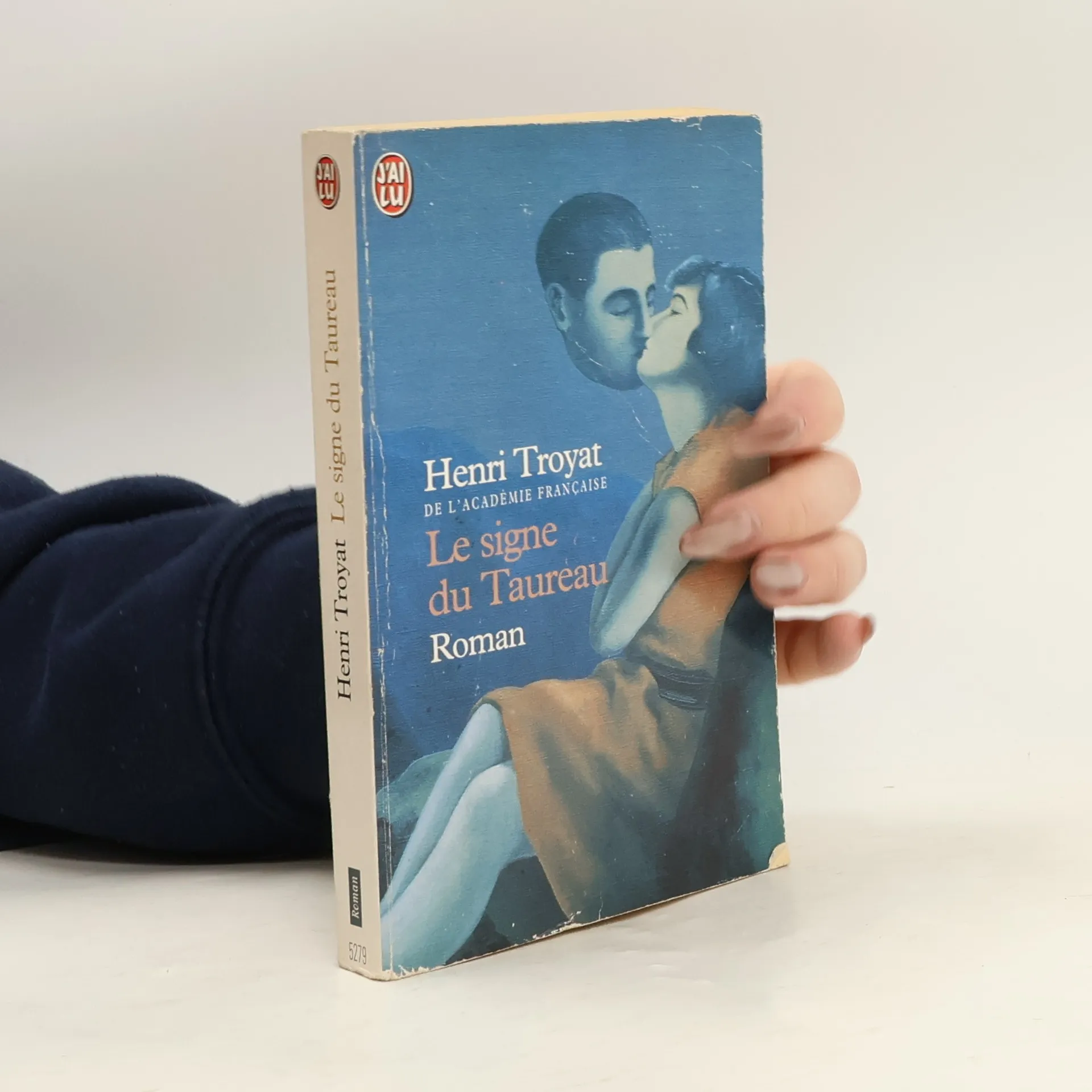
Le signe du Taureau
- 348 pages
- 13 hours of reading
349pages. poche. Poche. Cette enveloppe l'intrigua d'abord. La lettre avait été envoyée à une très ancienne adresse. L'écriture lui parut une écriture moite, onduleuse, élégante, une écriture de femme. Mais, tondis qu'il palpait ce paquet léger, tondis qu'il interrogeait ces traces d'encre bleue, un souvenir lointain s'imposait à sa mémoire. (. ) Tout ce qui lui rappelait son adolescence pauvre et hasardeuse lui était odieux. Un événement inattendu va troubler le ciel serein de Germain Laugier. Edith, son premier amour, est de retour. Après quinze ans de silence, elle lui écrit, faisant ressurgir le passé, l'artiste qu'il voulait devenir, les années de bohème. Et, surtout, ce chagrin qu'il s'est efforcé d'oublier.
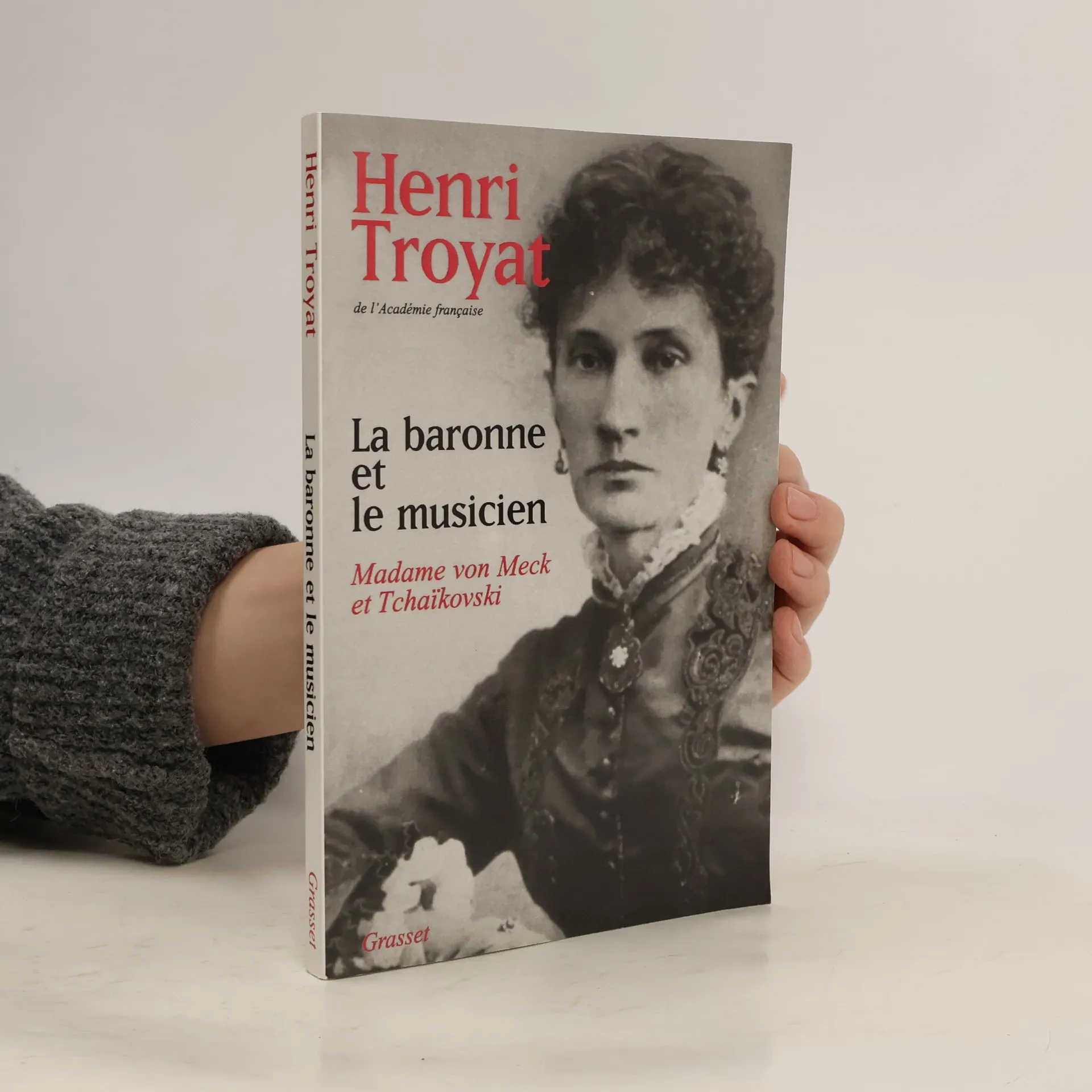
Russie, XIX siècle. La baronne von Mek, riche veuve et mère de onze enfants, tombe amoureuse du séduisant Tchaïkovski ou plutôt... de sa musique. Pour lui permettre de se consacrer entièrement à son art, elle lui propose une rente mensuelle à une seule condition : ne jamais se rencontrer. L'accord est établi. Pendant quatorze ans, l'aristocrate soutient Tchaïkovski financièrement, tandis qu'une abondante correspondance s'échange entre eux, où le créateur exprime ses visions sur la musique, la littérature, la religion, l'histoire, la politique... Au moment où elle sent que son amour est dicté par un intérêt matériel pur et qu'il a même d'autres passions douteuses, les lettres et le « parrainage » cessent. Avec son talent d'écrivain, Henri Troyat explore cette étrange relation - d'une part, la fascinante madame von Mek, qui prétend jouer le rôle de mécène et d'amateur éclairé, souvent sujette à des accès d'immodération, et d'autre part, l'immense monde intérieur et la personnalité spirituelle du génie.
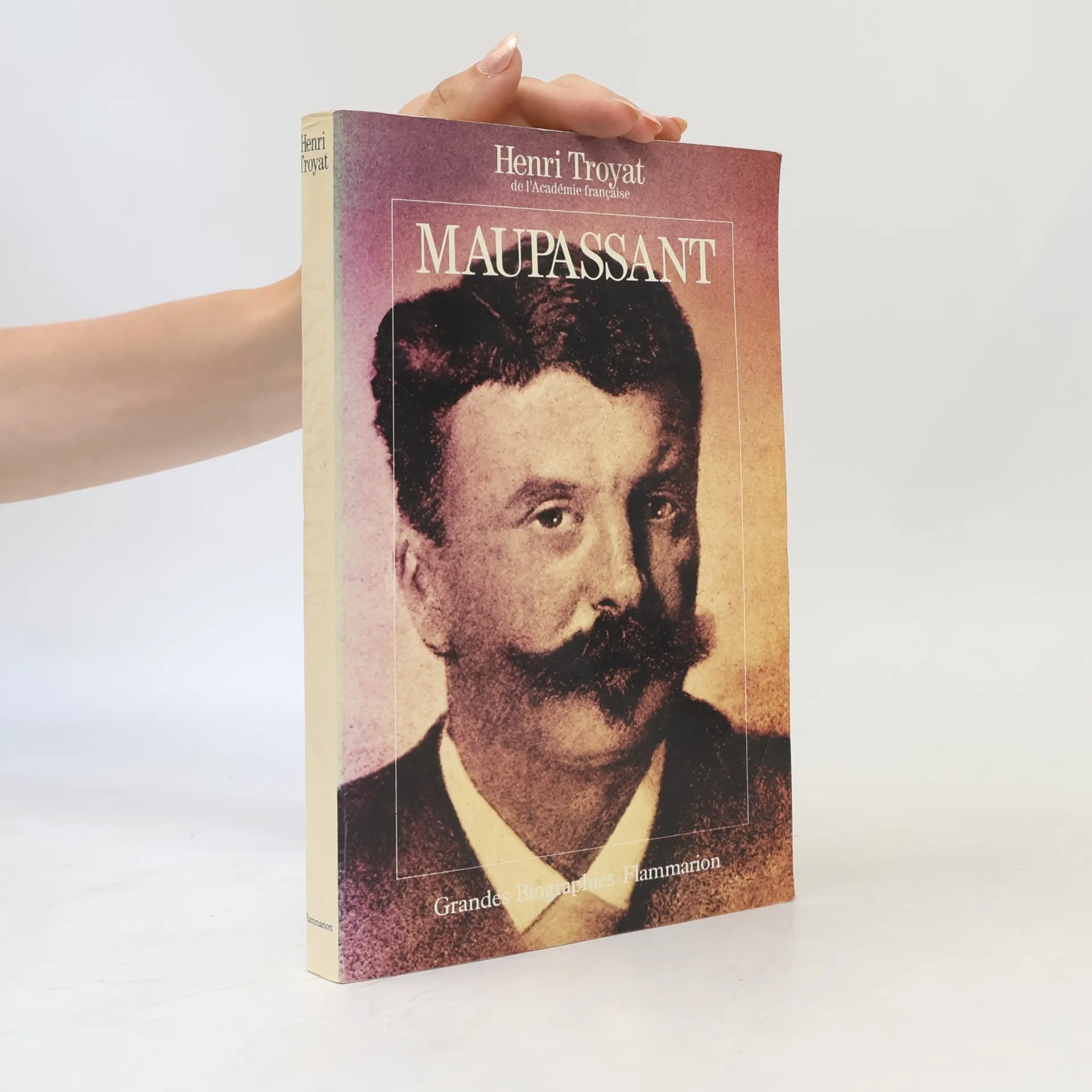
Maupassant
- 286 pages
- 11 hours of reading
La vida meteórica de Guy de Maupassant es, tal vez, más apasionante, más novelesca, más llamativa que su propia obra. Individuo petulante y enérgico, Maupassant es el prototipo de cierto escritor orgiástico, vigoroso: un bon vivant del fin de siecle que, por añadidura, tiene consigo el pródigo don de la palabra, el apabullante poderío de la pluma. Su vida es una carrera contra el tiempo en la que el titanismo del cuerpo y del espíritu se expresa por todos los medios y en todos los órdenes de la experiencia: en la práctica del remo o de la gimnasia; en la seducción o en la gastronomía; en el velerismo o en la especulación financiera; y, por supuesto, en la escritura. Una declinación dolorosa y violenta pone punto final a tan avasallante trayectoria. De esta existencia prometeica, Troyat nos brinda un relato ágil, lleno de detalles picantes y tenebrosos, de revelaciones sorprendentes. Escribir la biografía de alguien como Maupassant no podía sino desembocar en una novela y tal es, sin más, el resultado fascinante del presente libro.
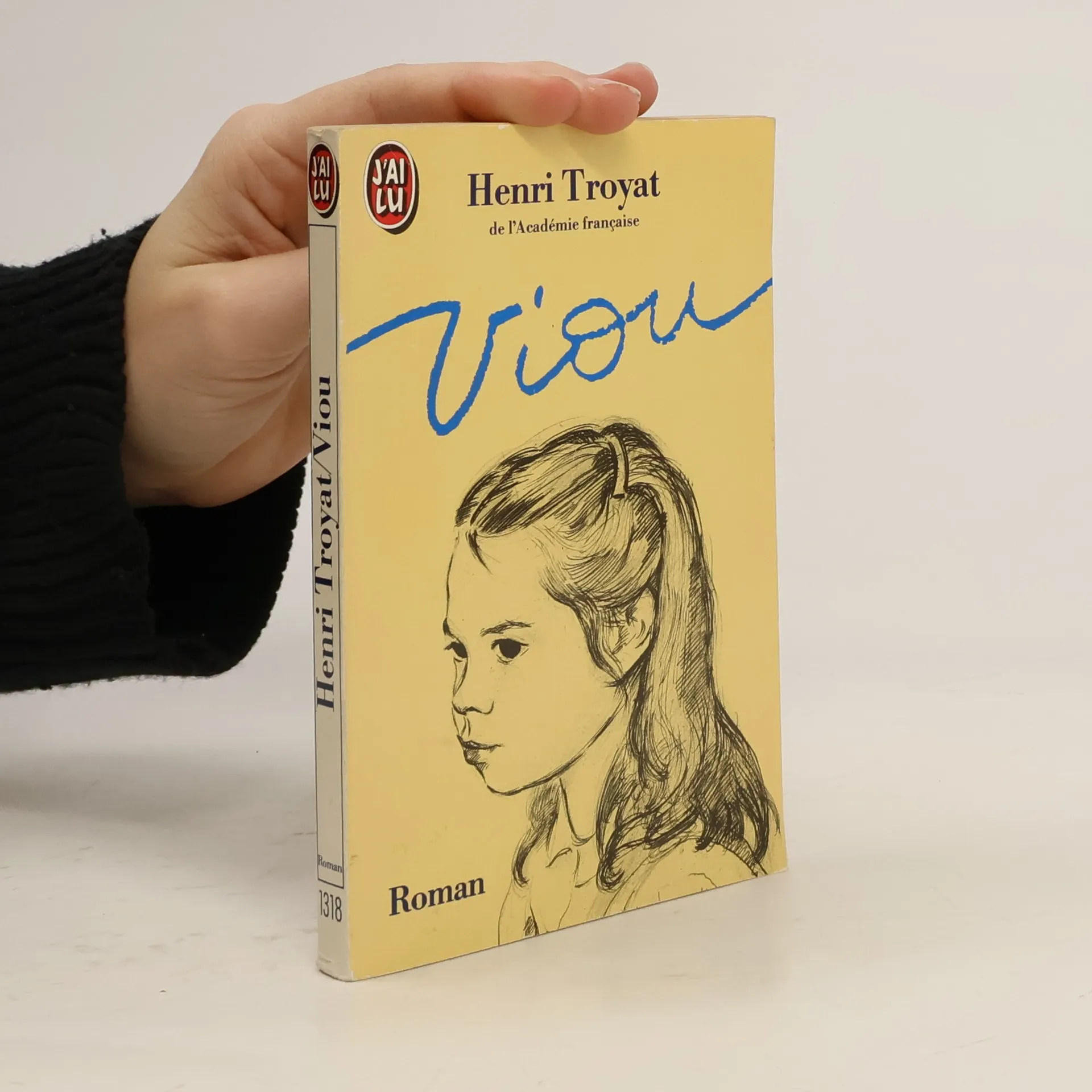
A huit ans, Viou - de son vrai nom Sylvie - fait déjà l'apprentissage de la vie. Elle voudrait tout aimer, tout partager, mais le monde des adultes est si étrange, si effrayant, parfois. Dans cette silencieuse maison du Puy, elle grandit entre des grands-parents qui l'aiment, mais répondent mal à ses peines, à ses questions angoissées. C'est que l'ombre de deux absents enveloppe la petite fille... Son père est mort dans les combats de la Libération, deux ans auparavant Et le choc fut tel pour Viou, qu'il ne lui reste que quelques images brouillées, brisées. Sa mère très chérie vit à Paris. Mais comment lui dire, avec ses mots d'enfant, à quel point elle lui manque ?
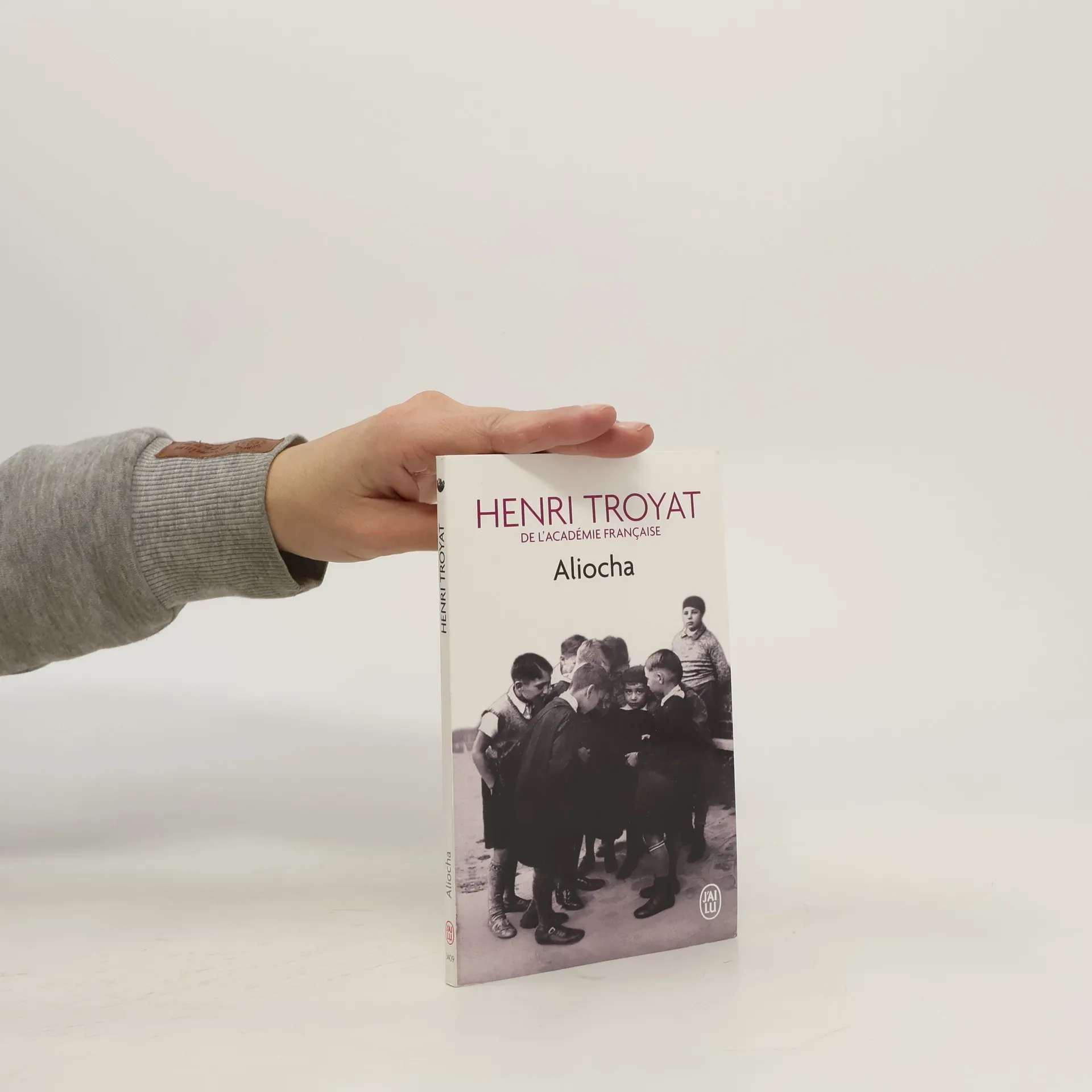
1924. Aliocha, élève au lycée Pasteur de Neuilly-sur-Seine, a le sentiment d'appartenir à une race à part : les immigrés. Il est le sale petit étranger, dont le nom est écorché parles railleries de ses camarades. Etranger aussi aux yeux de ses parents, car sa volonté d'intégration est un affront à leur obsession, retourner en Russie. Récit en grande partie autobiographique, Aliocha nous dévoile l'itinéraire touchant d'un adolescent apatride qui trouvera dans l'amitié et l'étude le courage de s'épanouir.
Rasputine
- 212 pages
- 8 hours of reading
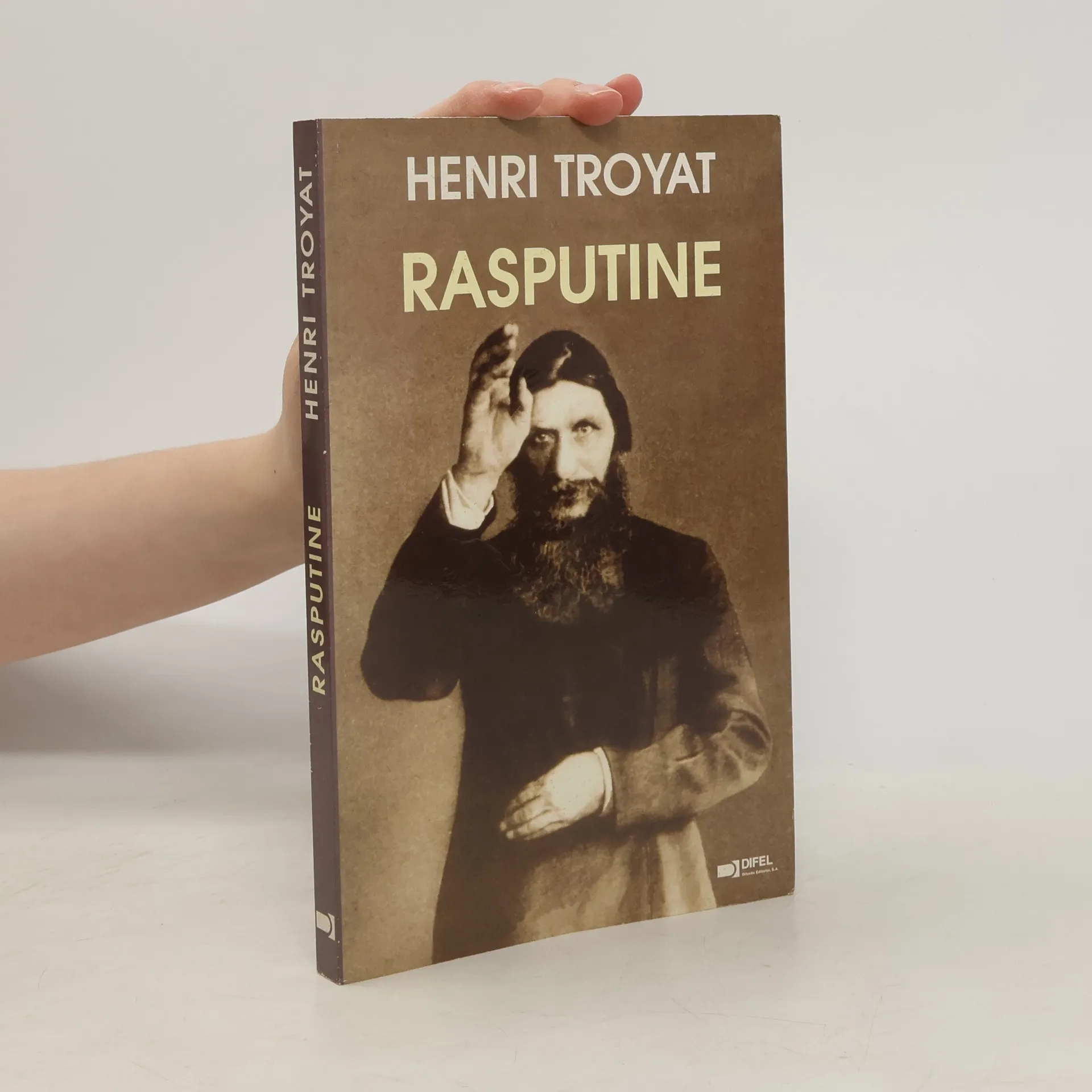
Nascido no final do século XIX numa obscura aldeia da Sibéria, Gregório Rasputine surge, na sua juventude, como um mugique semianalfabeto, dado à bebida e às mulheres, mas igualmente atraído pelos segredos da religião. Dotado de um magnetismo incontestável, começa por fascinar e seduzir camponesas e, depois, explorando esse dom, volta-se para os honoráveis membros da Igreja Ortodoxa que descobrem nele um exemplo vivo da simples e sã sabedoria popular, ajudando-o a introduzir-se na melhor sociedade de São Petersburgo, chegando até aos Czares. Quando eclode a guerra, em 1914, o ódio ao “mugique impostor” congrega, em torno do casal imperial, todos aqueles que receiam ver um charlatão a dirigir sub-repticiamente os destinos da pátria. De conspiração em conspiração, o atroz assassinato de Rasputine, em 1916, precipita a queda do Império dando razão à sua profecia que, se morresse ou fosse abandonado, a família real perderia a coroa e o príncipe herdeiro em seis meses. Os Romanov só lhe sobreviveriam um ano e meio. Raramente um homem vindo de tão baixo terá subido tão alto. Raramente um desvio da fé terá engendrado tão grandes convulsões políticas. Raramente o mistério da alma russa, com os seus excessos e as suas contradições, se terá visto tão profundamente incarnado num indivíduo. Disporia Rasputine de uma das chaves mais seguras para compreender a Rússia?
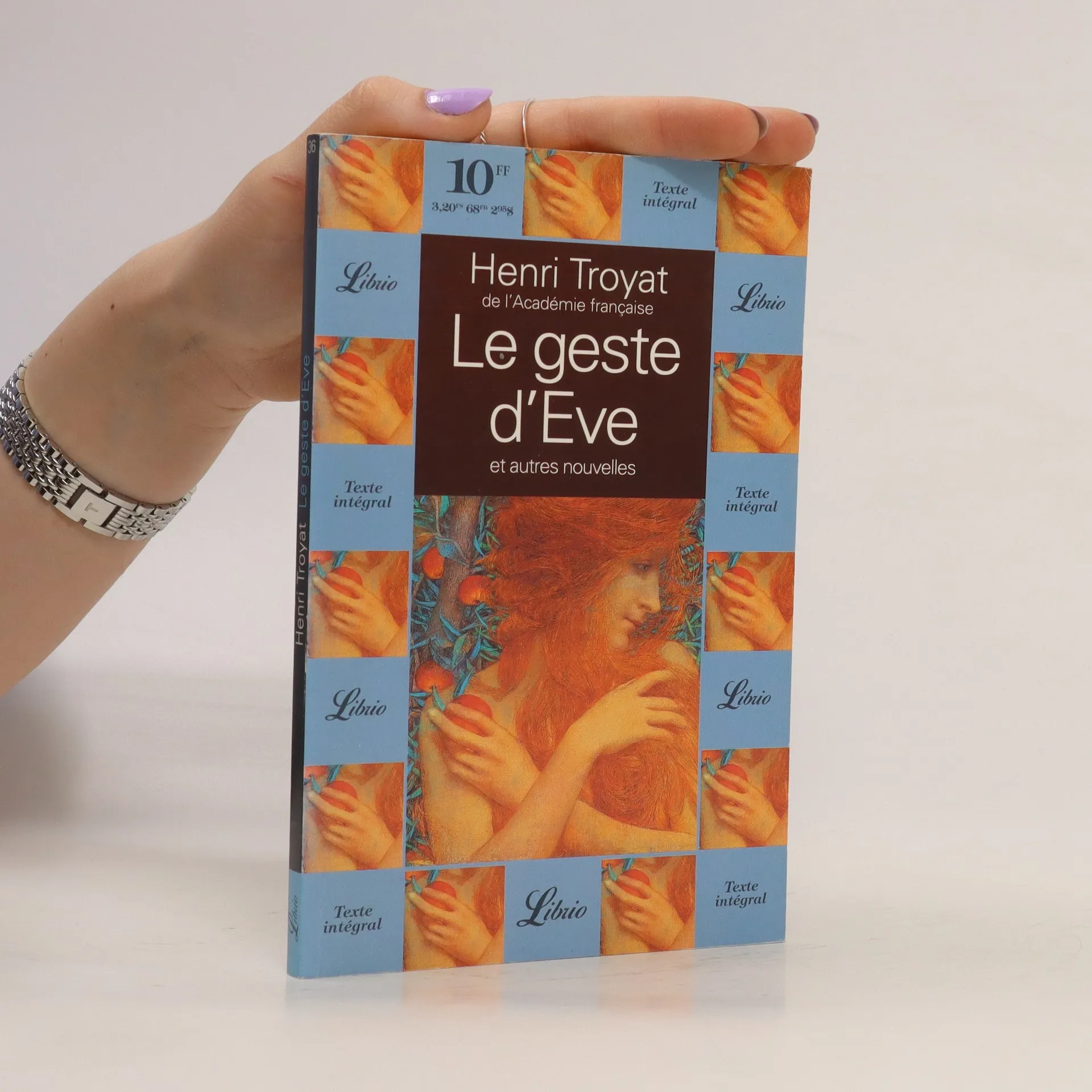
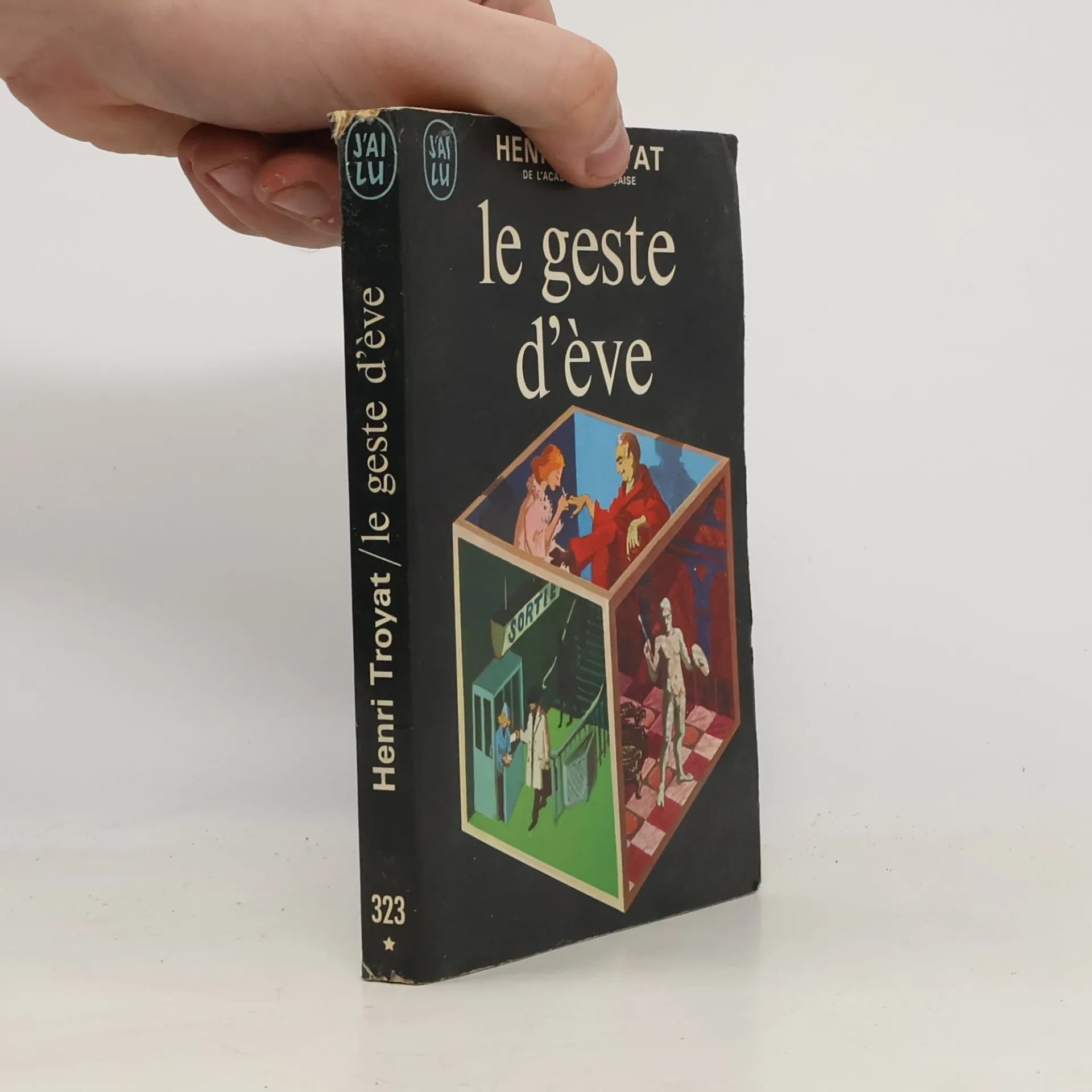
Ce sont tous de doux dingues. Ce P.D.G. qui, sur un coup de poinçon, tombe amoureux fou d'une jeune employée du métro dont le prénom est Eve. Cet obsédé du faux marbre qui, sous la caresse de son pinceau, se pétrifie, donnant corps à son idée fixe. Cet homme qui achète des couronnes mortuaires pour tous les membres mâles de sa famille... Sans compter le diable qui a ses coquetteries et se fait limer les ongles tous les deux jours ! Peuplées de personnages insolites, ces nouvelles sont tout à la fois drôles, étranges et délicieuses...
Viou
- 192 pages
- 7 hours of reading
Sylvie eut l'impression qu'elle allait, d'un coup de jarret, s'élever à quelques mètres au-dessus du sol. De toute la classe, c'était elle qui courait le plus vite. Cependant, nul dans la famille ne semblait prendre garde à ce talent exceptionnel. Inexplicablement, les grandes personnes, quand elles s'occupaient des enfants, n'accordaient d'importance qu'à leurs études. " Dans l'immédiat après-guerre, Viou est confiée à ses grands-parents paternels. Sa mère est partie pour Paris où elle tente de reconstruire sa vie, une séparation plus difficile encore à supporter pour Viou que la mort de son père. Un roman d'apprentissage qui dit, avec justesse et émotion, les inquiétudes, les espérances et les peines d'une enfant qui découvre le monde des adultes.
" Comment était-ce arrivé ? Quelles puissances obscures avaient conduit ces destins jusqu'à l'endroit prévu de toute éternité pour leur naufrage ? Pourquoi Dieu avait-il voulu que ces hommes et ces femmes, partis des Indes, périssent sur la plus haute cime d'un pays qui leur était étranger ? " Un avion s'écrase sur un pic neigeux et voilà que Marcellin entreprend le projet fou de l'escalader pour piller l'épave. Un grave accident de montagne a conduit Isaïe, son frère, à abandonner son métier de guide. Depuis, les deux jeunes hommes mènent une existence austère dans un hameau, loin des plaisirs de la ville. Mais la cargaison et les bagages des passagers deviennent une promesse de richesses... La montagne, de nouveau porteuse de mort, exacerbera les sentiments des deux frères et les leur dévoilera. Isaïe Vaudagne et son frère Marcellin vivent chichement au hameau des Vieux-Garçons. A la suite d'un grave accident de montagne, Isaïe a dû abandonner le métier de guide. Marcellin ne supporte plus leur vie austère, le manque d'argent, d'être loin des plaisirs de la ville. Lorsqu'un avion s'écrase sur un sommet proche, Marcellin conçoit l'idée folle de monter là-haut pour piller l'épave, avec Isaïe...
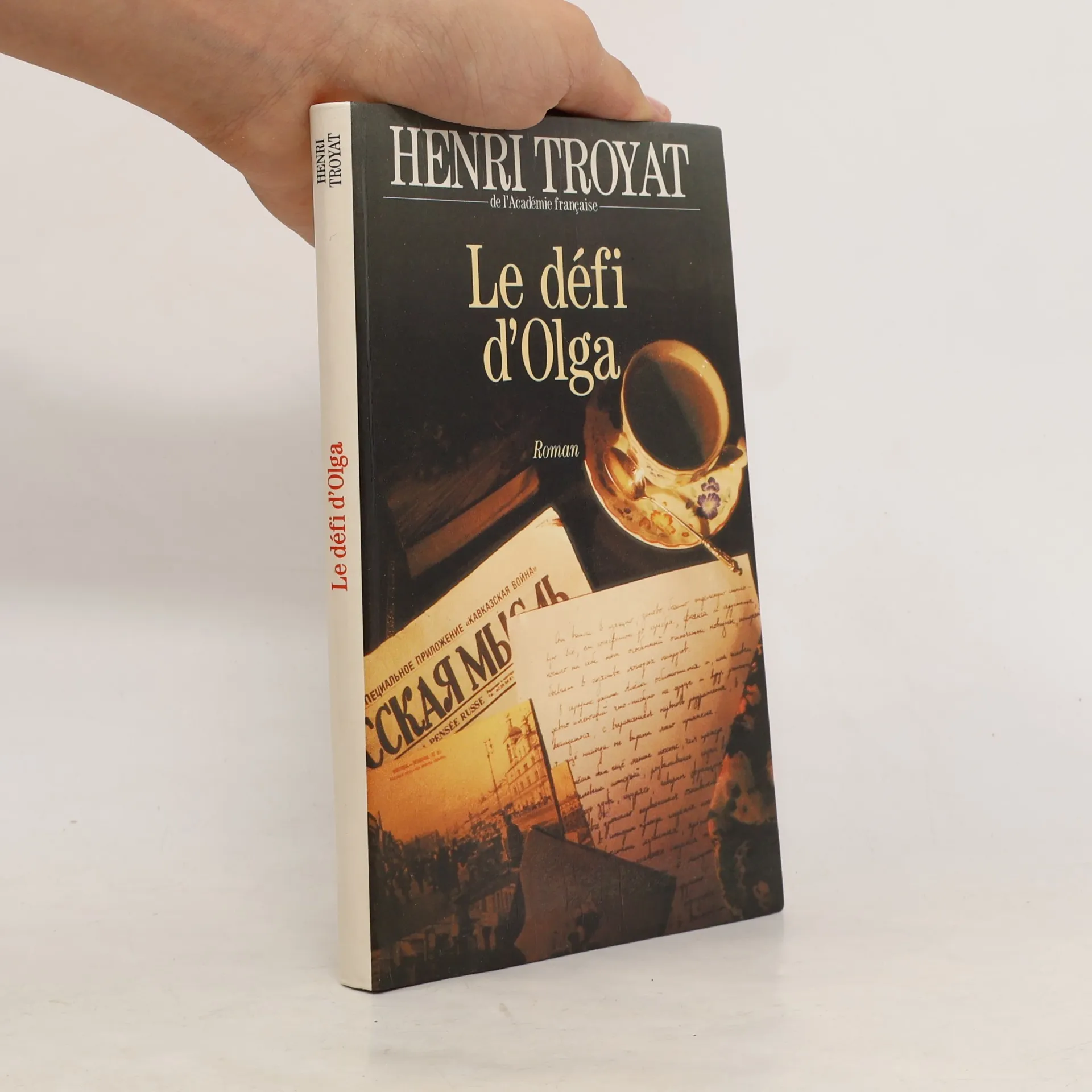
Olga Kourganova, veuve de quatre-vingts ans, vit à Paris, enfermée dans le souvenir factice de la Russie des tsars, qu'elle a quittée encore enfant. Murée dans sa fermeté patriotique et dans sa nostalgie, elle est aujourd'hui affublée d'un fils quinquagénaire, mais infantile, subitement lâché, quand commence le roman, par ses deux amours : Caroline, dont il a divorcé plusieurs années auparavant, et Viviane, sa maîtresse. Les deux femmes ont en effet noué une amitié suspecte autant qu'inattendue, et viennent de décider de s'installer ensemble, contraignant Boris à retourner ronronner dans le giron maternel. Olga se sent renaître : ravie de remettre la main sur son "vieux rejeton", elle se voit de surcroît offrir par un traducteur russe, aux allures pittoresques, la publication en français de ses souvenirs de pensionnat. D'abord méfiante, elle finira par accepter cette occasion de connaître une gloire tardive, et commencera sa carrière d'écrivain par une prestation magistrale sur le plateau de l'émission littéraire Paragraphes... À partir de ce moment, sa gratitude envers la France, qui l'a adoptée et reconnue, contrebalancera chez elle l'appel d'un passé illusoire. La nécessité de renouveler son inspiration et le démantèlement de l'URSS communiste décideront-ils Olga à faire le voyage vers le pays natal ?
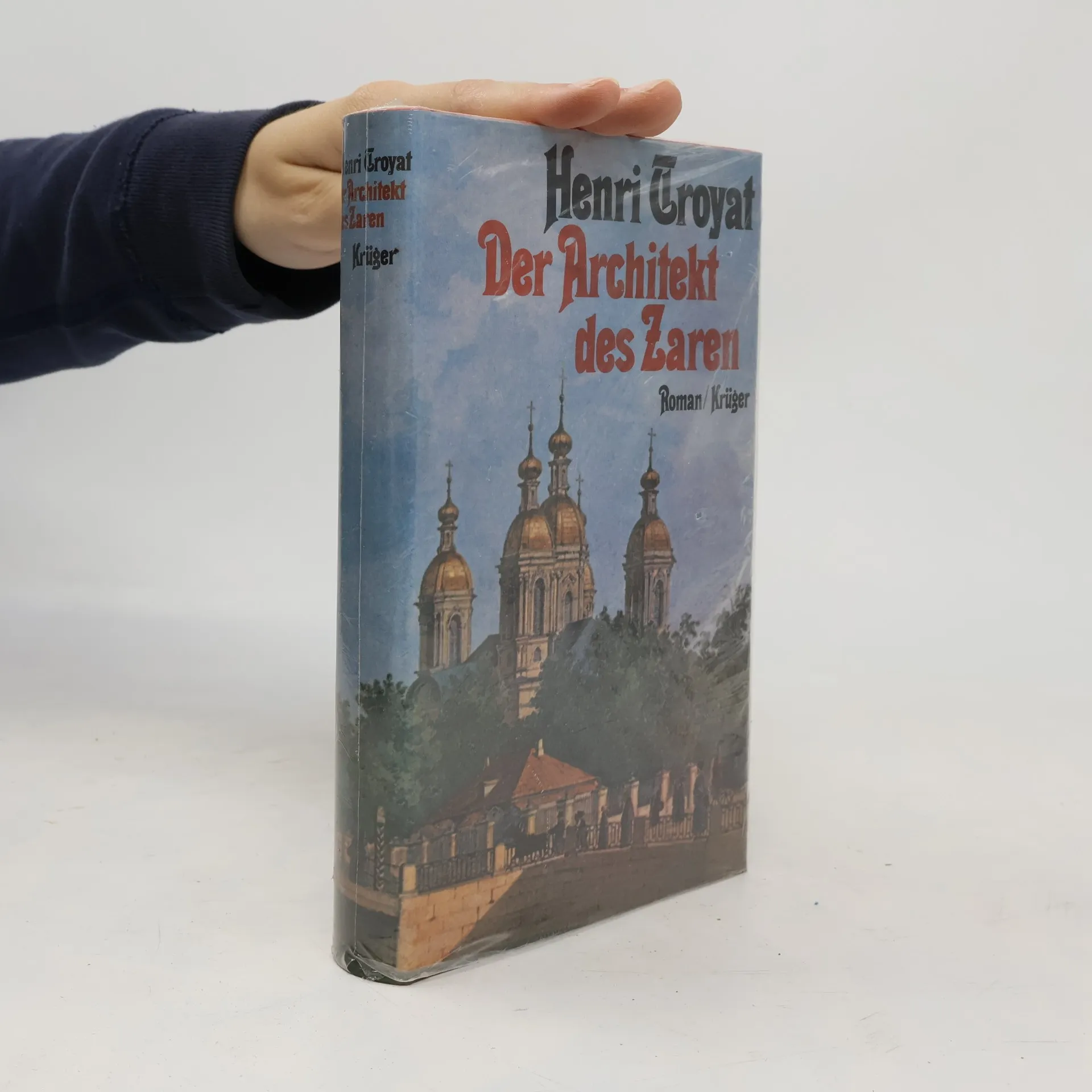
Der Architekt des Zaren
- 8 pages
- 1 hour of reading
Marguerite, vieille demoiselle originale, habite un vieil appartement parisien avec son amie Germaine qui tient les rènes du gouvernement. Arrive un jeune homme qui avec maestria évince Germaine...
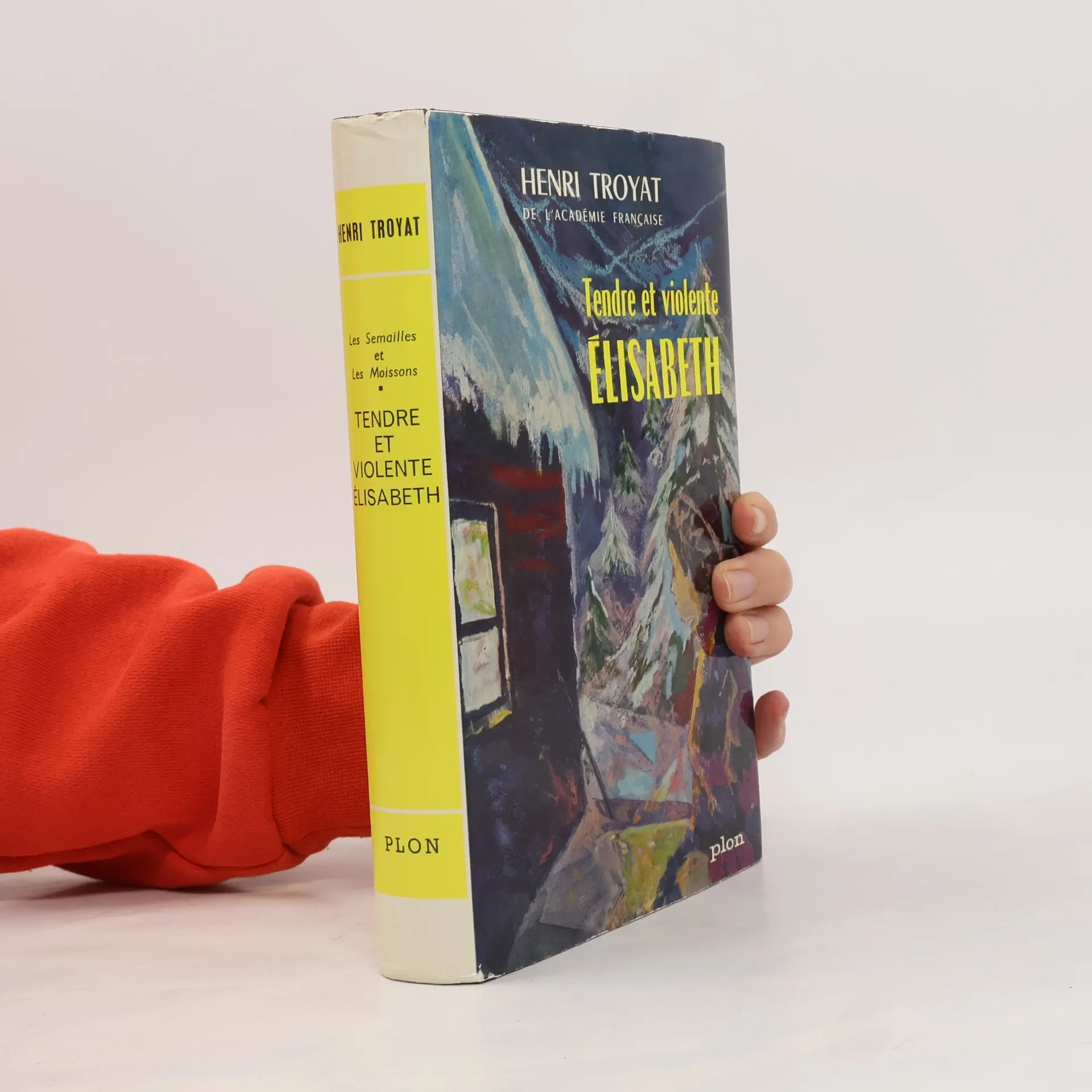
À dix-neuf ans, Élisabeth est toute de grâce impertinente et d'humeur libre et joyeuse. Ses parents, les amoureux des "Semailles et les moissons", ont vendu leur café du boulevard Rochechouart pour acheter un hôtel à Mégève. Dans ce décor de vacances, c'est un va-et-vient de clients toujours changeants, toujours les mêmes. Ils témoignent à Élisabeth une admiration qui la flatte, mais elle refuse de se laisser entraîner dans une banale aventure saisonnière.Sûre d'être à l'abri des surprises sentimentales, elle n'en est que plus bouleversée lorsque surgit l'inquiétante figure de Christian.Jamais Troyat ne s'est montré aussi puissant que dans la peinture de cette jeune femme comblée puis accablée par le destin qu'elle a choisi.
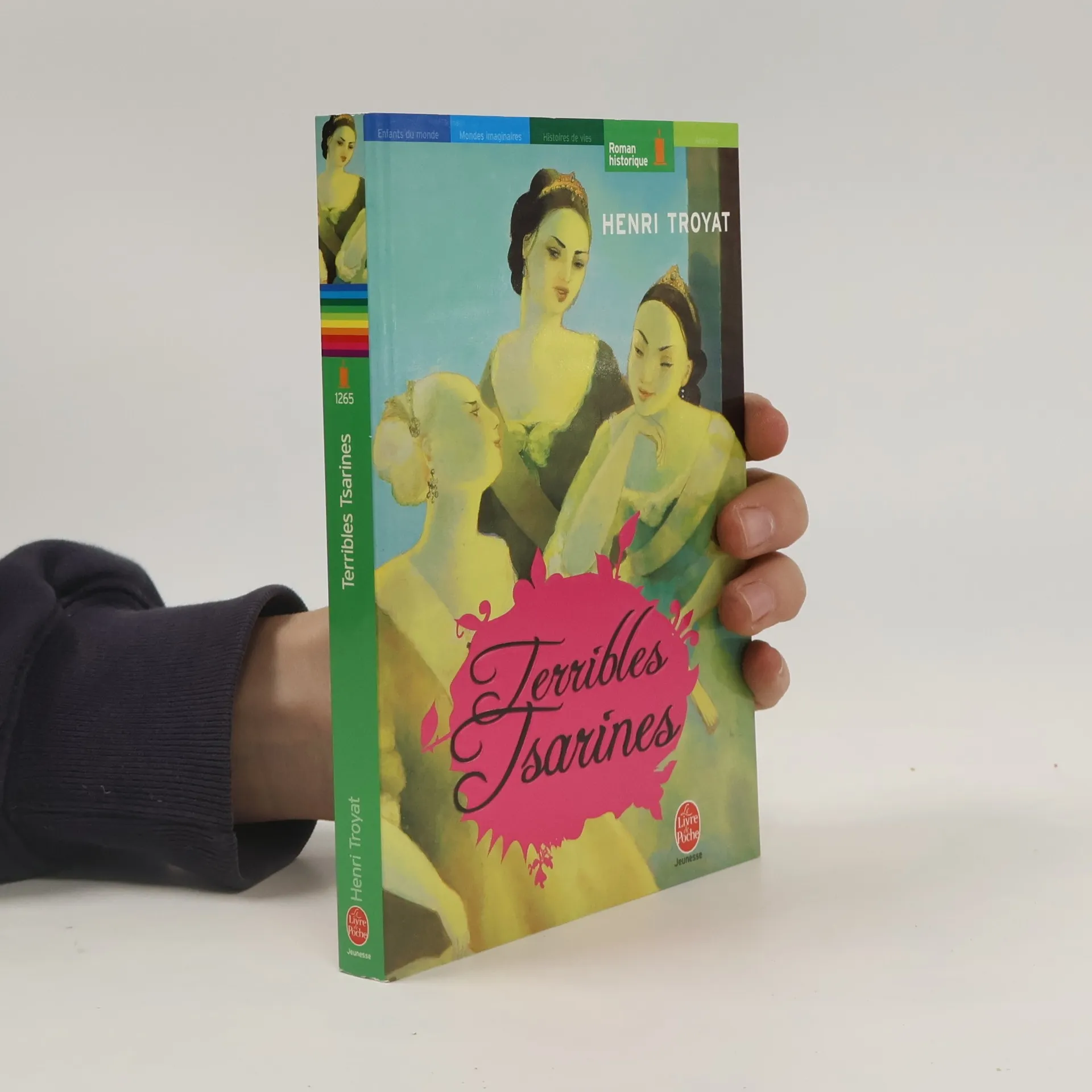
Terribles tsarines
- 256 pages
- 9 hours of reading
Qui remplacera Pierre le Grand ? A la mort du Tsar en 1725, toute la Russie s'interroge. Trois impératrices et une régente se succéderont et tiendront l'empire pendant trente-sept ans. Catherine Ire, Anna Ivanovna, Elisabeth Ire, Anna Leopoldovna : chacune imposera son caractère, ses amours et ses cruautés...
Mientras la tierra exista...
Tomo segundo
Il y a les amitiés de l'adolescence, et les premières amours, et le goût violent du plaisir, et l'enchaînement inéluctable des désillusions, des compromissions, des habitudes. Et puis, vingt ans plus tard, il y a deux anciens amis qui se retrouvent, se regardent et se reconnaissent à peine sous le nouveau visage que la vie leur a modelé. Et puis, il y a une femme ; et les jeux de la mémoire et de la séduction ; la tentation brûlante de mêler le présent au passé ; le pari insensé de revenir en arrière, de reprendre l'existence au carrefour de la vingtième année, de changer de voie... L'amour vingt ans après, l'amitié vingt ans après. Une mort énigmatique... Bernard, Muriel, Madeleine, Jean, ces personnages en quête de leur raison d'être deviendront vos compagnons de route et ne vous quitteront plus.
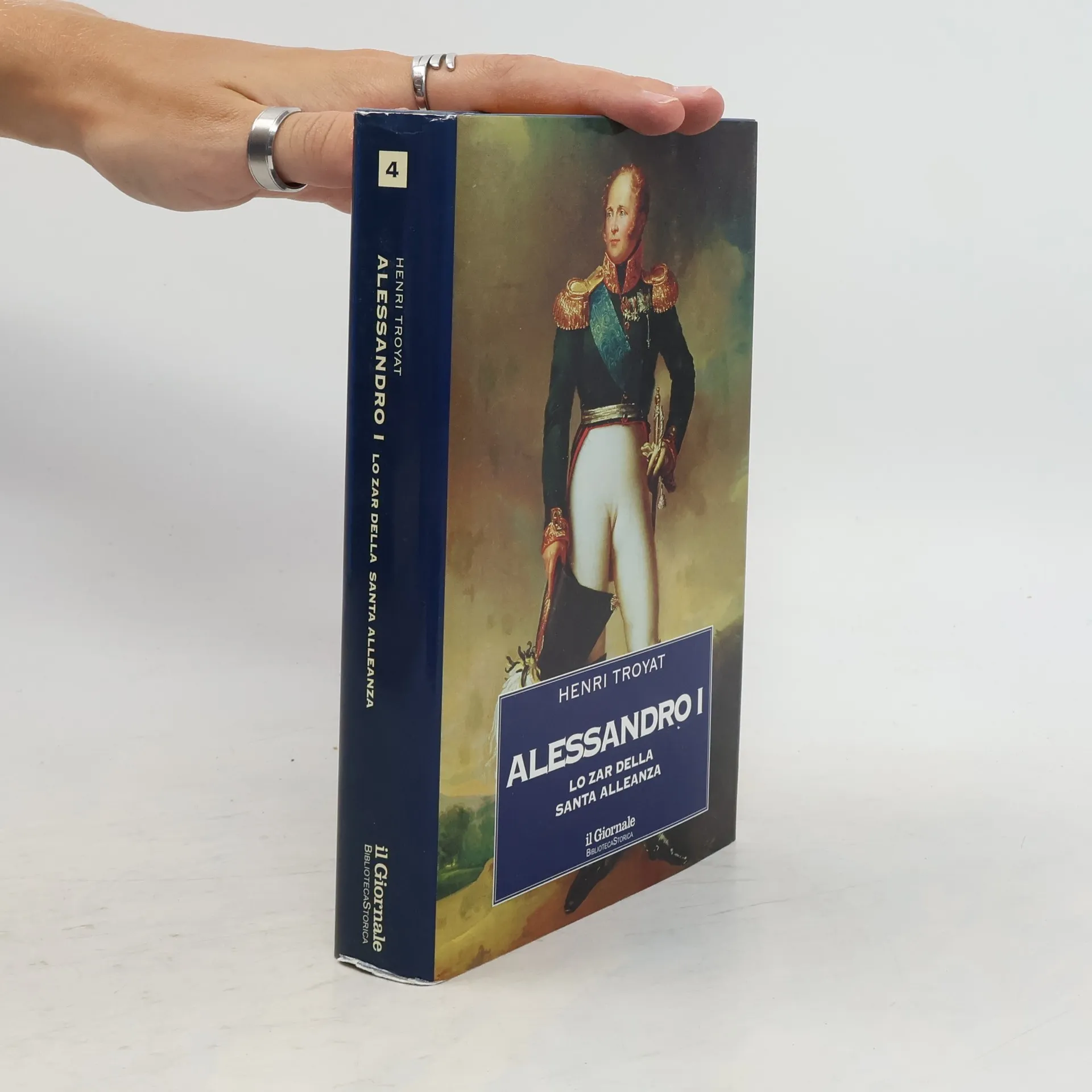
Alessandro I. Lo zar della Santa Alleanza
- 511 pages
- 18 hours of reading
L'imperatore russo Alessandro I (1777 - 1825), fin dalla giovane età una figura misteriosa e duale, oscillava tra ideali brillanti e dura realtà, liberalismo e dispotismo, misticismo e frivolezza. Gli anni di massimo splendore della sua vita furono quelli della feroce lotta contro Napoleone I, che egli odiava e ammirava allo stesso tempo. Durante la guerra patriottica del 1812, tutto il popolo russo si unì attorno al suo sovrano in uno spirito patriottico per opporsi al conquistatore. Dopo la sconfitta della Grande Armata francese in Russia, Alessandro trova il senso della vita nella distruzione del male, inizialmente incarnato in Napoleone e poi in ogni tipo di usurpatore. Così, da liberatore, diventa il gendarme d'Europa.
Der Auserwählte
- 338 pages
- 12 hours of reading