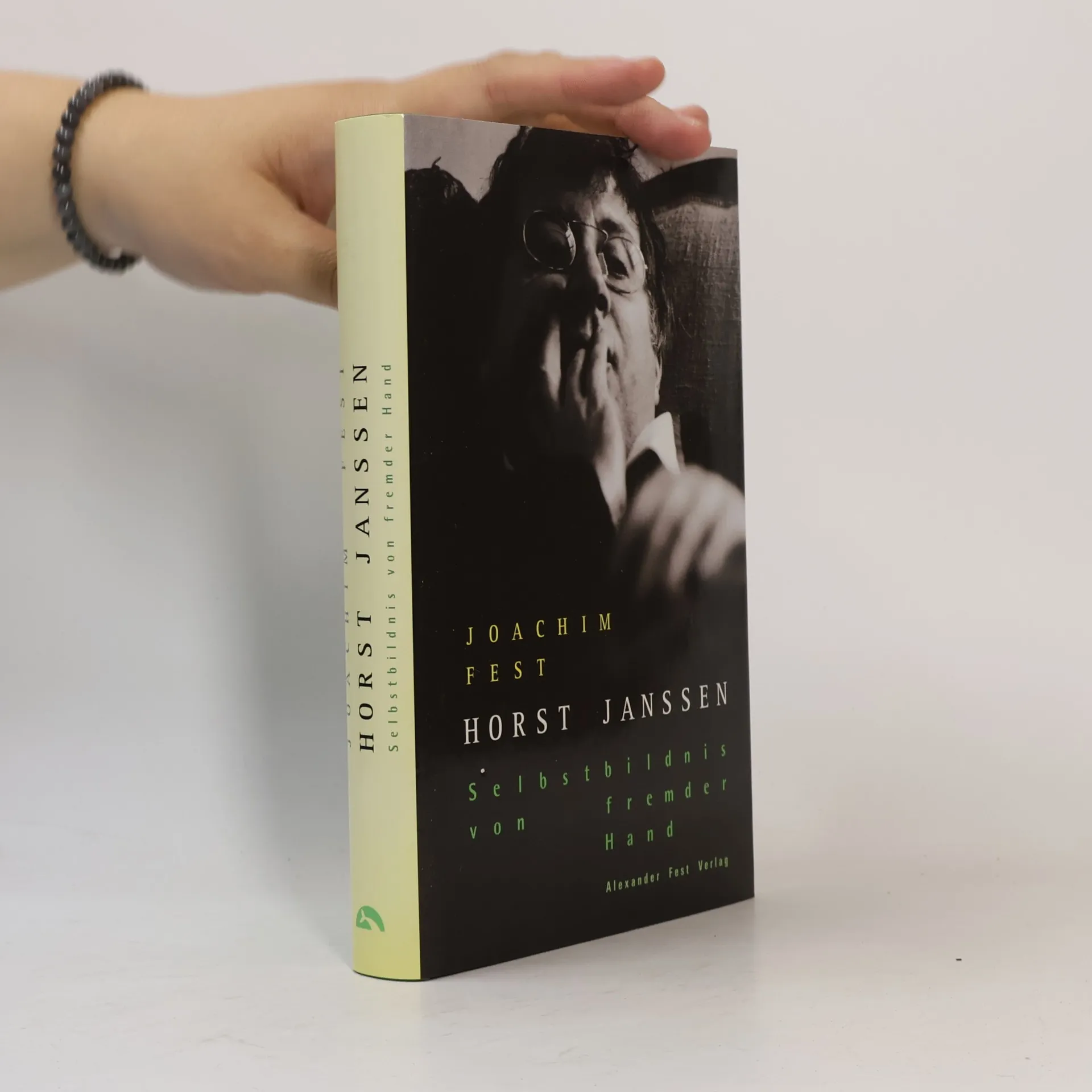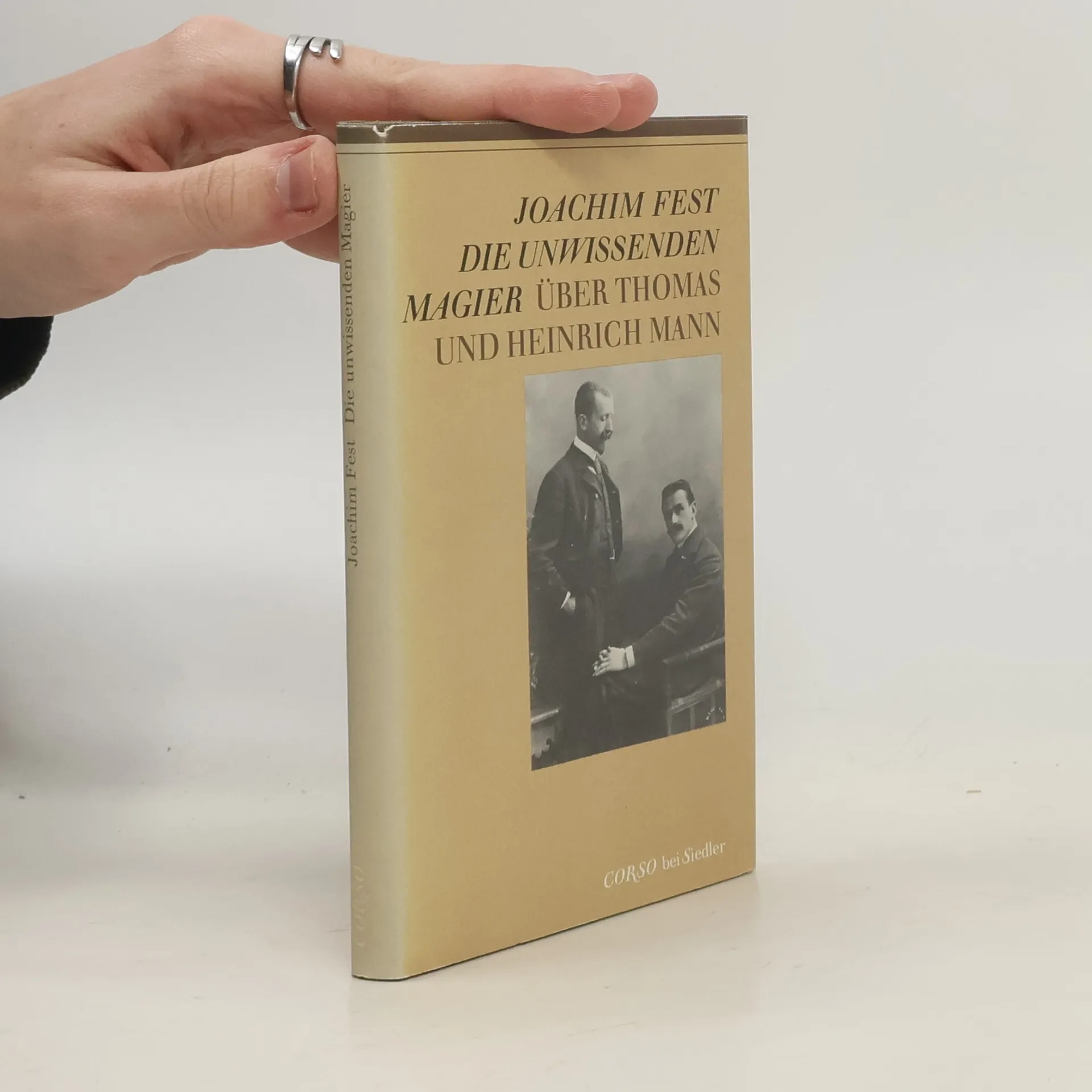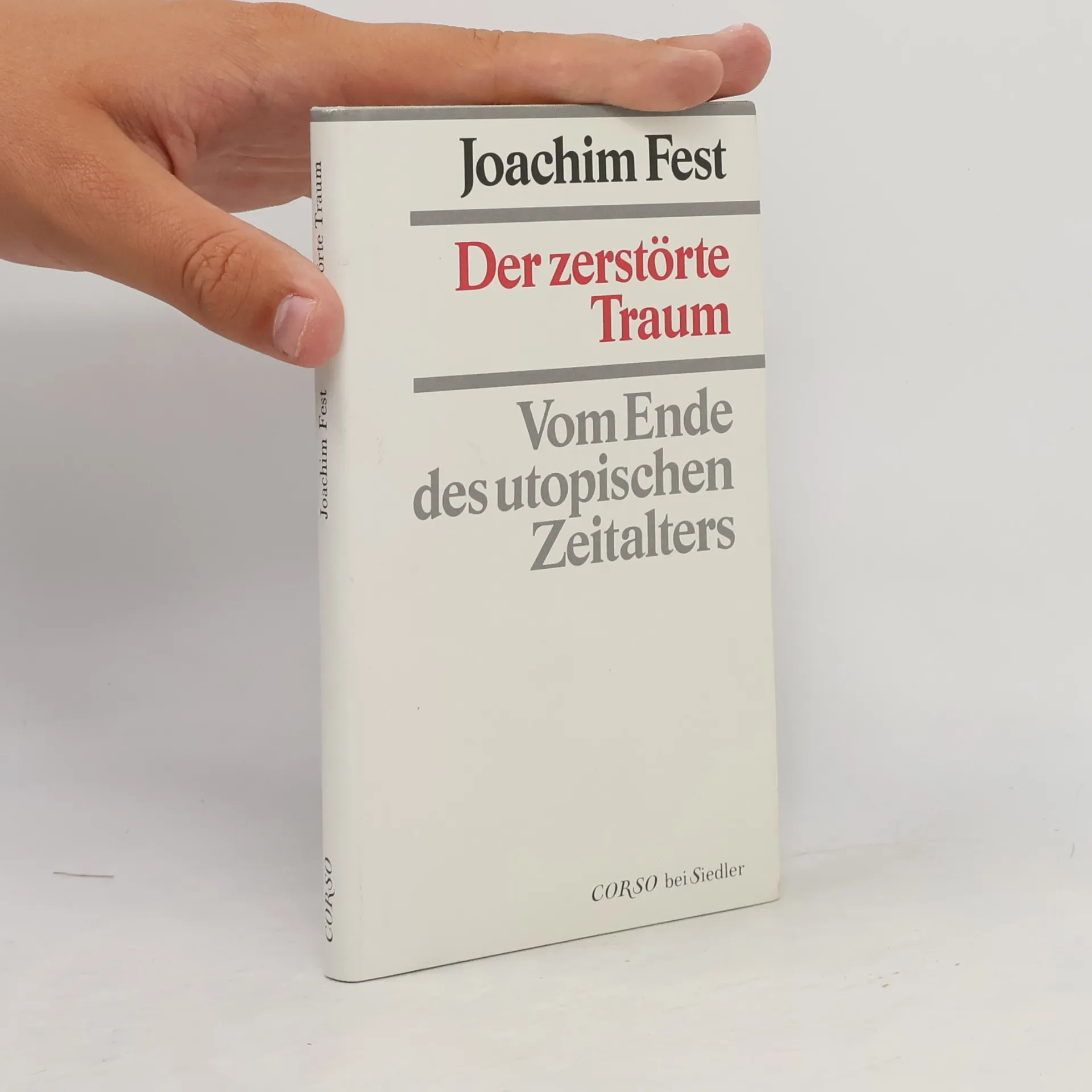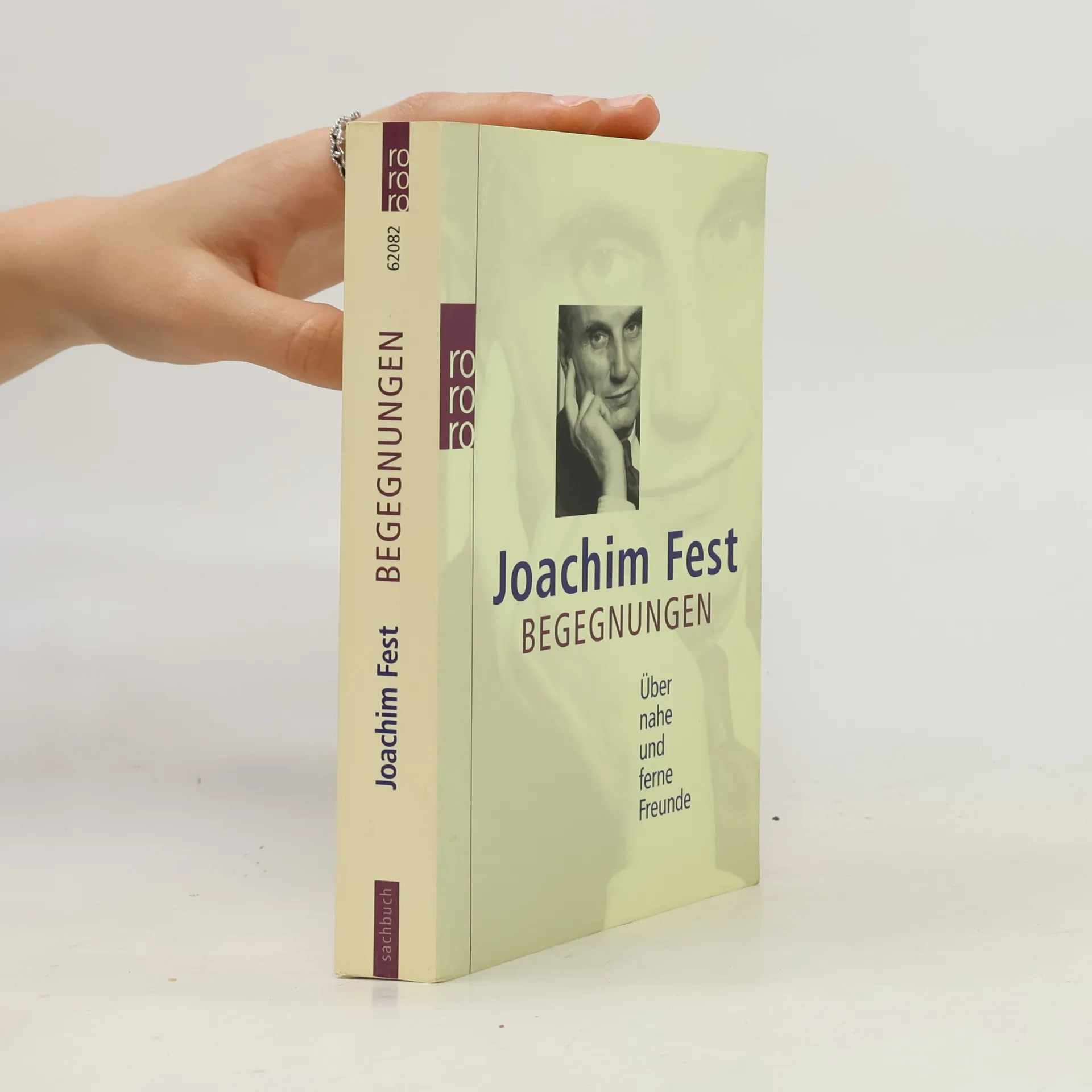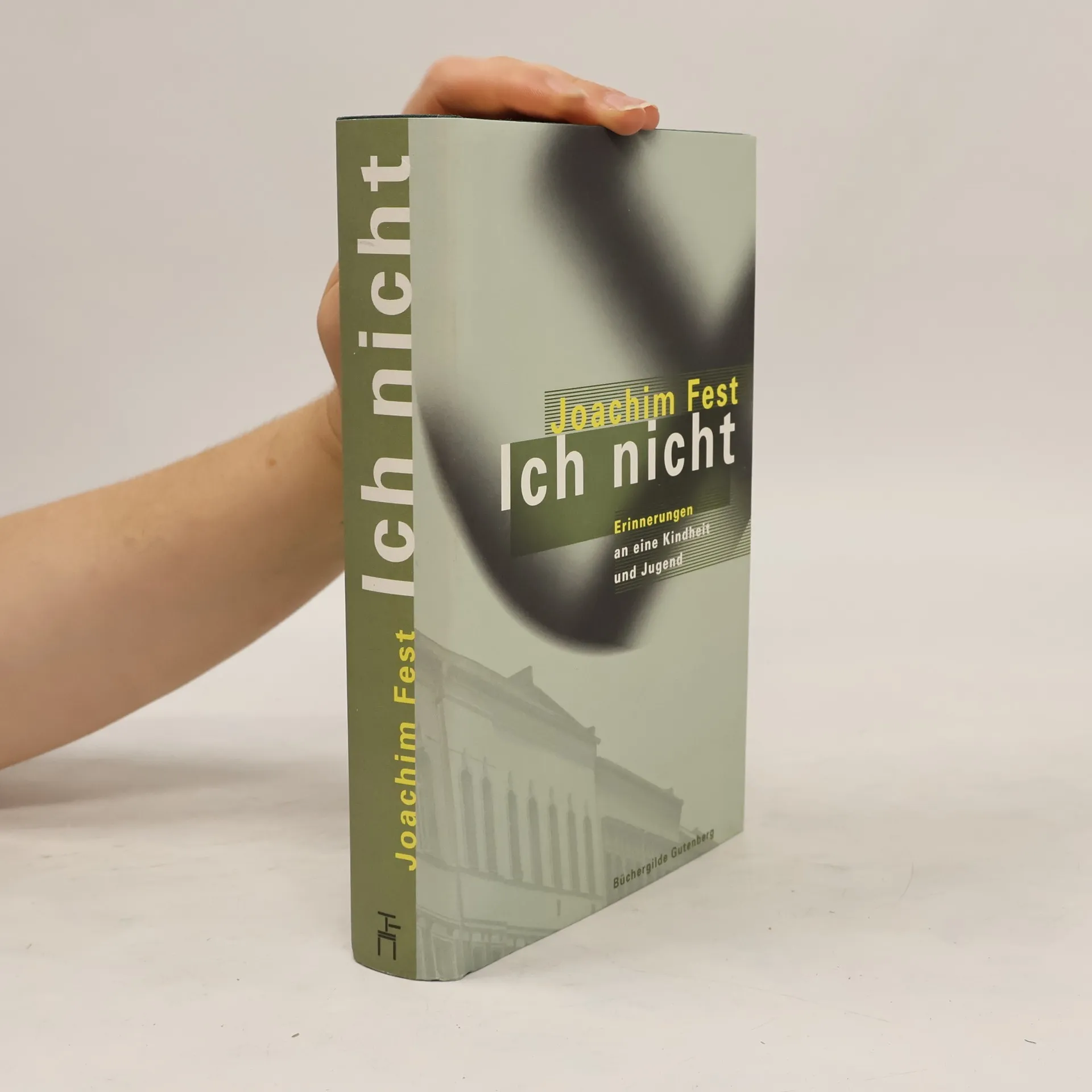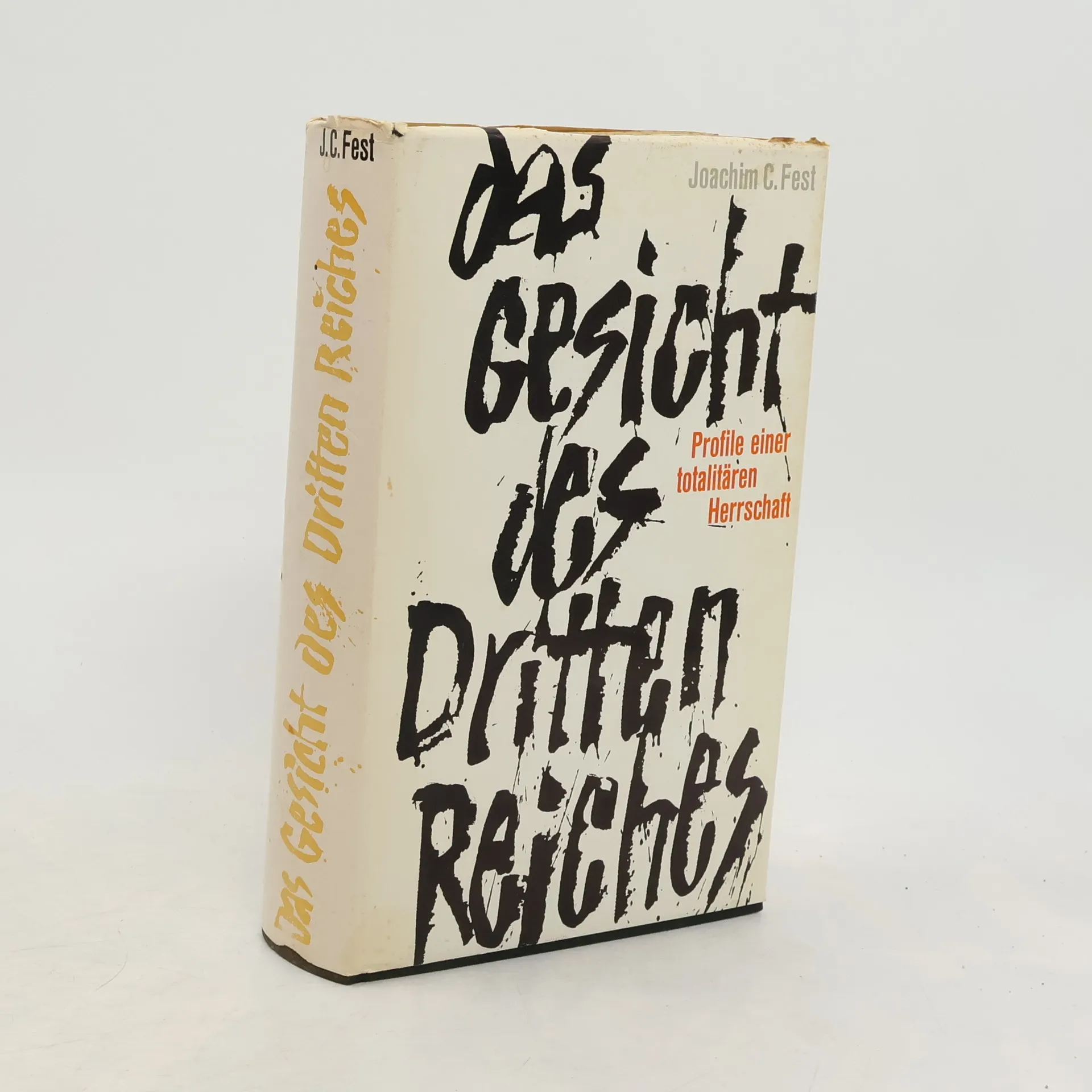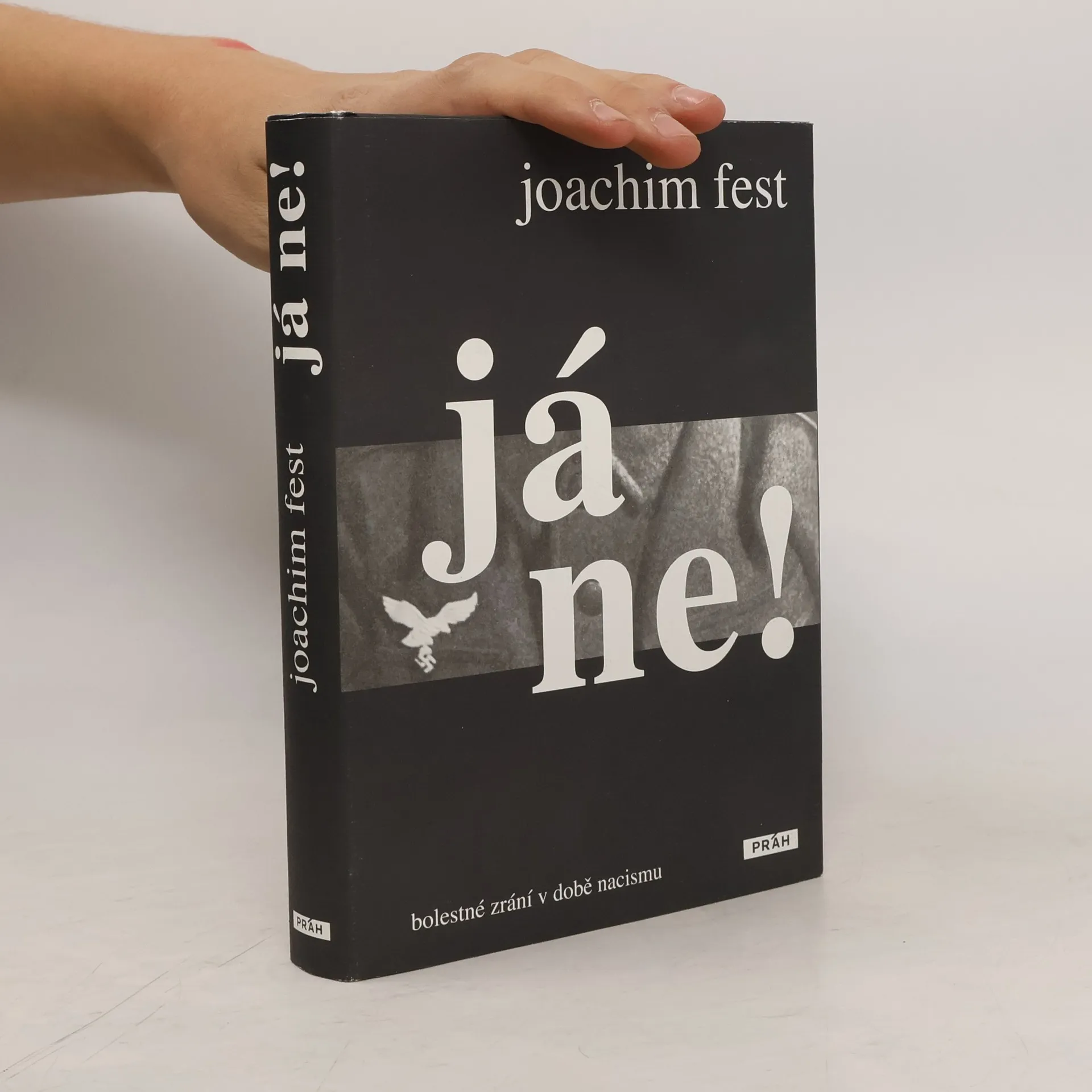
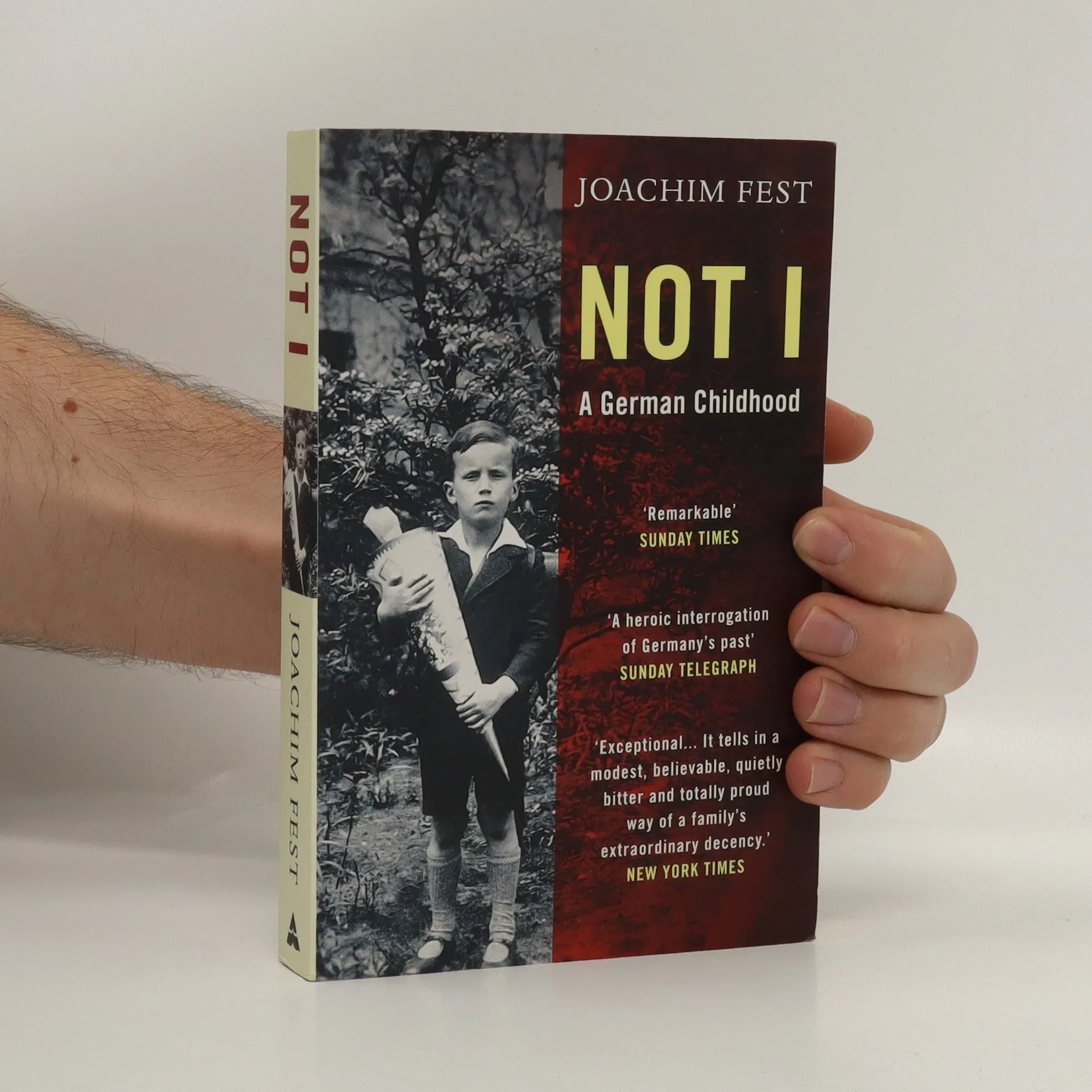

A quiet, proud, often painful, always clear-eyed memoir...It deserves wide attention in the English-speaking world. It is illuminating of the man, of the times he lived through, and also of a rare kind of moral resolve, both sobering and inspiring.' Rachel Seiffert, Guardian Few other historians have shaped our understanding of the Third Reich as Joachim Fest. Fierce and intransigent, German-born Fest was a relentless interrogator of his nation's modern history. His analysis, The Face of the Third Reich, his biographies of Adolf Hitler and Albert Speer and his descriptions of the last days in the Fuhrer's bunker have all reached a worldwide audience of millions. But how did the young Fest, born in 1926, personally experience National Socialism, the Second World War and a catastrophically defeated Germany? In Not I, the memoir of his childhood and youth, Joachim Fest chronicles his own extraordinary early life, providing an intimate portrait of those dark years of conflict. Whether describing his Catholic home in a Berlin suburb, his father's resistance of the regime and subsequent teaching ban, his own expulsion from school, or Aunt Dolly's introductions to the operatic world, these are the long-awaited personal reflections of a born observer the exactitude of whose prose is as sharp as the memories he describes.
Joachim Fest Books
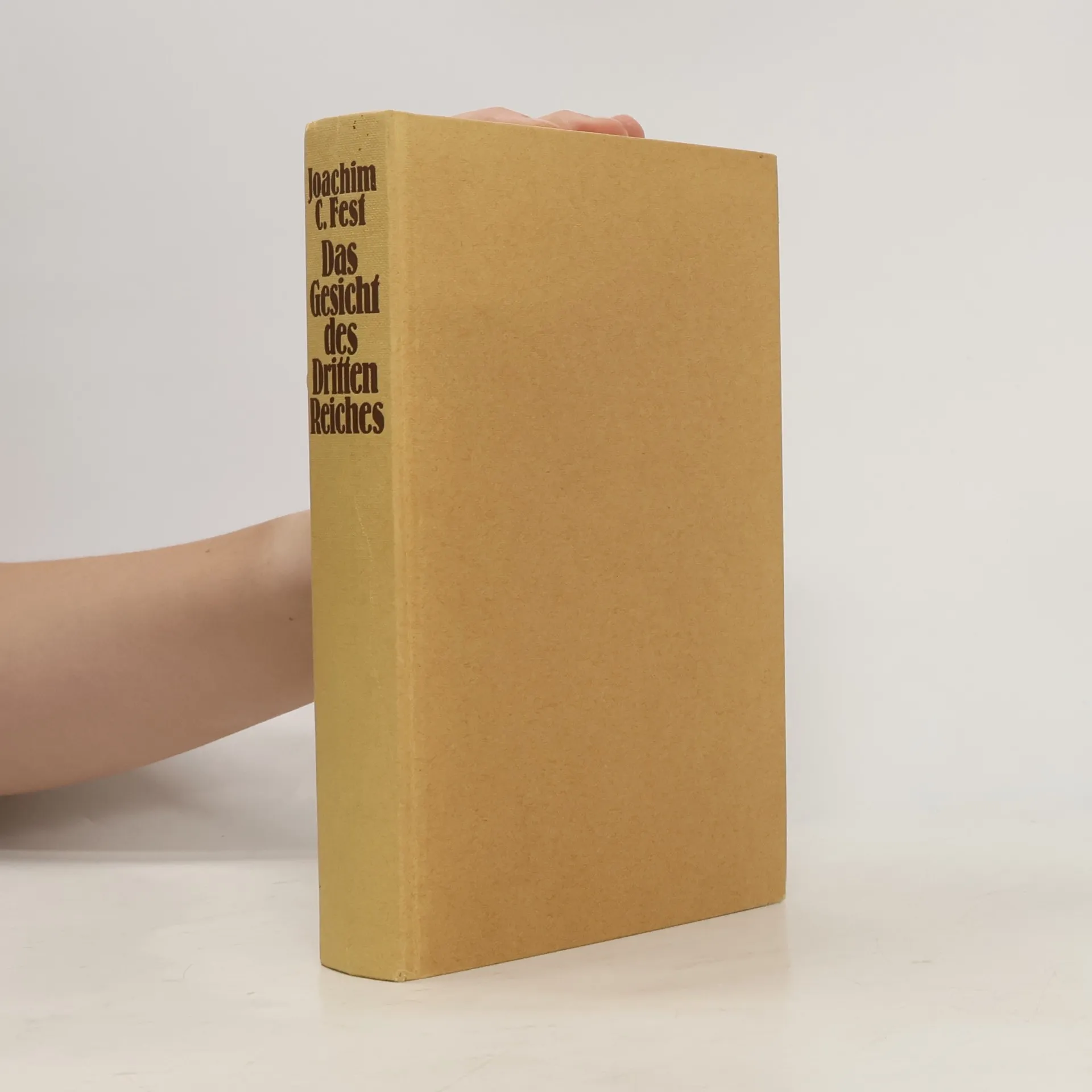
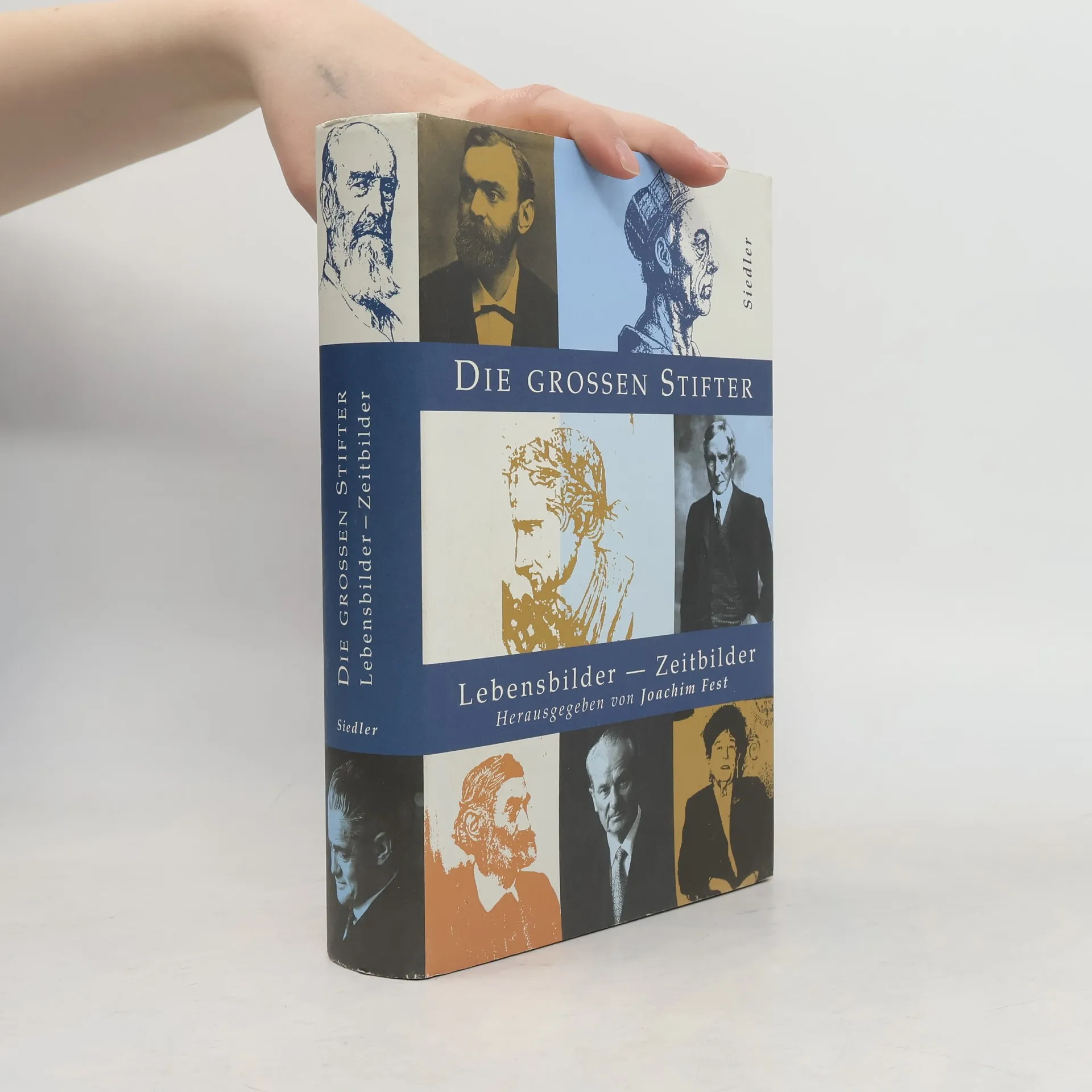
Joachim Fest was a German historian and journalist, renowned for his works on Nazi Germany. His writings explored pivotal figures and events of the era, shaping public discourse and contributing to a deeper understanding of history. Fest's critical approach and attention to detail established him as a significant voice in the examination of the Nazi period within German historiography.


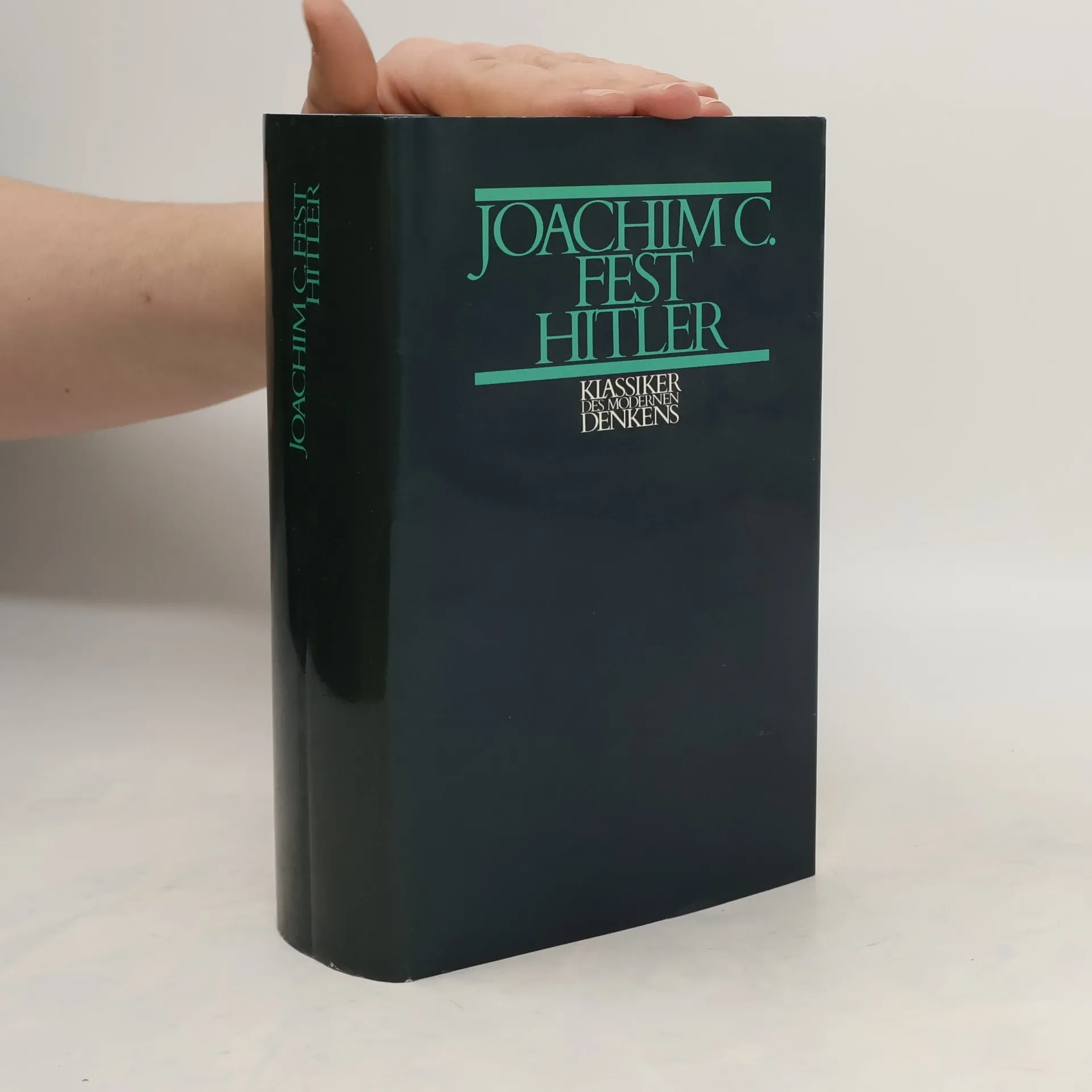
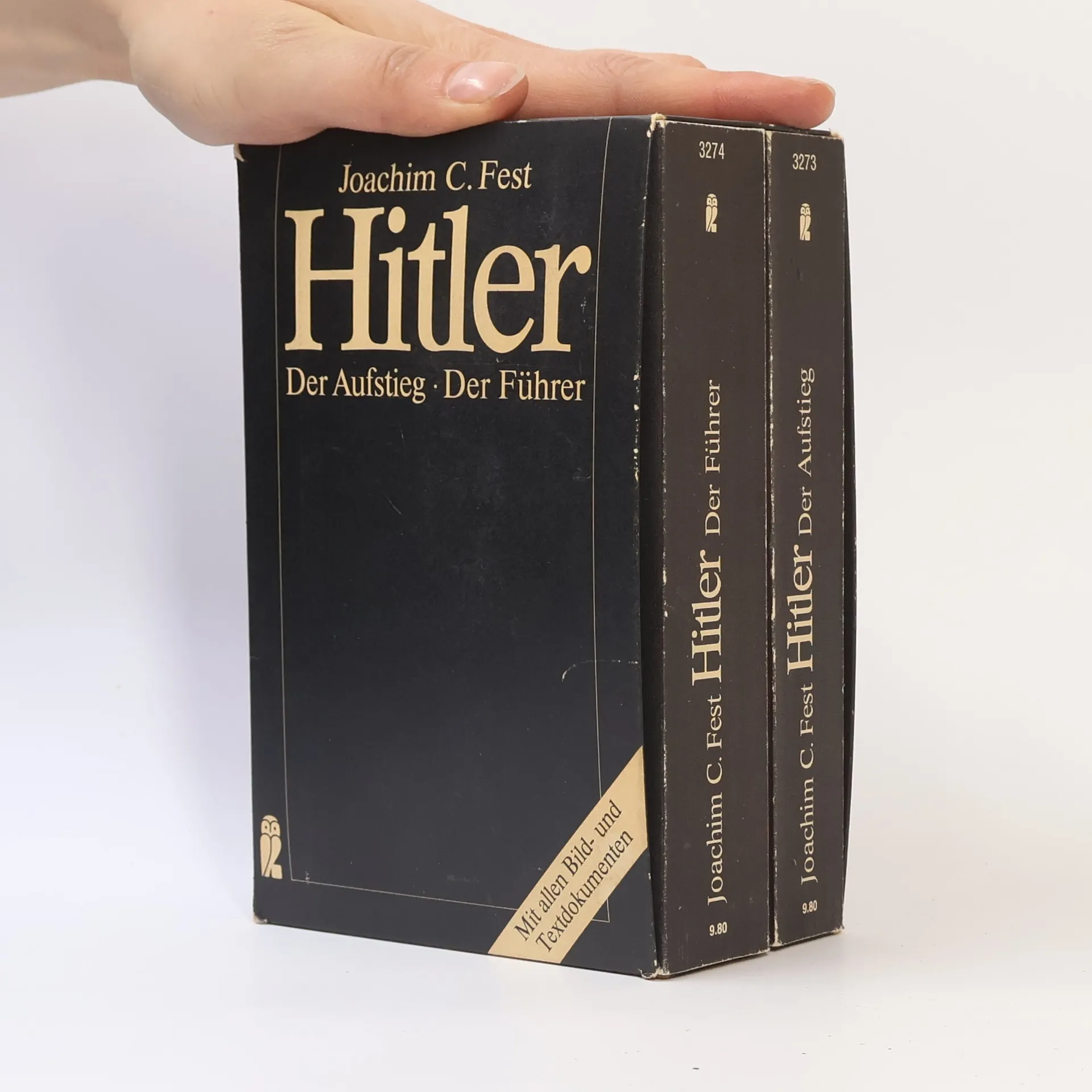
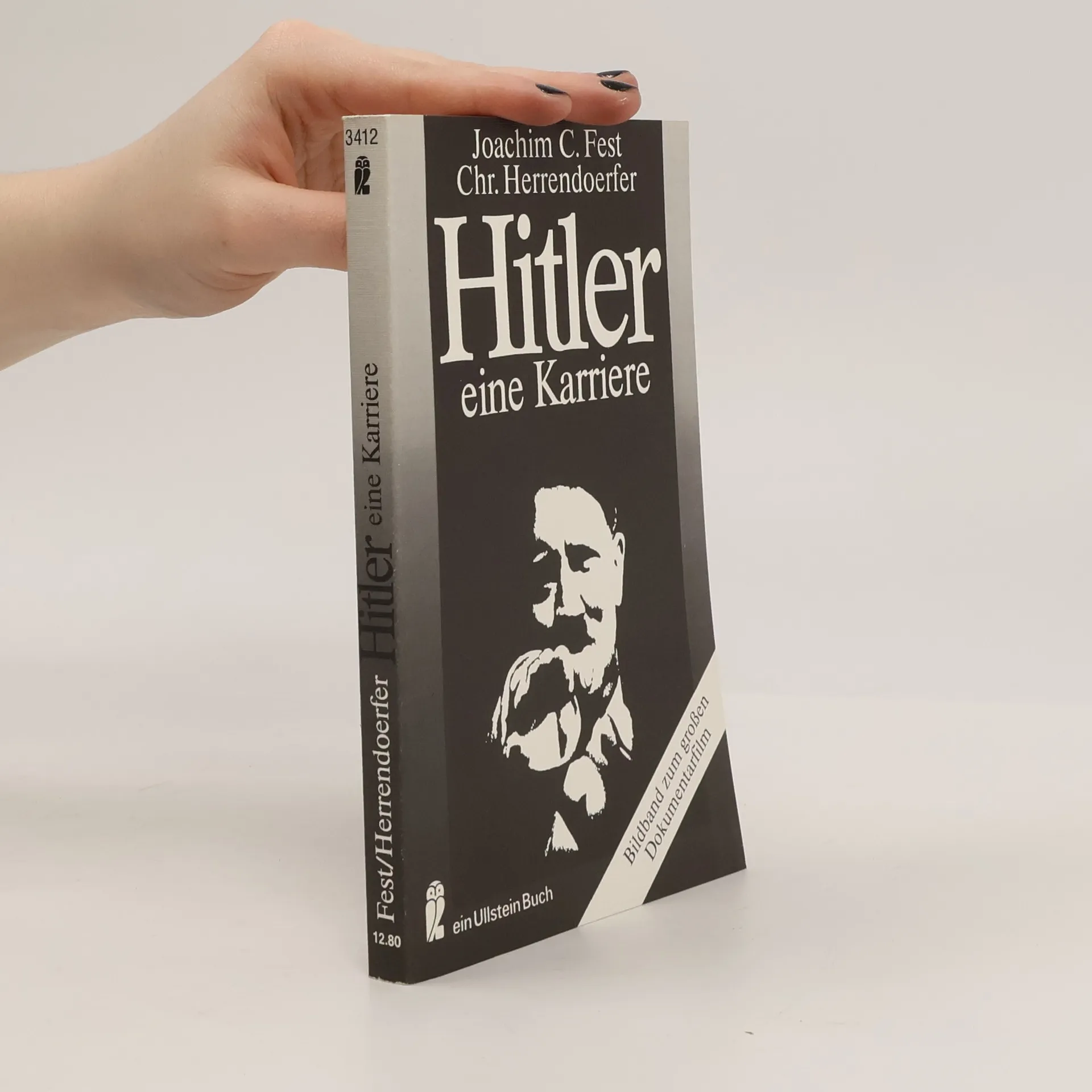
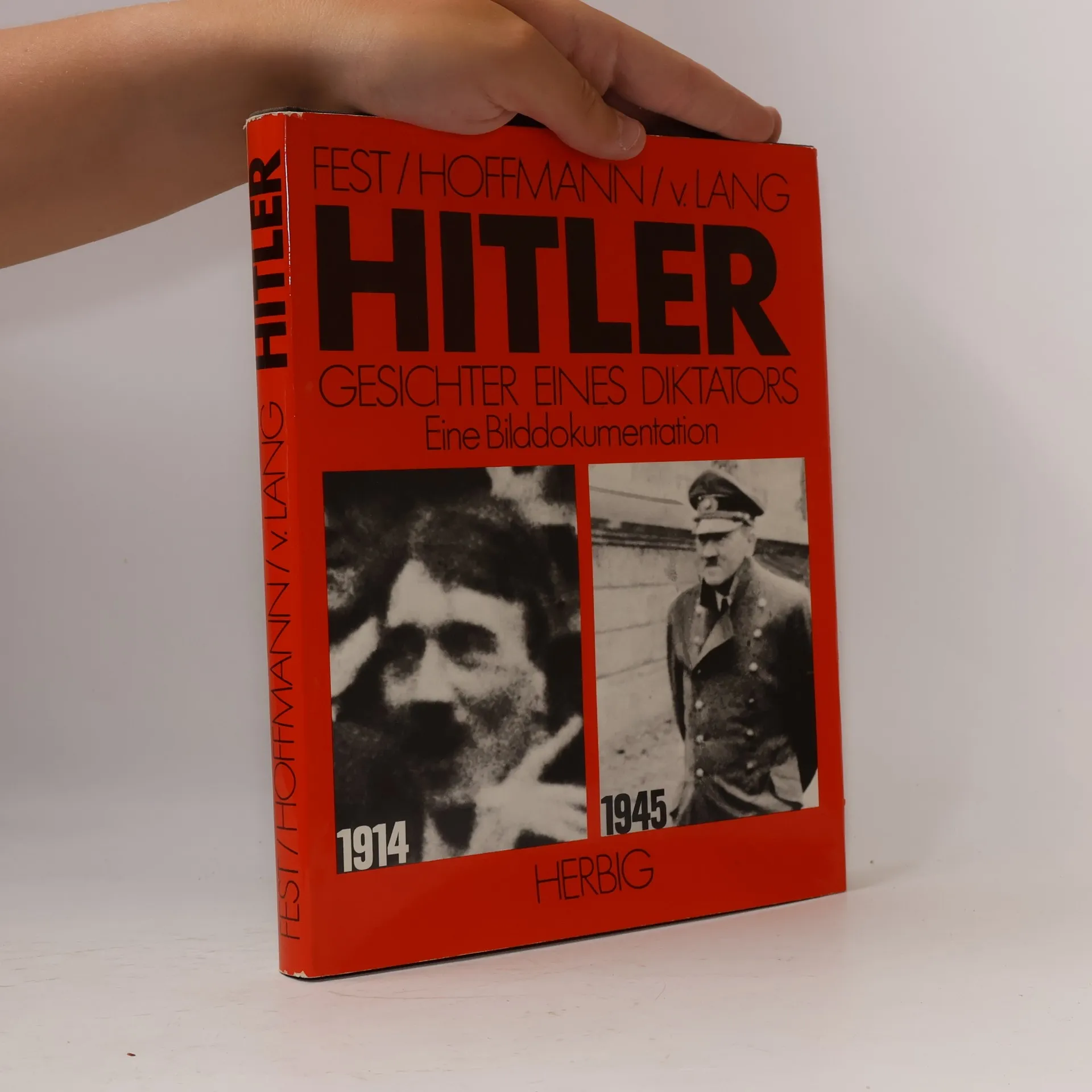
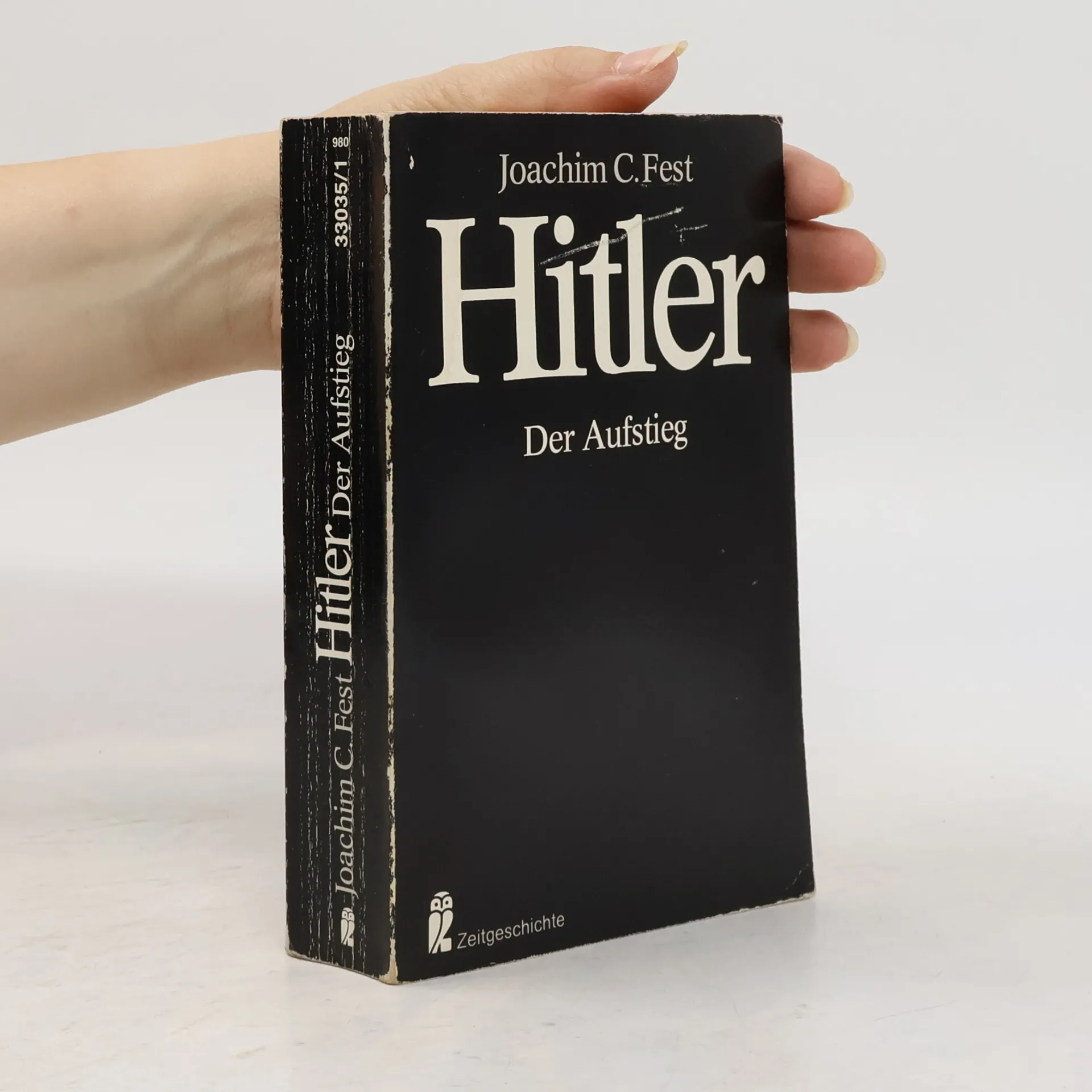
Hitler
- 864 pages
- 31 hours of reading
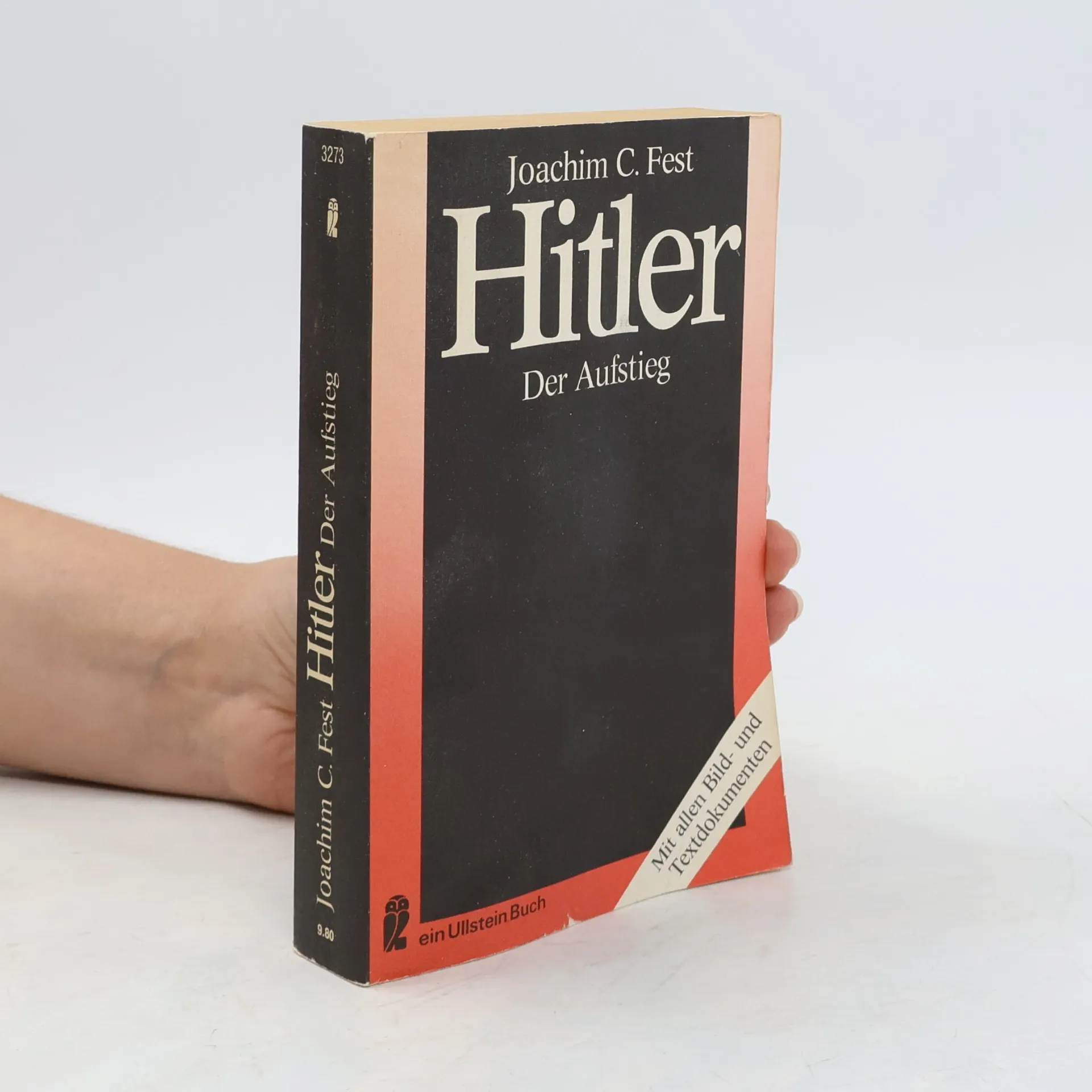
A bestseller in its original German edition and subsequently translated into more than a dozen languages, Joachim Fest's Hitler as become a classic portrait of a man, a nation, and an era. Fest tells and interprets the extraordinary story of a man's and a nation's rise from impotence to absolute power, as Germany and Hitler, from shared premises, entered into their covenant. He shows Hitler exploiting the resentments of the shaken, post-World War I social order and seeing through all that was hollow behind the appearance of power, at home and abroad. Fest reveals the singularly penetrating politician, hypnotizing Germans and outsiders alike with the scope of his projects and the theatricality of their presentation. Fest also, perhaps most importantly, brilliantly uncovers the destructive personality who aimed at and achieved devastation on an unprecedented scale. As history and as biography, this is a towering achievement, a compelling story told in a way only a German could tell it, "dispassionately, but from the inside." (Time)
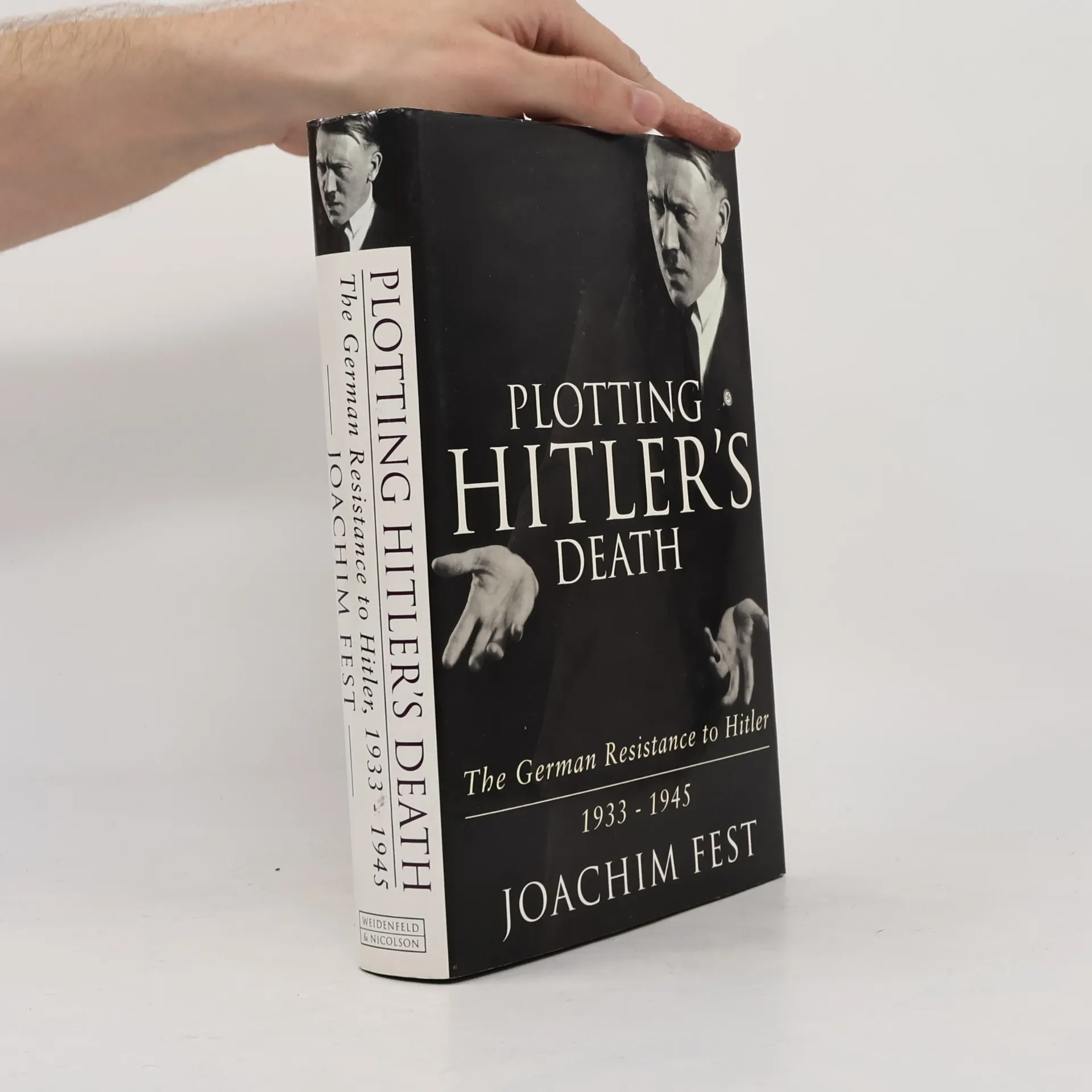
Om oppositionen i det nazistiske Tyskland, især den militære modstand, der kulminerede i attentatet mod Hitler
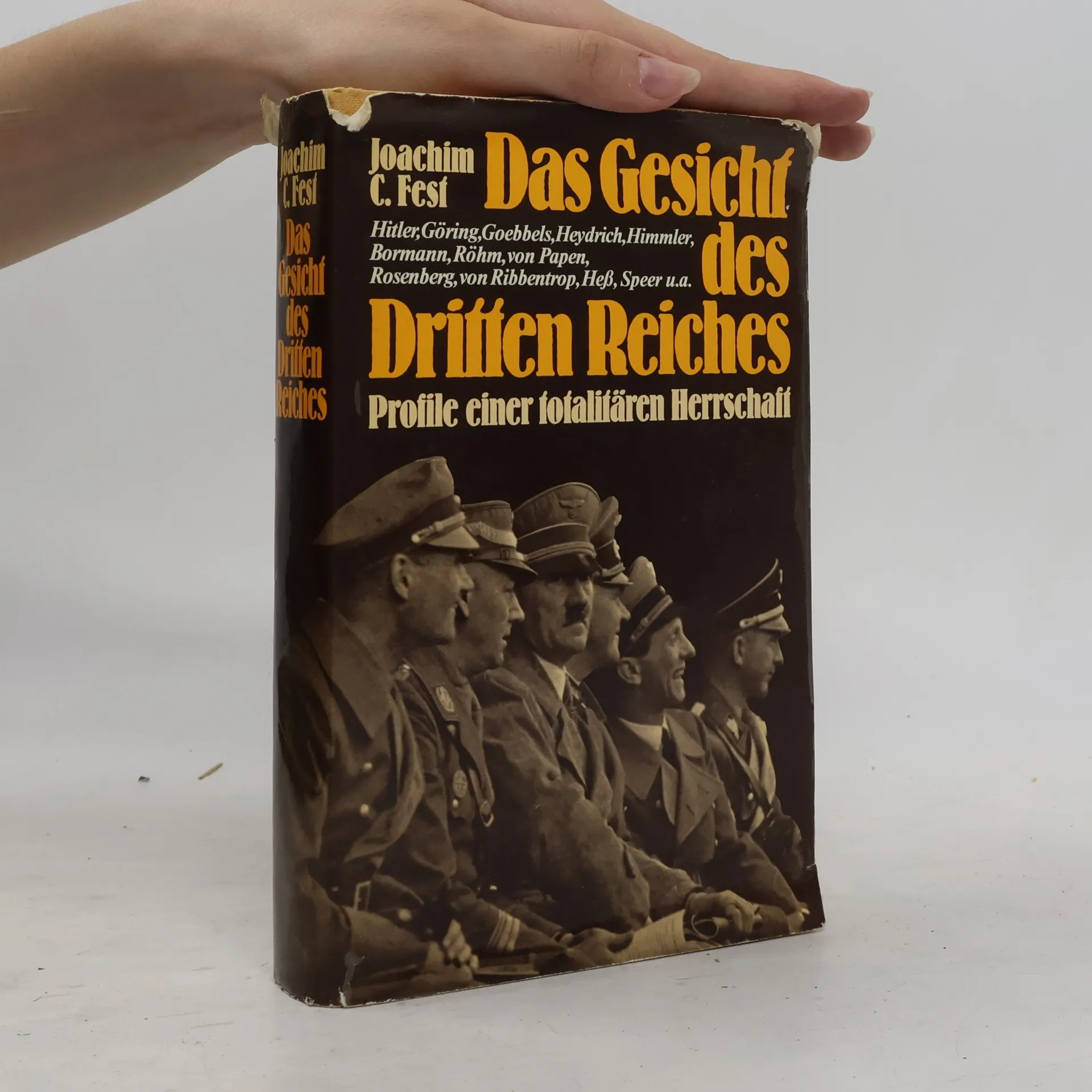
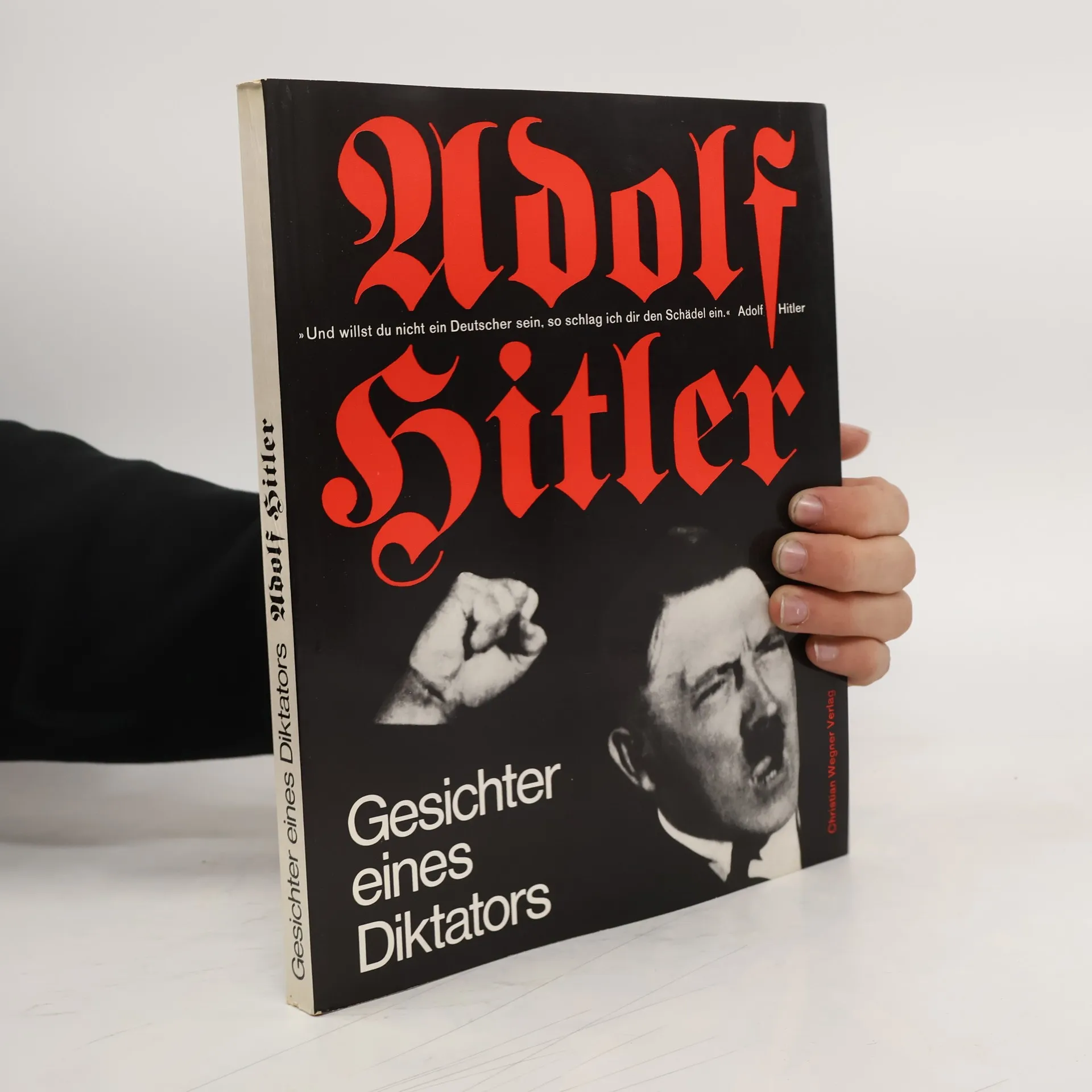
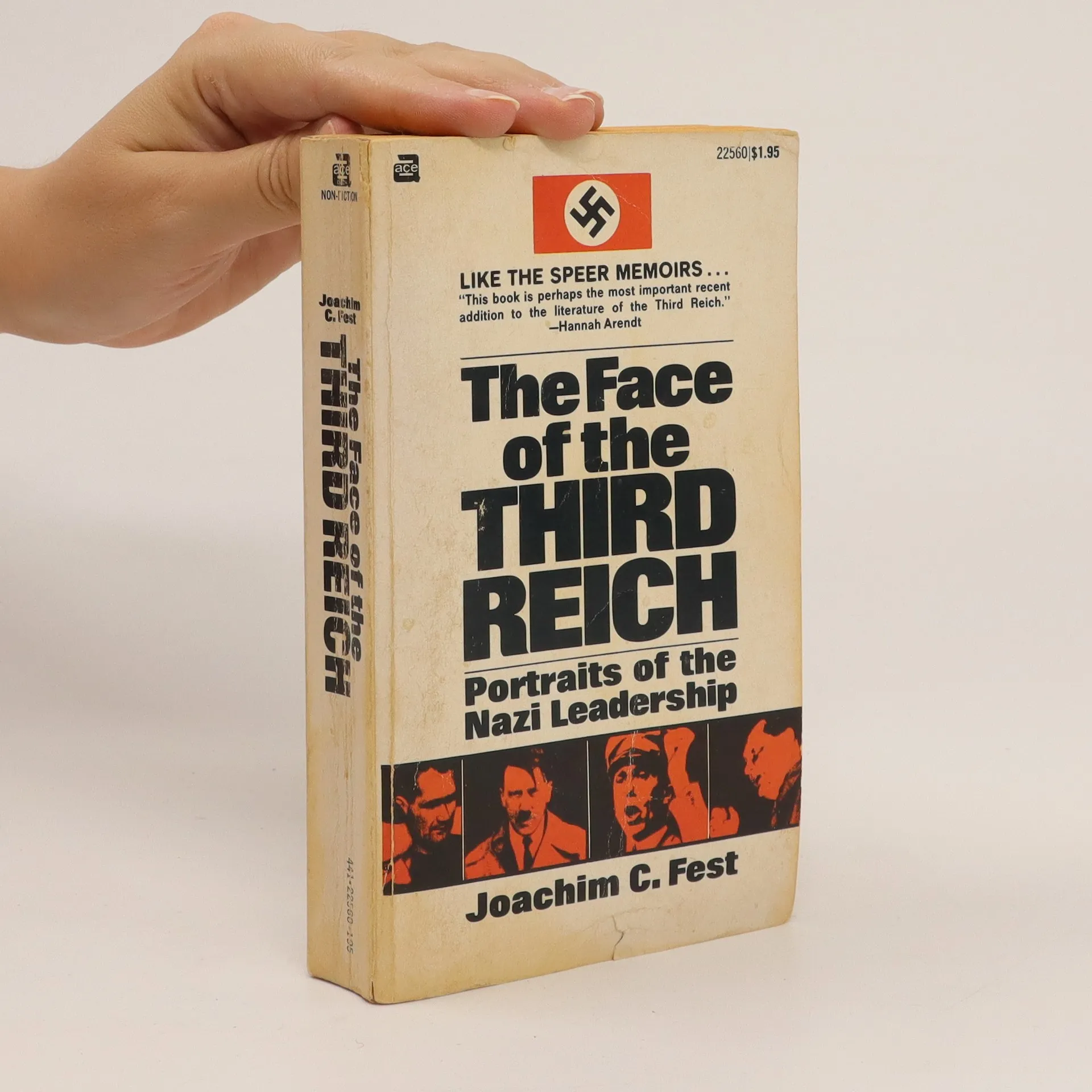
In these searing profiles the author dissects the lives of fifteen infamous Nazis—including Hermann Göring, Joseph Goebbels, Heinrich Himmler, Martin Bormann, Ernst Röhm, Hans Frank, Rudolph Höss, Albert Speer, and Hitler himself. He also analyzes the archetypal roles of the officer corps, intellectuals, and women. This work provides fresh perspectives into how dysfunctional psyches, personal ambitions, and ruthless rivalries impacted the creation and evolution of Hitler's Third Reich.
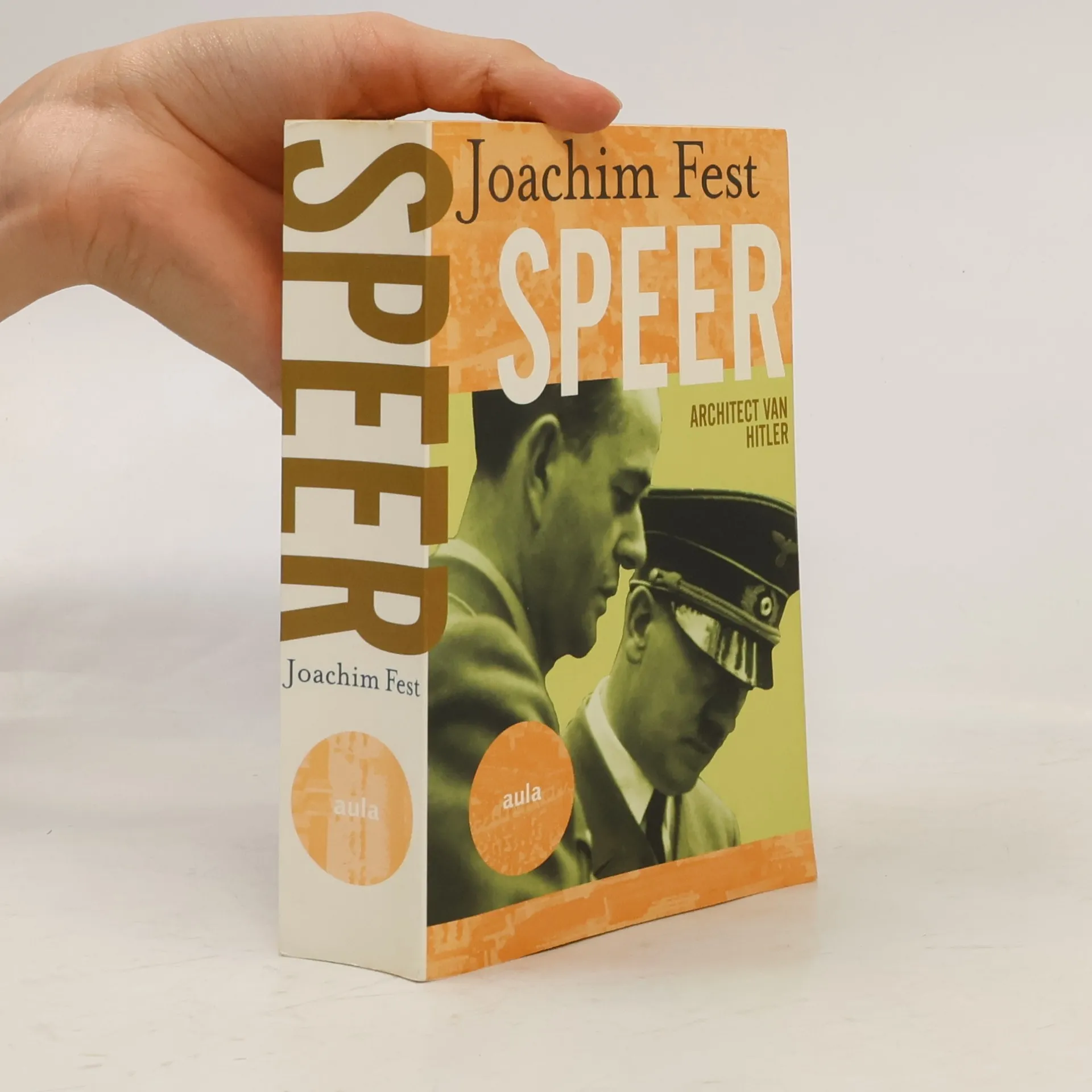
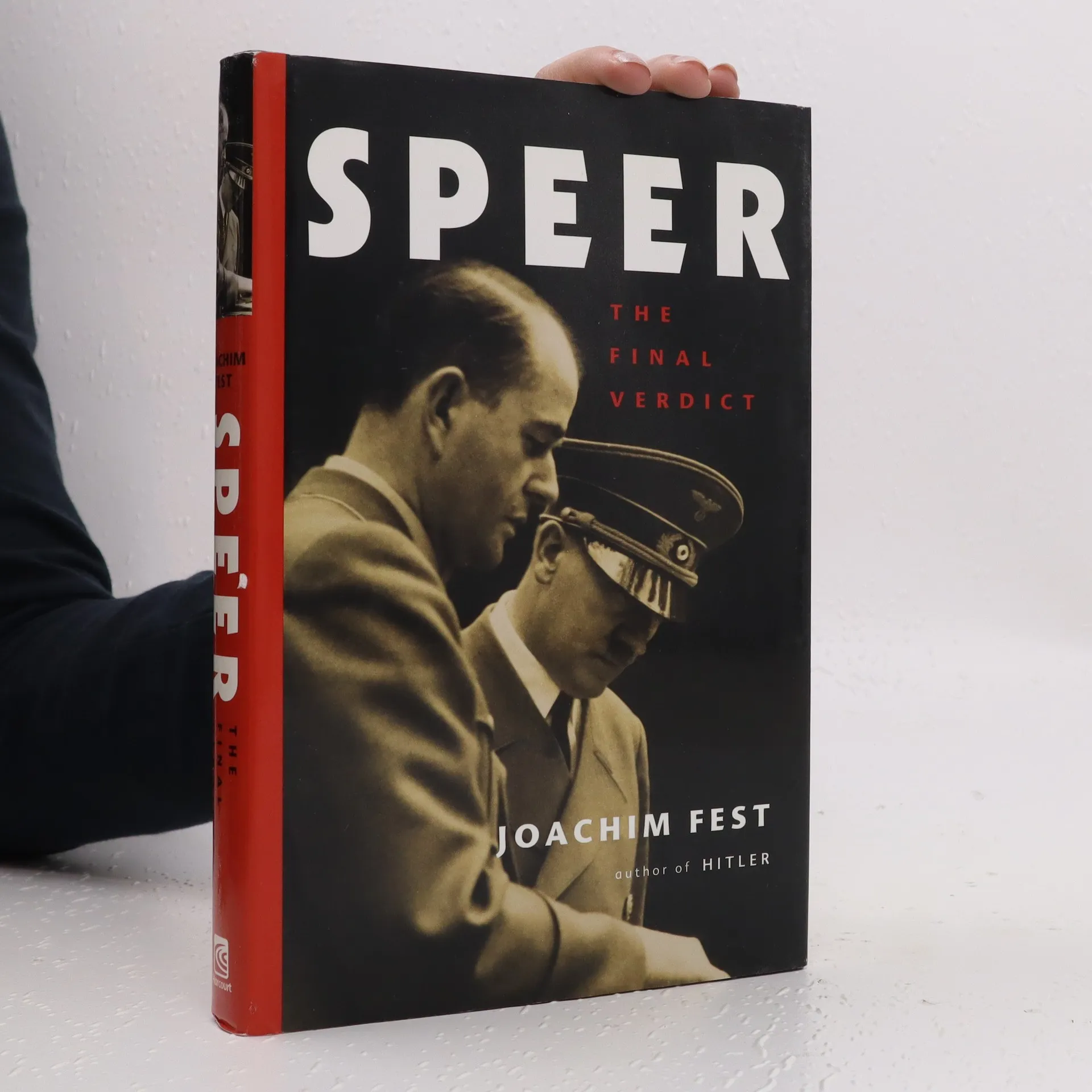
Speer
- 432 pages
- 16 hours of reading
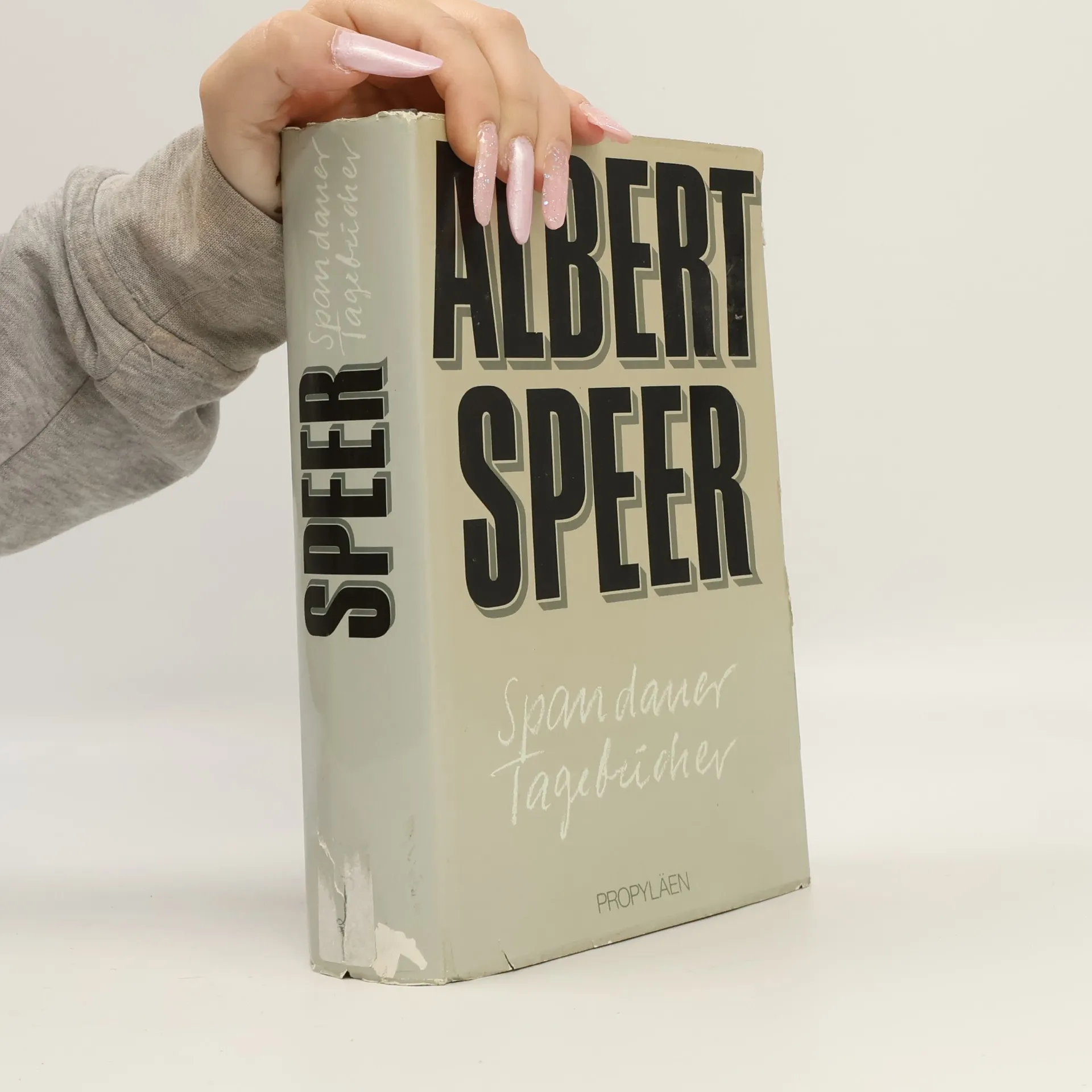
Albert Speer is a great enigma. An unemployed architect when Hitler came to power in 1933, he was soon designing the Third Reich's most important buildings. In 1942 Hitler appointed him Armaments Minister and he quadrupled production, an astonishing achievement that kept the German Army in the field and prolonged the war. Yet Speer's life was full of contradictions. The only member of the Nazi elite with whom Hitler developed more than a purely functional relationship (he has even been called "Hitler's unrequited love"), Speer was always an outsider in Hitler's inner circle. He saw himself as an artist, above the crass power struggles of the roughnecks around him, but his enormous ambition blinded him to the crimes in which he played a leading role. Brilliantly illustrated, this gripping account of one man's rise and fall helps explain how Germany descended so far into crime and barbarism.
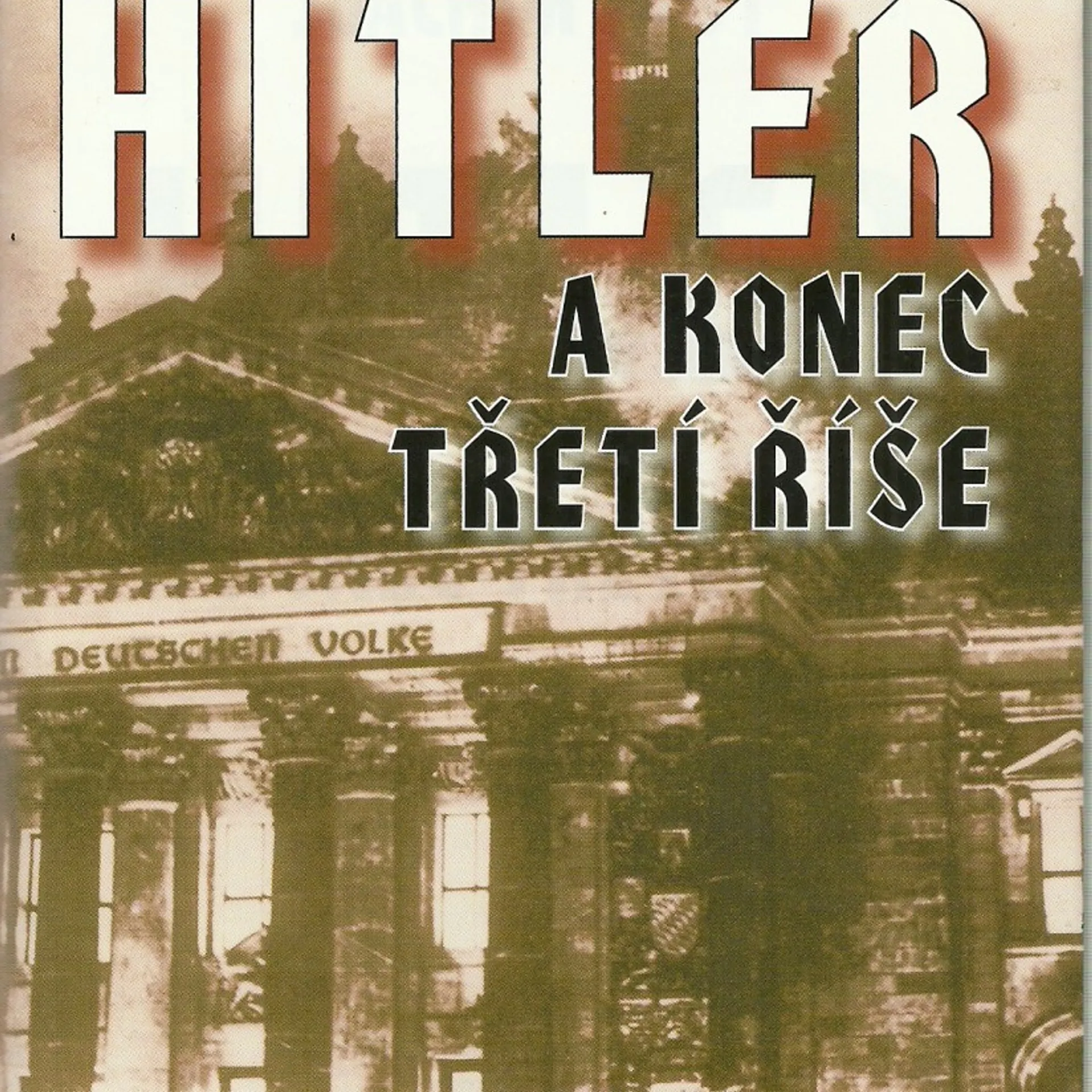
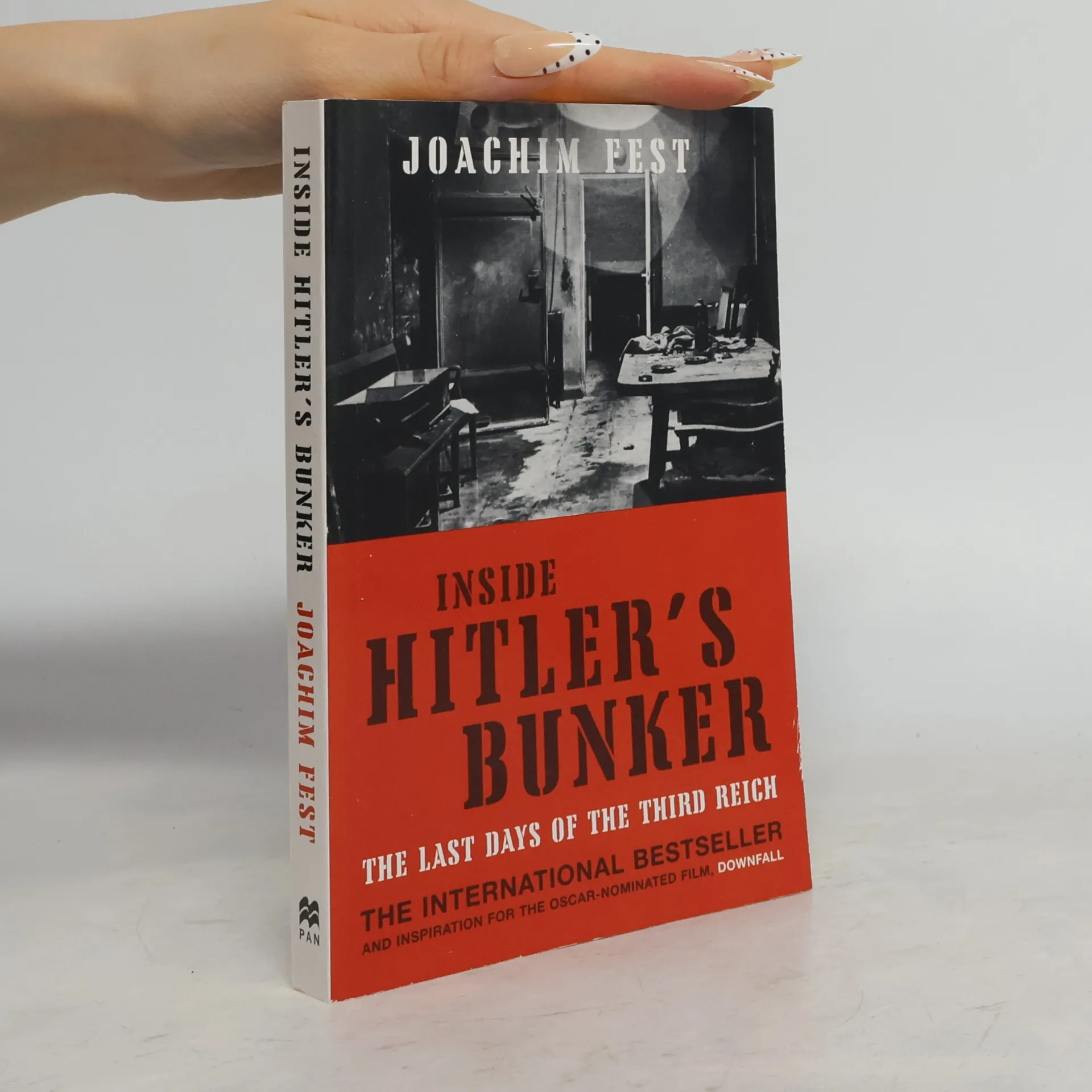
In this compelling new reconstruction, Germany’s greatest historian of Nazism describes in vivid detail the claustrophobic atmosphere of the Fuhrer's bunker during the bitter last days of the war when, drugged and enfeebled, Hitler veered between hysterical despair and lunatic optimism while his regime disintegrated amid desperate acts of betrayal, recrimination and suicide. 'vivid and creepy, as well as darkly comic' – Mail On Sunday 'unputdownable' - Sunday Times 'Nobody has written a better account' – Observer 'such pace, drama and immediacy that one could almost believe he had been an eye-witness' - The Spectator 'moves like a blood racing thriller' - Catholic Times 'There has never been a more evocative account' - Daily Mail
Der lange Abschied vom Bürgertum
- 138 pages
- 5 hours of reading
Die Wiederherstellung der alten europäischen Ordnung war aber auch mit manchen Einbußen verbunden. Für Joachim Fest und Wolf Jobst Siedler zählt der Abschied vom europäischen Bürgertum zu den Verlusten, die mit den Katastrophen des 20. Jahrhunderts verbunden waren. In ihrem Gespräch mit dem Schweizer Publizisten Frank A. Meyer geht es um die Frage, ob mit dem Anbruch des neuen Jahrhunderts auch eine neue Ordnung heraufzieht, eine egalitäre Gesellschaft, die keine Schichten und Klassen mehr kennt.
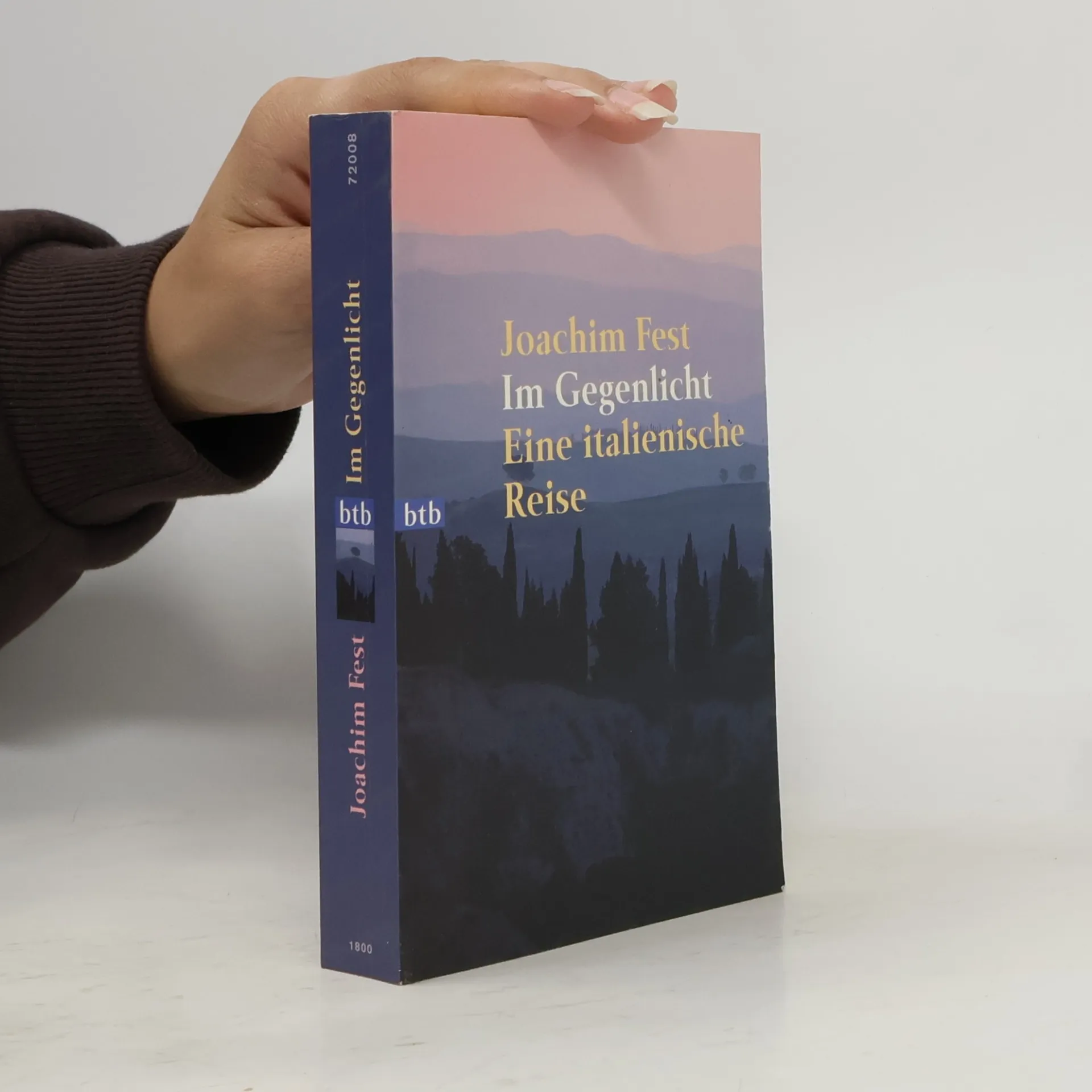
Kein Land hat die Sehnsucht der Deutschen mehr geweckt als Italien. Nirgendwo sonst gehen Vergangenheit und Gegenwart eine so spannungsreiche Verbindung ein, liegen Fremdes und scheinbar Vertrautes so eng nebeneinander.Joachim Fest hat dieses Land nicht auf der herkömmlichen Route bereist, sondern von Süden her. Dabei ist ein lebendiges, facettenreiches Bild entstanden. Stets wechseln sich scharfsichtige Beobachtungen mit pointierten Reflexionen oder packenden historischen Skizzen ab. Im Mittelpunkt jedoch stehen die Menschen, denen er begegnet ist. Ein brillant geschriebenes Reisejournal und zugleich viel mehr: ein literarisches Meisterwerk, kunstvoll komponiert und dennoch sehr persönlich.«Unter den Büchern von Joachim Fest ist ‹Im Gegenlicht› sein schönstes. Sein leichtestes. Sein liebstes womöglich … der Leser mag sich gar nicht losreißen.» (Wolfgang Büscher)«Das schönste Buch über Italien seit langem.» (Corriere della Sera)
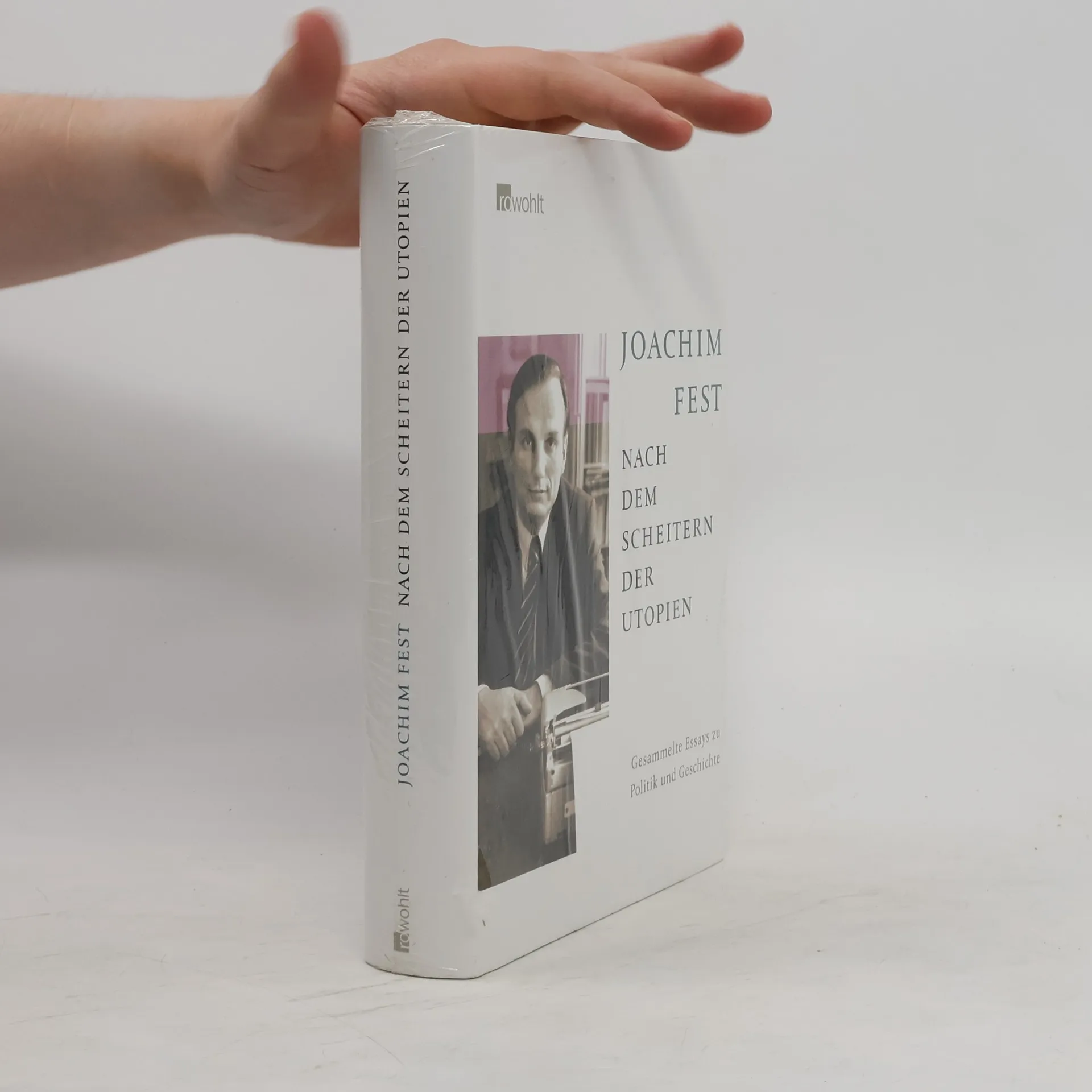
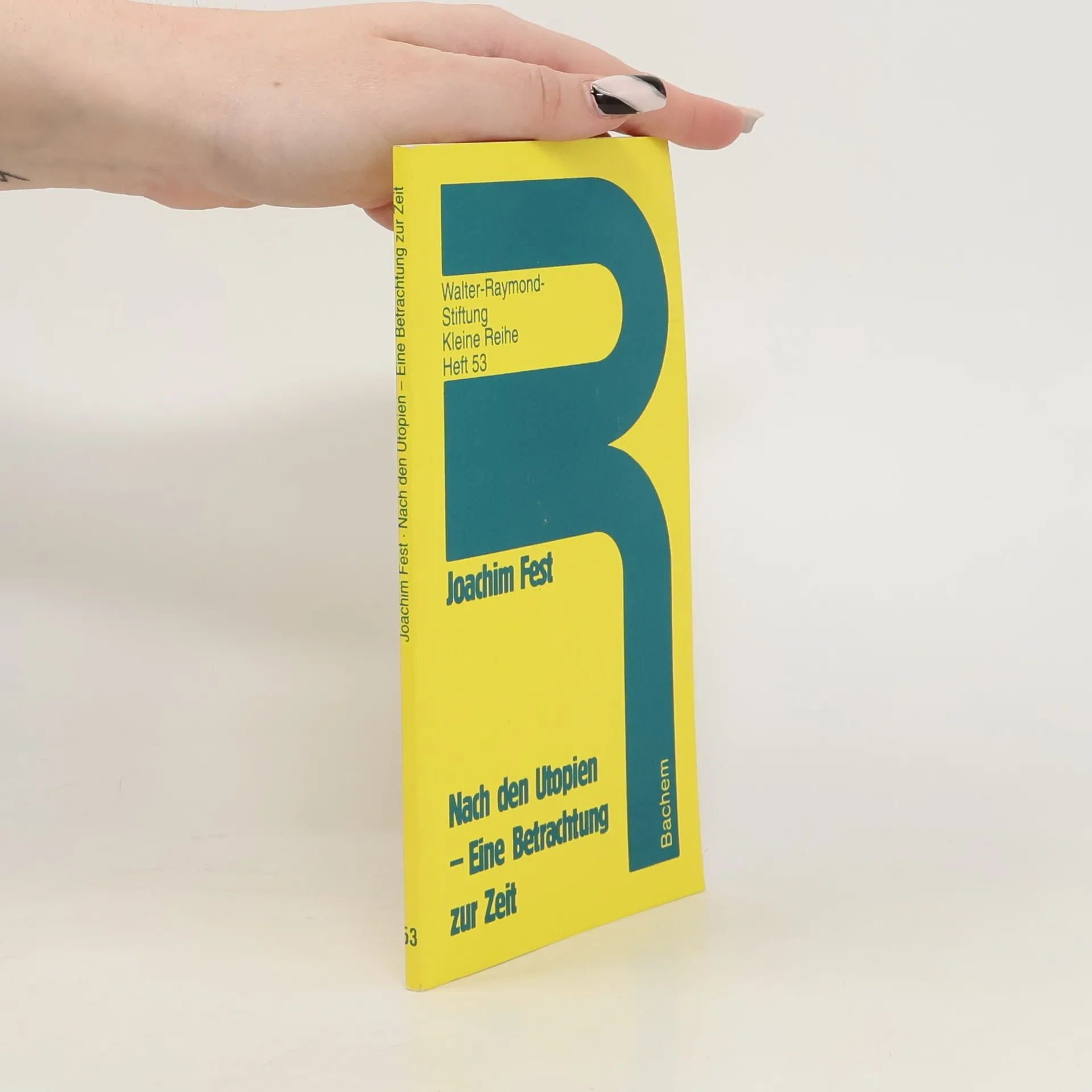
Nach dem Scheitern der Utopien
Gesammelte Essays zu Politik und Geschichte
- 447 pages
- 16 hours of reading
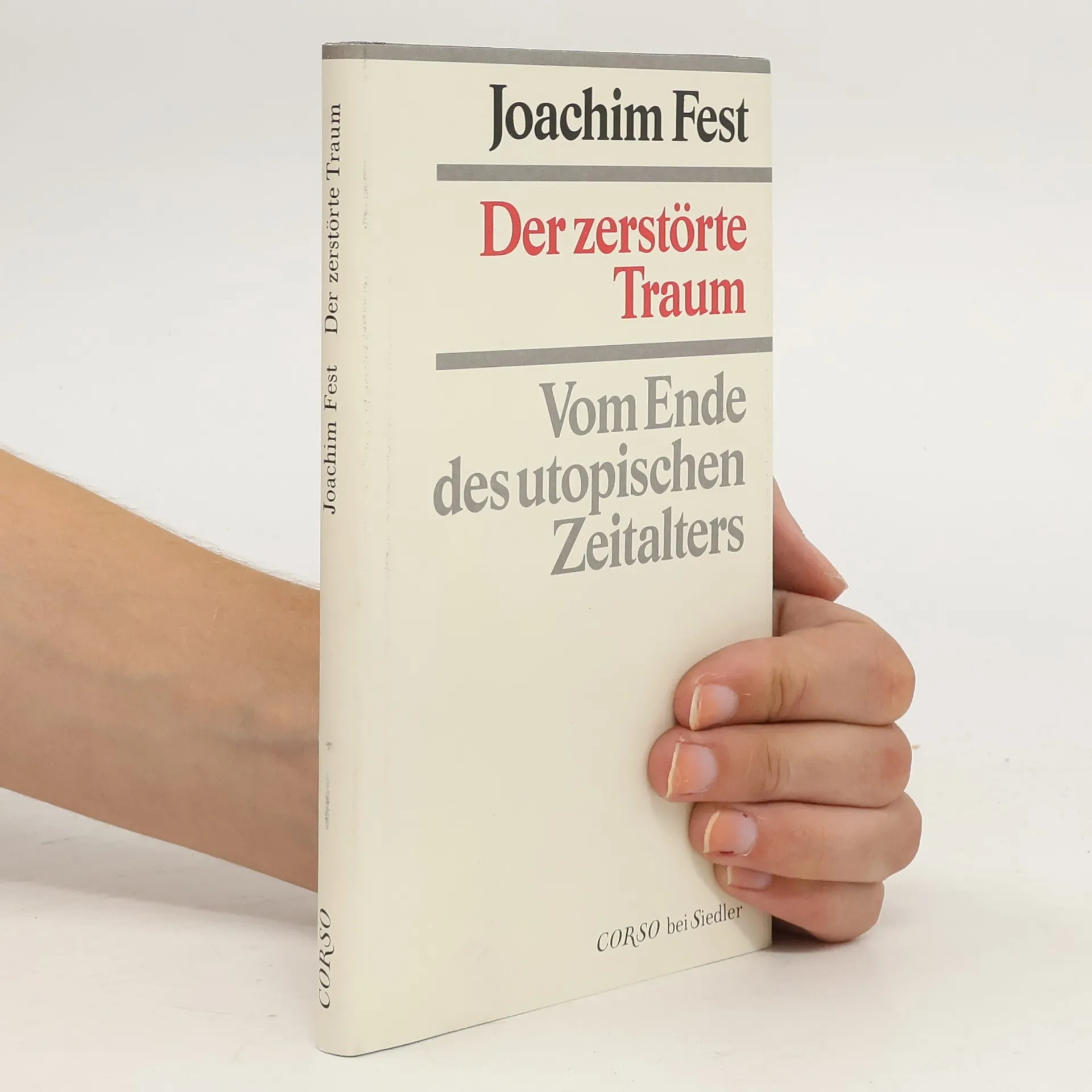
Als Journalist und als Herausgeber der «Frankfurter Allgemeinen Zeitung» hat Joachim Fest die publizistischen Debatten der Bundesrepublik geprägt wie kaum ein anderer. Seine Leitartikel und Kommentare widmen sich den großen Themen und Ereignissen der jüngeren Vergangenheit: Radikalenerlass und Deutscher Herbst, der Fall Filbinger und die TV-Serie «Holocaust», die gefälschten Hitler-Tagebücher und der Historikerstreit, zweiter Golfkrieg und ausländerfeindliche Gewalt sowie die Parteispendenskandale der Jahrtausendwende. Daneben setzt er sich in grundlegenden Essays mit 1968 und dem «zerstörten Traum» des utopischen Denkens auseinander. So entsteht ein lebendiges Panorama der politischen Kulturgeschichte, ergänzt durch wegweisende Aufsätze zu historischen Themen – das Vermächtnis eines unabhängigen Geistes und glänzenden Stilisten.