Explore the latest books of this year!
Bookbot

Peter Adamson

    August 10, 1972

    Peter Scott Adamson is an academic philosopher specializing in ancient and medieval thought, particularly within late antiquity and the Islamic world. His work delves into the philosophical traditions that shaped these pivotal historical periods, offering insightful analyses of their enduring impact.

    Classical Indian Philosophy
    Byzantine and Renaissance Philosophy
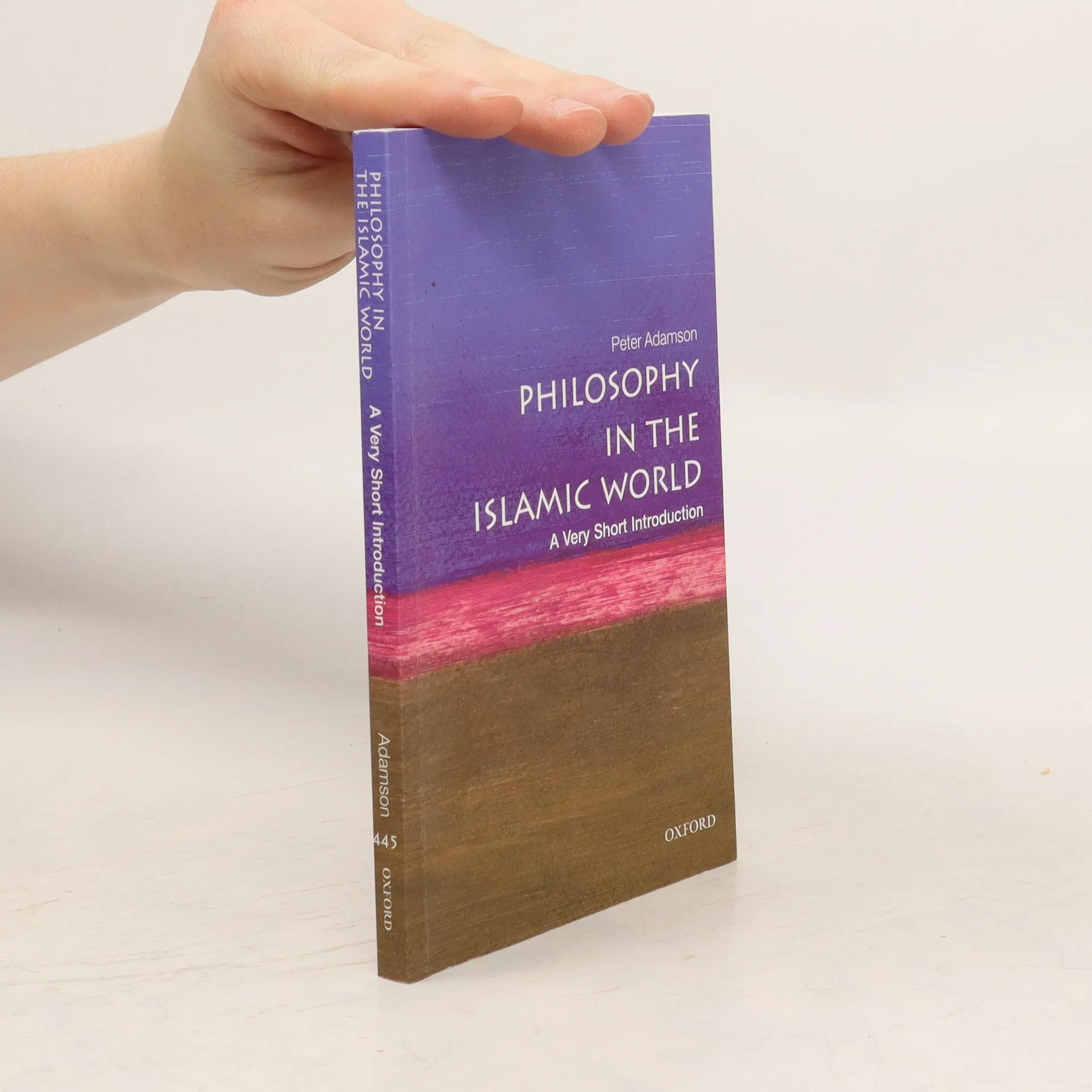
    Philosophy in the Islamic World
    Philosophy in the Hellenistic and Roman Worlds
    Medieval Philosophy
    The Cambridge Companion to Arabic Philosophy
    • This book offers an accessible introduction to Arabic philosophy, covering its evolution from the classical period to later Islamic thought. It features essays on key philosophers like al-Farabi, Avicenna, and Averroes, along with discussions on ethics, metaphysics, and connections to Greek and Jewish philosophy, supplemented by a bibliography and chronology.
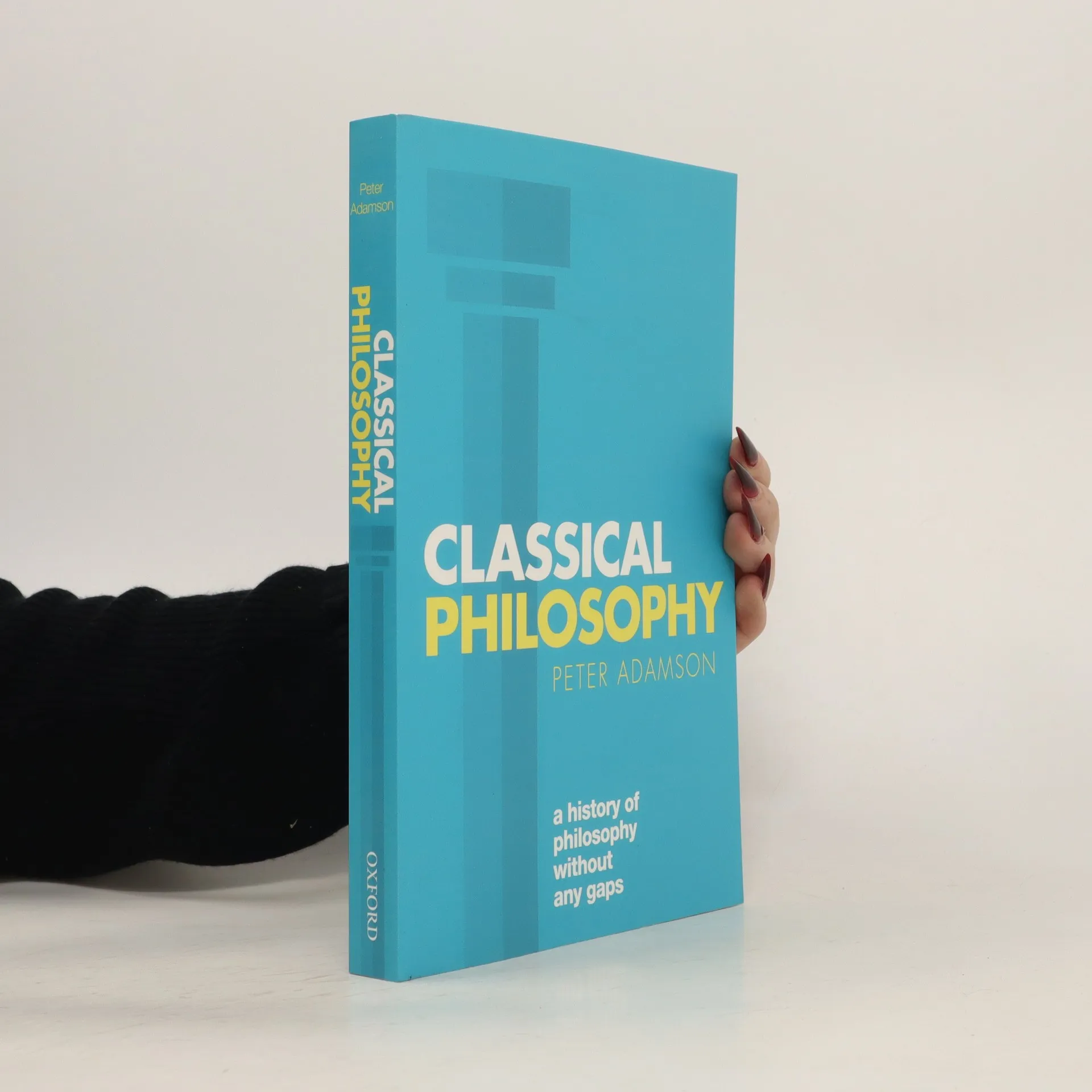

      The Cambridge Companion to Arabic Philosophy
    • Medieval Philosophy

      • 672 pages
      • 24 hours of reading
      4.4(51)Add rating

      Adamsom offers a lively and accessible tour through 600 years of intellectual history, offering a feast of new ideas in every area of philosophy. He introduces us to some of the greatest thinkers of the Western tradition including Abelard, Anselm, Aquinas, Hildegard of Bingen, and Julian of Norwich.

      Medieval Philosophy
    • one of the most accomplished and ambitious ventures in publishing . . . from the first volume onwards, a repeated refrain has been philosophers arguing that being a philosopher is the best choice in life. These books are so engaging, instructive and diverting it might almost make you believe that is true. The Scotsman

      Philosophy in the Hellenistic and Roman Worlds
    • Philosophy in the Islamic World

      • 544 pages
      • 20 hours of reading
      4.3(158)Add rating

      This is a well-written and interesting work . . . the author deserves credit for engaging with such a complex subject and making it accessible to the public. Muhammad Khan, The Muslim News

      Philosophy in the Islamic World
    • Byzantine and Renaissance Philosophy

      • 528 pages
      • 19 hours of reading
      4.3(22)Add rating

      Peter Adamson presents an engaging and wide-ranging introduction to two great intellectual cultures: Byzantium and the Italian Renaissance. First he tells the story of philosophy in the Eastern Christian world, from the 8th century to the 15th century, then he explores the rebirth of philosophy in Italy in the era of Machiavelli and Galileo.

      Byzantine and Renaissance Philosophy
    • Classical Indian Philosophy

      • 448 pages
      • 16 hours of reading
      4.3(75)Add rating

      Adamson and Ganeri present a lively introduction to one of the world's richest intellectual traditions: the philosophy of classical India. They guide us through such famous works as the Vedas and the Upanisads, and tell the stories of how Buddhism and Jainism developed. Anyone curious about South Asian philosophy can start here.

      Classical Indian Philosophy
    • In this Very Short Introduction, Peter Adamson sheds light on the philosophical ideas that emerged in the Islamic world. From the beginnings of the tradition to the twenty first century, he traces the history of philosophy among those living in Islamic lands, highlighting its key themes and ongoing relevance to contemporary concerns.

      Philosophy in the Islamic world : a very short introduction
    • In this book, Peter Adamson introduces the most important philosopher of the Islamic world, Ibn Sina. After describing the historical context in which he lived, what we know of the man, and his surviving works, Adamson discusses the different areas of Ibn Sina's thought.

      Ibn Sina (Avicenna): A Very Short Introduction
    • Don't Think for Yourself

      Authority and Belief in Medieval Philosophy

      • 194 pages
      • 7 hours of reading

      Exploring the tension between expert opinion and independent thought, this book delves into medieval philosophical perspectives to provide insights on how to evaluate the reliability of experts. It examines the criteria for discerning when to trust authoritative voices versus forming personal judgments, drawing on historical philosophical frameworks to inform contemporary debates about knowledge and belief.

      Don't Think for Yourself