A Map to the Door of No Return is a timely book that explores the relevance and nature of identity and belonging in a culturally diverse and rapidly changing world. It is an insightful, sensitive and poetic book of discovery. Drawing on cartography, travels, narratives of childhood in the Caribbean, journeys across the Canadian landscape, African ancestry, histories, politics, philosophies and literature, Dionne Brand sketches the shifting borders of home and nation, the connection to place in Canada and the world beyond. The title, A Map to the Door of No Return, refers to both a place in imagination and a point in history—the Middle Passage. The quest for identity and place has profound meaning and resonance in an age of heterogenous identities. In this exquisitely written and thought-provoking new work, Dionne Brand creates a map of her own art.
Dionne Brand Books
Dionne Brand's writing delves into the complexities of language, identity, and human connection, establishing her as a significant literary voice. Her poetry is characterized by its potent lyricism and profound insights into the human condition. Through vivid imagery and metaphor, Brand captures the raw beauty and struggles of existence, inviting readers to contemplate their own place in the world. Her work ultimately celebrates resilience and the search for meaning.

An Autobiography of the Autobiography of Reading
- 72 pages
- 3 hours of reading
"The geopolitics of empire had already prepared me for this…coloniality constructs outsides and insides—worlds to be chosen, disturbed, interpreted, and navigated—in order to live something like a real self." Internationally acclaimed poet and novelist Dionne Brand reflects on her early reading of colonial literature and how it makes Black being inanimate. She explores her encounters with colonial, imperialist, and racist tropes; the ways that practices of reading and writing are shaped by those narrative structures; and the challenges of writing a narrative of Black life that attends to its own expression and its own consciousness.
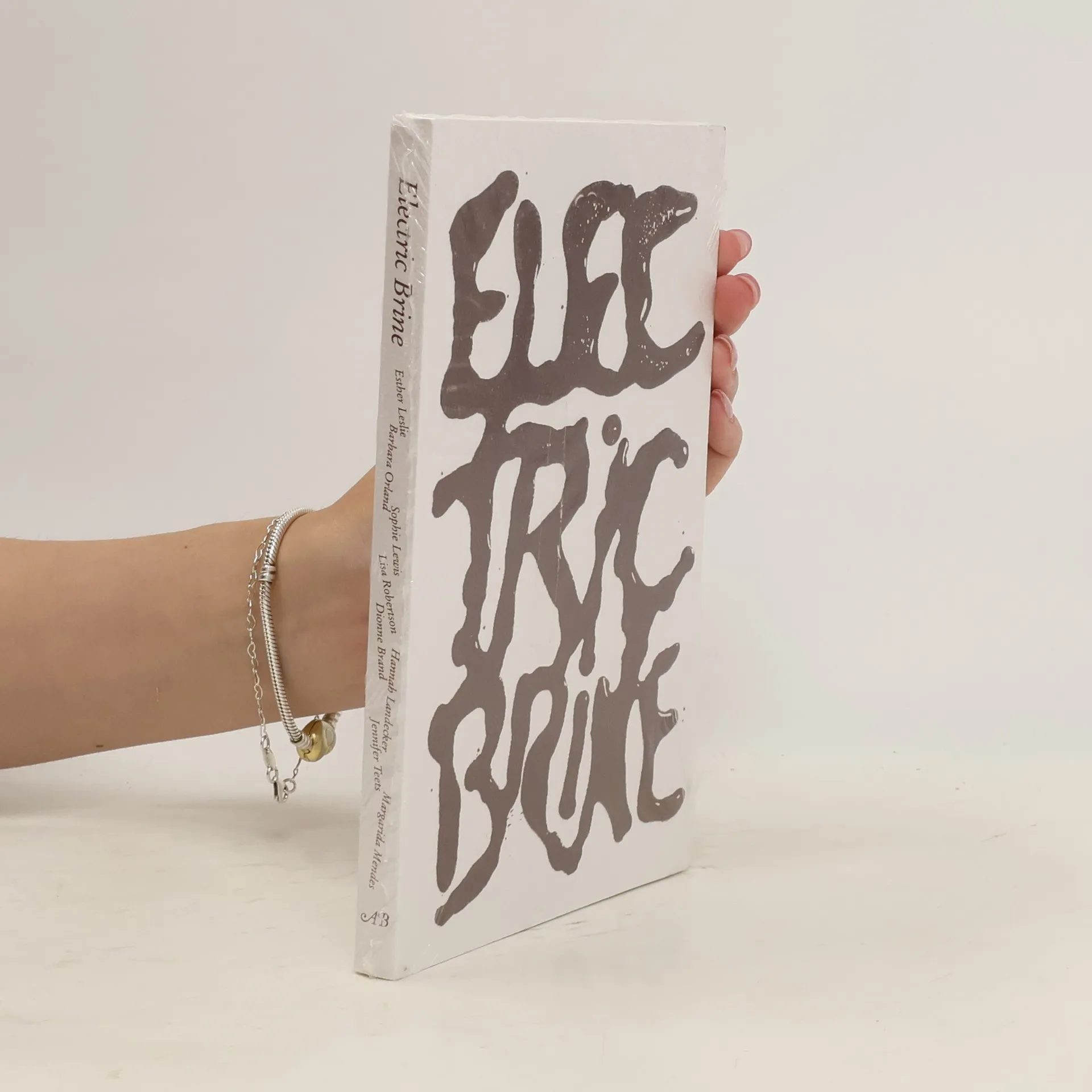
Flowing, seeping, leaking, cascading, shaping. Electric Brine is a volume of poetry and critical essays by women voices from diverse fields such as literature, geography, media studies, history of life sciences, sociology, and poetics of science and fiction, each of them central to the independent curatorial research entity The World in Which We Occur (TWWWO, 2014-ongoing) and its associated online study group Matter in Flux. Conceived as an anthology and a register, it serves as a testimony to the initiative’s long-standing work of creative adaptation and ecological inquiry through a quest to situate a vision of material politics through the lens of six punctuated pieces on flow and fluids. The literary and scientific fabulations found in these pages speak of the conjunction of lived embodiment, the materialized quality of language, and the ability to trigger political imagination through reading, writing and witnessing. Each of these strands polyperform under TWWWO, for they can be traced, retroactively, to the themes present in the live event series, to Matter in Flux’s private study sessions, to the initiative’s collective writing work presented in public venues and publications. Also included in this volume is an appendix documenting the years of invitation and study, intricately linked to the ideological praxis of these overlaps.
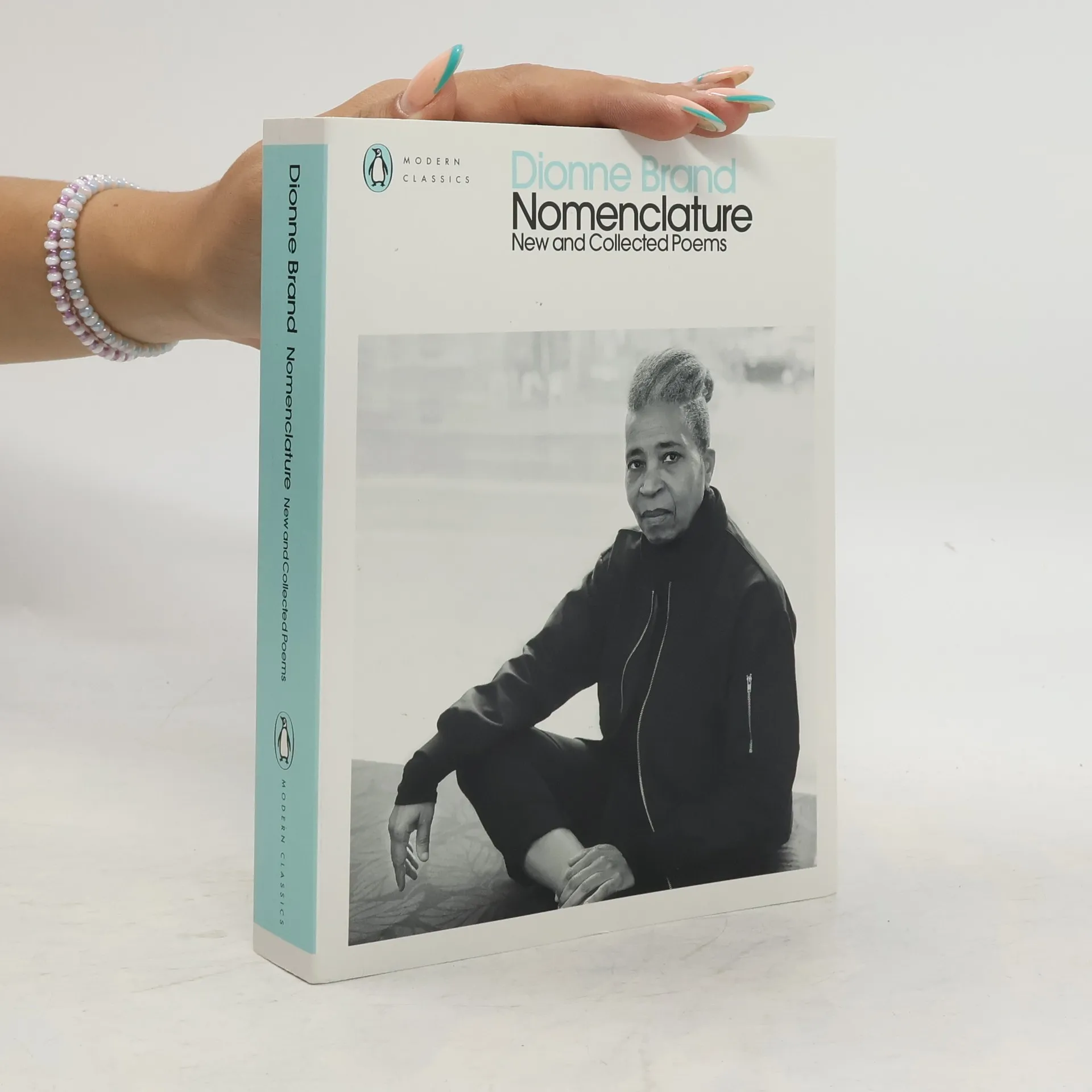
Nomenclature
- 672 pages
- 24 hours of reading
Spanning nearly four decades, Dionne Brand’s poetry has created new grammars and vocabularies. With a keen awareness of the present and an openness to future possibilities, Brand’s work serves as both witness and imagination, addressing the realities of our lives while transcending their confines and violences. The collection opens with a new long poem, Nomenclature for the Time Being, where Brand’s diaspora consciousness confronts everyday disasters. It also gathers eight volumes of her poetry published from 1982 to 2010, accompanied by a critical introduction from scholar Christina Sharpe. The collection showcases the introspective cantos of Primitive Offensive, the musical dialogues in Winter Epigrams, and the documentary reflections on revolutions in Chronicles of the Hostile Sun. No Language Is Neutral explores the intersections of language, coloniality, and sexuality, while Land to Light On delves into personal connections and disaffections with nationhood. In thirsty, a detached observer examines urban life, and in Inventory, written during the Gulf Wars, the poet acts as a vigilant witness, focusing on the need for continual revision. The collection concludes with Ossuaries, which weaves together multiple temporal realms. This masterwork encapsulates Brand’s rich, lyrical, and thought-provoking body of work, affirming her status as one of the great writers of our time.
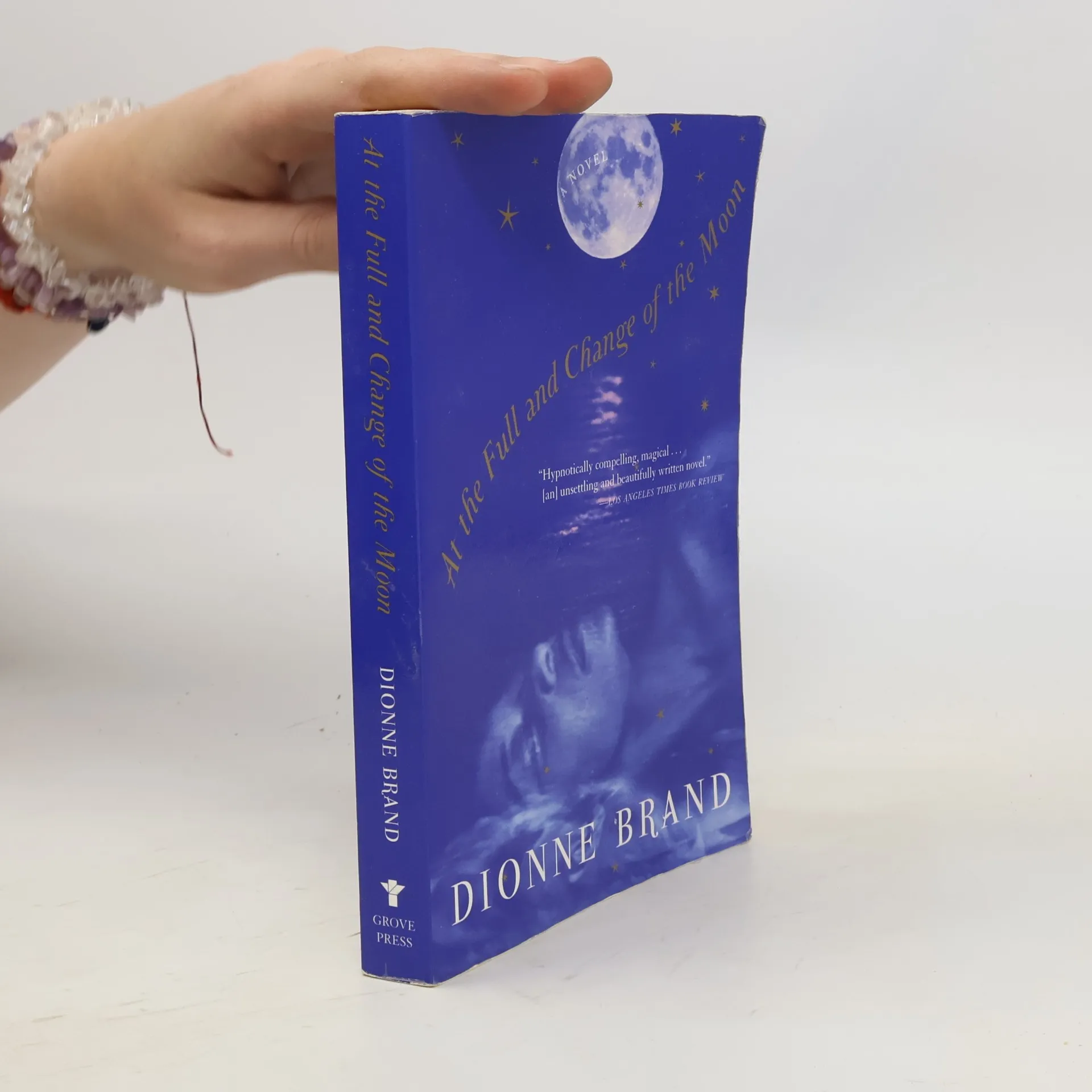
At the Full and Change of the Moon
- 320 pages
- 12 hours of reading
Brand's second novel, recognized as one of the "Los Angeles Times'" Ten Best Books of the Year, unfolds in 1824 Trinidad and explores a family's tragic history over a century.
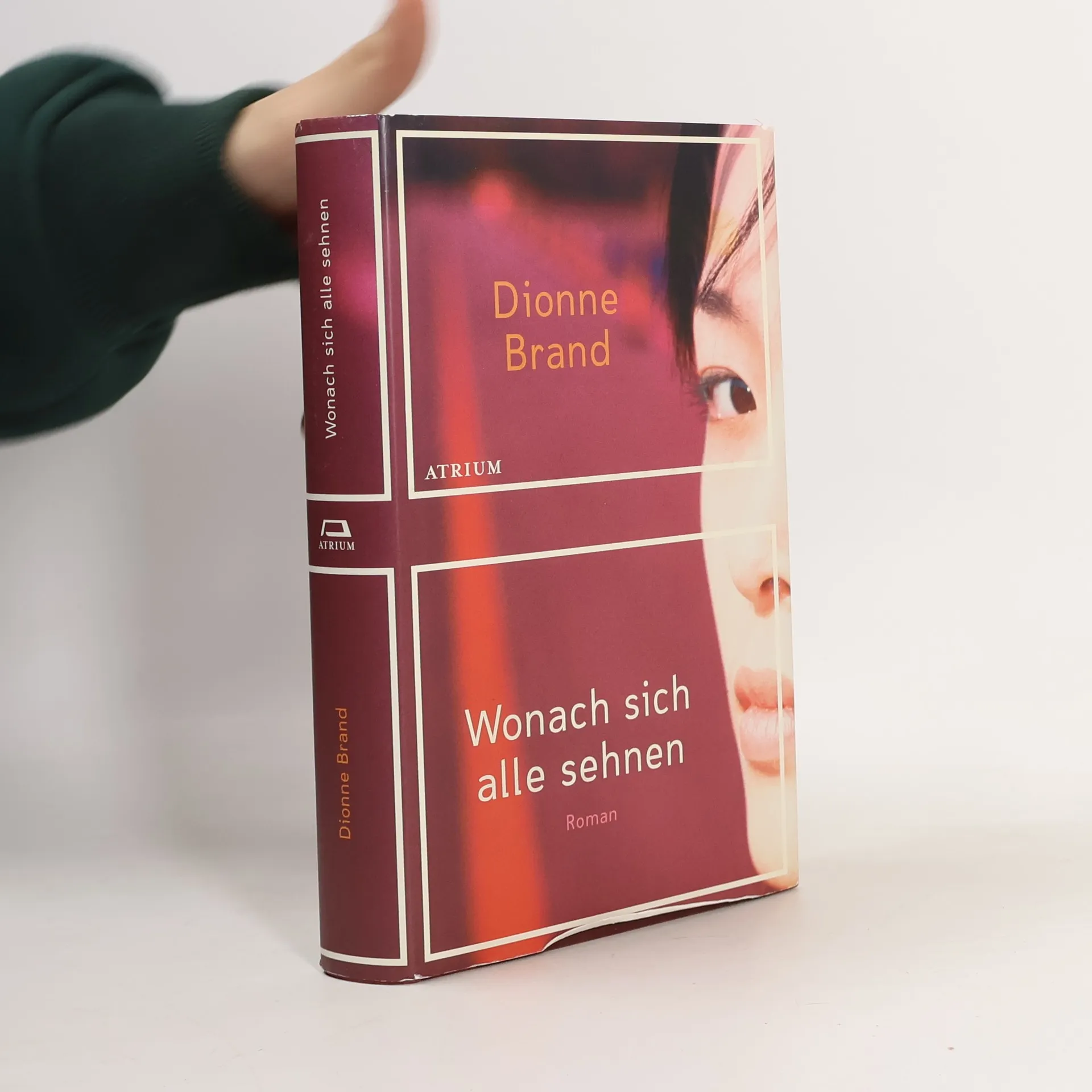
What We All Long for. Wonach sich alle sehnen, englische Ausgabe
- 336 pages
- 12 hours of reading
A multi-cultural infusion following a close circle of second-generation 20-somethings in downtown Toronto and the secrets they hide. Tuyen, a lesbian avant-garde artist and daughter of Vietnamese parents is in love with her best friend Carla, a bi-racial bicycle courier.Oku, a poet who unbeknownst to his Jamaican family has dropped out of college is tormented by unrequited love for Jackie, who runs a hip-hop store. Quy is Tuyen's long-lost brother, whose first person narrative describes the horror of Vietnamese refugee camps and his journey to Toronto change Tuyen's life.
Vietnam, 1970. Inmitten des Krieges versucht ein Ehepaar verzweifelt, mit ihrem sechsjährigen Sohn Quy aus dem Land zu fliehen. Als sie das rettende Boot erreichen, ist der Junge verschwunden, und sie müssen ohne ihn aufbrechen, mit dem Ziel Kanada. Toronto, 2002. Carla, Jackie, Oku und Tuyen, alle in Toronto geborene Kinder von Einwanderern, kämpfen darum, ihren Platz im Leben zu finden. Carla, die als Fahrradkurierin arbeitet, trägt die Trauer um den Selbstmord ihrer Mutter vor 18 Jahren und kümmert sich um ihren jüngeren Bruder, der in die Kriminalität abgerutscht ist. Jackie, Besitzerin eines Second-Hand-Ladens, versucht, ihre Emotionen im Zaum zu halten. Oku, ein Poet, ist unglücklich in Jackie verliebt und hat seinem ehrgeizigen Vater verschwiegen, dass er nicht mehr studiert. Tuyen, Künstlerin und Schwester des in Vietnam verlorenen Quy, hat ihn nie kennengelernt, während ihre Eltern weiterhin verzweifelt nach ihrem Sohn suchen. Während die vier Freunde das Stadtleben genießen, hat Quy in der thailändischen Unterwelt nur als Krimineller überlebt. Nach über 30 Jahren kehrt er schließlich nach Toronto zurück, doch kurz vor dem Treffen mit seiner Familie geschieht ein dramatisches Ereignis. Der Roman thematisiert Identität, Verlangen und Verlust auf eindringliche Weise.