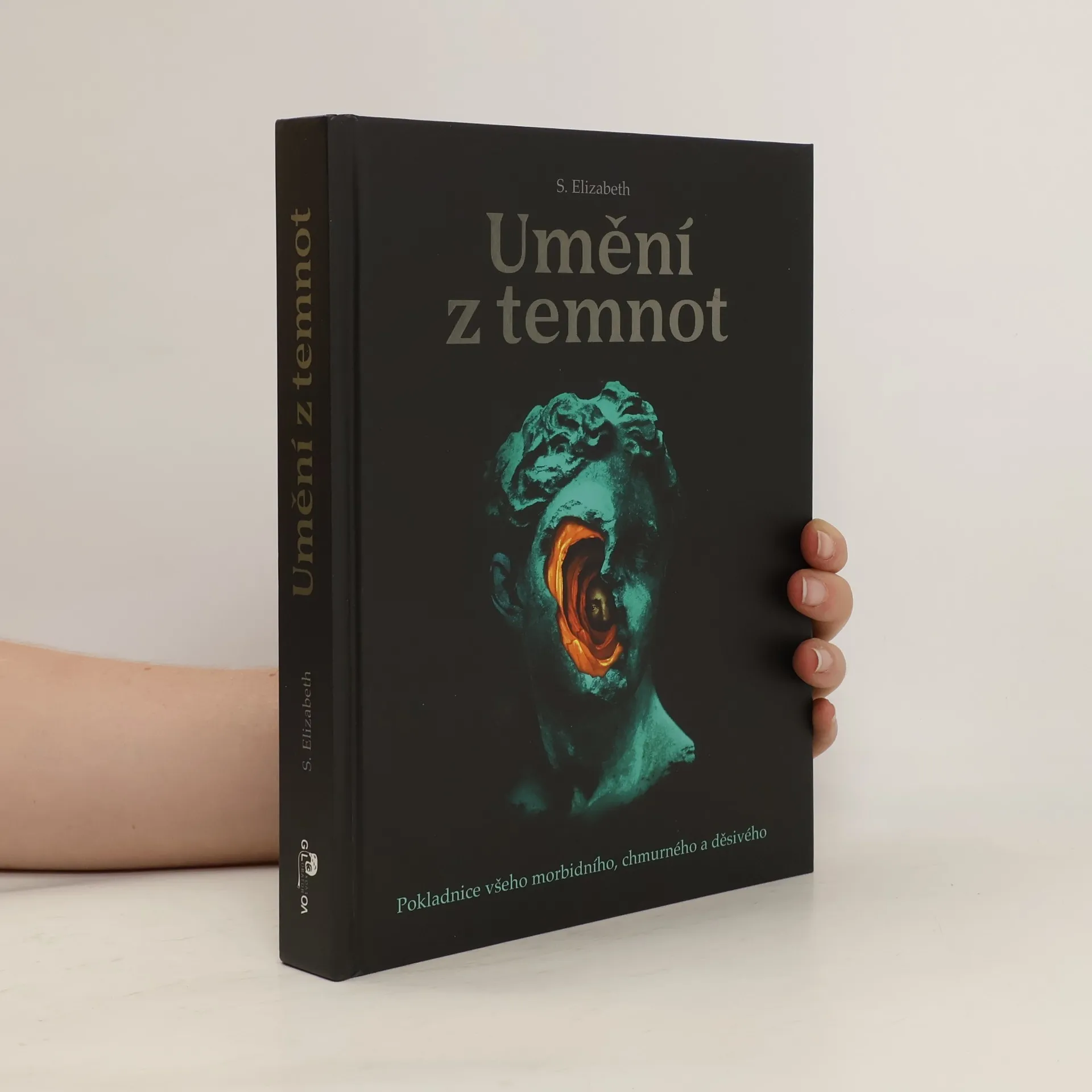
The Art of Darkness
- 240 pages
- 9 hours of reading
S. Elizabeth curates a sourcebook of more than 200 artworks inspired and informed by the morbid, melancholic and macabre.


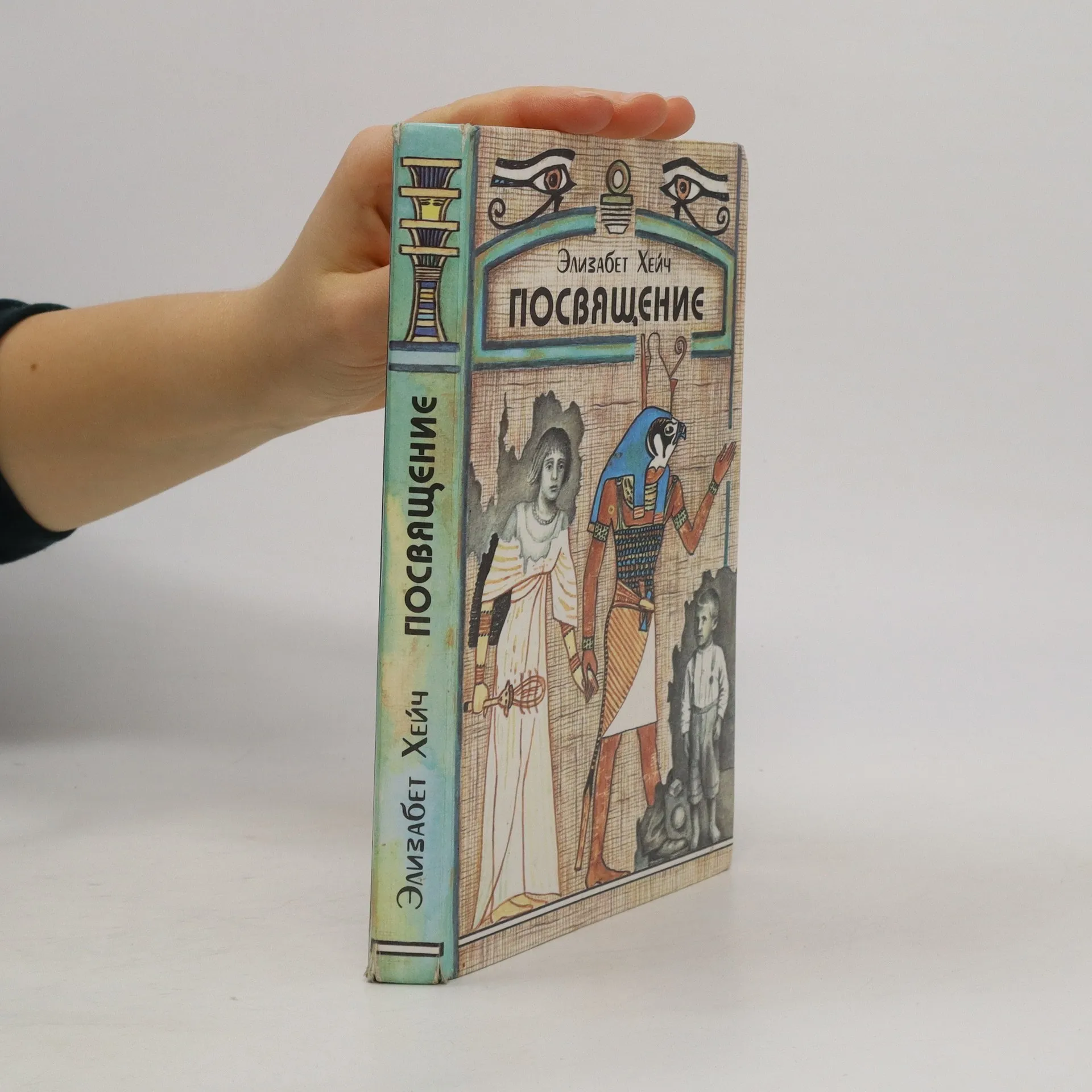
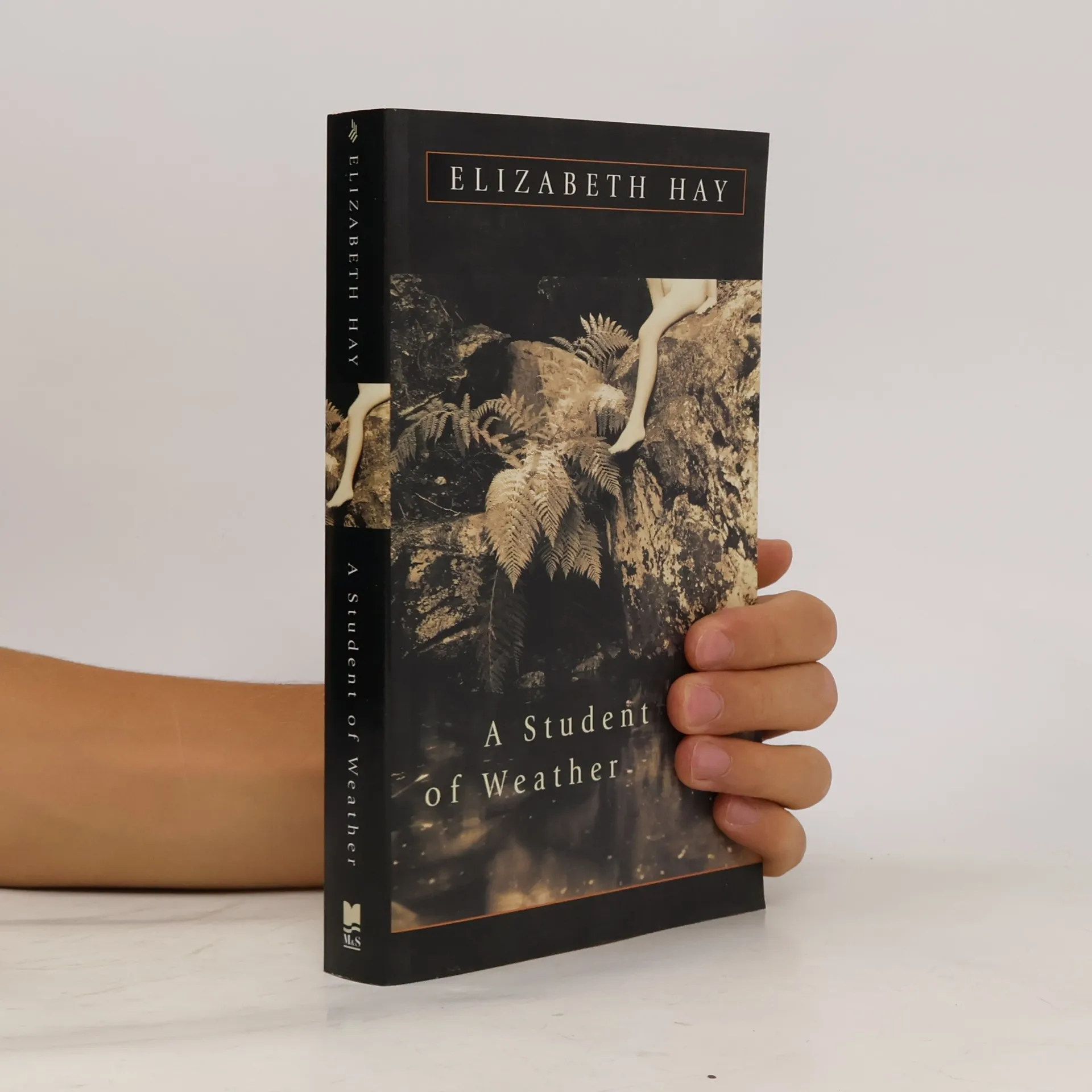
Elizabeth Hay crafts narratives that explore the intricate connections between people and their surroundings, often finding beauty and vulnerability in ordinary moments. Her prose is noted for its precision and sensitivity, delving into the complexities of the human experience. Hay focuses on capturing the nuances of her characters' emotional lives, as they frequently find themselves in transitional states. Her work consistently evokes a sense of introspection and empathy.

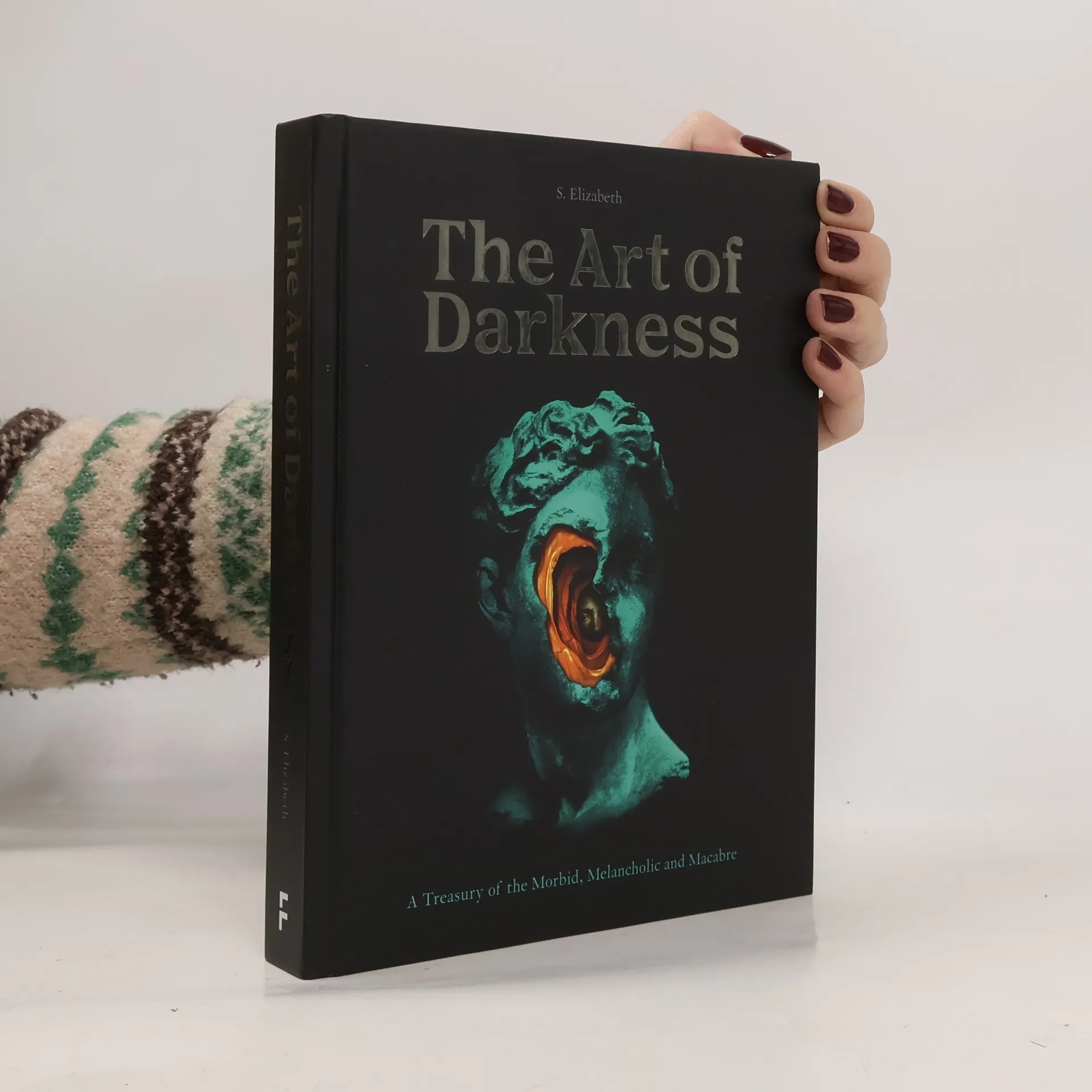
S. Elizabeth curates a sourcebook of more than 200 artworks inspired and informed by the morbid, melancholic and macabre.
From some accidents of love and weather we never quite recover. At the worst of the Prairie dust bowl of the 1930s, a young man appears out of a blizzard and forever alters the lives of two sisters. There is the beautiful, fastidious Lucinda, and the tricky and tenacious Norma Joyce, at first a strange, self-possessed child, later a woman who learns something of self-forgiveness and of the redemptive nature of art. Their rivalry sets the stage for all that follows in a narrative spanning over thirty years, beginning in Saskatchewan and moving, in the decades following the war, to Ottawa and New York City. Disarming, vividly told, unforgettable, this is a story about the mistakes we make that never go away, about how the things we want to keep vanish and the things we want to lose return to haunt us.
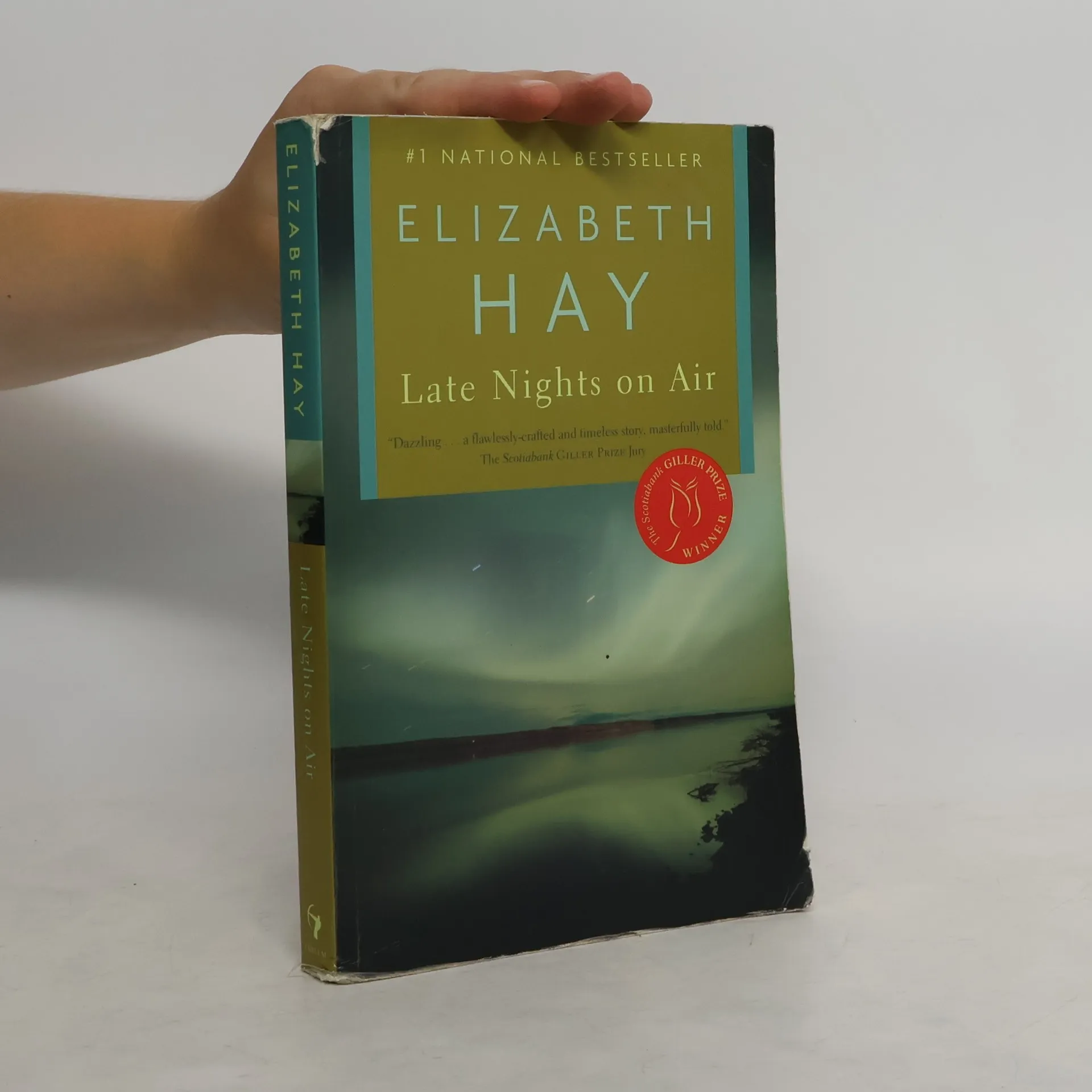
In 1975 Yellowknife, four employees of a small radio station embark on a canoe trip that takes them into the Arctic wilderness, following the 1927 route taken by ill-fated Englishman John Hornby, and find their relationships shifting
Exploring themes of thwarted ambition and unrealized dreams, this novel delves into the enduring bonds of female friendship and the unexpected nature of love at any age. With a blend of wit and wisdom, it captures the complexities of relationships and the surprises life can bring, showcasing the emotional depth and resilience of its characters. Elizabeth Hay, a Giller Prize-winning author, crafts a narrative that resonates with readers through its relatable experiences and insightful observations.
A poignant, complex and hugely resonant memoir about the shift from being a daughter to a guardian and caregiver, by Giller Prize-winning author.
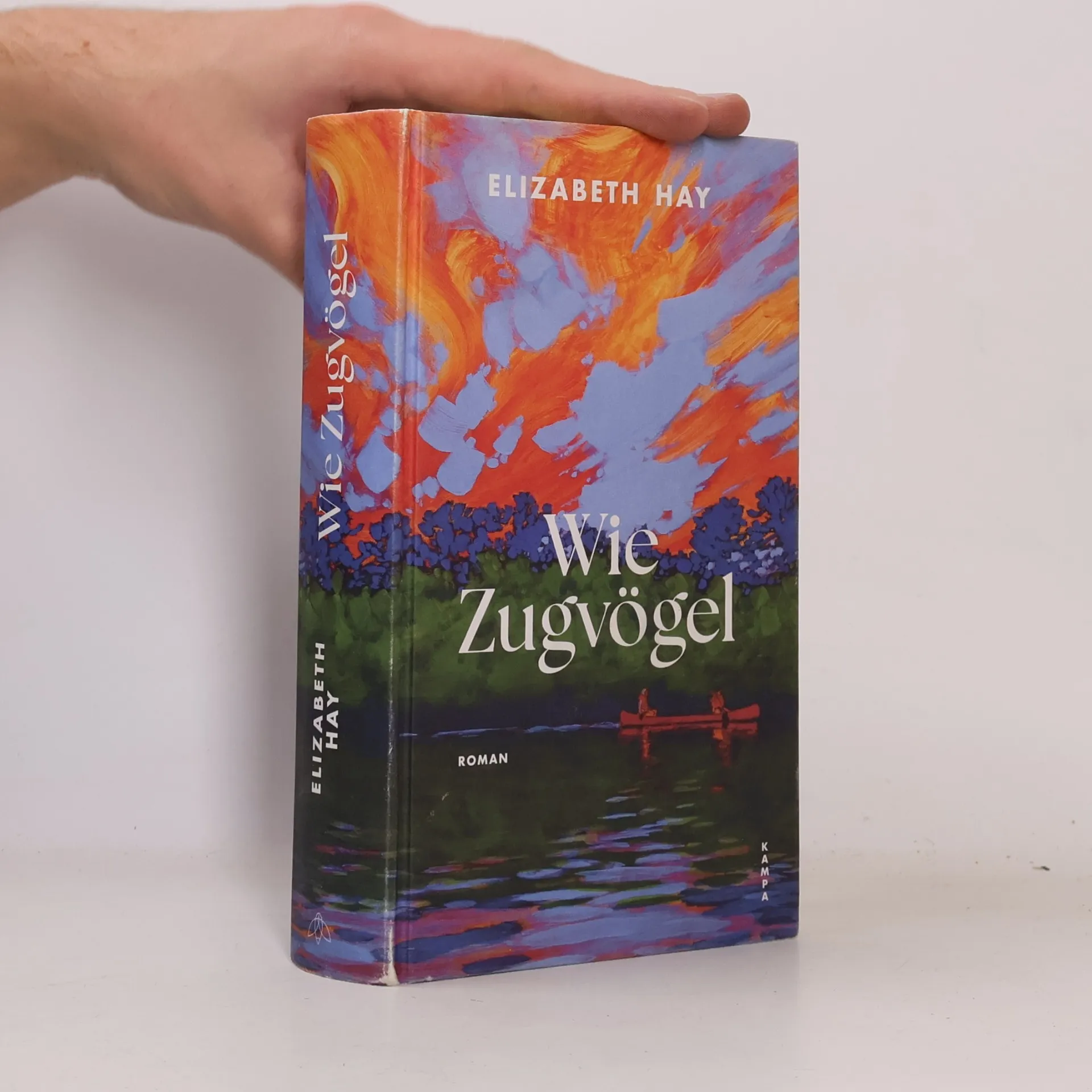
Yellowknife, eine ehemalige Goldgräberstadt am Ufer des Great Slave Lake im höchsten Norden Kanadas: ein Ort am Ende der Welt, ein unfertiger Ort, hässlich eigentlich, aber in seiner Leere doch voller Möglichkeiten. Heutzutage, in den siebziger Jahren, lockt er keine Abenteurer im Goldrausch mehr an, sondern die Gescheiterten, die sich hier eine neue Chance aufs Glück erhoffen. Im lokalen Radiosender arbeiten sie zusammen: Harry, der nach einer erfolgreichen Radiokarriere im Fernsehen gescheitert ist und jetzt wieder da steht, wo er angefangen hat; Dido, in deren Stimme sich in diesem Sommer alle verlieben, die selbst aber noch immer ihren einstigen Schwiegervater liebt; die blasse Gwen, die das erdrückende Schweigen ihres Elternhauses hinter sich gelassen hat; Eleanor, die Lyrik liest, wenn gerade niemand mit Musikwünschen anruft, und deren Ex-Mann nach der Hochzeit einfach nicht aufhören konnte zu weinen. Im unwirtlichen Norden ringen sie mit dem Leben und der Liebe, miteinander und mit sich selbst.
Melancholie, děs a morbidnost. Od snů a nočních můr k otázkám smrtelnosti, zkaženosti i zkázy, k bohům a příšerám. Tato kniha znepokojuje, staví nás tváří v tvář obavám, strachu a přízračné skutečnosti. Nalezneme v ní více než 200 pečlivě vybraných uměleckých děl, mezi jejichž autory patří Pablo Picasso, Georgia O'Keeffe, Francisco de Goya, Hieronymus Bosch, Leonora Carrington, John Everett Millais, Tracey Emin, Damien Hirst, Vincent van Gogh, Barbara Hepworth nebo Edvard Munch. S. Elizabeth, autorka této vizuálně bohaté knihy, zkoumá umělecká díla prostřednictvím promyšleného, sugestivního textu. Nepřestává se ptát, jakým způsobem se k temným stránkám vztahovat, zkoumá spojitosti mezi vysokou citlivostí, kreativitou, úzkostmi, duševními chorobami, šílenstvím. Zabývá se tajemnými a zpustlými krajinami, které po staletí lákají k osamělému přemýšlení či snění. Dozvíme se, jakým způsobem se proměňoval způsob zobrazování duchů a jiných nadpřirozených bytostí. Můžeme sledovat vlivy evropského romantismu až do počátku jednadvacátého století, zamýšlet se nad estetikou ošklivého či zlého a nově výtvarná díla nazírat z úhlu pohledu, který nabídl Georges Braque, když prohlásil: „Umění je zranění proměněné ve světlo.“ Tato kniha je součástí série Umění na okraji a volně navazuje na knihu Okultní umění (Volvox Globator, 2022).