Explore the latest books of this year!
Bookbot

Maria Àngels Anglada

    March 9, 1930 – April 23, 1999

    Maria Àngels Anglada was a Catalan poet and novelist whose work often explores history, myths, and human destinies. Her style is characterized by poetic language and a profound insight into character psychology. She sets her stories against historical backdrops to examine universal themes of love, loss, and the search for identity. Anglada brings a distinctive voice to literature that resonates with readers through its power and beauty.
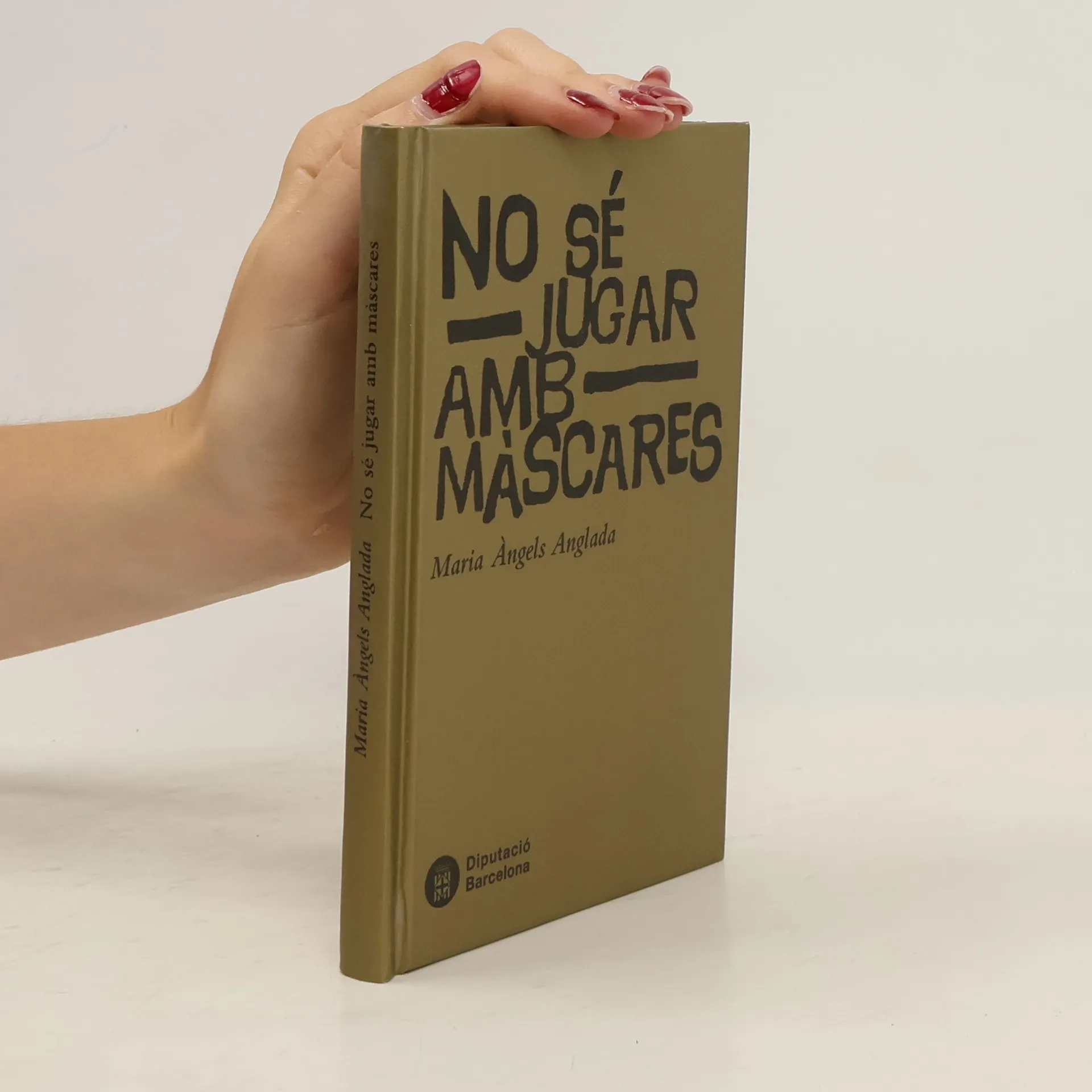
    No sé jugar amb máscares
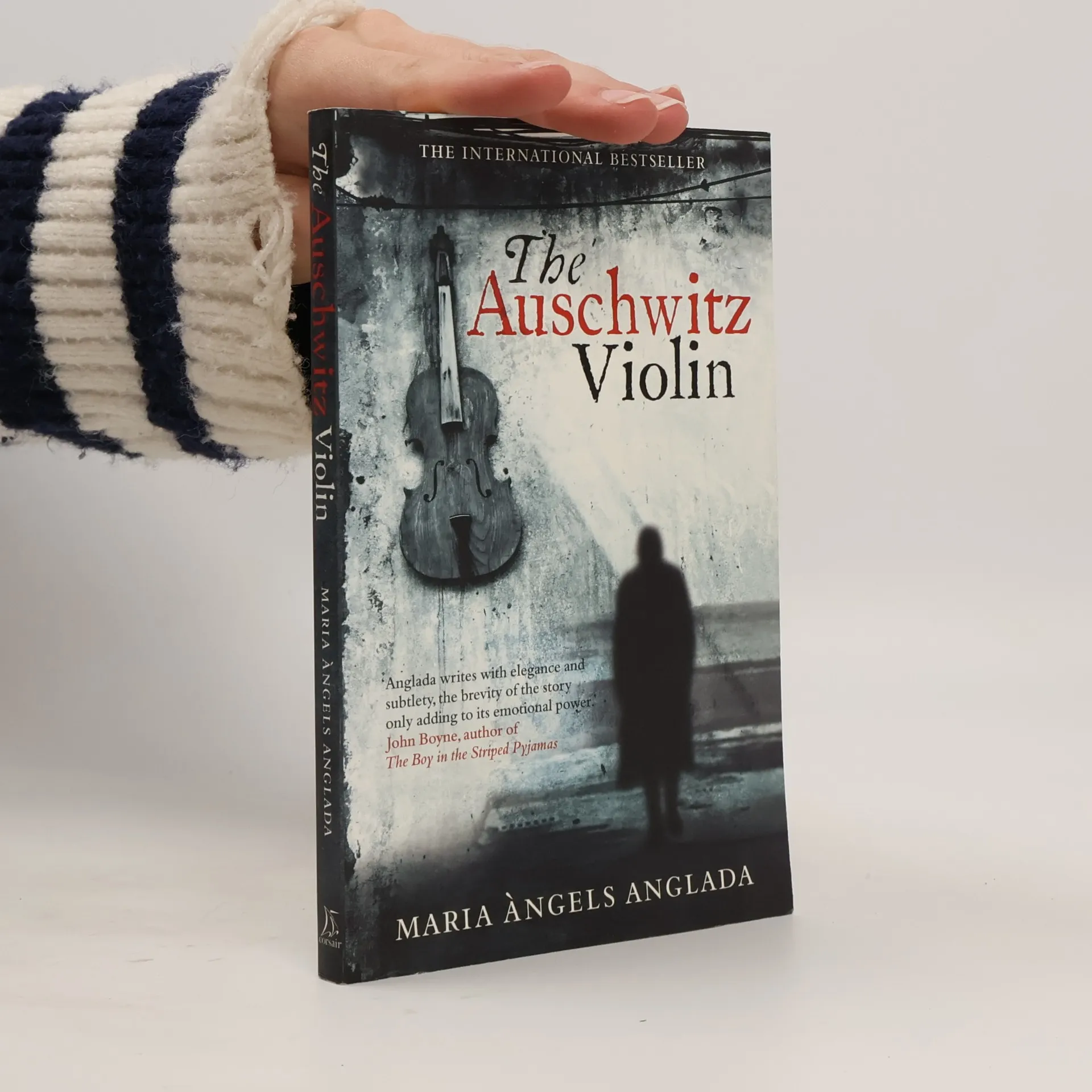
    Le violon d'Auschwitz. Die Violine von Auschwitz, französische Ausgabe
    El violí d'Auschwitz
    • El violí d'Auschwitz

      • 144 pages
      • 6 hours of reading
      3.9(37)Add rating

      An international sensation now available in English for the first time, The Violin of Auschwitz is the unforgettable story of one man’s refusal to surrender his dignity in the face of history’s greatest atrocity. In the winter of 1991, at a concert in Krakow, an older woman with a marvelously pitched violin meets a fellow musician who is instantly captivated by her instrument. When he asks her how she obtained it, she reveals the remarkable story behind its origin... Imprisoned at Auschwitz, the notorious concentration camp, Daniel feels his humanity slipping away. Treasured memories of the young woman he loved and the prayers that once lingered on his lips become hazier with each passing day. Then a visit from a mysterious stranger changes everything, as Daniel’s former identity as a crafter of fine violins is revealed to all. The camp’s two most dangerous men use this information to make a cruel wager: If Daniel can build a successful violin within a certain number of days, the Kommandant wins a case of the finest burgundy. If not, the camp doctor, a torturer, gets hold of Daniel. And so, battling exhaustion, Daniel tries to recapture his lost art, knowing all too well the likely cost of failure. Written with lyrical simplicity and haunting beauty—and interspersed with chilling, actual Nazi documentation— The Violin of Auschwitz is more than just a novel: It is a testament to the strength of the human spirit and the power of beauty, art, and hope to triumph over the darkest adversity.

      El violí d'Auschwitz
    • Auschwitz, 1944. Les privations, les coups, les humiliations. Un prisonnier juif, Daniel, lutte pour la survie de son âme. Surprenant un concert organisé par Sauckel, le commandant du camp, il révèle son talent de luthier pour sauver son ami Bronislaw, violoniste de génie accusé à tort d’avoir joué faux. Il va alors devoir fabriquer un violon qui imite le son d’un Stradivarius, car de cet instrument dépend leur salut... Composant un mélange subtil entre réalité et fiction, des documents historiques entrecoupent le récit comme autant de pauses glaçantes. Dans la tradition littéraire d’un Primo Levi, l’auteur mène une danse effroyable entre l’horreur de la barbarie et le sublime de la musique. C’est une leçon d’harmonie qu’offre la Catalane Maria Àngels Anglada. Son Violon est artisan de volupté, de fraternité. D’humanité. Laure Mentzel, Le Figaro.

      Le violon d'Auschwitz. Die Violine von Auschwitz, französische Ausgabe
    • La tria dels textos de Maria Àngels Anglada que composen aquest llibre, ha estat feta per D. Sam Abrams amb la voluntat d'oferir-nos un present carregat d'intencionalitat. Perquè el mot "present" té dos sentits, el sentit d'obsequi i el sentit d'actualitzar i aquest llibre els recull tots dos.És un regal que Maria Àngels Anglada ens va fer, i que ara, en petit format, arriba als lectors. I també representa l'actualitat de Maria Àngels Anglada perquè dóna una imatge renovada de l'escriptora, una imatge més ajustada a la realitat del nostre temps.

      No sé jugar amb máscares