
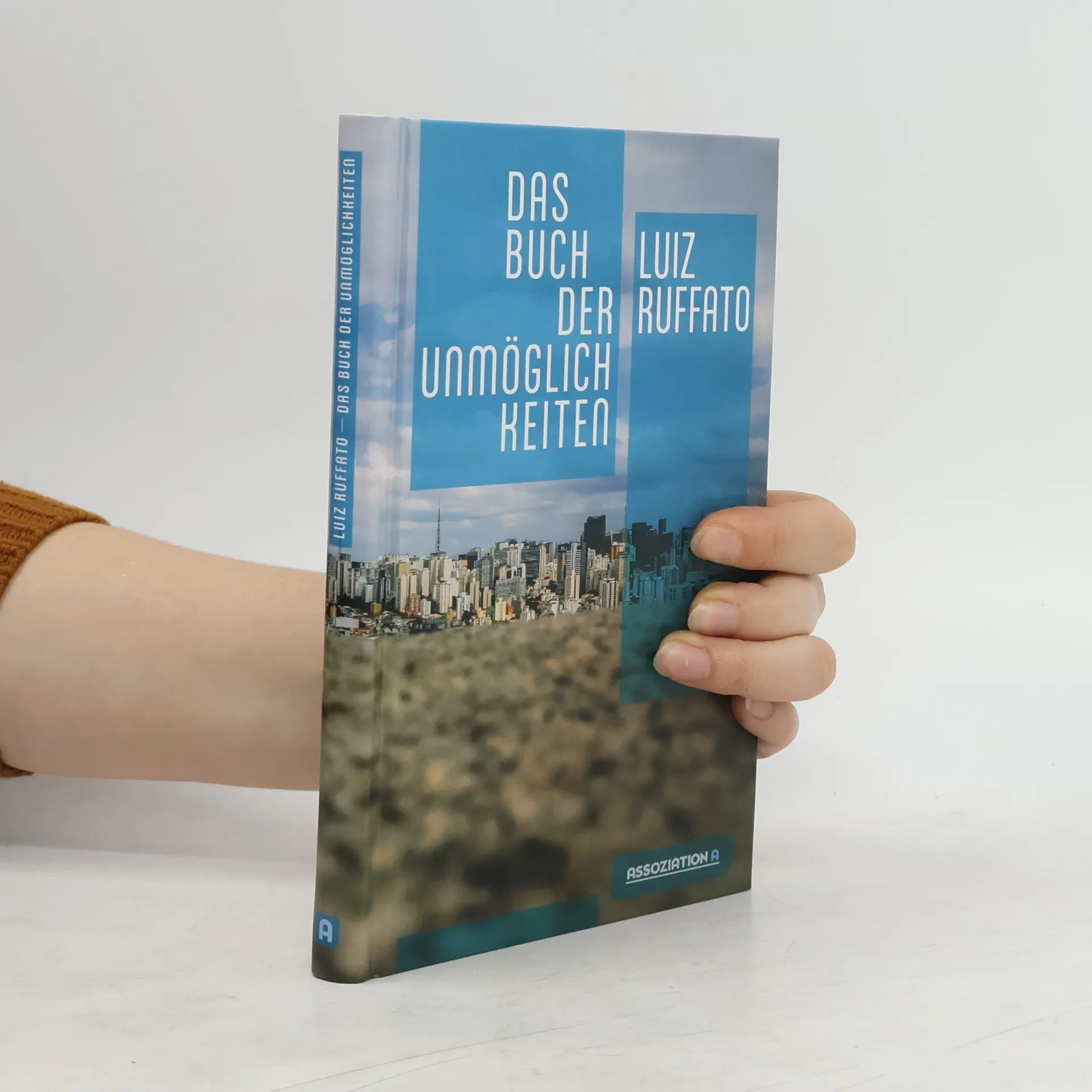

"From one of Brazil's most important living writers, a powerful reflection on the effects of isolation and feelings of inadequacy in our time. Sick and abandoned by his wife and son, Oséias decides to go back to his hometown after twenty years away. During this time apart, he has heard about his family only through sporadic phone calls from his younger sister, Isabela. The shadow of the suicide of their sister Lígia, when she was fifteen, lingers over Oséias as he tries to reestablish contact with his siblings. Each of them is absorbed in their own world: Rosana and her obsession with fitness; Isabela and her struggle to survive; João Lúcio and his isolation. All of them are branded by loneliness, but most of all Oséias, who, misunderstood by his family members and old acquaintances, decides to put an end to his journey. Late Summer can be read as both the realistic story of a displaced man tortured by his unsuccessful attempt to redeem his past, and as a portrait of contemporary society, in which social classes have ruptured any form of dialogue between them, and people have become rogue planets whose paths cross occasionally, risking mutual destruction."-- Provided by publisher
Luiz Ruffato Books
Luiz Ruffato is a Brazilian writer whose work delves into the complexities of urban life and the human psyche. His narratives often explore themes of memory, identity, and the search for meaning amidst the chaos of modern existence. Ruffato's prose is characterized by its lyrical quality and its ability to capture the unspoken emotions and subtle nuances of his characters' lives. He is recognized for his insightful portrayal of the Brazilian social landscape.


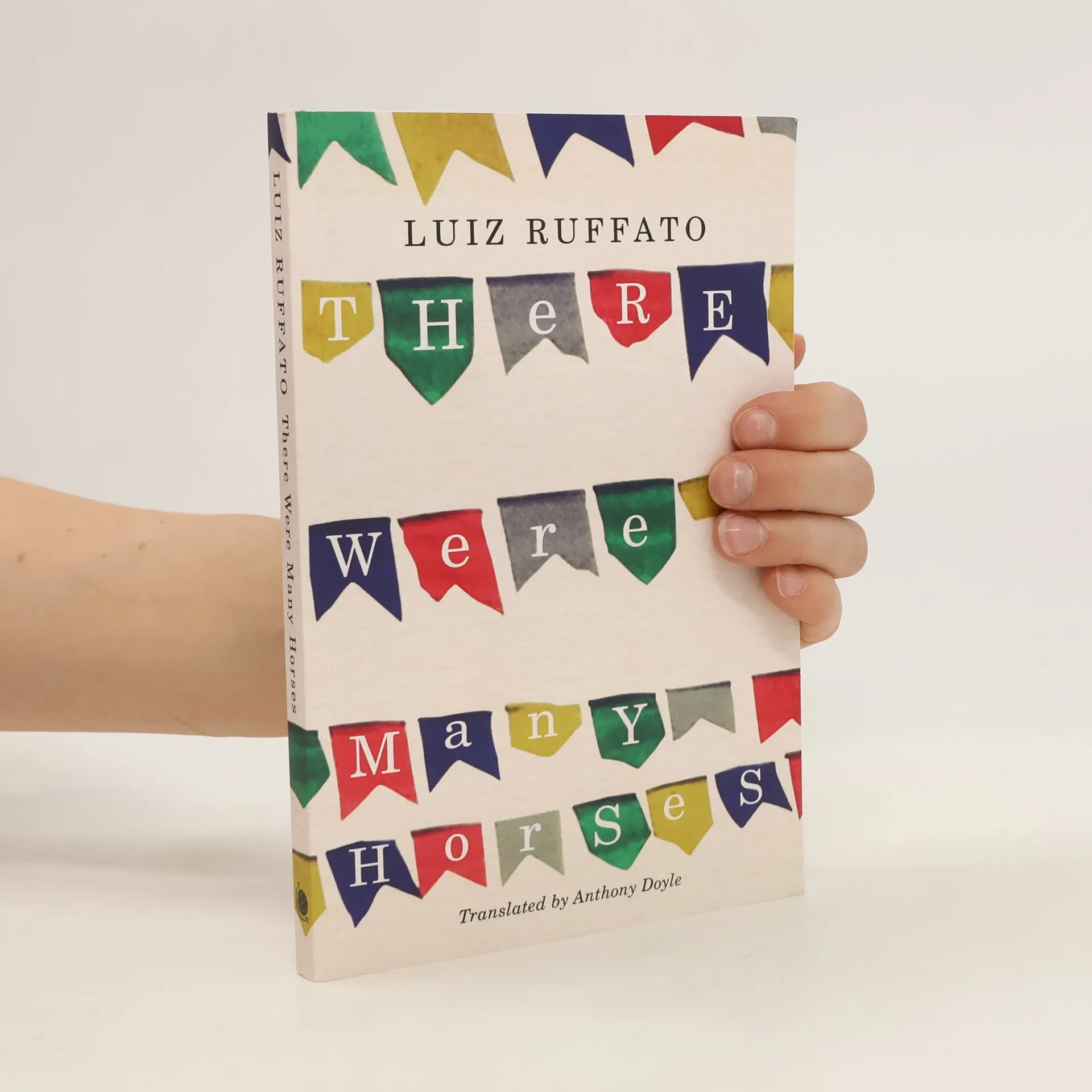
There Were Many Horses
- 160 pages
- 6 hours of reading
There Were Many Horses is a groundbreaking work of contemporary Brazilian literature now available in English for the first time. It's May 9, 2000, and São Paulo is teeming with life. As Luiz Ruffato describes the scenes around him on this one typical day, he deciphers every minute and second of a metropolis marked by diversity--a mosaic of people from all over Brazil and the world that defines São Paulo's personality at the start of the twenty-first century. The city is more than just traffic jams, parks, and global financial maneuvering. It is alive, and every rat and dusty grocery truck informs its distinctive character. Winner of the Brazilian National Library's Machado de Assis Award and the APCA Award for best novel.
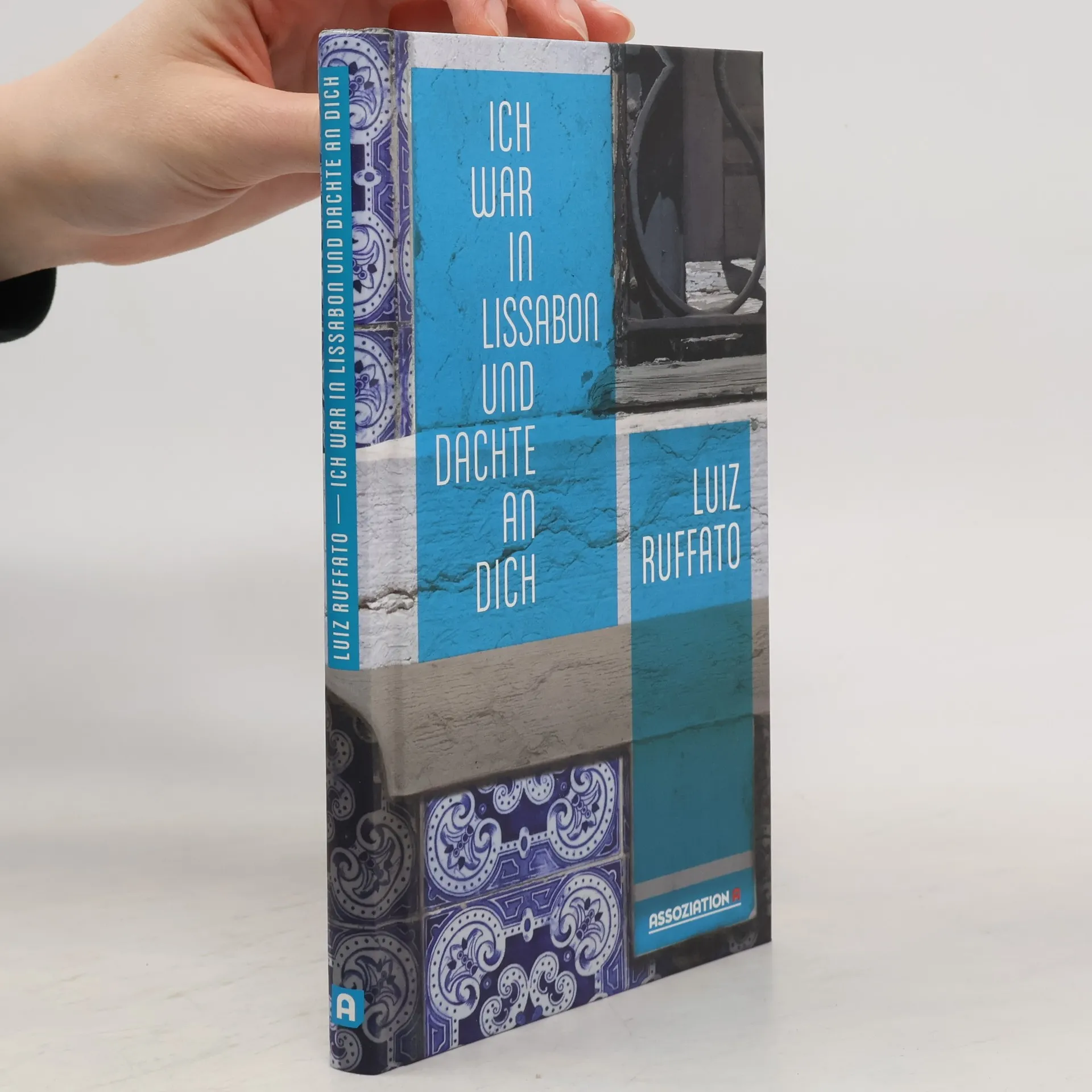
Luiz Ruffatos Roman erzählt mit lakonischer Präzision vom alltäglichen Überlebenskampf eines Migranten in Europa und zeigt uns ein Bild der Stadt Lissabon fernab von touristischen Klischees. Eine moderne Parabel.
Sonntage ohne Gott
Vorläufige Hölle, Bd. 5
"Sonntage ohne Gott" ist der fünfte und letzte Teil des Roman-Zyklus "Vorläufige Hölle", mit dem Luiz Ruffato brasilianische Literaturgeschichte geschrieben hat. Ein vielstimmiger, zerrissener Chor aus zahllosen Einzelstimmen erzählt die Geschichte Brasiliens in der zweiten Hälfte des 20. Jahrhunderts aus der Perspektive der Arbeitenden, Besitzlosen, Entrechteten. Der vorliegende Band ist der Schlussakkord dieser großen Erzählung.
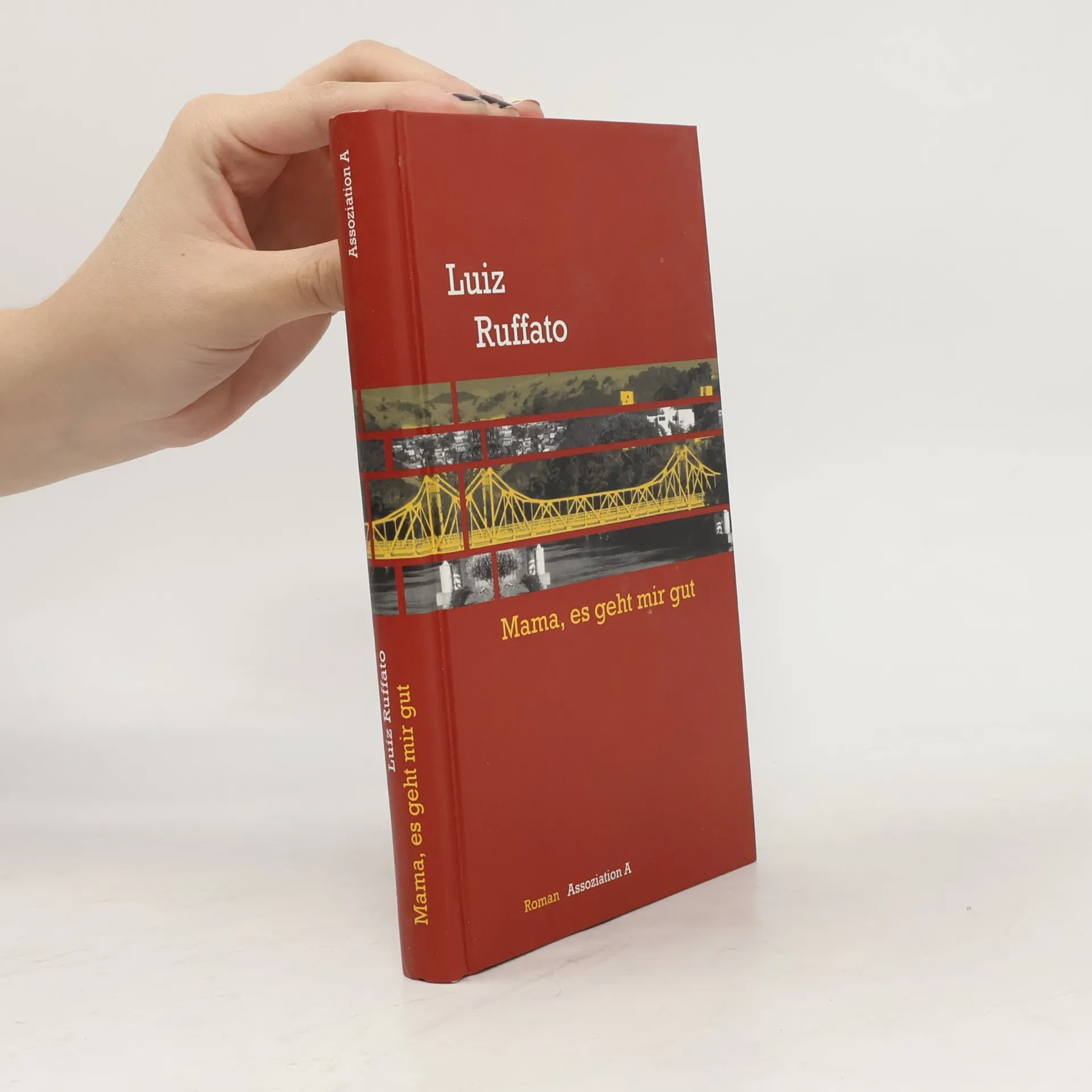
Mama, es geht mir gut
Vorläufige Hölle, Bd. 1
Das Buch bildet den Auftakt des Romanzyklus 'Vorläufige Hölle', mit dem Ruffato den Armen, den einfachen Leuten, den Migranten eine Stimme verleiht. Er hebt sie aus ihrer literarischen Vergessenheit und lässt so die Geschichte des brasilianischen Proletariats wiederauferstehen. Innere Monologe wechseln mit poetischen Passagen, mit Szenen von dramatischer Intensität. Unprätentiös, frei von Sozialromantik und auf höchstem literarischen Niveau. Ruffatos Saga des proletarischen Brasilien ist nüchtern, schmerzhaft und kompromisslos.
Von Hoffnung getrieben, von Mühsal beladen, oft in Enttäuschung endend: Die Binnenmigration vom Land in die Großstadt und das Leben der einfachen Leute sind das große Thema von Luiz Ruffato. Der Roman entwirft das Porträt einer zerrissenen Generation, die vielleicht als letzte noch glaubte, dass Zukunft auch Fortschritt bedeutet.
Der schwarze Sohn Gottes
16 Fußballgeschichten aus Brasilien
16 Autorinnen und Autoren erzählen in dieser einzigartigen Anthologie Geschichten um und über den Fußball in Brasilien. Über die Träume, Hoffnungen und Wünsche, die sich mit ihm verbinden. Über die zauberhafte Magie des Balls, die Unvorhersehbarkeiten eines Spielverlaufs, der Härten, Ungerechtigkeiten und Überraschungen birgt, über sagenhafte Aufstiege und bittere Enttäuschungen. Die Erzählungen zeigen, dass Fußball das Terrain großer Gefühle ist, aber auch leise und einfühlsame Töne zulässt. Und dass auch Fußballnieten durchaus imstande sind, ein glückliches Leben zu führen.
Des gens heureux
- 166 pages
- 6 hours of reading
Une petite communauté italienne de l'intérieur du Minas Gerais : un père vindicatif et violent suit la lente désagrégation de sa famille ; le remords et la maladie rongent une femme ; une mère et un fils règlent leurs comptes avec le passé ; un homme se sent coupable d'un crime qu'il n'est pas sûr d'avoir commis ; un autre disparaît sans laisser de traces ; un professeur garde un terrible secret... Luiz Ruffato nous propose par la structure même de sa narration des portraits minutieux d'une société à l'agonie. Ils nous font regarder sous toute une variété d'angles les comportements et la complexité des relations. Les protagonistes fonctionnent en une ronde de connexions et de vies. Le lecteur peut tenter d'y retrouver les liens familiaux, les fils conducteurs, mais il peut aussi se laisser emporter dans ce panorama social intense et cruel par le texte lui-même et les innovations narratives qu'y propose l'auteur. Celui-ci recherche en effet sa structure plus dans le vocabulaire de la création plastique que dans la tradition littéraire.

