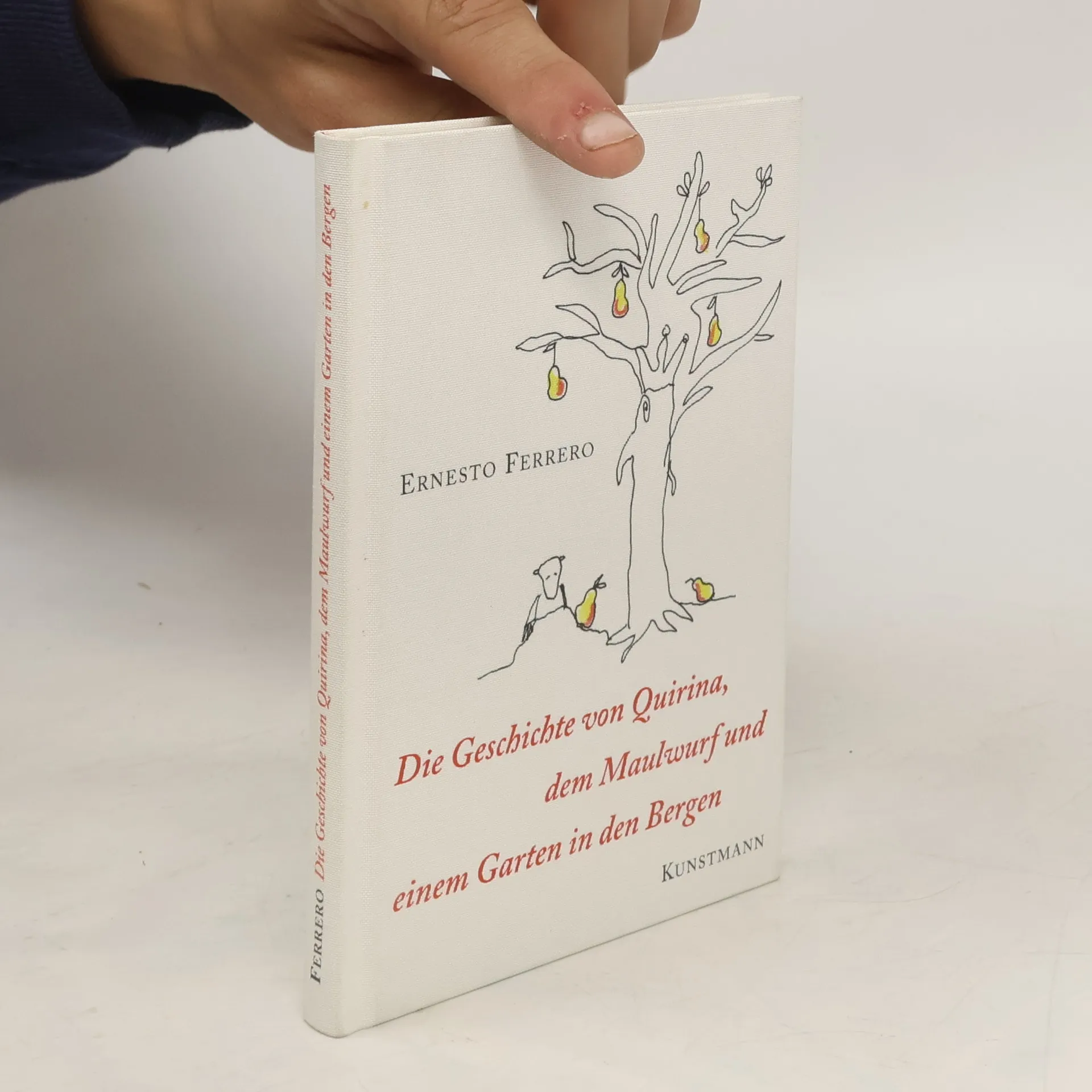
Mit über achtzig lebt Quirina in einem Dorf in den Bergen und kommt noch gut alleine klar: mit Kreuzworträtseln und dem Studium der großen Enzyklopädie, vor allem aber der Pflege des geliebten Gartens, Urbild kosmischer Harmonie. Doch eines Morgens ist er mit Maulwurfshügeln übersät, und Quirinas geregelte Welt steht Kopf. Was soll sie tun? Plötzlich geben sich die Besucher die Klinke in die Hand, und jeder weiß guten Rat: Die Dorfbewohner kennen alte Hausmittel, die Tochter in der Stadt recherchiert im Internet und schickt ihre neurotische Katze, ja sogar der weltfremde Schwiegersohn ruft an und zitiert Beispiele aus Geschichte und Literatur. Unglaublich, wie viele kluge Köpfe sich mit dem Maulwurf beschäftigt haben: von Marx bis Shakespeare, Nietzsche und Darwin bis zu Kafka, Primo Levi und John le Carré … Je mehr Quirina – und mit ihr der Leser – über den Quälgeist erfährt, umso interessanter wird das Tier, bis die alte Dame ihren Feind schließlich vor allzu heftigen Vernichtungsaktionen in Schutz nimmt – und schmerzlich vermisst, als die Wühlerei unvermittelt ein Ende hat. Doch wer weiß, nächstes Frühjahr …
Ernesto Ferrero Books
Ernesto Ferrero is an Italian writer and literary critic renowned for his extensive work within the publishing world, notably at Einaudi, and his leadership of the Turin International Book Fair. His career has been shaped by collaborations with prominent Italian intellectuals, fostering a profound understanding of literary currents. Ferrero's writing delves into the rich tapestry of Italian literature, exploring its historical roots and contemporary expressions. His approach is characterized by keen analysis and a deep-seated passion for the written word.
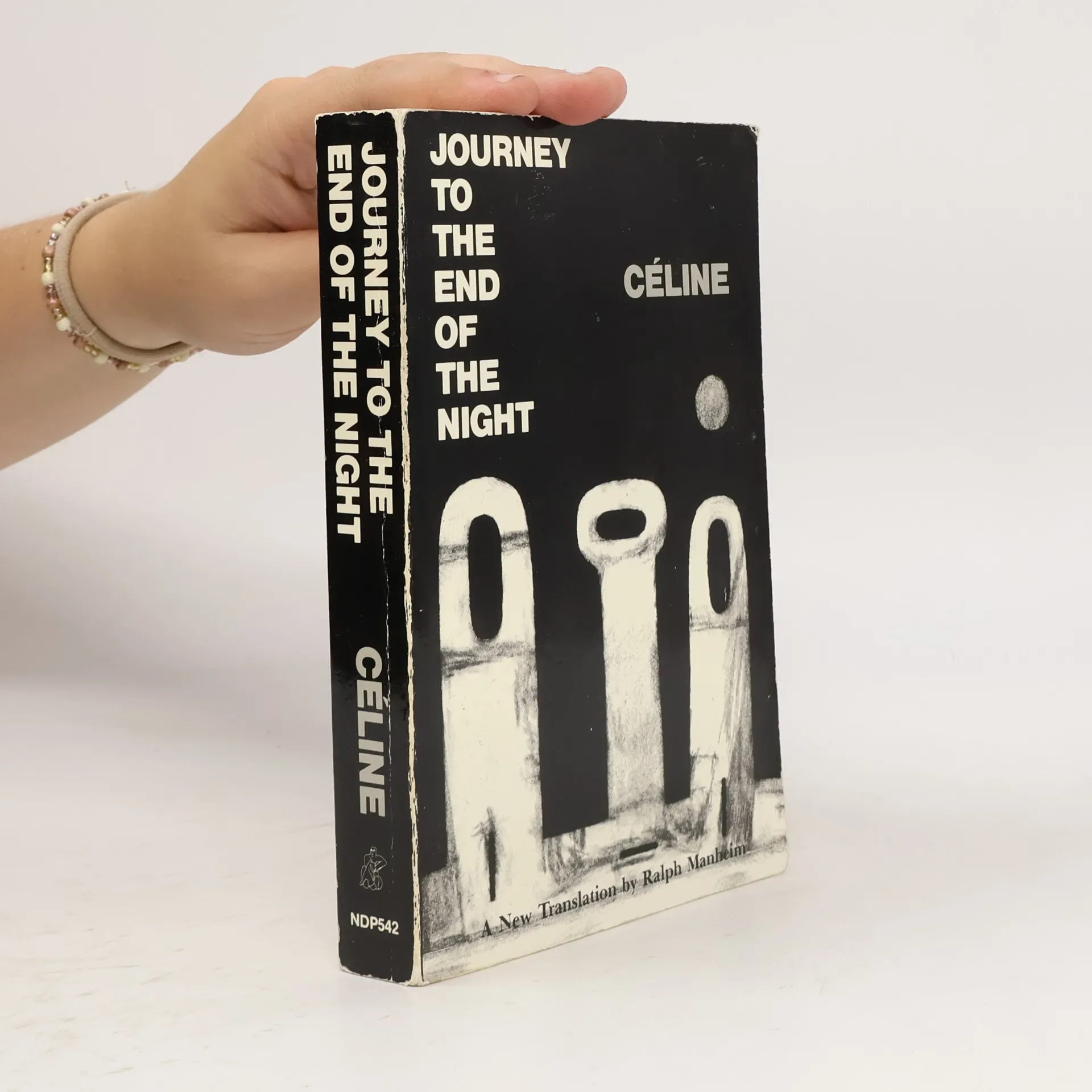
Louis-Ferdinand Celine's revulsion and anger at what he considered the idiocy and hypocrisy of society explodes from nearly every page of this novel. Filled with slang and obscenities and written in raw, colloquial language, Journey to the End of the Night is a literary symphony of violence, cruelty and obscene nihilism. This book shocked most critics when it was first published in France in 1932, but quickly became a success with the reading public in Europe, and later in America where it was first published by New Directions in 1952. The story of the improbable yet convincingly described travels of the petit-bourgeois (and largely autobiographical) antihero, Bardamu, from the trenches of World War I, to the African jungle, to New York and Detroit, and finally to life as a failed doctor in Paris, takes the readers by the scruff and hurtles them toward the novel's inevitable, sad conclusion.
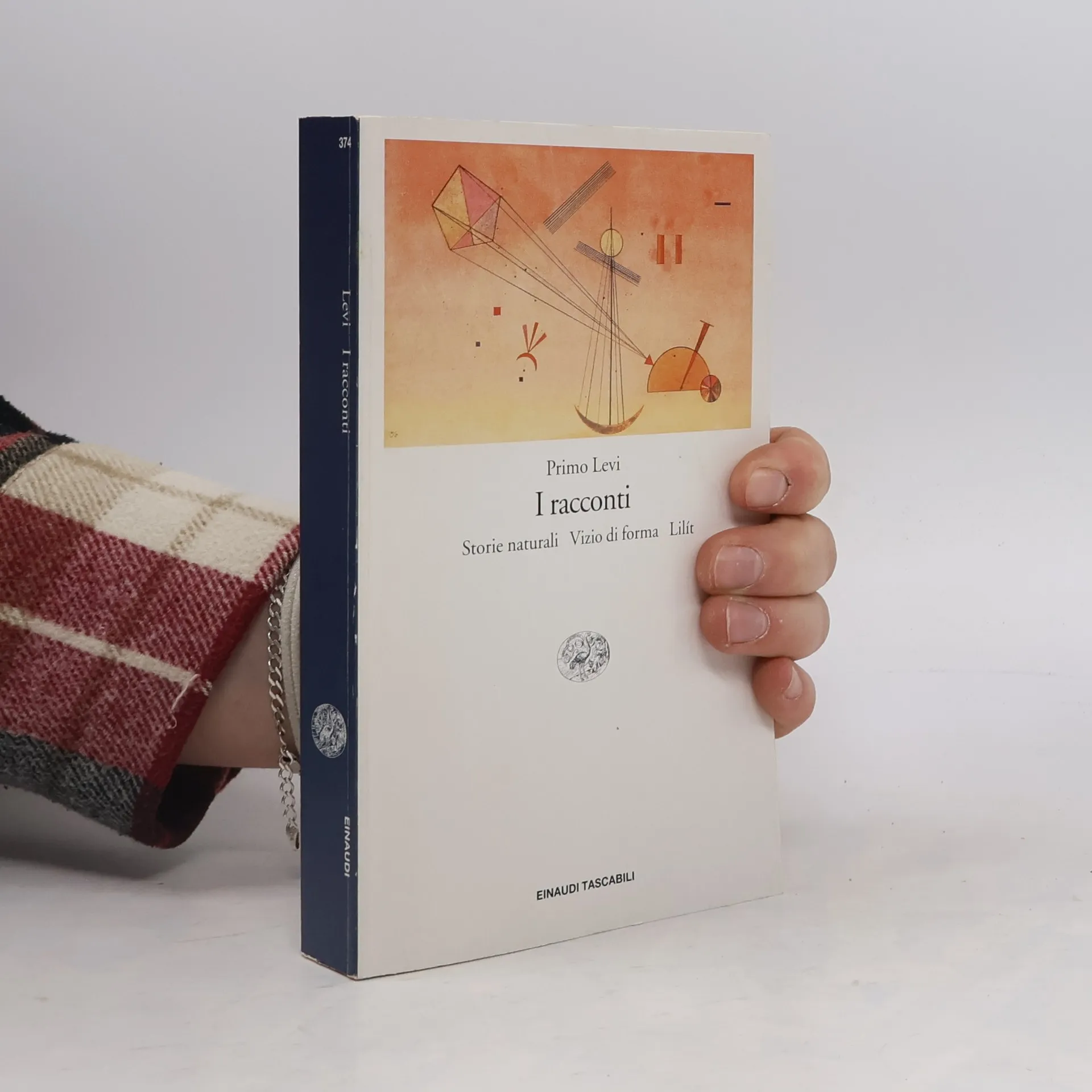
Se questo è un uomo e La tregua non sono soltanto libri di un testimone d'eccezione, ma di un vero e grande scrittore. Quanto forte e originale fosse la vocazione narrativa di Primo Levi lo dimostrano i racconti compresi in questo volume. Un futuro prossimo e probabile, una tecnologia dal volto quotidiano e domestico, ma percorsa da segni inquietanti, paradossali o semplicemente comici. Chimico dagli interessi enciclopedici, con un particolare amore per la natura, gli animali, i linguaggi, il piacere della sperimentazione e della ricerca, Levi si avventura a esplorare le infinite possibilità combinatorie che la materia consente, ma non dimentica di cogliere le anomalie, le sfasature, i "vizi di forma" in cui si annida il germe di catastrofi piccole e grandi. A cura di Ernesto Ferrero.
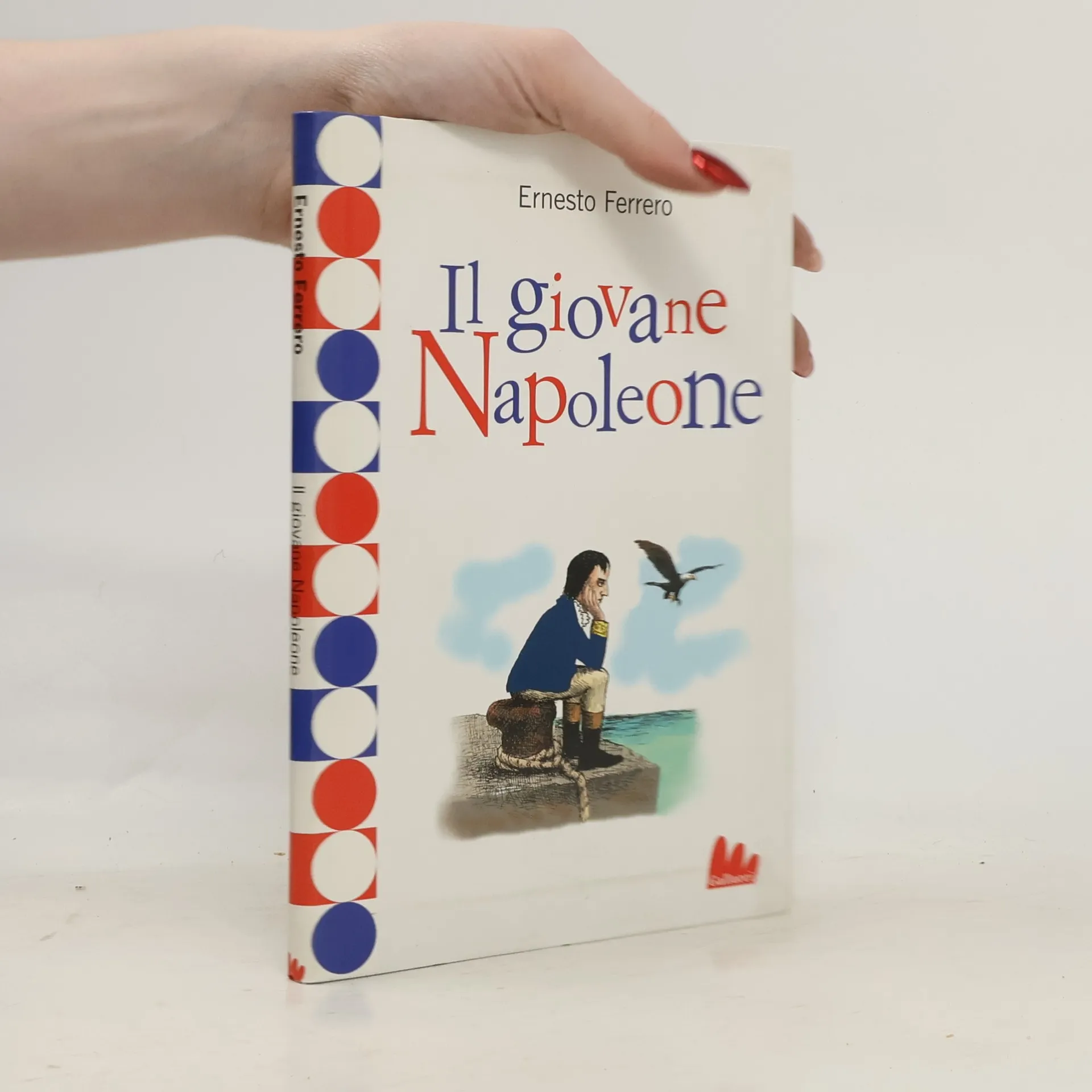
Il giovane Napoleone
- 88 pages
- 4 hours of reading
«E tu, che bambino eri?» Sollecitato a Sant’Elena dalla piccola Betsy, Napoleone racconta la propria infanzia. Parla del suo nome che faceva ridere i compagni. Del cognome italiano che non piaceva ai francesi. Della tribù di fratelli e sorelle. Del coraggio della madre e dei sogni del padre. E di come si preparò, da ragazzo, a diventare imperatore e mutare il corso della Storia. “Mi pareva che Parigi l’avessero costruita dei giganti. Tutto quello che avevo visto fino allora mi sembrava così piccolo, come la casa delle bambole delle mie sorelle. Ero come ubriaco, sempre con il naso all’aria, e dovevo stare attento a non farmi investire dalle carrozze”.
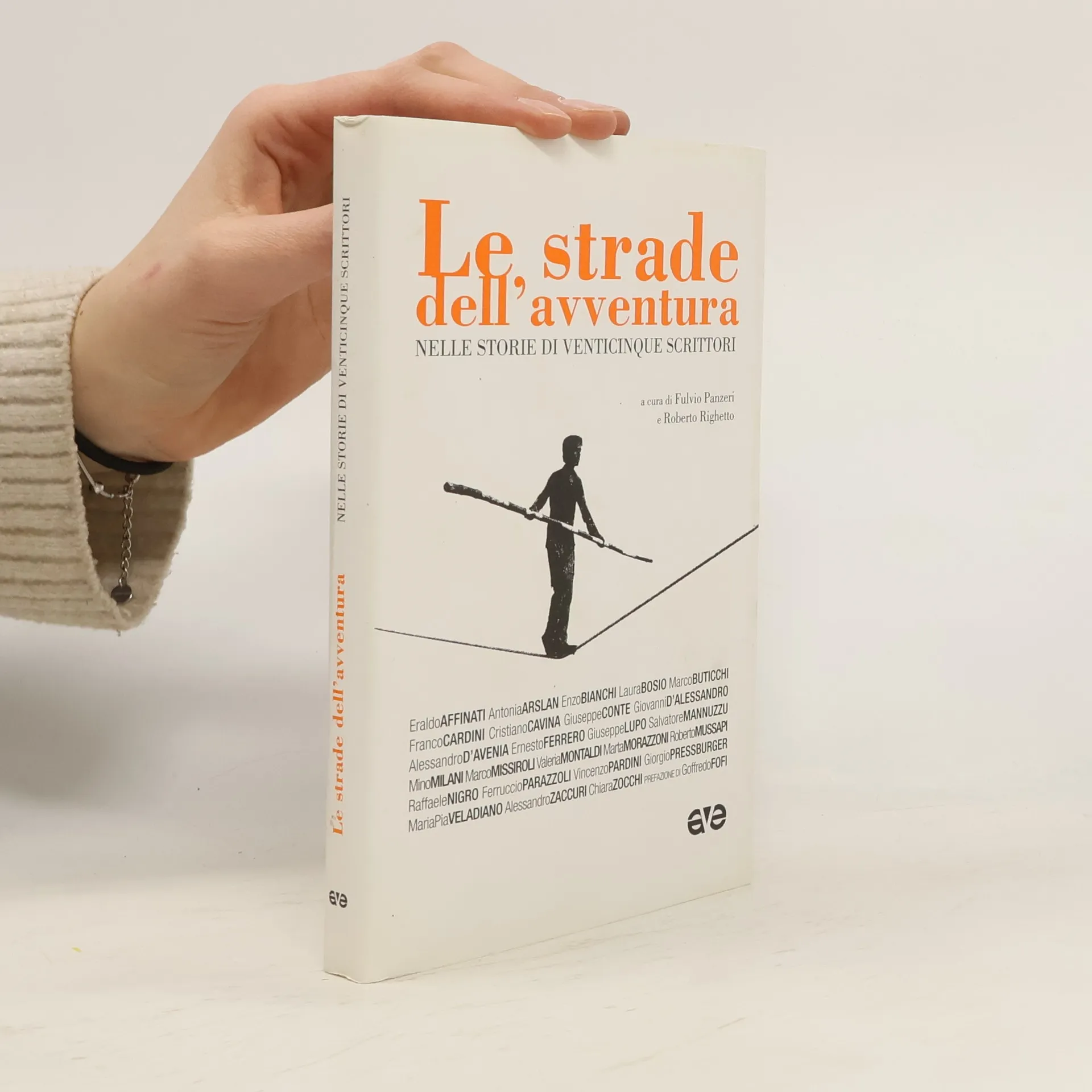
Le strade dell'avventura. Nelle storie di venticinque scrittori
- 186 pages
- 7 hours of reading
Che significato può avere la parola "avventura"? Il quotidiano Avvenire lo ha chiesto a venticinque tra i più importanti scrittori italiani di ognuno ha risposto scrivendo una storia in cui racconta la sua "idea" di avventura, sia nell'ottica classica del fortunato genere letterario, sia in quella di una dimensione più ampia, quella dell'avventura umana. Ne è nata, in collaborazione con l'Editrice AVE, questa "naturale" antologia in cui si confrontano scritture e stili diversi, e soprattutto tante idee per definire cos'è oggi l' scoperta di mondi e paesaggi lontani o fantascientifici; questione di memoria e ritorno all'età dell'oro dell'infanzia; scandaglio di percorsi metafisici o di sguardi interiori; lettura in chiave metaforica della realtà, con particolare attenzione alla figura del migrante, oltre alla rilettura di testi della classicità. Ne emerge un paesaggio vario con tanti luoghi visti o sognati, tante voci e tanti personaggi, ognuno alle prese con la propria avventura. Le storie sono Affinati, Arslan, Bianchi, Bosio, Buticchi, Cardini, Cavina, Conte, D'Alessandro, D'Avenia, Ferrero, Lupo, Mannuzzu, Milani, Missiroli, Montaldi, Morazzoni, Mussapi, Nigro, Parazzoli, Pardini, Pressburger, Veladiano, Zaccuri, Zocchi.
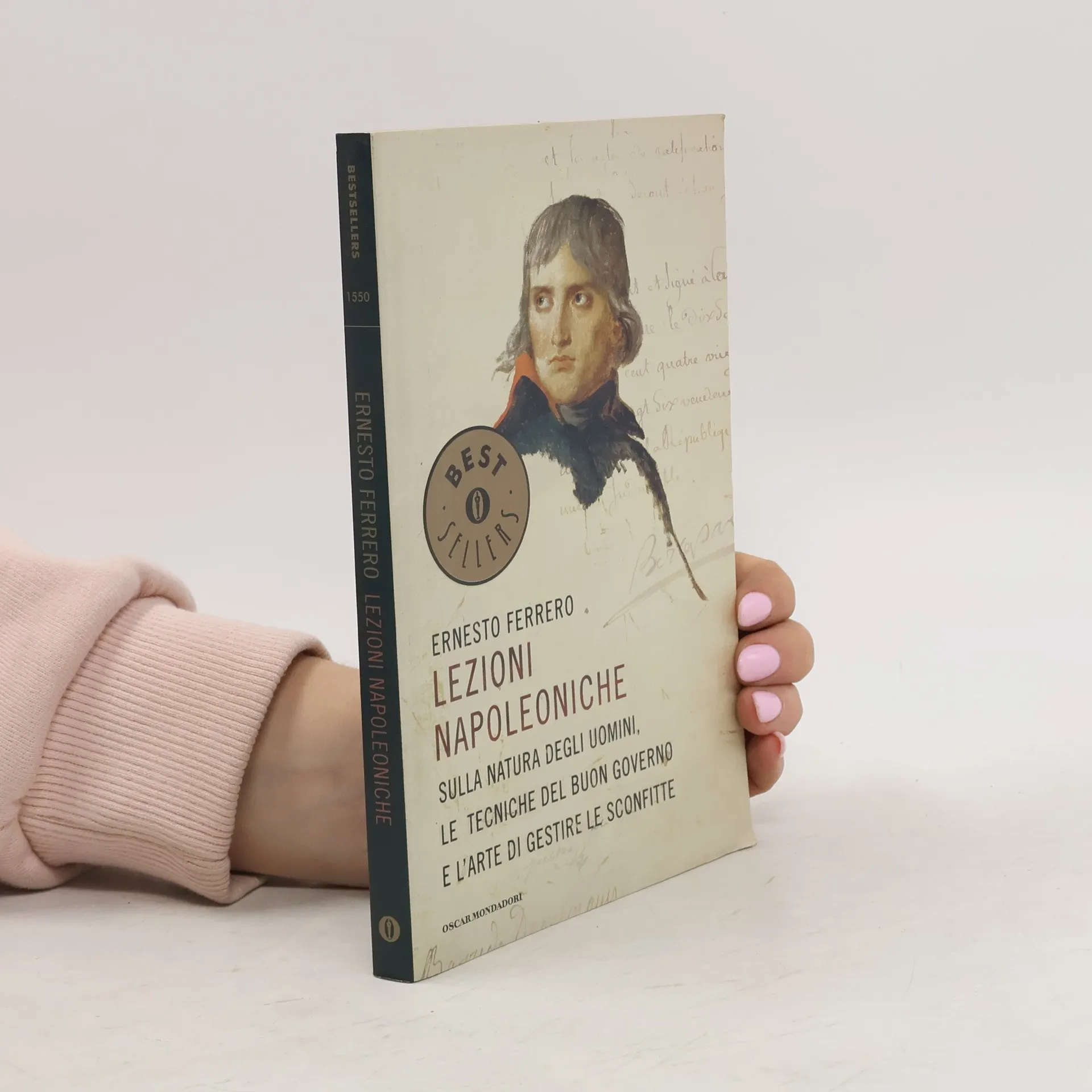
Ernesto Ferrero sceglie e illustra le massime e i detti celebri dell'imperatore, ma anche gli aneddoti sul suo modo di operare, le notizie e le annotazioni raccolte tra gli scritti di quanti lo hanno potuto osservare, e ne trae spunto per offrire ai suoi lettori di storia e a quanti hanno responsabilità pubbliche e private, amministratori e manager, un quadro di quella difficile arte di gestione dei sistemi complessi che ha consentito a Napoleone di dominare l'Europa.
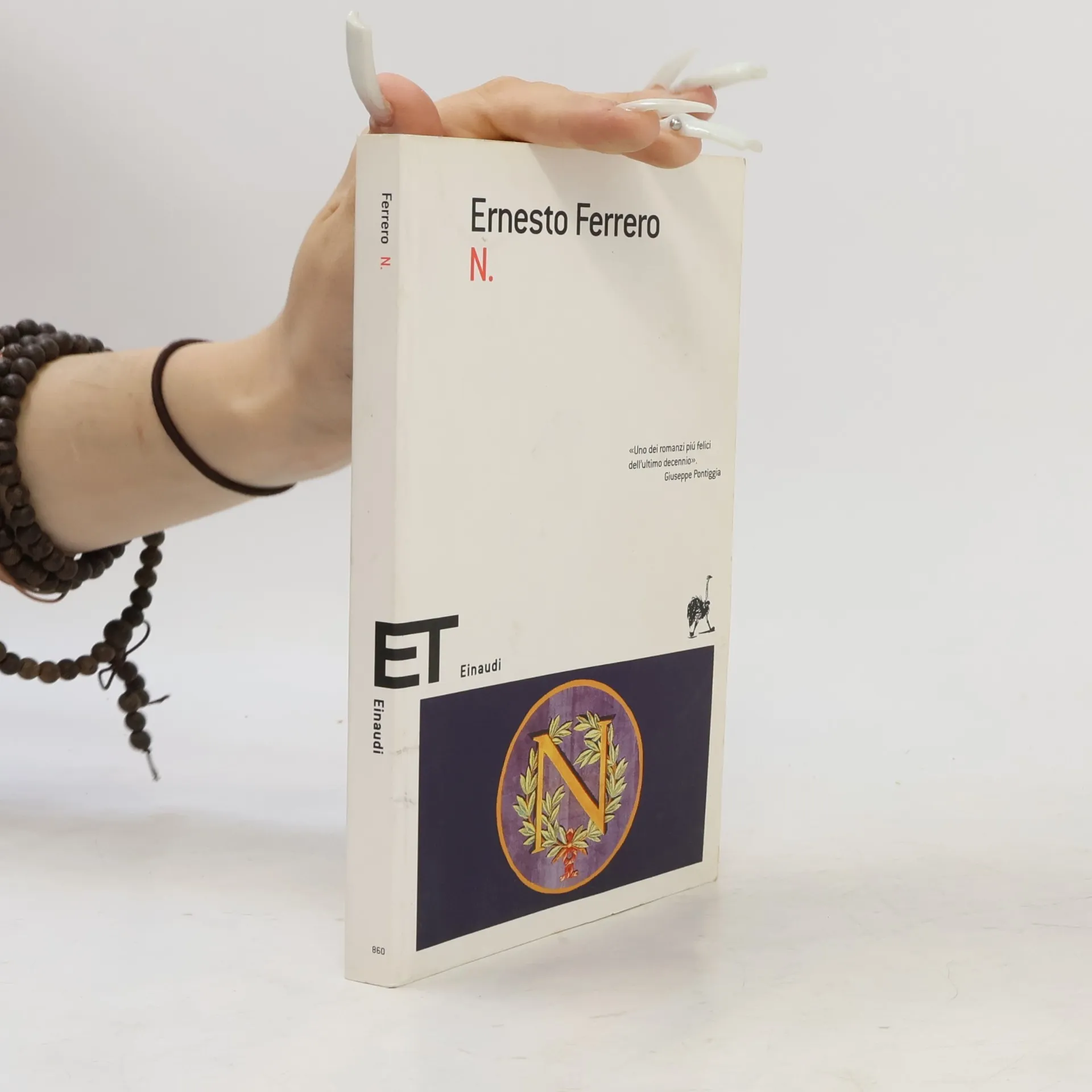
ET: N.
- 329 pages
- 12 hours of reading
Maggio 1814. L'uomo grassoccio e spaventato che approda all'isola d'Elba sembra uno dei tanti commercianti sbarcati a Portoferraio per affari. È Napoleone Bonaparte, Imperatore dei Francesi: la piccola isola di pescatori, contadini e minatori è quello che gli rimane di un regno che si estendeva da Cadice a Mosca. Ma qual è il vero volto dell'Eroe? Per trecento giorni Martino Acquabona, bibliotecario dell'Imperatore, cerca di decifrarne l'enigma e di sviare le nuove tempeste che si annunciano all'orizzonte. Le sue memorie compongono un ritratto obliquo e acuto di Napoleone e dei suoi uomini, delle sue donne, della sua epoca; raccontano seduzioni e tradimenti, attese e paure, odio e fedeltà, alla ricerca di una felicità possibile. Da questo romanzo il film di Paolo Virzì, con Daniel Auteuil, Elio Germano e Monica Bellucci dal titolo N (Io e Napoleone) .