Three imaginative tales showcase Sigizmund Krzhizhanovsky's talent for weaving philosophical, satirical, and lyrical narratives. The book also features excerpts from his notebooks, offering insights into his worldview, humor, and writing techniques. Additionally, reminiscences by his lifelong companion, Anna Bovshek, provide a personal glimpse into the author's life and thoughts, enriching the reader's understanding of his unique literary style and influence.
Almost unknown during his lifetime, Sigizmund Krzhizhanovsky is now hailed as
a master of Russian prose. Countries That Don't Exist showcases a selection of
Krzhizhanovsky's exceptional nonfiction, which spans a dizzying range of
genres and voices.
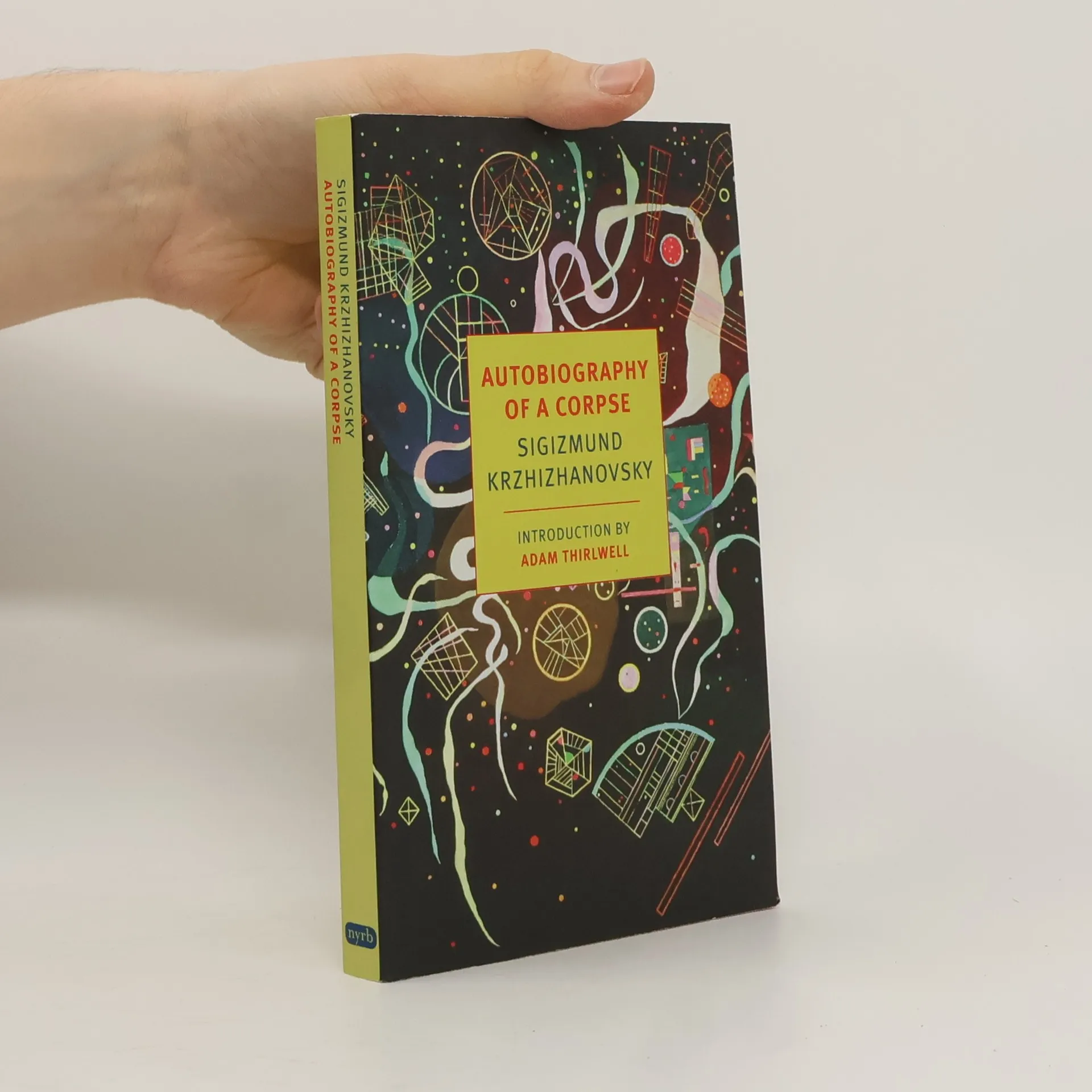
The stakes are wildly high in Sigizmund Krzhizhanovsky's fantastic and blackly comic philosophical fables, which abound in nested narratives and wild paradoxes. This new collection of eleven mind-bending and spellbinding tales includes some of Krzhizhanovsky's most dazzling conceits: a provincial journalist who moves to Moscow finds his existence consumed by the autobiography of his room's previous occupant; the fingers of a celebrated pianist's right hand run away to spend a night alone on the city streets; a man's lifelong quest to bite his own elbow inspires both a hugely popular circus act and a new refutation of Kant. Ordinary reality cracks open before our eyes in the pages of Autobiography of a Corpse, and the extraordinary spills out.Contents:Autobiography of a corpse --In the pupil --Seams --The collector of cracks --The land of nots --The runaway fingers --The unbitten elbow --Yellow coal --Bridge over the Styx --Thirty pieces of silver --Postmark: Moscow.
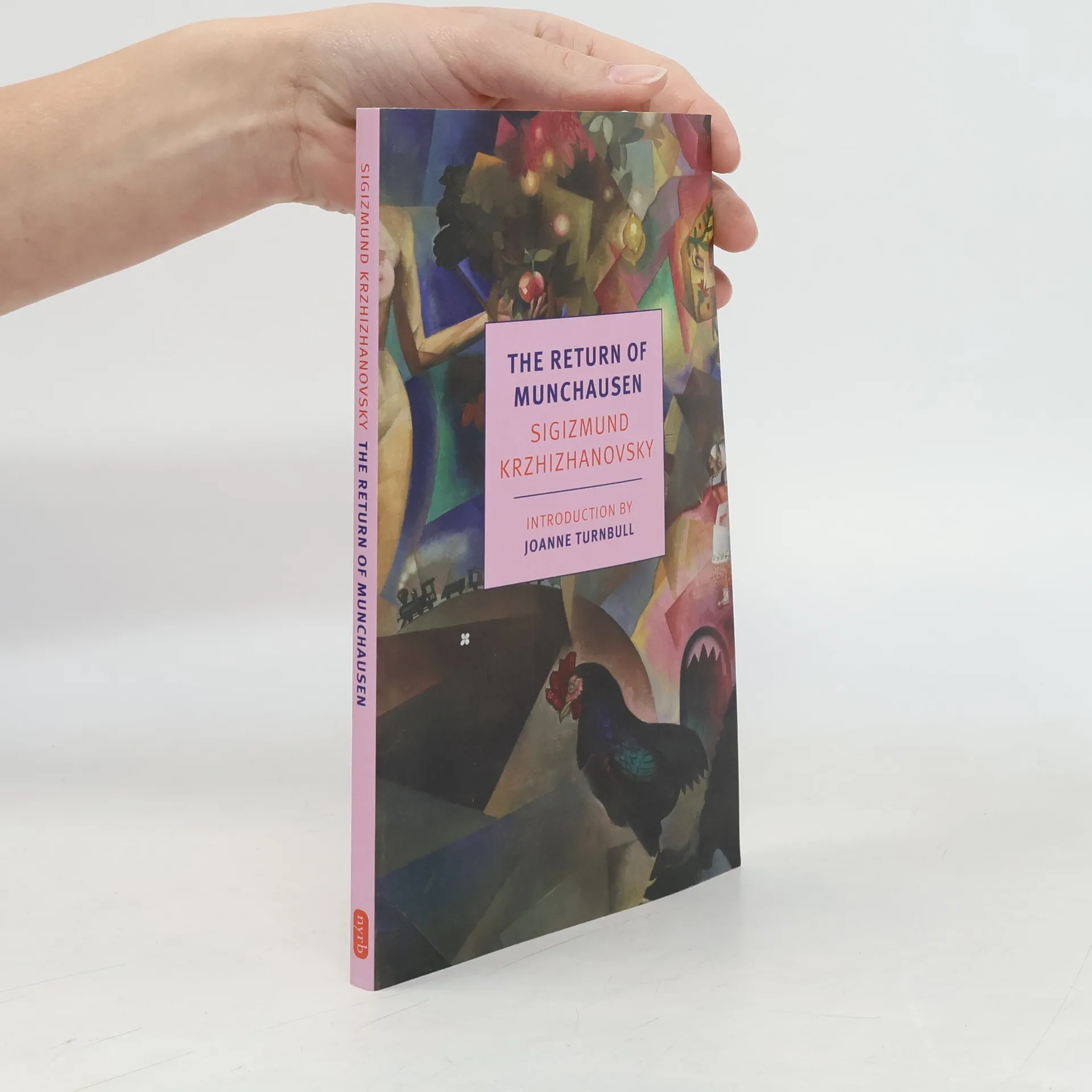
Baron Munchausen’s hold on the European imagination dates back to the late eighteenth century when he first pulled himself (and his horse) out of a swamp by his own upturned pigtail. Inspired by the extravagant yarns of a straight-faced former cavalry officer, Hieronymus von Münchhausen, the best-selling legend quickly eclipsed the real-life baron who helped the Russians fight the Turks. Galloping across continents and centuries, the mythical Munchausen’s Travels went through hundreds of editions of increasing length and luxuriance. Sigizmund Krzhizhanovsky, the Russian modernist master of the unsettling and the uncanny, also took certain liberties with the mythical baron. In this phantasmagoric roman à clef set in 1920s Berlin, London, and Moscow, Munchausen dauntlessly upholds his old motto “Truth in lies,” while remaining a fierce champion of his own imagination. At the same time, the two-hundred-year-old baron and self-taught philosopher has agreed to return to Russia, Lenin’s Russia, undercover. This reluctant secret agent has come out of retirement to engage with the real world.
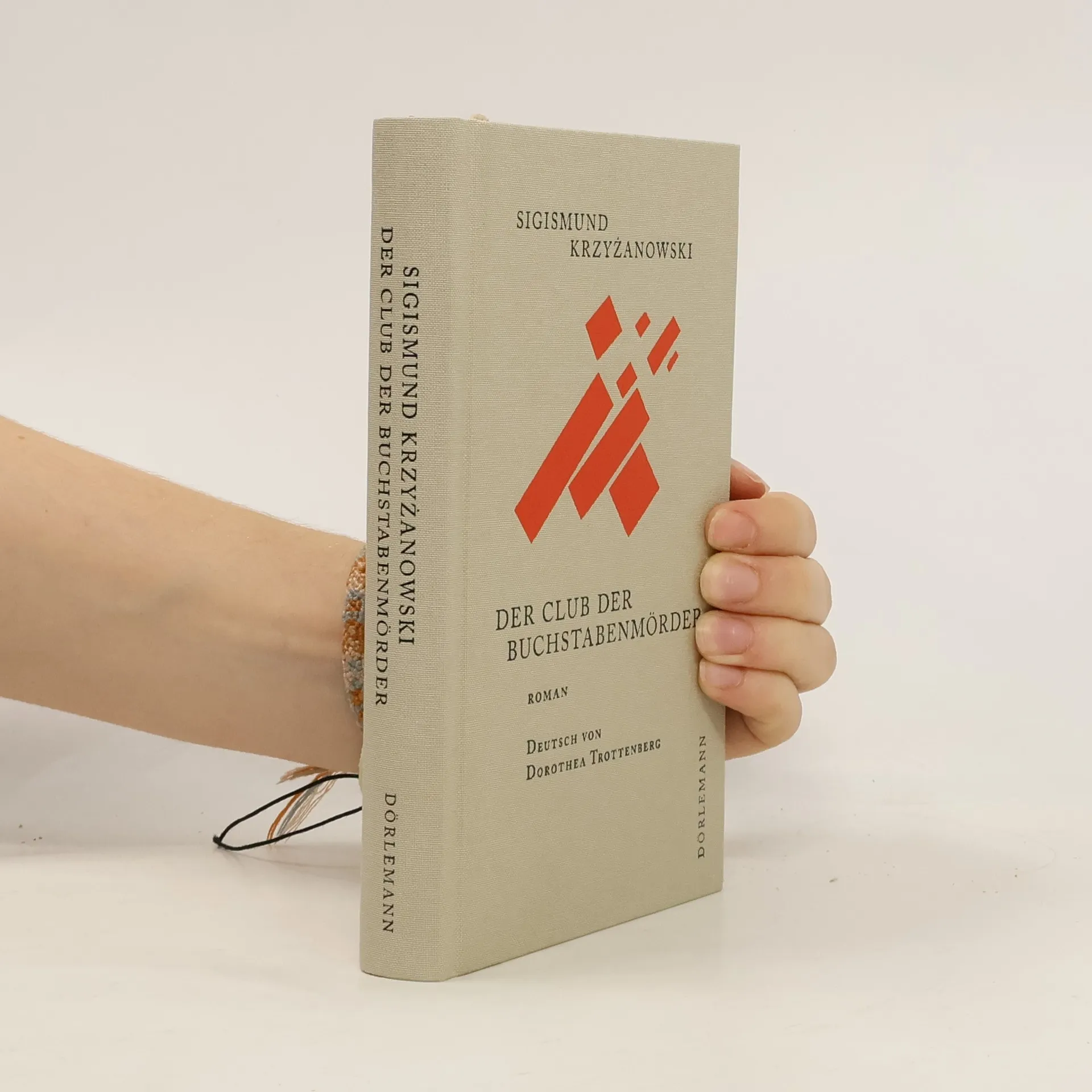
Wortspieler und Stilkünstler: Ein großer Unbekannter der russischen Moderne Der Club der Buchstabenmörder ist eine Geheimgesellschaft im Moskau der 1920er Jahre. Jeden Samstag treffen sich die Mitglieder in einem Raum voller leerer Bücherregale. Sie erzählen einander Geschichten, eine phantastischer als die andere, aber nichts darf auf Papier gebannt werden – Buchstaben sind Ideengefängnisse und müssen zerstört, Manuskripte verbrannt werden. Darüber sind sich alle einig, doch das gegenseitige Misstrauen wächst, die Atmosphäre der Treffen wird zunehmend unheimlicher. 'Mit Krzyzanowski ist ein. exzellenter Autor [zu entdecken], der sich konsequent für die Literatur als Kunst engagiert und ebenso konsequent jegliche politische Vereinnahmung von sich gewiesen hat. Nicht nur in dieser Hinsicht ist er mit seinem exilrussischen Landsmann Vladimir Nabokov zu vergleichen. Mit diesem teilt er auch seine hauptsächlichen literarischen Interessen an philosophischen Phantasmagorien, an Sprachspielen und narrativen Paradoxien, am Zitieren und Parodieren, an Autoren wie Swift, Poe oder E. T. A. Hoffmann.' Felix Philipp Ingold, Neue Zürcher Zeitung