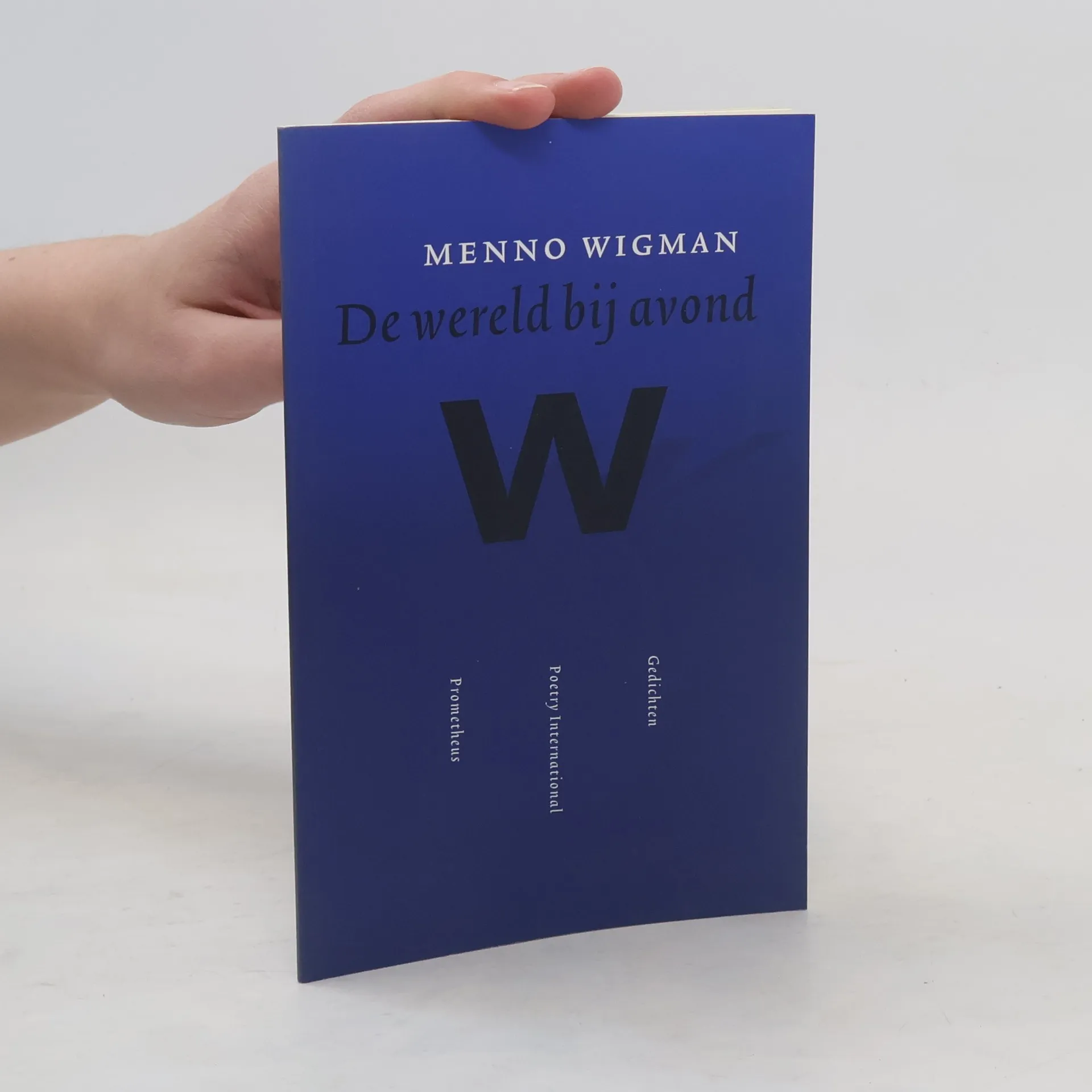
De wereld bij avond
- 12 pages
- 1 hour of reading
De wereld bij avond werd geschreven op verzoek van Poetry International ter gelegenheid van Gedichtendag 2006 en bevat nog niet eerder gebundelde poëzie.
4.1


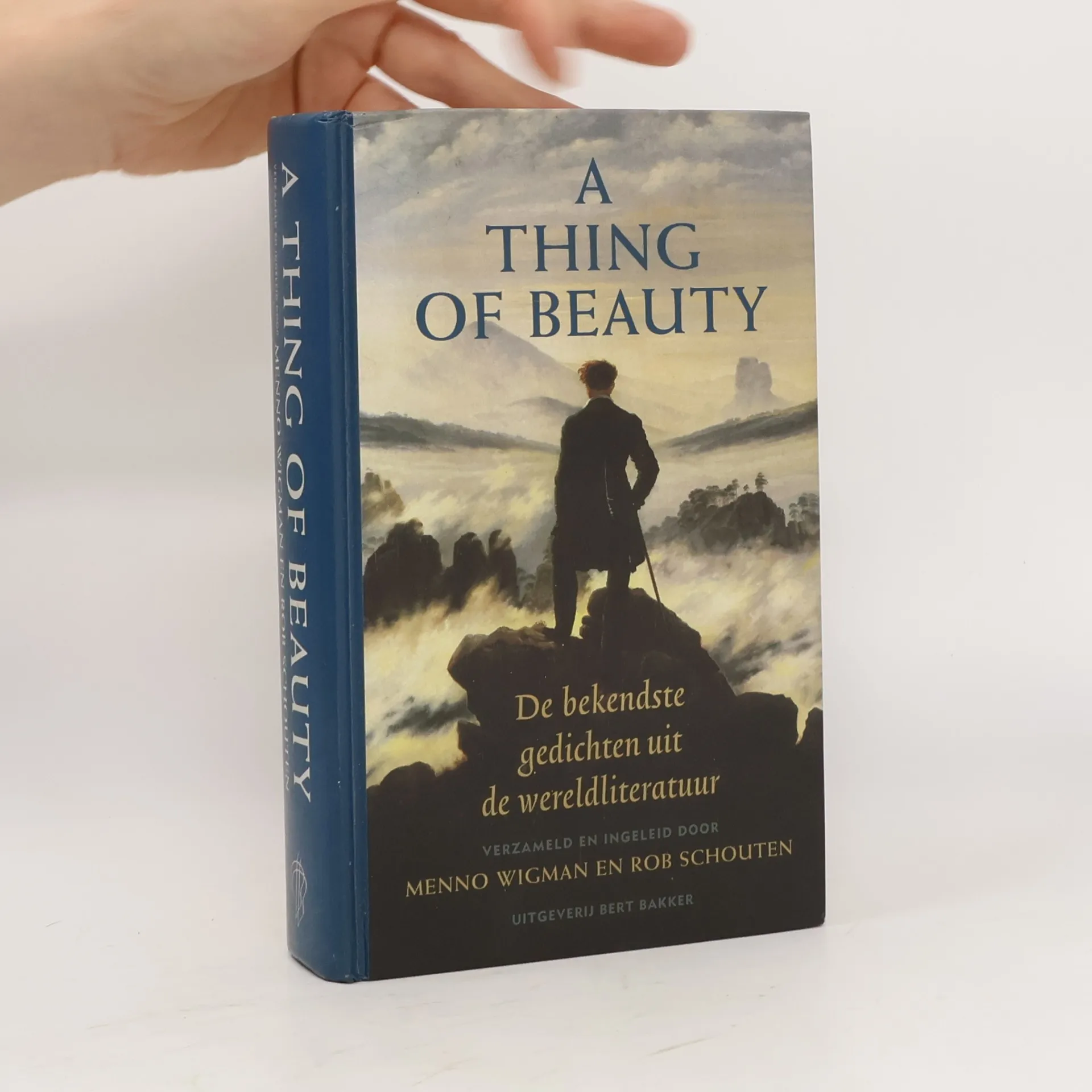
Menno Wigman's poetry delves into the depths of human experience with a keen eye for the melancholic and the ephemeral. He masterfully explores themes of existential searching and the quiet significance found within everyday moments. His writing is characterized by its precise language and an ability to convey complex emotions with striking clarity. Wigman's work resonates with readers for its profound authenticity and universal insights into the human condition, and his verse has been translated across numerous languages.



De wereld bij avond werd geschreven op verzoek van Poetry International ter gelegenheid van Gedichtendag 2006 en bevat nog niet eerder gebundelde poëzie.
De honderd mooiste Nederlandse gedichten over vaders, moeders, dochters en zonen
»Mit mir geht es zu Ende, ich kann nicht mehr lieben«, soll eine der letzten Äußerungen Else Lasker-Schülers vor ihrem Tod gewesen sein. Gerade ihre Liebesgedichte zeigen, wie mutig, wie rücksichtslos die Liebe sein kann. Für die Zeit der Liebe ist es aus mit dem Mittelmaß. Kein Alltag, nirgends. Liebe ist der einzige Beweis für die Einzigartigkeit des einzelnen. Liebe ist für Else Lasker-Schüler das Recht und der Wunsch, jemanden so sehr zu fordern, bis er den Ansprüchen des anderen gleichen beginnt. Die Liebende erschafft sich den Geliebten – und keine hat das so großartig gekonnt wie Else Lasker-Schüler. Ihre Gedichte zeigen uns, wie die Liebe sein kann: von der Einsamkeit des unerwiderten Begehrens bis zu ihrem verschwenderischen Überschwang. Eva Demski hat für diese Ausgabe 100 Liebesgedichte der »größten Lyrikerin, die Deutschland je hatte« (Gottfried Benn) ausgewählt.
Beloved Austrian writer Thomas Bernhard (1931-89) began his career in the early 1950s as a poet. Over the next decade, Bernhard wrote thousands of poems and published four volumes of intensely wrought and increasingly personal verse, with such titles as On Earth and in Hell, In Hora Mortis, and Under the Iron of the Moon. Bernhard's early poetry, bearing the influence of Georg Trakl, begins with a deep connection to his Austrian homeland. As his poems saw publication and recognition, Bernhard seemed always on the verge of joining the ranks of Ingeborg Bachmann, Paul Celan, and other young post-war poets writing in German. During this time, however, his poems became increasingly obsessive, filled with an undulant self-pity, counterpointed by a defamatory, bardic voice utterly estranged from his country, all of which resulted in a magisterial work of anti-poetry--one that represents Bernhard's own harrowing experience, with the leitmotif of success-failure, that makes his fiction such a pleasure. For all of these reasons, Bernhard's Collected Poems, translated into English for the first time by James Reidel, is a key to understanding the irascible black comedy found in virtually all of Bernhard's writings--even down to his last will and testament. There is much to be found in these pages for Bernhard fans of every stripe.