My Beloved Life
- 352 pages
- 13 hours of reading
An exceptionally moving novel that traces the arc of a man’s life from his 1935 birth in a small village in India to his death from Covid.


Amitava Kumar is a celebrated author whose works delve into the complex themes of identity, exile, and cultural collision. His prose, often woven with personal reflection and social critique, explores the tensions between home and the foreign, tradition and modernity. Kumar's style is both incisive and poetic, capturing the nuances of the human experience with keen intelligence and empathy. His writing invites readers to contemplate the profound questions shaping our interconnected world.
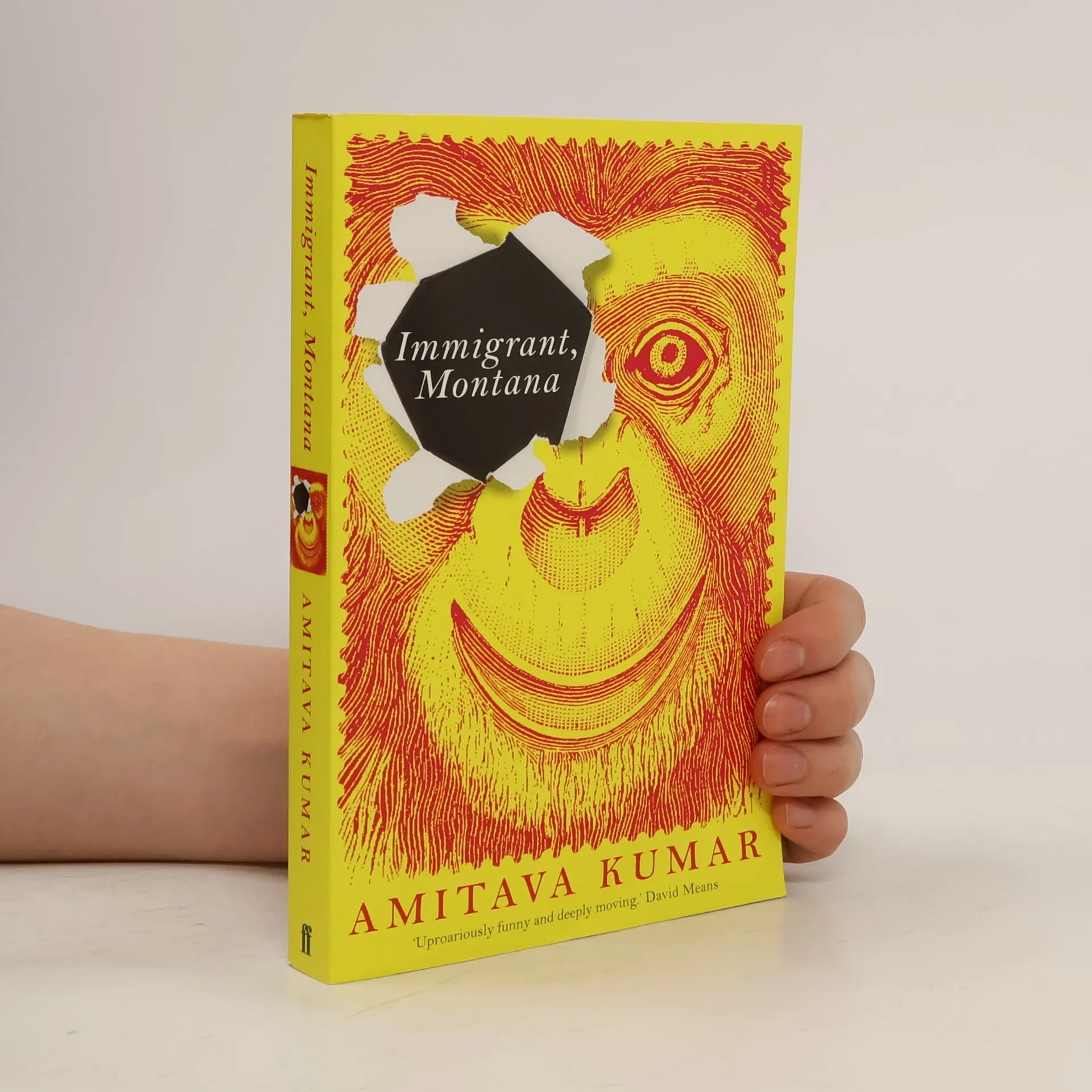


An exceptionally moving novel that traces the arc of a man’s life from his 1935 birth in a small village in India to his death from Covid.
A 'non-fiction novel' about lies and violence, ranging across Trump and Modi, the narrator's childhood experience of communal violence in India, and his wife's work as a psychologist.
A New York Times Book of the Year Chosen by Barack Obama as one of his books of the year Meet Kailash. Also known as Kalashnikov. Or AK-47. Or just plain AK. His journey from India has taken him to graduate school in New York where he keeps falling in love: not just with women, but with literature and radical politics, the fuel of youthful exuberance. Each heady affair brings new learning: about himself, and about his relationship to a country founded on immigration - a country that is now unsure of the migrant's place in the nation's fabric. But how can AK learn to belong when he's in a constant state of exile