
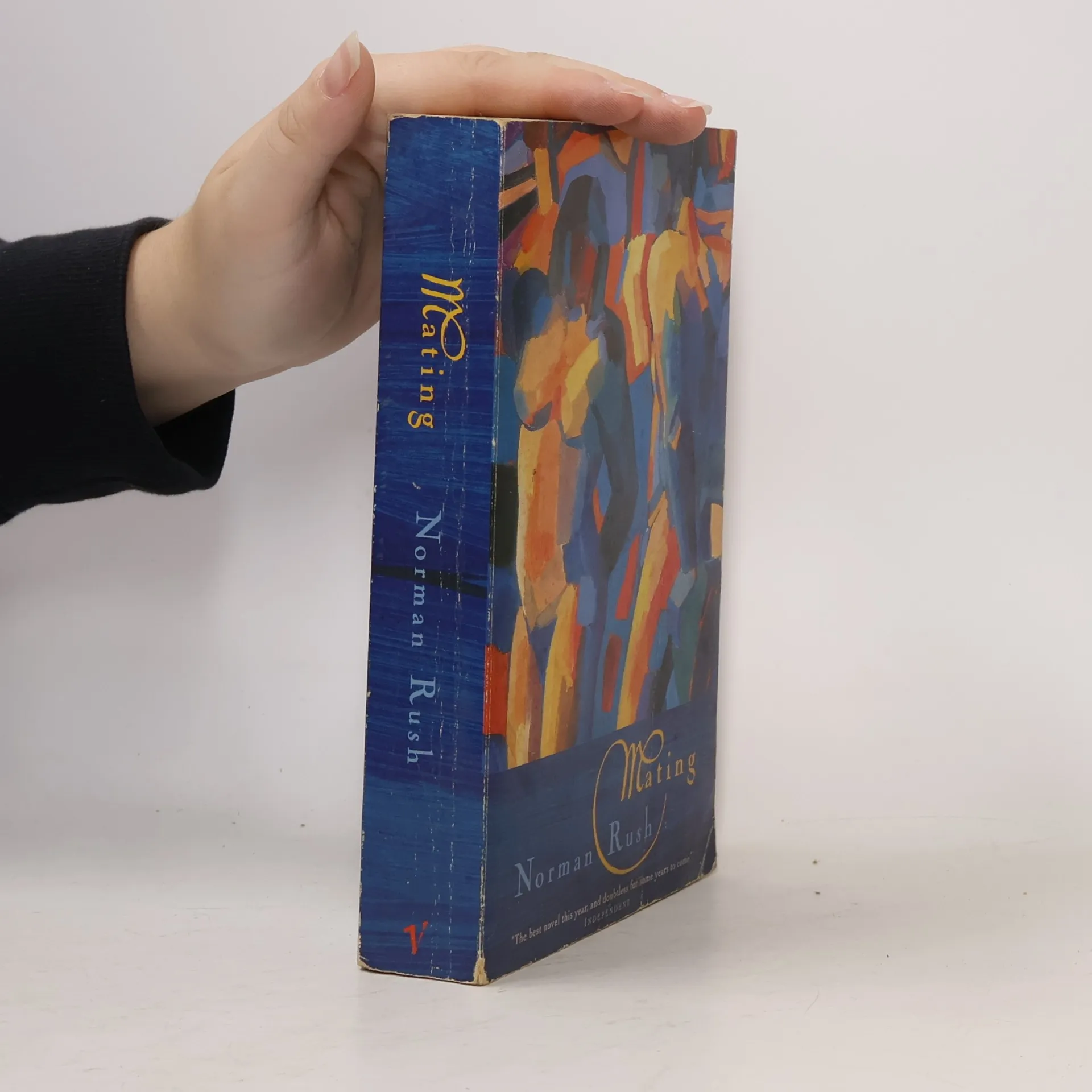
Had Jane Austen been in the Peace Corps in Africa in the 1980s, this novel might have been her creation. Set in Botswana before apartheid's end, it unfolds in a utopian village established by anthropologist Nelson Denoon, primarily for marginalized African women. The narrative explores the timeless question of mating dynamics, akin to Austen's themes. The unnamed protagonist, a 32-year-old anthropology postgraduate, finds herself adrift after her dissertation falters. As she navigates the expatriate scene in Gaborone, she encounters Denoon, whose charming demeanor captivates her. With her anxieties about relationships and personal hygiene, she sets off into the Kalahari Desert, drawn to his utopia, where sexual attraction, politics, and social experimentation intertwine in unexpected ways. This ambitious novel tackles feminism, socialism, political corruption, and male-female relations with both humor and depth. The narrator's unique voice, blending sophisticated vocabulary with quirky observations, enhances the narrative. For instance, when Denoon reveals the celibacy of Tsau's women, she muses on the implications, drawing parallels to Western television. The novel is notable for its wit, insight, and ability to satirize without belittling, all while delivering an engaging story that would surely impress Austen.
Norman Rush Books
October 24, 1933
Norman Rush is an American novelist whose introspective works are set in 1980s Botswana. His prose often delves into themes of human connection, cultural encounters, and the search for identity within an exotic landscape. Rush's style is characterized by meticulous attention to detail and profound psychological insight into his characters. Drawing from his experiences with the Peace Corps in Botswana, he authentically portrays both the frustrations and the beauty of life on the fringes.


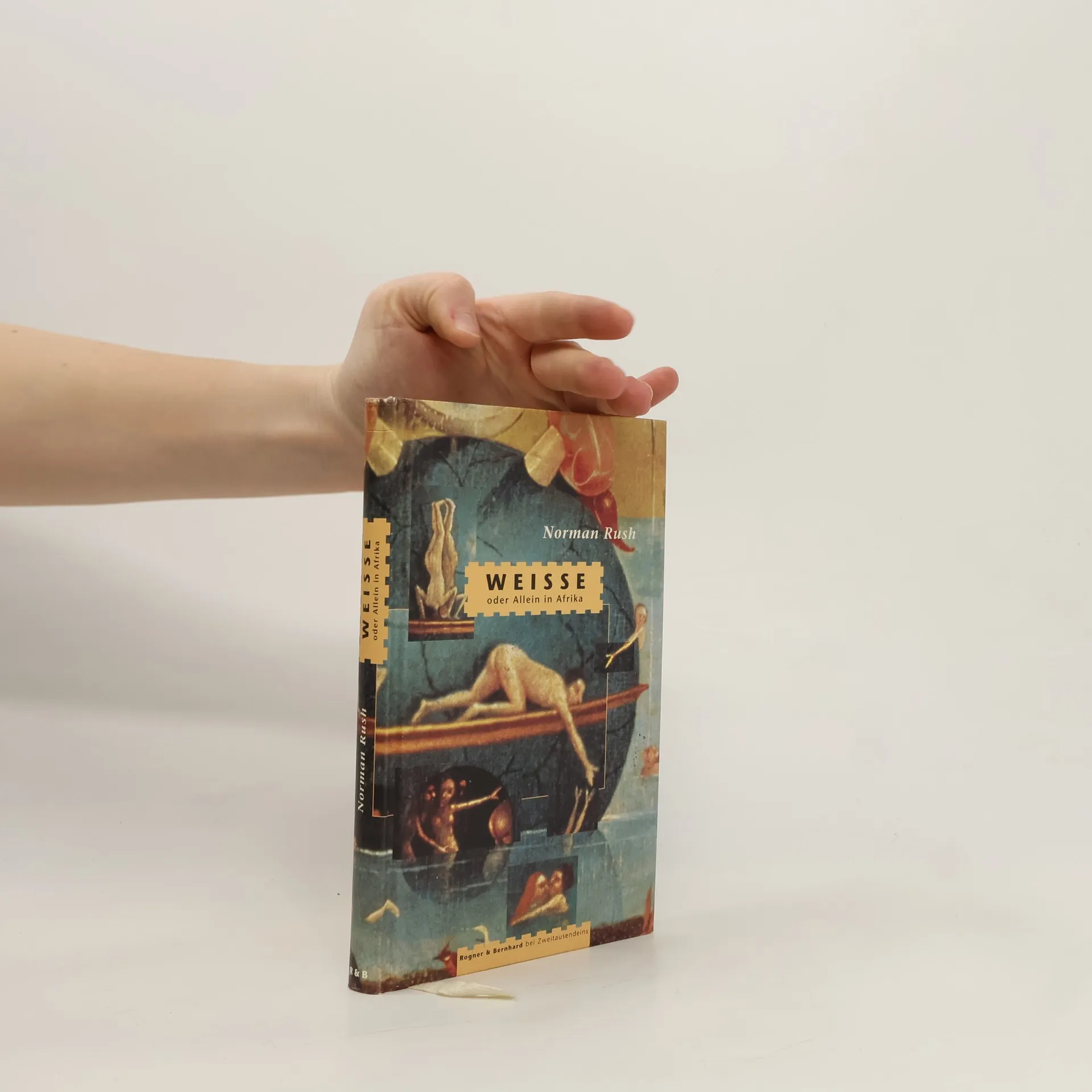
Weisse oder allein in Afrika
- 221 pages
- 8 hours of reading