Who Is God?
- 128 pages
- 5 hours of reading
An internationally respected scholar probes the deep meaning of some well- known moments in the biblical story in order to address the key question the Bible is designed to answer: Who is God?


Richard Bauckham is a leading author in the field of New Testament studies. His work deeply engages with the historical and literary context of early Christianity, exploring how the biblical texts resonate with modern readers. Bauckham's approach is known for its meticulousness, examining the cultural and social influences that shaped these ancient writings. His extensive publications contribute to a profound understanding of the New Testament and its enduring legacy.


An internationally respected scholar probes the deep meaning of some well- known moments in the biblical story in order to address the key question the Bible is designed to answer: Who is God?
Focusing on the individual writings of the New Testament, this series addresses the lack of comprehensive resources that delve into the theological concerns of its authors. It offers a systematic exploration of each text, aiming to enhance understanding and appreciation of the New Testament's diverse perspectives and teachings.
Who is the “Son of Man”? In pre-Christian Jewish writings, “Son of Man” was not a title, and it certainly did not indicate divinity. It was simply an expression for a man. Yet the term has held considerable interest among scholars of Christology for its use in describing Jesus in the gospels. And among those studying messianism in Second Temple Judaism, consensus about the valences of “Son of Man” in Scripture remains elusive. In the first volume of this landmark study, Richard Bauckham pushes the conversation forward, explicating the phrase “Son of Man” as it appears in Jewish interpretations of the book of Daniel and in the apocryphal book of 1 Enoch. With philological precision and sensitivity to his sources, Bauckham attunes us to the realities of early Jewish eschatology. Thorough and comprehensive, “ Son of Man ,” vol. 1, offers scholars a solid basis for understanding the context of the messiah in the centuries leading up to Jesus. Along with the forthcoming second volume, which parses the meaning of “Son of Man” in the Gospels, Bauckham’s work is essential for understanding one of the most widely used yet misunderstood phrases in the Bible.
Renowned biblical scholar and theologian Richard Bauckham has also crafted a significant body of poetry appreciated by notable figures such as Rowan Williams and Tom Wright. His work reflects a deep engagement with theological themes, intertwining scholarly insight with poetic expression, showcasing his versatility and depth as both a thinker and an artist.
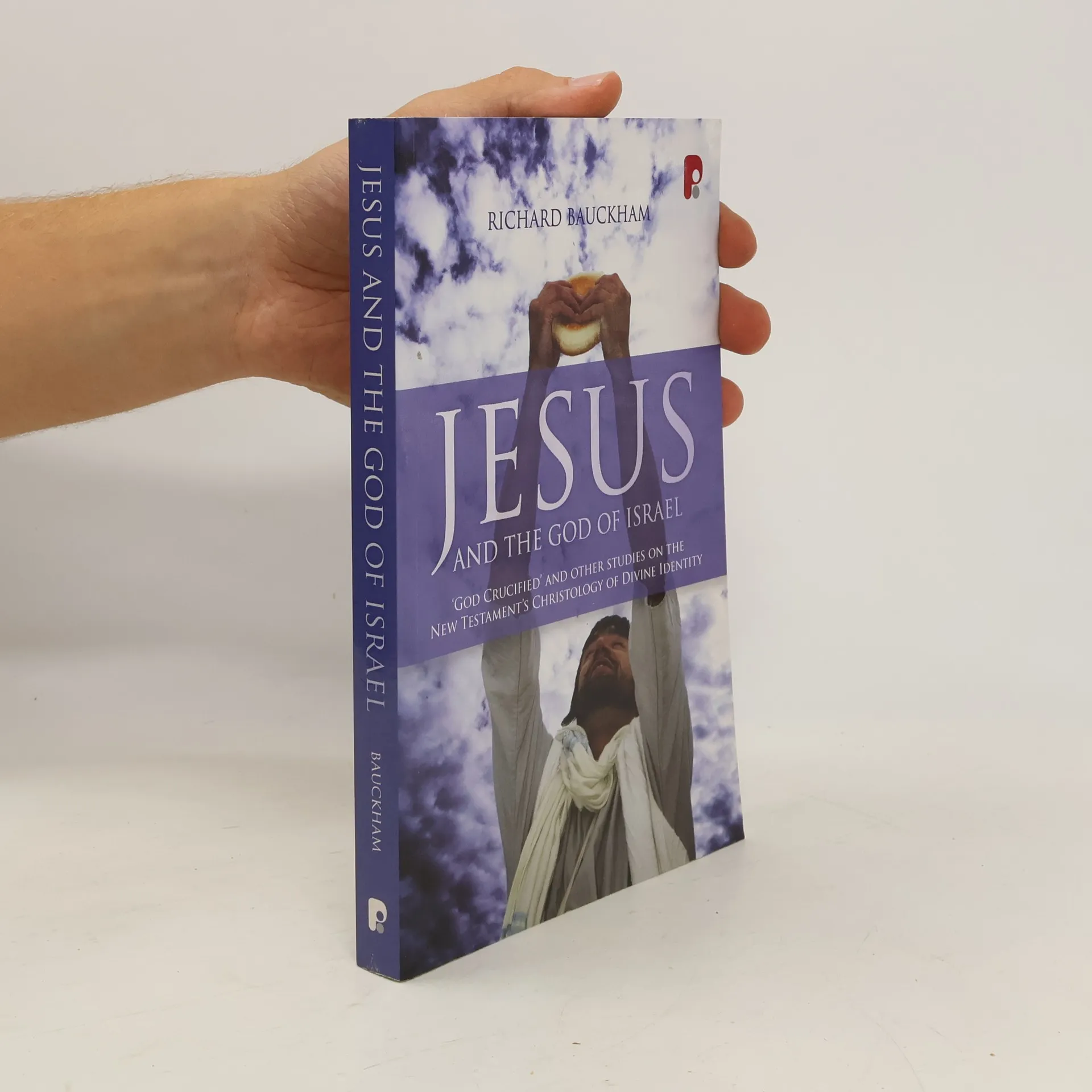
Exploring the relationship between Jesus and the God of Israel, this book delves into the theological implications of Jesus' identity within the Jewish tradition. It examines key biblical texts and offers insights into how Jesus' teachings and actions align with or challenge traditional Jewish beliefs. The author engages with historical context and contemporary interpretations, providing a nuanced understanding of Jesus' role in both Judaism and Christianity, making it a thought-provoking read for those interested in religious studies and interfaith dialogue.
hardcover
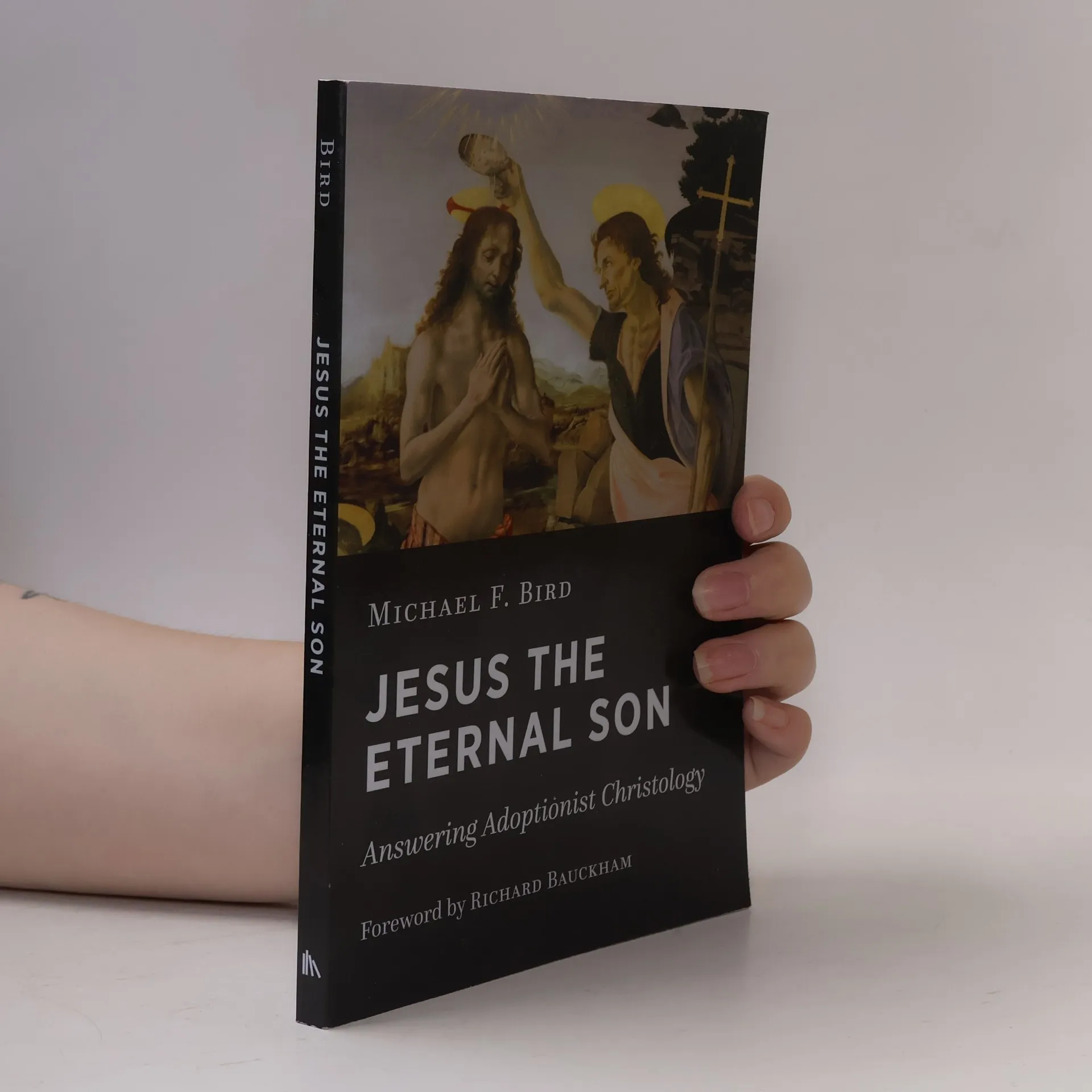
Adoptionism--the idea that Jesus is portrayed in the Bible as a human figure who was adopted as God's son at his baptism or resurrection--has been commonly accepted in much recent scholarship as the earliest explanation of Jesus's divine status. In this book Michael Bird draws that view into question with a thorough examination of pre-Pauline materials, the Gospel of Mark, and patristic sources. Engaging critically with Bart Ehrman, James Dunn, and other scholars, Bird demonstrates that a full-fledged adoptionist Christology did not emerge until the late second century. As he delves into passages often used to support the idea of an early adoptionist Christology, including Romans 1:3-4 and portions of the speeches in Acts, Bird persuasively argues that early Christology was in fact incarnational, not adoptionist. He concludes by surveying and critiquing notable examples of adoptionism in modern theology.
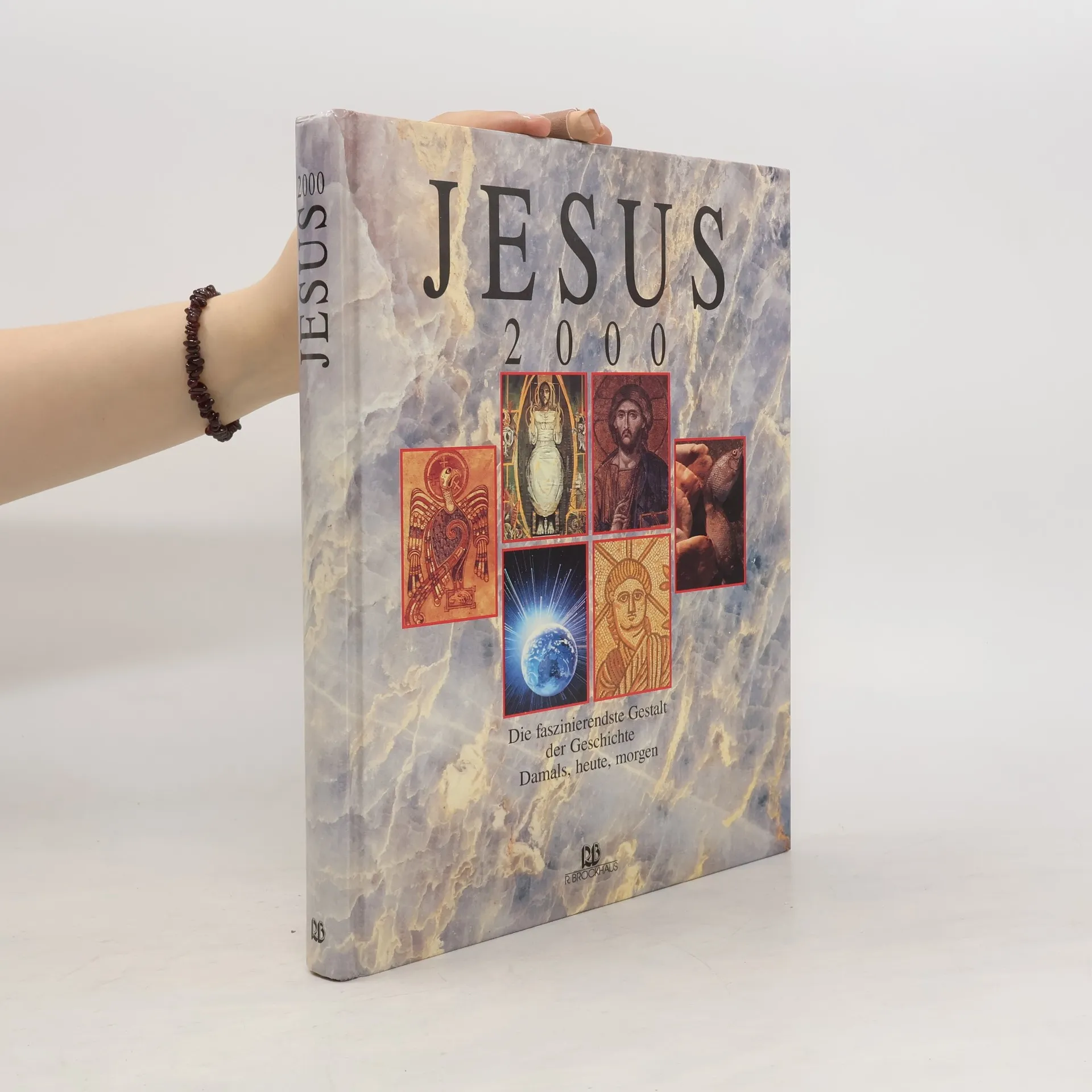
die faszinierendste Gestalt der Geschichte: damals, heute, morgen