Focusing on accessibility, this book is a reproduction of a historical work published by Megali, a house dedicated to producing large print editions. This initiative aims to enhance reading experiences for individuals with impaired vision, ensuring that important historical texts remain available and legible for a wider audience.
Titus Lucretius Carus Book order (chronological)
Lucretius was a Roman poet and philosopher whose sole known work is an epic philosophical poem exploring the tenets and philosophy of Epicureanism. Through his writing, he delved into the intricacies of the universe and human existence, offering a rational perspective on the world and seeking to liberate individuals from the fear of death and the gods. His prose is celebrated for its elevated language and compelling arguments, inviting readers into a profound contemplation of reality's nature. Lucretius's masterpiece stands as a timeless testament to the pursuit of understanding our place within the cosmos.

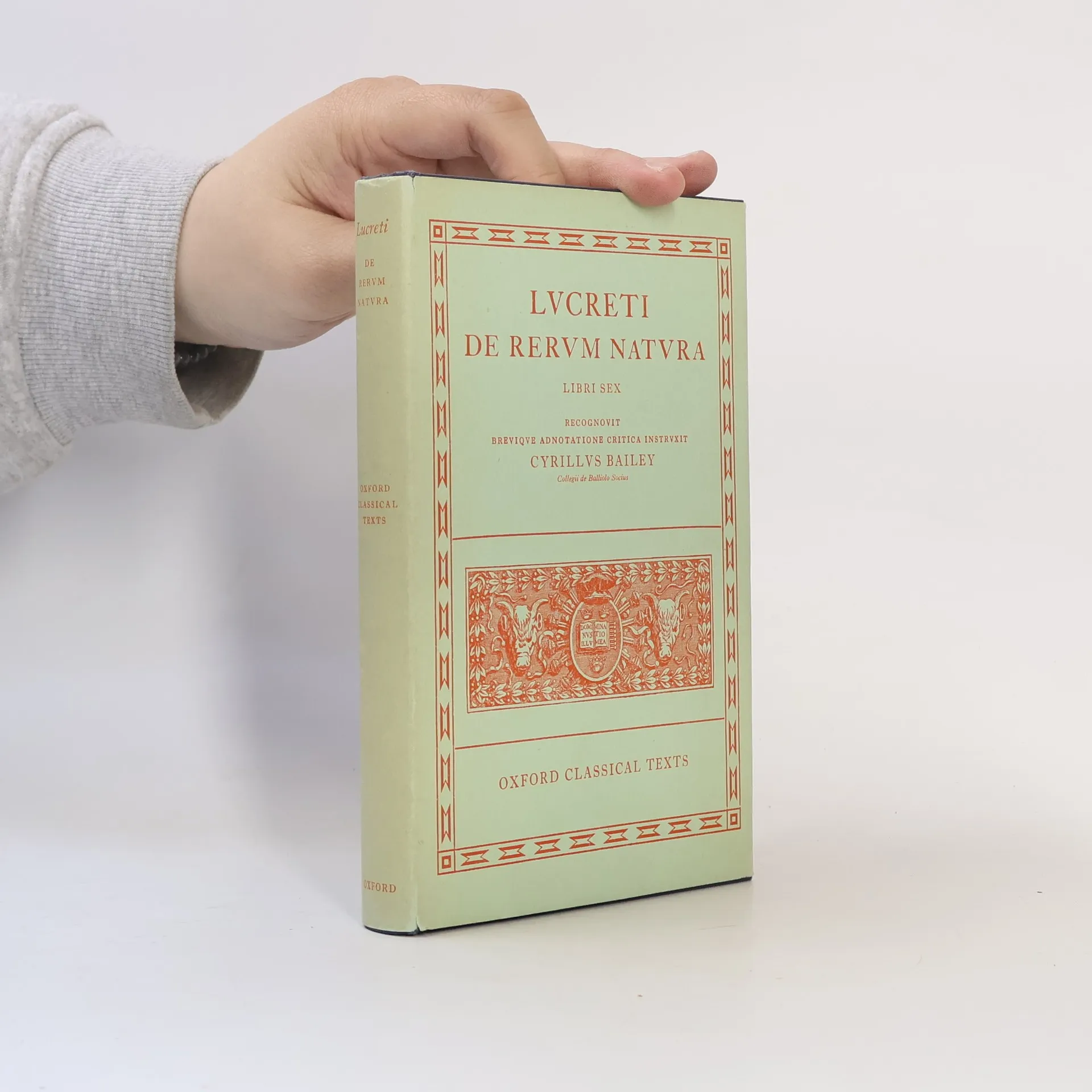


T. Lucretius Carus: Von der Natur der Dinge. Band 2
- 332 pages
- 12 hours of reading
Keine ausführliche Beschreibung für "CARUS: V. D. NATUR D. DINGE BD. 2 (KNEBEL) LCND" verfügbar. Frontmatter -- VIERTES BUCH -- FÜNFTES BUCH -- SECHSTES BUCH Inhaltsverzeichnis Frontmatter -- VIERTES BUCH -- FÜNFTES BUCH -- SECHSTES BUCH
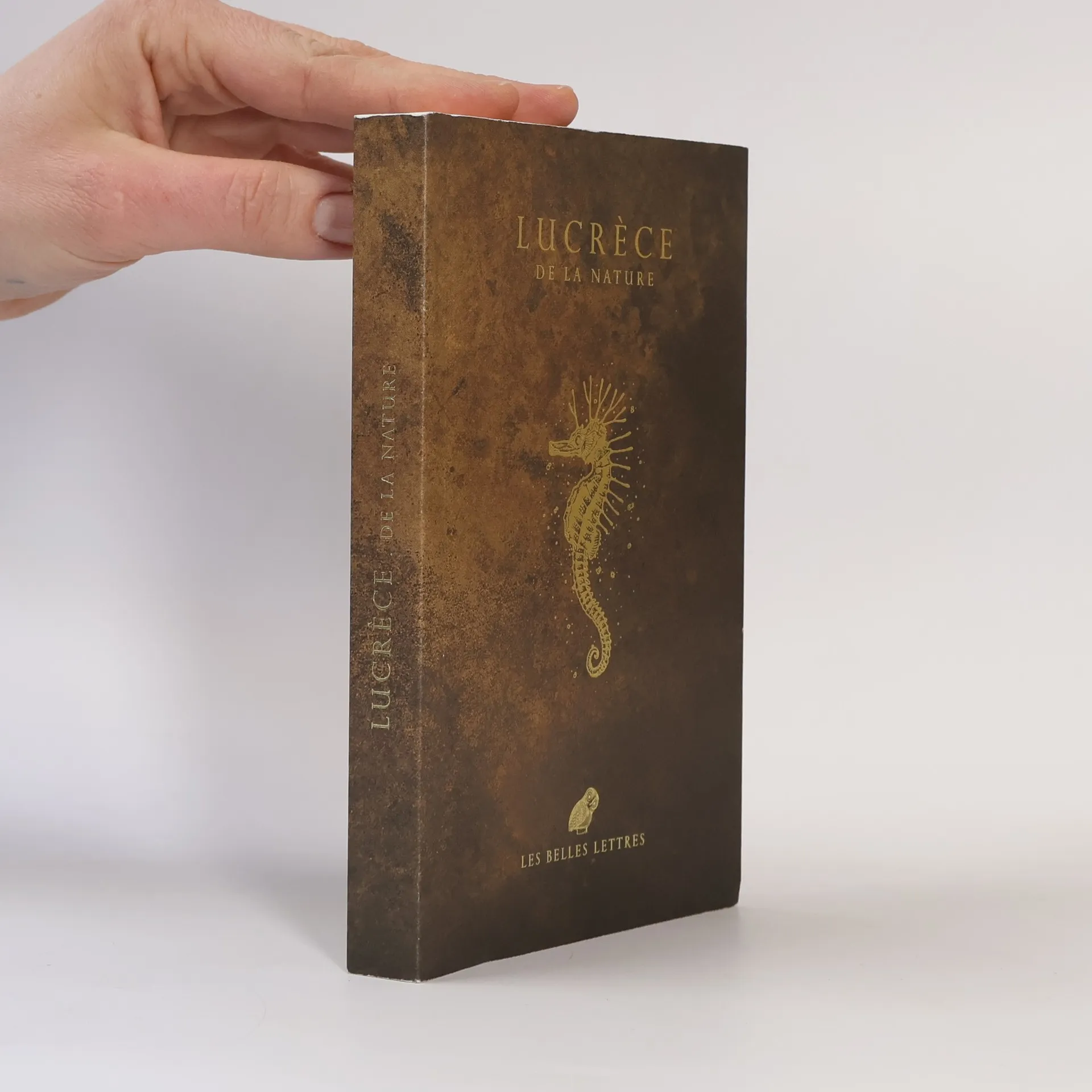
Lucrece, de la nature
- 313 pages
- 11 hours of reading
Je veux te révéler les principes des choses, te montrer où la nature puise les éléments dont elle crée, fait croître et nourrit toutes choses, ou elle les ramène de nouveau après la mort et la dissolution. I, 55-57.
Exploring the philosophy of Epicureanism, this collection features six essential works that delve into the pursuit of pleasure, the nature of the universe, and the contrast between Stoicism and Epicurean thought. Key texts include Epicurus's letters and doctrines, Cicero's examination of good and evil, Lucretius's insights on nature, and essays by Temple and Hicks that further illuminate Epicurean beliefs. Together, these writings provide a comprehensive understanding of Epicurean philosophy and its significance in the broader context of ancient thought.
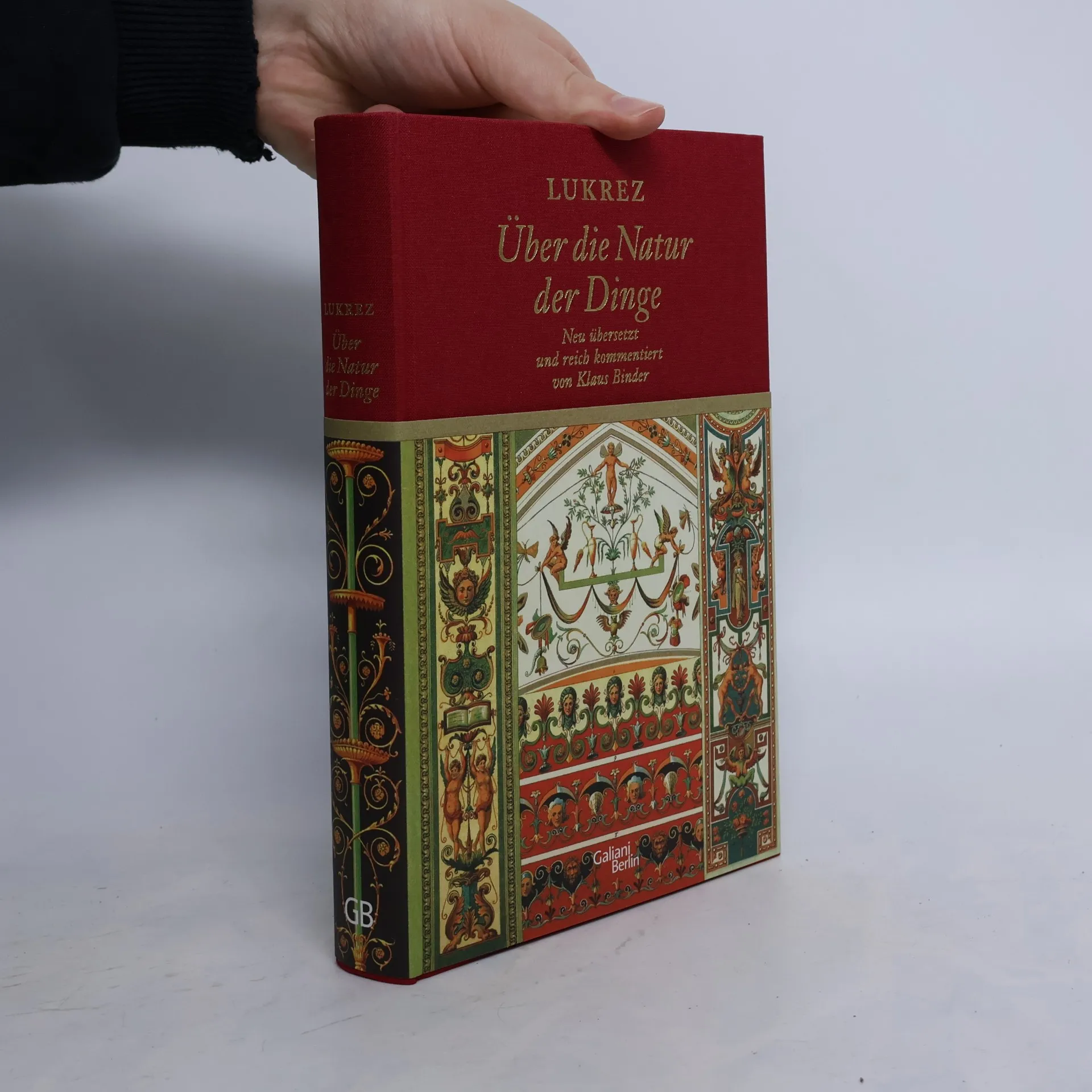
Über die Natur der Dinge
- 405 pages
- 15 hours of reading
Klaus Binders Neuübersetzung der Bibel der Sinnlichkeit – Lukrez’ Über die Natur der Dinge – präsentiert eine faszinierende Entdeckung des Humanisten Poggio Bracciolini in einem deutschen Kloster: ein poetisches Werk aus der Römerzeit, das die Schöpfung der Welt beschreibt und zeigt, wie Menschen ein glückliches Leben führen können, frei von Angst vor dem Tod und ohne falsche Furcht vor Göttern. Lukrez argumentiert, dass die Götter den Menschen egal sein sollten, und feiert philosophisch die Natur, das Leben und die Liebe. Die Veröffentlichung des Buches dauerte Jahrzehnte, und selbst Giordano Bruno, der sich auf es berief, wurde wegen Ketzerei verbrannt. Dennoch fand dieser wunderschöne, freie Text seinen Weg zu vielen Denkern wie Bruno, Galilei, Montaigne, Shakespeare, Gassendi, den Enzyklopädisten, Sterne, Wieland, Friedrich II., Goethe, Kant, Karl Marx, Nietzsche, Albert Einstein und Camus. Klaus Binder erkannte, dass keine der bestehenden deutschen Übersetzungen die Schönheit und Raffinesse von Lukrez’ Gedicht angemessen wiedergibt. Daher schuf er eine verständnisfördernd kommentierte, rhythmisierte Prosaübersetzung, ähnlich wie Wolfgang Schadewaldt es einst mit Homer tat.
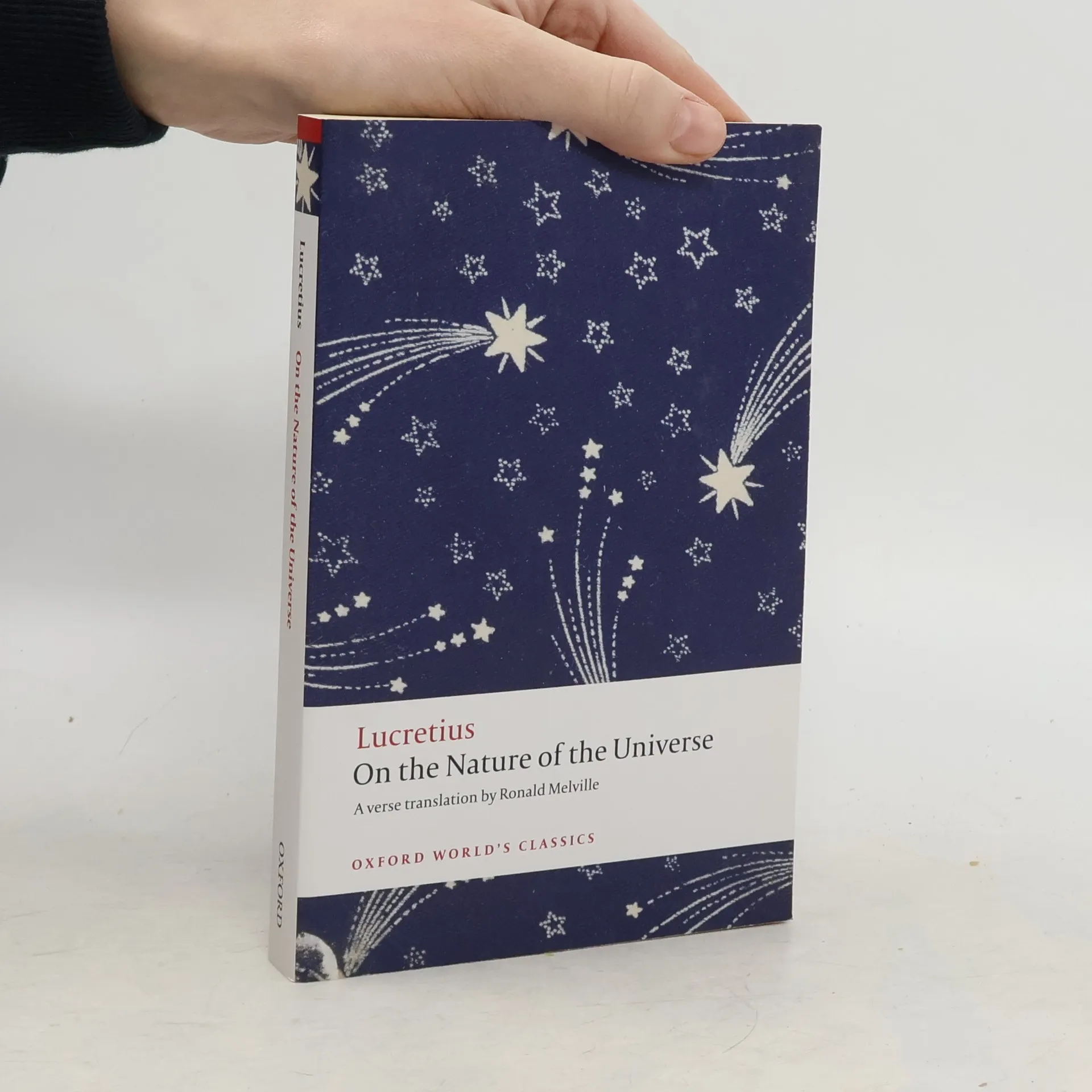
Oxford World's Classics: On the Nature of the Universe
A Verse Translation by Ronald Melville
- 275 pages
- 10 hours of reading
This ed. of this translation originally published: 1997.
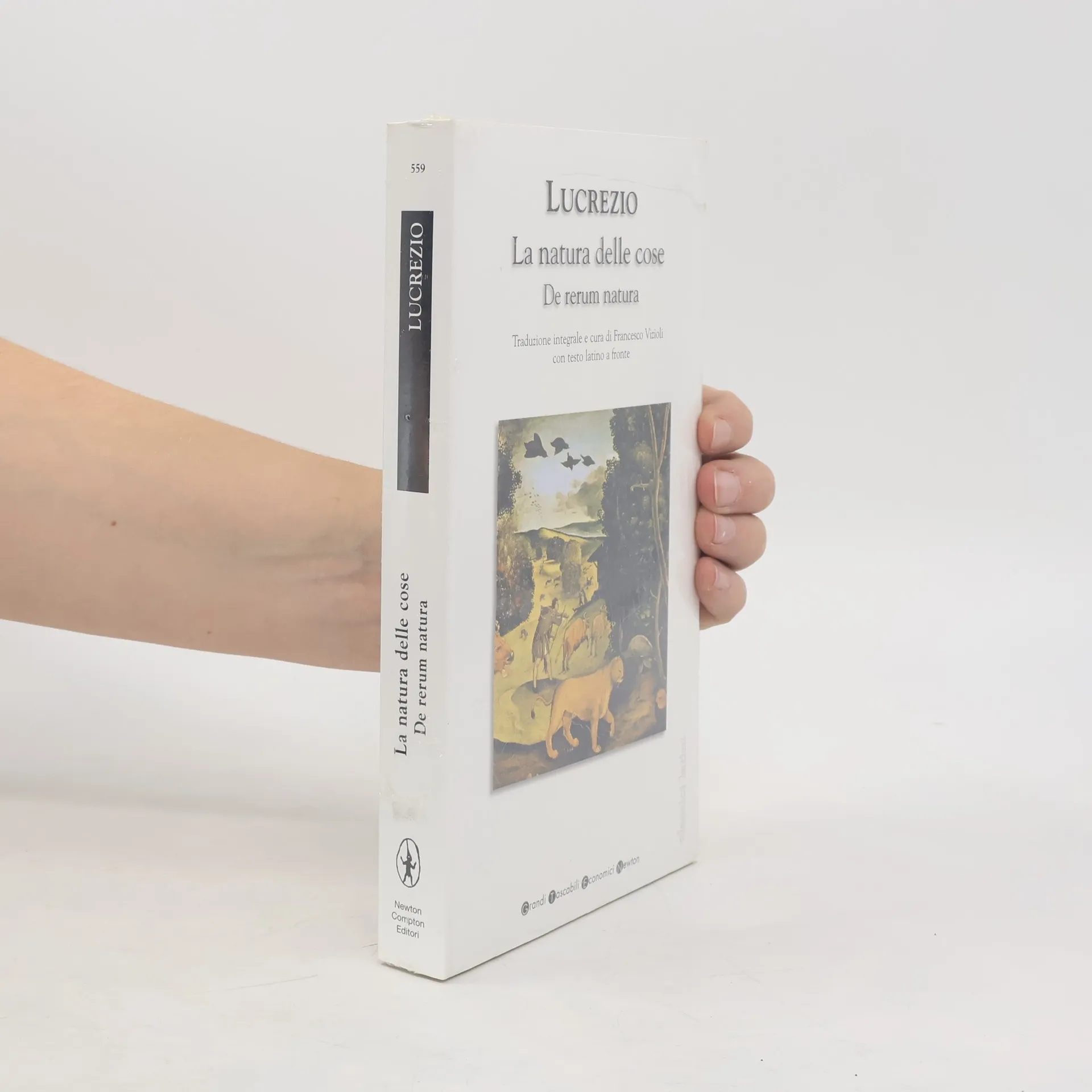
La natura delle cose. De rerum natura
- 367 pages
- 13 hours of reading
Le Temps
- 150 pages
- 6 hours of reading
Comment ne pas perdre son temps, à défaut de ne pouvoir l'économiser ? Peut-on vivre l'instant présent sans se projeter sans cesse dans le passe ou l'avenir ? Est-il possible de vivre heureux dans le temps qui nous est imparti ? D'accepter les effets du vieillissement ? Sénèque, Lucrèce, Descartes, Marc Aurèle, Kierkegaard, Schopenhauer, Nietzsche... aucun n'a pu échapper à ces interrogations métaphysiques. Hommes avant d'être philosophes, soumis eux aussi aux exigences du temps qui passe, ces penseurs ont toujours considéré ce sujet comme un défi lancé à leur intelligence. Leurs réflexions denses et passionnantes réunies dans ce guide proposent une alternative rafraîchissante aux éternels clichés énoncés sur ce thème.
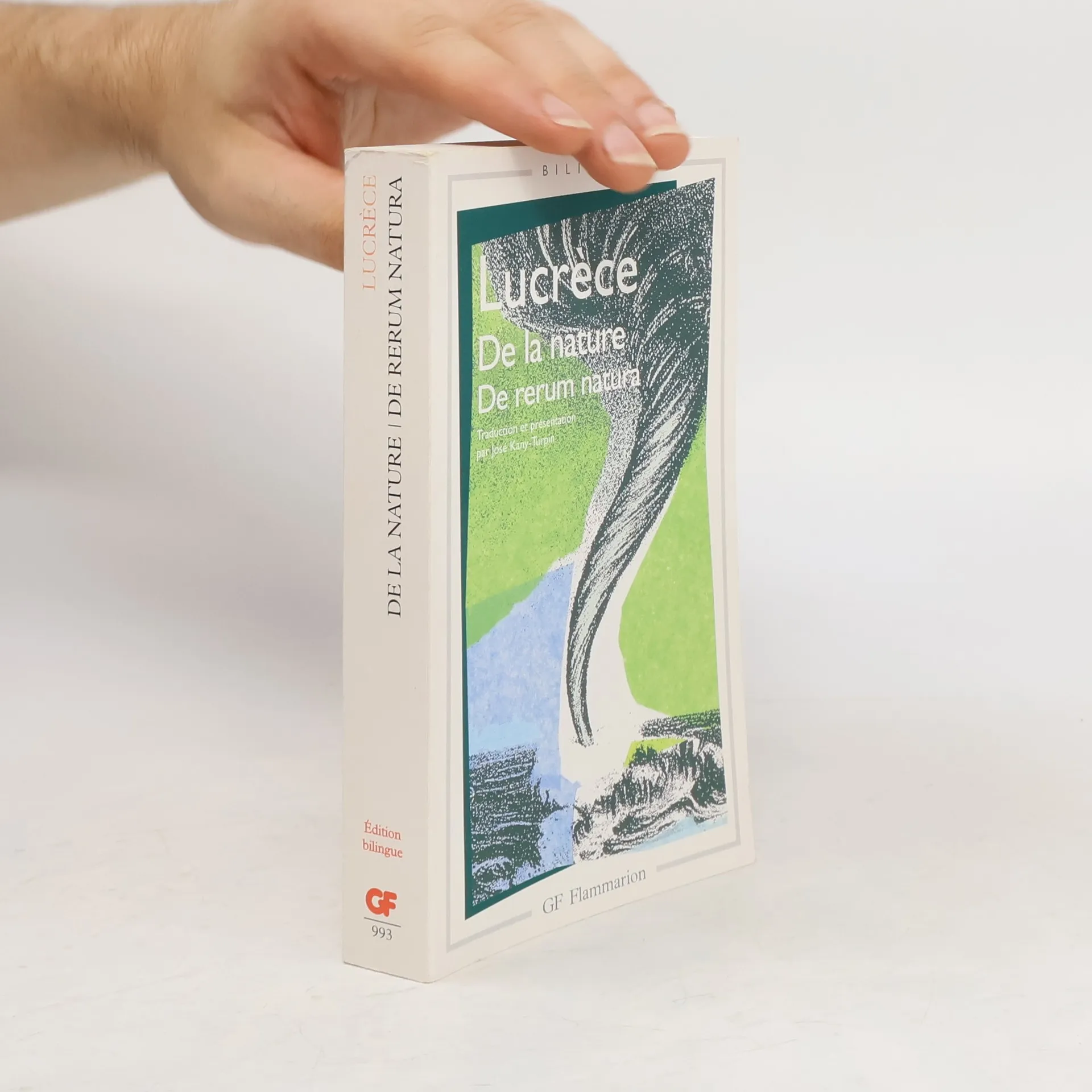
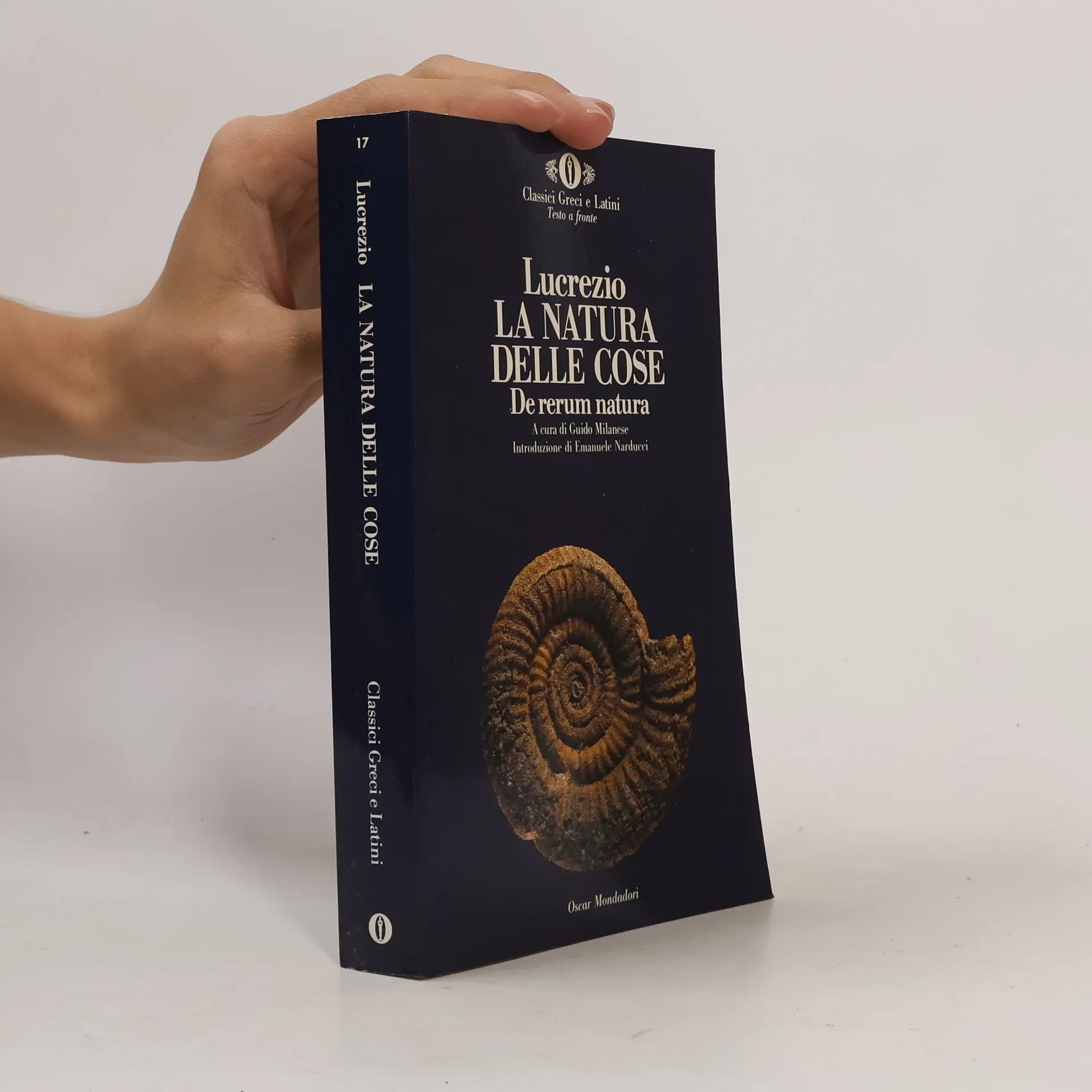
Oscar Classici greci e latini - 17: La natura delle cose
De rerum natura - Testo a fronte
- 519 pages
- 19 hours of reading
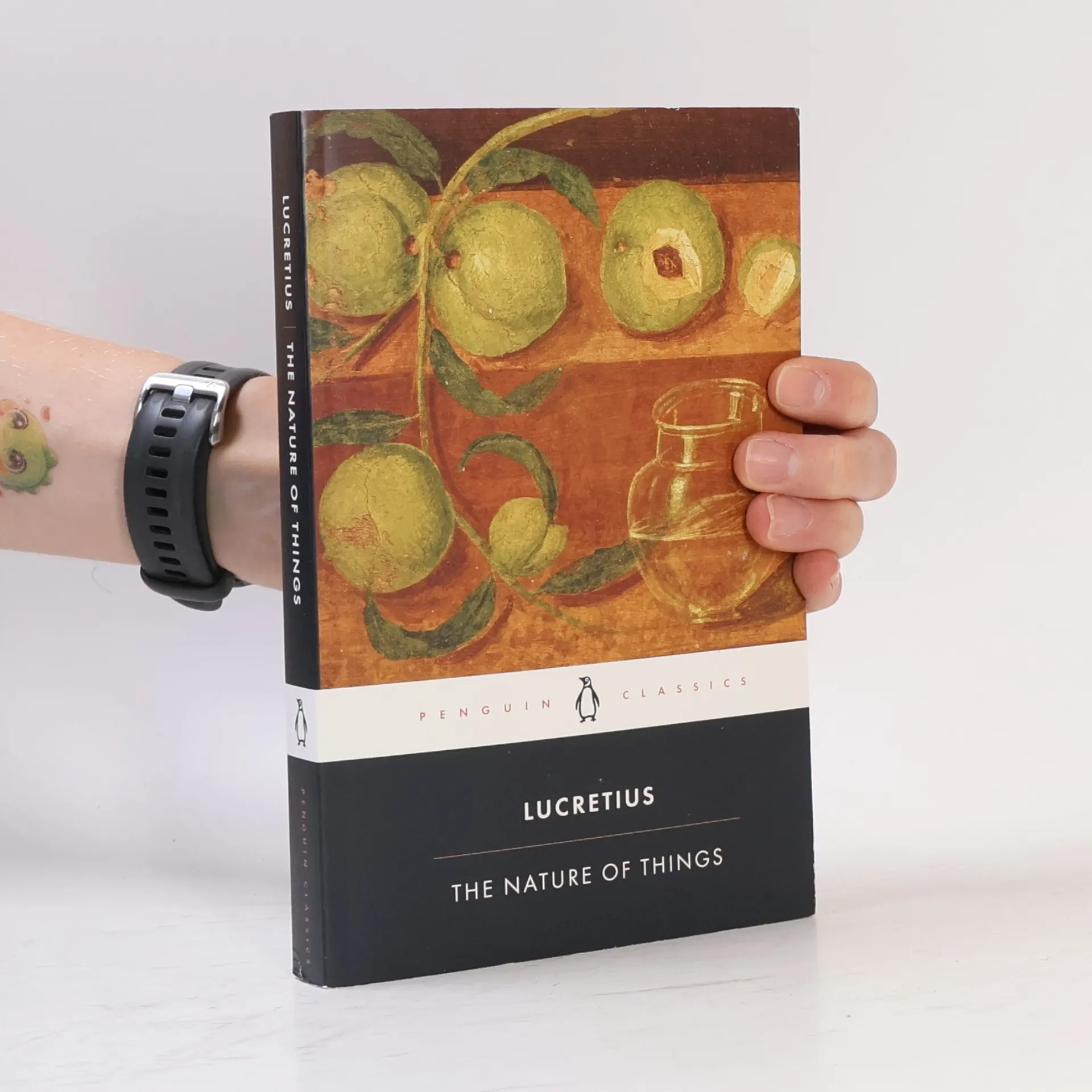
Lucretius' poem On the Nature of Things combines a scientific and philosophical treatise with some of the greatest poetry ever written. With intense moral fervour he demonstrates to humanity that in death there is nothing to fear since the soul is mortal, and the world and everything in it is governed by the mechanical laws of nature and not by gods; and that by believing this men can live in peace of mind and happiness. He bases this on the atomic theory expounded by the Greek philosopher Epicurus, and continues with an examination of sensation, sex, cosmology, meteorology, and geology, all of these subjects made more attractive by the poetry with which he illustrates them.
Název De rerum natura je přesným latinským překladem starého Epikúrova spisu Peri fyseós, dílo tedy objasňuje epikúrejské učení lidu, didakticko-epická báseň (6 knih) je hlavním představitelem materialismu, dokazuje, že příroda se řídí odvěkými zákony, kde vše vzniká, trvá a zaniká,bohové nemohou zasahovat do světa, který povstal z atomů, neexistuje ani podsvětí a bohové žijí v nečinnosti v nebesích, kde se radují ze své blaženosti, Psáno hexametrem, ale používá, oproti Ovidiovi nebo Vergiliovi, neobvyklé řazení přízvuku, používá archaismy i novotvary, podílí se na vytváření latinské filosofické terminologie převodem z řečtiny, věnovánu příteli Gaiu Memmiovi.