Explore the latest books of this year!
Bookbot

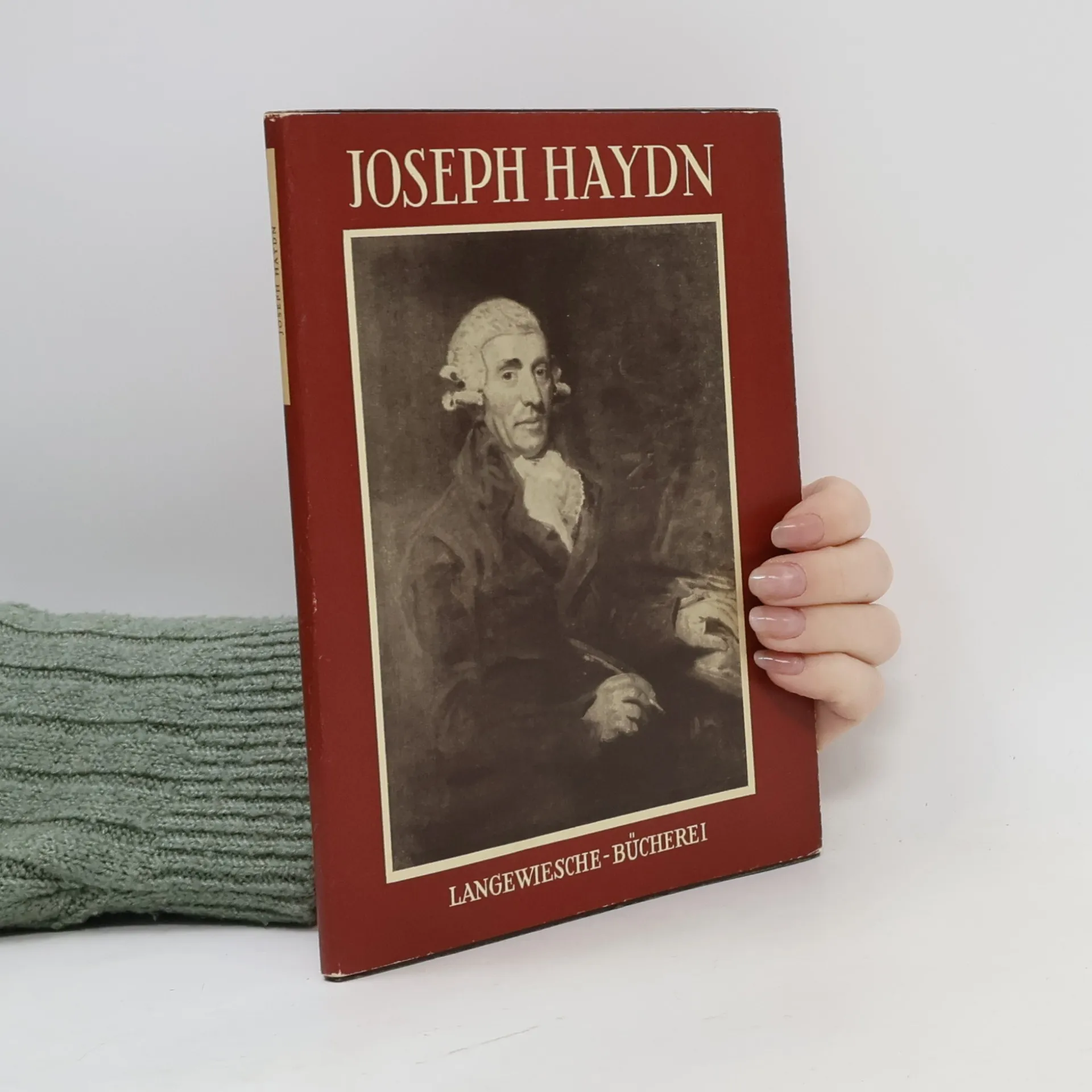
Joseph Haydn

    March 31, 1732 – May 31, 1809

    This author, known as a compiler of dictionaries, gained recognition for his extensive compendia. His work focused on the systematic gathering and presentation of information, offering readers valuable reference resources. His approach to creation was meticulous and thorough, ensuring the accuracy and reliability of his publications. Through his precision in lexicography and historiography, he left a significant mark on the world of non-fiction literature.

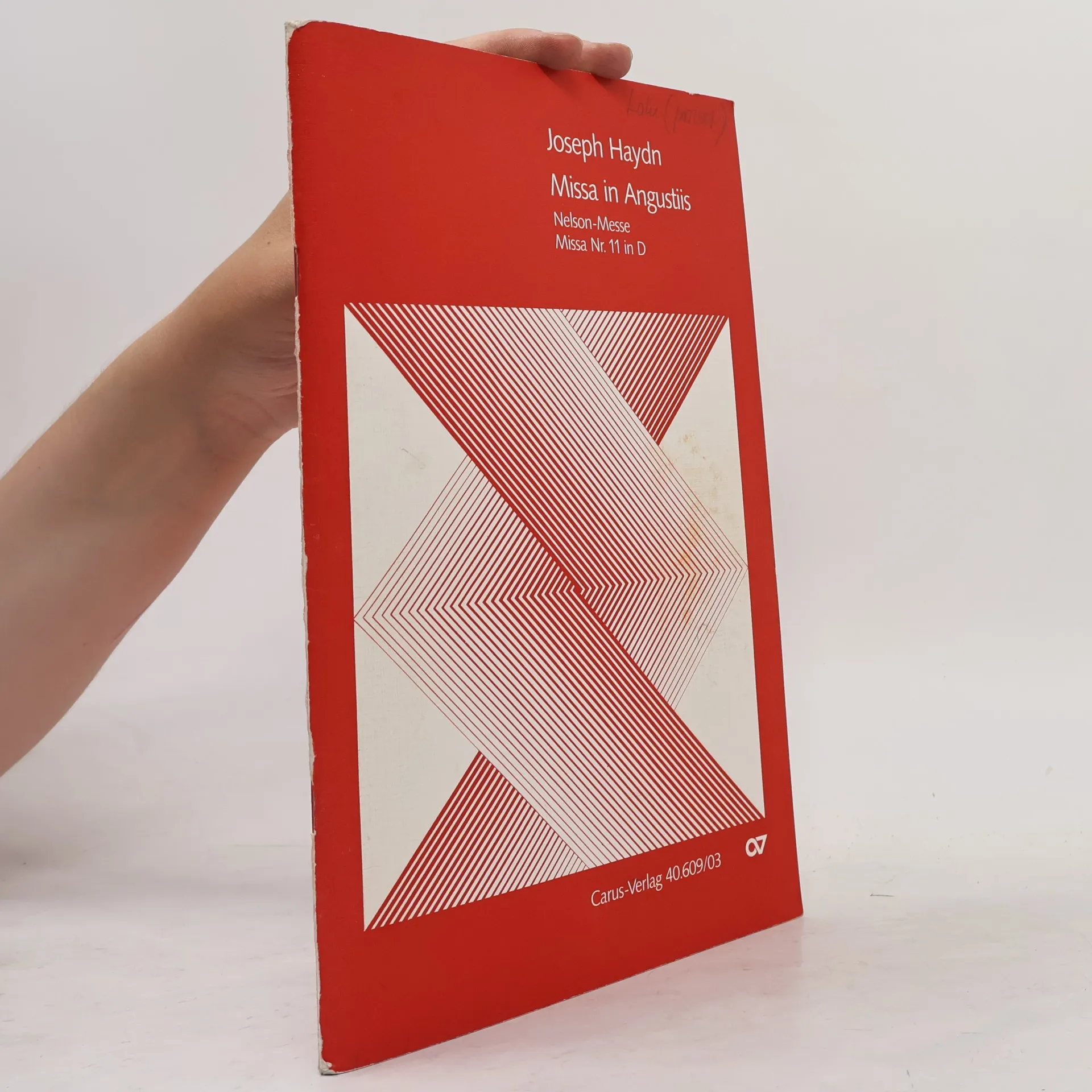
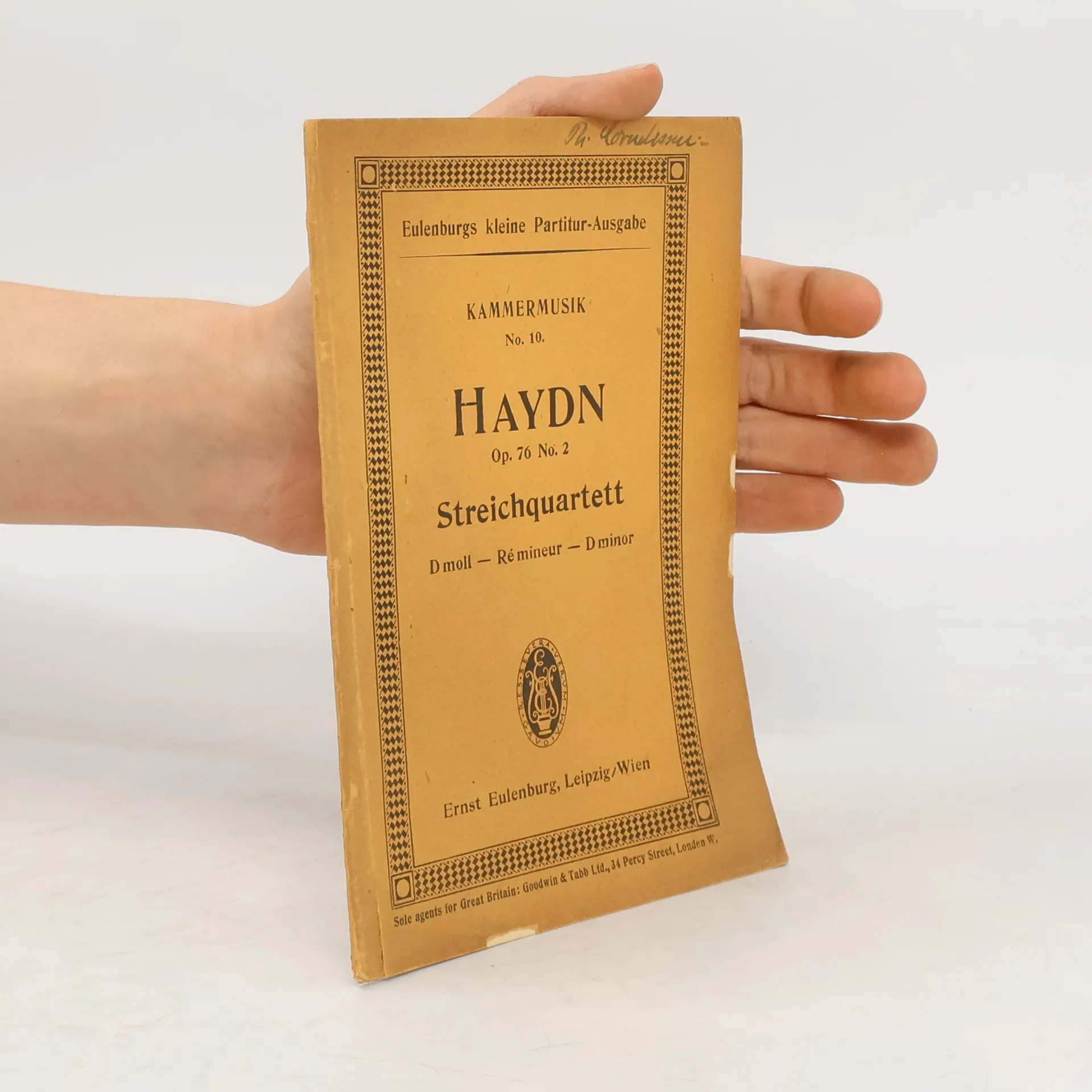
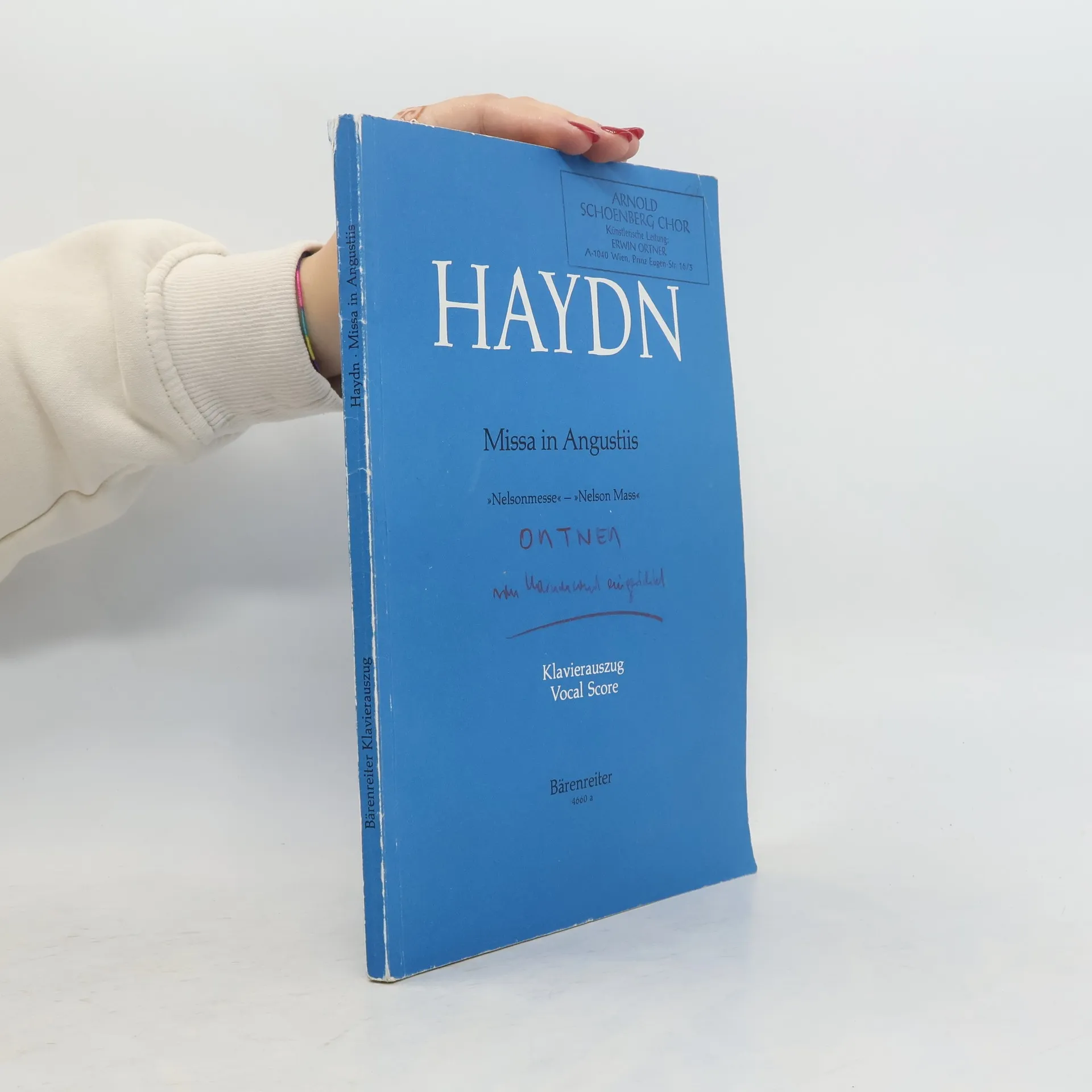
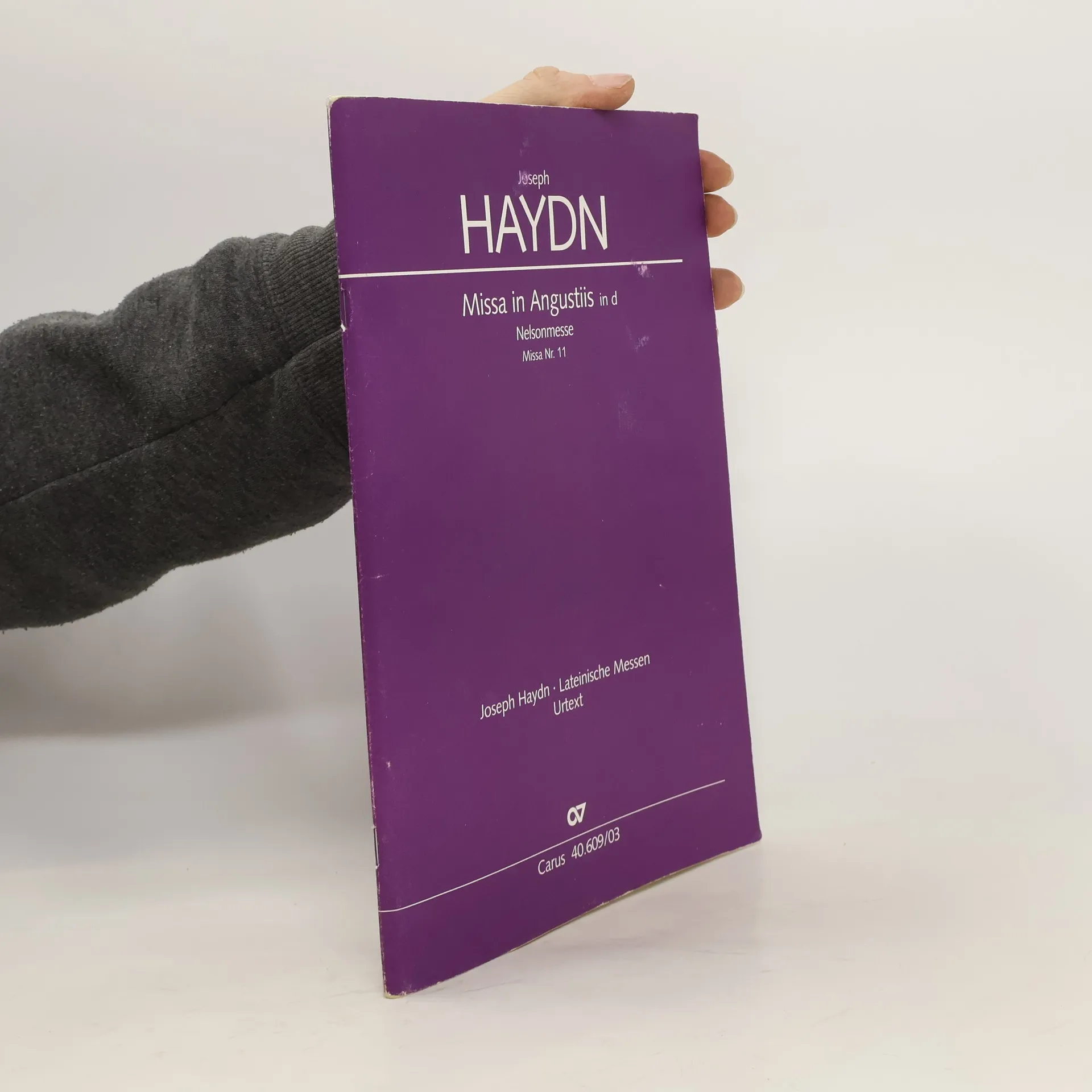
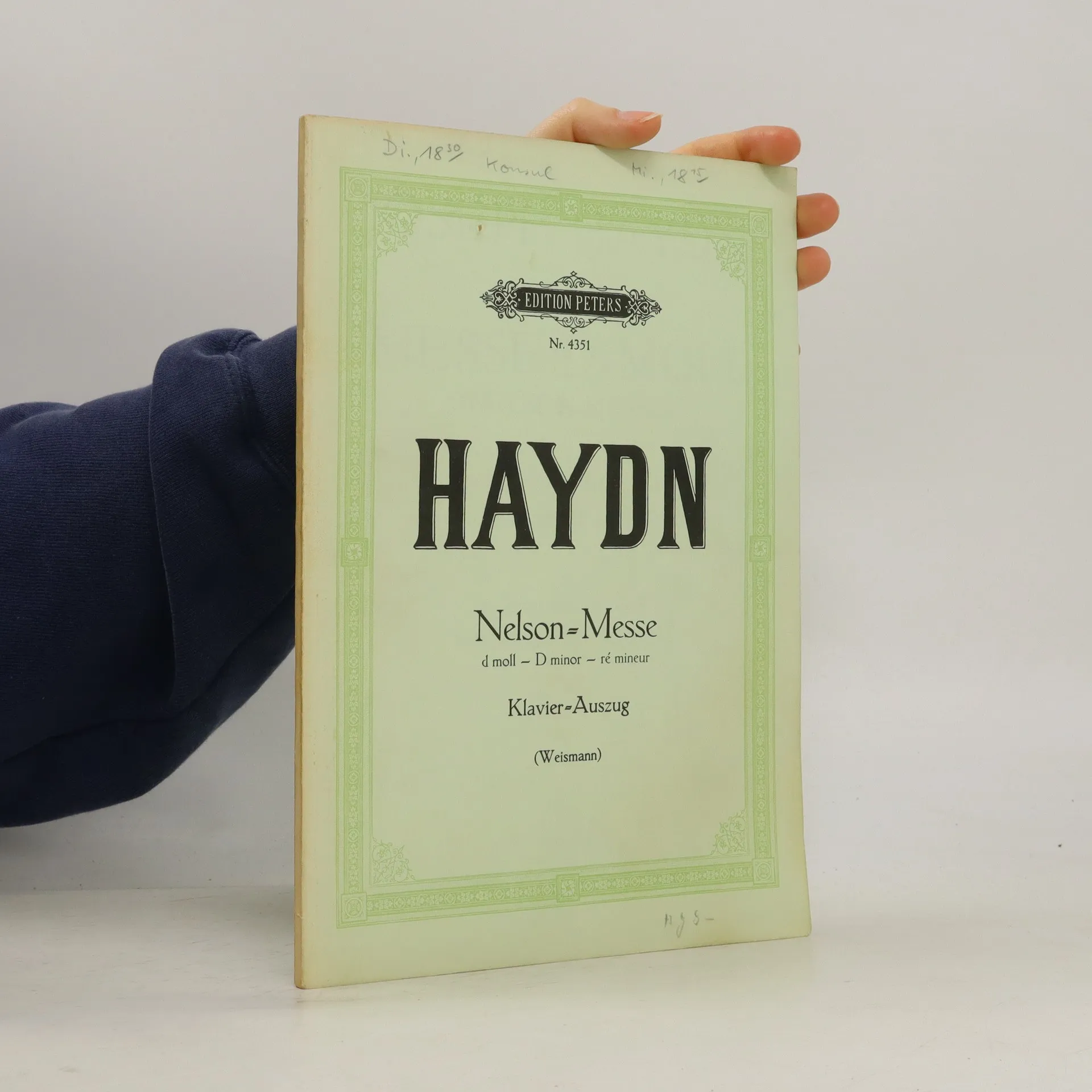
    Nelson Mass in D Minor Hob.XXII/11 (Full Score): Conductor Score
    St. Anthony Chorale: Flex Band, Conductor Score
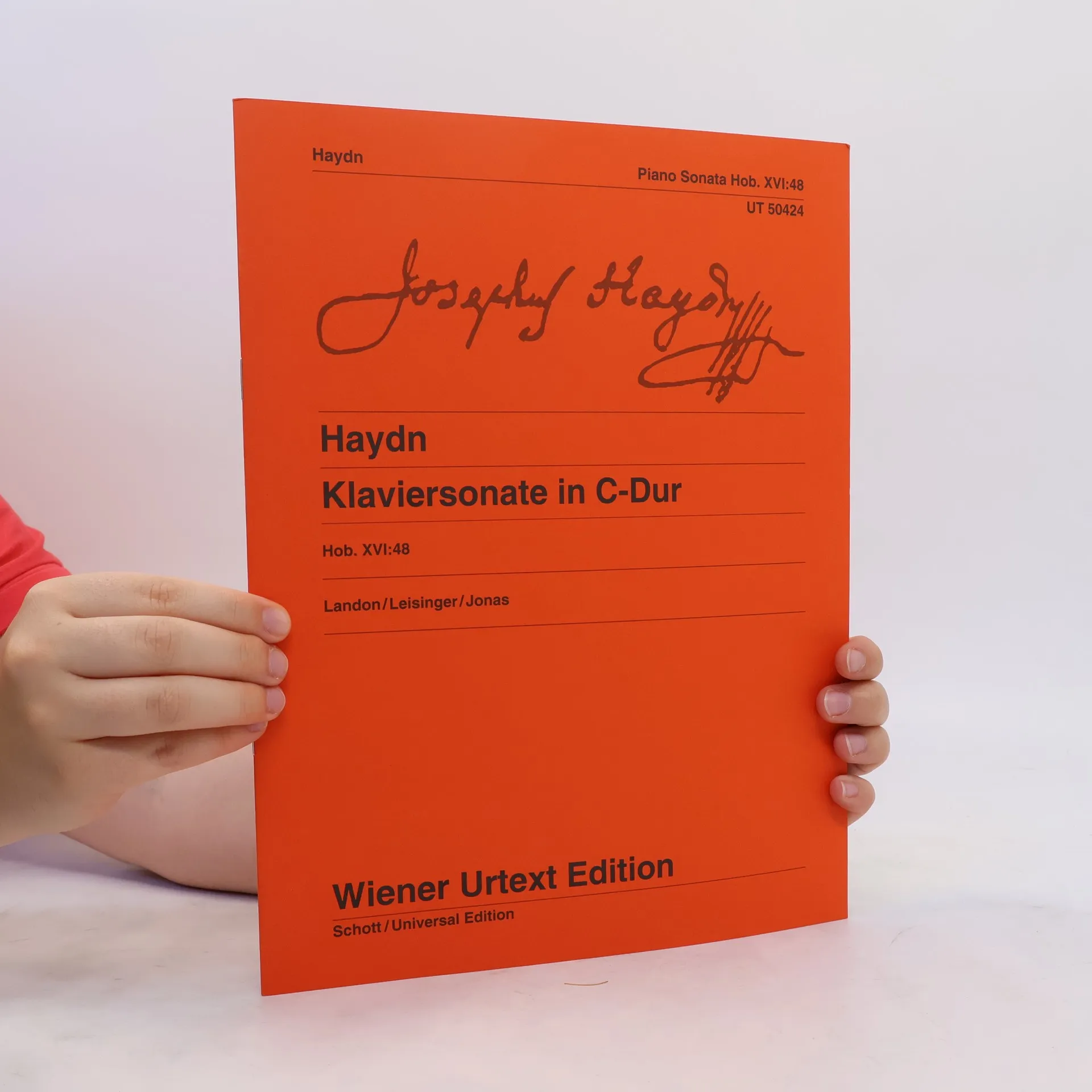
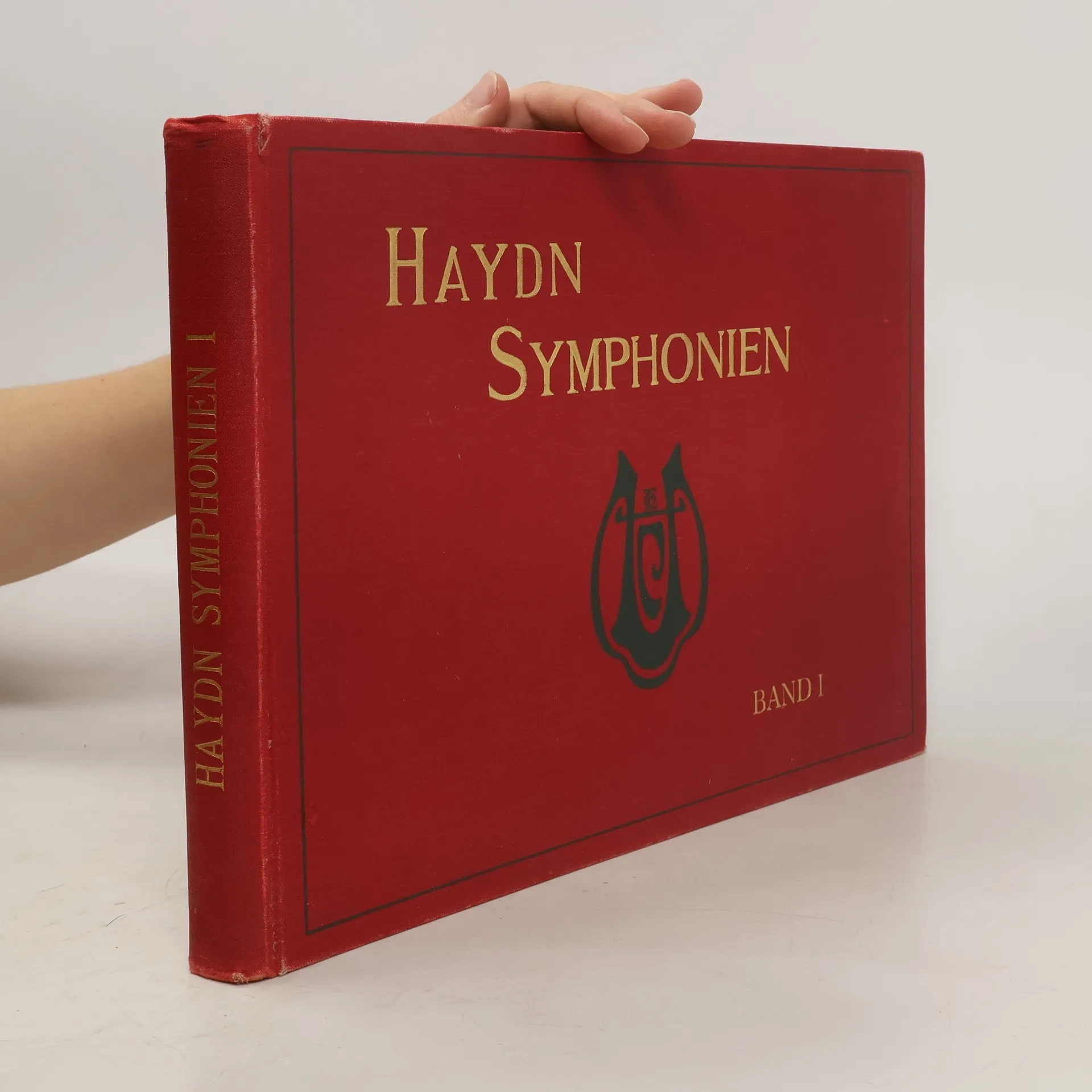
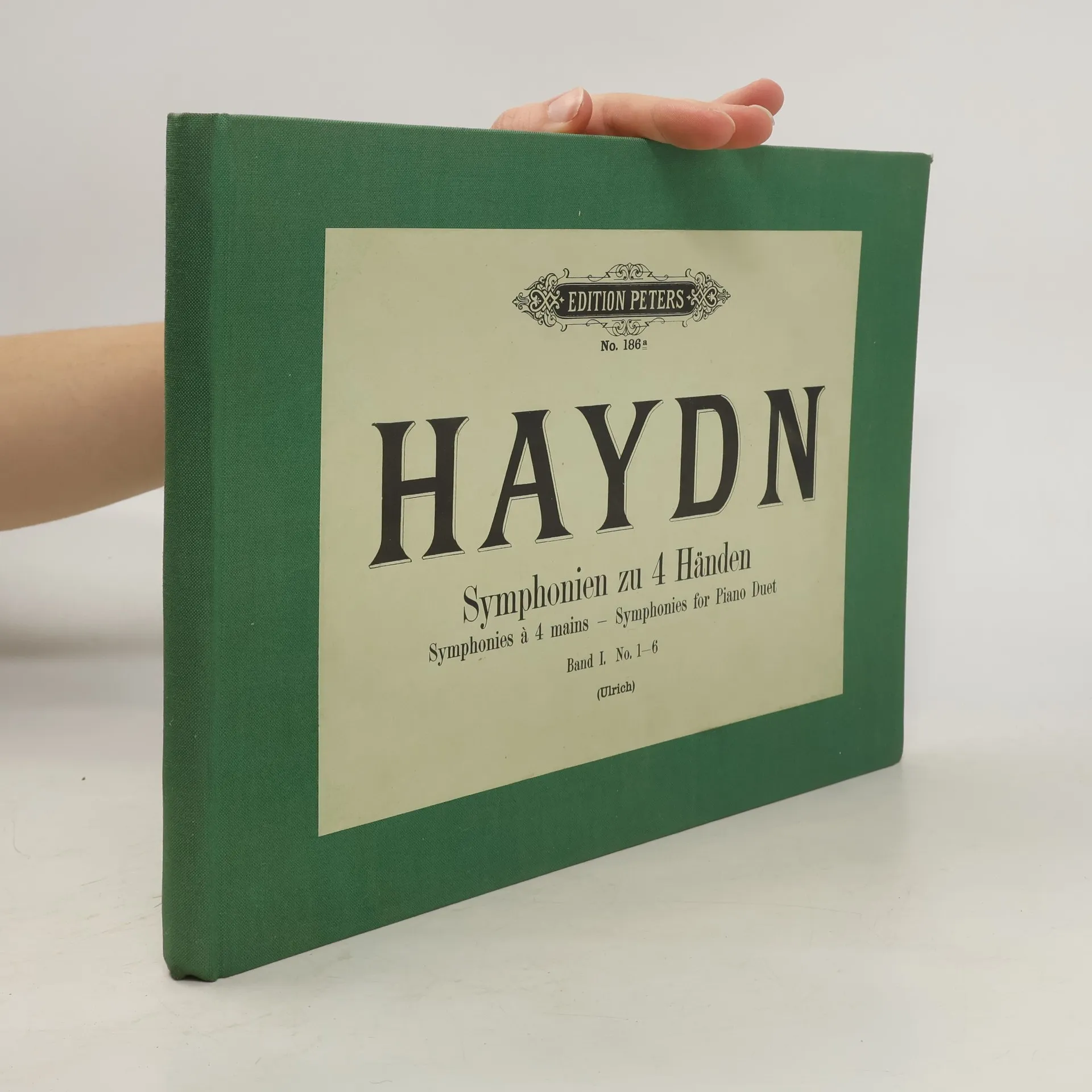
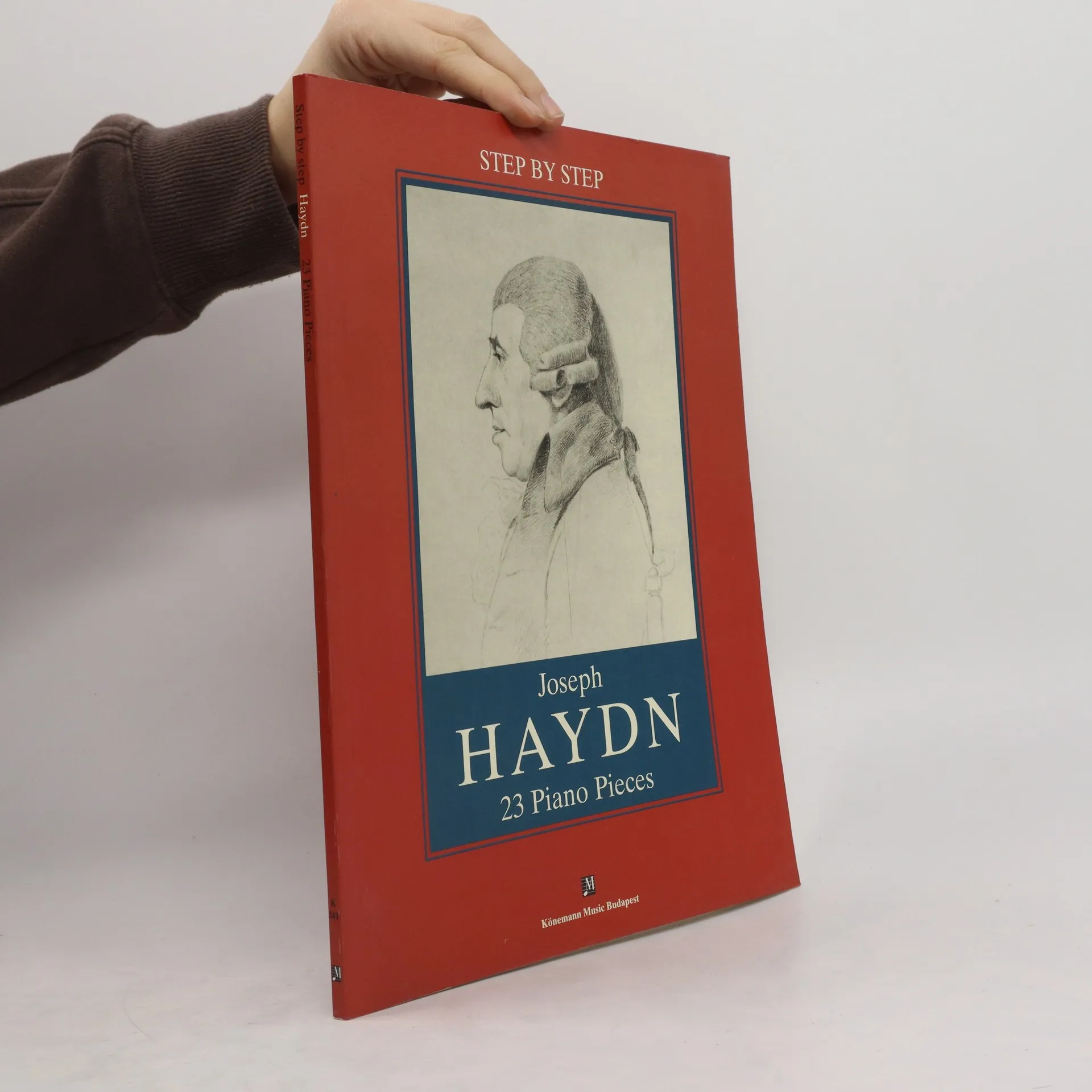
    Piano Pieces Hob. Xvii:1-6
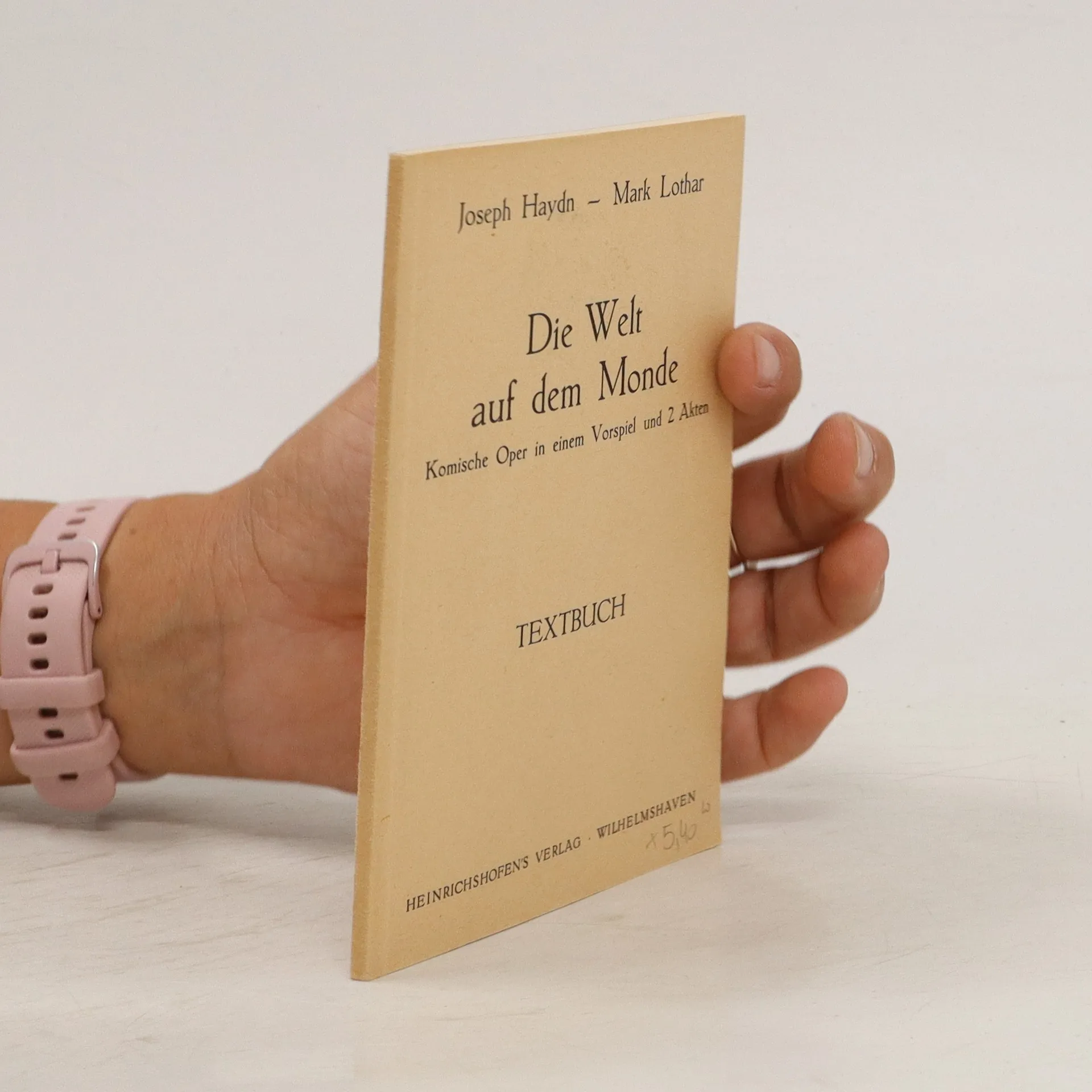
    Gypsy Rondo
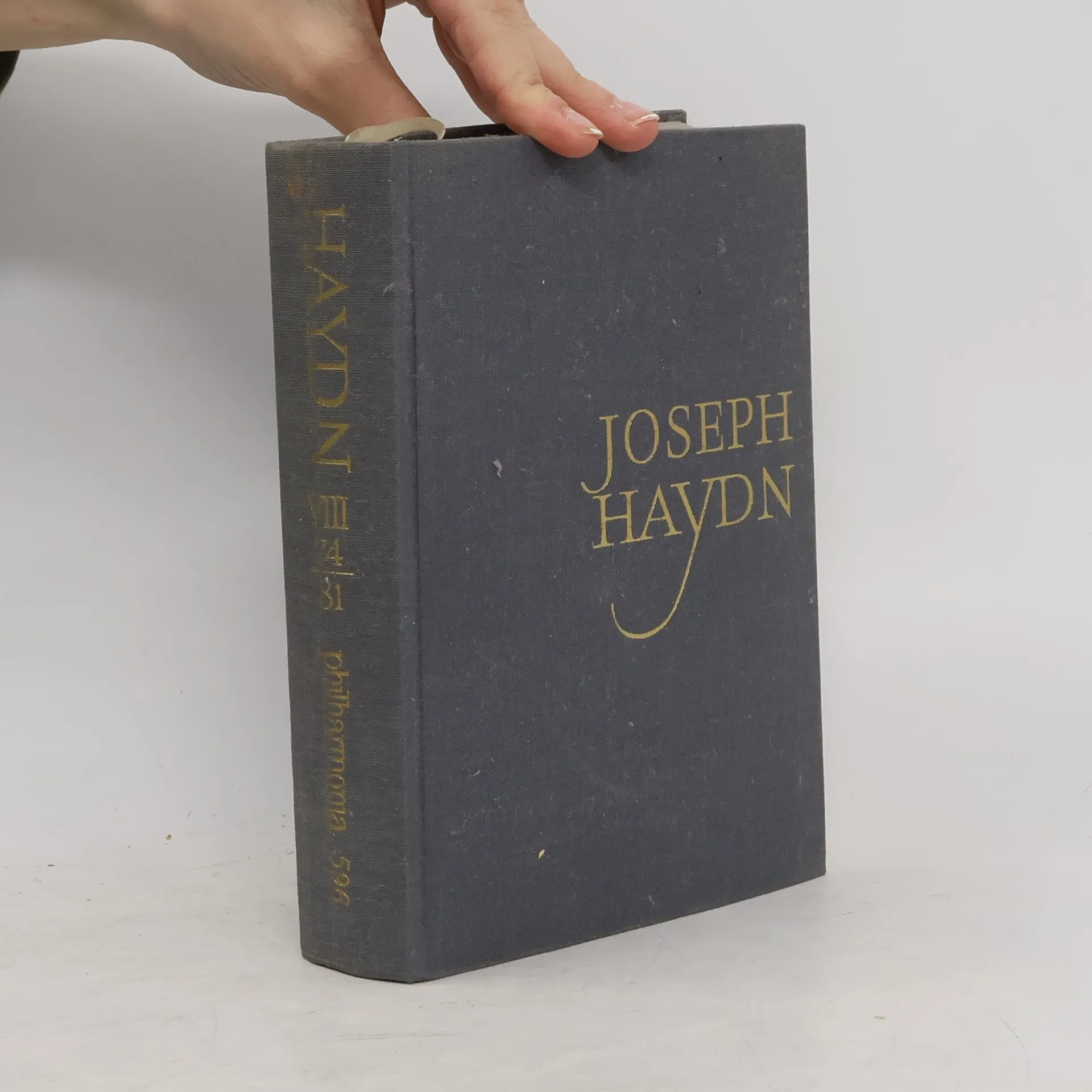
    Joseph Haydn VIII. 74/81
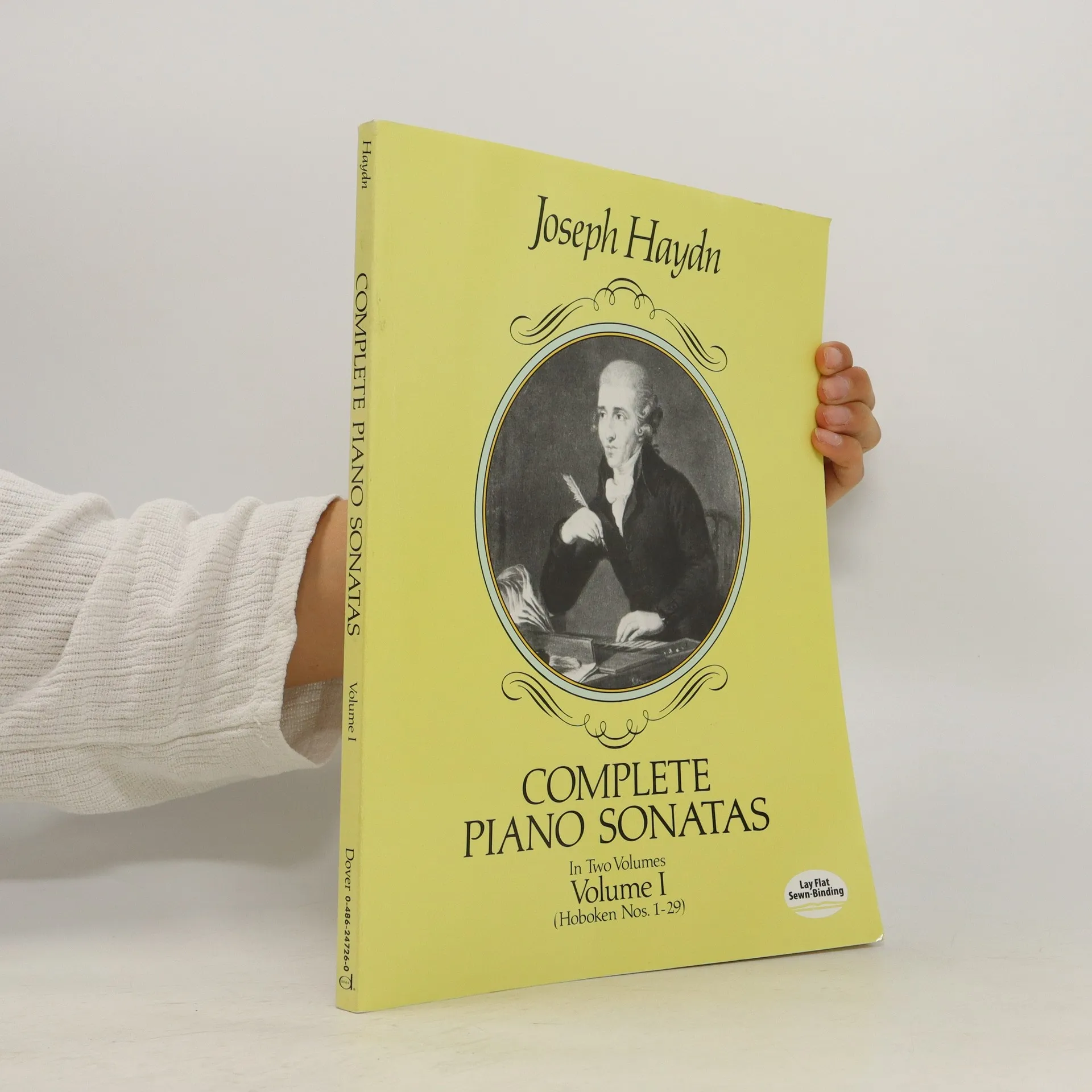
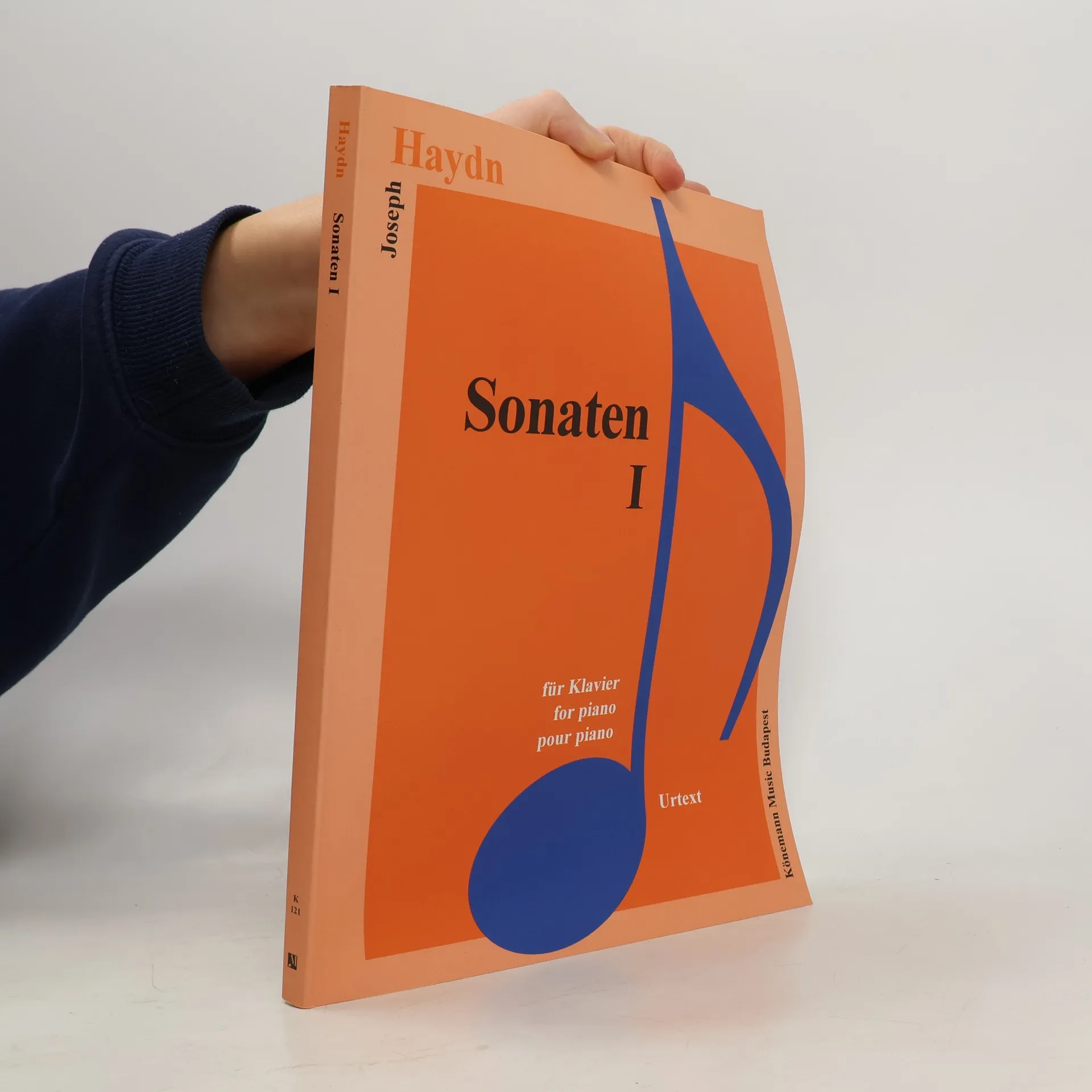
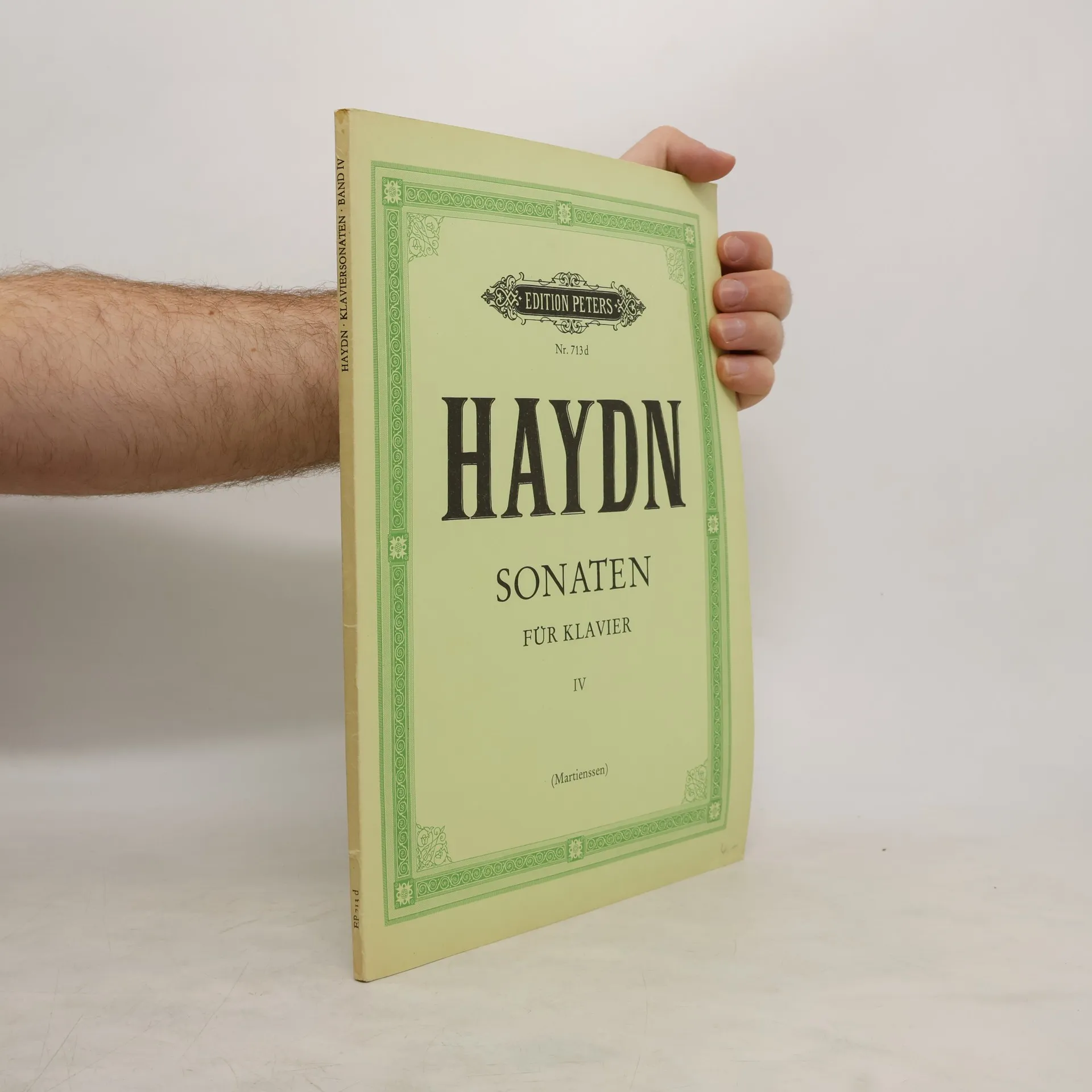
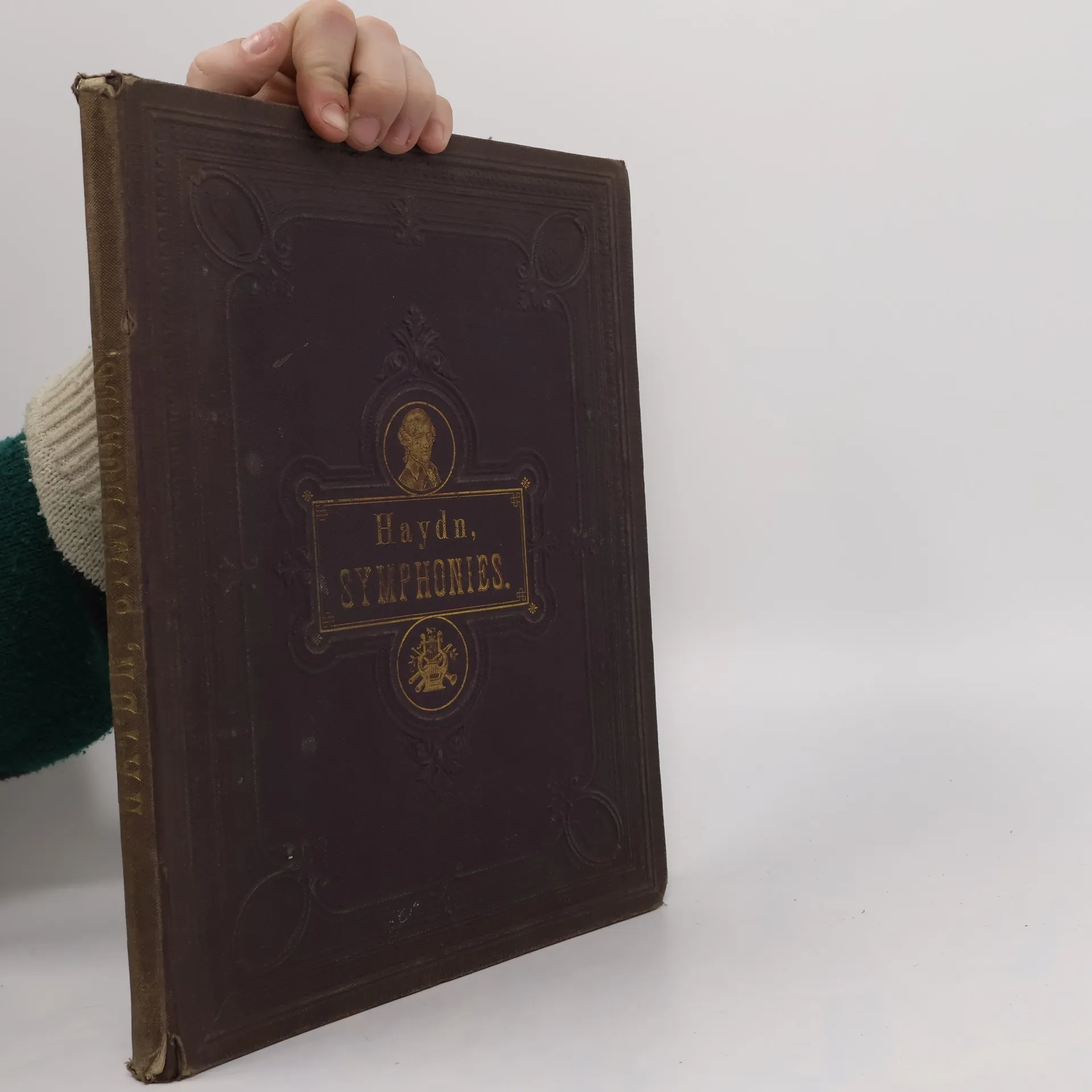
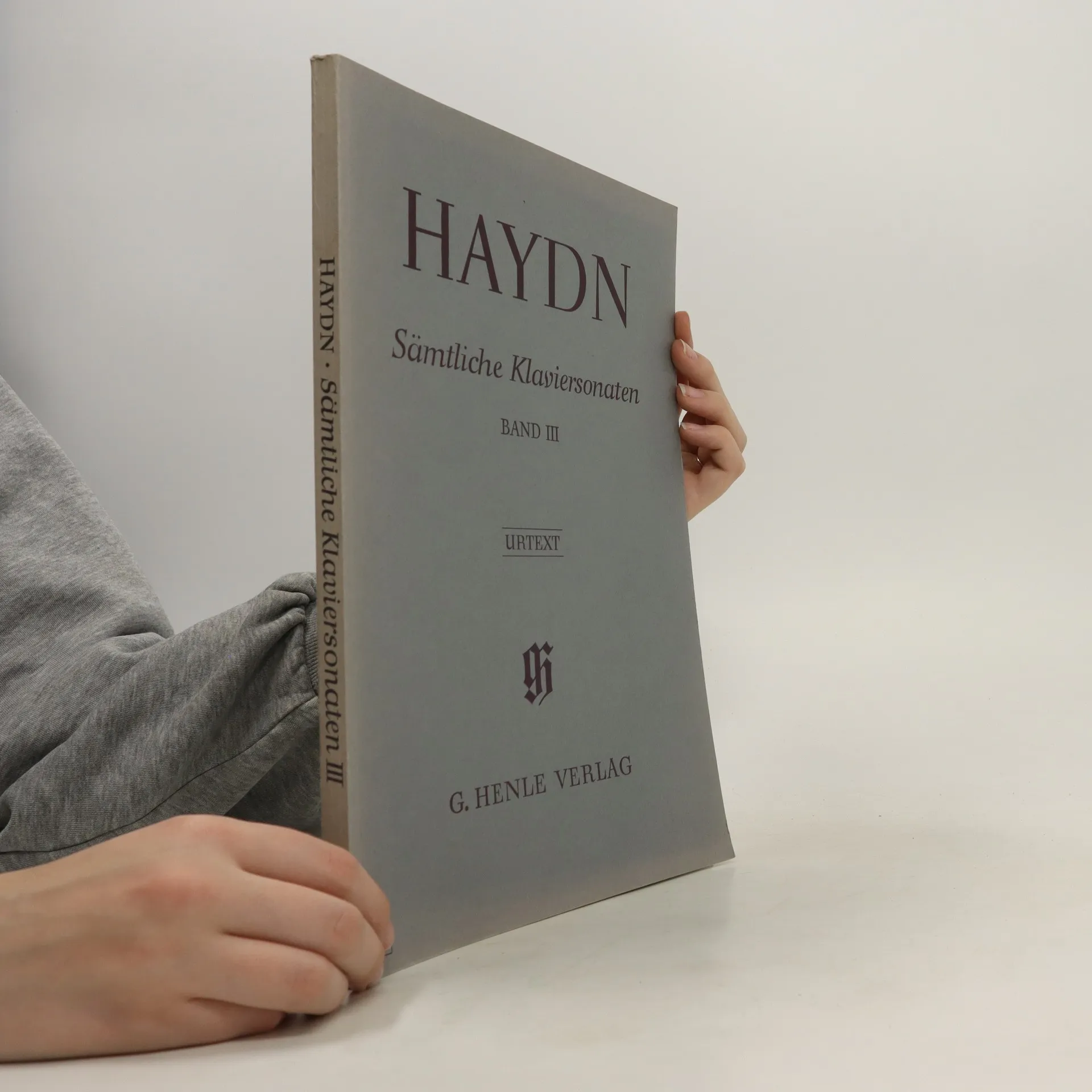
    Complete Piano Sonatas
    • Complete Piano Sonatas

      • 230 pages
      • 9 hours of reading
      4.2(10)Add rating

      This item will not have finger numbers.The towering composer who perfected the early symphonic form and invented the modern string quartet also left his indelible mark on the sonata. During 50 years of inspired creative effort, Haydn experimented constantly with the sonata form, adding a clear thematic structure to the tonal design inherited from earlier composers.This comprehensive new playing edition contains 52 sonatas by the master — a treasury of keyboard compositions in which echoes of the baroque and harbingers of romanticism blend with the lucidity and elegance of 18th-century classicism. Here is a remarkably convenient and reliable presentation of more than 50 of Haydn's efforts in the form, from the early divertimento-like sonatas to the masterworks of the later years, culminating in the sublime Sonata No. 52 in E-flat Major.Reprinted in two volumes from an authoritative Breitkopf & Härtel edition, the sonatas are arranged in a chronological sequence based on recent scholarship. Extremely clear and readable, with ample space for notes, this Dover edition is a must for serious pianists, students, and music lovers in general. It is an excellent, inexpensive means to study and savor the inventive daring, freedom, and mastery that Haydn brought to the piano sonata.
      Complete Piano Sonatas
    • Gypsy Rondo

      • 999 pages
      • 35 hours of reading

      The classic tune by Franz Josef Haydn is arranged here for xylophone but can be played on any mallet instrument. The tidy form, graspable melody and straight rhythms make the solo fun and playable for intermediate keyboard percussionists.
      Gypsy Rondo
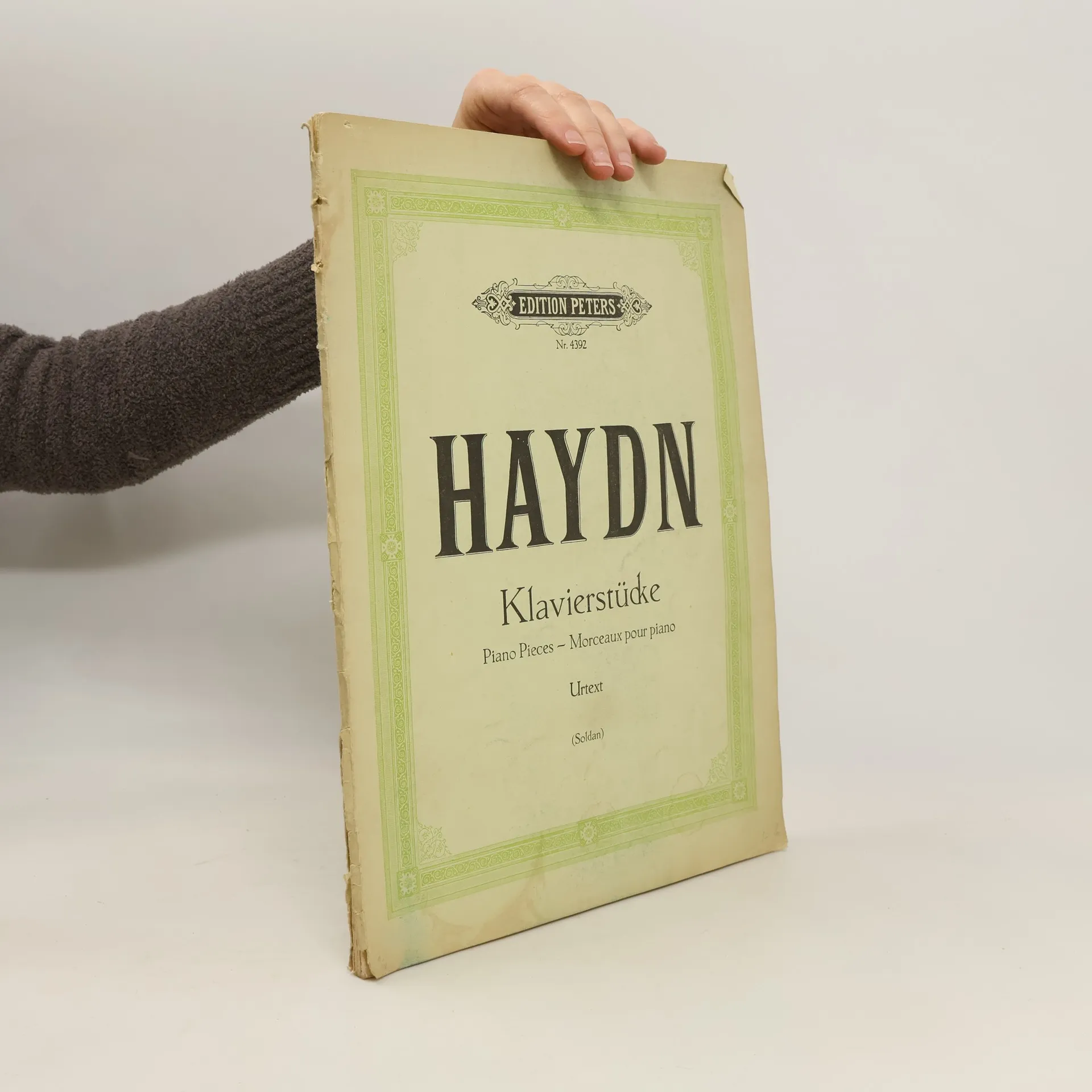
    • Contains the following Capriccio in G ("Acht Sauschneider müssen seyn"), Hob. ; Piano Variations in A, Hob. ; Piano Variations in E-flat, Hob. ; Capriccio (Fantasia) in C, Hob. ; Piano Variations in C, Hob. ; Piano Variations (Sonata) in F Minor, Hob. * Publisher EP4392 * Piano

      Piano Pieces Hob. Xvii:1-6
    • This famous melody of St. Anthony Chorale has been attributed to Haydn, but there is doubt as to whether or not he was the composer or simply quoted an older theme taken from an unknown source. Whatever the case may be, this arrangement for flexible ensemble by Raymond Horton is the perfect introduction to this beautiful theme for beginning players. (2:00)

      St. Anthony Chorale: Flex Band, Conductor Score
    • One of 3 surviving Violin Concertos by Haydn, the Concerto in G is a perfect introduction to the Classical style. In 3 movements, an opening elegant sonata movement, a central aria and a concluding sonata-rondo. Piano Score reduction of the orchestral accompaniment and separate Violin Part.

      Violin Concerto in G Hob. Viia:4 (Edition for Violin and Piano)
    • Classic Edition of Haydn's joyous Piano Concerto in D Major. Edited by Bruno Hinze-Reinhold. Edition for 2 Pianos, containing original piano part and piano reduction of the orchestral accompaniment (2 copies required for performance).

      Piano Concerto in D Hob. Xviii:11 (Edition for 2 Pianos)
    • Two Horn Concertos

      Study score

      • 82 pages
      • 3 hours of reading

      The early concerto for horn, composed by Haydn in 1762 during his time as Kappellmeister at the Esterhazy court, has sparked debate among musicologists regarding its intended occasion and soloist. Some suggest it was written for Thaddaus Steinmüller, one of Haydn's first hires, while others propose it was created for the baptism of a child of renowned hornist Joseph Leutgeb, known for his association with Mozart. This context highlights the intersection of personal and professional influences in Haydn's work.

      Two Horn Concertos