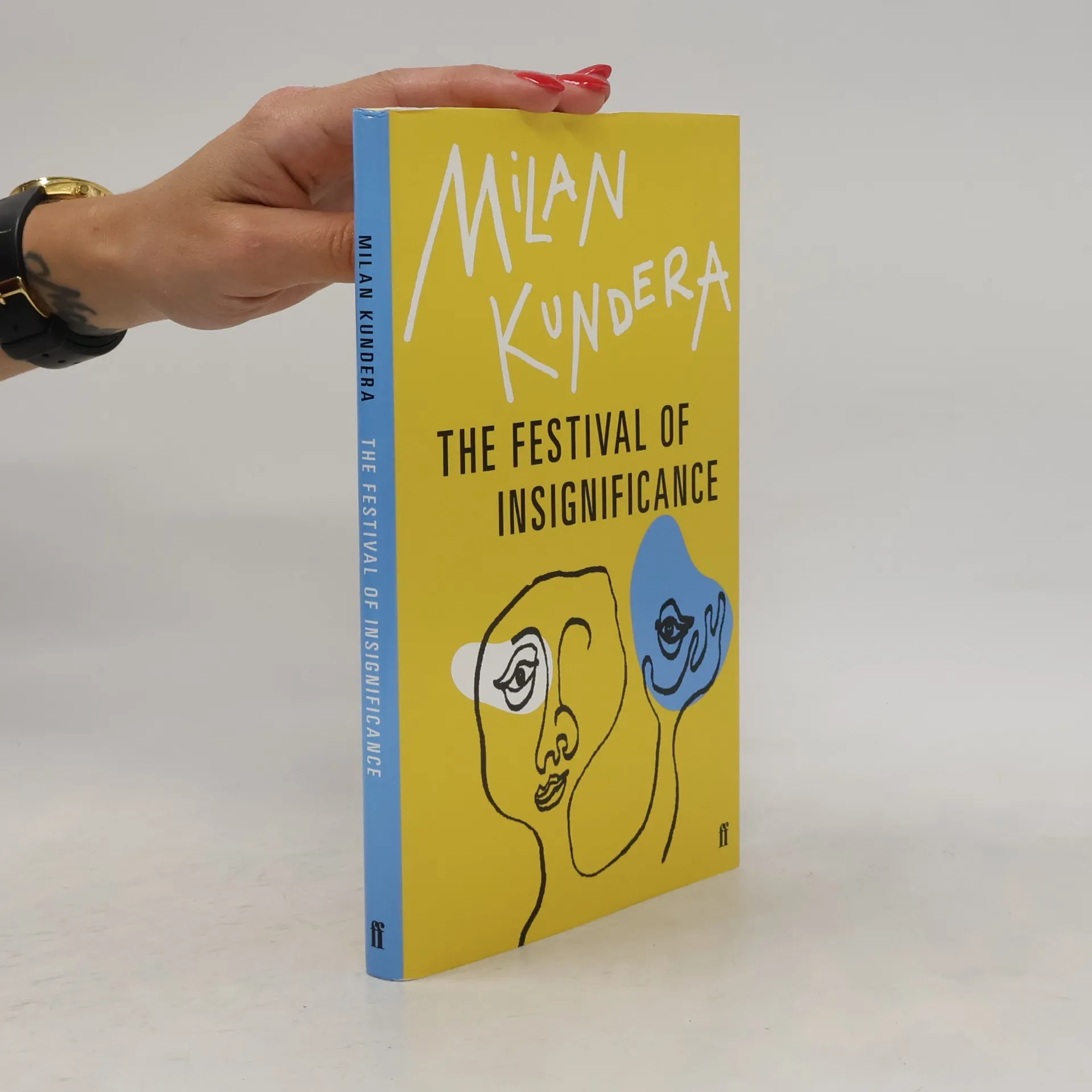
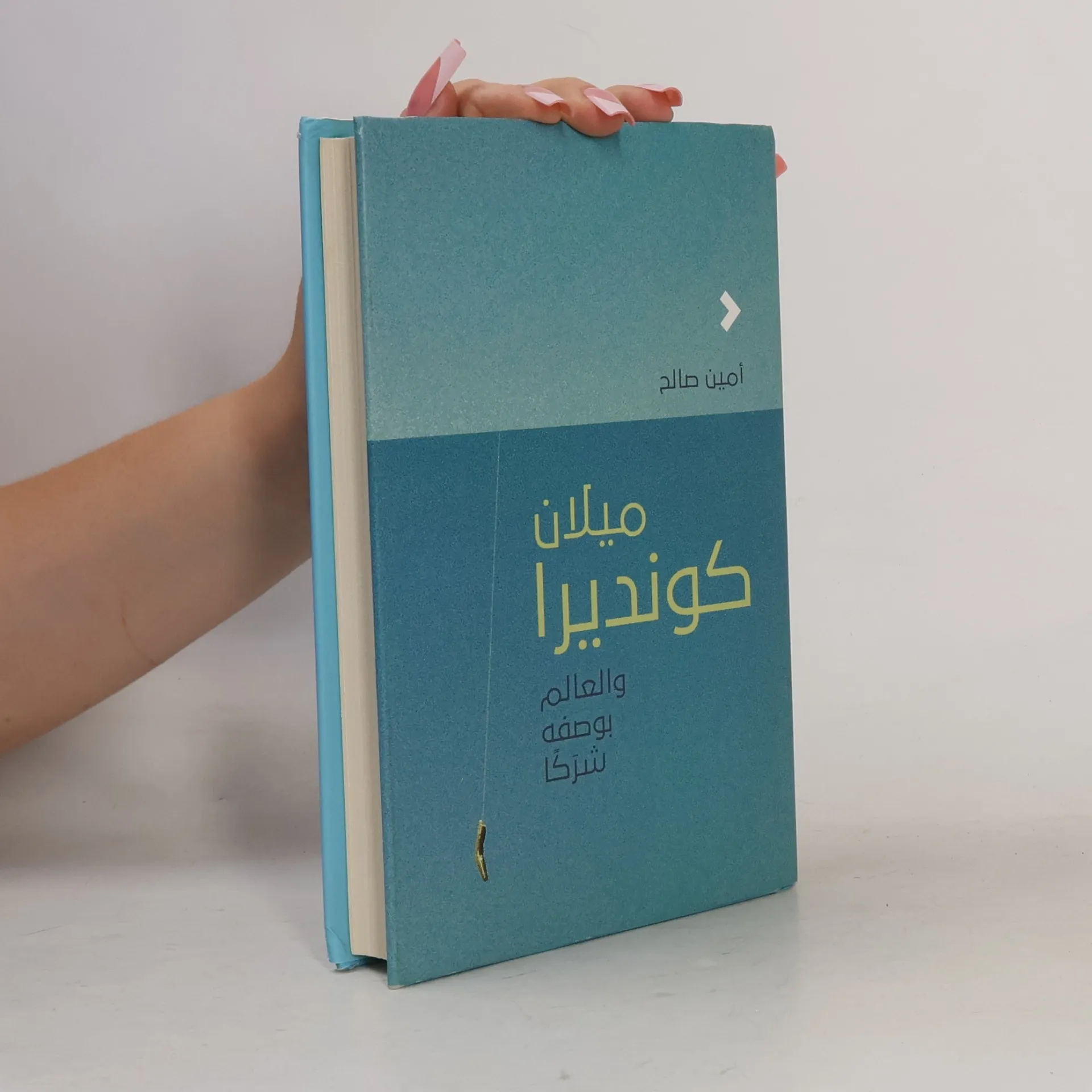
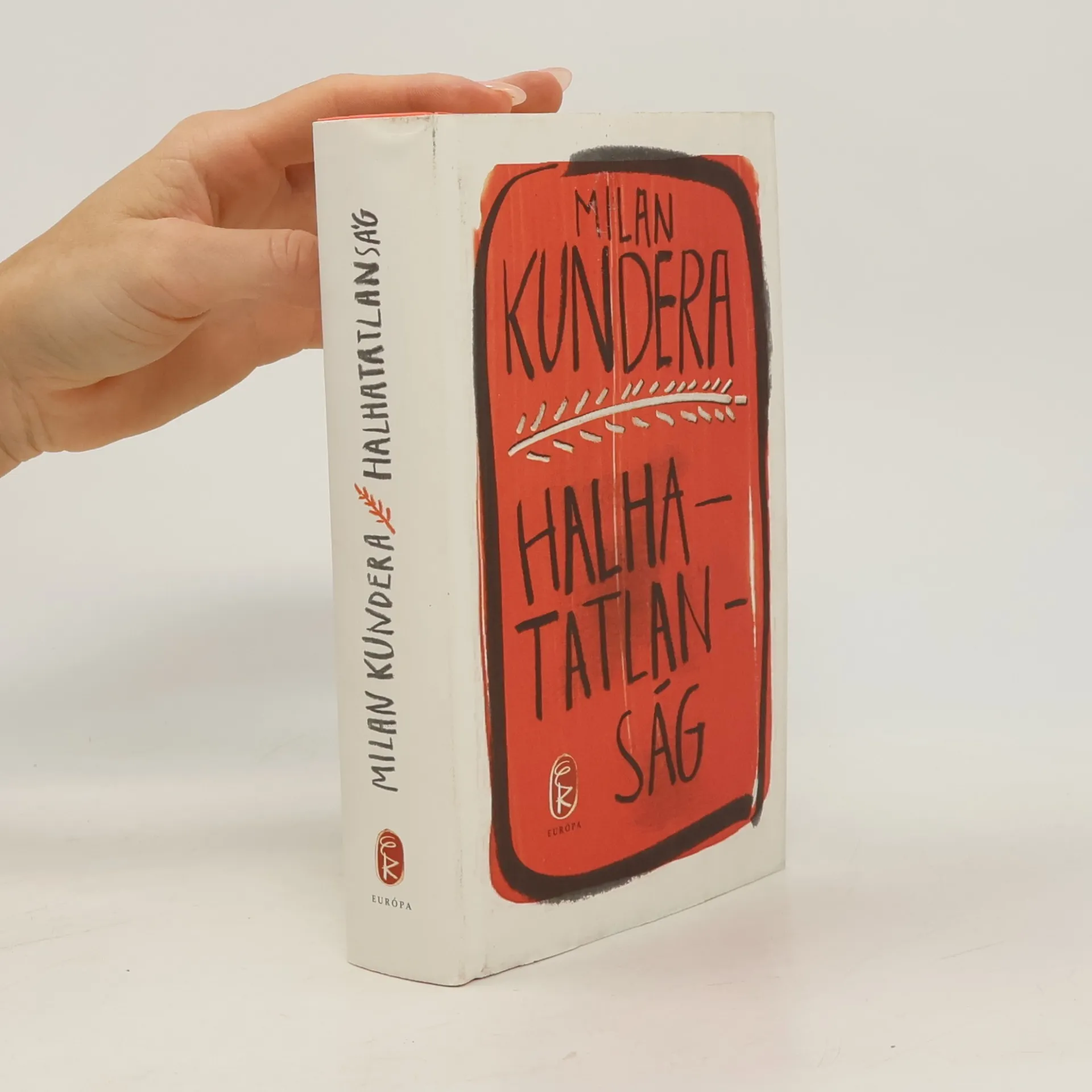
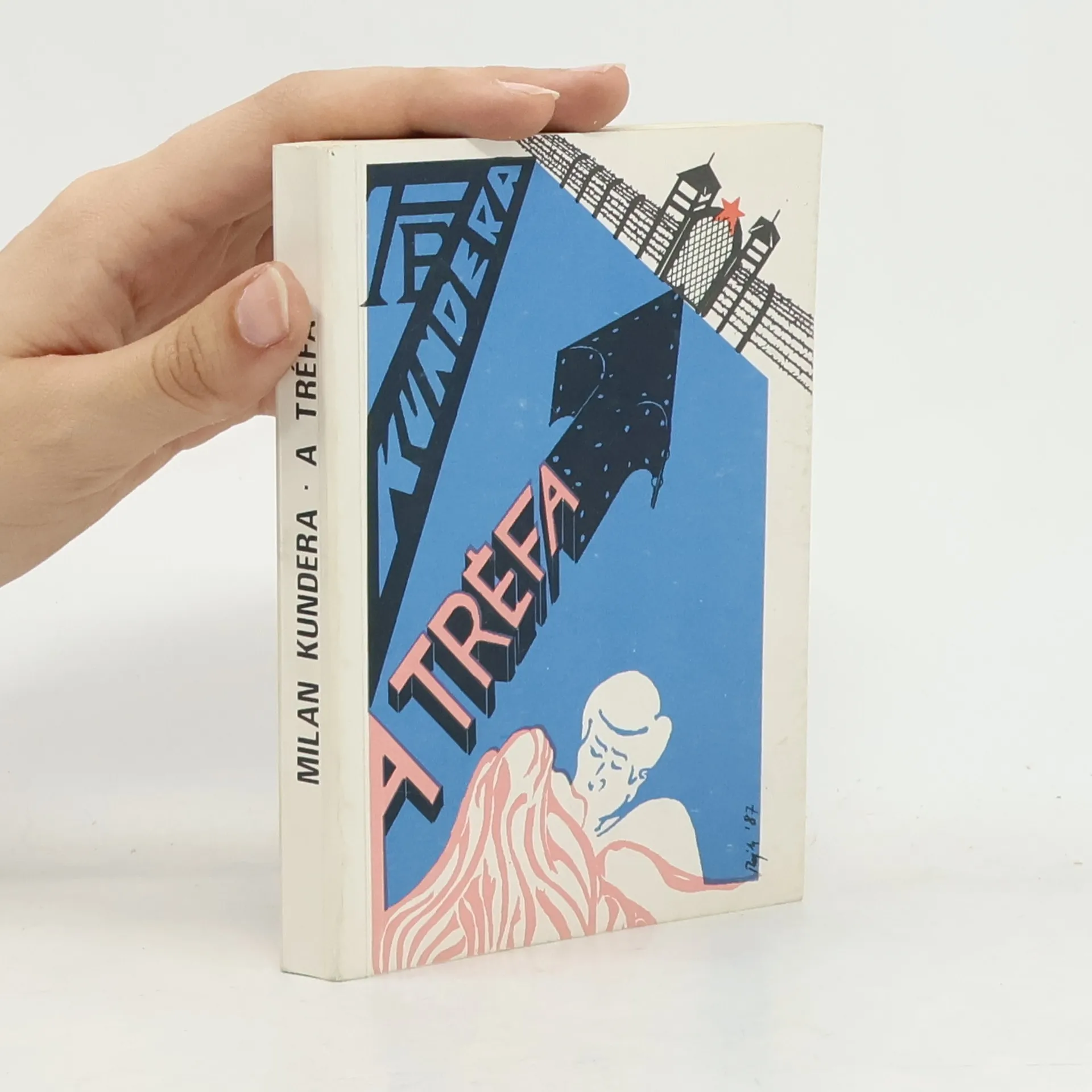
A Kidnapped West
- 96 pages
- 4 hours of reading
A provocative and rousing essay collection from one of Europe's greatest living writers


Milan Kundera was a writer whose work is celebrated for its profound philosophical explorations and unique literary style. He wrote in both Czech and French, considering his self-revised French editions to be original creations rather than translations. His novels delve into the complexities of human existence, identity, and the absurdities of life, often touching upon themes of exile and memory. Kundera's distinct voice blends intellectual rigor with a captivating narrative approach, making his writing resonate deeply with readers.

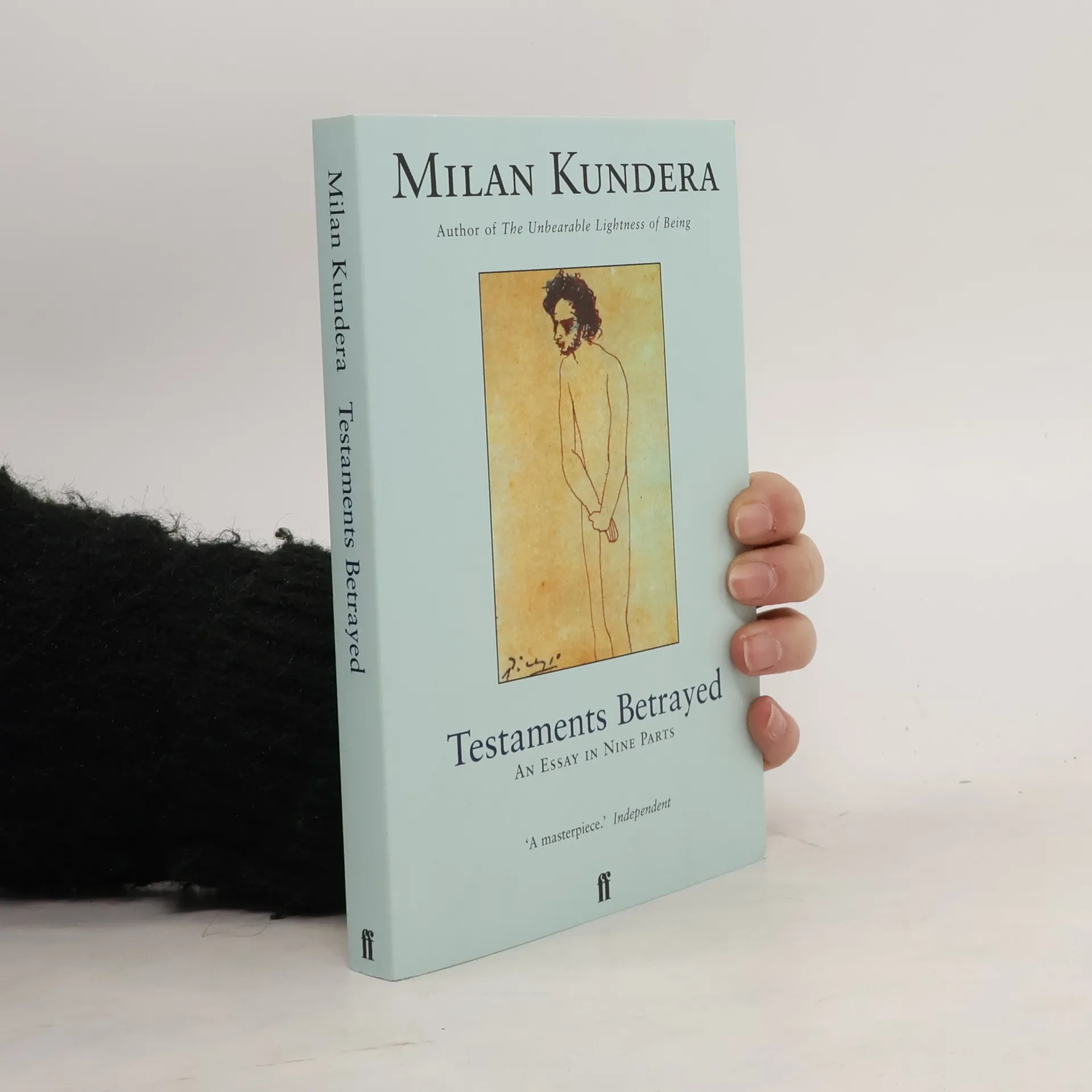
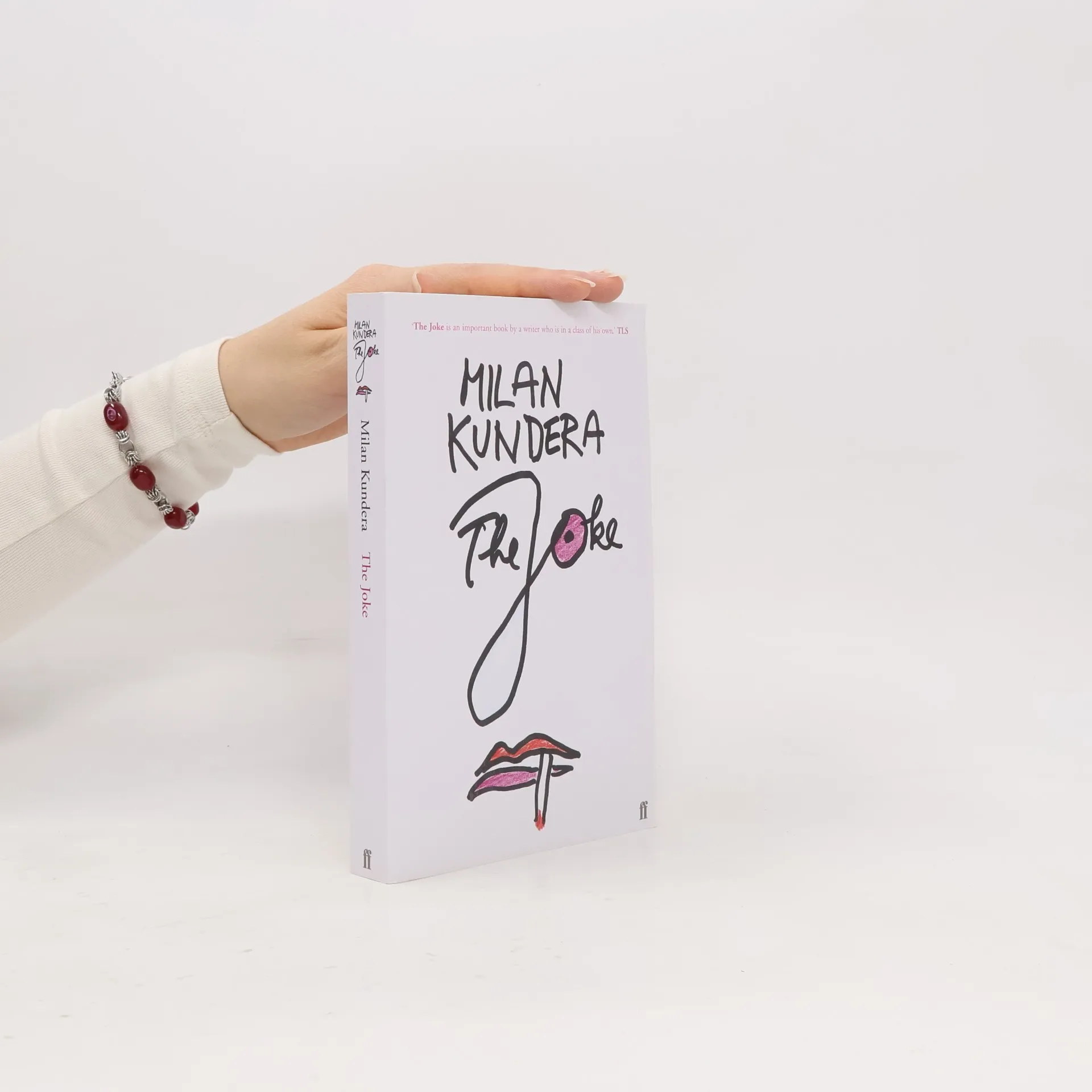
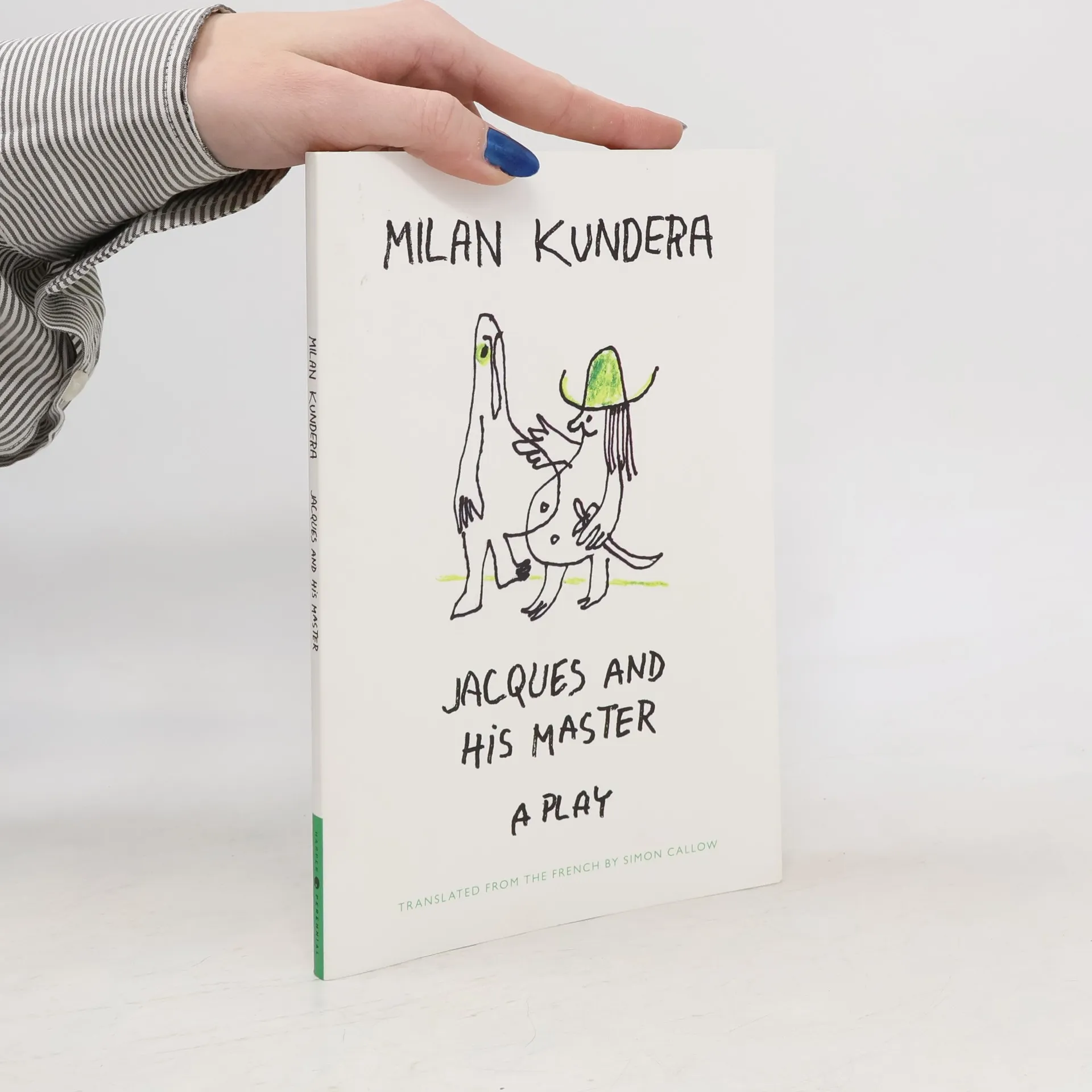

A provocative and rousing essay collection from one of Europe's greatest living writers
Jacques and His Master is a deliciously witty and entertaining play by Milan Kundera, the acclaimed Franco-Czech author of The Unbearable Lightness of Being and The Book of Laughter and Forgetting. A highly original variation on Enlightenment philosopher Denis Diderot's novel Jacques le Fataliste, Jacques and His Master has been successfully…
This is the first novel by the author of "Immortality", which won "The Independent" Award for Foreign Fiction in 1991. Milan Kundera is also the author of "The Book of Laughter and Fogetting".
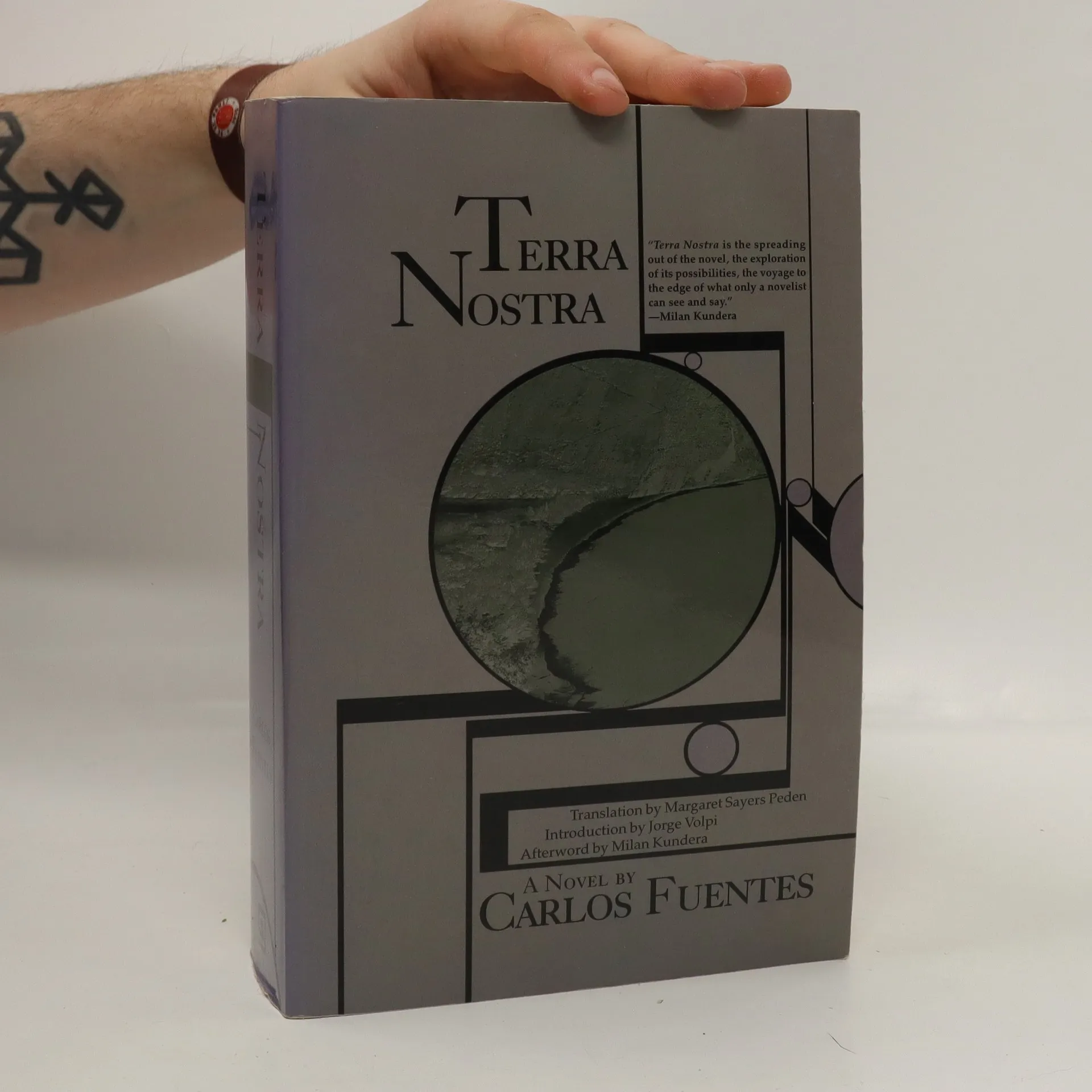
Perhaps the most ambitious novel from one of Mexico's greatest writers, the narrative covers 20 centuries of European and American culture, and prominently features the construction of El Escorial by Philip II. The title is Latin for "Our earth". Modeled on James Joyce's Finnegans Wake, Terra Nostra shifts unpredictably between the sixteenth century and the twentieth, seeking the roots of contemporary Latin American society in the struggle between the conquistadors and indigenous Americans. -Terra Nostra is the spreading out of the novel, the exploration of its possibilities, the voyage to the edge of what only a novelist can see and say.- Milan Kundera
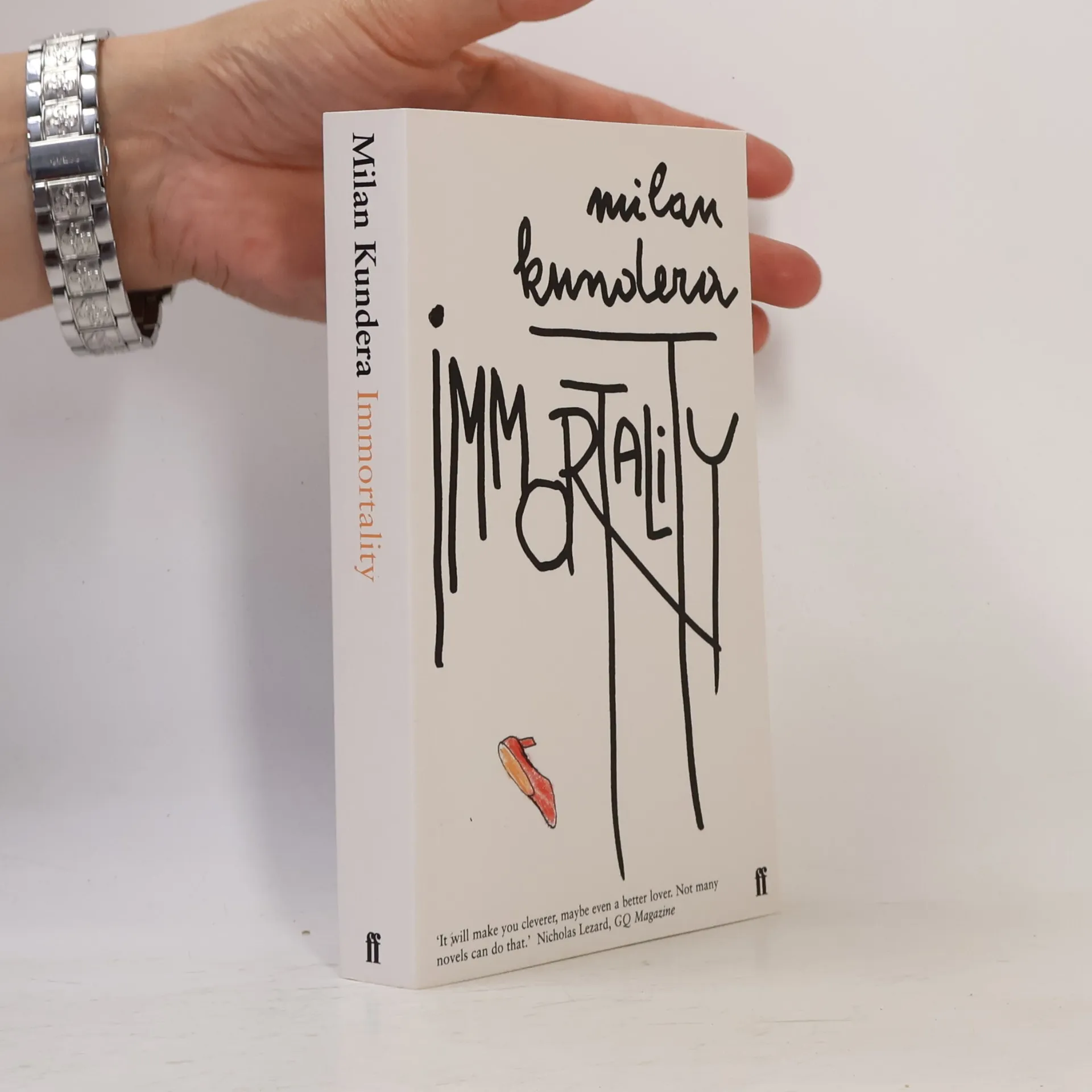
A modern classic, "Immortality" is "ingenious, witty, provocative, and formidably intelligent, both a pleasure and a challenge to the reader" ("Washington Post Book World").
Kundera's essay has been written like a novel. In the course of nine separate sections, the same characters meet and cross paths with each other. Stravinsky and Kafka with their odd friends Ansermet and Brod; Hemingway with his biographer; Janácek with his little nation; and Rabelais with his heirs - the great novelists. In the light of their wisdom this book examines some of the great situations of our time. The moral trial of the twentieth century's art, from Celine to Mayakovsky; the passage of time which blurs the boundaries between the 'I' of the present day and the 'I' of the past; modesty as an essential concept in an age based on the individual and indiscretion which, as it becomes the habit and the norm, heralds the twilight of individualism; the testaments, the betrayed testaments - of Europe, of art, of the art of the novel and of artists.
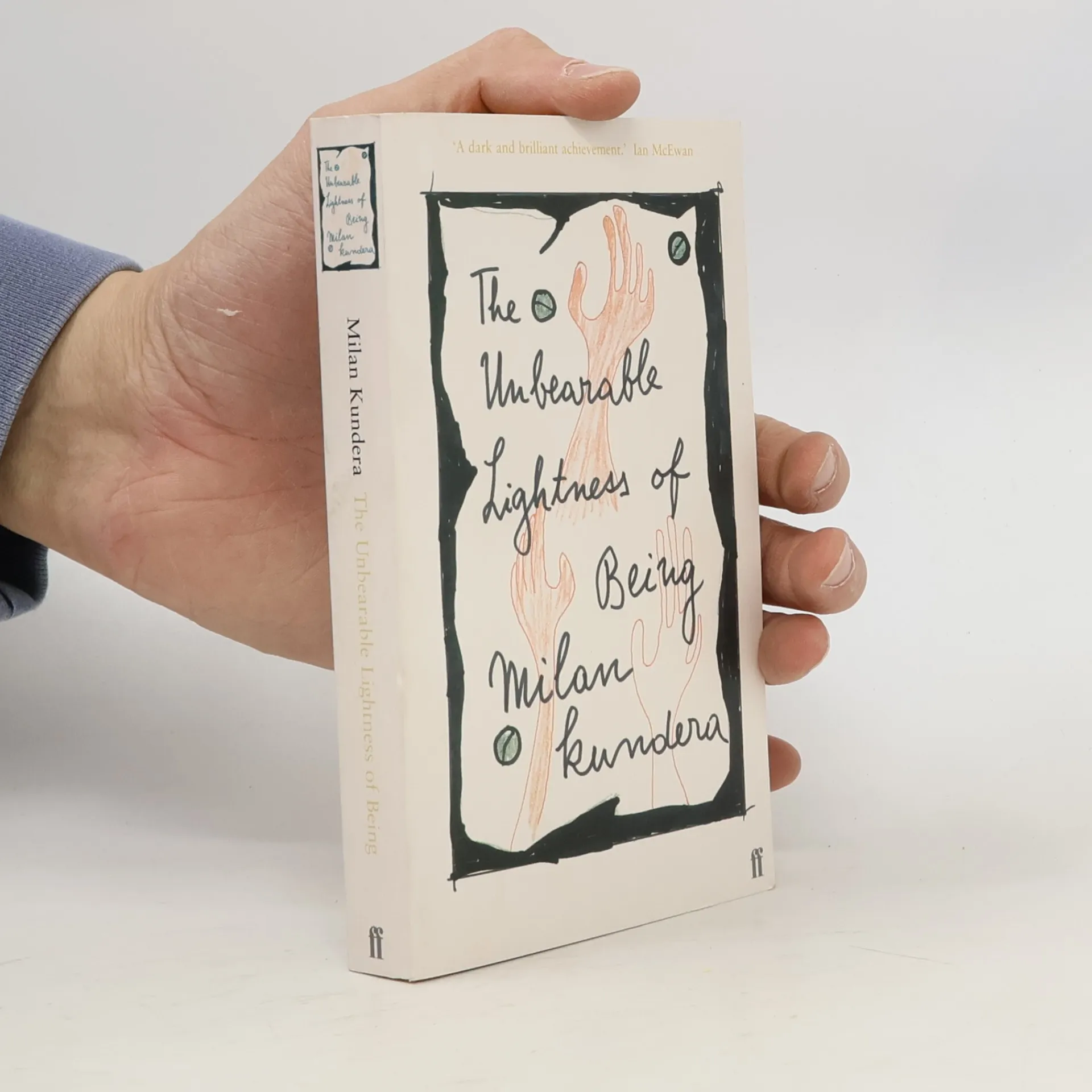
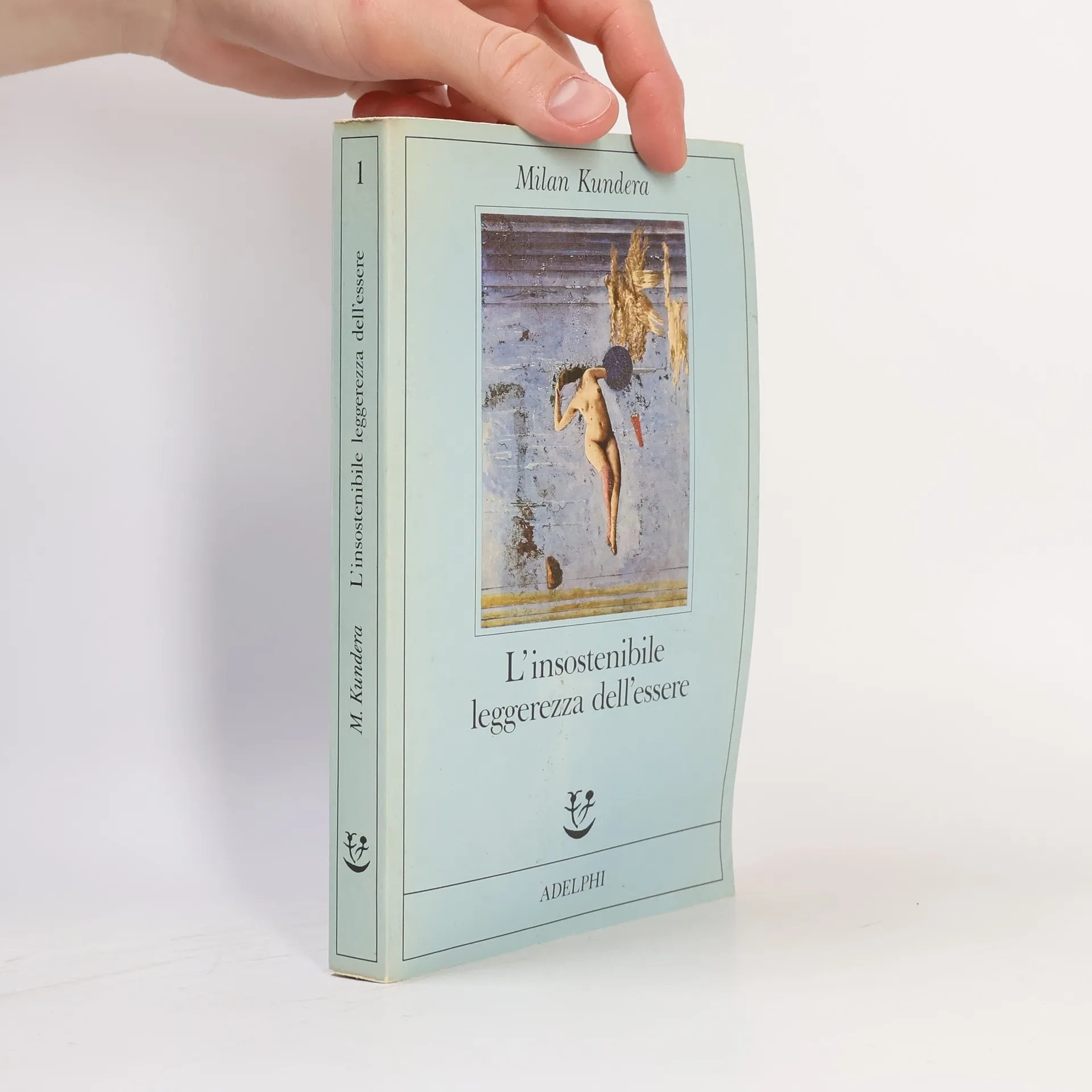
In this novel - a story of irreconcilable loves and infidelities - Milan Kundera addresses himself to the nature of twentieth-century 'Being' In a world in which lives are shaped by irrevocable choices and by fortuitous events, a world in which everything occurs but once, existence seems to lose its substance, its weight. We feel, says the novelist, 'the unbearable lightness of being' - not only as the consequence of our private acts but also in the public sphere, and the two inevitably intertwine.Juxtaposing Prague, Geneva, Thailand and the United States, this masterly novel encompasses the extremes of comedy and tragedy, and embraces, it seems, all aspects of human existence. It offers a wide range of brilliant and amusing philosophical speculations and it descants on a variety of styles.
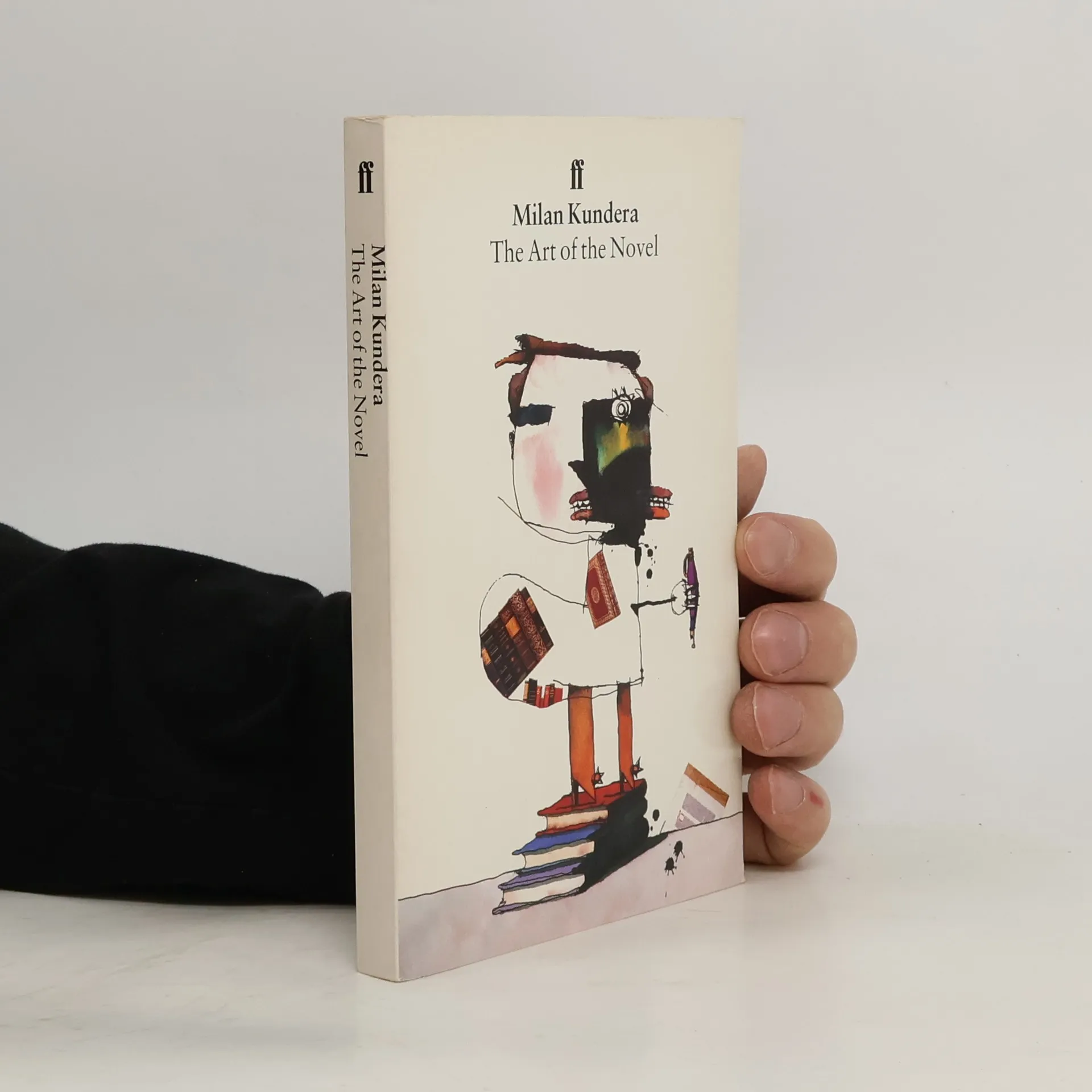
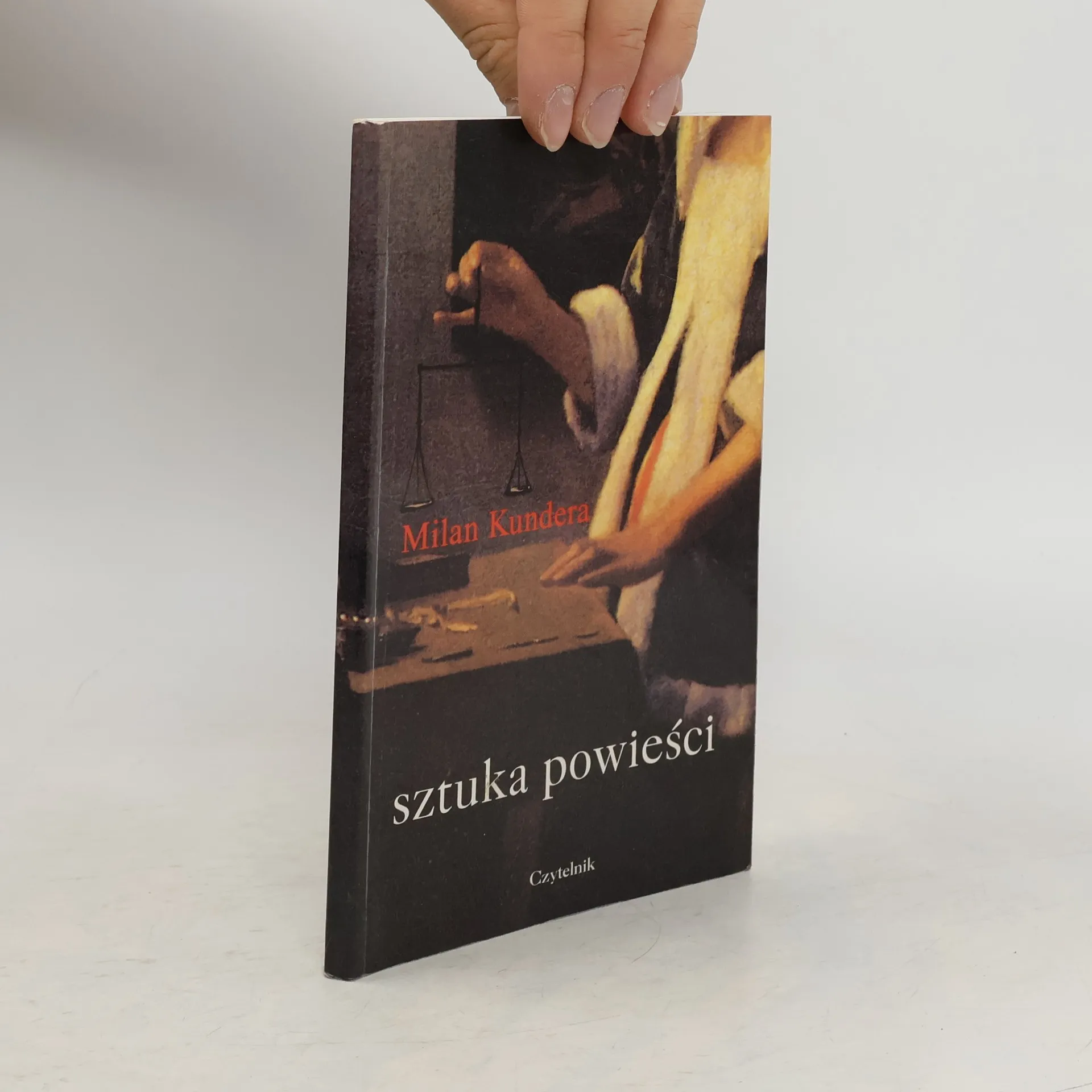
In this first work of nonfiction, Milan Kundera offers a "practitioner's confession" on the art of the novel. "Every novelist's work contains an implicit vision of the history of the novel, an idea of what the novel is," Kundrea writes. "I have tried to express here the idea of the novel that is inherent in my own novels." Kundrea brilliantly examines the work of such important and diverse figures as Rabelais, Cervantes, Sterne, Diderot, Flaubert, Tolstoy, and Musil. He is especially penetrating on "perhaps the least known of all the great novelists of our time," Herman Broch, and his exploration of the world of Kafka's novels vividly reveals the comic terror of Kafka's bureaucratized universe. Kundrea's discussion of his own work includes his views on the role of historical events in fiction, the meaning of action, and the creation of character in the postpsychological novel. His reflections on the state of the modern European novel in an era of "terminal paradoxes" are as witty, original, and far-reaching as his unique fiction.
"A magic curtain, woven of legends, hung before the world," writes Milan Kundera in The Curtain, his fascinating new book on the art of the novel. "Cervantes sent Don Quixote journeying and tore through the curtain. The world opened before the knight-errant in all the comical nakedness of its prose." For Kundera, that curtain represents a ready-made perception of the world that each of us has—a pre-interpreted world. The job of the novelist, he argues, is to rip through the curtain and reveal what it hides. In this entertaining and always stimulating essay, Kundera cleverly sketches out his personal view of the history and value of the novel in Western civilization. Too often, he suggests, a novel is thought about only within the confines of the language and nation of its origin, when in fact the novel's development has always occurred across borders: Laurence Sterne learned from Rabelais, Henry Fielding from Cervantes, Joyce from Flaubert, García Márquez from Kafka. The real work of a novel is not bound up in the specifics of any one language: what makes a novel matter is its ability to reveal some previously unknown aspect of our existence. In The Curtain, Kundera skillfully describes how the best novels do just that.
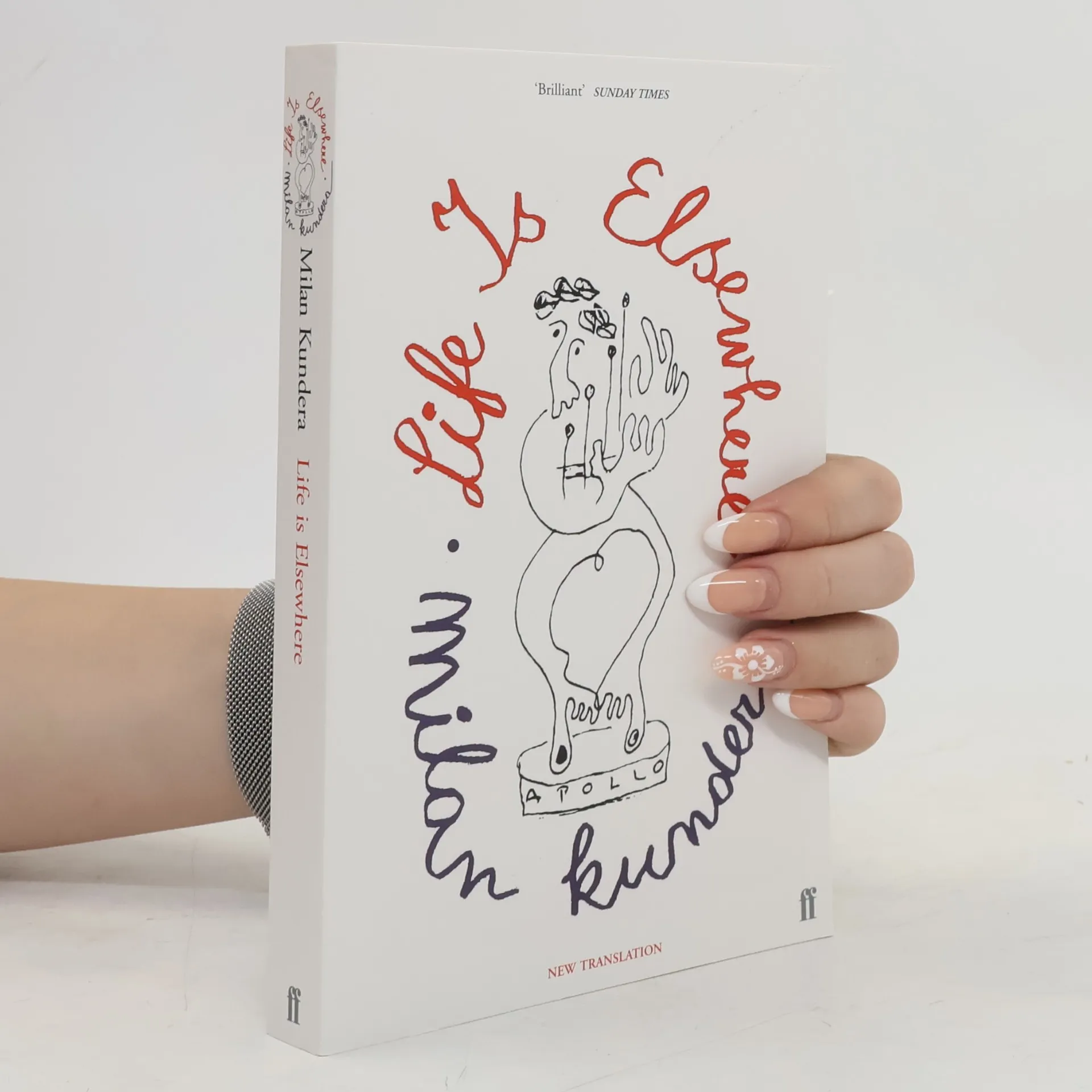
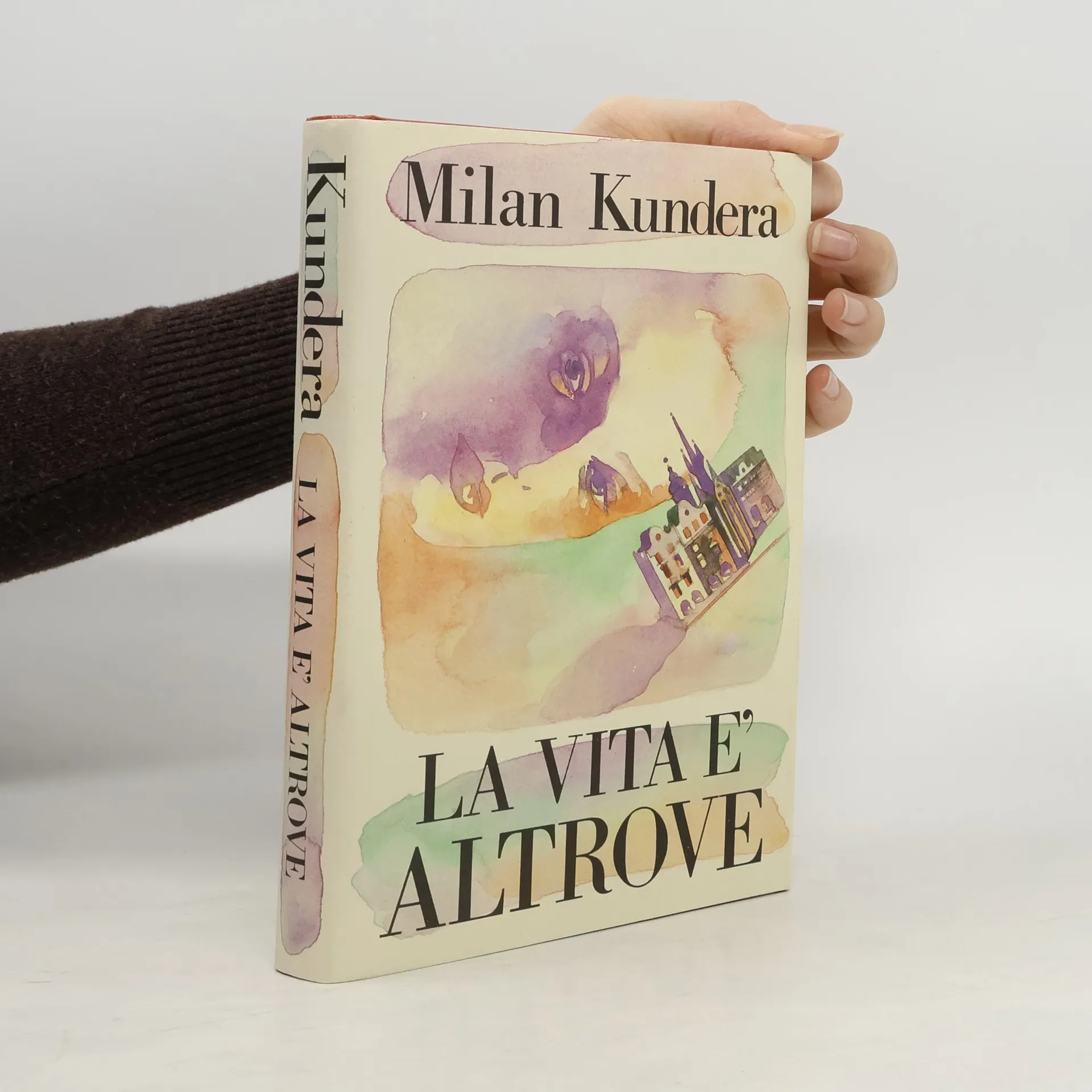
Out of print since 1987, "Life Is Elsewhere" is available again in an outstanding new translation. Kundera's epic of adolescence tenderly erodes such sacrosanct values as childhood, motherhood, revolution, and even poetry, in a "remarkable portrait of an artist as a young man" ("Newsweek").
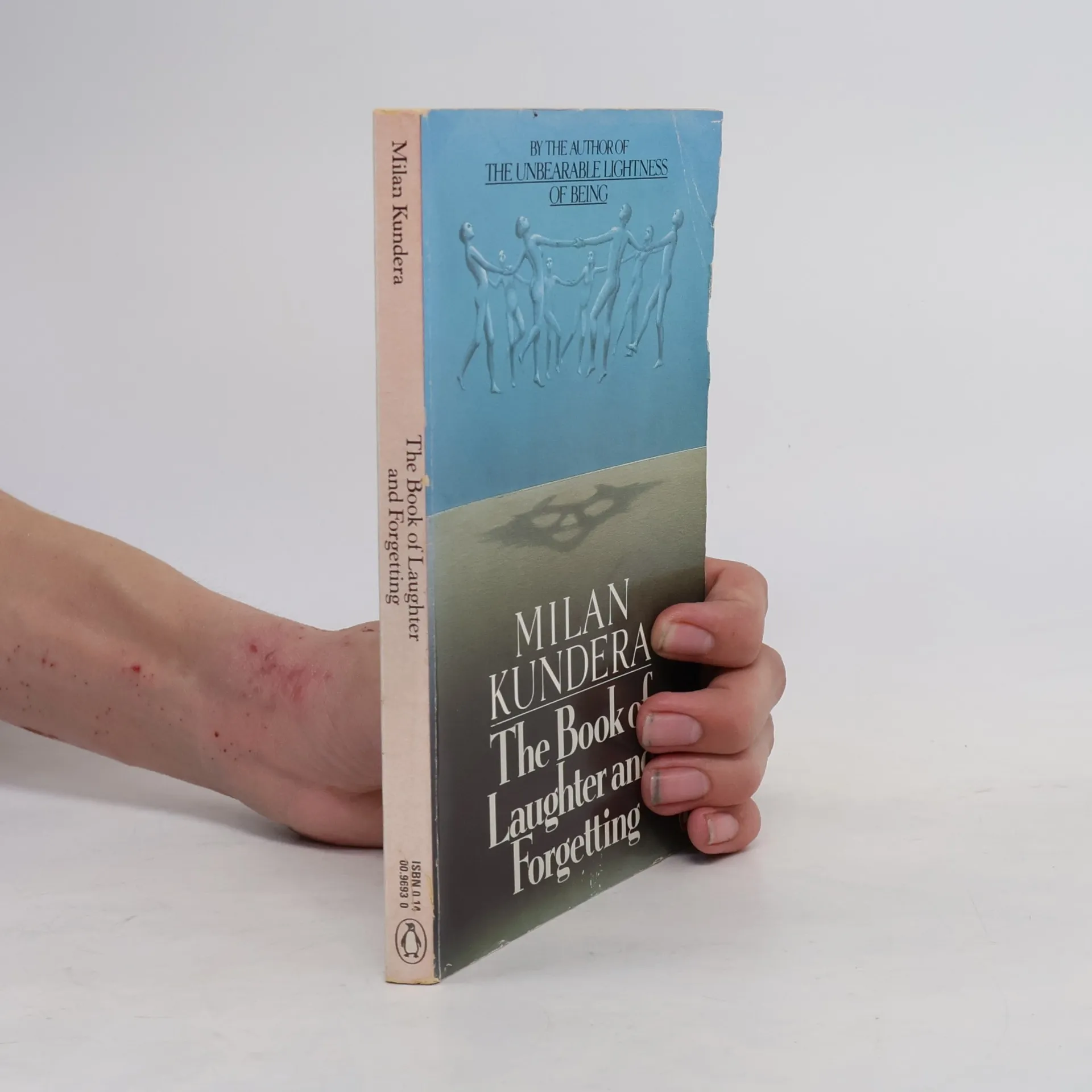
Offers a blend of stories, anecdotes, political history, and autobiography to create variations on several themes, including the power of laughter and the danger of forgetting
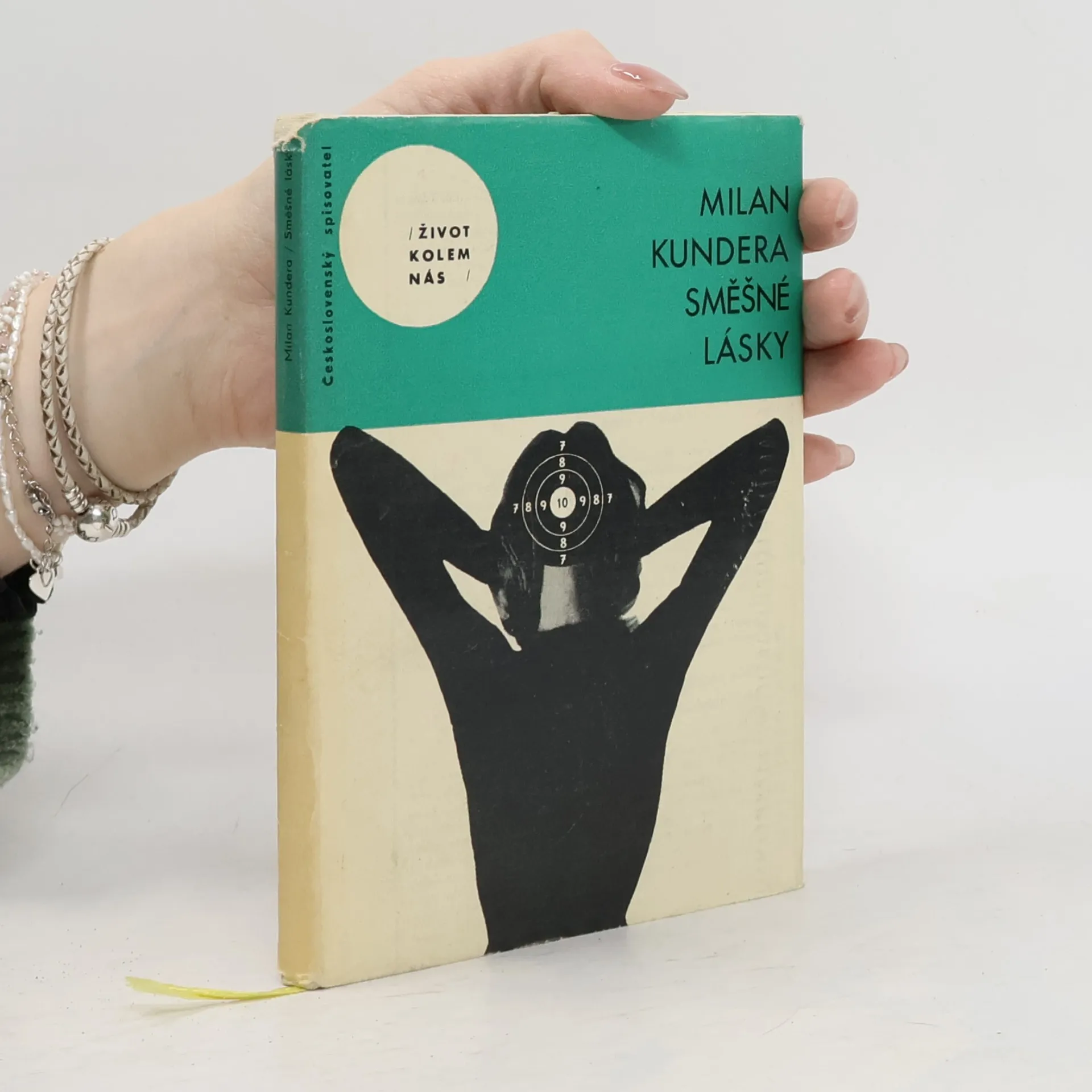
Laughable loves is a collection of stories that first appeared in print in Prague before 1968, but then was banned. The seven stories are all concerned with love, or rather with the complex erotic games and strategems employed by women and especially men as they try to come to terms with needs ad impulses that can start a terrifying train of events. Sexual attraction is shown as a game that often turns sour, an experience that brings with it painful insisghts and releases uncertainty, panic, vanity and a constant need for reassurance.
In a Bohemian spa, eight characters dance to the rhythm of a waltz that grows increasingly frenetic: the beautiful nurse Rosa, who tries to force her lover into marriage through an alleged paternity; Klima, the jazz musician who loves his wife Kamila, plagued by jealousy; Franta, Rosa's admirer and the true father of her unborn child; Dr. Skreta, an extravagant gynecologist; Bertlef, a wealthy American who indulges in love and art out of fear of death; Jakub, a political prisoner released from jail, embarking on a journey to the West; and Olga, Jakub's foster daughter, whom he unexpectedly falls for. Each character seeks to find meaning in their lives through desperate and ever-changing pairings, navigating the absurdities and complexities of love, identity, and existence.
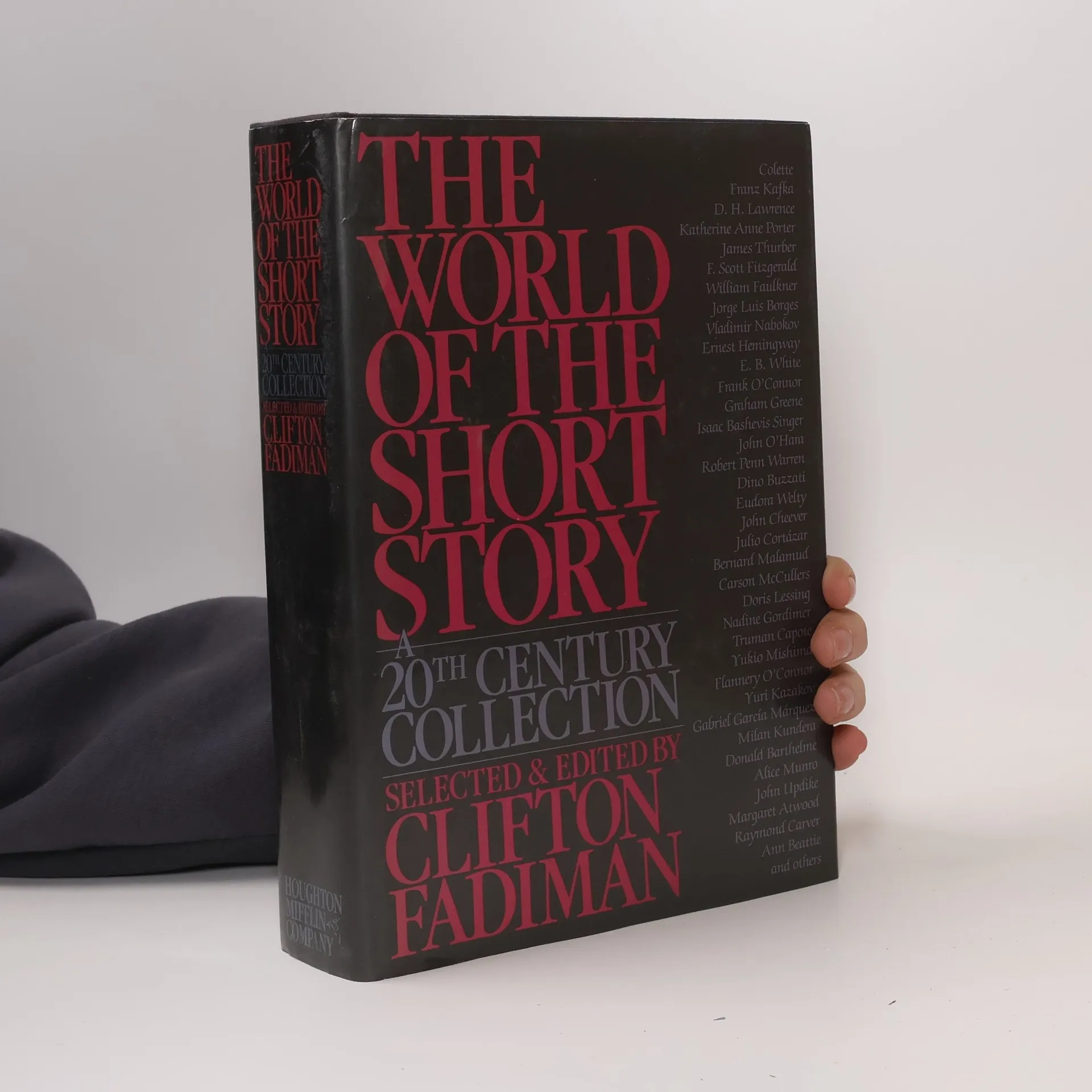
At age 82, Clifton Fadiman continues his prolific publishing career, here presenting 62 of the world's best short stories from 16 countries. His criteria? "Each story had to be both interesting and of high literary merit." Fadiman fulfills both requirements and much more, offering a cornucopia of superior 20th-century writers that includes Franz Kafka, D. H. Lawrence, Isaac Babel, F. Scott Fitzgerald, William Faulkner, Ernest Hemingway, John Cheever, Sean O'Faolain, Graham Greene, Robert Penn Warren, Colette, John Updike, Donald Barthelme, and James Thurber. (Regrettably, J. D. Salinger is not included due to lack of permission.) Here is a truly remarkable collection of this century's short stories that readers from all over the world will read with delight.
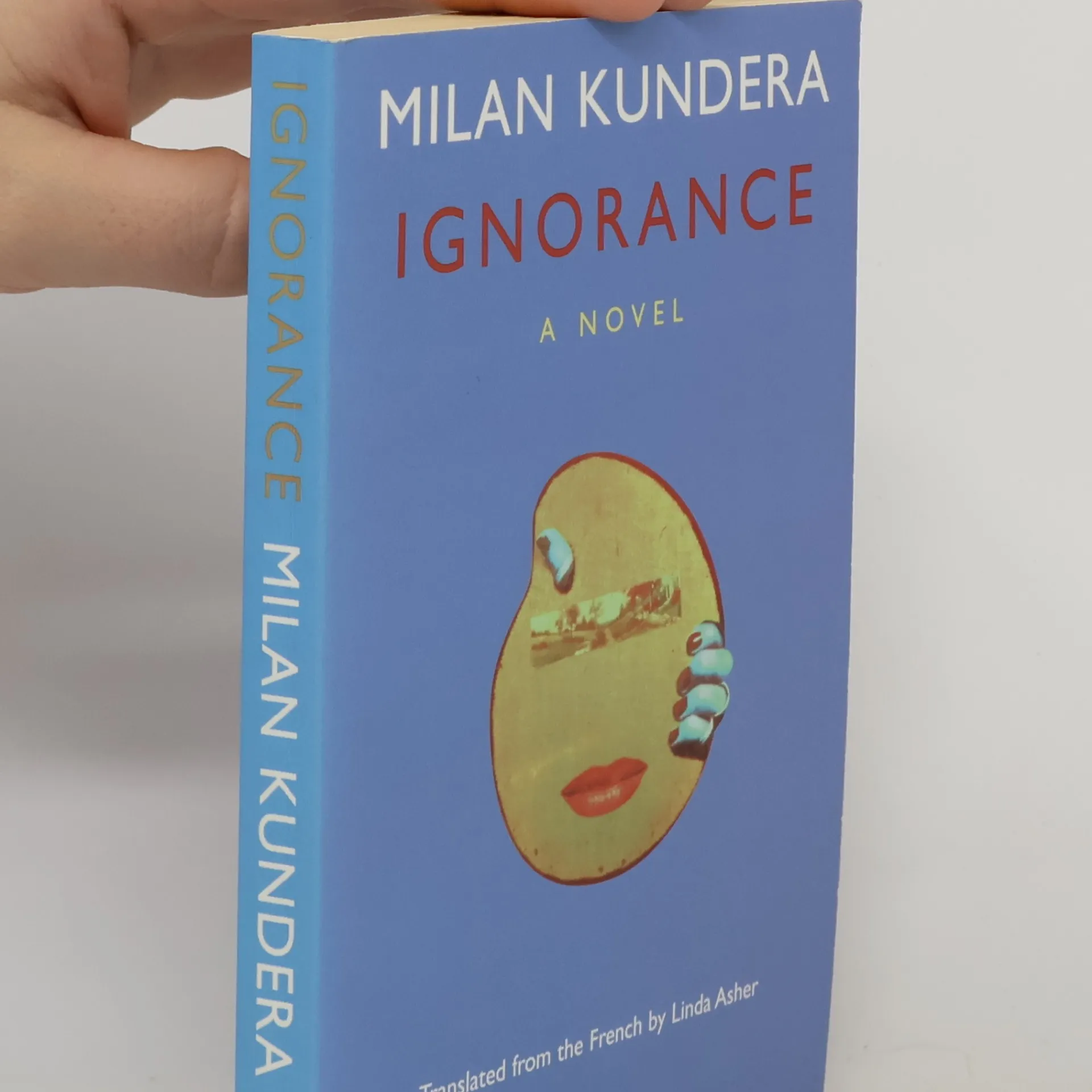
A man and a woman meet by chance while returning to their homeland, which they had abandoned twenty years earlier when they chose to become exiles. Will they manage to pick up the thread of their strange love story, interrupted almost as soon as it began and then lost in the tides of history? The truth is that after such a long absence 'their memories no longer match'. We always believe that our memories coincide with those of the person we loved, that we experienced the same thing. But this is just an illusion. Then again, what can we expect of our weak memory? It records only 'an insignificant, minuscule particle' of the past, 'and no-one knows why it's this bit and not any other bit'. We live our lives sunk in a vast forgetting, a fact we refuse to recognise. Only those who return after twenty years, like Odysseus returning to his native Ithaca, can be dazzled and astounded by observing the goddess of ignorance first-hand.
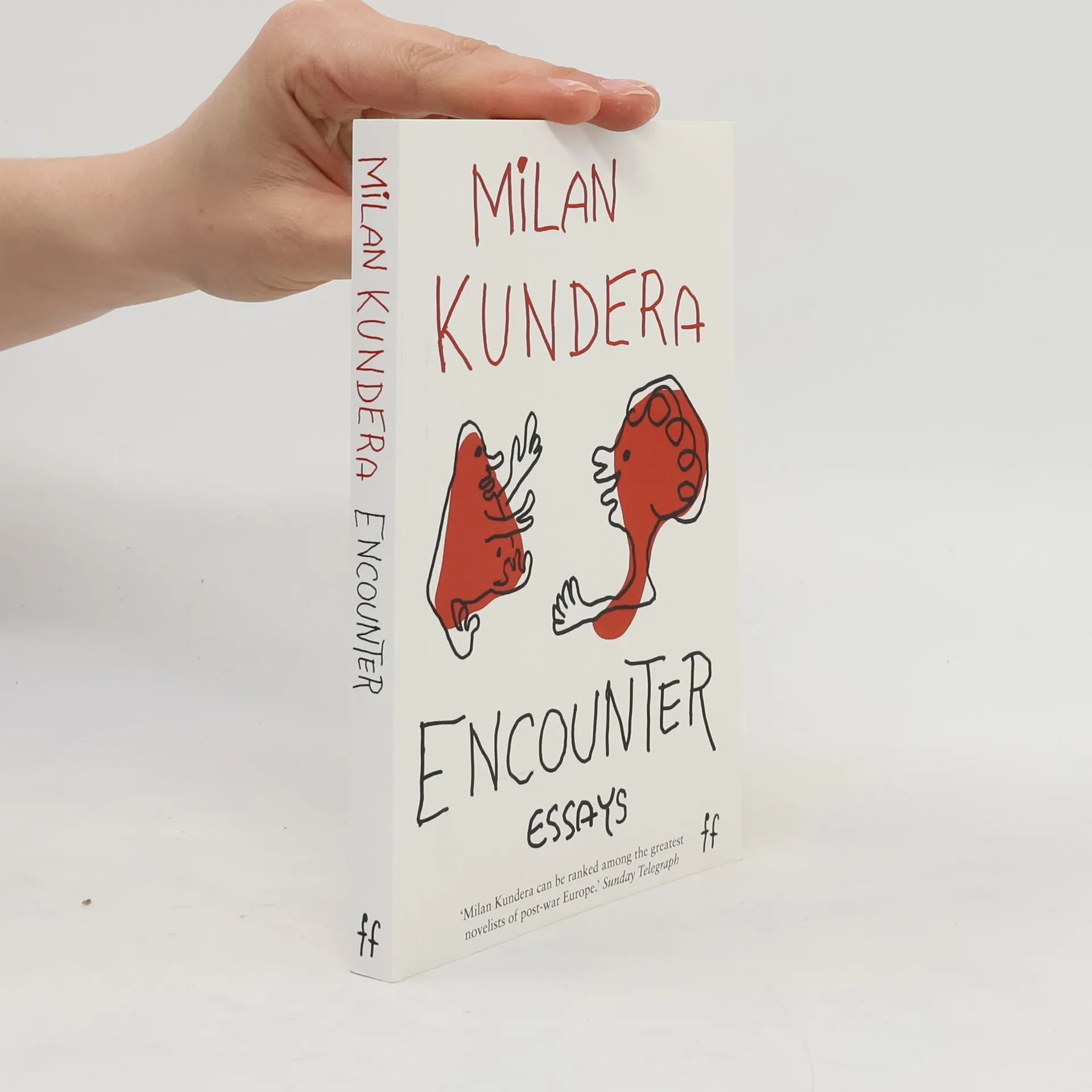
Milan Kundera’s new collection of essays is a passionate defence of art in an era that, he argues, no longer values art or beauty. With the same dazzling mix of emotion and idea that characterizes his novels he illuminates the art and artists who remain important to him and whose work helps us better understand the world. An astute and brilliant reader of fiction, Kundera applies these same gifts to the reading of Francis Bacon’s paintings, Leos Janfcek’s music, the films of Federico Fellini, as well as to the novels of Philip Roth, Dostoyevsky and García Mfrquez, among others. He also takes up the challenge of restoring to their rightful place the works of major writers such as Anatole France and Curzio Malaparte who have fallen into obscurity.Milan Kundera’s signature themes of memory and forgetting, the experience of exile, and his spirited championing of modernist art mark these essays. Art, he argues, is what we have to cleave to in the face of evil, against the expression of the darker side of human nature. Elegant, startlingly original and provocative, Encounter follows Kundera’s essay collections, The Art of the Novel, Testaments Betrayed and The Curtain.
Chantal begins to receive letters from a secret admirer that, after a while, begin to affect the relationship she has with her younger lover Jean-Marc
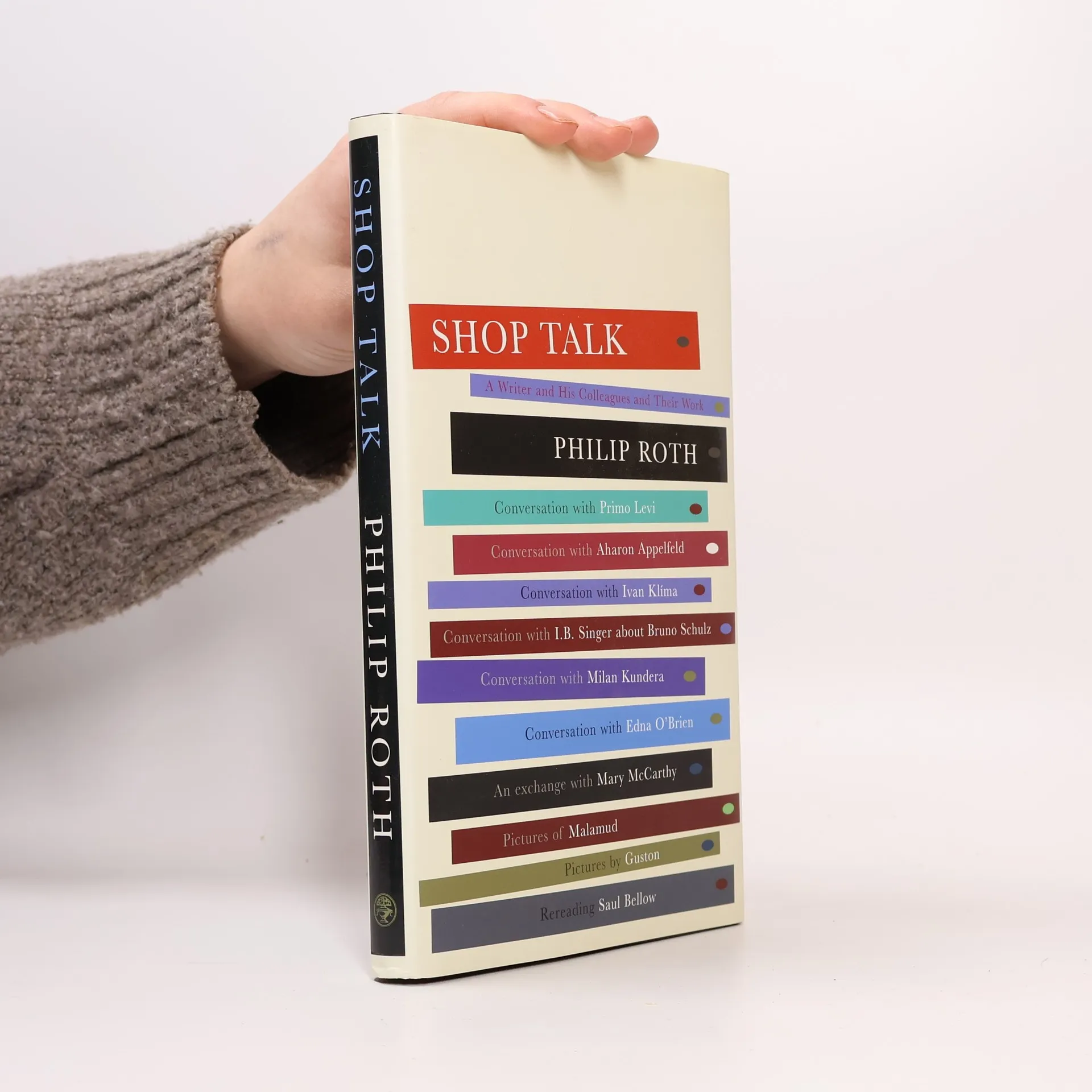
In Philip Roth's intimate intellectual encounters with an international and diverse cast of writers, they explore the importance of region, politics and history in their work and trace the imaginative path by which a writer's highly individualized art is informed by the wider conditions of life. With Primo Levi, Roth discusses the stubborn core of rationality that helped the Italian chemist-writer survive the demented laboratory of Auschwitz. With Milan Kundera, he analyzes the mix of politics and sexuality that made him the most subversive writer in communist Czechoslovakia. With Edna O'Brien, he explores the circumstances that have forced generations of Irish writers into exile. Elsewhere Roth offers appreciative portraits of two friends--the writer Bernard Malamud and the painter Philip Guston--at the end of their careers, and gives us a masterful assessment of the work of Saul Bellow. Intimate, charming, and crackling with ideas about the interplay between imagination and the writer's historical situation, Shop Talk is a literary symposium of the highest level, presided over by America's foremost novelist.
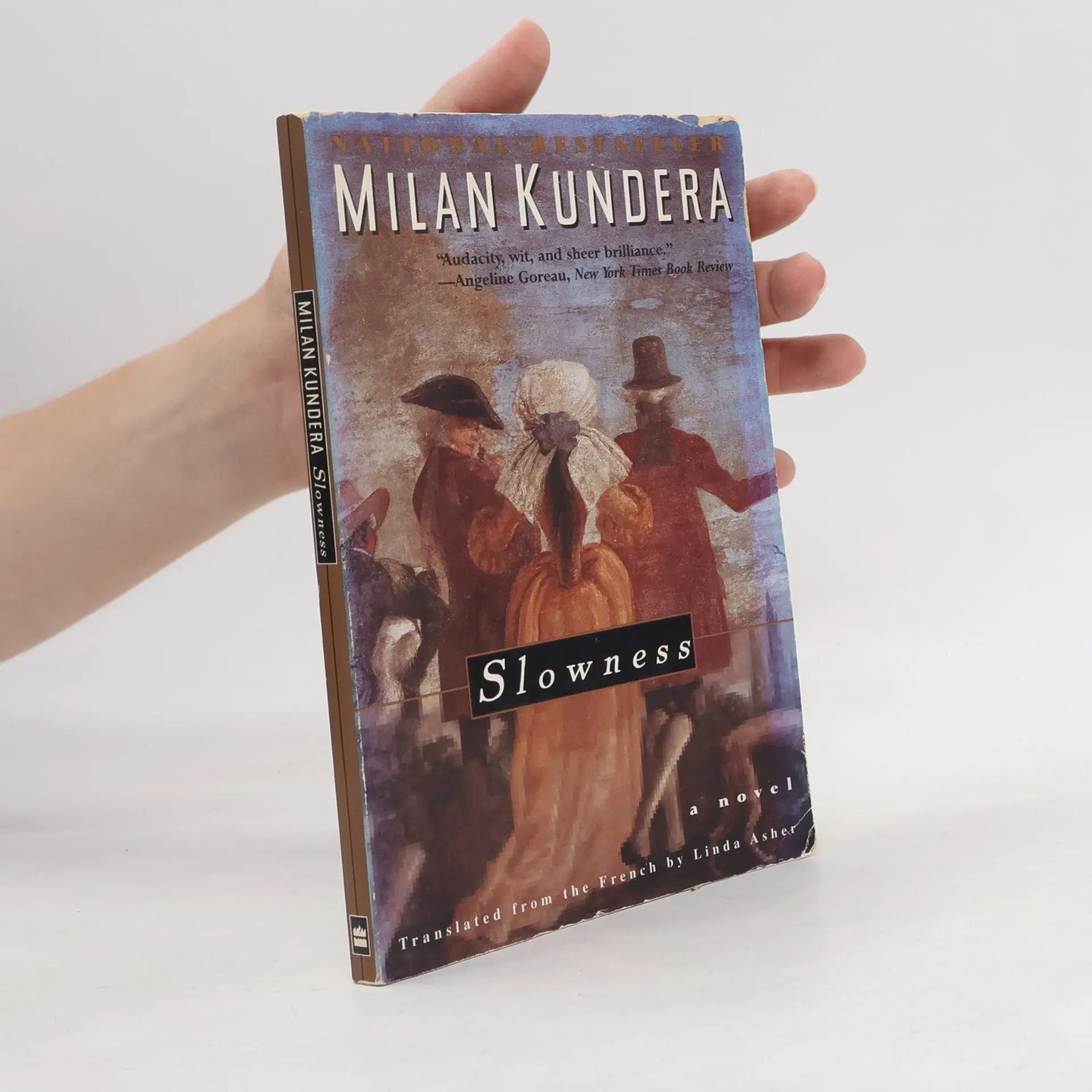
Milan Kundera's lightest novel, a divertimento, an opera buffa, Slowness is also the first of this author's fictional works to have been written in French. Disconcerted and enchanted, the reader follows the narrator of Slowness through a midsummer's night in which two tales of seduction, separated by more than two hundred years, interweave and oscillate between the sublime and the comic. Underlying this libertine fantasy is a profound meditation on contemporary life: about the secret bond between slowness and memory, about the connection between our era's desire to forget and the way we have given ourselves over to the demon of speed. And about "dancers" possessed by the passion to be seen, for whom life is merely a perpetual show emptied of every intimacy and every joy.
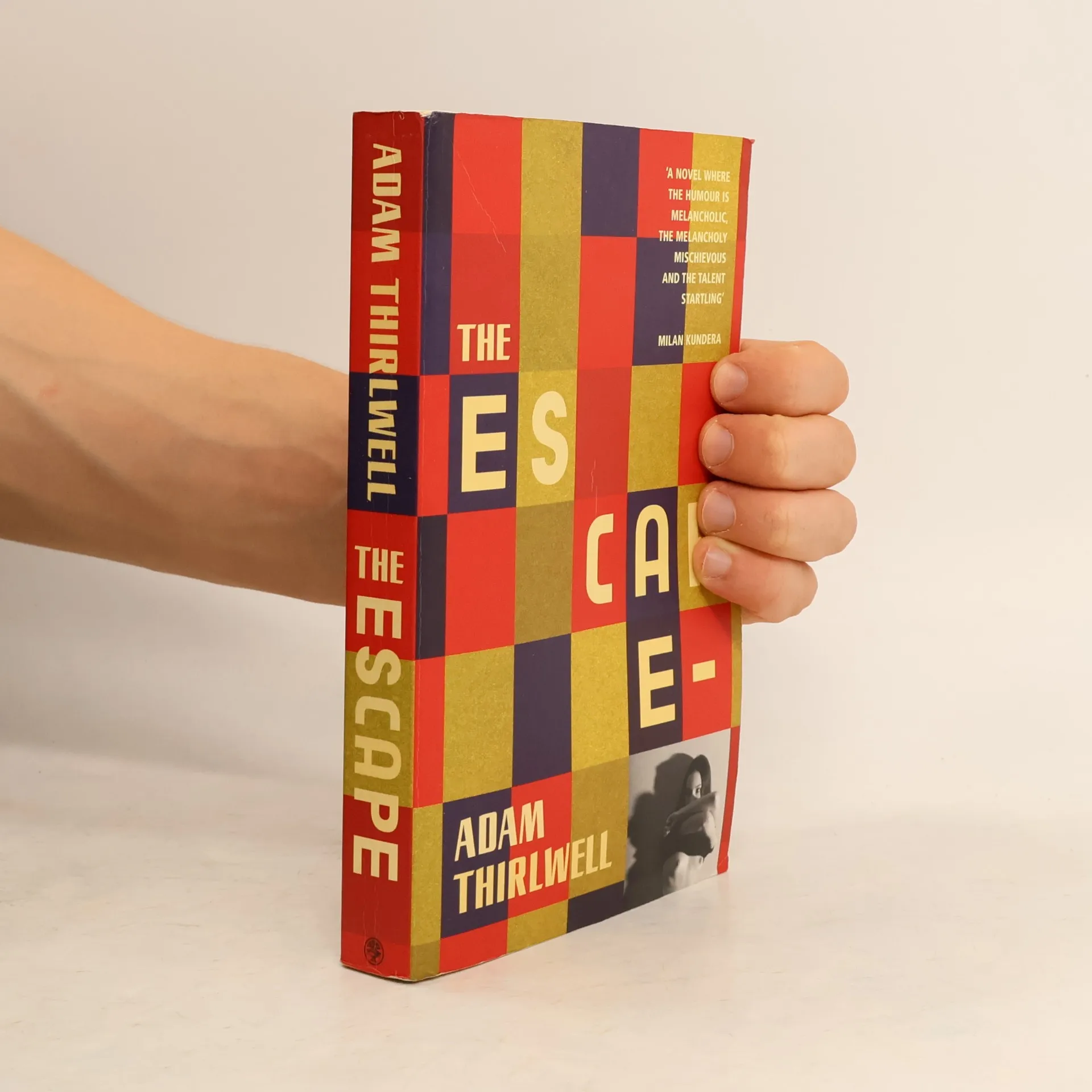
Haffner is charming, morally suspect, obsessed by the libertine emperors, vain. "The Escape "tells the story of Haffner and his lifetime of metamorphoses and disappearances. But how can you ever escape your past, your family, your history? That is the problem of Haffner. "The Escape "opens in a spa town snug in the eastern Alps, where Haffner has come to claim his widow's inheritance: a villa expropriated in darker times. After weeks of ignoring his task in order to conduct two affairs--one with a capricious young yoga instructor, the other with a hungrily passionate married woman--he discovers at last that he wants this villa, very much. Squabbling with bureaucrats and their shadows means a fight, and Haffner wants anything he has to fight for. From these comic couplings and uncouplings emerge the stories of Haffner's century: the chaos of World War II, the heyday of jazz, the postwar diaspora, the uncertain triumph of capitalism, and the inescapability of memory.
Four friends in contemporary Paris who encounter one another at parties and at the Luxembourg Gardens and talk about sex, history, art, politics, and the meaning of life
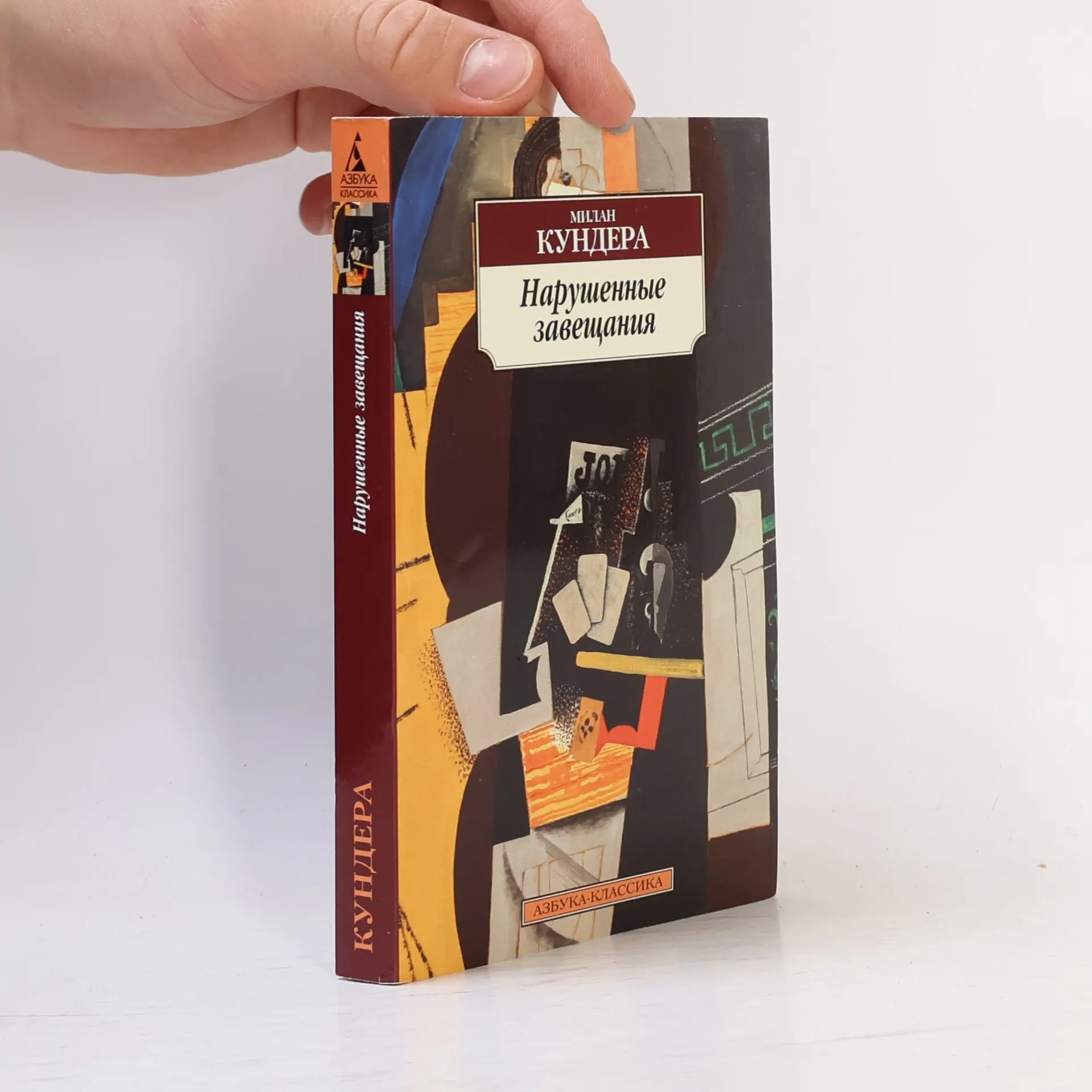
После успешного сборника "Мой Яначек" выходят под названием "Нарушенные завещания" две эссе Милана Кундеры, посвященные искусству романа: "Нарушенные завещания" и "Иерусалимская речь: Роман и Европа". Эти работы исследуют глубинные аспекты романа как жанра, его влияние на культуру и общество, а также роль литературы в формировании европейской идентичности. Кундера анализирует, как роман может отражать сложные человеческие переживания и исторические контексты, раскрывая многослойность и разнообразие этого литературного жанра.
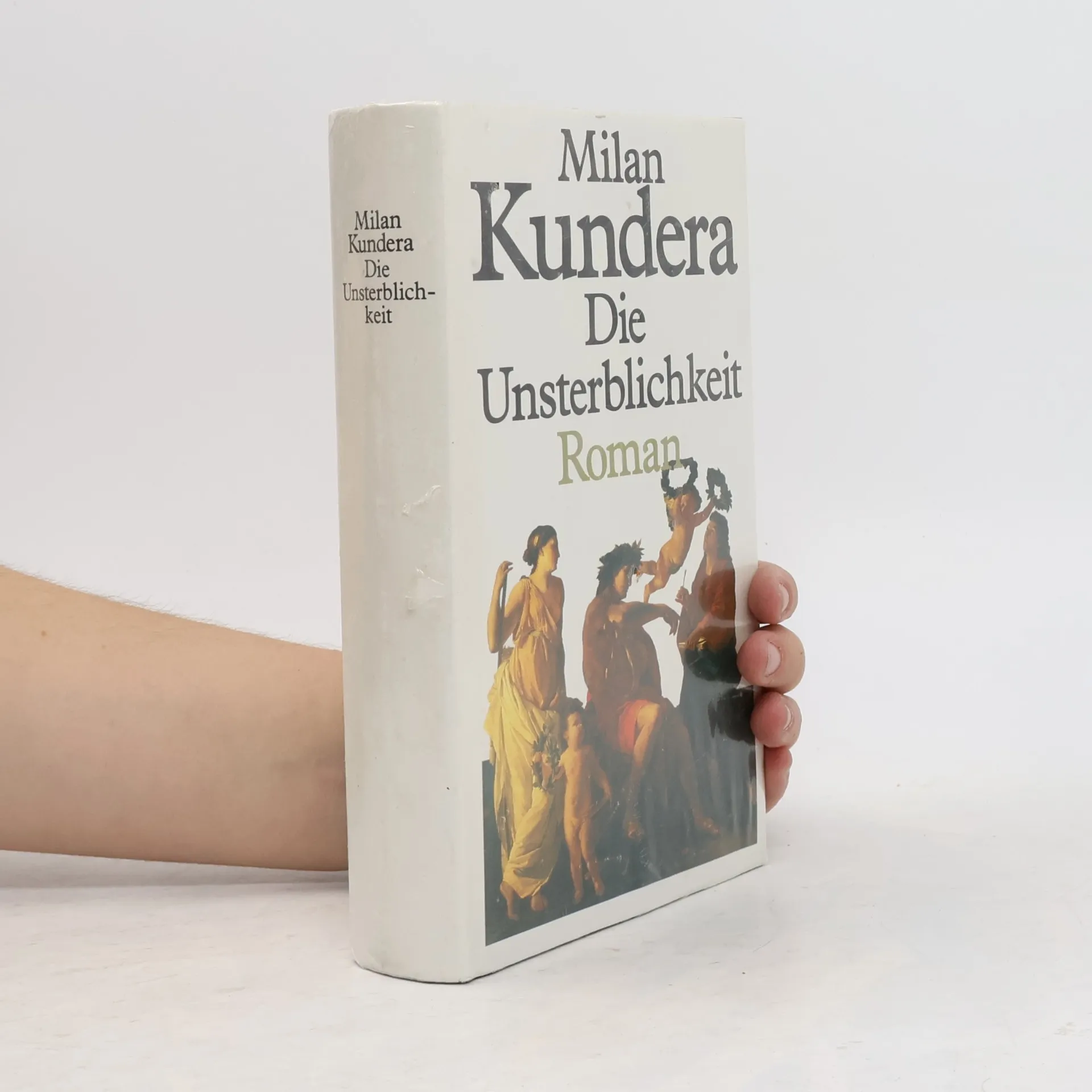
Sie kam ihm vor wie ein Kind, das jemand in ein pechbestrichenes Körbchen gelegt und auf dem Fluß ausgesetzt hatte, damit er es am Ufer seines Bettes barg. Der Prager Chirurg Tomas, der die Frauen begehrt und zugleich fürchtet, ein Erotomane, der seine Scheidung wie eine Hochzeit feierte und fortan der Liebe aus dem Weg ging, bricht für die Kellnerin Teresa mit einigen seiner Grundsätze. Seine erotischen Freundschaften, wie jene mit der Malerin Sabina, führt er aber weiter. Teresa verläßt ihn in Zürich, wo sich die beiden, inzwischen verheiratet, nach dem russischen Einmarsch in Prag, niedergelassen haben. Sie kehrt in ihr Heimatland zurück, er folgt ihr, verliert seine Stellung und arbeitet als Fensterputzer, später als Lastwagenfahrer in einem Dorf fern von Prag. Das Glück endet wiederum in der Katastrophe - Tomas und Teresa sterben bei einem Verkehrsunfall nach einem Tanzabend. Der Roman Die unerträgliche Leichtigkeit des Seins verschaffte Milan Kundera den internationalen Durchbruch. Milan Kunderas Roman mutet wie ein kühnes intellektuelles Feuerwerk an, in welches sich immer wieder auch die Raketen des Sentiments und der Sinnlichkeit mischen
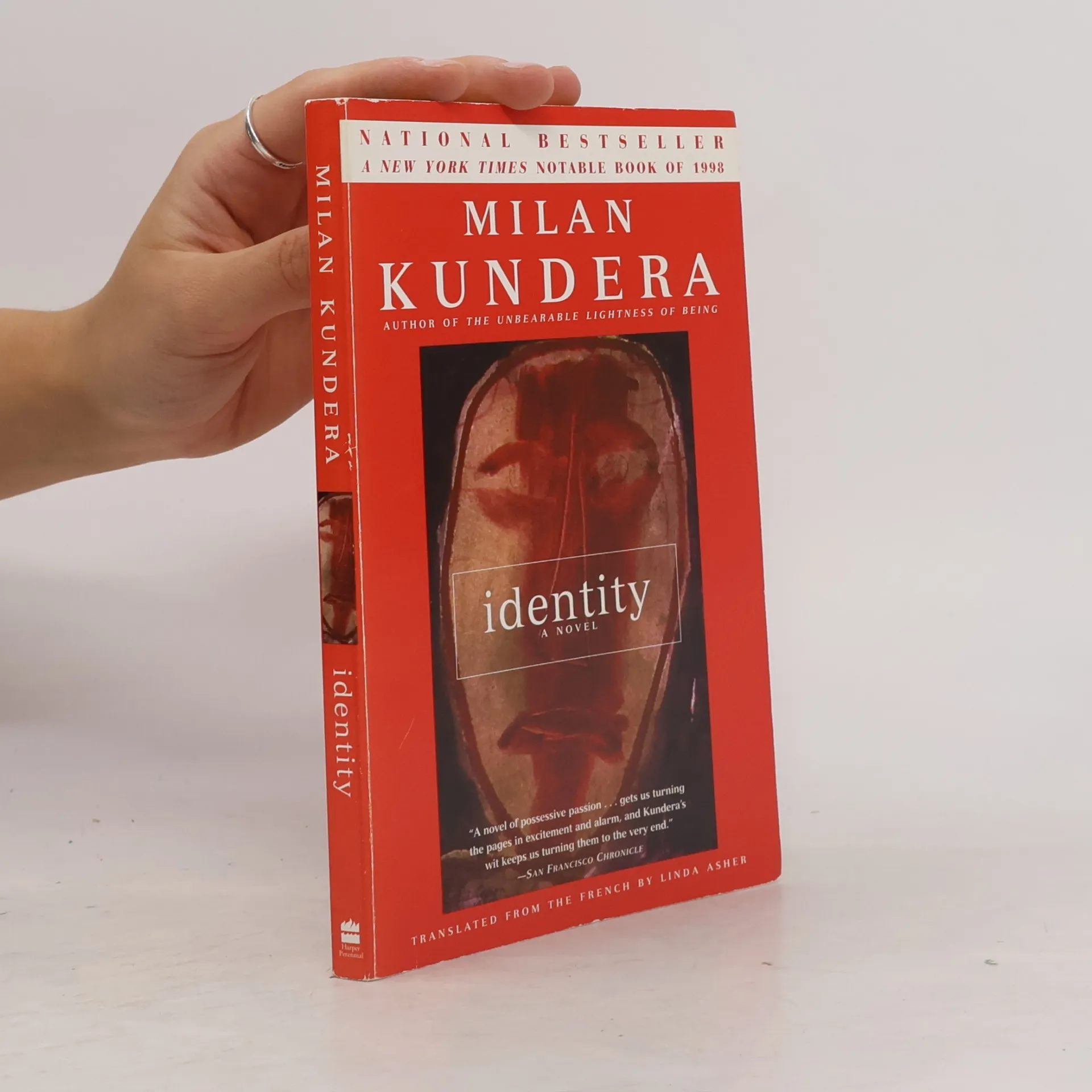
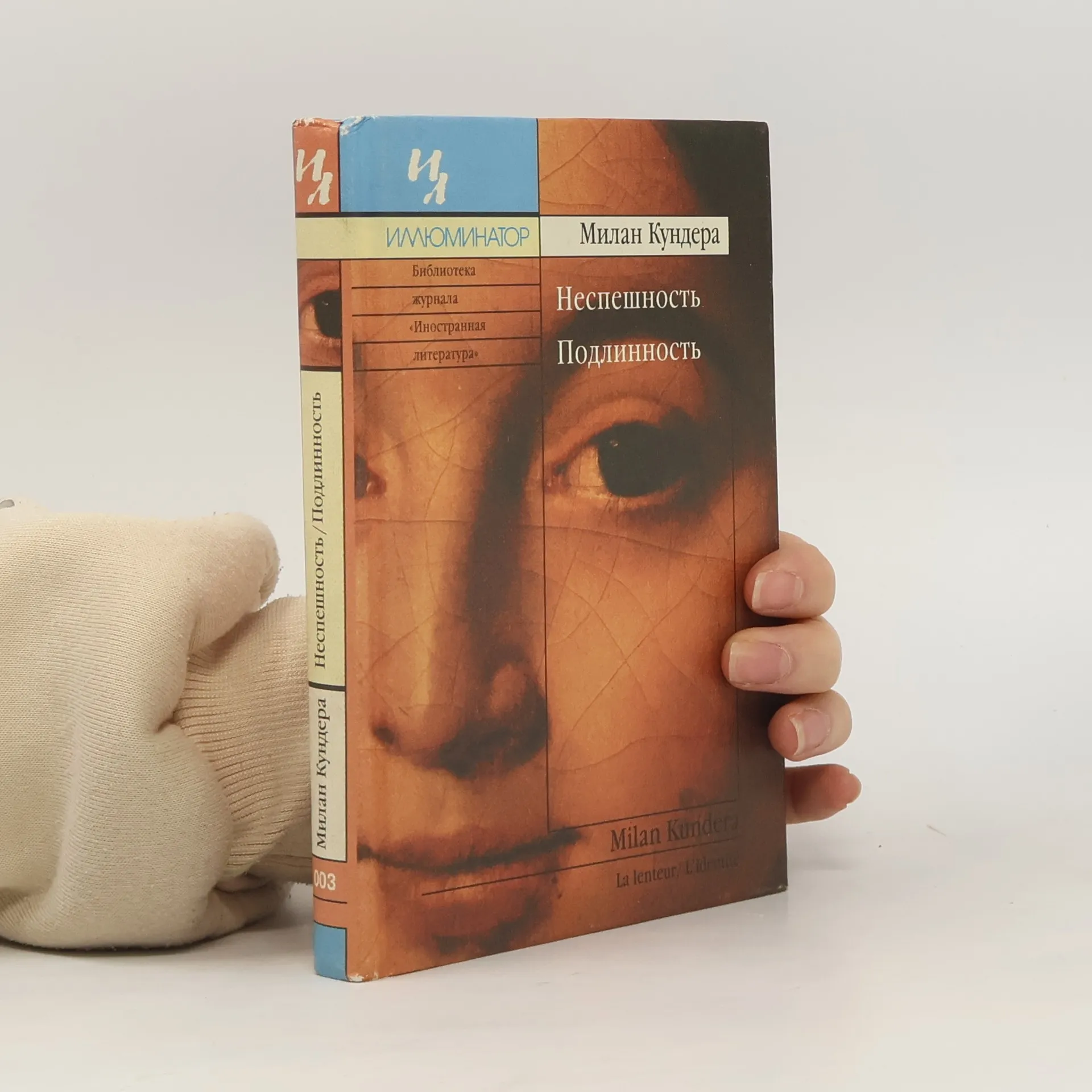
В романе «Неспешность» знаменитый чешский писатель Милан Кундера сравнивает различные стороны современного человека, живущего в мире сверхскоростей, с «неспешностью» жизни, описанной в новелле Вивана Денона, французского автора XVIII века.Роман «Подлинность» повествует о психологическом конфликте между двумя влюбленными, которые волею случая утрачивают в глазах друг друга прежнюю индивидуальность.
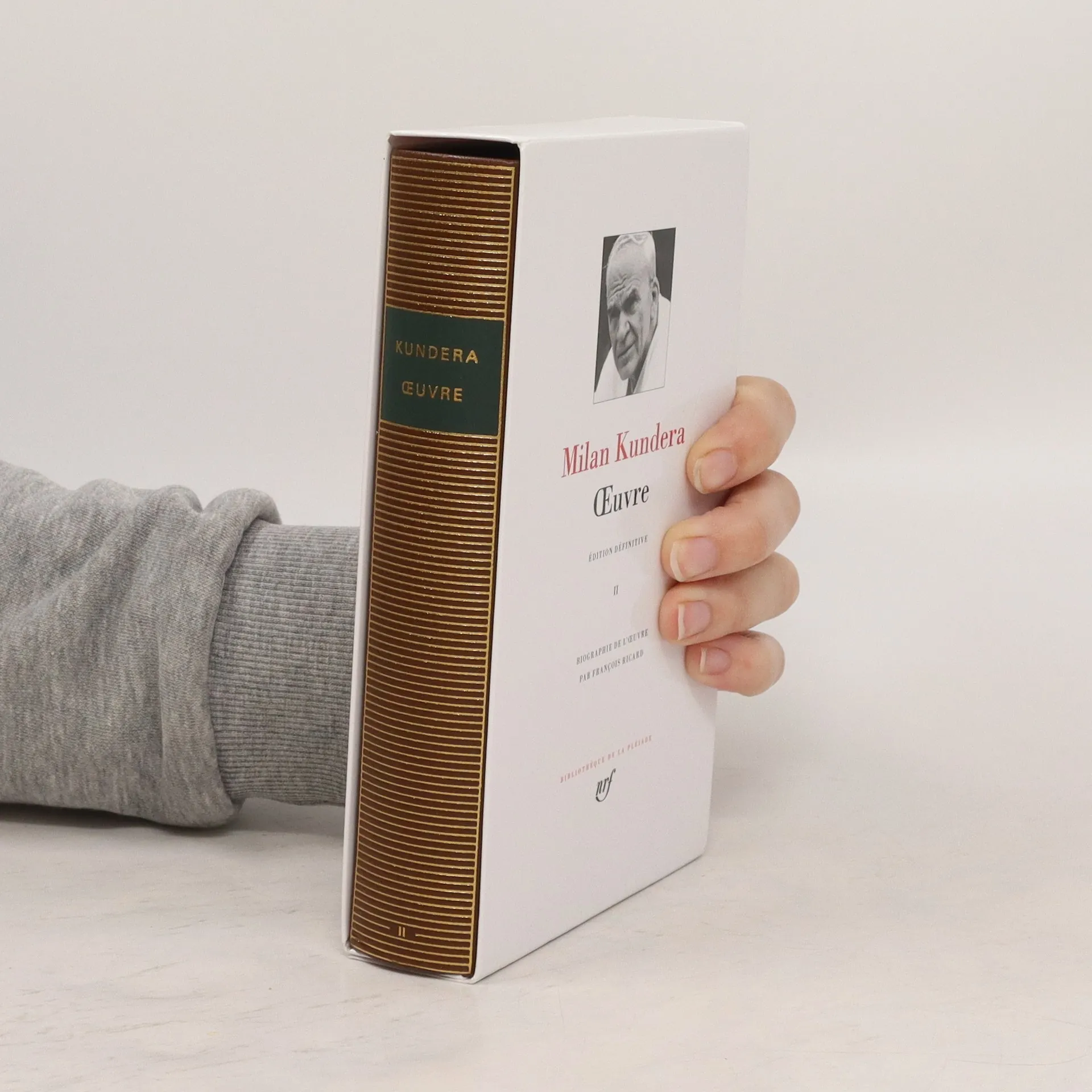
Dans Le Rideau, Milan Kundera oppose la « morale de l’archive », qui justifie la publication de tout ce qu’un auteur a écrit, à la « morale de l’essentiel », qui ne retient que les textes jugés dignes par l’auteur. Ainsi, cette édition ne présente pas des Œuvres complètes, mais une Œuvre définie par l’auteur lui-même, incluant un recueil de nouvelles, neuf romans, une pièce de théâtre issue d’un roman, et quatre essais sur l’art du roman. Ces quinze livres incarnent la volonté esthétique de Kundera, mûre et consciente. Le texte, souvent retouché par l’auteur lors de rééditions, vise à être aussi définitif que possible. Cette édition ne contient pas de biographie de Kundera, mais plutôt la biographie de son œuvre. François Ricard, à travers quinze chapitres, retrace le destin de ces livres, évoquant leur publication, diffusion et réception. Chaque chapitre est enrichi d’extraits de déclarations, notes ou préfaces de Kundera, offrant un accès à des écrits difficiles à trouver, voire inédits en français.
本書はチェコ出身の現代ヨーロッパ最大の作家ミラン・クンデラが、パリ亡命時代に発表、たちまち全世界を興奮の渦に巻き込んだ、衝撃的傑作。「プラハの春」とその凋落の時代を背景に、ドン・ファンで優秀な外科医トマーシュと田舎娘テレザ、奔放な画家サビナが辿る、愛の悲劇―。たった一回限りの人生の、かぎりない軽さは、本当に耐えがたいのだろうか?甘美にして哀切。究極の恋愛小説。
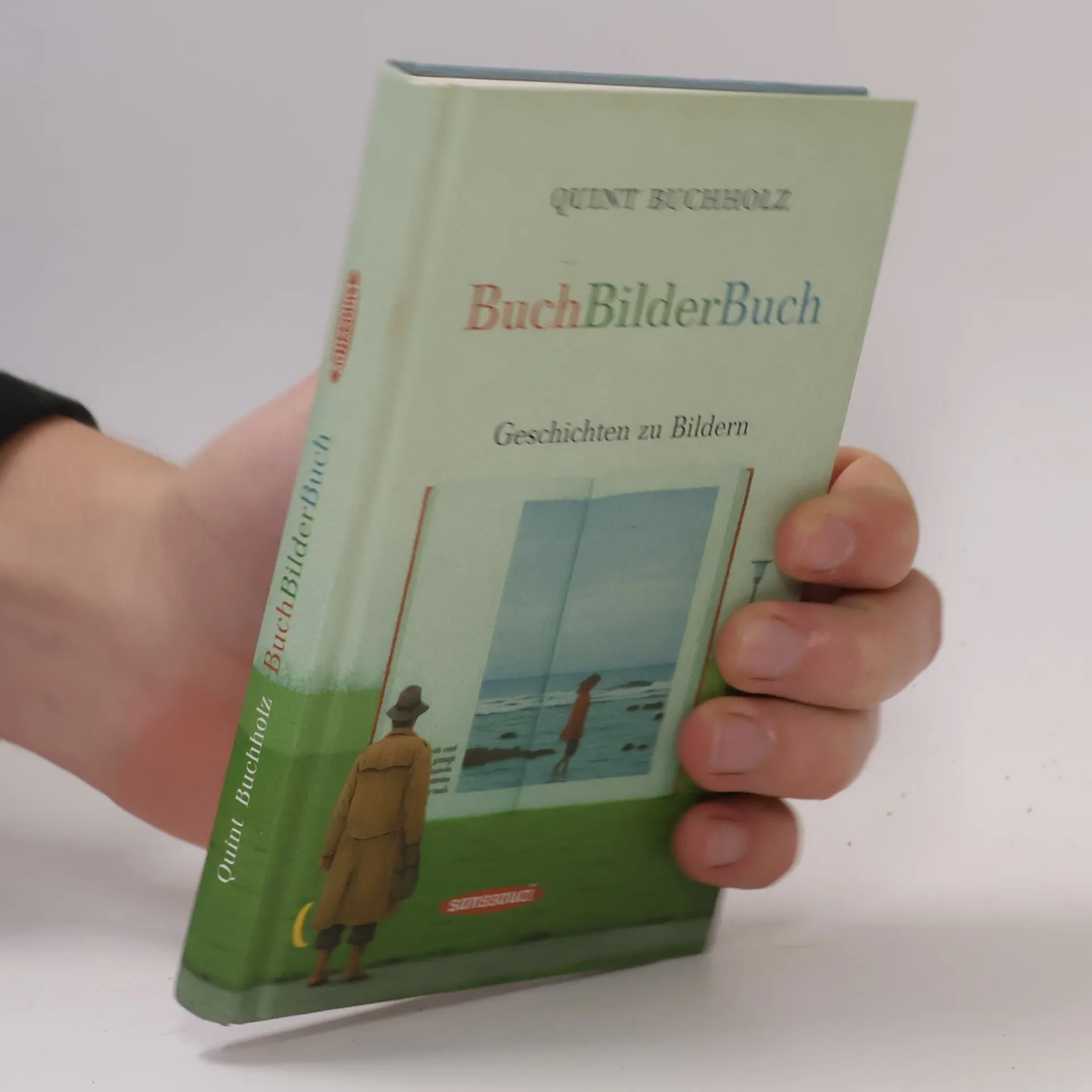
Dieses Buch, das angenehm in der Hand liegt, ist das Ergebnis eines unerwarteten Zufalls, der das geheime Leben der Bücher beeinflusst. Michael Krüger, Chef des Hanser Verlags, beschreibt in seinem Vorwort, wie Quint Buchholz ihm an einem Nachmittag zahlreiche seiner Bilder präsentierte. Einige dieser Zeichnungen sind bereits von Buchumschlägen bekannt, während viele neu sind. Bekannte Autoren wie Elke Heidenreich, Peter Hoeg, T. C. Boyle und Rafik Schami wurden eingeladen, sich von Buchholz' Bildern inspirieren zu lassen und haben jeweils eine Geschichte zu einem seiner Werke verfasst. Die Vielfalt der Geschichten spiegelt die Vielschichtigkeit der Bilder wider und lädt den Betrachter ein, in die geheimnisvollen Welten einzutauchen, die sich hinter den Illustrationen verbergen. Das Buch ist eine wunderbare Sammlung, die sowohl zum Blättern als auch zum Lesen einlädt. Es eignet sich hervorragend, um es während einer Kaffeepause griffbereit zu haben. Diese Geschenkausgabe im Miniformat bietet eine besondere Möglichkeit, die Kunst von Quint Buchholz und die Kreativität namhafter Autoren zu genießen.
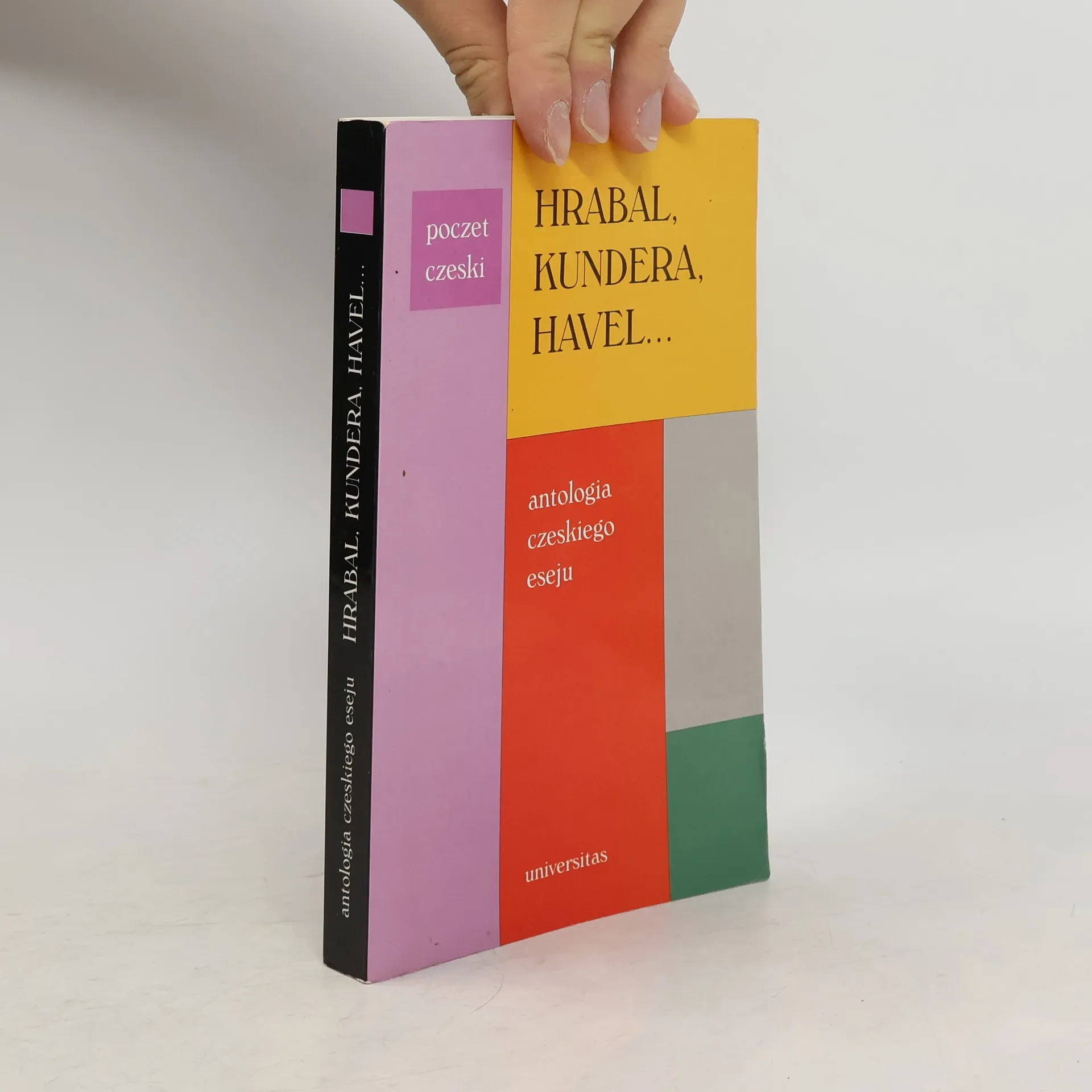
Książka Antologia czeskiego eseju ma na celu zaprezentowanie polskiemu Czytelnikowi czeskiej myśli, kultury, sztuki i literatury. Znalazły się tu utwory należące do klasyki eseju, publikowane w Polsce od końca lat siedemdziesiątych głównie w drugim obiegu i na emigracji. Tematyka eseistyki jest bardzo szeroka: od esejów emigracyjnych do polemik ideowych, od nurtu katolickiego po protestancki. Książka zawiera między innymi eseje: Václava Hrabala "Kim jestem", Milana Kundery "Niekochane dziecko rodziny", Václava Havla "Siła bezsilnych", Václava Bendy "Równoległa polis", Václava Černego "Europejskie źródła czeskiej kultury" i Josefa Kroutvora "Europa środkowa: anegdota i historia".
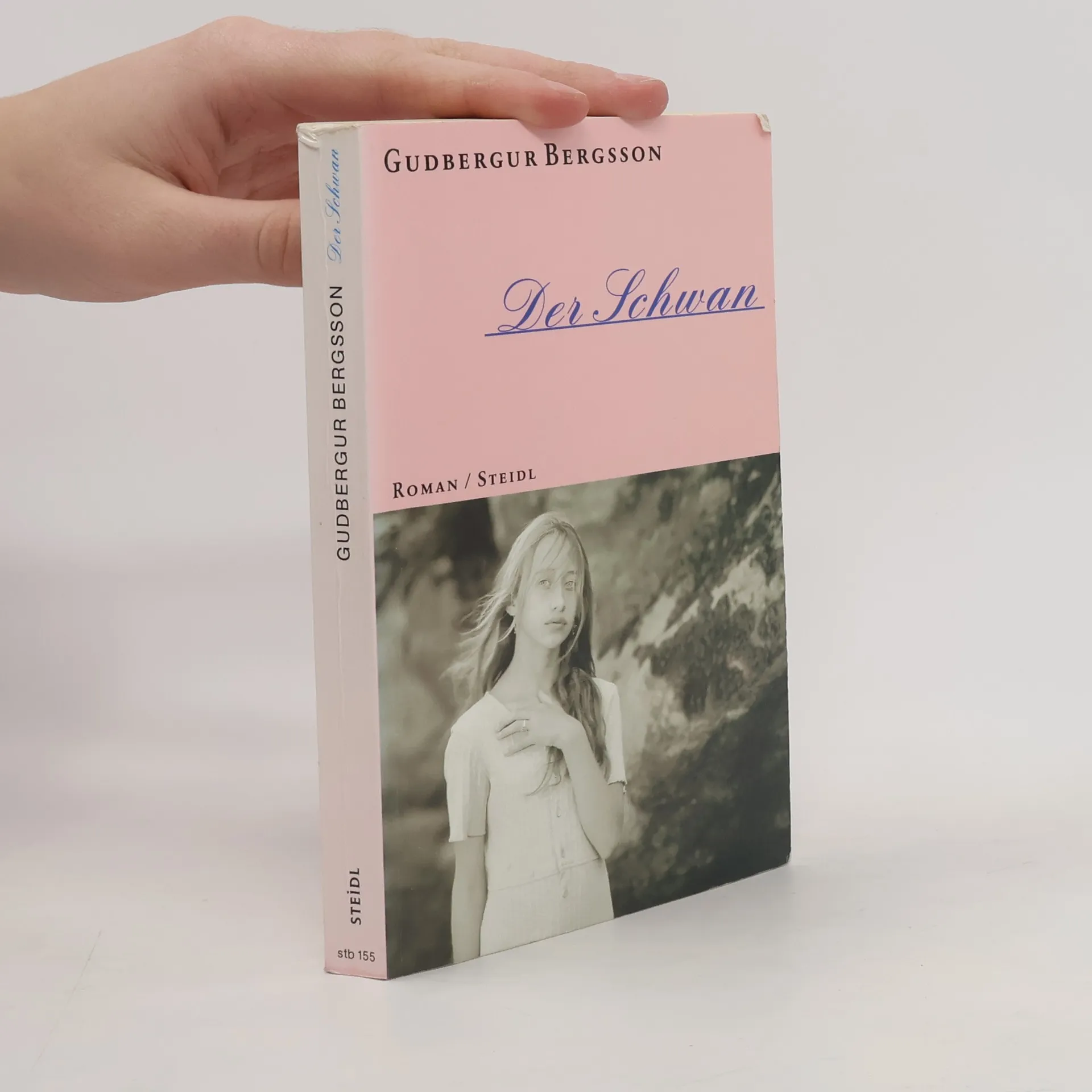
In seinem Roman erzählt der isländische Autor die Geschichte einer Neunjährigen, die zum ersten Mal das Elternhaus an der Küste Islands verläßt. Als Strafe für einen Ladendiebstahl muß sie den Sommer auf einem Bauernhof im Landesinneren verbringen. Allein unter schweigsamen Bauern deutet sie die Rätsel ihrer Umgebung und ihres neuen Lebens mit Hilfe der Phantasie. "Noch viele Tage nach der Lektüre des 'Schwan' war ich wie verzaubert. In diesem Buch werden Sie einen großen europäischen Romancier entdecken, dem es mit einzigartiger Finesse gelingt, das Leben eines heranwachsenden Mädchens einzufangen." (Milan Kundera.)
"Az optimizmus az emberiség ópiuma! Az egészséges lélek ostobaságtól bűzlik. Éljen Trockij!" - írja egy képeslapon Ludvík Jahn, a természettudományi fakultás ifjú hallgatója pártiskolára vezényelt kedvesének. Tréfából. Az 1949-es év Csehszlovákiájában azonban nem ismerik a tréfát. Ludvík Jahnt kizárják a pártból, kirúgják az egyetemről, a katonaságnál a büntetőalakulathoz sorozzák be, bányamunkára küldik. Ludvík Jahn élete és karrierje derékba törik. Hosszú éveken át csak a bosszúvágy élteti. És egyszer csak felvirrad a megtorlás napja. A hajdani, félresikerült tréfát egy másik, éppoly kegyetlen tréfával akarja helyreütni. A tréfa azonban ismét a visszájára, ismét őellene fordul. És ebből lesz a tulajdonképpeni, a minden emberi tréfáknál nagyobb szabású, áttekinthetetlen és visszavonhatatlan, a címadó tréfa, amely mifelénk a történelem képében szokta járatni áldozataival a bolondját. Erről ad felkavaróan és csúfondárosan, immár sokadik kiadásban számot, hányattatásainak fordulatos történetével is, a hajdan világraszóló "botrányt" keltő, majd a világsikerben időtálló klasszikussá érő Kundera-alapmű.
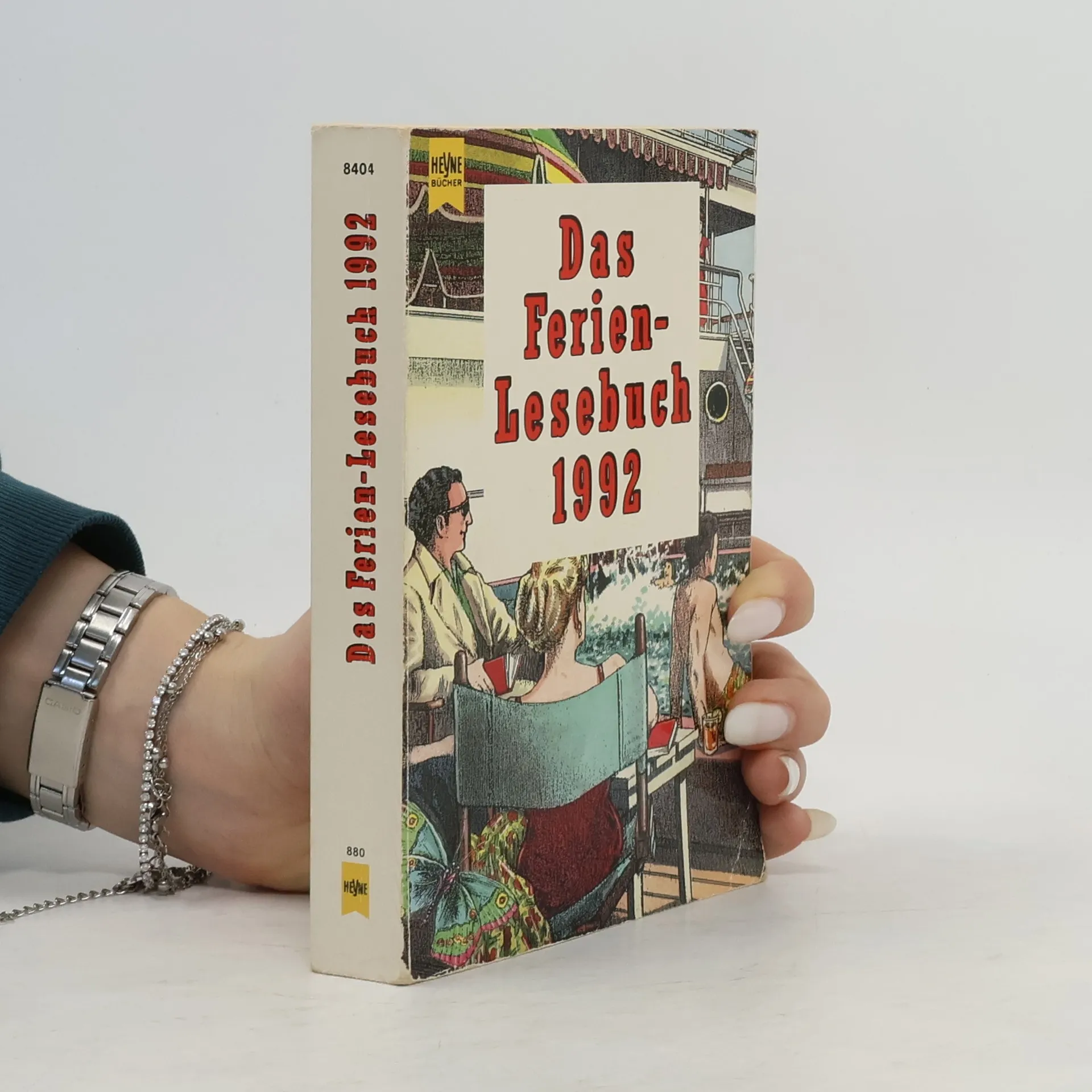
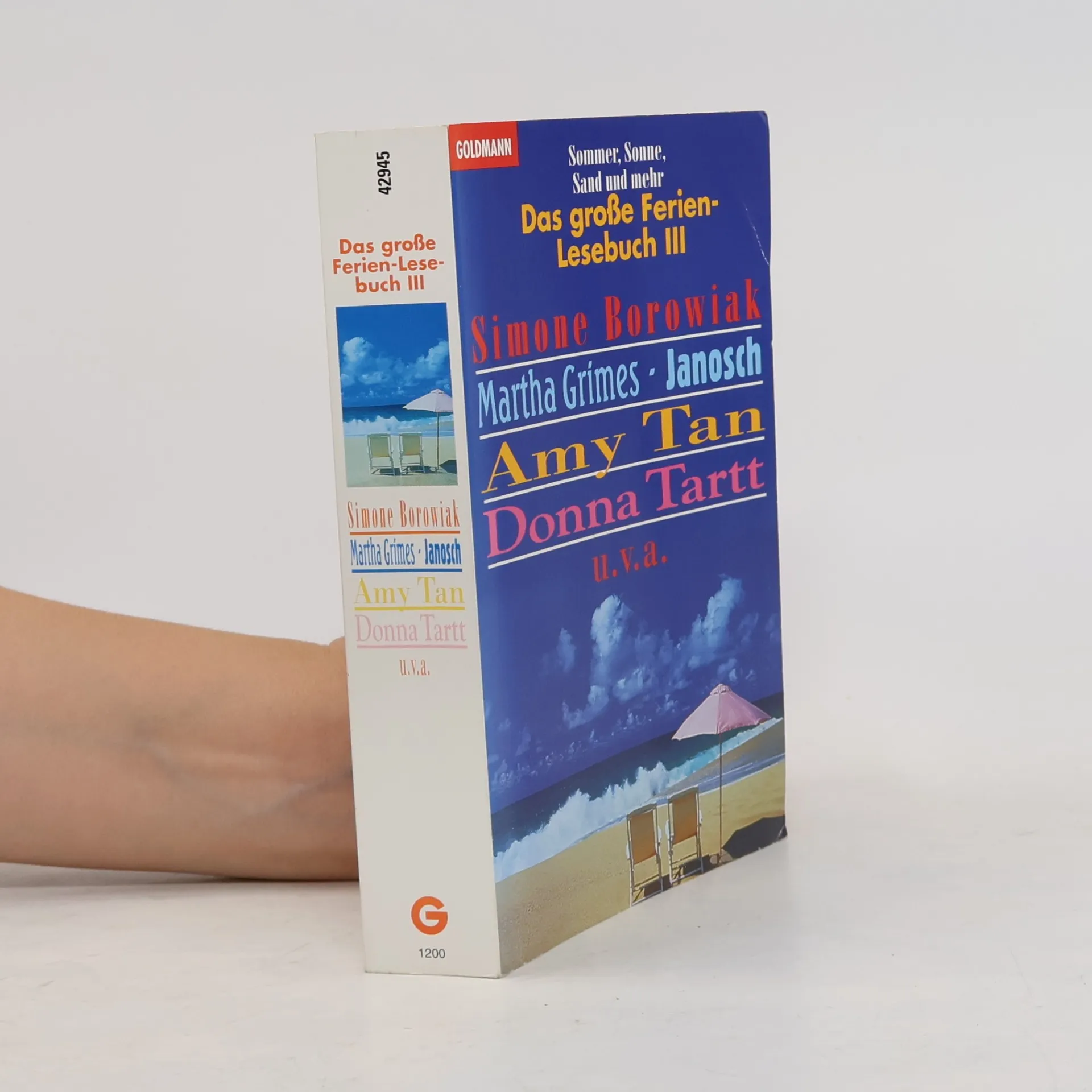
Sommer, Sonne, Sand und mehr... - bk35; Goldmann Verlag; Verschiedene Autoren; pocket_book; 1994
彼女は彼にとって、誰かがタールを塗ったかごに入れて川に捨てた子供のように思えた。プラハの外科医トマスは、女性を欲望しつつも恐れているエロトマニアであり、離婚を結婚のように祝った後、愛から逃げることにした。彼はウェイトレスのテレサのためにいくつかの基本的な原則を破るが、画家サビーナとのような性的関係は続ける。テレサは、ロシアのプラハ侵攻後に結婚した二人が住むチューリッヒを去り、故郷に戻る。彼は彼女を追いかけ、職を失い、プラハから遠く離れた村で窓拭きやトラック運転手として働く。幸せは再び悲劇で終わり、トマスとテレサはダンスの夜の後、交通事故で亡くなる。小説『存在の耐えられない軽さ』はミラン・クンデラに国際的な成功をもたらした。ミラン・クンデラの小説は、知的な花火のようであり、感情や官能のロケットが繰り返し混ざり合っている。
Odin iz krupnejshikh prozaikov sovremennosti razmyshljaet ob istorii romana, o zakonomernostjakh etogo slozhnejshego zhanra, o ego vzaimootnoshenijakh s evropejskoj istoriej, o slozhnostjakh
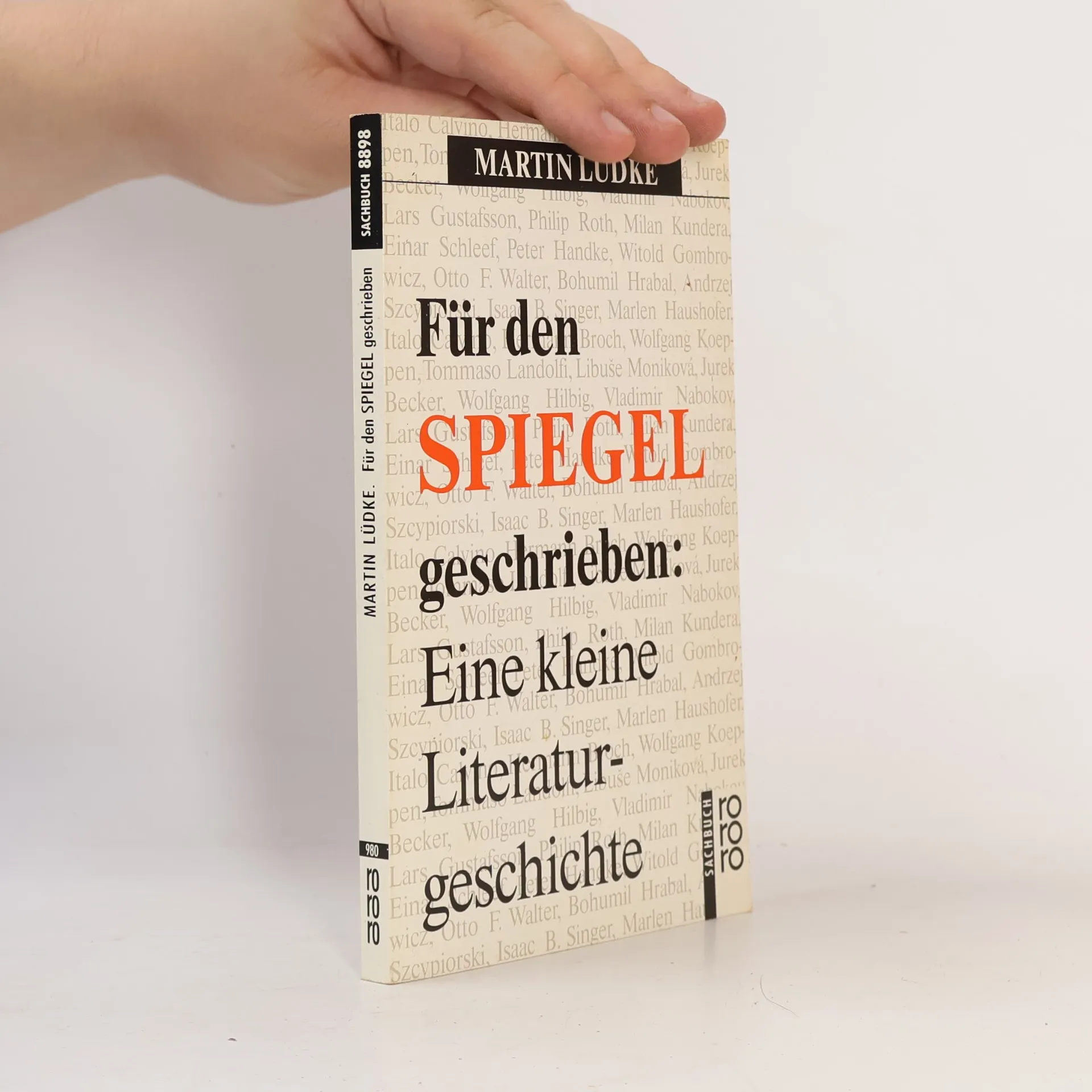
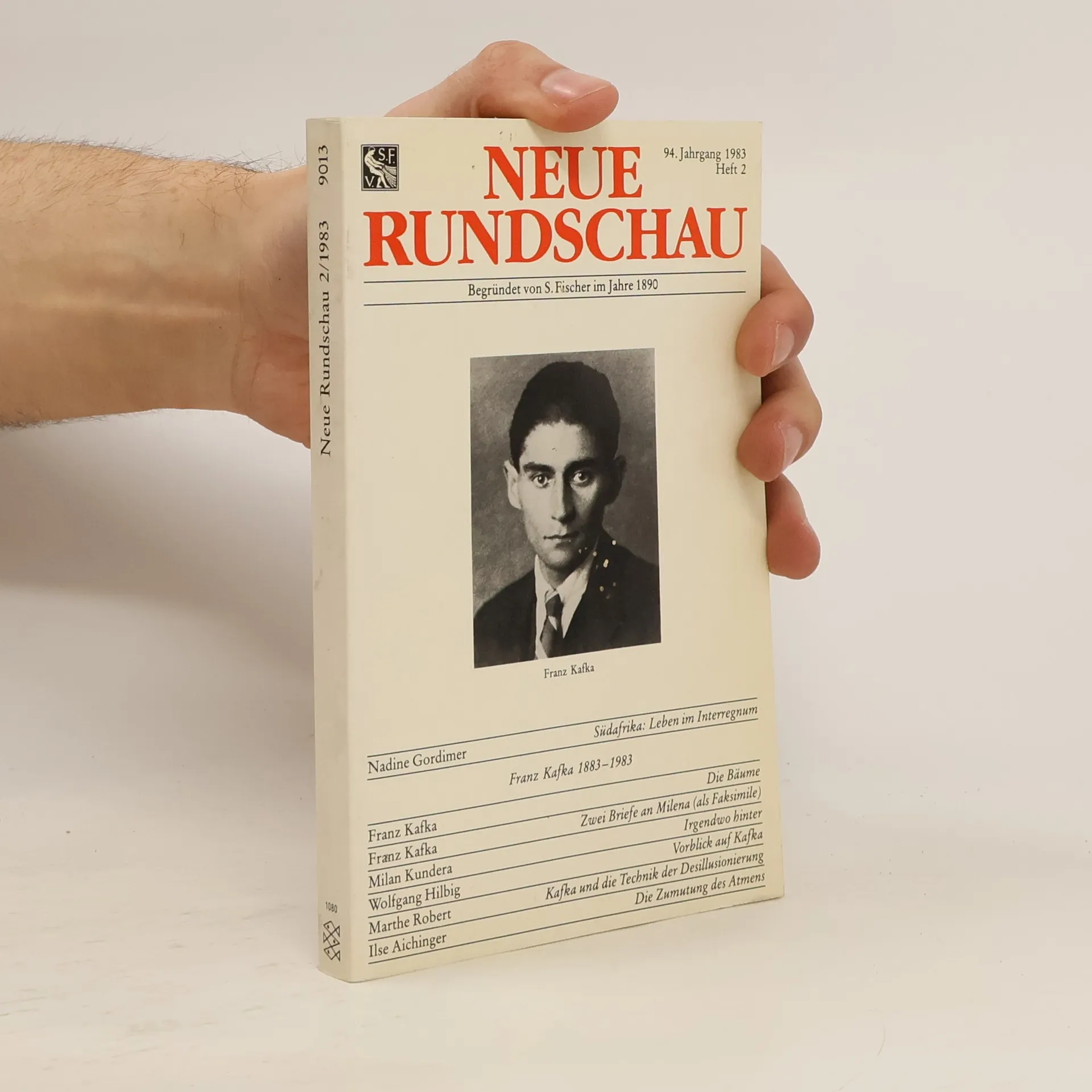
Eine kleine Literaturgeschichte
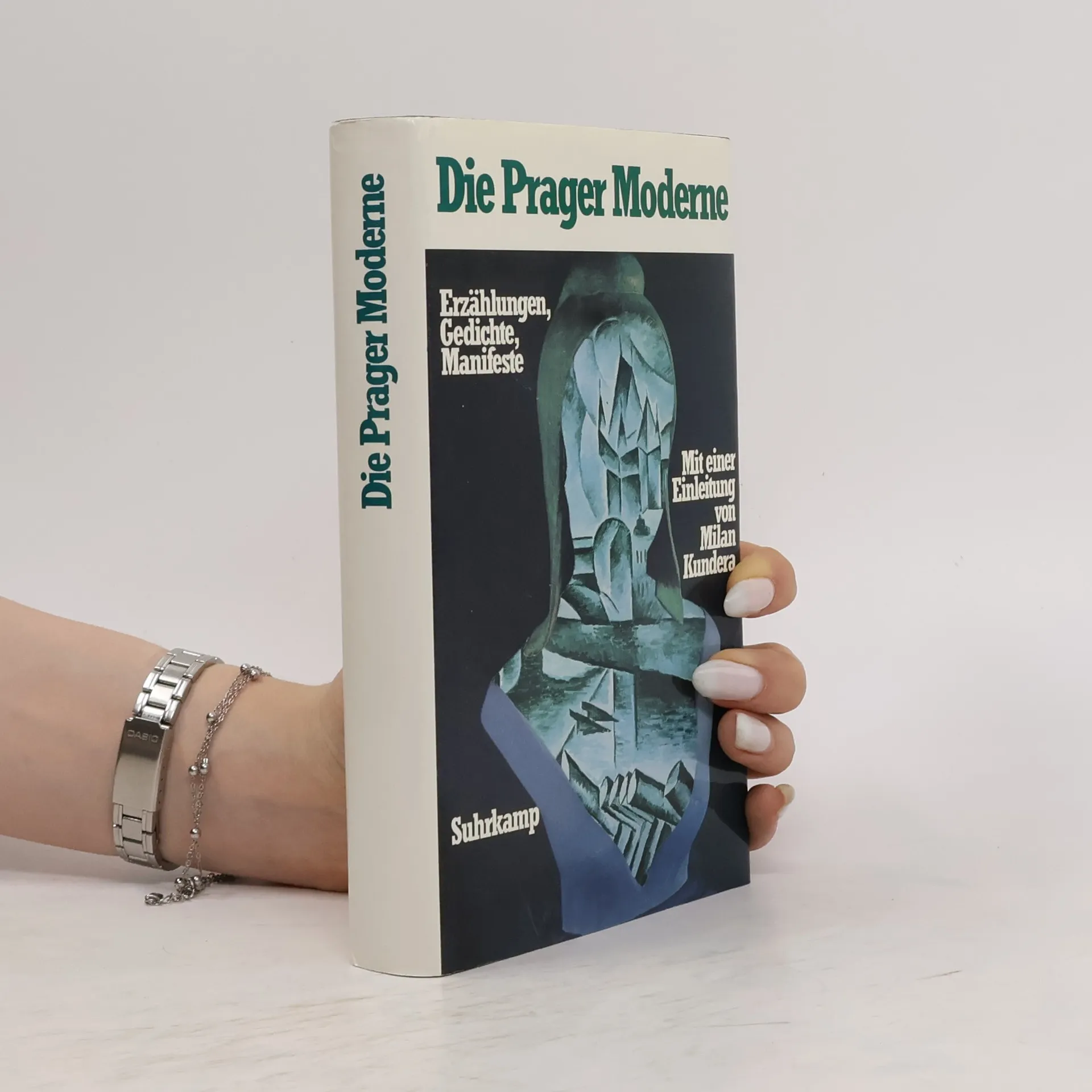
Die russische Invasion in der Tschechoslowakei 1968 hat nicht nur die Menschenrechte und die Demokratie mit Füßen getreten, sondern auch eine einzigartige Kultur. Ein Porträt Prags zu zeichnen, bedeutete für Milan Kundera, ein versunkenes Atlantis wieder ans Licht zu bringen, eine Weltan-schauung zu retten. Der erstmals 1980 erschienene titelgebende Text dieses Bandes, »Prag, ein Gedicht verklingt«, erstmals in deutscher Übersetzung, ist ein Plädoyer für die Kultur, in der der Autor aufgewachsen ist und die sein Werk geprägt hat. In dem Essay »Neunundachtzig Wörter«, 1985 erstmalig erschienen und hier in einer erweiterten Form erstmals auf Deutsch, beschreibt Milan Kundera die Herausforderungen, mit denen er sich konfrontiert sieht: dem Exil, dem Leben in einer anderen Sprache als seiner Muttersprache und den Übersetzungen seiner Werke. In seinem persönlichen Wörterbuch der Literatur definiert er neunundachtzig Vokabeln, die zentral für sein Werk sind, und erklärt ihren Wert und ihre Bedeutung. Milan Kundera ist im Juli 2023 im Alter von vierundneunzig Jahren verstorben. In diesen Texten ist er wieder mitten unter uns.
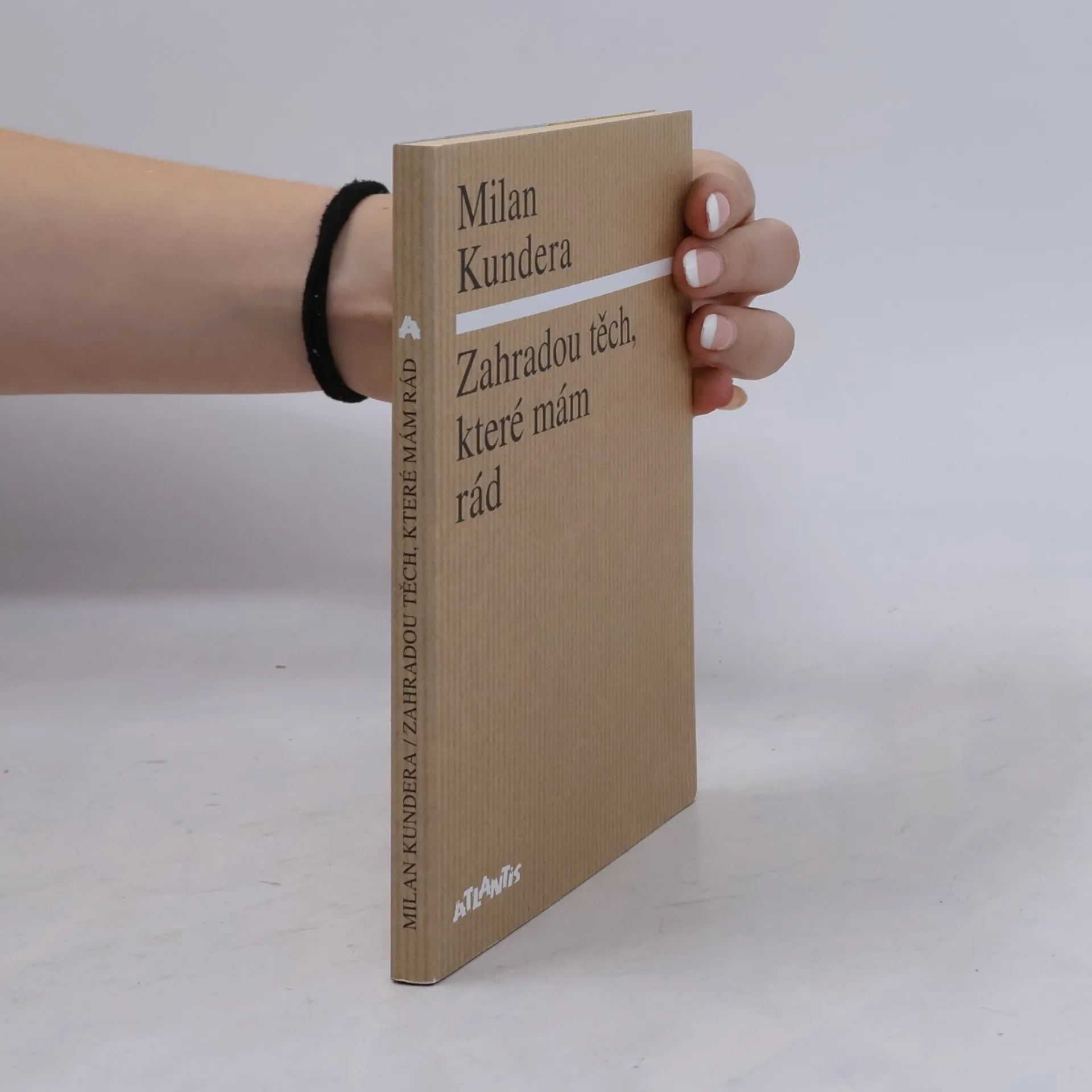
Šestý svazek esejů Milana Kundery se jmenuje Zahradou těch, které mám rád. Texty této knihy autor napsal a publikoval v letech 1989-2008. Spolu s jinými úvahami vyšly v knize Une rencontre (Gallimard 2009). Na záložce se dočtete: „Tato kniha je věnována zejména umění románu, které je pro Kunderu ze všech umění to nejevropštější (Rabelais, Cervantes...) a umí odhalit na lidském životě, co jinak nelze uvidět (Carlos Fuentes, Anatole France, Curzio Malaparte...); kniha mluví též o tom, co znamená žít v jiné zemi, než je ta rodná (Věra Linhartová, Škvorečtí, Danilo Kiš...), a vzdává poctu těm, kdo neváhali jít proti vládnoucí blbosti (milovaný Fellini...); ti všichni pro Kunderu tvoří ‚zahradu těch, které má rád‘.“
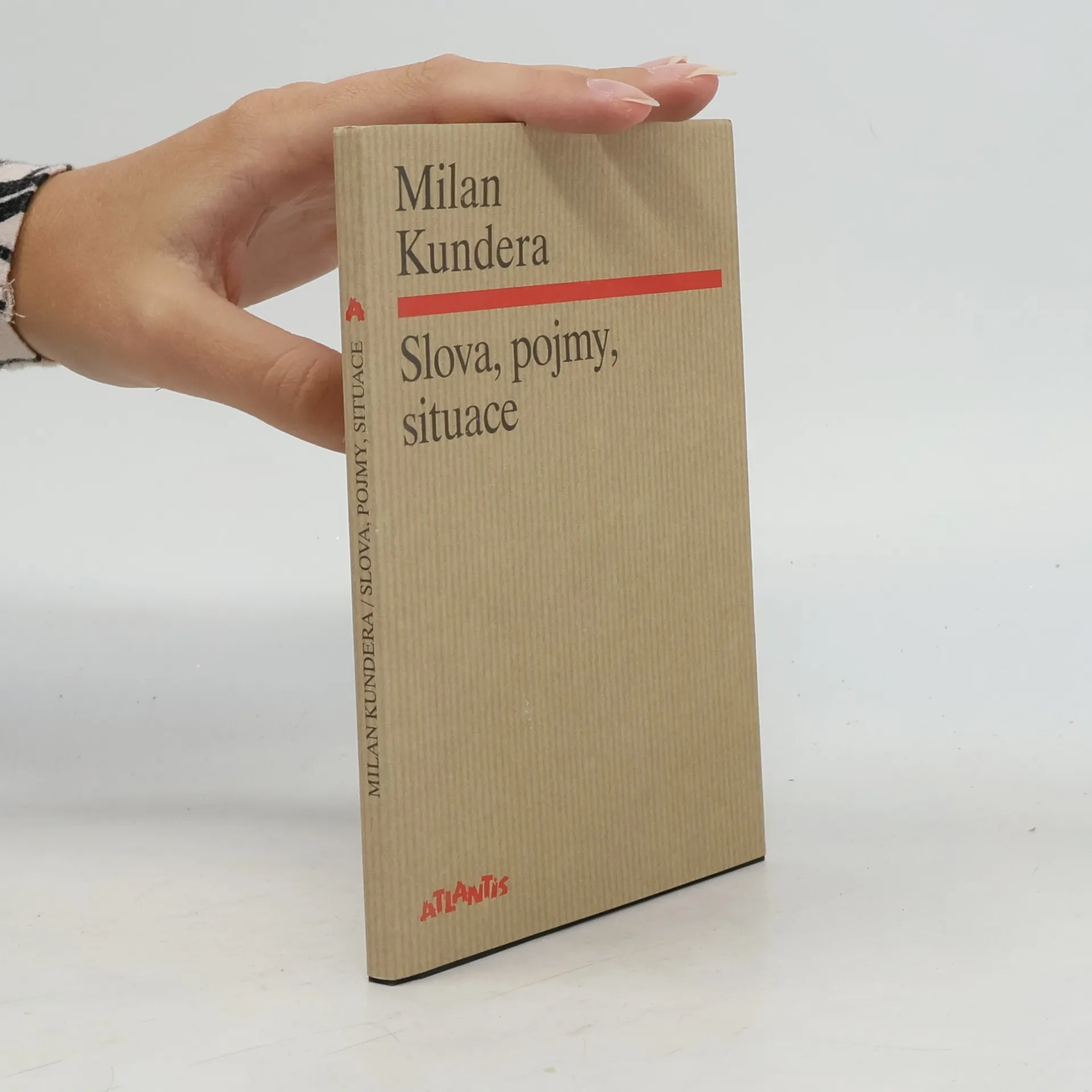
Pátý svazek esejů se jmenuje Slova, pojmy, situace. Autor píše na záložce: „Umění románu, jehož dějiny započaly velkým Rabelaisovým dílem na počátku 16. století, doprovází až dodneška Evropu a její konkrétní život. Tato malá knížka nemá nic společného s nějakým vědeckým povídáním. Je složena z různých krátkých zamyšlení nad lidskými situacemi, tak jak jsem se o to snažil já sám (první část Slova), ale zejména umění románu během celých svých dějin (druhá a třetí část: Pojmy a Situace).“ SLOVA jsou autorova definitivní česká verze šesté části knihy L‘art du roman (Umění románu). POJMY obsahují autorův český překlad páté části knihy Le rideau (Opona), kde vyšly pod názvem L’esthétique et l’existence (Estetika a existence). SITUACE tvoří texty druhé části knihy Une rencontre (Setkání) s názvem Romans, sondes existentielles (Romány, existenciální sondy).
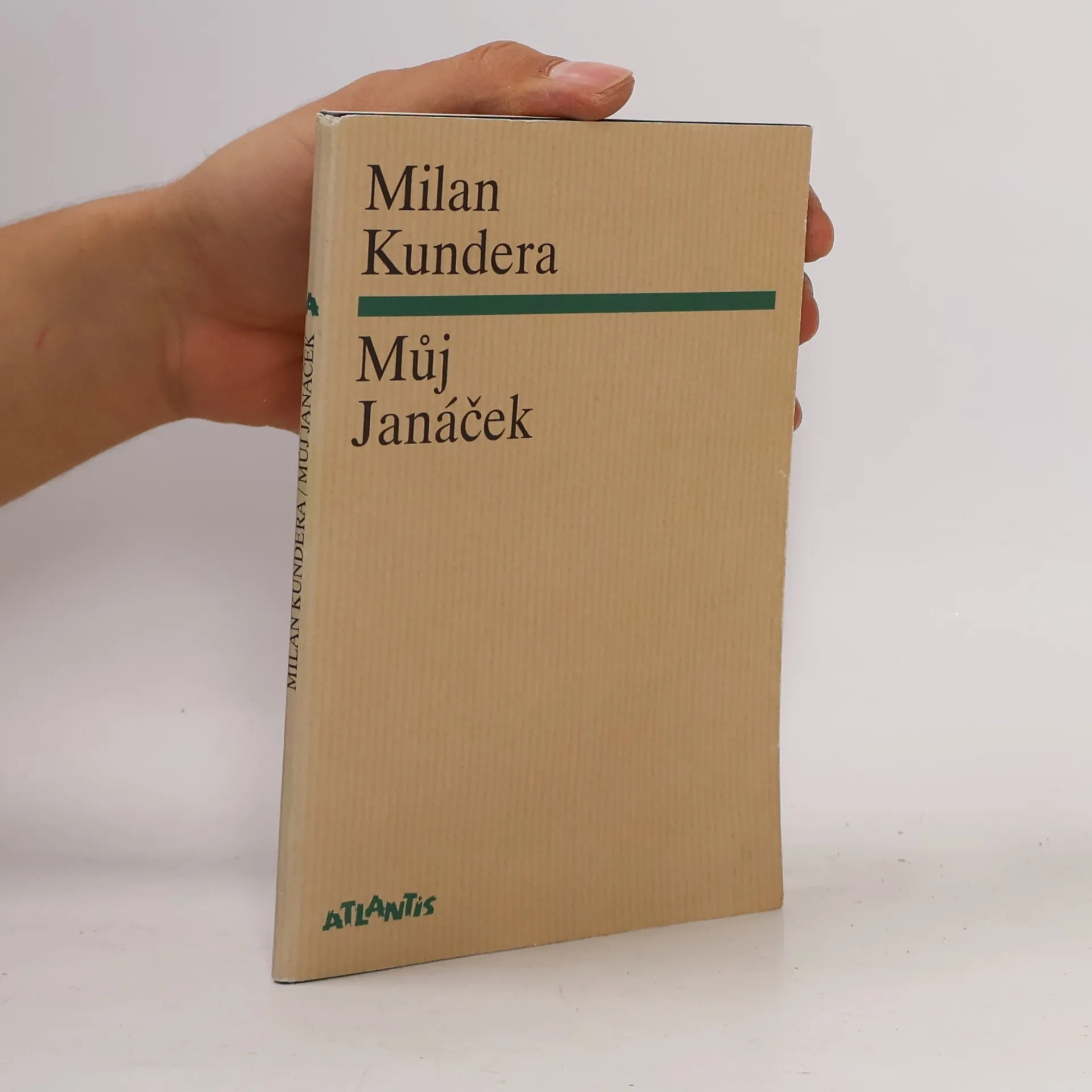
Svazek obsahuje tři Kunderovy texty o Janáčkovi, které vznikly ve Francii mezi rokem 1991 a 2004. V třetím textu (záznamu rozhlasového rozhovoru, který vysílal Český rozhlas 3 – Vltava dne 3. července 2004) formuluje Kundera základní otázku: Je Janáček „jen zajímavým skladatelem jakéhosi exotického koutu Evropy, anebo jedním z tvůrců moderní světové hudby“? Tato otázka podle Kundery provází Janáčkovo dílo jako jeho úděl a prosvítá za všemi texty: v prvním z nich, Hledání přítomného času, je Janáčkova opera srovnávána s úsilím Flauberta a Hemingwaye uchopit „prózu života“ a její „přítomný čas“; v druhém, Liška Bystrouška, drásavá idyla, je Janáček řazen k velkým osamělým antiromantikům Střední Evropy; v posledním, Nepravděpodobný osud (rozhovor s Tomášem Sedláčkem), je Janáčkův osud konfrontován s největšími skladateli moderní hudby, od Schönberga ke Stravinskému.
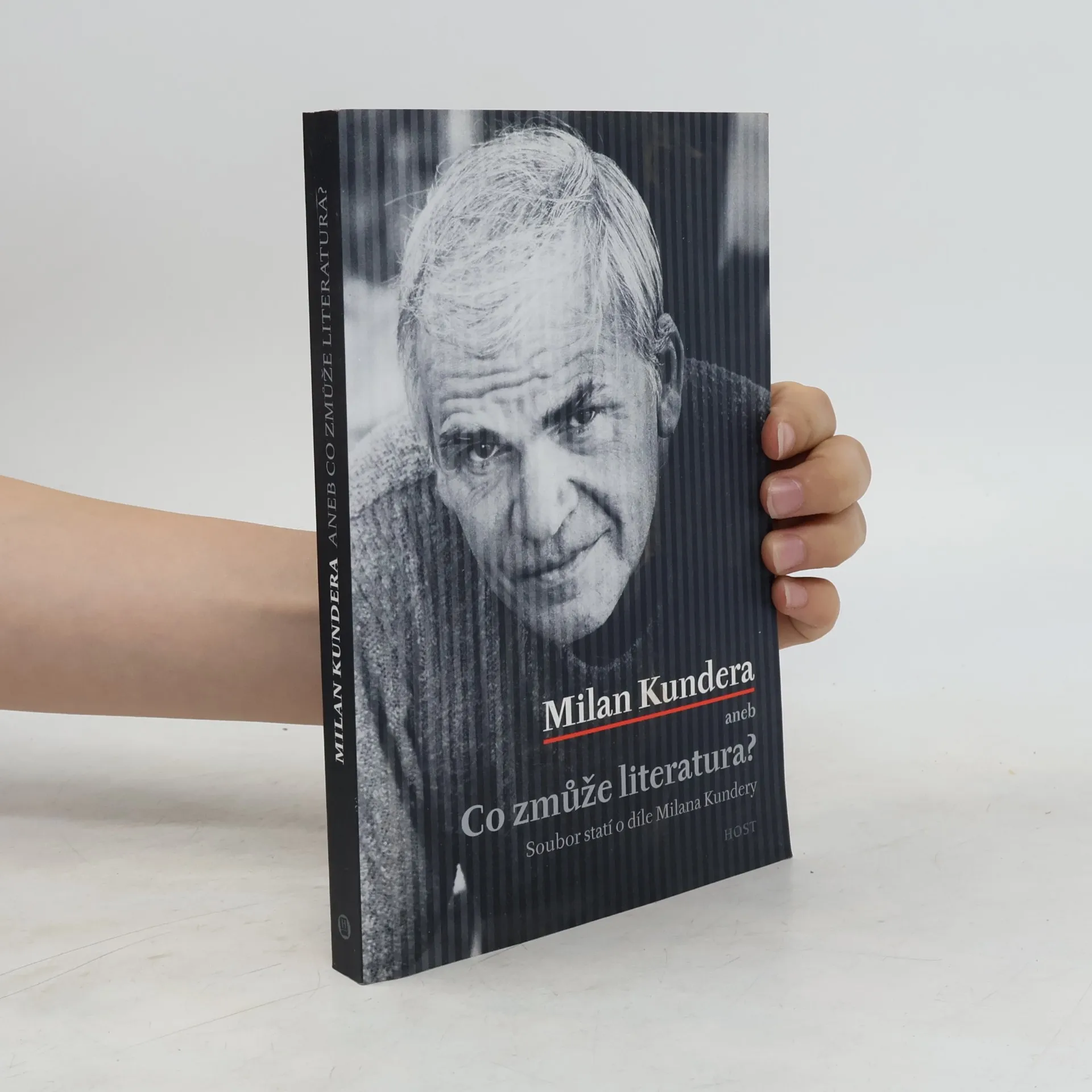
Kolektivní monografie věnovaná dílu Milana Kundery navazuje na stejnojmennou mezinárodní konferenci konanou v Brně v roce 2009. Publikace spojuje příspěvky odborníků k jednotlivým aspektům díla Milana Kundery (Češka, Kosková, Richterová) se studiemi (literárních) historiků a teoretiků, kteří se vyslovují ke konkrétním problémům tvorby tohoto autora (Pavel, Steiner, Koten, Sládek), nechybí ani pohledy z jiných oborů (Scarpetta). Analyzováno je hlavně Kunderovo dílo beletristické, především v jeho estetických a ideových souvislostech, středem zájmu jsou též autorovy eseje a jeho celkový filozofický a kulturní odkaz, a to napříč uměleckými médii.
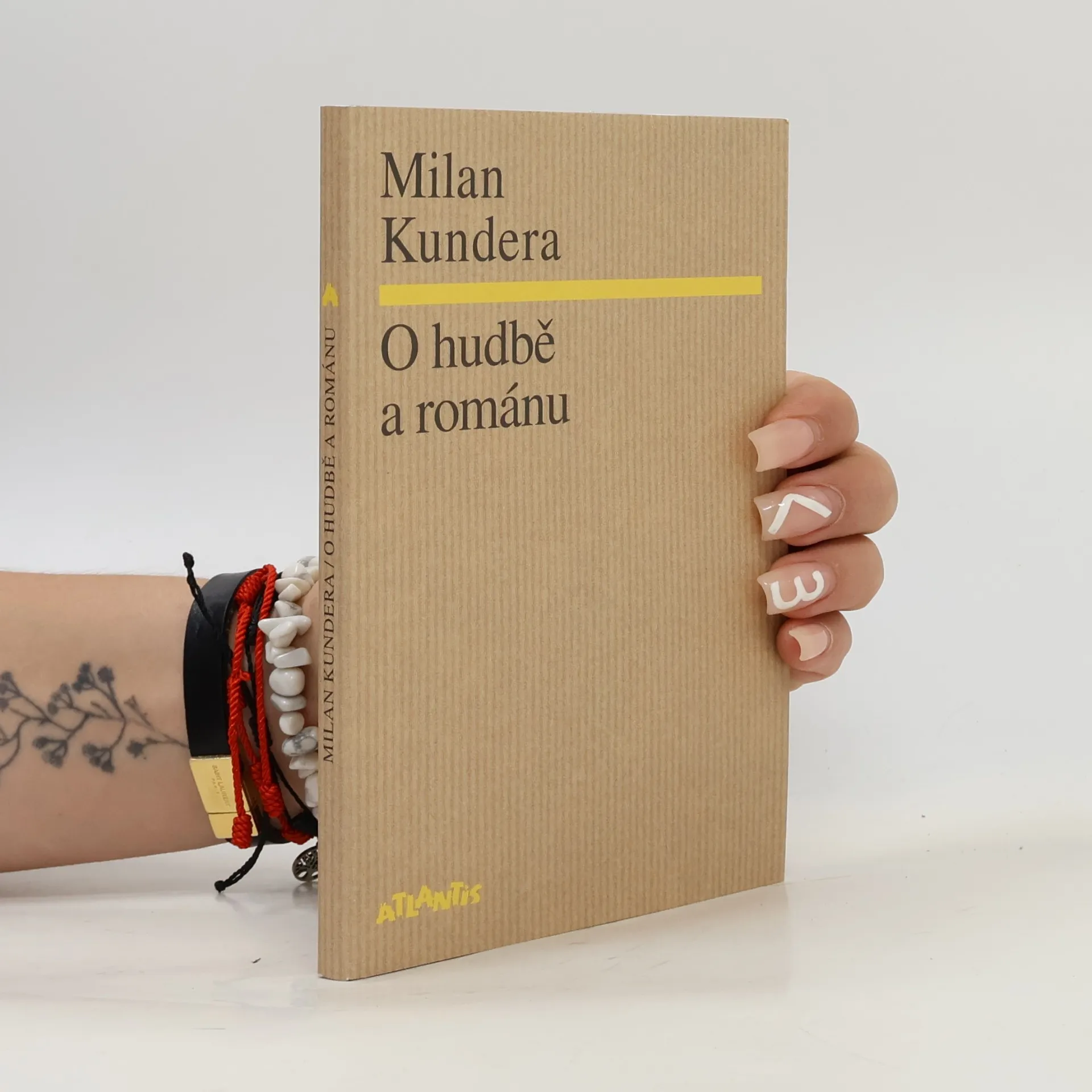
Sedmý svazek esejů Milana Kundery se jmenuje O hudbě a románu. Na záložce se dočtete: „Neobávejte se: to není žádná univerzitní přednáška, ale úvaha plná překvapivých odboček, vzpomínek, polemických pasáží i vtipů, vyprávěných někým, kdo byl celým svým životem spjat jak s románem, tak s hudbou, těmito dvěma uměními, která patří Evropě více než kterákoli jiná, protože právě ona Evropu vytvořila. Není to ostatně žádné nedorozumění, že za knihu Zrazené testamenty — z níž pocházejí obě části této knížky — byla Kunderovi v roce 1996 udělena cena americké Společnosti hudebních skladatelů (ano, hudebních skladatelů).“
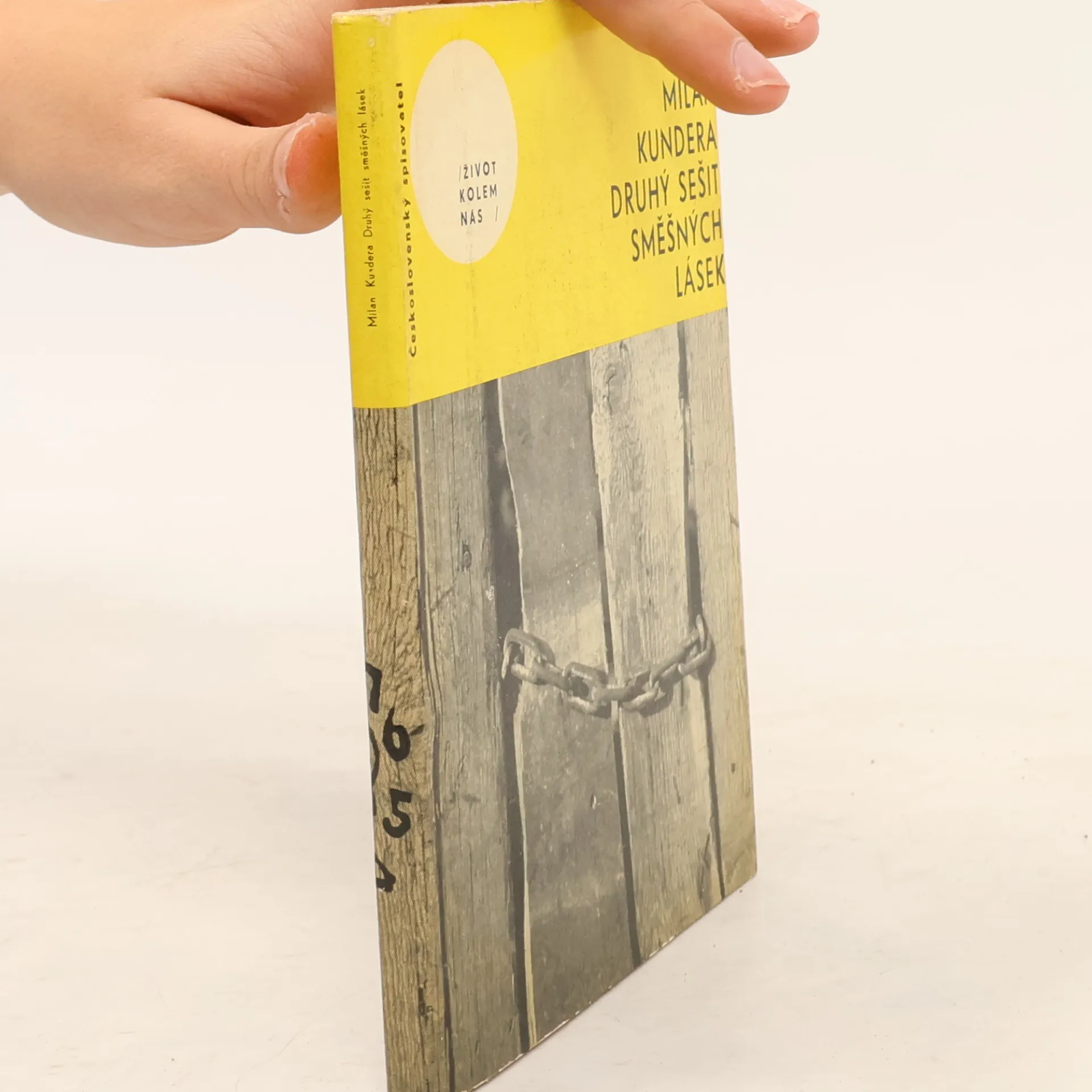
Tři povídky (Zlaté jablko věčné touhy, Zvěstovatel, Falešný autostop) o lásce nerozpačitě nahlížející do intimní sféry dnešního člověka a ukazující, že jak muž, tak i žena nejsou než tu komickými a jinde tragickými služebníky choutek a rozmarů sexu.
Soubor esejí rozebírajících a hodnotících prózu Vladislava Vančury, kterou autor konfrontuje s vývojem evropského románu za posledních sto let. Závěry vyvozené ze svých úvah a studií Kundera zobecnil a formuloval jako příspěvky k teorii románu.
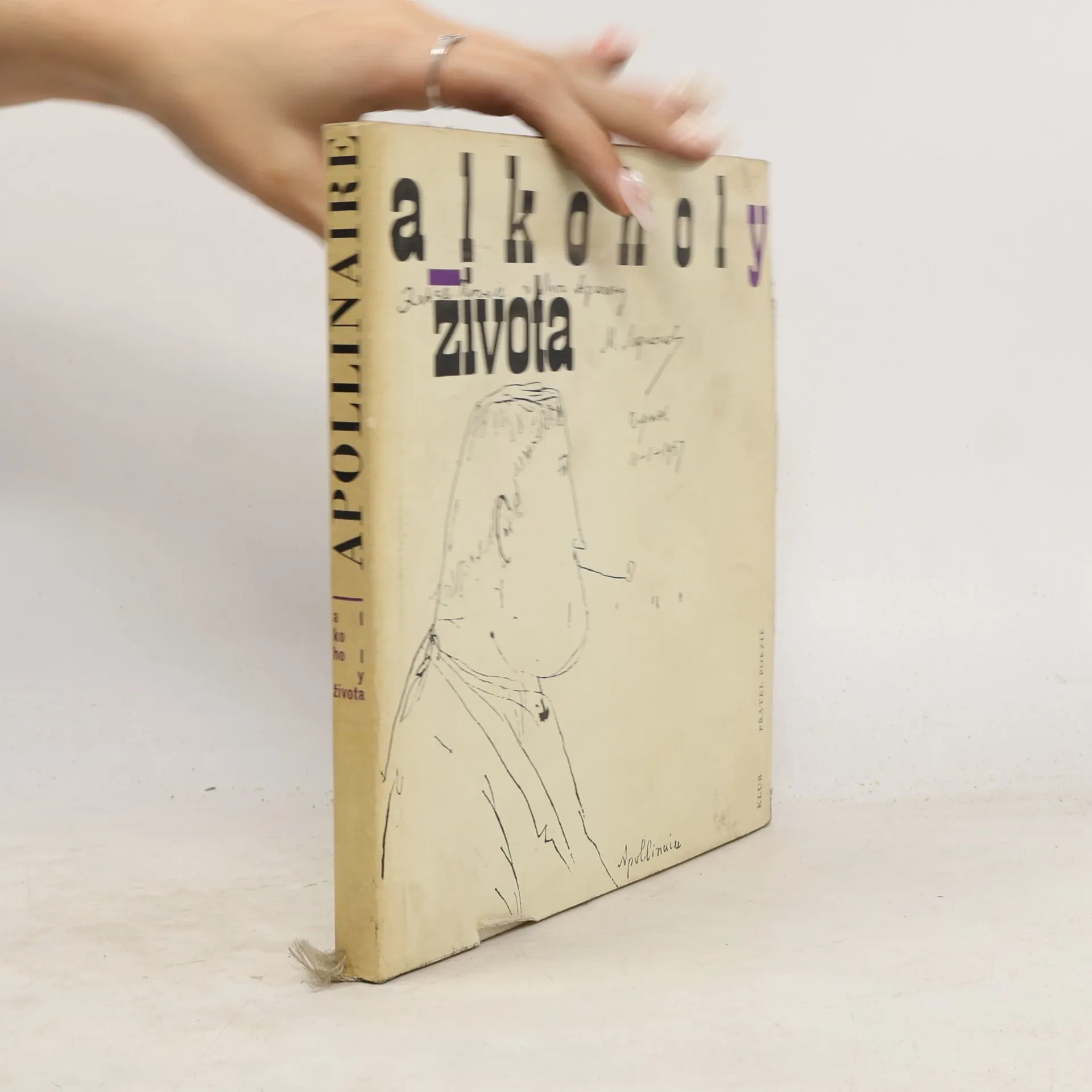
Kniha sestavená Adolfem Kroupou a Milanem Kunderou, který připojil i úvodní esej, představuje průřez básníkovým dílem a životem, s řadou reprodukcí a fotografií a komentářů Apollinairových současníků. Výbor z básníkova díla (Alkoholy, Kaligramy, Dopisy pro Madeleinu a Lou, Zvířecízkazky, Nový duch a básníci) doplňují dokumentární fotografie a kresby, svědectví a vyznání básníků jak cizích, tak našich a podrobné apollinairovské kalendárium. Z připojené mikrodesky zazní autorovy básně Ocúny, Sličná rusovláska a Růženka v přednesu V. Vosky a P. Leclera.
Rozlehlá poéma o Juliu Fučíkovi, jejž gestapák Böhm uprostřed jarem rozkvetlého Petřína a tváří v tvář kráse Prahy marně svádí k zradě idejí komunismu a národa.
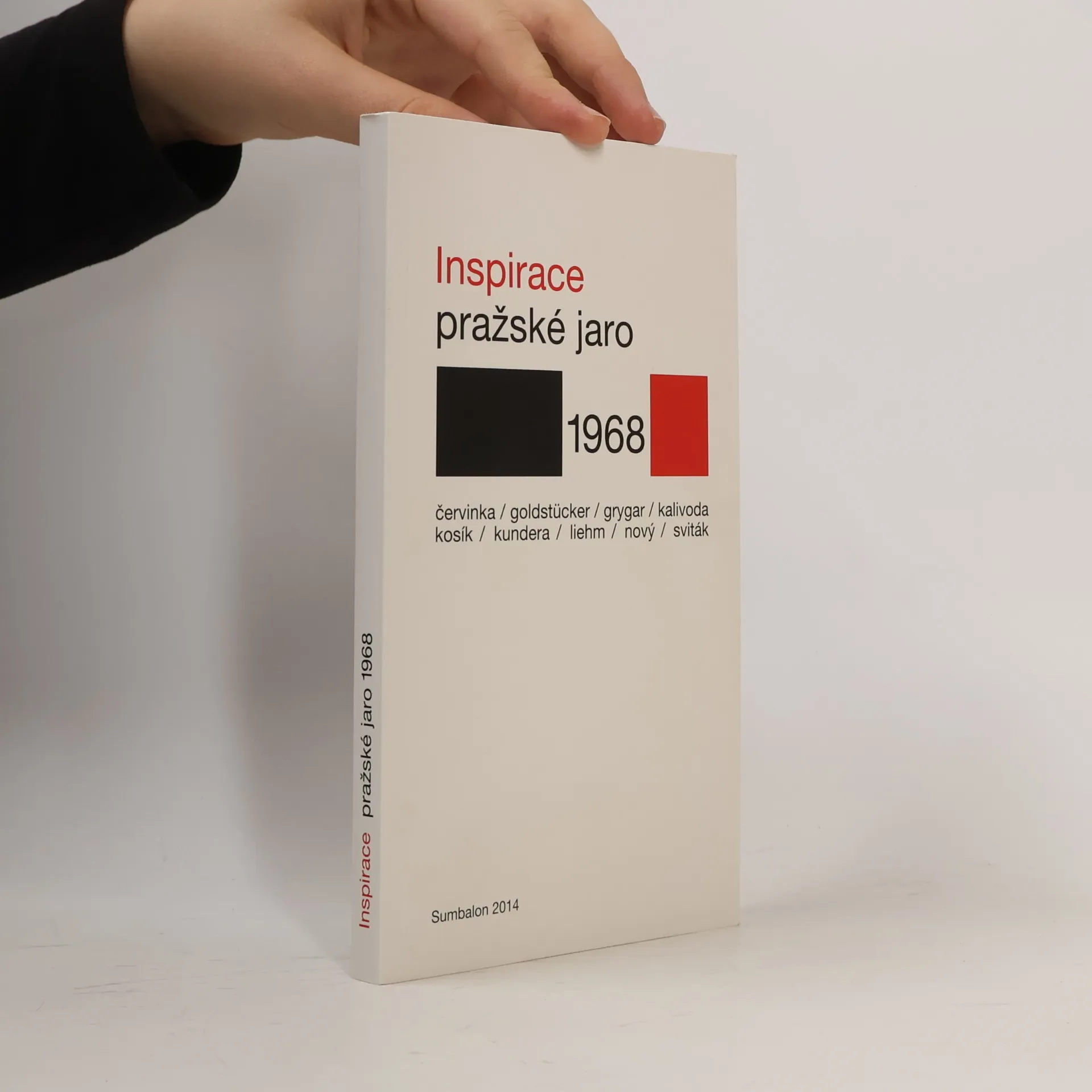
Soubor statí publikovaných v Literárních novinách mezi lety 1967-69 zahrnuje příspěvky významných českých myslitelů druhé poloviny dvacátého století, jako jsou Milan Kundera, Karel Kosík a Robert Kalivoda. Od konce padesátých let se tento kulturní týdeník snažil o znovuzačlenění české kultury do evropského kontextu, což se podařilo až na konci šedesátých let. LN se staly jedním z nejlepších evropských časopisů svého druhu, přestože je četlo jen málo lidí. Jejich proslulost však stále rostla, dokud nebyly umlčeny sovětskými tanky. Na podzim 1990 A. J. Liehm požádal Kunderu o příspěvek pro česko-slovenskou Lettre. Kundera se zpočátku zdráhal, protože měl pocit, že nemá co nabídnout. Přiznal, že napsal mnoho textů o českých tématech, ale považoval je za příliš apologetické. Zmínil, že má sedm esejů, které by chtěl přeložit do češtiny, ale odkládal to. Nakonec si vzpomněl na Literární noviny z druhé poloviny šedesátých let, které měly obrovský vliv na kulturní a politický diskurs. Vzpomněl si na snahu založit deník Lidové noviny, kde by Kosík a Liehm mohli vytvořit jeden z nejlepších časopisů v Evropě. Po ruské invazi však k tomu nedošlo a Kundera odešel do exilu. Jeho emigrace byla pokračováním cesty za stejným cílem. Na oslavu, kterou by rád navštívil, posílá alespoň sedm písmen jako symbol štěstí.
Divadelní hra z roku 1968, s úvodním textem Milana Kundery Autor se ptá autora. Zápletka divadelní hry je jednoduchá: ředitel školy nakreslí na tabuli kosočtverec, který představuje ženské pohlaví, nechá tuto událost vyšetřovat a sarkasticky se baví reakcemi svých kolegů. Vyšetřovací komise křivě obviněného žáka, snaživě přiznávajícího neprovedený čin, odmění údělem fízla. Ředitel, opojený svou mocí, však nerozvážně přiznává manželce předsedy vše, co si doopravdy myslí o jejím muži a tím spadne do pasti, takže se stane proti své vůli jakýmsi sexuálním otrokem. V závěru hry zazní z úst vítězné nevěrné chlípnice zásadní sdělení: „Moc je nejsladší, když je úplně nepřiměřená. Když blbec vládne moudrému, slabý silnému, ohavná krásnému…“
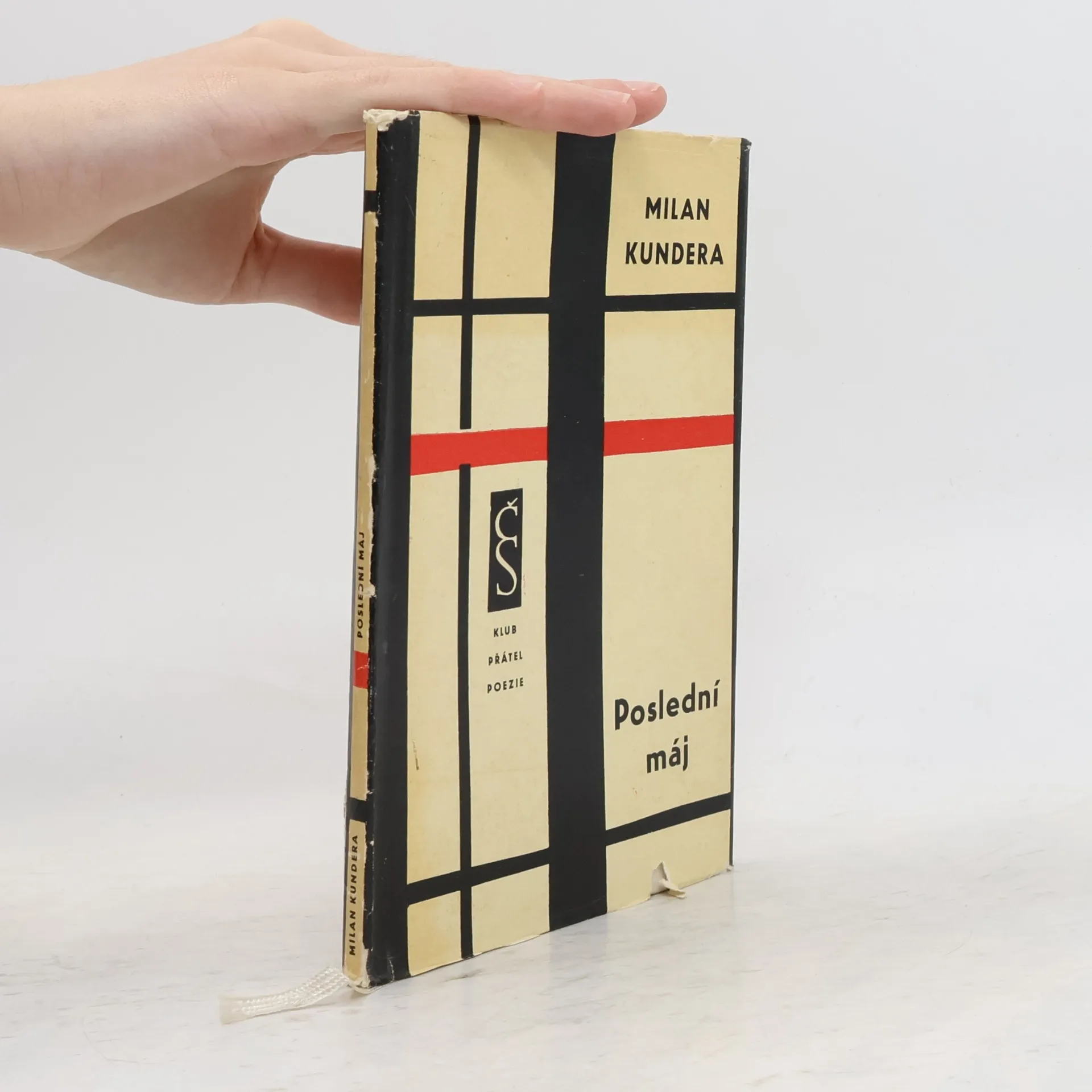
Knížečka pozoruhodných veršů ze života muže a ženy.
Znamenitá a úspěšná dramatizace Diderotova Jakuba Fatalisty, hravá i krutá studie proměn lidského osudu v neprohlédnutelném světě, je jediný autorův dramatický text patřící k dílům, která „má bez výhrad rád a chce vydávat“.
La tante Zaza, à la beauté légendaire, emmène son jeune neveu en vacances à la campagne. Il a seize ans et, ingénument, elle lui fait partager son lit. L'inévitable se produit. Zaza, plus tard, périra dans un incendie, mais son souvenir adorable restera vivant.
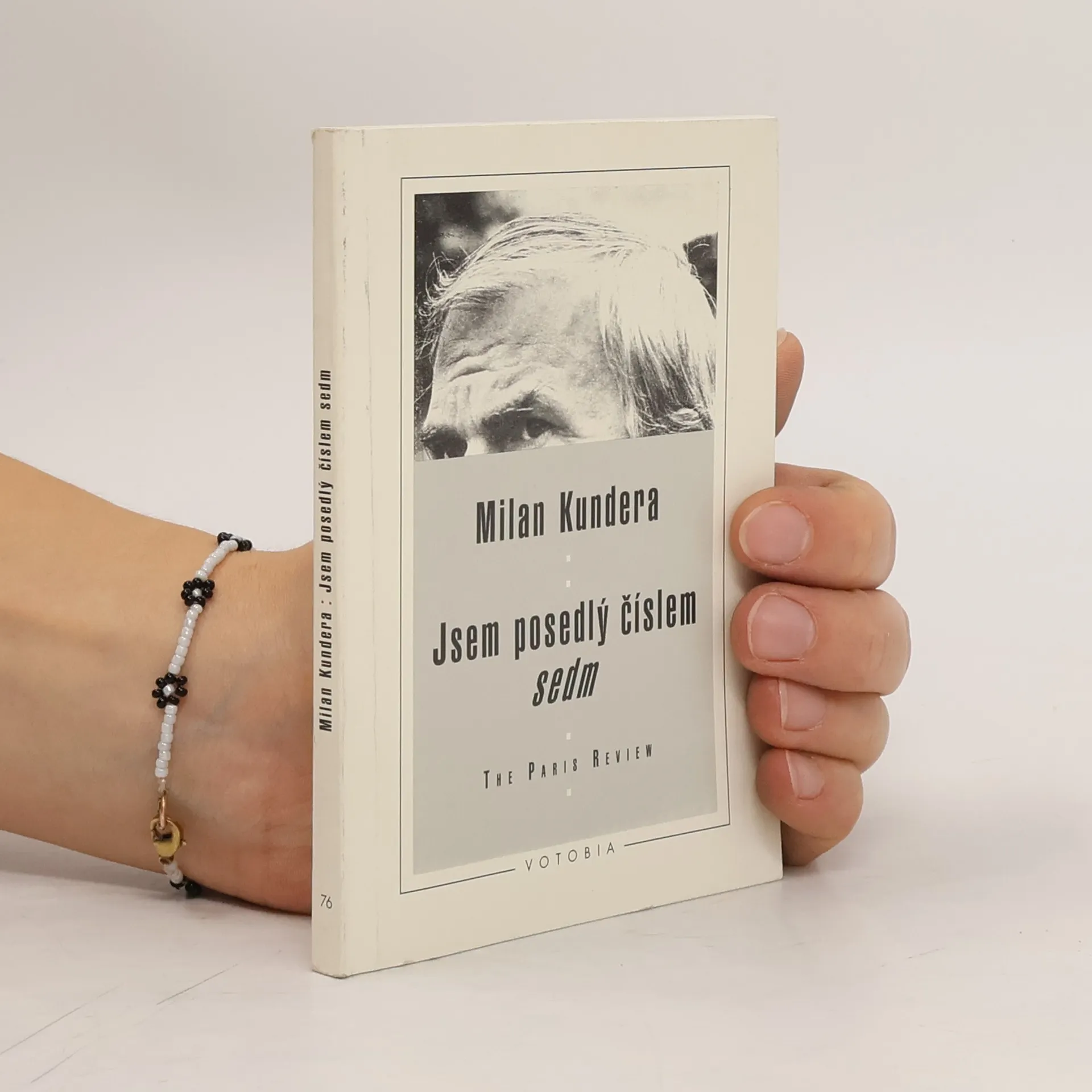
Rozhovor Christiana Salmona s Milanem Kunderou, který původně vyšel v literárním časopise The Paris Review. Je zvláštní, že v tomto rozhovoru Kundera zcela pominul svá raná díla, jako by vůbec neexistovala. Druhou část knihy tvoří studie Petra A. Bílka, která seznamuje s kritickými ohlasy na dílo Milana Kundery v anglofonní jazykové oblasti.
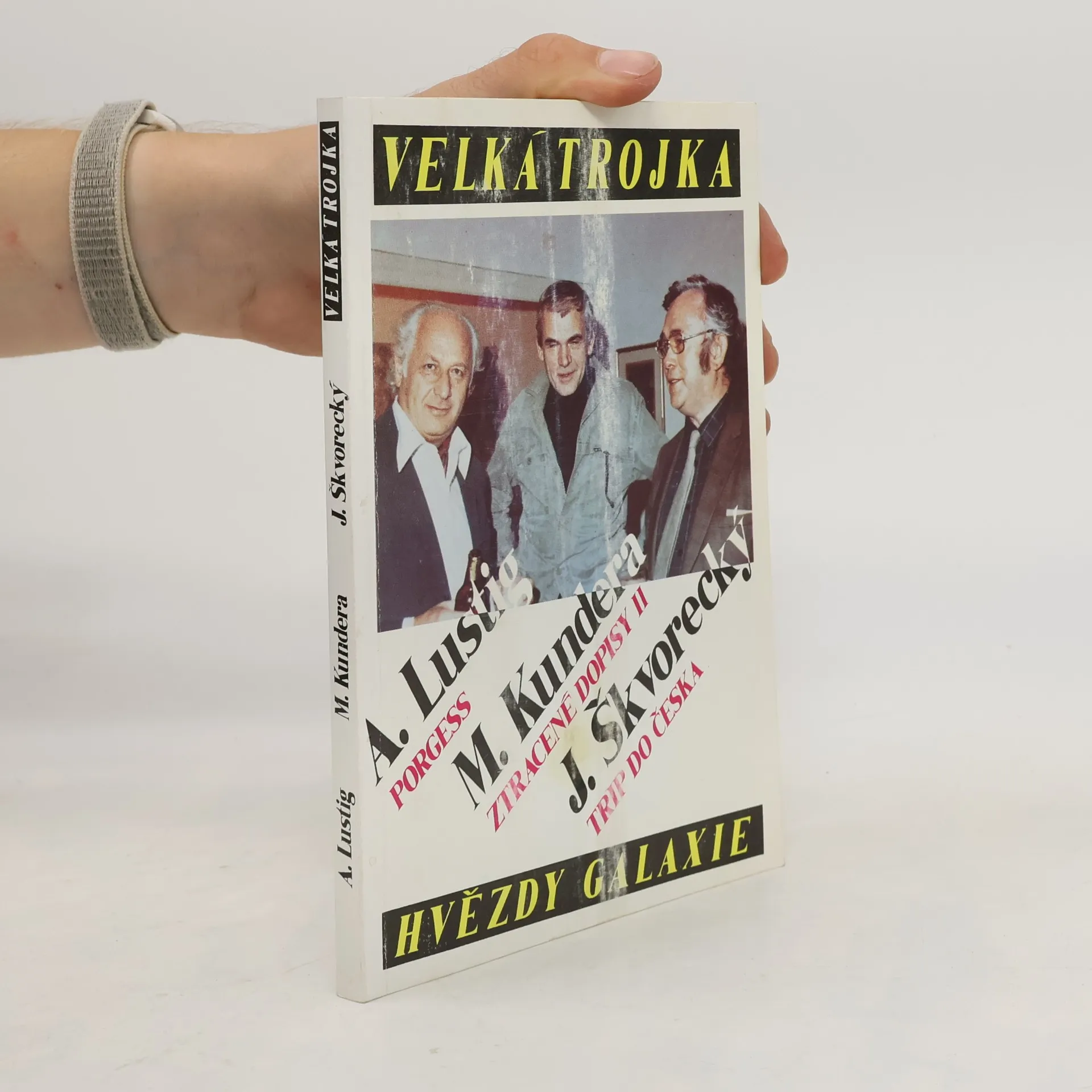
Svazek obsahuje po jedné povídce od tří významných českých spisovatelů – Arnošta Lustiga (Porgess), Milana Kundery (Ztracené dopisy) a Josefa Škvoreckého (Trip do Česka).
"The tale of a man imprisoned and reviled by his own countrymen, the Fable follows its character's decline from virulent hatred to near madness as a result of his violent frustration with the hypocrisy and banality of his fellow human beings. In part because of the story's clear link to his own case - and because of the legal and political difficulties this presented - Celine was compelled to push his famously elliptical, brilliantly vitriolic language to new and extraordinary extremes in Fable for Another Time. The resulting linguistic and stylistic innovation make this work stand out as one of the most original and revealing literary undertakings of its time."--BOOK JACKET.
Milan Kundera is one of the most popular writers of our time. His book literally fascinate the reader sophistication, style, building plot, because feelings in heroes. Each new piece by writer adds a number of best-selling intellectual prose. Kundera is back! Read the long-awaited novel the triumph of the weak, where the author, under the guise of deceptive lightness and playful tone, talks about the unbearable the absurdity of existence.
Sbírka veršů, tematicky rozdělena do pěti celků, obsahuje básně z let 1949-53, představuje to nejotevřeji bolševické smyšlení, které MK kdy odvážil ukázat.Nastupující básník hned ve své první knize nezůstává soustředěn na sebe, ale snaží se vyslovit bohatou problematiku našeho dnešního života, věnuje pozornost lidem kolem sebe, zájmům celku. Sbírku uvádí vlastním mottem a potom následuje pět větších cyklů: Zeleň mého domova (opěvující nejenom Moravu, ale především zase lidi, kteří jediní z všedního kousku země dokáží udělat nejdražší domov a vlast), Soukromá dramata (ve kterých zachytil konflikty dnešních lidí). Od obzoru jednoho k obzoru všech (ukazující na poslání básníka), Polemické verše a Veliký pochod, cyklus, kterým se vrací do doby okupace, slovenského povstání, dělnických bojů, v němž poslední slokou slaví největší dny našeho lidu, kdy "psanci země naší / dali se na pochod! Dali se na pochod!"
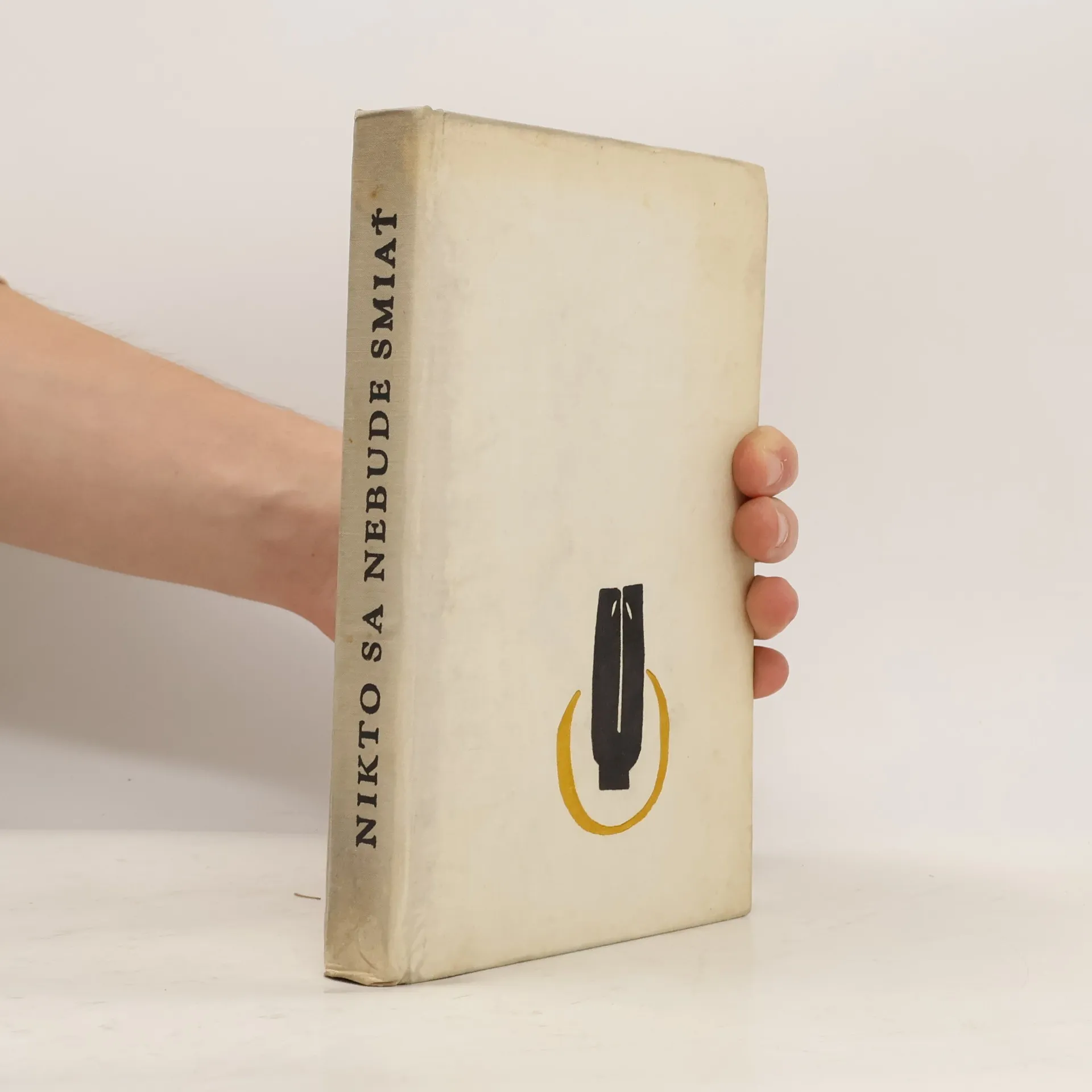
Druhé vydání tří povídek s podtitulem Tři melancholické anekdoty: Já truchlivý Bůh — Sestřičko mých sestřiček — Nikdo se nebude smát. Podle dvou povídek byly natočeny filmy: Nikdo se nebude smát (režie Hynek Bočan, 1965) a Já truchlivý Bůh (režie Antonín Kachlík, 1969).
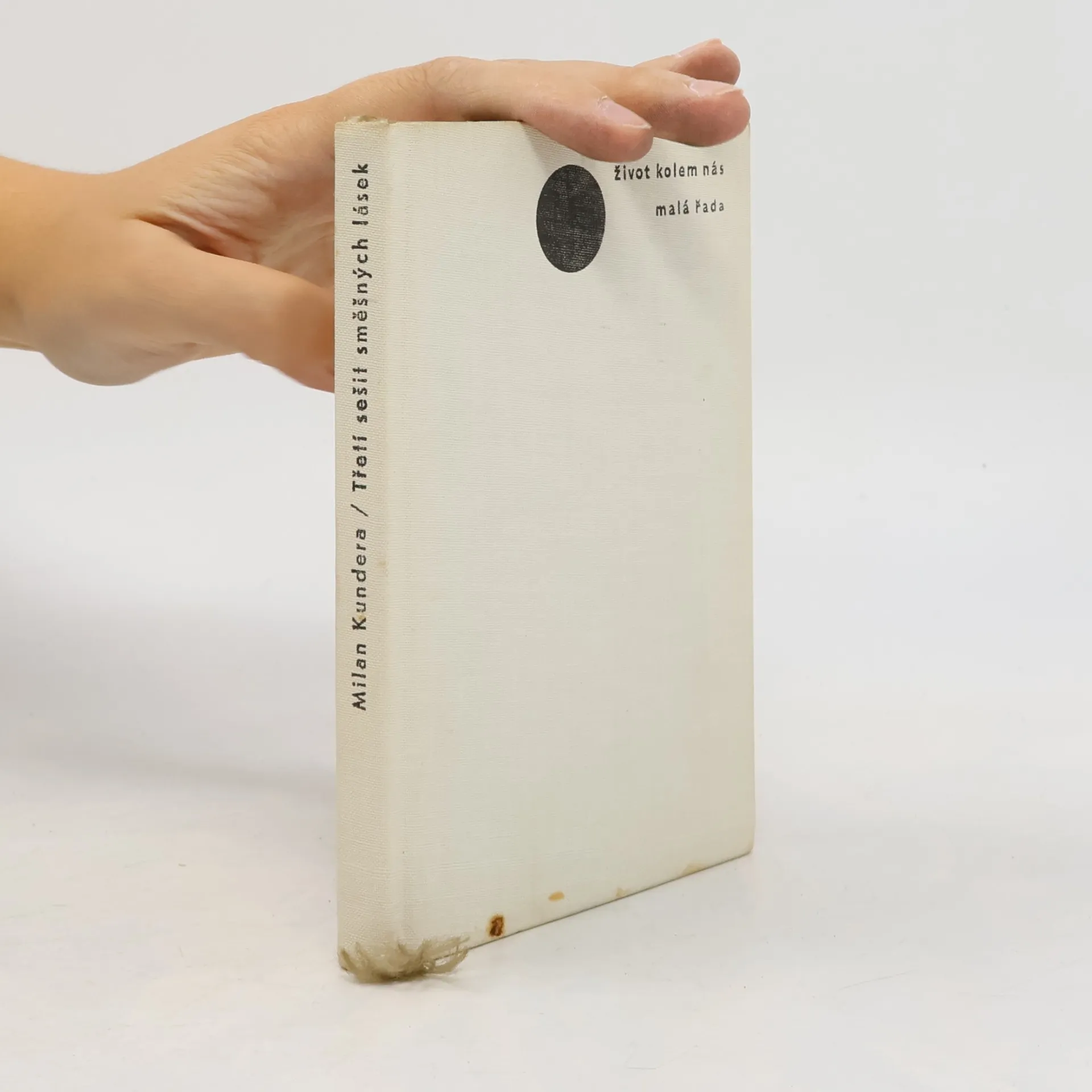
Třetí sešit směšných lásek
Obsahuje verše ze sbírek: Po nás ať přijde potopa, Radosti života, Nové verše, politické satiry, jež byly publikovány v brněnských Lidových listech a několik výpravných básní z pozůstalosti. Celé dílo vyjadřuje desiluzi nad soudobým světem a jeho prolhanou idylou, je plné ironie a skepse.Odtud pramení i forma jeho básní, které vycházejí z šansonu, kupletu.