
Explore the latest books of this year!
Bookbot

Jean Racine

    December 22, 1639 – April 21, 1699

    Jean-Baptiste Racine stands as a towering figure in 17th-century French drama, celebrated for his profound psychological insight and the stark intensity of his narratives. His dramaturgy is characterized by a focus on prevailing passions and a stripped-down approach to both plot and stagecraft. While primarily known for his tragedies, his exploration of classical themes, particularly from Greek and Roman mythology, reveals a unique engagement with enduring human conflicts. Racine's work offers a powerful and enduring examination of the human condition through the lens of classical forms.
    Jean Racine
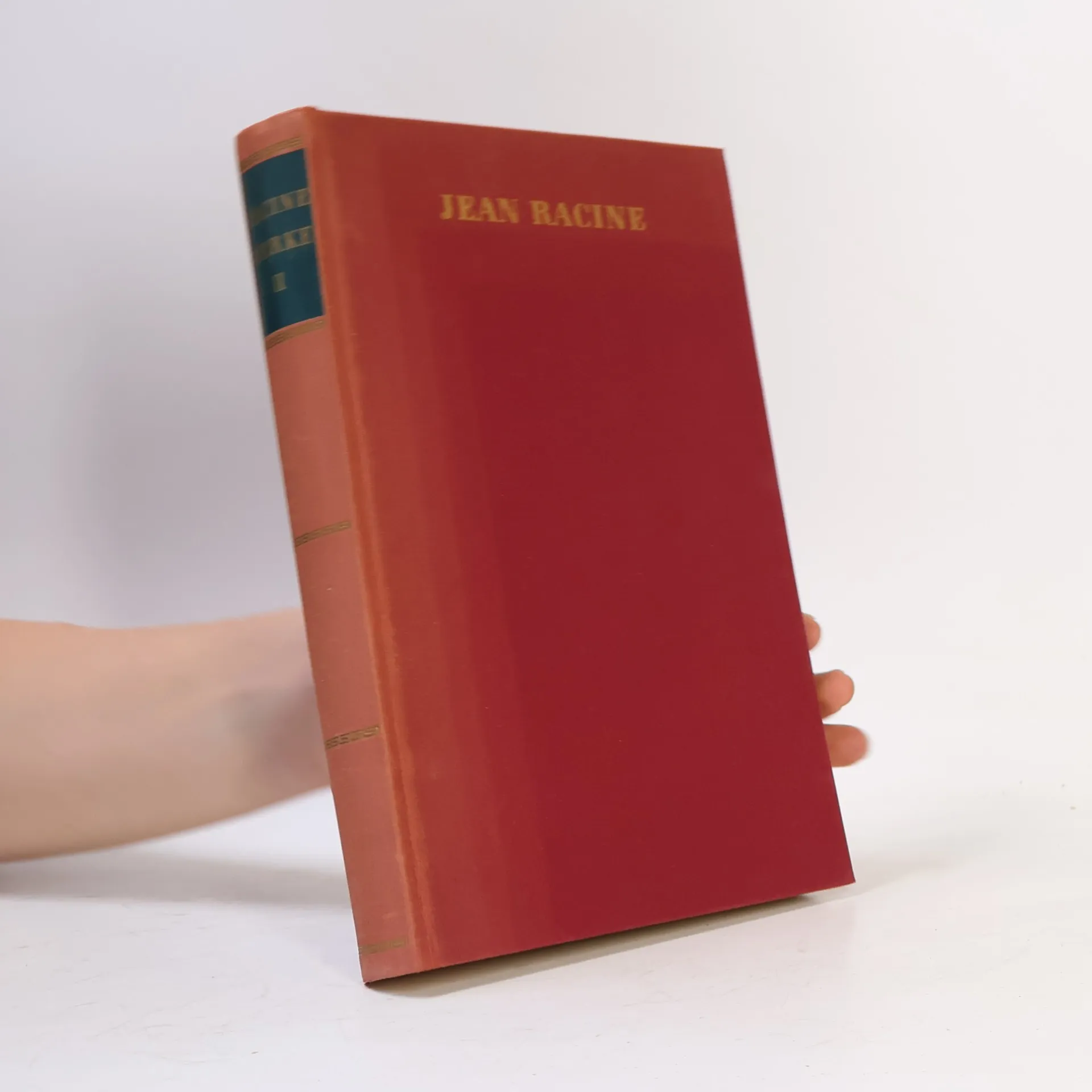
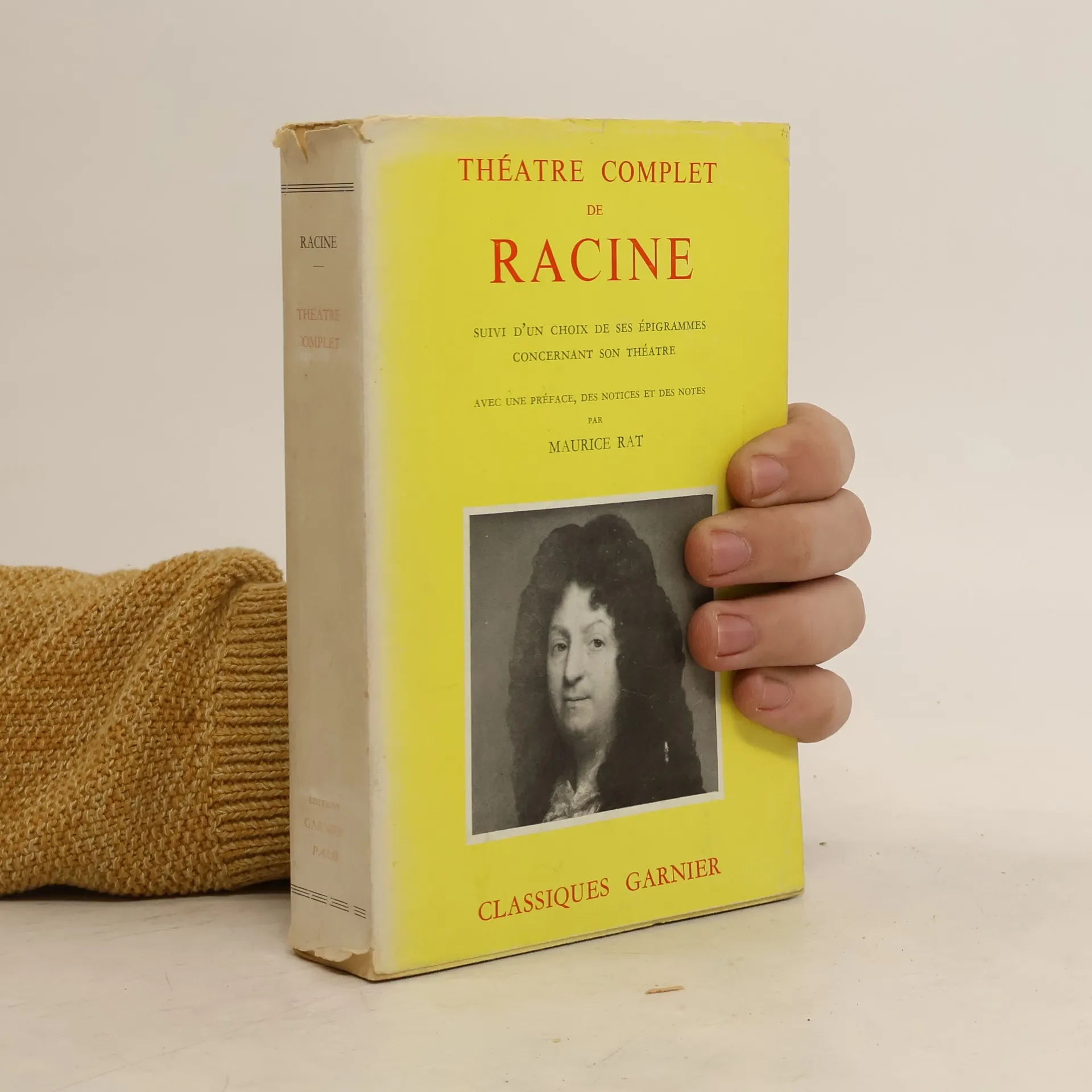
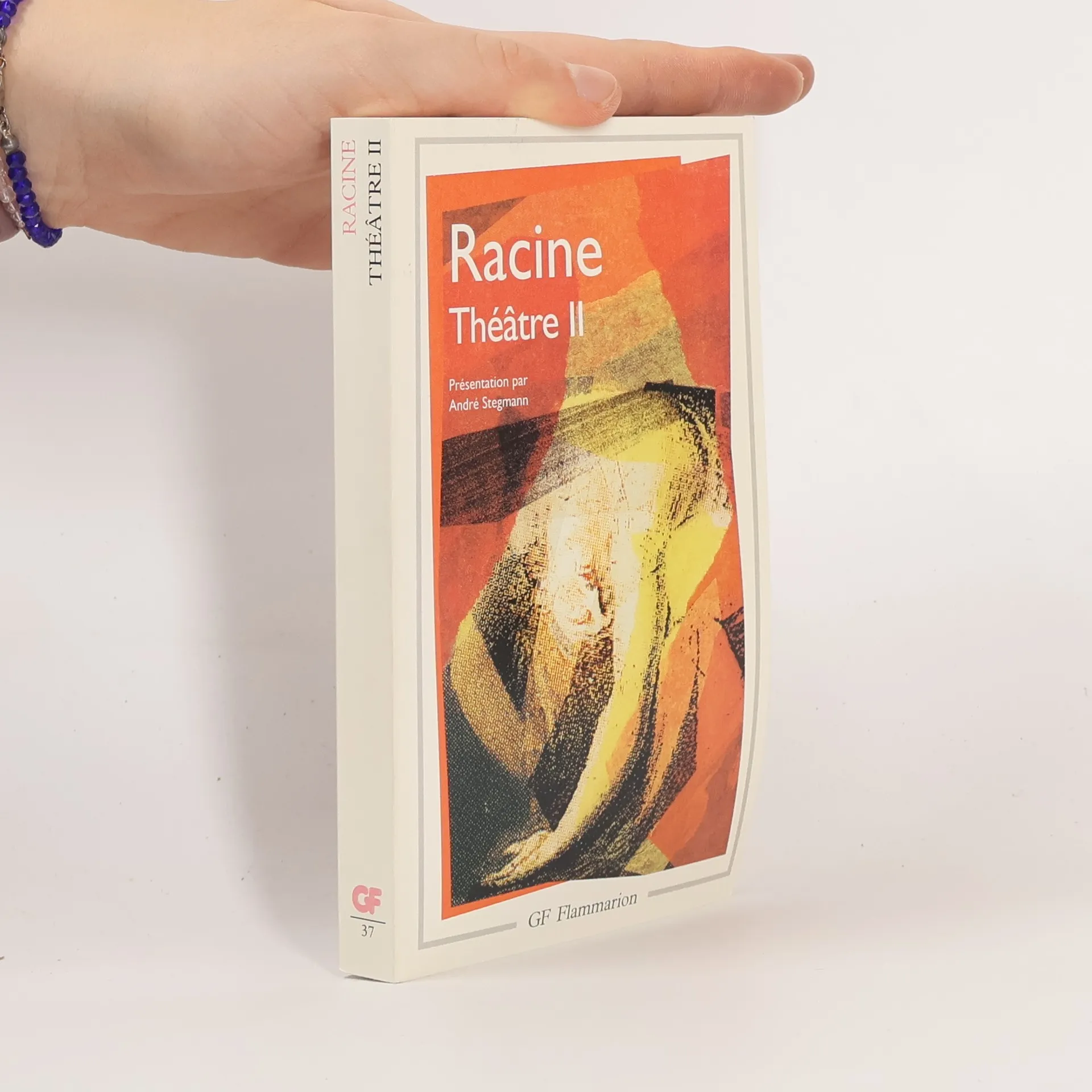
    Théâtre complet II
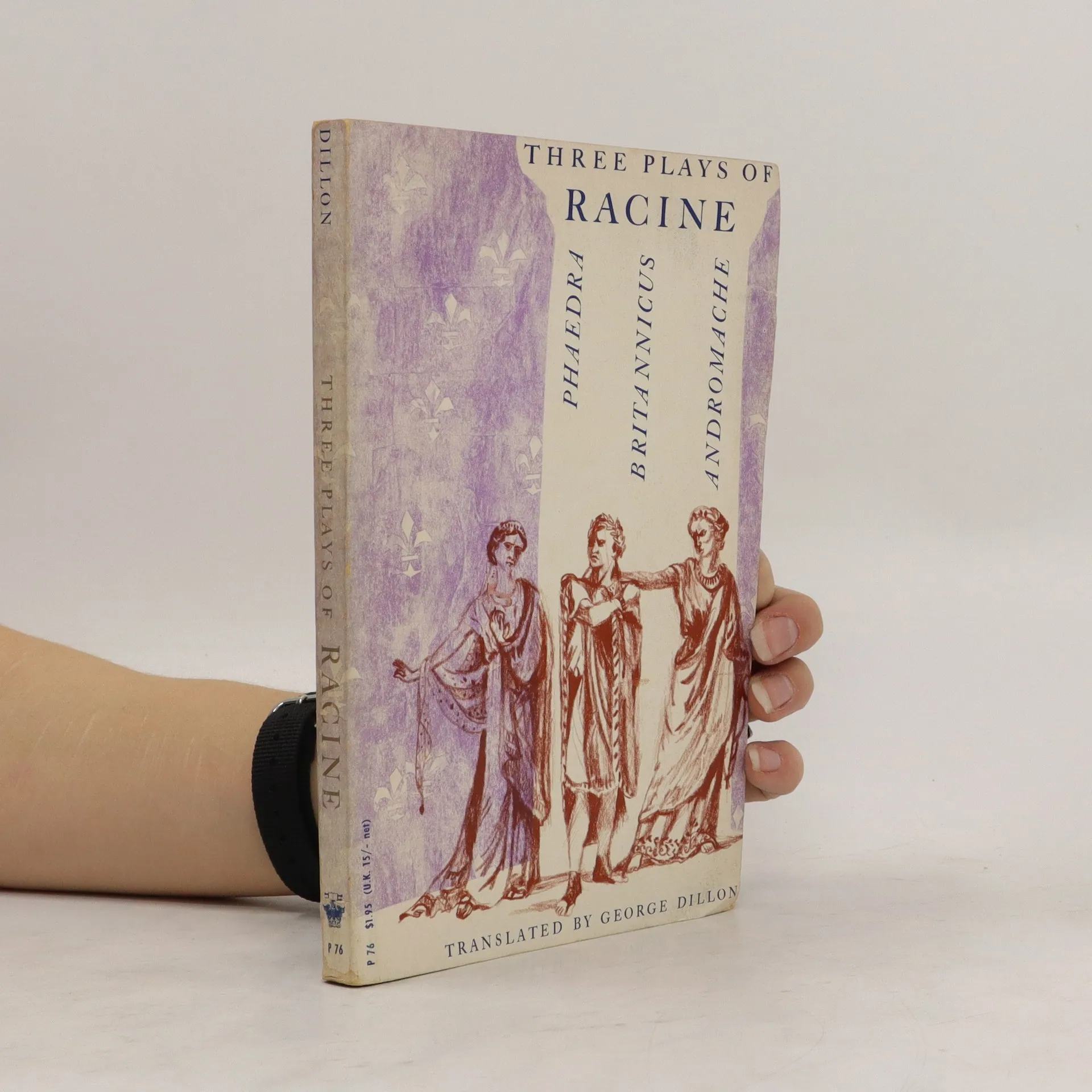
    Three Plays of Racine
    Study guide Iphigenia by Jean Racine (in-depth literary analysis and complete summary)
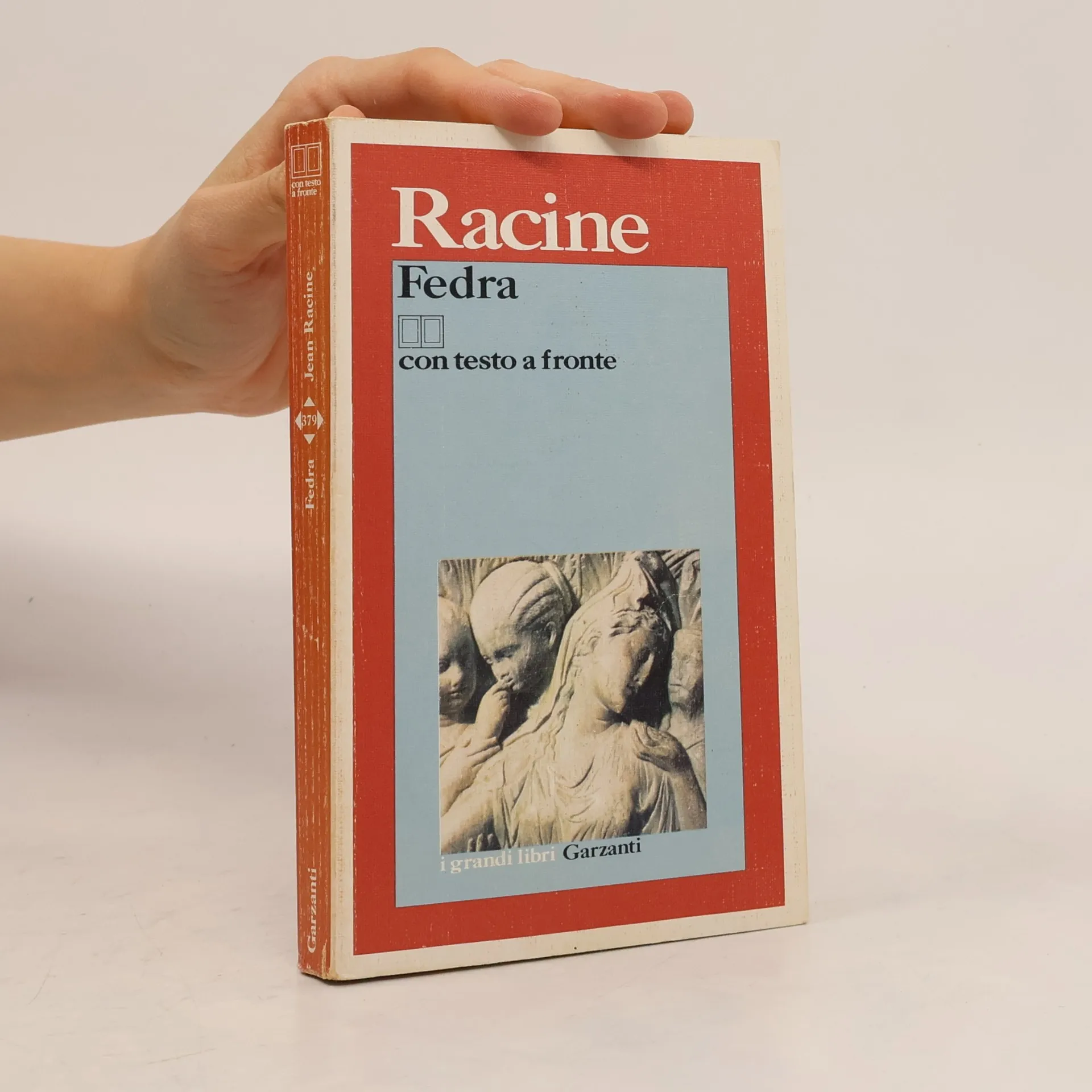
    Phaedra
    Phaedra
    Athaliah
    • Athaliah

      Translated by J. Donkersley

      • 108 pages
      • 4 hours of reading

      Set in a dramatic framework, this 1691 tragedy showcases the culmination of Jean Racine's literary genius. Critics have hailed it as a masterpiece, with comparisons to Oedipus Rex for its beauty and depth. The play is infused with themes of divine presence, earning praise for its poetic structure, which some argue surpasses Aristotelian standards. Renowned literary figures have celebrated its emotional intensity and profound moral questions, solidifying its status as Racine's final and most significant work.

      Athaliah
    • Phaedra

      • 50 pages
      • 2 hours of reading
      3.7(17665)Add rating

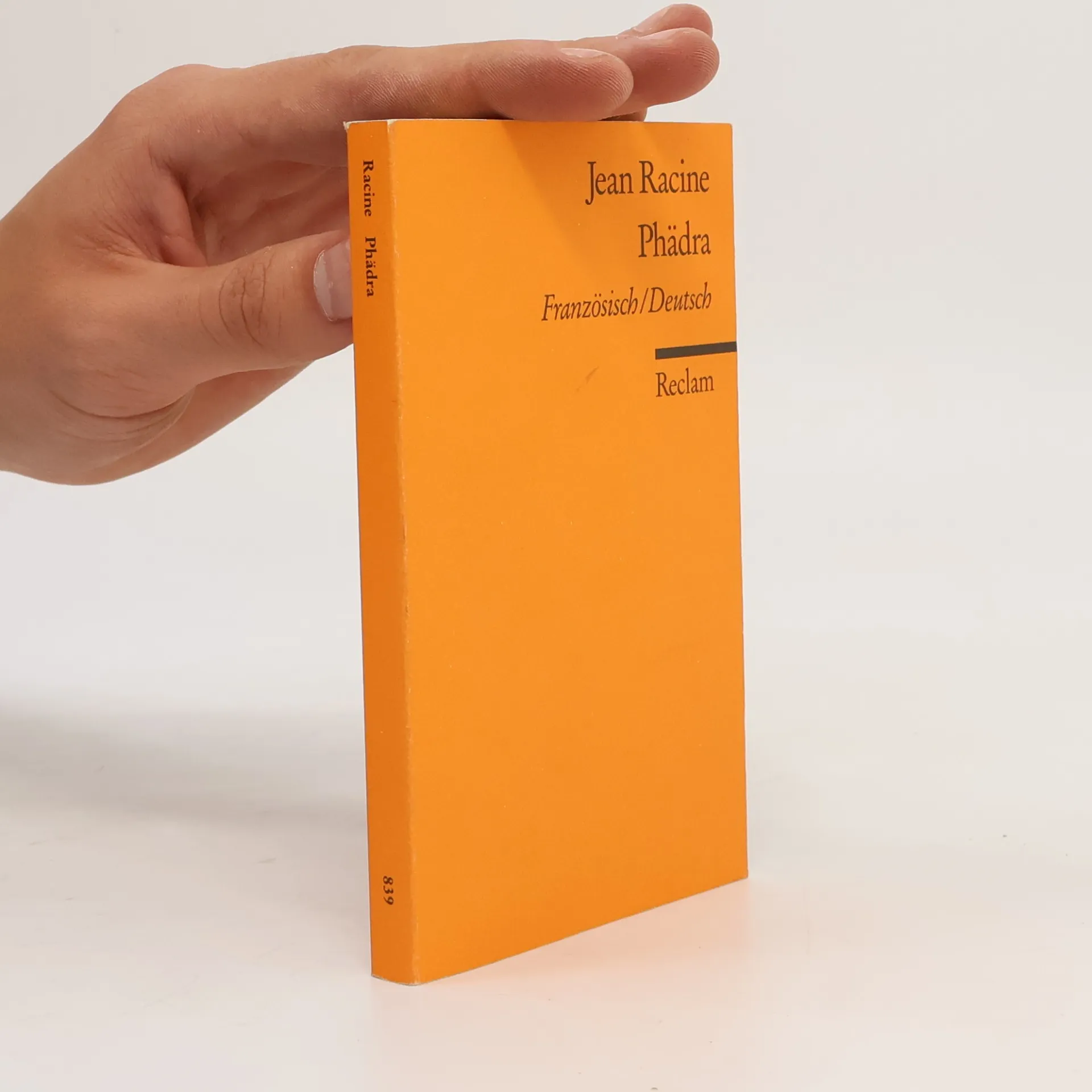
      The play explores the tragic consequences of forbidden love, centering on Phaedra, who, despite being married to Theseus, falls for his son Hippolytus. Their intertwined desires lead to devastating outcomes when Phaedra, believing her husband is dead, confesses her love. The narrative delves into themes of passion, betrayal, and the complexities of familial relationships. Celebrated as a masterpiece, it remains a significant work in French literature, showcasing Racine's mastery of poetic form and dramatic tension. This edition features a translation by Robert Bruce Boswell.

      Phaedra
    • Phaedra

      in large print

      • 88 pages
      • 4 hours of reading

      Focusing on accessibility, this work is a reproduction of a historical text published by Megali, known for its commitment to producing large print editions. This initiative aims to enhance the reading experience for individuals with impaired vision, ensuring that important historical works remain accessible to all.

      Phaedra
    • The study guide provides an in-depth exploration of Jean Racine's Iphigenia, featuring a comprehensive analysis that includes the author's biography, a scene-by-scene summary, and insights into the play's themes and literary movement. Written in clear, accessible language, it meets high-quality standards set by experienced educators, making it an invaluable resource for understanding the work's significance and impact.

      Study guide Iphigenia by Jean Racine (in-depth literary analysis and complete summary)
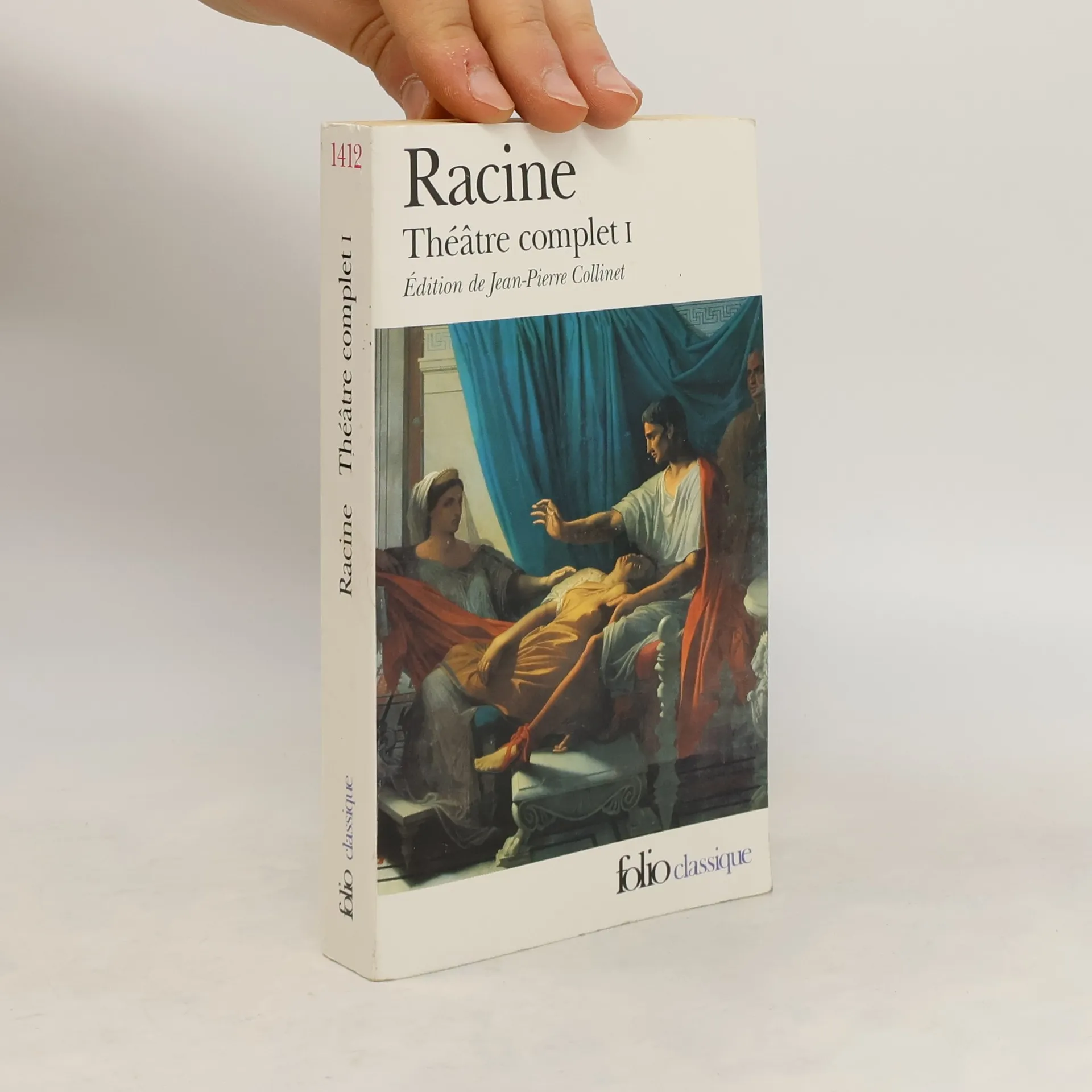
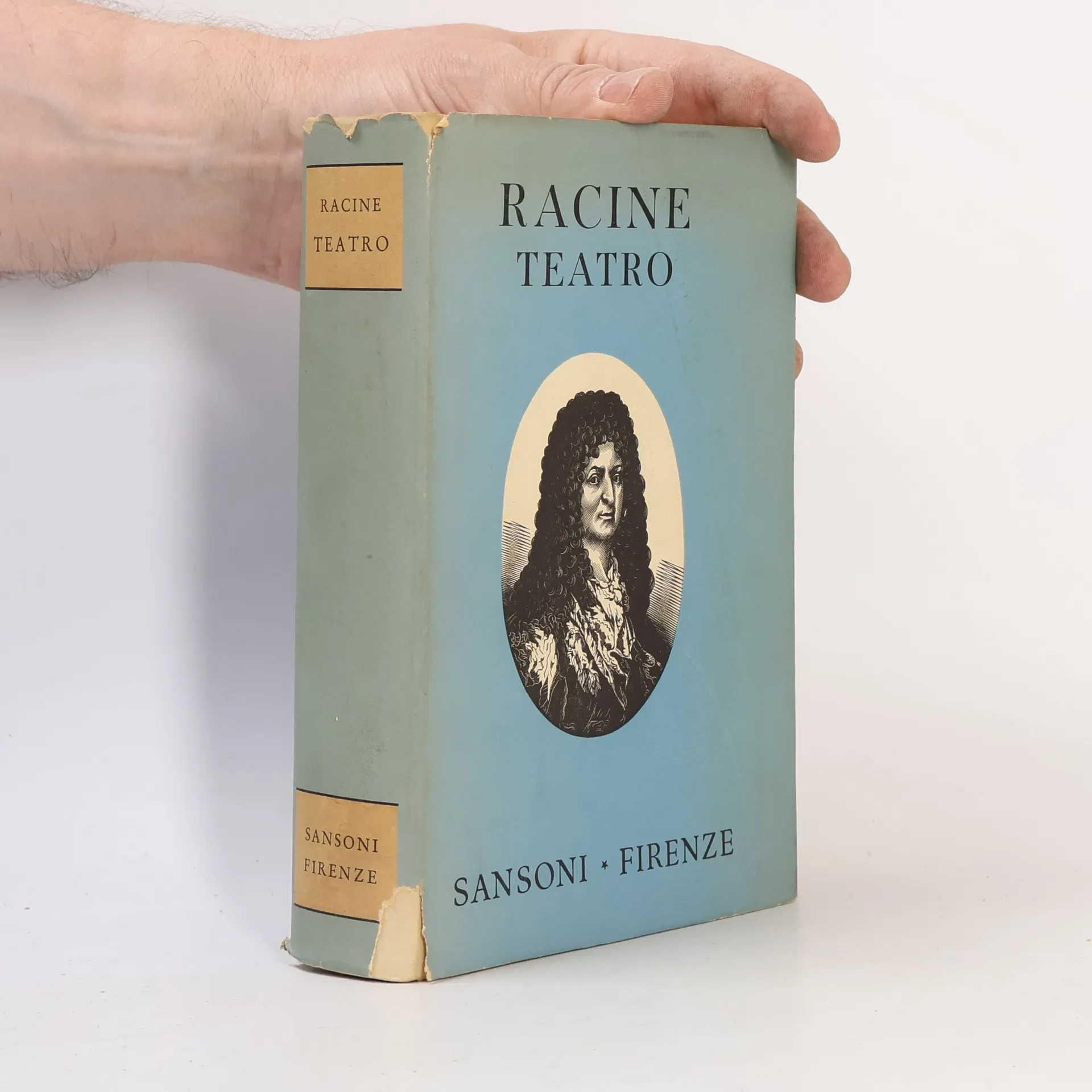
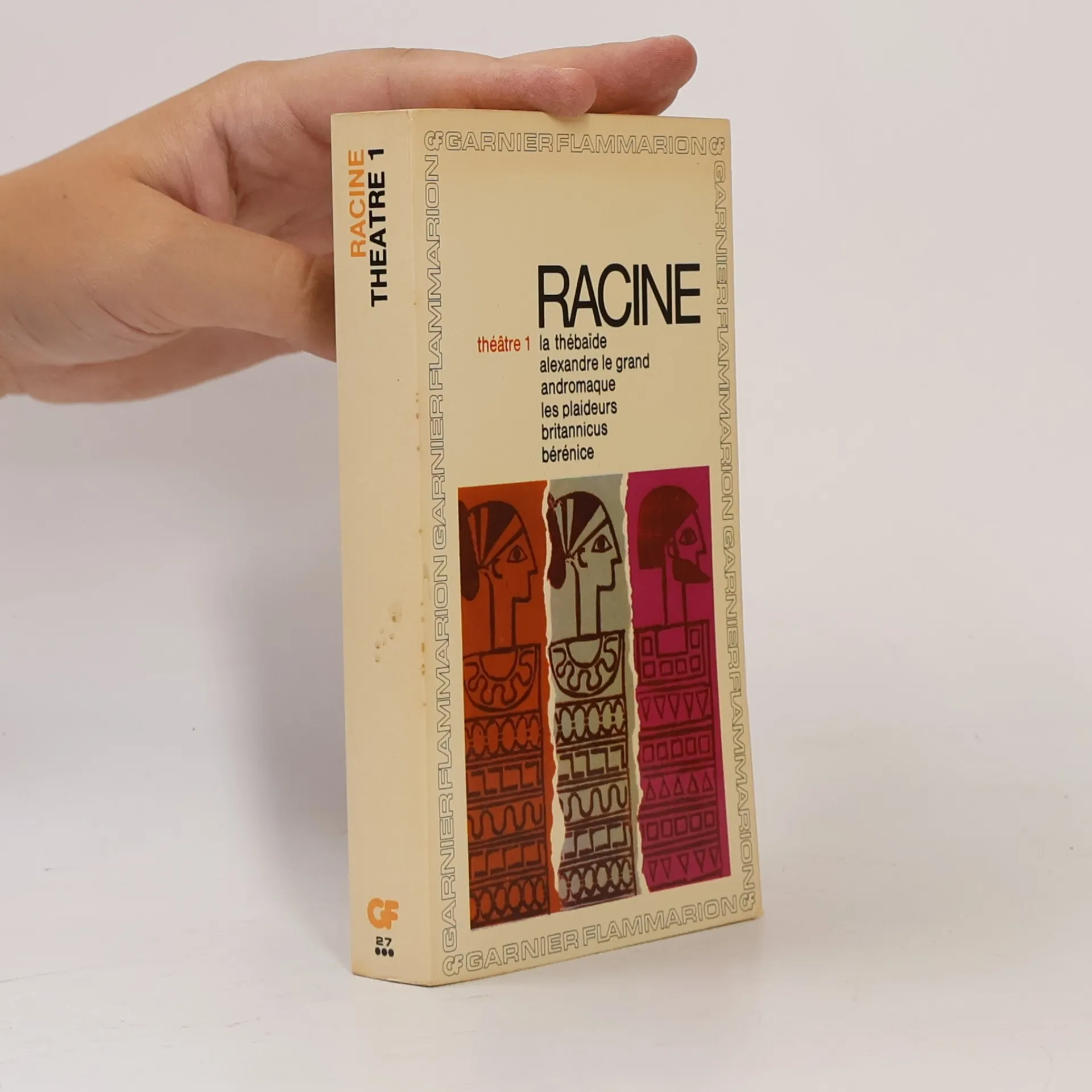
    • Théâtre complet I.

      • 526 pages
      • 19 hours of reading
      4.1(24)Add rating

      Les six pièces de Racine que contient ce volume forment le premier versant de l'œuvre, celui de la prodigieuse et presque immédiate ascension d'un écrivain vers la perfection de son art. Racine a vingt-cinq ans lorsqu'il fait représenter La Thébaïde par la troupe de Molière. L'auteur de Britannicus et de Bérénice est un homme de trente ans qui a su trouver dans la simplicité du drame et la pureté mélodieuse de la langue le moyen d'exprimer la vérité de l'émotion tragique, la douleur ou la cruauté de la passion : dès Andromaque, " tout est dans l'âme " comme on l'a dit, " rien que dans l'âme ", et dans le chant.

      Théâtre complet I.
    • Die Tragödien des Jean Racine galten in Deutschland, zumal nach Lessings gnadenlosem Verdikt, nicht nur als unspielbar, sondern auch als unübersetzbar. Schiller, der selbst eine deutsche Übertragung der "Phädra" geschaffen hat, bemerkt dazu in einem Brief an Goethe: "Wenn man in der Übersetzung (von französischen Stücken) die Manier zerstört, so bleibt zu wenig poetisch Menschliches übrig, und man behält die Manier bei und sucht die Vorzüge derselben auch in der Übersetzung geltend zu machen, so wird man das Publikum verscheuchen." Es ist das Verdienst von Simon Werle, durch eine neue Übersetzung die großen Tragödien des französischen Klassikers für das deutsche Theater entdeckt und aufführbar gemacht zu haben. Für seine Racine-Übersetzungen erhielt Werle 1988 den Paul-Celan-Preis.

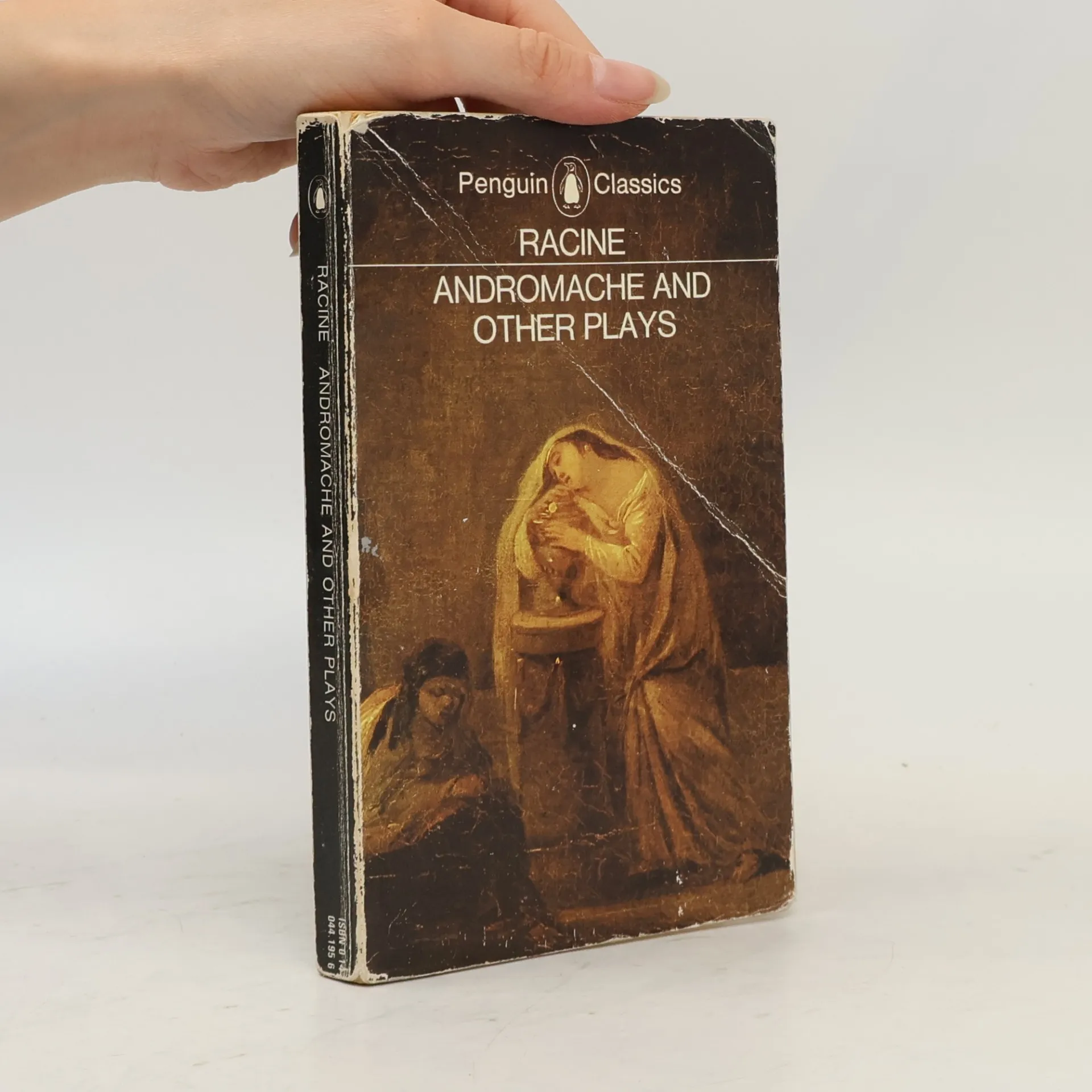
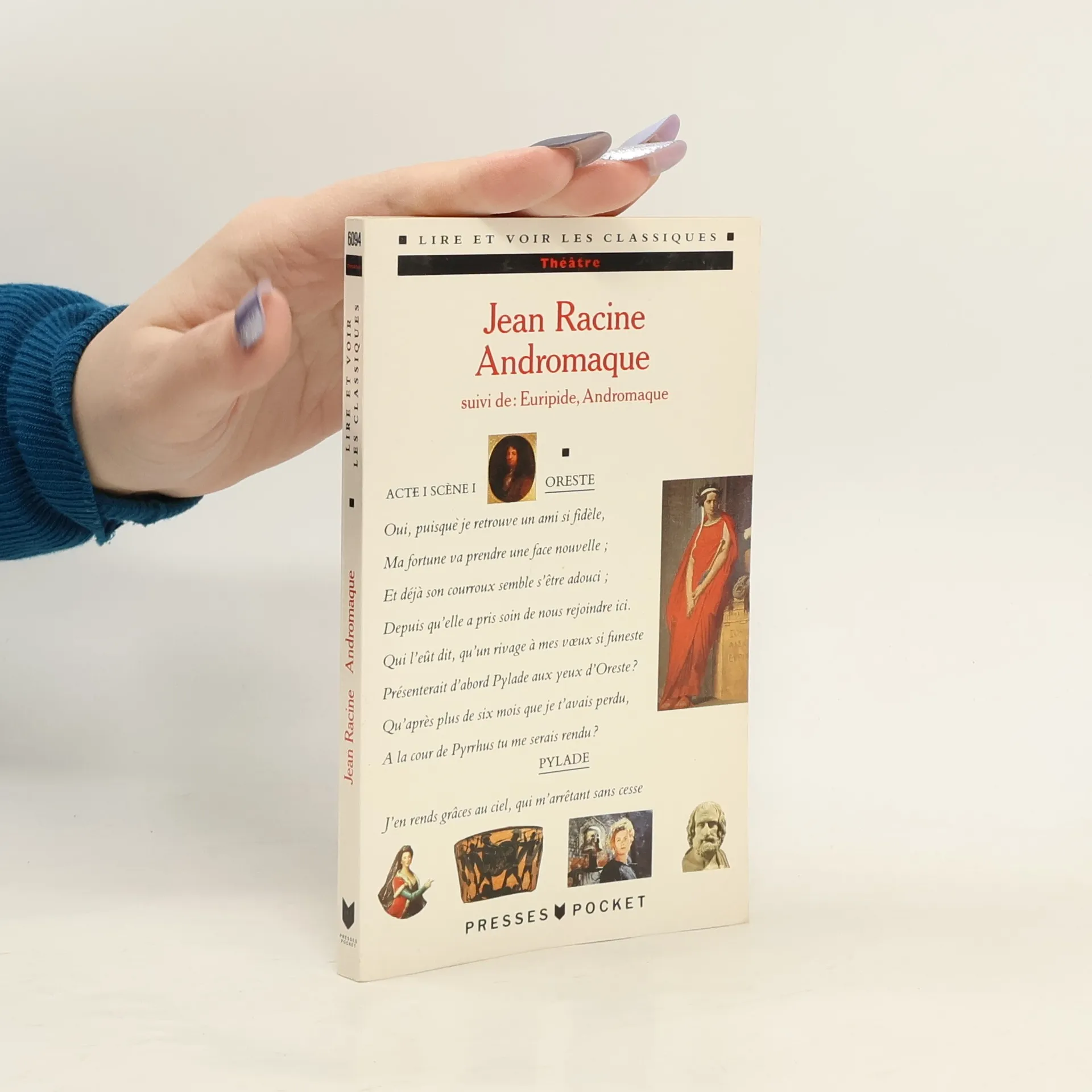
      Phädra. Andromache
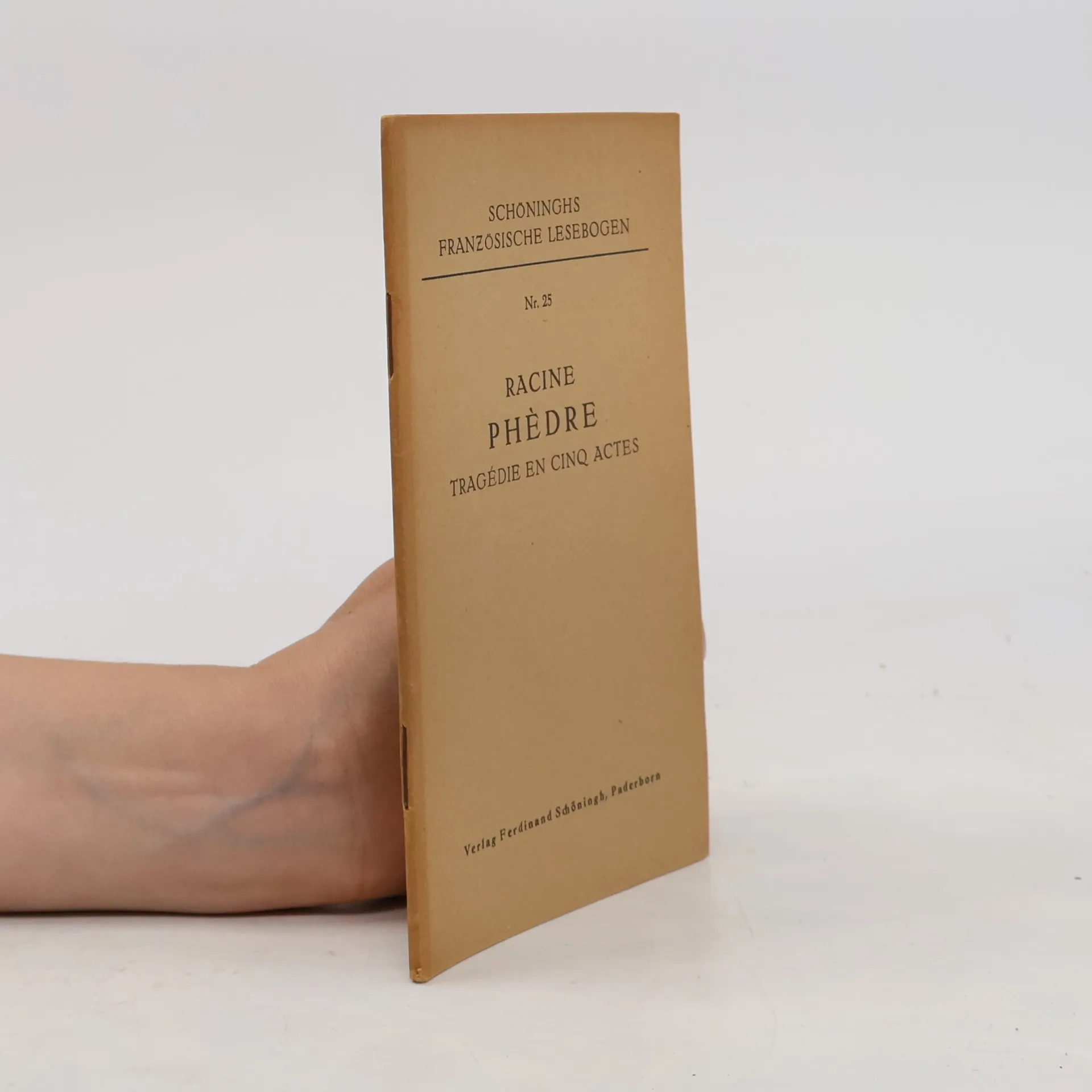
    • Phèdre. Phädra, französische Ausgabe

      • 222 pages
      • 8 hours of reading

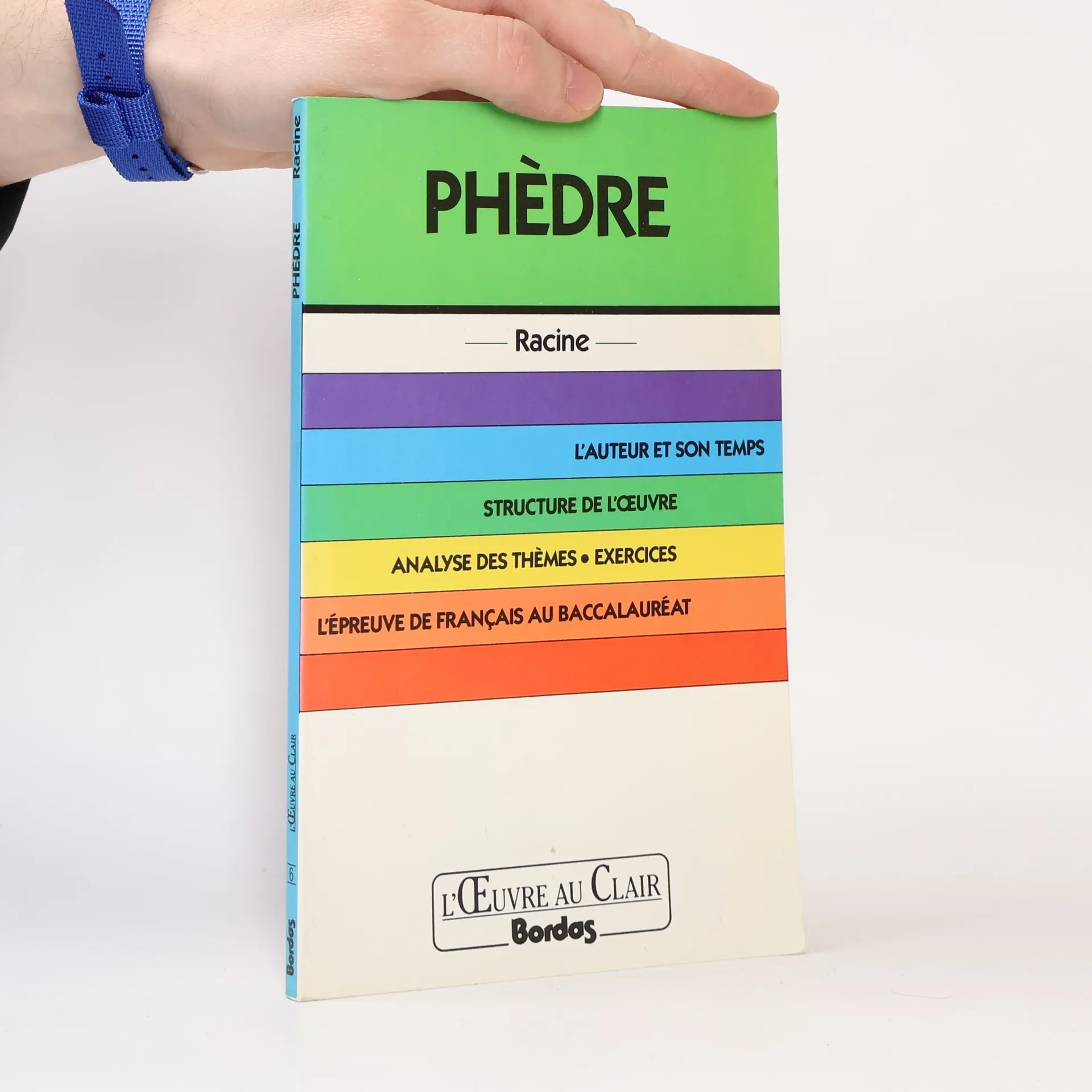
      Quel feu secret dévore Phèdre ? Qu'adviendrait-il pour peu que paraisse au jour la « flamme si noire » de son amour impur ?... En s'appropriant un des grands sujets tragiques de l'Antiquité, Racine a composé la plus sombre, la plus sublime, la plus éperdue de nos tragédies : la marche implacable et funèbre de son intrigue est comme une invite à méditer sur les fureurs du désir et de la passion, sur les monstres tapis dans les replis du labyrinthe de l'âme.

      Phèdre. Phädra, französische Ausgabe
    • Condamnée par les dieux à aimer son beau-fils Hippolyte, Phèdre se débat dans les affres d'un amour maudit. A l'annonce de la mort de Thésée, son époux, elle révèle son douloureux secret à sa suivante puis à Hippolyte lui-même. Le retour de Thésée entraînera tous les personnages vers une fin tragique et inéluctable.

      Phèdre (texte intégral et dossier)