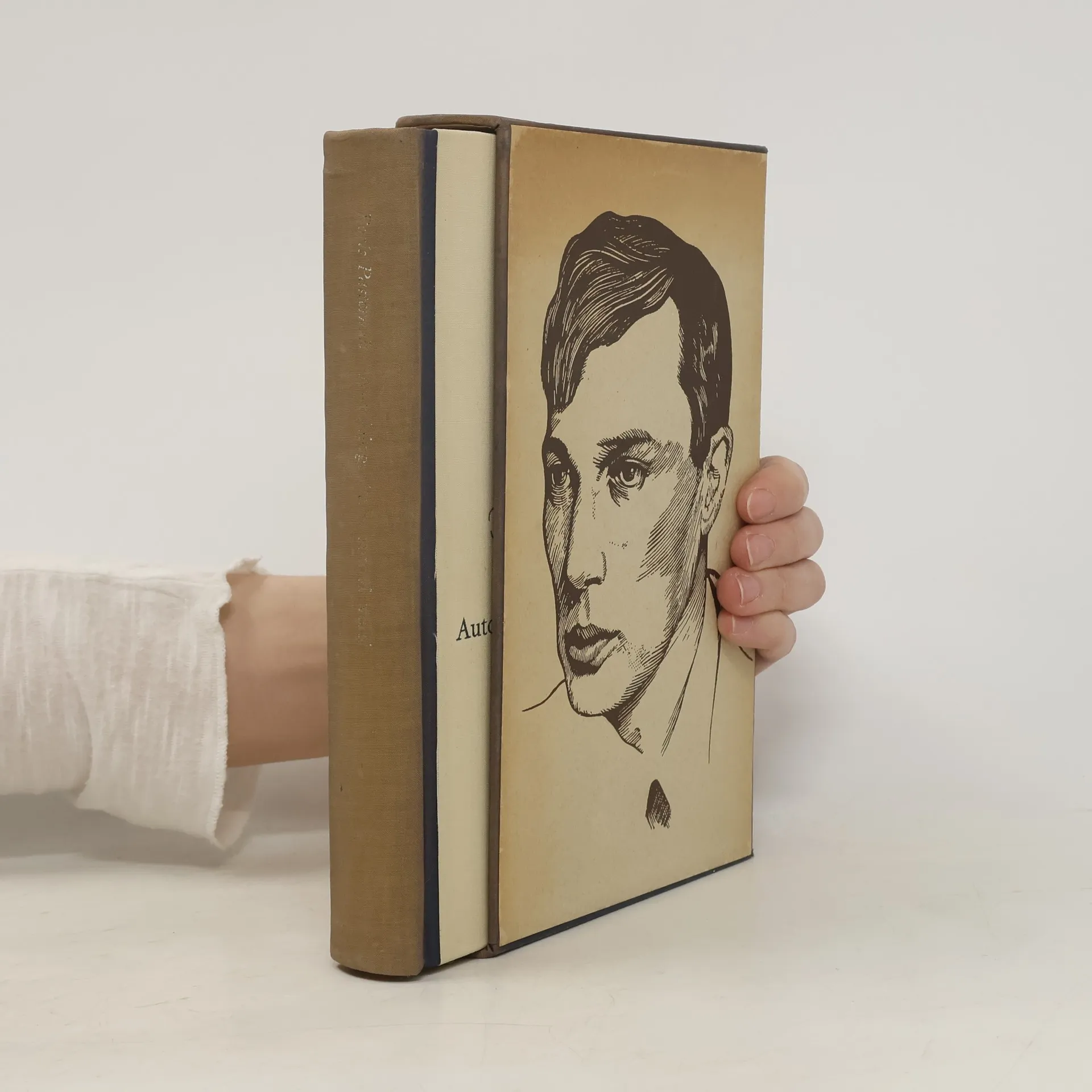
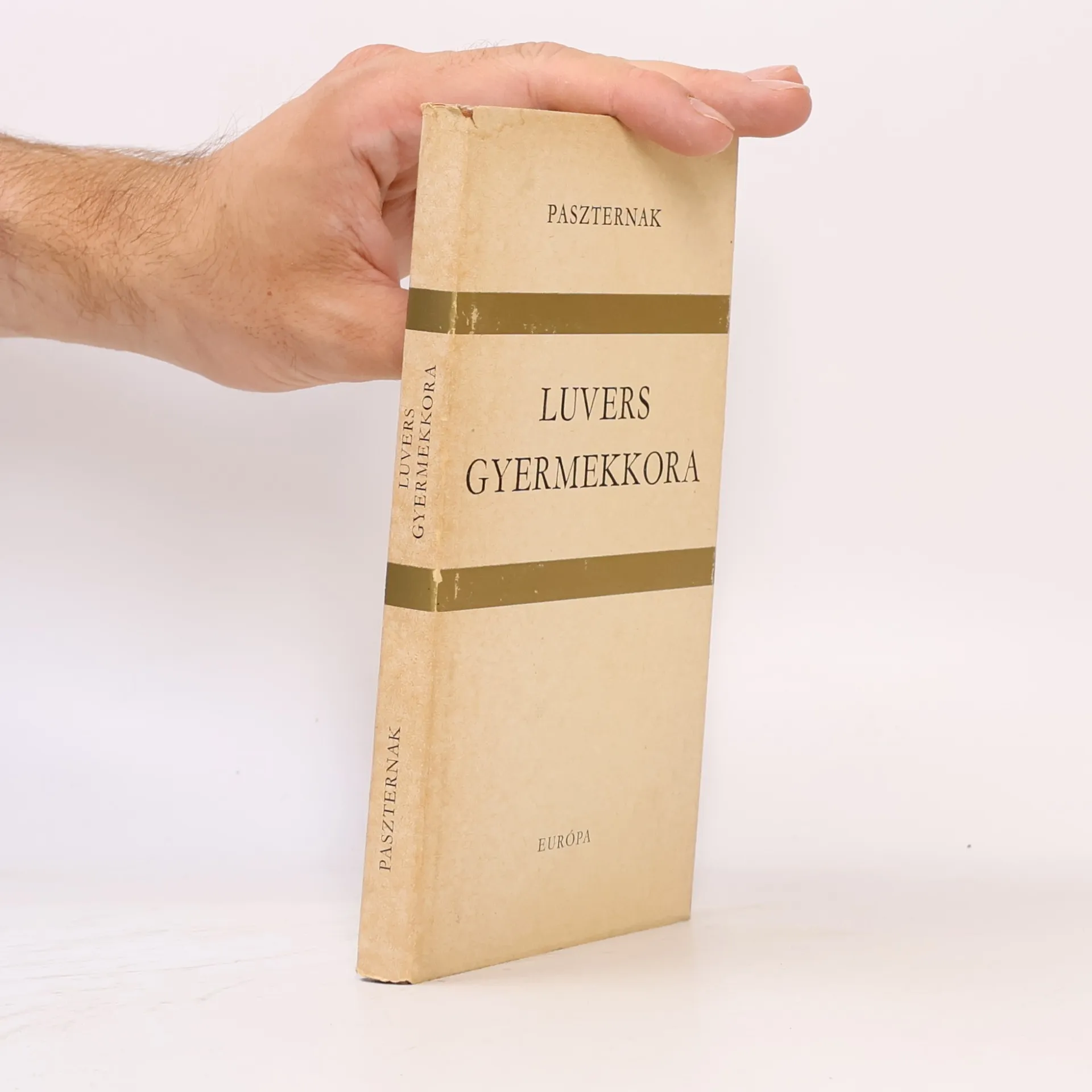
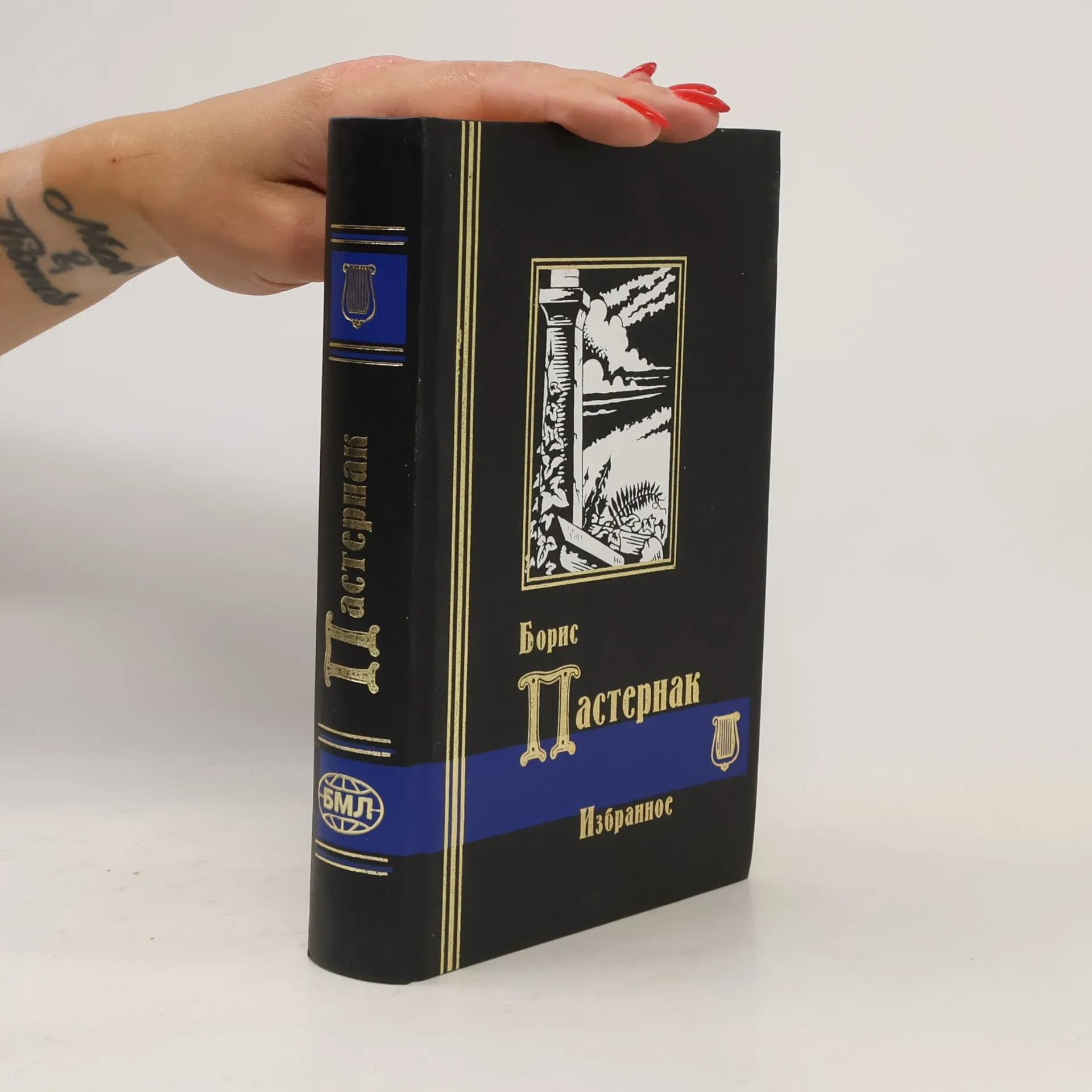
Pasternak Boris Books
Boris Pasternak was a writer whose early work revealed a profound lyrical gift and a mastery of poetic language. He transitioned from studies in music and philosophy to a dedicated literary career, producing poetry celebrated for its originality and sophisticated style. His verses often explore the depths of human emotion and the beauty of the natural world. Later, Pasternak ventured into more expansive narrative forms, culminating in a celebrated novel that offers an epic portrayal of Russian history and individual destinies.


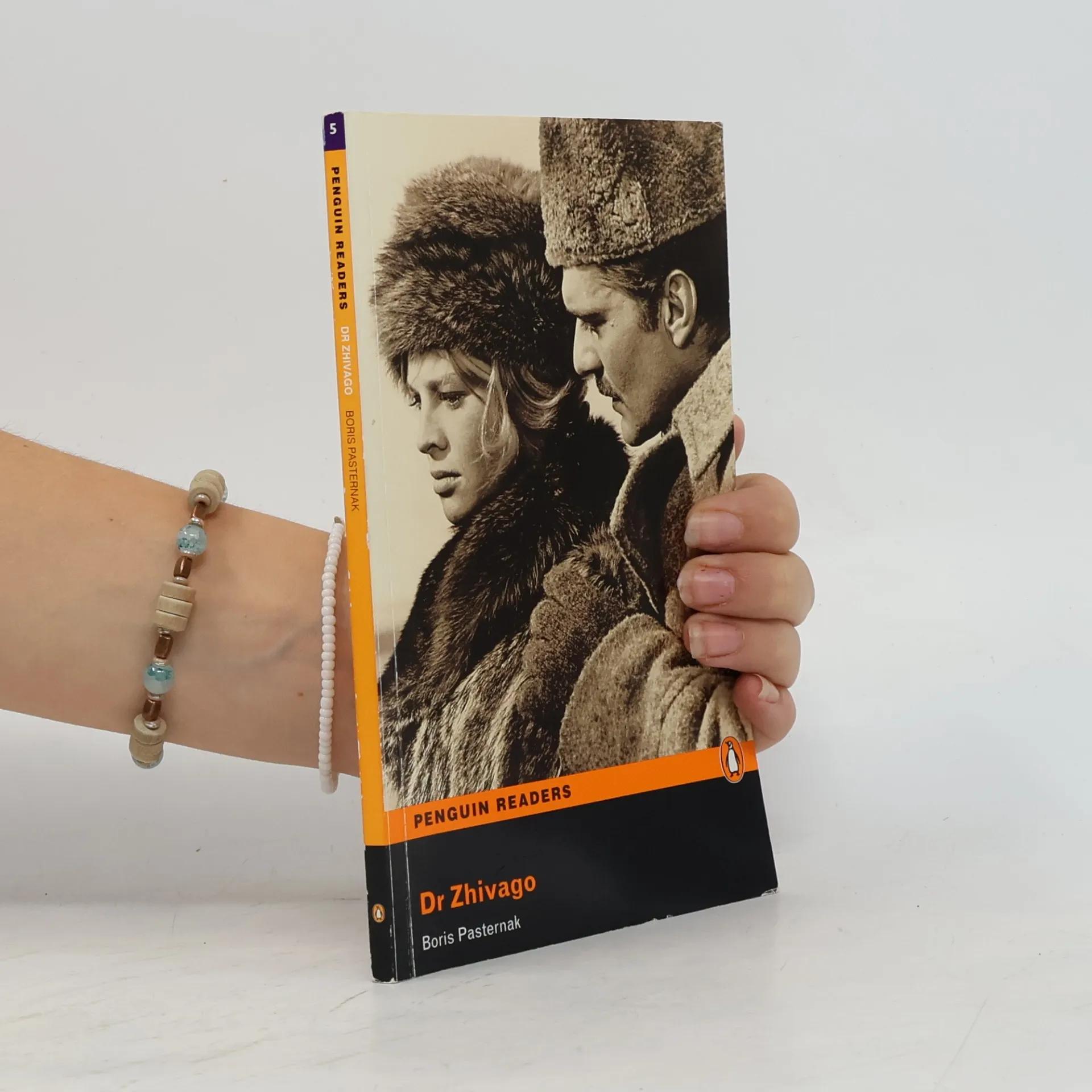
Contemporary / British English The Russian Revolution -- four young people, Yury, Tonya, Lara and Pasha, find love and lose it in this extraordinary time. Their heart-breaking stories make Dr Zhivago one of the greatest romantic books, and films, of the century.
Penguin Twentieth-Century Classics: Selected Poems
- 160 pages
- 6 hours of reading
Aleksandr Blok (1880-1921) lived through his country's savage wars and radical traumas trying to welcome the new order. Trotsky wrote, `Certainly Blok is not one of us, but he came towards us. And that is what broke him.' Pasternak said, `He is as free as the wind.'
The Last Summer
- 96 pages
- 4 hours of reading
Set in Russia during the winter of 1916, Serezha visits his married sister. Tired after a long journey, he falls into a restless sleep and half-remembers, half-dreams the incidents of the last summer of peace before the First World War 'when life appeared to pay heed to individuals'. As tutor in a wealthy, unsettled Moscow household he focuses his intense romanticism on Mrs Arild, his employer's paid companion, while spending his nights with the prostitute Sashka.
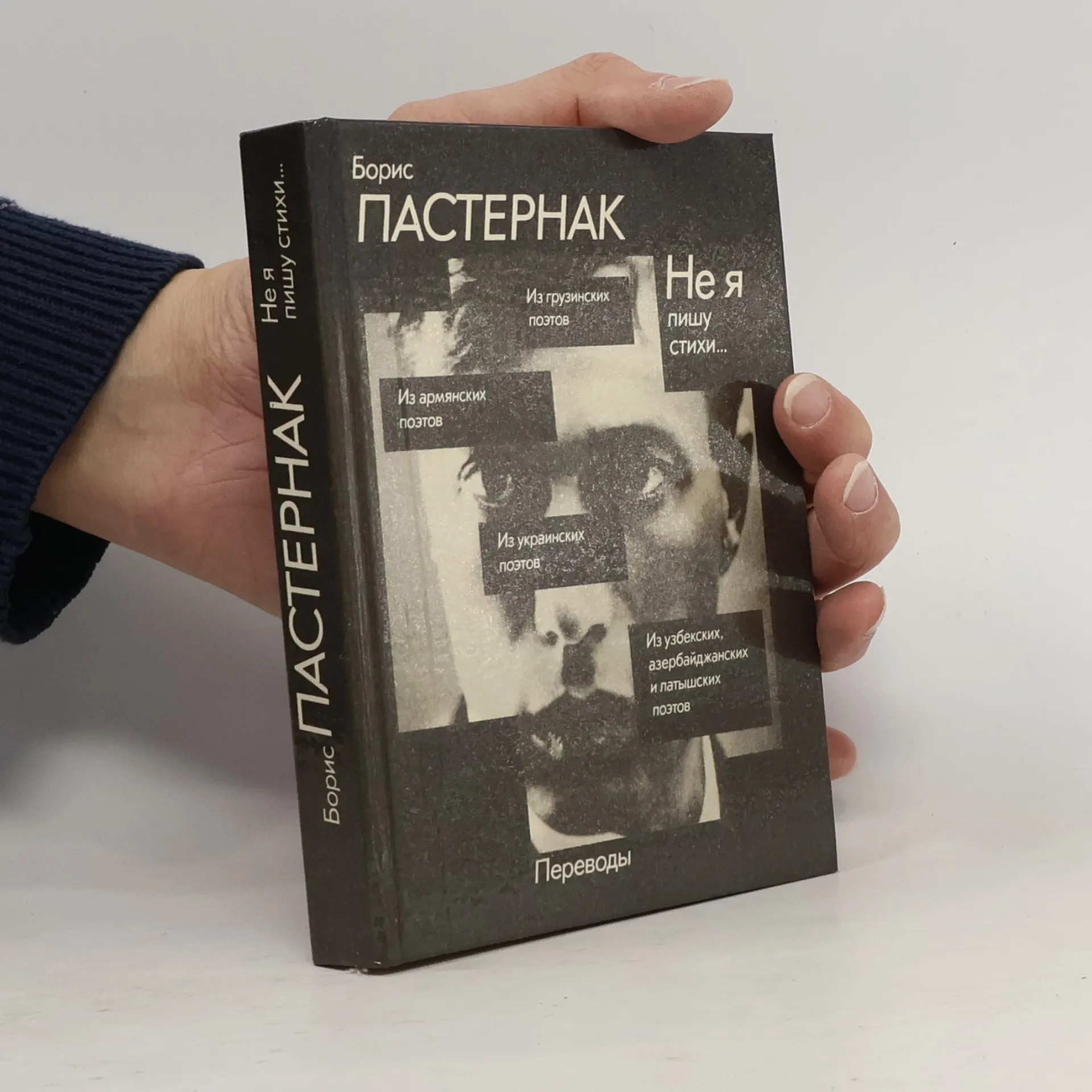
У поэта особое видение мира. Поэт находит особые слова, чтобы его выразить. Поэт облекает свои мысли в особую форму. Порой поэту становится тесно в рамках стиха. Тогда на свет рождается Проза Поэта.
Высокая болезнь
- 251 pages
- 9 hours of reading
"Мы были музыкой во льду..." - так обозначил Пастернак судьбу поколения, которому в 20-е годы пришлось "от лирики переходить к эпосу". Именно тогда им были созданы большие вещи, насквозь проникнутые революционной стихией: поэмы "Высокая болезнь", "Девятьсот пятый год", "Лейтенант Шмидт". Эпического жанра требовало время, и Пастернак этот вызов принял. Но "музыка во льду" - лирика, "высокая болезнь", потребность "индивидуальной повести" - жила все это время в зреющем романе в стихах "Спекторский". "Это возвращение на старые поэтические рельсы поезда, сошедшего с рельс и шесть лет валявшегося под откосом", - писал Пастернак О. Мандельштаму еще в начале 1925 года. И пять лет "Спекторский" был той самой "музыкой во льду", которая в начале 30-х, оттаяв, стала неудержимой лирической рекой "Второго рождения". В книгу включена и повесть "Охранная грамота", которая контрапунктом показывает жизнь самого автора на фоне событий, происходящих в поэмах. Законченная в 1930 году, в год смерти Маяковского, которого Пастернак называл "близнецом в тучах", она стала как бы прощанием с целой эпохой накануне нового творческого взлета. reply | flag *
Малое собрание сочинений
- 718 pages
- 26 hours of reading
В настоящее издание Бориса Пастернака вошли стихотворения 1912−1959 годов, а также роман «Доктор Живаго».Величайший лирик ХХ столетия, Пастернак от ошеломляющей избыточной метафоричности стихотворений 1910−1920-х годов приходит к не менее ошеломляющей и органичной свободе самовыражения книг «Второе рождение» и «На ранних поездах», достигнув затем в «Стихотворениях Юрия Живаго» и книге «Когда разгуляется» того провидческого состояния, когда «язык, родина и вместилище красоты и смысла, сам начинает думать и говорить за человека...».В 1958 году Б. Пастернак был удостоен Нобелевской премии «за значительные достижения в современной лирической поэзии, а также за продолжение традиций великого русского эпического романа». «Я весь мир заставил плакать над красой земли моей», — написал Пастернак о своем «Докторе Живаго». Роман, ставший причиной постыдного политического скандала, быть может, стоил писателю жизни...
Poesia e vita
lettere a scrittori, poeti, uomini di cultura ed alla moglie Zinaida Nejgauz
- 185 pages
- 7 hours of reading
В том входят поэтические произведения Б.Л.Пастернака 1931-1959 гг. (Стихотворения из книги "На ранних поездах", "Когда разгуляется"), а также избранные переводы.
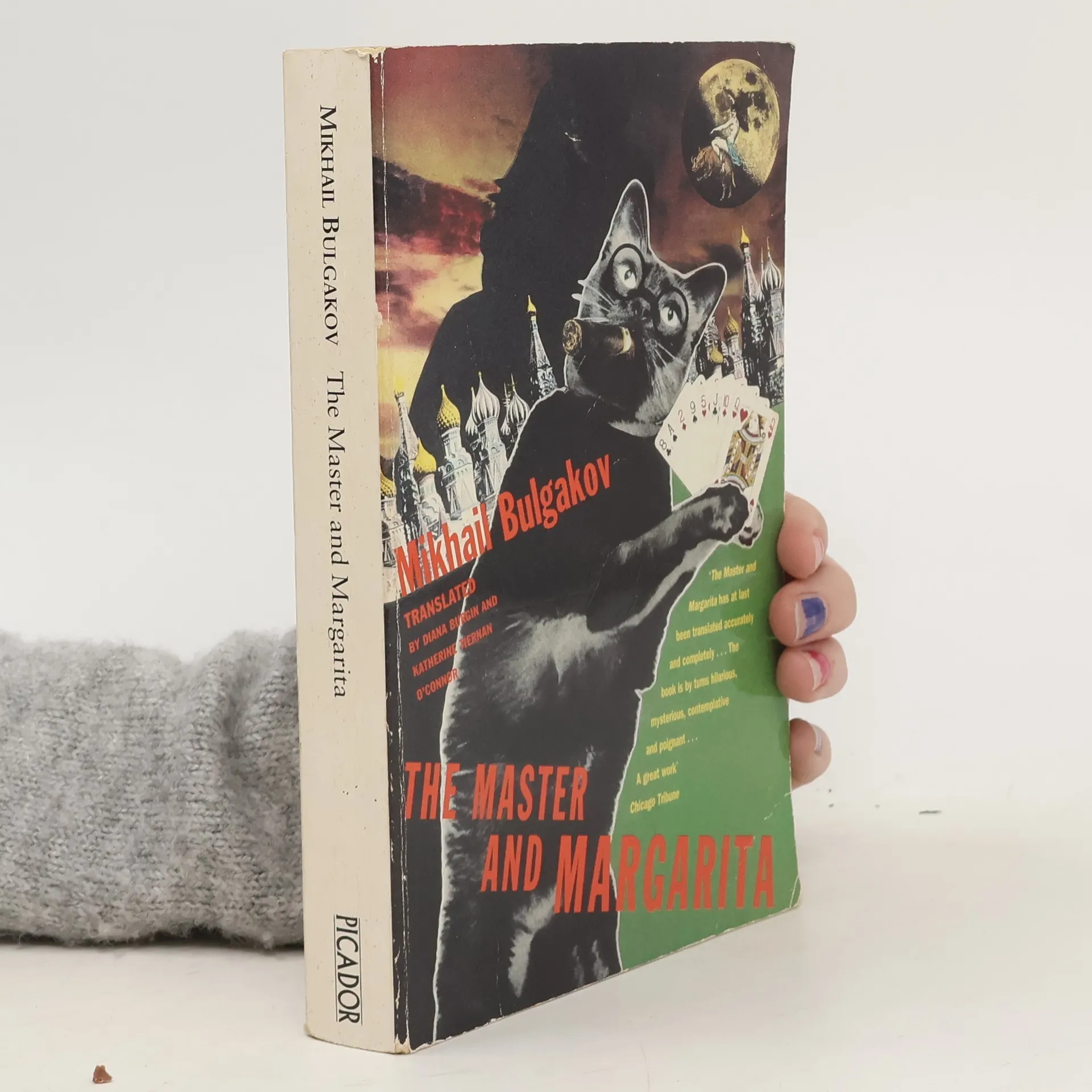
The Master and Margarita
- 384 pages
- 14 hours of reading
A new translation of Bulgakov's novel which also includes a commentary and afterword that provide new insights into the subtext of the novel.
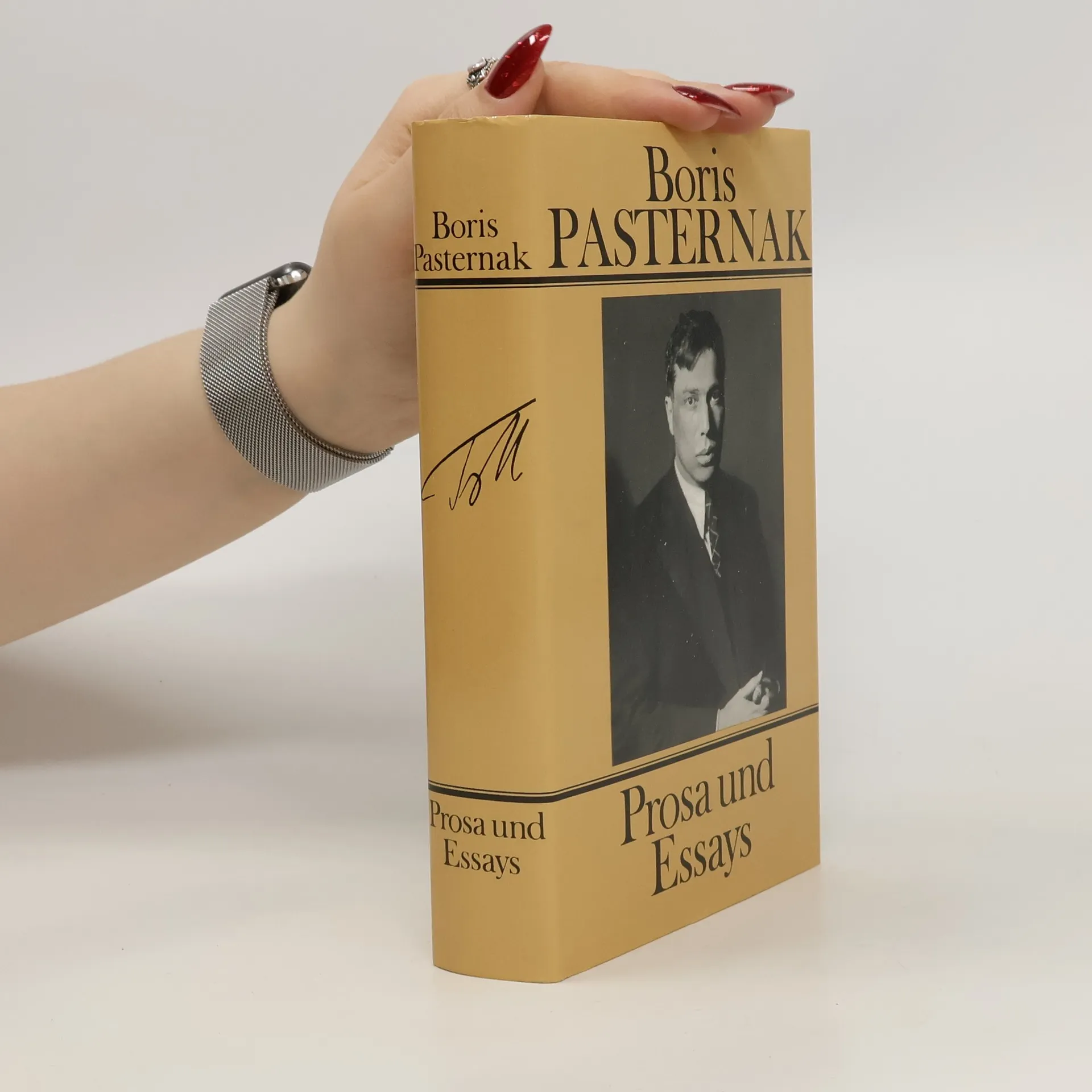
Prosa und Essays
- 684 pages
- 24 hours of reading
Hrsg. von Fritz Mierau, umfasst die gesammelten Werke in Einzelbänden mit insgesamt 684 Seiten.
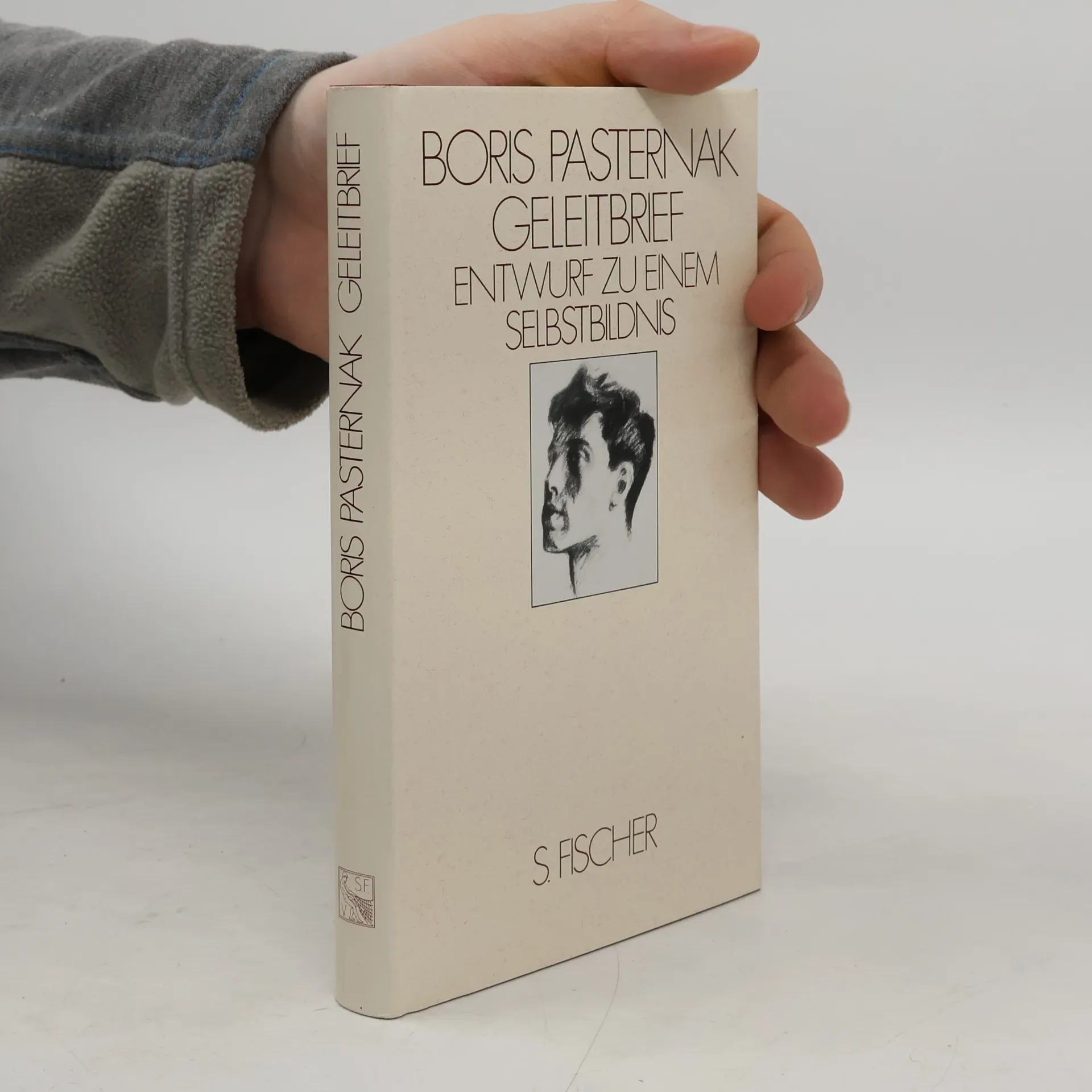
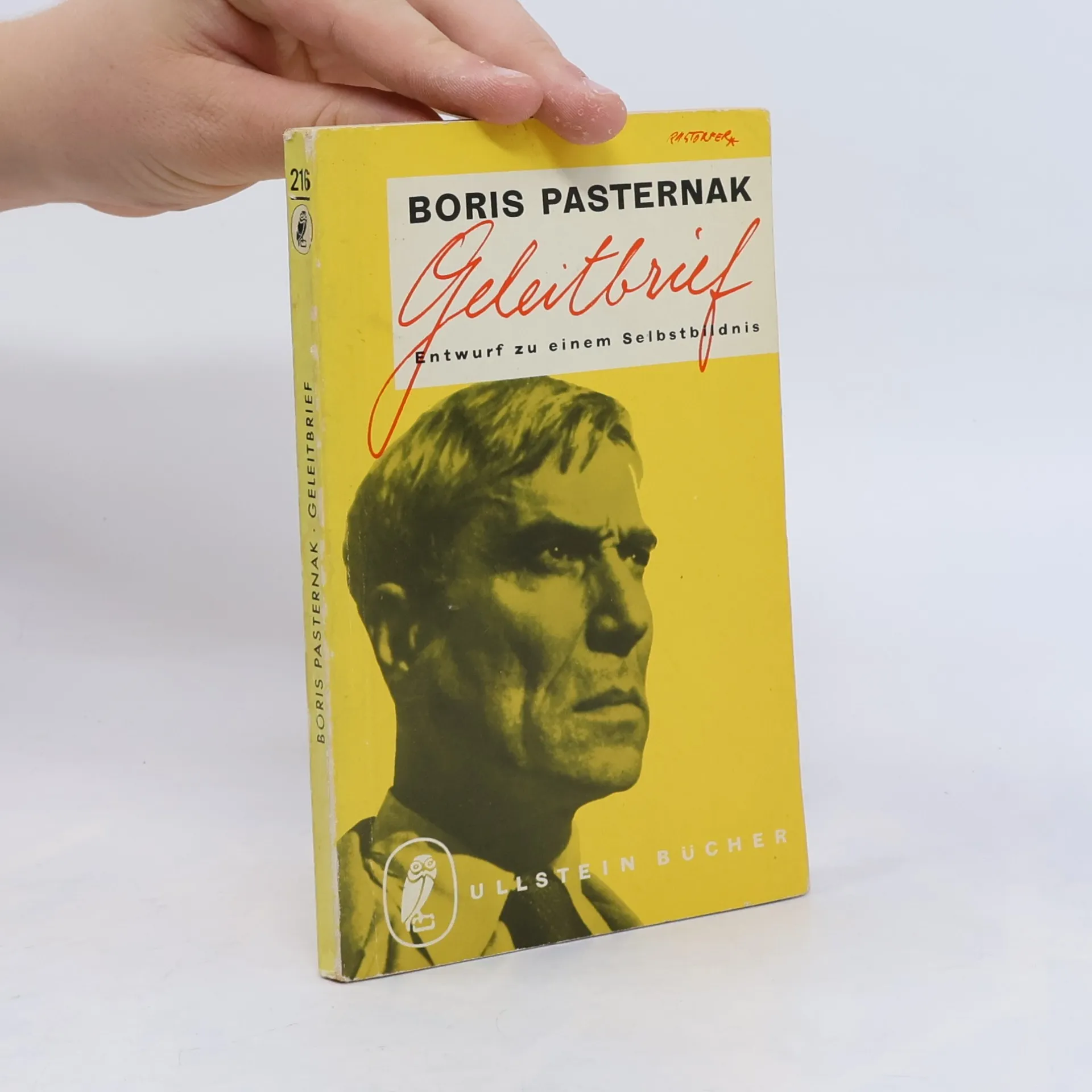
Geleitbrief
- 203 pages
- 8 hours of reading
Surat Jalan enthält die prägenden Jahre von Pasternak als Dichter – von seiner Studienzeit in Deutschland bis zu den Jahren nach der Revolution in Russland. Der renommierte Autor beschreibt sein Studium der Komposition unter Scriabin und der Philosophie unter Hermann Cohen; seine Begegnung mit Leo Tolstoj; sowie seine Freundschaft und Bewunderung für den Dichter Majakowski. In der Schilderung seiner jugendlichen Ideen über Krieg, Revolution und neue Stile in der Poesie zeigt Pasternak Techniken, Ideen und künstlerische Fähigkeiten, die ihn zum Nobelpreisträger machten.
Имя Бориса Пастернака давно перестало быть именем только поэта. Он стал совестью и творческой силой своего поколения. Творчество Б.Л.Пастернака – это постижение гармонии мира.
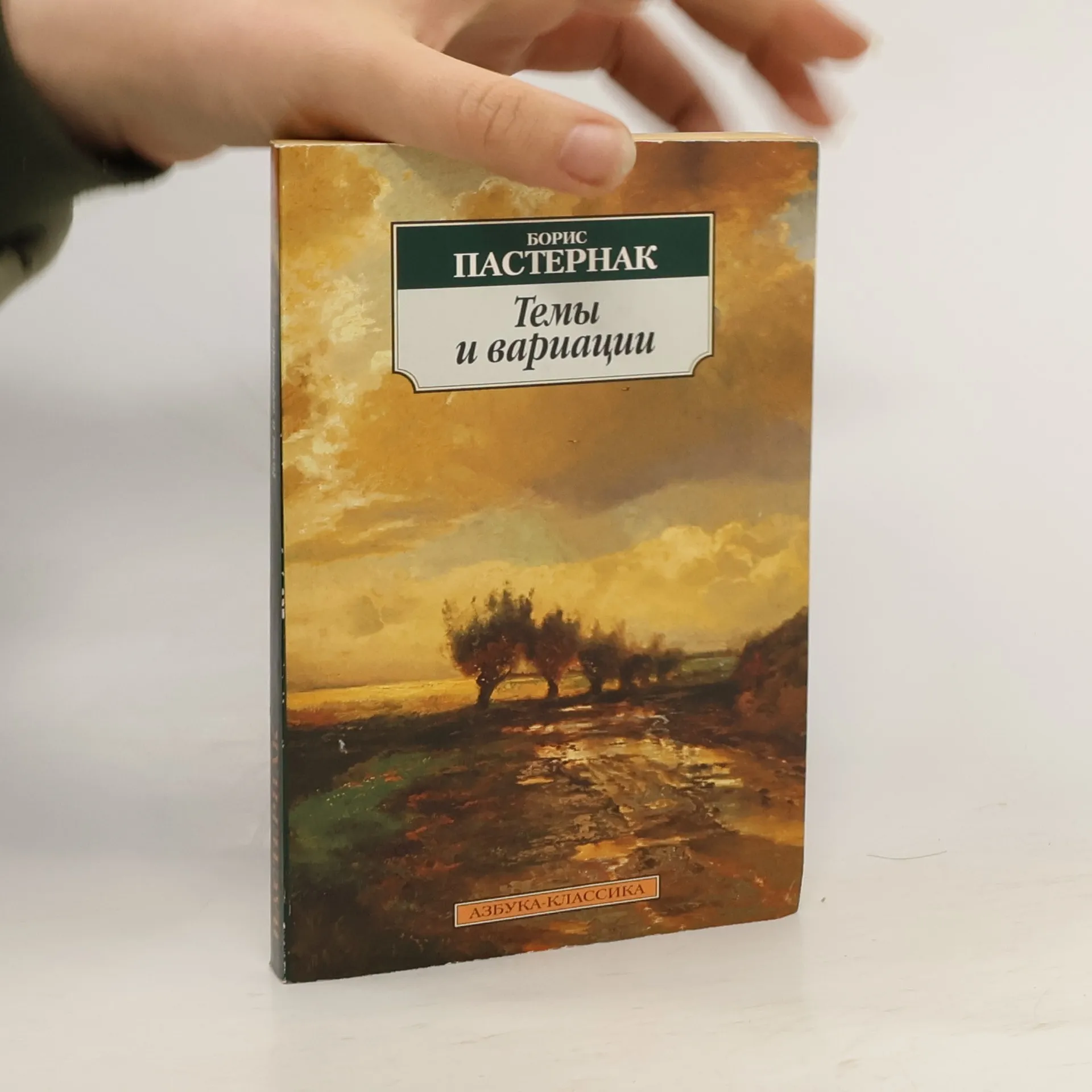
Темы и вариации
- 346 pages
- 13 hours of reading
Борис Пастернак - величайший лирик XX века. За более чем полувековой период творчества он создал стихотворения, вошедшие в сокровищницу мировой поэзии. В настоящую книгу избранного вошли стихотворения 1912-1959 годов, а также роман в стихах "Спекторский". Стихи предвосхищает автобиографический очерк Б. Пастернака "Люди и положения".
Sicheres Geleit
- 135 pages
- 5 hours of reading
Meine Schwester - das Leben
Werkausgabe Band 1. Gedichte, Erzählungen, Briefe
- 329 pages
- 12 hours of reading
Das unbekannte Werk im Schatten von ›Doktor Shiwago‹ - zum 125. Geburtstag von Boris Pasternak am 10.02.2015Als 1958 ›Doktor Shiwago‹ mit dem Nobelpreis ausgezeichnet wurde, fehlte sein Schöpfer. Boris Pasternak wurde von den russischen Behörden die Ausreise verwehrt, sein Autor blieb im Dunkeln. Dabei erzählt Pasternaks Leben das gesamte letzte Als 16jähriger spielte er Skrjabin vor, er studierte in Marburg Philosophie, wechselte Briefe mit Rilke und war mit Zwetajewa, Majakowski und Mandelstam befreundet. Im Gegensatz zu ihnen überlebte er den stalinistischen Terror und rächte sich im ›Doktor Shiwago‹. - In einer dreibändigen Ausgabe seiner Erzählungen, Essays und Gedichte stellen wir das unbekannt gebliebene Werk eines der größten Dichter Russlands vor.
Einer der wichtigsten literarischen Briefwechsel des 20. Jahrhunderts. Boris Pasternak las 1922 einen eben in Moskau erschienenen Gedichtband von Marina Zwetajewa. Sie war einen Monat zuvor nach Berlin emigriert. Ergriffen von ihren Gedichten schreibt er ihr und kündigt seine Reise nach Berlin an: »Ich möchte Sie unbedingt sehen«. So beginnt einer der großen Dichterbriefwechsel des 20. Jahrhunderts. Er ist Werkstattbericht zweier Dichter der Moderne, die sich auf dem Höhepunkt ihrer Kraft befinden und mit den politischen und alltäglichen Bedingungen in Moskau und der Emigration kämpfen. Untrennbar damit verwoben, ist es auch die Geschichte einer Liebe, die 1926 in Pasternaks Frage gipfelt: »Soll ich jetzt zu Dir kommen oder in einem Jahr?« Für Pasternak ist Zwetajewa die Luft, in der er atmen kann und will. Für Zwetajewa ist Pasternak »das ganze Rußland«: »Außer Ihnen habe ich kein Zuhause in Rußland«. Als sie sich 1935 in Paris wiederbegegnen und Pasternak sich zur Sowjetunion bekennt, versiegt der Briefwechsel. Von den 200 für die russische Ausgabe 2004 edierten Briefen waren auf Deutsch bisher nur 35 bekannt. Endlich liegt das Zwiegespräch beider Dichter auch auf Deutsch vor.
Boris Pasternak versuchte die Widersprüche seiner Zeit in seinen Gedichten aufzunehmen. Und doch erschien er vielen selbst wie der lebende Widerspruch: Er stand als einer der ersten neben dem toten Majakowski, erhielt nächtliche Anrufe von Stalin, den er wenig später im ›Doktor Shiwago‹ zur Rechenschaft zog. Der zweite Band der von Christine Fischer edierten Werkausgabe zeigt Pasternaks Jahre der Entscheidung 1923-1943: Nachdem er - wie er in dem autobiographischen ›Schutzbrief‹ schildert - weder in der Musik, noch in der Philosophie seine Berufung findet, setzt er alles auf die Dichtung und eine Prosa, die zur Schwester seiner Poesie wird. Zwei Rätsel und ein Leben.
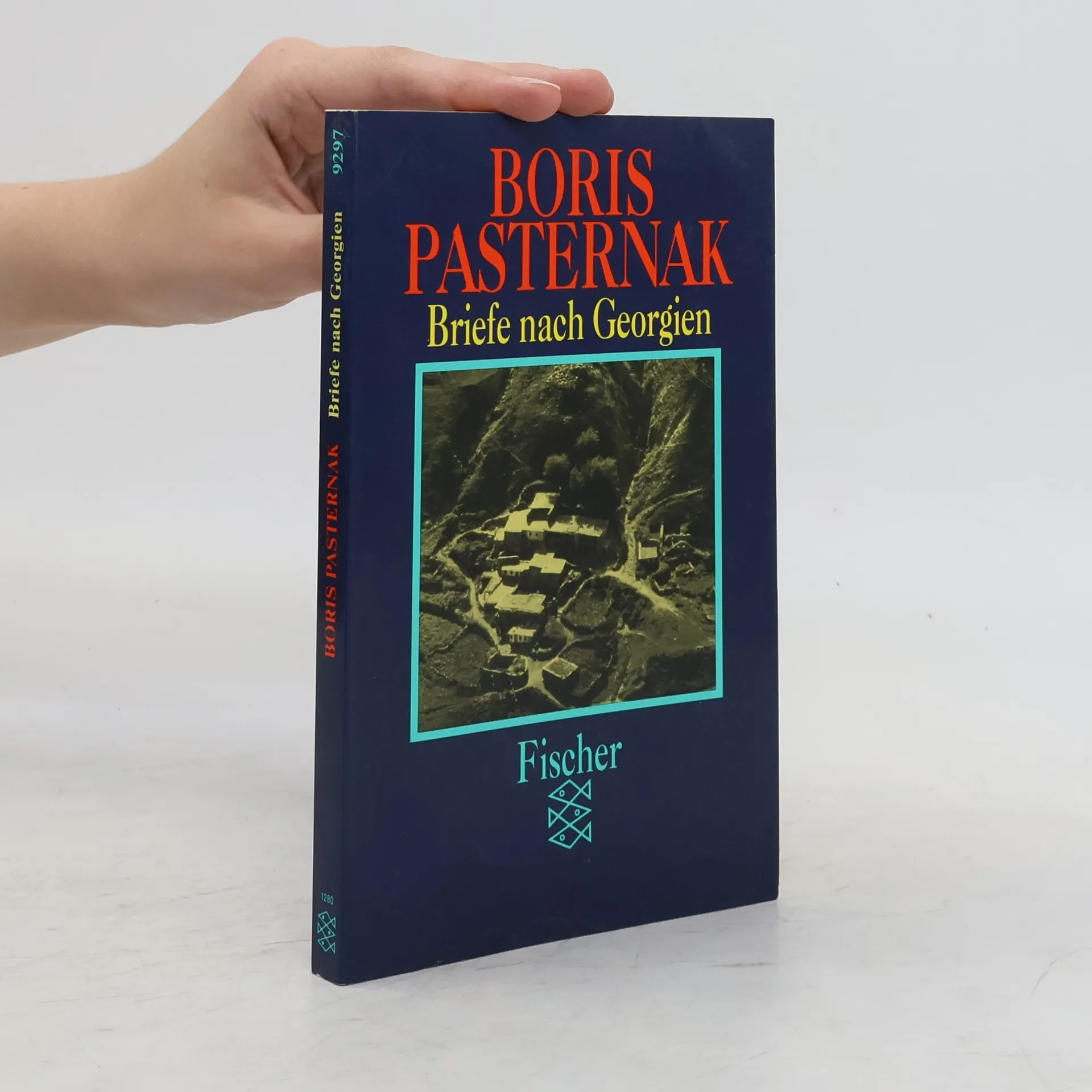
Briefe nach Georgien
- 207 pages
- 8 hours of reading
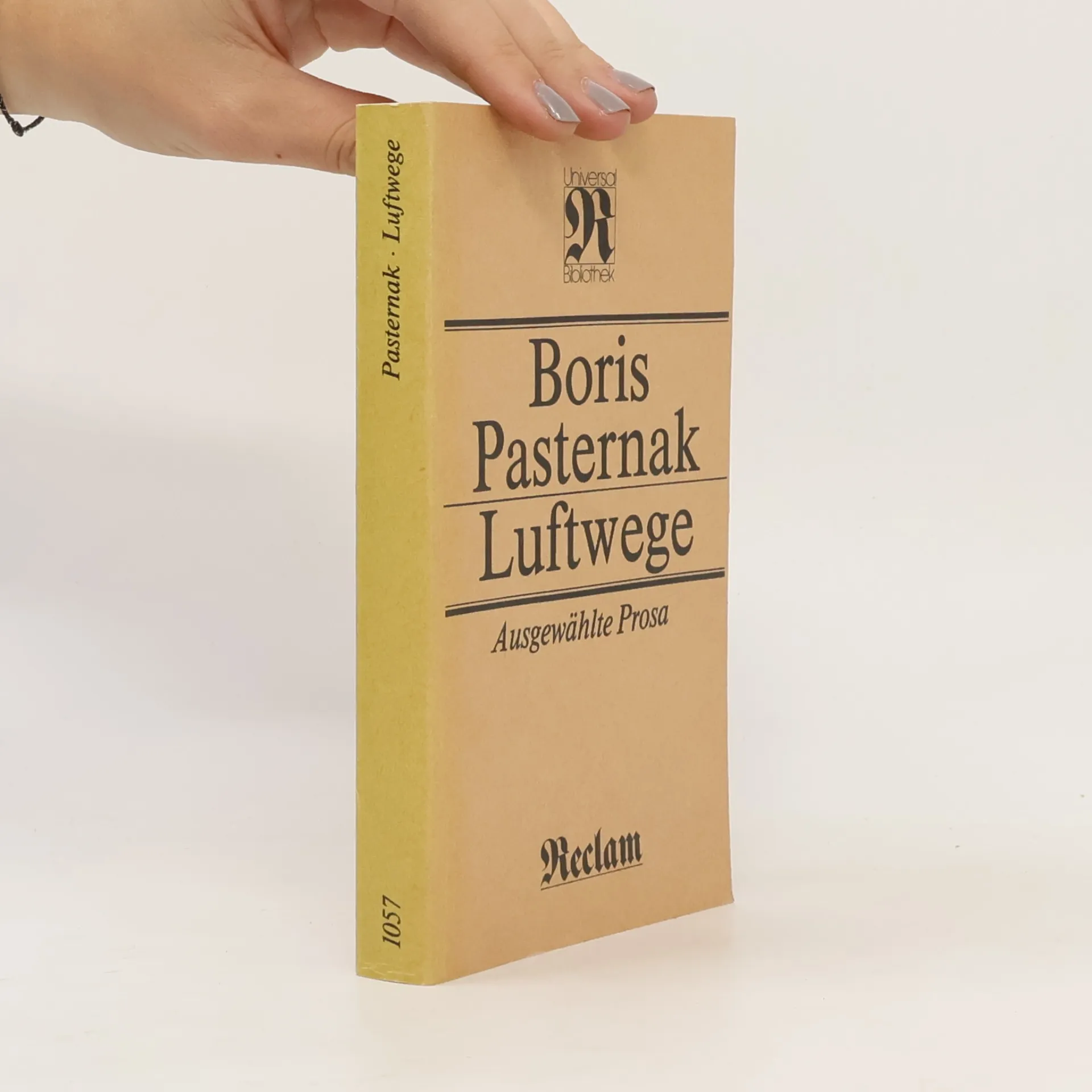
Luftwege
- 478 pages
- 17 hours of reading
In «Luftwege» werden erstmals die grundlegenden Merkmale der Prosa Pasternaks gezeigt: Äußeren Ereignissen wird kaum Beachtung geschenkt, alles Wichtige geschieht auf einer zweiten, metaphysischen Ebene, auf den „Luftwegen“. „Luftwege“ ist ein Manifest einer neuen Prosa-Manier, der Schlüssel zum metaphysischen Realismus. Die Hauptfiguren dieser Prosa sind der Sturm, „ein Vögelchen und sein Gezwitscher“, Spuren im Gras, Maulbeeren, der Himmel, Wolken – all dies sind die „Luftwege“, auf denen unsere Geschichte tatsächlich verläuft.
Doktor Shiwago
Lesung mit Jürgen Hentsch (2 mp3-CDs)
Im russischen Zarenreich aufgewachsen, erlebt der Moskauer Arzt Juri Andrejewitsch Shiwago den Ausbruch der Oktoberrevolution. Alle Hoffnungen auf eine glänzende Karriere werden mit der neuen Ordnung zerstört und er beschließt, mit seiner Familie auf ein Landgut reicher Verwandter zu ziehen. Das Familienidyll gerät ins Wanken, als Shiwago Lara wiedertrifft, die er in einem Lazarett kennenlernte. Sein halbes Leben lang arbeitete Boris Pasternak an diesem Roman, der in der Sowjetunion nicht publiziert werden durfte, und erhielt dafür 1958 den Literaturnobelpreis. Jürgen Hentsch leiht dem Meisterwerk der russischen Literatur seine eindringliche Stimme. Lesung mit Jürgen Hentsch 2 mp3-CDs | ca. 20 h 12 min
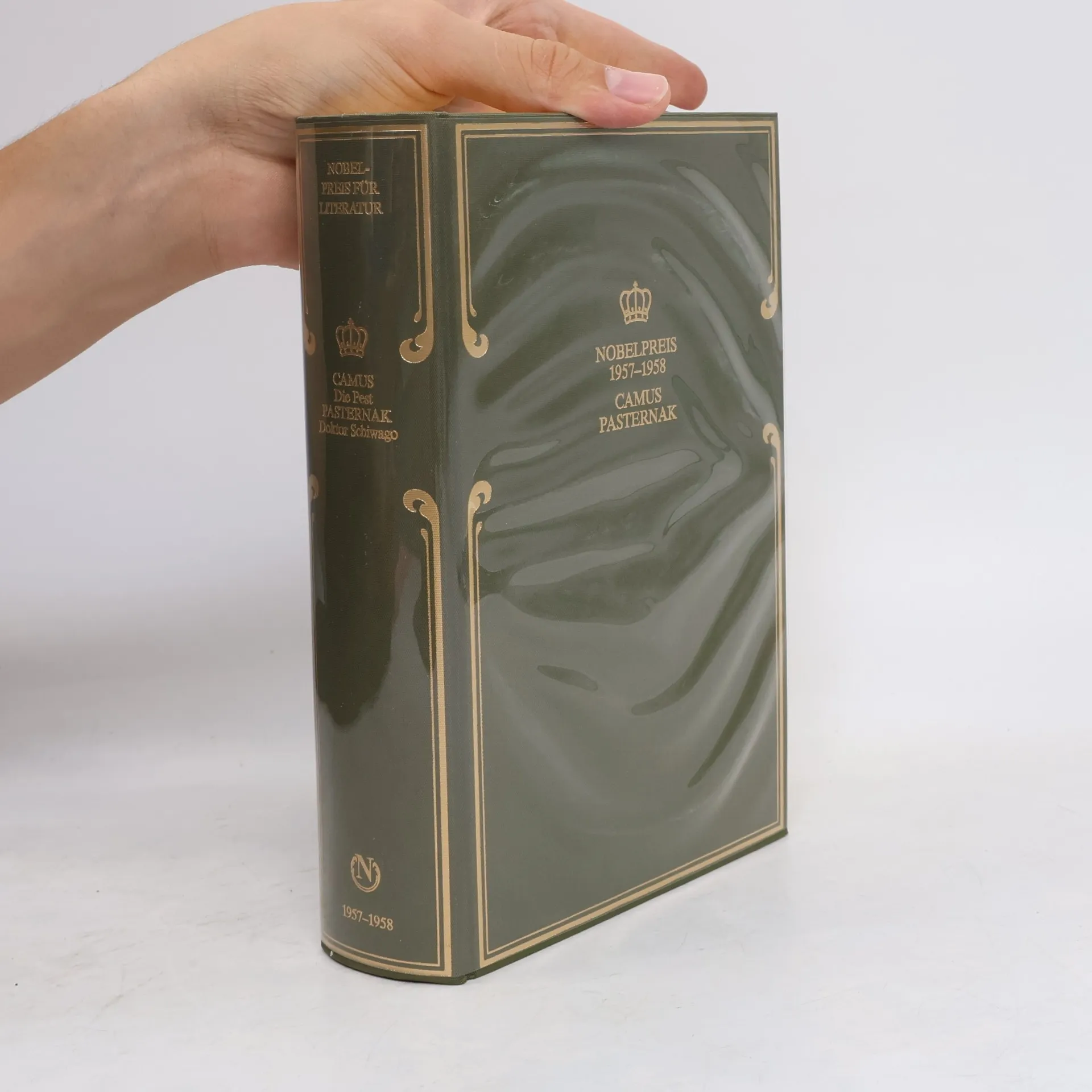
Doktor Schiwago
Roman
Pantheon der Winnaars van de Nobelprijs voor Literatuur
Autobiografische geschriften. Gedichten. Verhalen en Essays
Briefwechsel 1910 [neunzehnhundertzehn] - 1954
Eingel. u. komment. v. Johanna R. Döring-Smirnow. Vorw. v. Raissa Orlowa Kopelew
- 460 pages
- 17 hours of reading
Über 45 Jahre korrespondierten Boris Pasternak und seine Cousine Olga Freudenberg, beginnend mit einem Familienurlaub im Sommer 1910. Ihr Austausch, unterbrochen von den Wirren des Ersten Weltkriegs und der Revolution, dauerte bis kurz vor Olgas Tod 1955. In dieser Zeit begegneten sie sich nur selten, sodass die Briefe ihre Lebenswelten in Moskau und Leningrad verbanden. Olga wurde Pasternaks Vertraute, und er teilte mit ihr seine Pläne zu ›Doktor Schiwago‹, dessen Bedeutung sie sofort erkannte. Er berichtete ihr von familiären Krisen und Konflikten mit den sowjetischen Behörden und der Zensur. Auch Olga geriet während ihrer akademischen Karriere in Konflikt mit dem Stalin-Regime. Ihr Werk ›Poetik von Sujet und Gattung‹ wurde 1936 kurz nach der Veröffentlichung wegen »Formalismus« konfisziert. In ihren Tagebuchaufzeichnungen, von denen einige in diesem Band enthalten sind, beschreibt sie eindringlich, wie der stalinistische Terror das akademische Leben beeinflusste. Besonders eindrucksvoll sind ihre Briefe und Tagebuchnotizen aus der Zeit der Leningrader Blockade, die sie als eine der wenigen überlebte. Dieser Briefwechsel ist ein faszinierendes Zeugnis des Gedankenaustauschs zweier mutiger Menschen, die in einer Zeit gesellschaftlicher Erschütterungen ihren Glauben an Kultur und Kunst bewahrten und so die Kraft zum Überleben und Schreiben fanden.
Доктор Живаго и другая проза
- 736 pages
- 26 hours of reading
Im Meer der Hingabe
Mit einem Vorwort von Gerd Ruge (Russian Culture in Europe)
- 208 pages
- 8 hours of reading
Diese kommentierte Edition vereint erstmals 66 Briefe – von Mai 1958 bis Mai 1960 – sowie weitere Materialien aus dem Privatarchiv der Familie Pasternak (Moskau), dem Deutschen Literaturarchiv (Marbach) und dem Nachlass von Helen und Kurt Wolff an der Yale University (New Haven, CT). Der Briefwechsel zwischen Boris Pasternak und seinem amerikanischen Verleger Kurt Wolff, der maßgeblich an der weltweiten Anerkennung Pasternaks beteiligt war, spiegelt die sowohl glückliche als auch tragische Geschichte seiner letzten Lebensjahre wider – der Jahre seines Ruhmes im Westen und einer Hetzkampagne gegen ihn in seiner Heimat, der Zeit der Veröffentlichung des «Doktor Živago» im Ausland, der Verleihung des Nobelpreises für Literatur 1958.
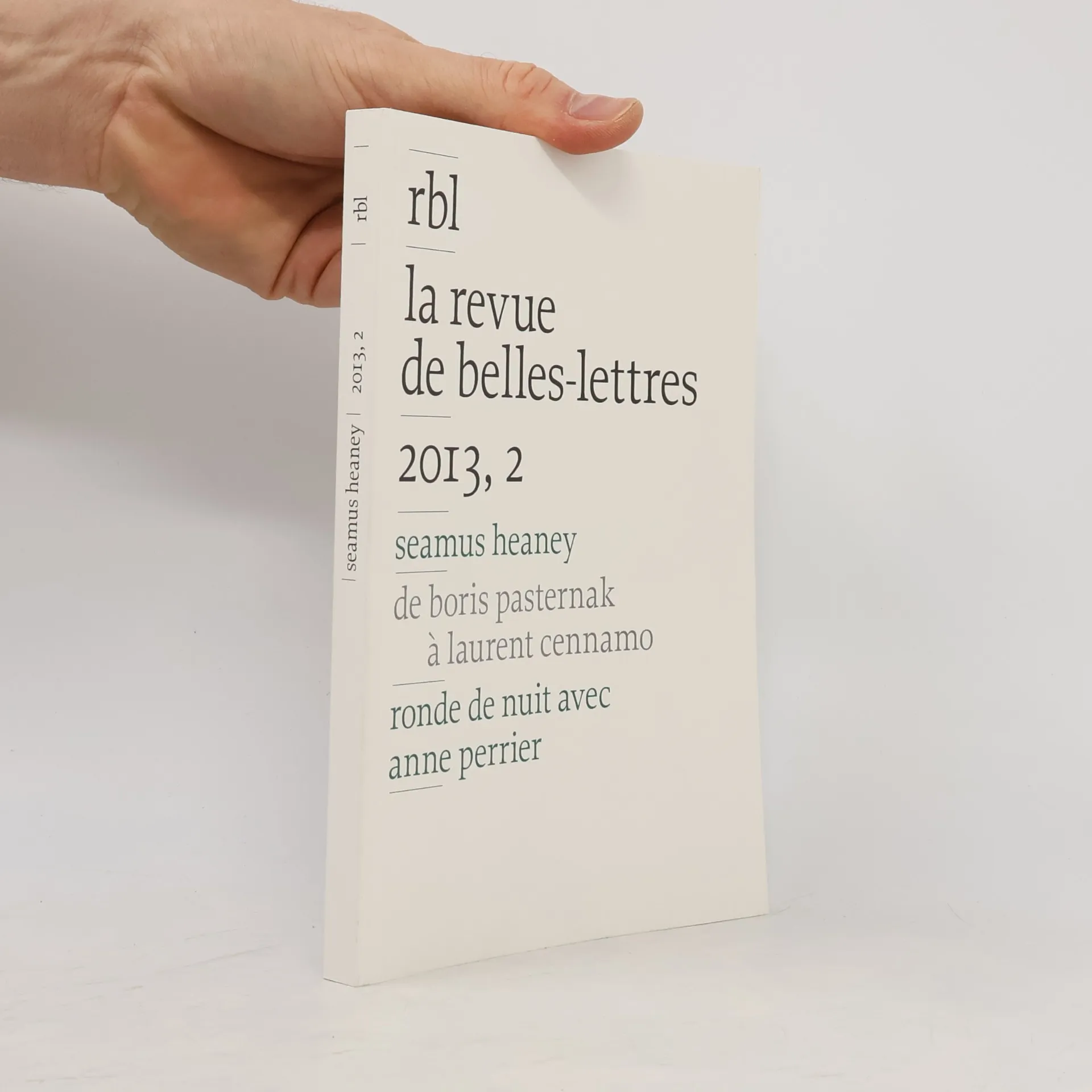
La Revue de Belles-Lettres, 137 année, 2013, 2
Seamus Heaney, de Boris Pasternak à Laurent Cennamo, ronde de nuit avec Anne Perrier
l'aurige de delphes tient la route, ses six chevaux et son char disparus, la main gauche sectionnée
Cette anthologie comporte cinq parties: poésie lyrique, poèmes narratifs, prose, autobiographie et le roman ##Docteur Jivago##. En appendices, critique, fragments romanesques et dramatiques, reportage, discours et déclarations.
Meine Schwester - das Leben
- 119 pages
- 5 hours of reading
Eine Brücke aus Papier
- 511 pages
- 18 hours of reading
Briefe boten Boris Pasternak nahezu vierzig Jahre lang die einzige Möglichkeit, über geographische Grenzen und politische Systeme hinweg mit seiner Familie in Verbindung zu bleiben. Seine Eltern und die beiden Schwestern verließen Russland 1921, um für einige Zeit den nachrevolutionären Wirren zu entkommen. Boris und sein Bruder Alexander blieben in Moskau. Die Verhältnisse in der Sowjetunion ließen eine Rückkehr der Familie nicht zu; Eltern und Töchter blieben bis 1938 in Berlin und emigrierten dann nach England. 1939 starb die Mutter, 1945 der Vater. Auch seine Schwestern hat Boris Pasternak zeitlebens nicht wieder gesehen. Die Korrespondenz ist geprägt von der schwierigen, gefährlichen politischen Situation in der Sowjetunion. Doch die Atmosphäre der Nähe und Vertrautheit bleibt von der langen Trennung unberührt. Pasternaks literarisches Schaffen, sein Kunstbegriff, seine Suche nach Ausdrucksmöglichkeiten sind Themen, über die das Gespräch innerhalb der Familie mit immer wachsender Intensität geführt wird. „Mit niemandem könnte ich mich über das Wichtigste besser und tiefer verständigen: über das Leben, die menschliche Erfahrung, über die Geschichte, die Kunst. - Manchmal glaube ich, wenn ich im Leben etwas gewählt habe und an etwas gearbeitet, wenn ich etwas werden wollte und bin, dann war das irgendwo in der Tiefe der Seele für Euch. Und jetzt seid Ihr nicht da, und für wen habe ich es ausgebildet?“
В настоящее издание Бориса Леонидовича Пастернака (1890-1960) - выдающегося русского советского писателя - вошли два произведения. Автобиографическая проза "Охранная грамота" - о юности, встречах с замечательными людьми, путишевствии по Европе, духовных исканиях, первой любви, становлении поэта. В эссе "Шопен" выражена эстетическая программа всего творчества Б. Пастернака.
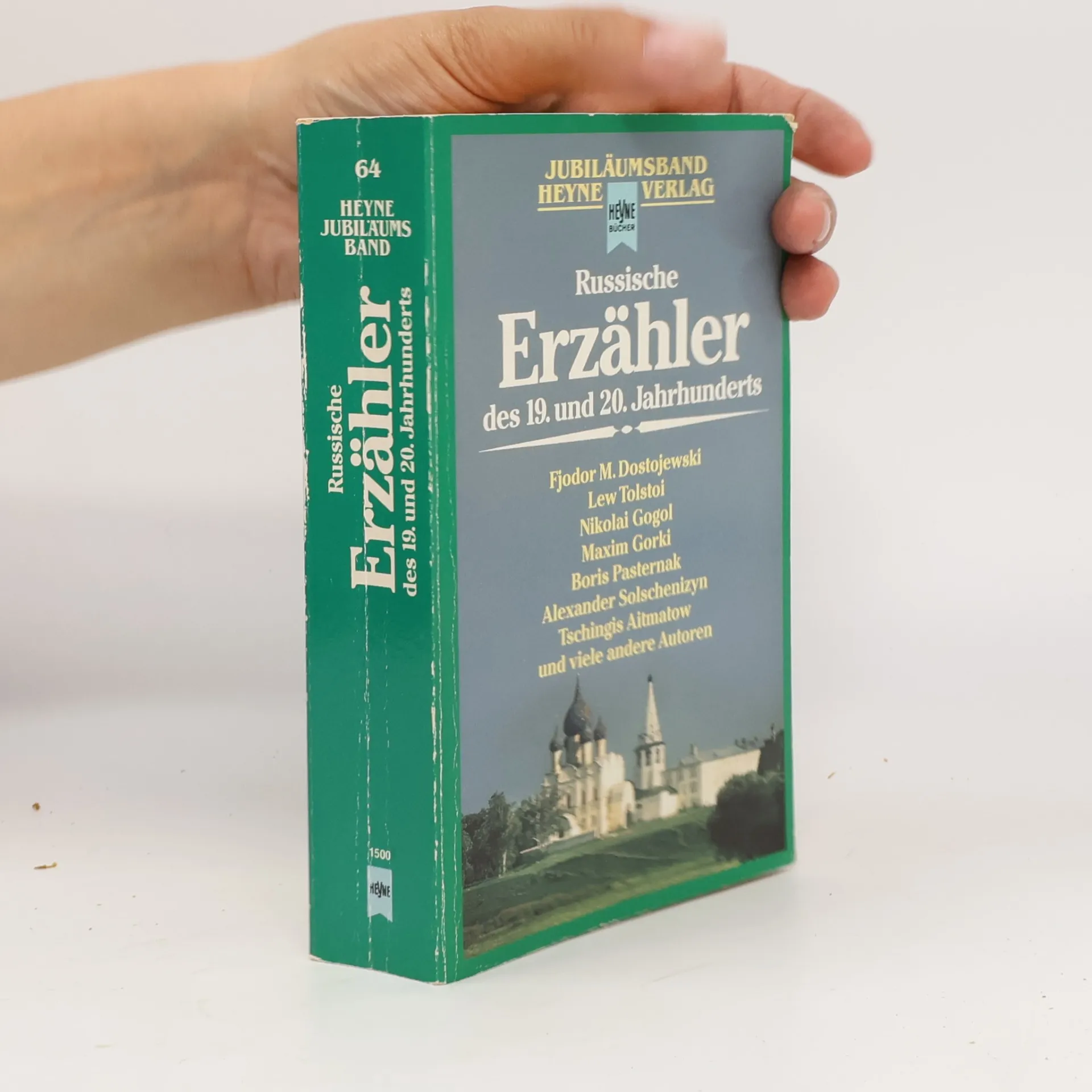
Russische Erzähler des 19. und 20. Jahrhunderts
- 601 pages
- 22 hours of reading
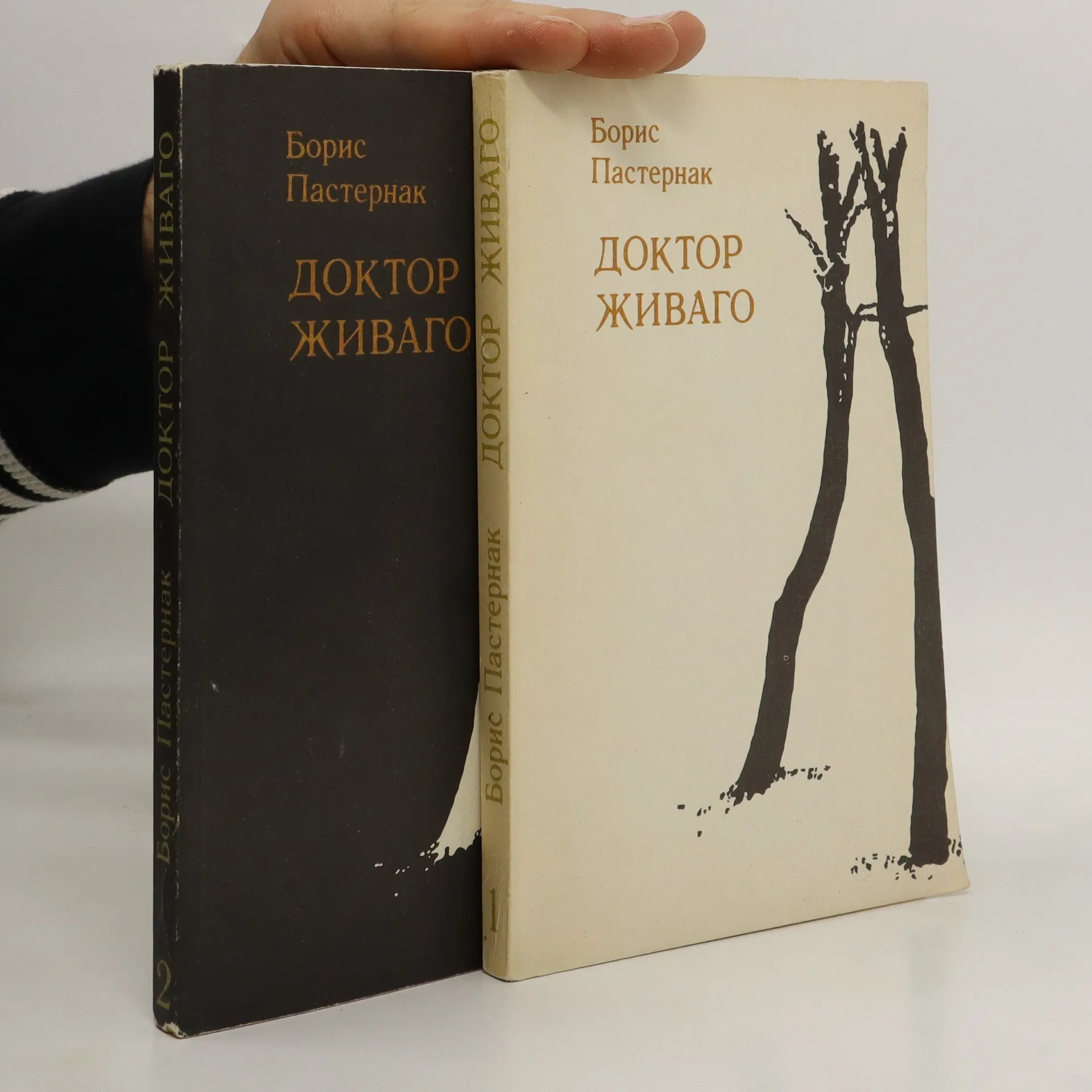
Доктор Живаго 1-2
- 2 volumes
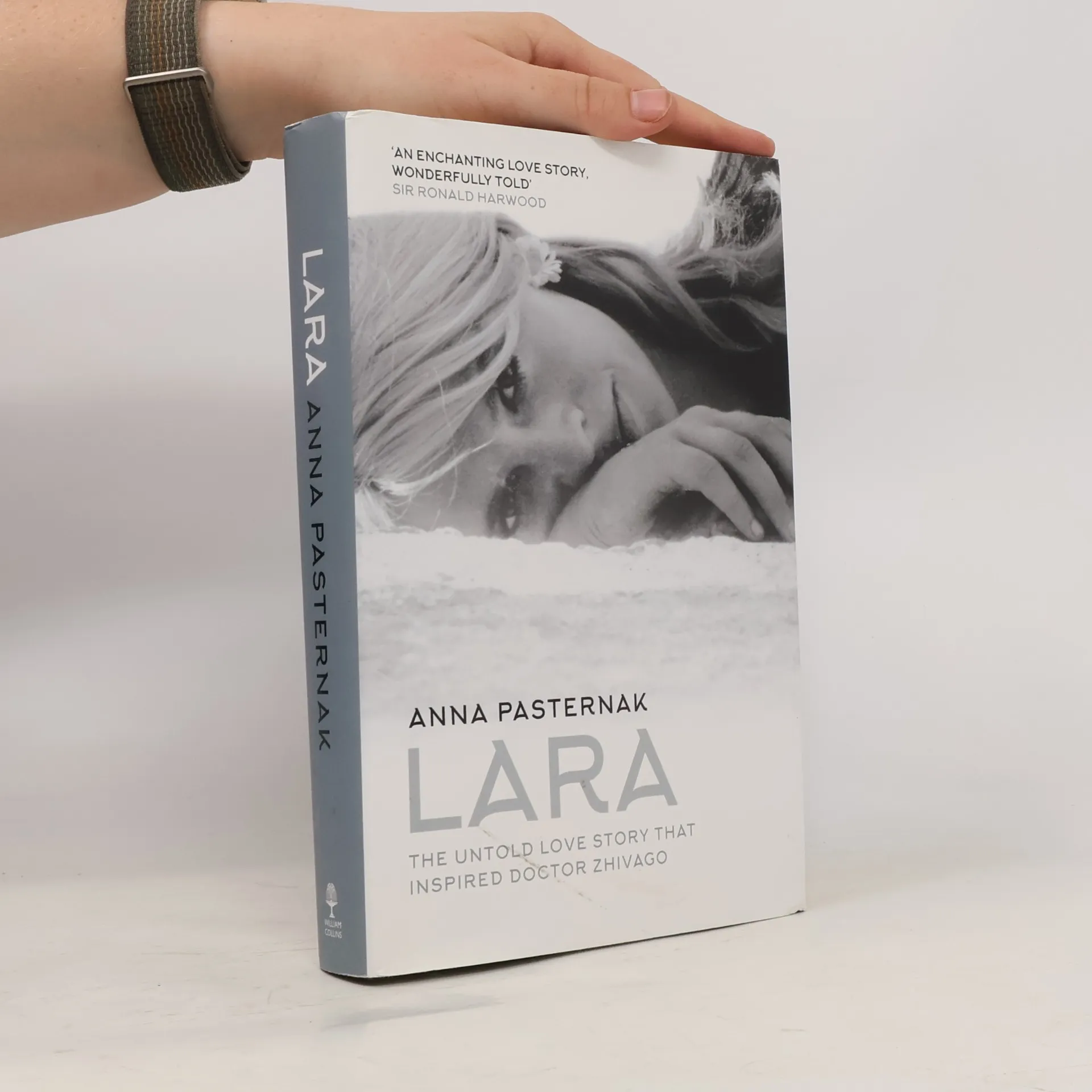
Lara
- 294 pages
- 11 hours of reading
The heartbreaking story of the passionate love affair between Boris Pasternak and Olga Ivinskaya - the tragic true story that inspired Doctor Zhivago. 'Utterly compelling and meticulously researched, this revealing look at an epic love affair transforms our understanding of a literary masterpiece' Michael Sheldon
Plačúci sad
- 144 pages
- 6 hours of reading
Výber z poézie Borisa Pasternaka. Z rozličných ruských originálov vybral, preložil, kalendárium, edičnú a bibliografickú poznámku a doslov napísal Teodor Križka.
Tvé šedé oči se mnou všady jdou
- 80 pages
- 3 hours of reading
Antologie představuje ukázky z tvorby dvanácti ruských básníků, které byly vybrány z pozůstalosti českého básníka a překladatele Ladislava Fikara.
Korespondence
- 524 pages
- 19 hours of reading
Korespondence dvou osobností – jednoho z největších básníků 20. století a jedné z nejpodnětnějších žen kulturního dění té doby. Korespondence se v životě těchto osobností rozprostírá přes téměř tři desetiletí a v této knize je možno je sledovat.
Listy gruzínským přátelům 1932–1960 Překlady dopisů, které Boris Pasternak psal v letech 1932–1959 gruzínským literárním přátelům a jejich rodinám, pořizoval Jan Zábrana svého času na základě ruského časopiseckého vydání, jejich české edice se však už nedožil. Ze Zábranovy pozůstalosti je nyní k vydání připravil a dalšími překlady teprve v posledních letech zpřístupněných textů doplnil Ladislav Zadražil.
Novely, povídky, eseje a reportáže z let 1915-1957.
Kniha v době svého vzniku působila jako svěží snímky básníkovy doby, s odstupem času však vystupují její autobiografické rysy, je to popis prožitků, umožňující pochopit prostředí, vlivy a události vytvářející z Pasternaka člověka Pasternaka básníka. 2. vydání
,,Na záclonách čipkových / kŕdeľ vrán. / Hrôza chladu hniezdi v nich, / už aj tam. (...)" (Pred všetkým týmto bola zima) Z ruského originálu Stichotvorenija i poemy a z ďalších, časopiseckých i rukopisných materiálov preložil a doslov napísal Laco Novomeský v jazykovej spolupráci s Jánom Ferenčíkom.