
Explore the latest books of this year!
Bookbot

Daniel Kahneman

    Daniel Kahneman was an Israeli-American psychologist whose work delved into the cognitive processes underlying human judgment and decision-making. Alongside Amos Tversky, he established a cognitive foundation for common human errors, examining heuristics and biases. Kahneman extensively explored how people perceive risk and rewards, developing the pivotal Prospect Theory. His research significantly advanced behavioral economics and psychology by providing profound insights into the rationality and irrationality of the human mind.

    Daniel Kahneman
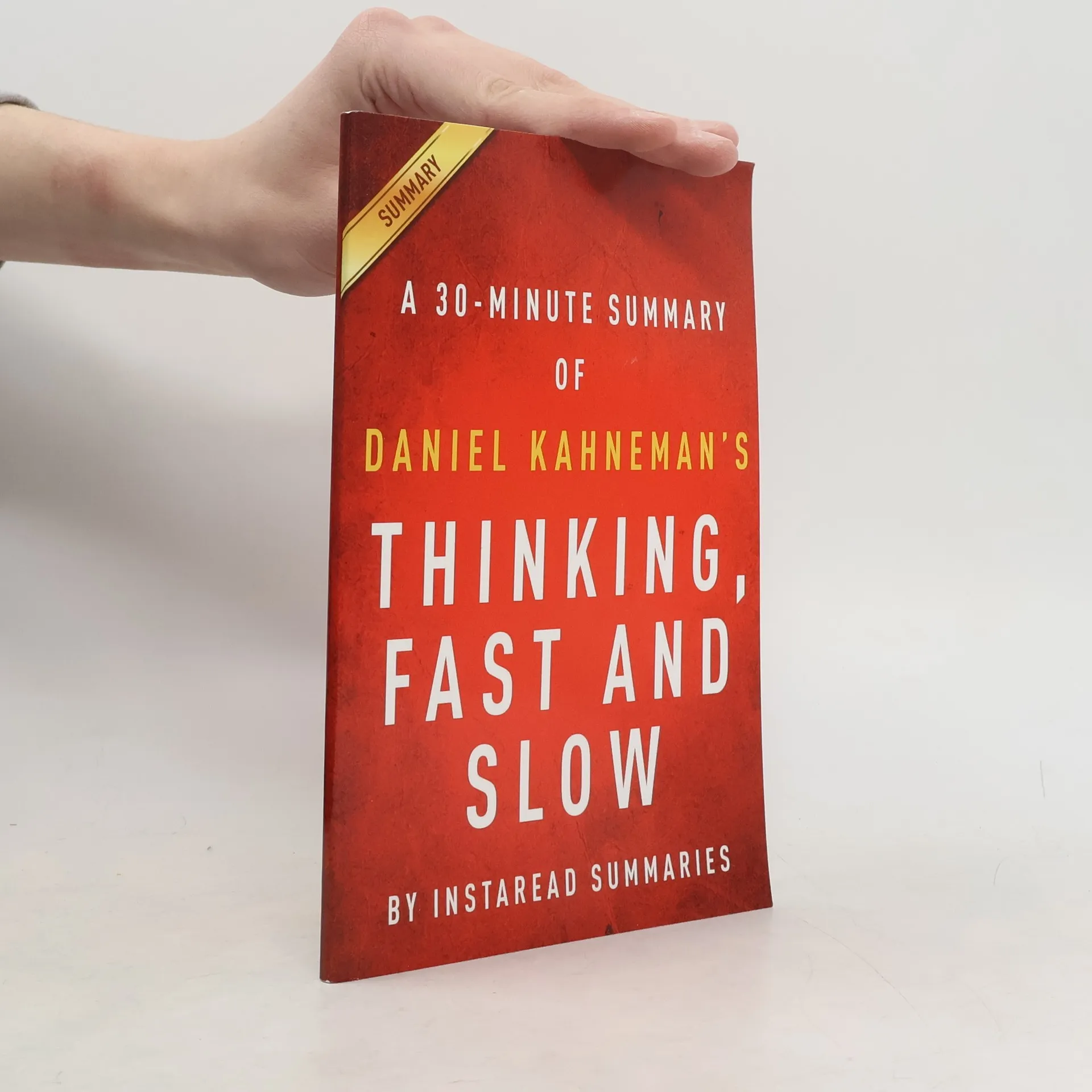
    Summary of Thinking, Fast and Slow
    Noise : a flaw in human judgment
    Thinking, fast and slow
    Choices, Values, and Frames
    The Importance of the Community Rabbi
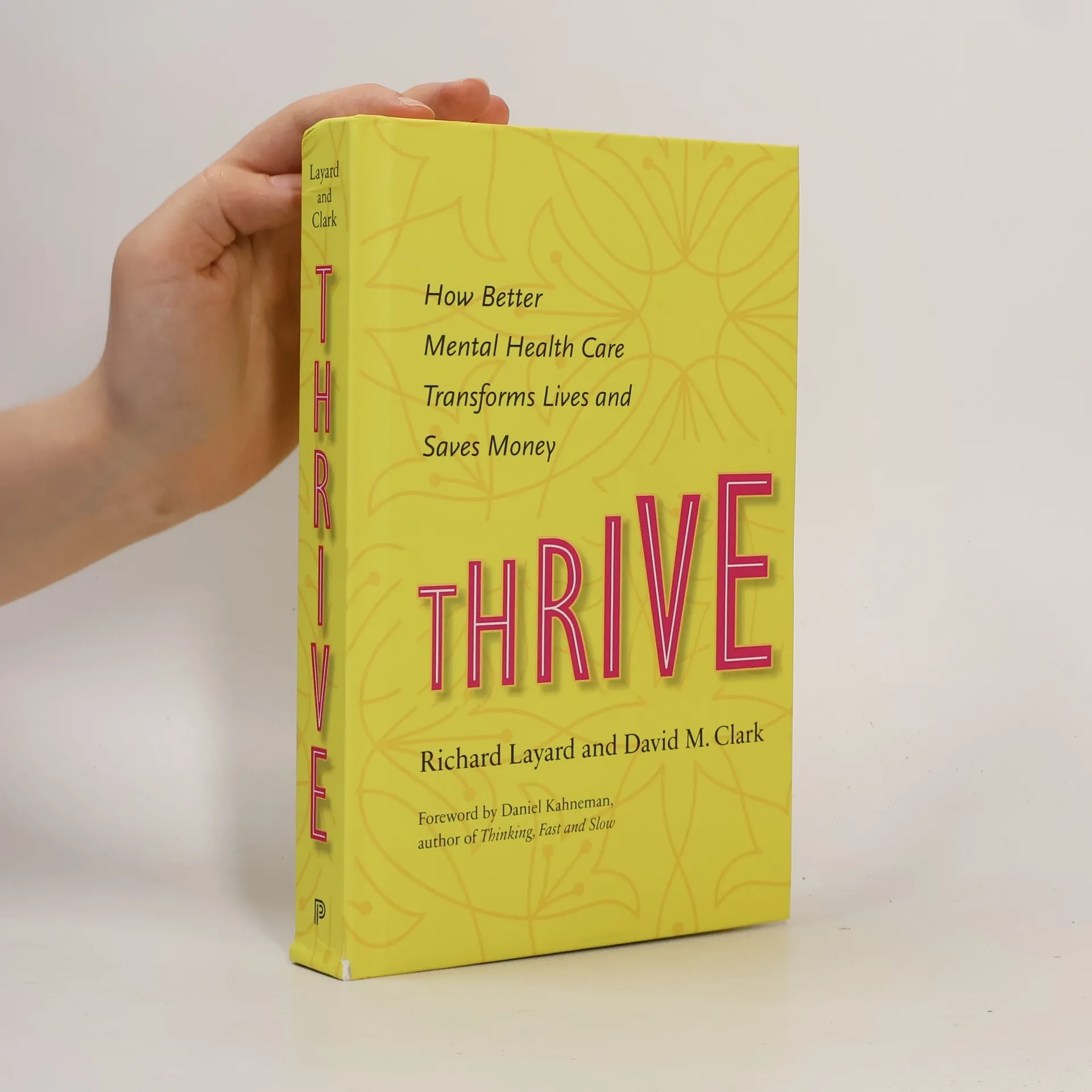
    Heuristics and Biases : The Psychology of Intuitive Judgment
    • Judgment pervades human experience. Do I have a strong enough case to go to trial? Will the Fed change interest rates? Can I trust this person? This book examines how people answer such questions. How do people cope with the complexities of the world economy, the uncertain behavior of friends and adversaries, or their own changing tastes and personalities? When are people's judgments prone to bias, and what is responsible for their biases? This book compiles psychologists' best attempts to answer these important questions.

      Heuristics and Biases : The Psychology of Intuitive Judgment
    •  The contemporary rabbi is influenced by the modern rabbinic establishments throughout the world, including the rabbinate in Israel. The rabbinate's monopoly on opinions and interpretations prevents rabbis from expressing their individual positions out of fear of delegitimization. The current structure gives the public a negative impression of the rabbinic establishment. The Importance of the Community Rabbi strives to describe and delineate key requirements for a good rabbi, i.e., one who can provide socially acceptable halachic solutions within the parameters of Orthodox thinking. Rabbi Sperber elucidates the halachic techniques and mechanisms that may be used toward this goal. These are further illustrated with stories from rabbinic literature and examples from various responsa.

      The Importance of the Community Rabbi
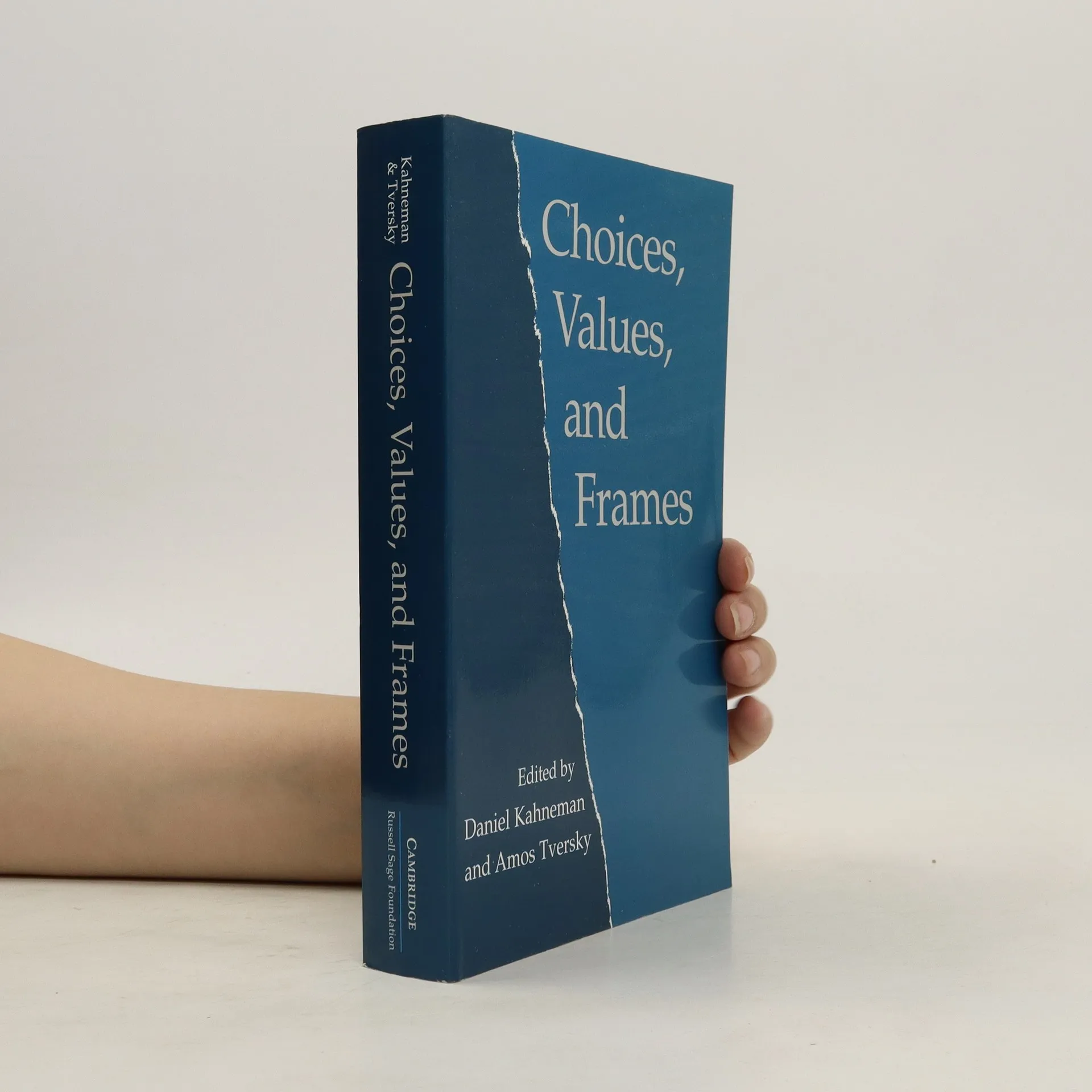
    • Choices, Values, and Frames

      • 860 pages
      • 31 hours of reading
      4.2(950)Add rating

      Choices, Values, and Frames presents an empirical and theoretical challenge to classical utility theory, offering prospect theory as an alternative framework. Extensions and applications to diverse economic phenomena and to studies of consumer behavior are discussed. The book also elaborates on framing effects and other demonstrations that preferences are constructed in context, and it develops new approaches to the standard view of choice-based utility. As with the classic 1982 volume, Judgment Under Uncertainty, this volume is comprised of papers published in diverse academic journals. The editors have written several new chapters and a preface to provide a context for the work.

      Choices, Values, and Frames
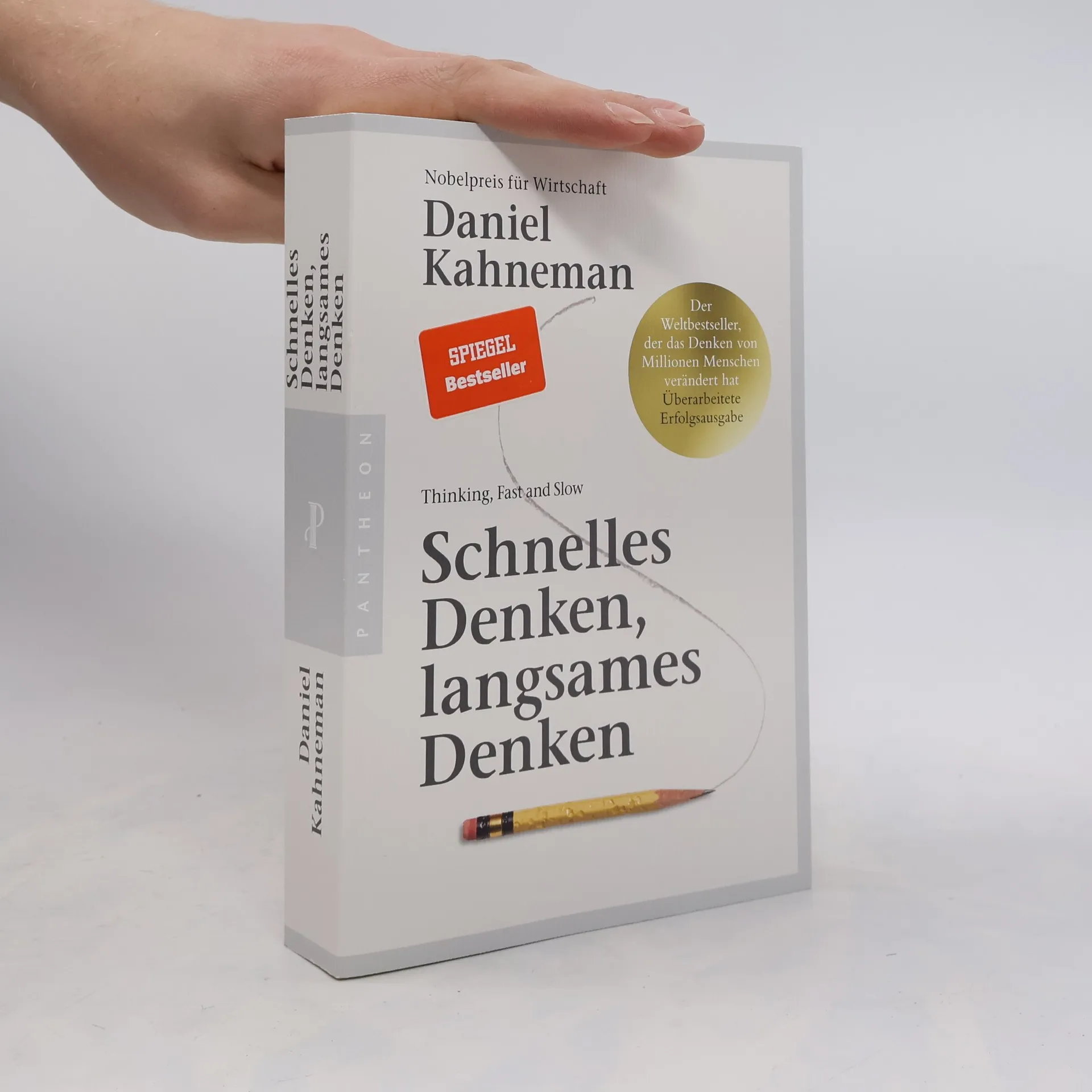
    • Takes you on a tour of the mind and explains the systems that drive the way we think and make choices. This title exposes the extraordinary capabilities-and also the faults and biases-of fast thinking, and reveals the pervasive influence of intuitive impressions on our thoughts and behaviour.

      Thinking, fast and slow
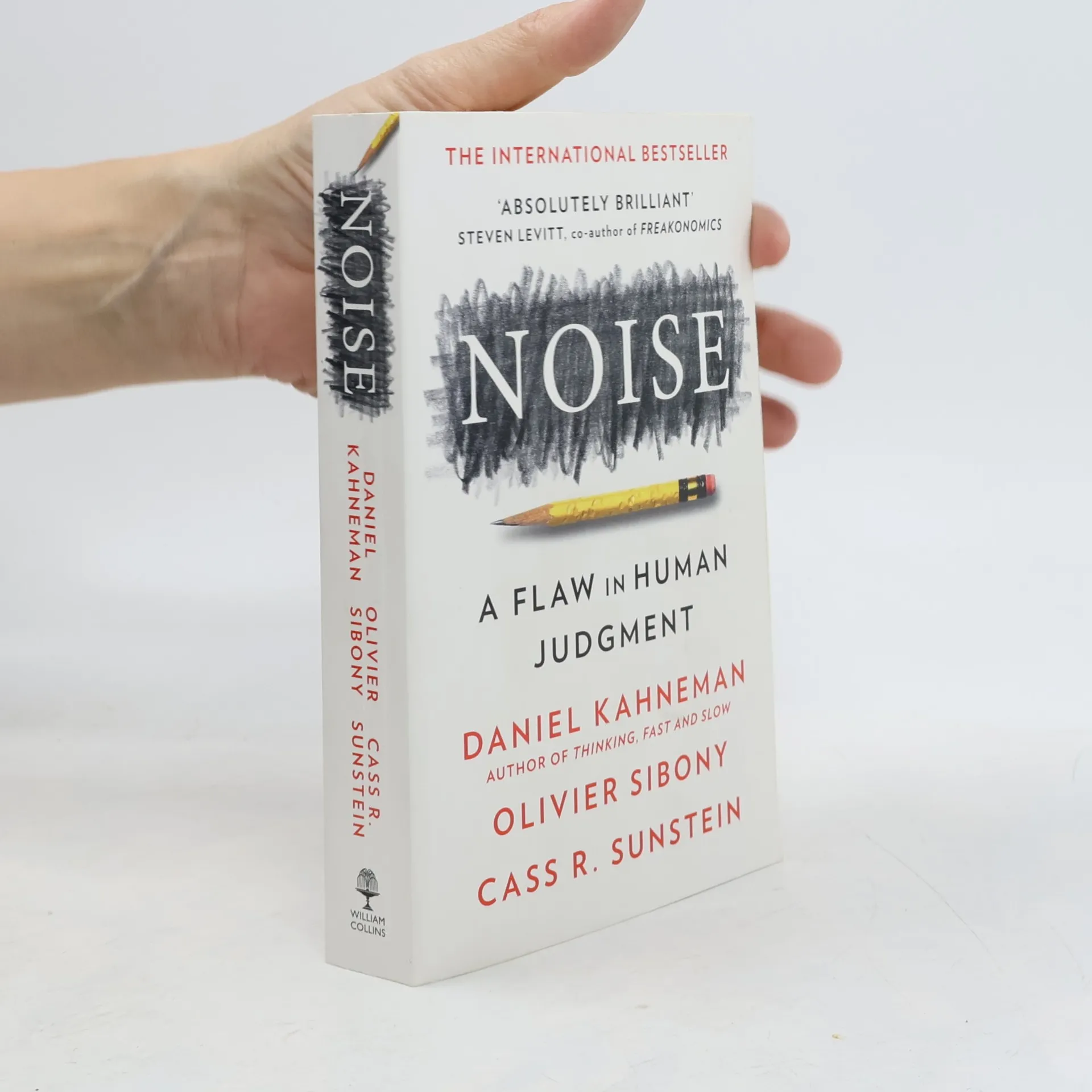
    • From the multi-million copy bestselling author of Thinking Fast and Slow Daniel Kahneman, the co-author of the million-copy bestseller Nudge Cass Sunstein, and the eminent professor and writer on strategic thinking Olivier Sibony, a new book about how to make better decisions. We make thousands of decisions every day, from minute choices we don't even know we're making up to great, agonising deliberations. But when every decision we make is life-changing, the way we reach them matters. And for every decision, there is noise. This book teaches us how to understand all the extraneous factors that impact and bias our decision-making - and how to combat them and improve our thinking. Filled with new science, fascinating case studies and revealing practical examples, the skills this book teaches can be readily used by private or public institutions, by schools, hospitals, businesses, judges and in our everyday lives.

      Noise : a flaw in human judgment
    • Наши действия и поступки определены нашими мыслями. Но всегда ли мы контролируем наше мышление? Нобелевский лауреат Даниэль Канеман объясняет, почему мы подчас совершаем нерациональные поступки и как мы принимаем неверные решения. У нас имеется две системы мышления. «Медленное» мышление включается, когда мы решаем задачу или выбираем товар в магазине. Обычно нам кажется, что мы уверенно контролируем эти процессы, но не будем забывать, что позади нашего сознания в фоновом режиме постоянно работает «быстрое» мышление – автоматическое, мгновенное и неосознаваемое…

      Думай медленно... решай быстро. Dumay medlenno... reshay bystro
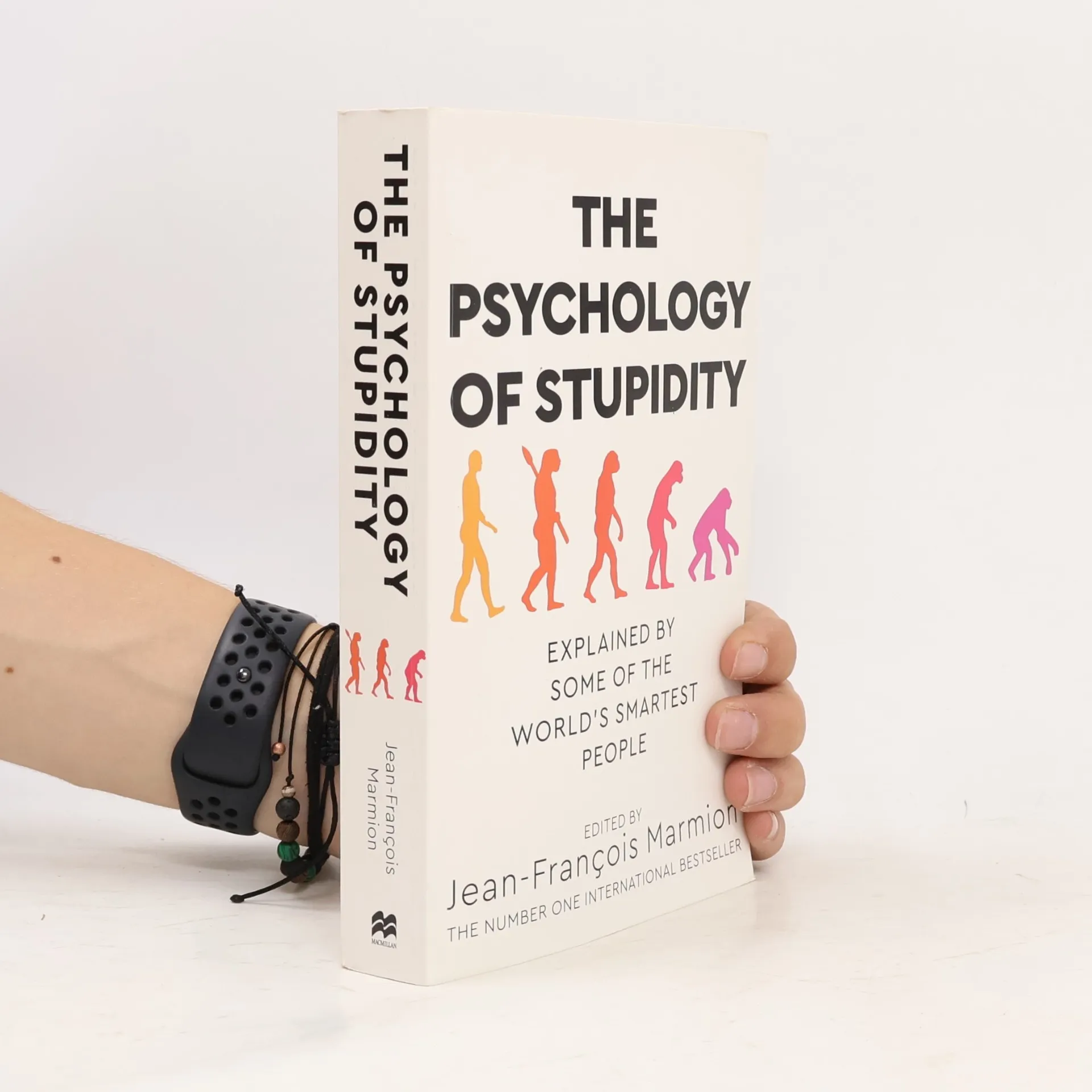
    • The Psychology of Stupidity

      • 384 pages
      • 14 hours of reading
      3.3(110)Add rating

      "We need books like this one." --Steven Pinker At last, stupidity explained! And by some of the world's smartest people, among them Daniel Kahneman, Dan Ariely, Alison Gopnik, Howard Gardner, Antonio Damasio, Aaron James, and Ryan Holiday. And so I proclaim, o idiots of every stripe and morons of all kinds, this is your moment of glory: this book speaks only to you. But you will not recognize yourselves... Stupidity is all around us, from the coworker who won't stop hitting "reply all" to the former high school classmate posting conspiracy theories on Facebook. But in order to vanquish it, we must first understand it. In The Psychology of Stupidity, some of the world's leading psychologists and thinkers--including a Nobel Prize winner and bestselling authors--will show you... why smart people sometimes believe in utter nonsense; how our lazy brains cause us to make the wrong decisions; why trying to debate fools is a trap; how media manipulation and Internet overstimulation make us dumber; why the stupidest people don't think they're stupid. The wisdom and wit of these experts are a balm for our aggrieved souls and a beacon of hope in a world of morons.

      The Psychology of Stupidity
    • Sociálna inteligencia

      • 208 pages
      • 8 hours of reading

      Aký rozdiel je medzi prirodzeným (intuitívnym) a formálno-logickým usudzovaním? Sú všetky logické chyby zlé? Aké postupy (heuristiky) používa intuitívne usudzovanie? Prečo sú hybnou silou rozvoja intelektu sociálne vzťahy? Aké komunikačné riziká sú spojené s informáciami získanými prostredníctvom svedectva? Na základe čoho vieme odhadnúť, čo sa deje v mysli iného? Prečo sa etnické klasifikácie zásadne líšia od iných sociálnych klasifikácií, napríklad profesijných či športových? Práve na tieto otázky hľadajú odpovede autori knihy Sociálna inteligencia. Prvú časť knihy tvoria preklady prác renomovaných zahraničných autorov (D. Kahneman, G. Gigerenzer, N. Humphrey a D. Sperber). Druhá časť knihy obsahuje príspevky domácich autorov (J. Bašnáková, M. Filko, M. Kanovský, V. Kvasnička, E. Pauková, J. Pospíchal a J. Rybár). Sme presvedčení, že kniha môže pomôcť vedeckým pracovníkom a študentom počítačovej vedy, psychológie, antropológie, ekonómie a ďalších prírodných a sociálnych vied zorientovať sa v danej oblasti. Dúfame, že poslúži aj všetkým, ktorí sa chcú bližšie oboznámiť so súvislosťami medzi intuitívnym usudzovaním a sociálnou inteligenciou.

      Sociálna inteligencia