
Explore the latest books of this year!
Bookbot

Dilgo Khyentse

    April 12, 1910 – September 27, 1991

    This author is a revered master of Tibetan Buddhism, leaving a profound legacy in spiritual literature. His writings delve into the nature of mind and the path to enlightenment, often employing poetic language and deep meditative techniques. His works are for readers seeking wisdom and understanding of the spiritual life.

    Dilgo Khyentse
    Primordial Purity
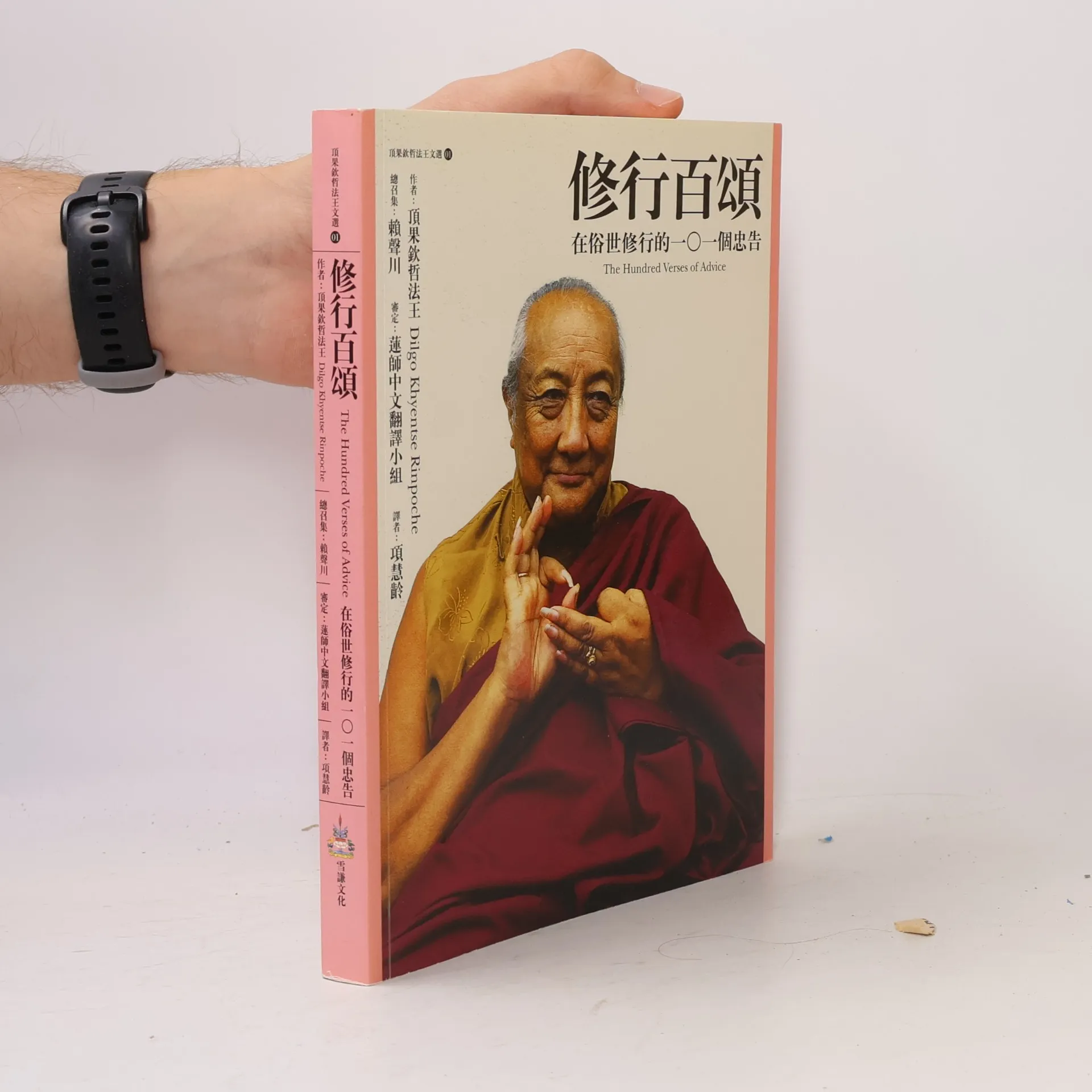
    Shambhala Pocket Classics: The Hundred Verses of Advice
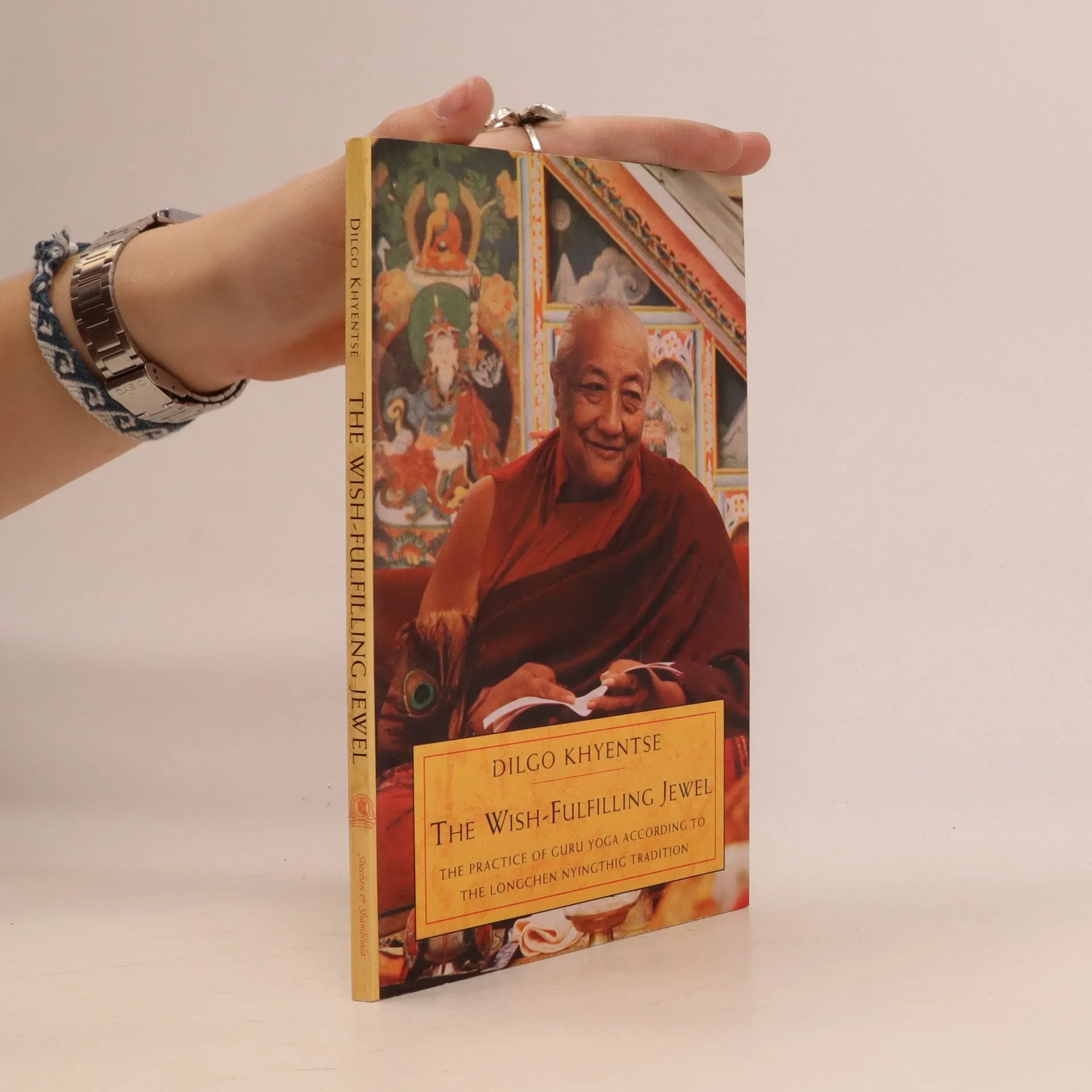
    The Wish-Fulfilling Jewel
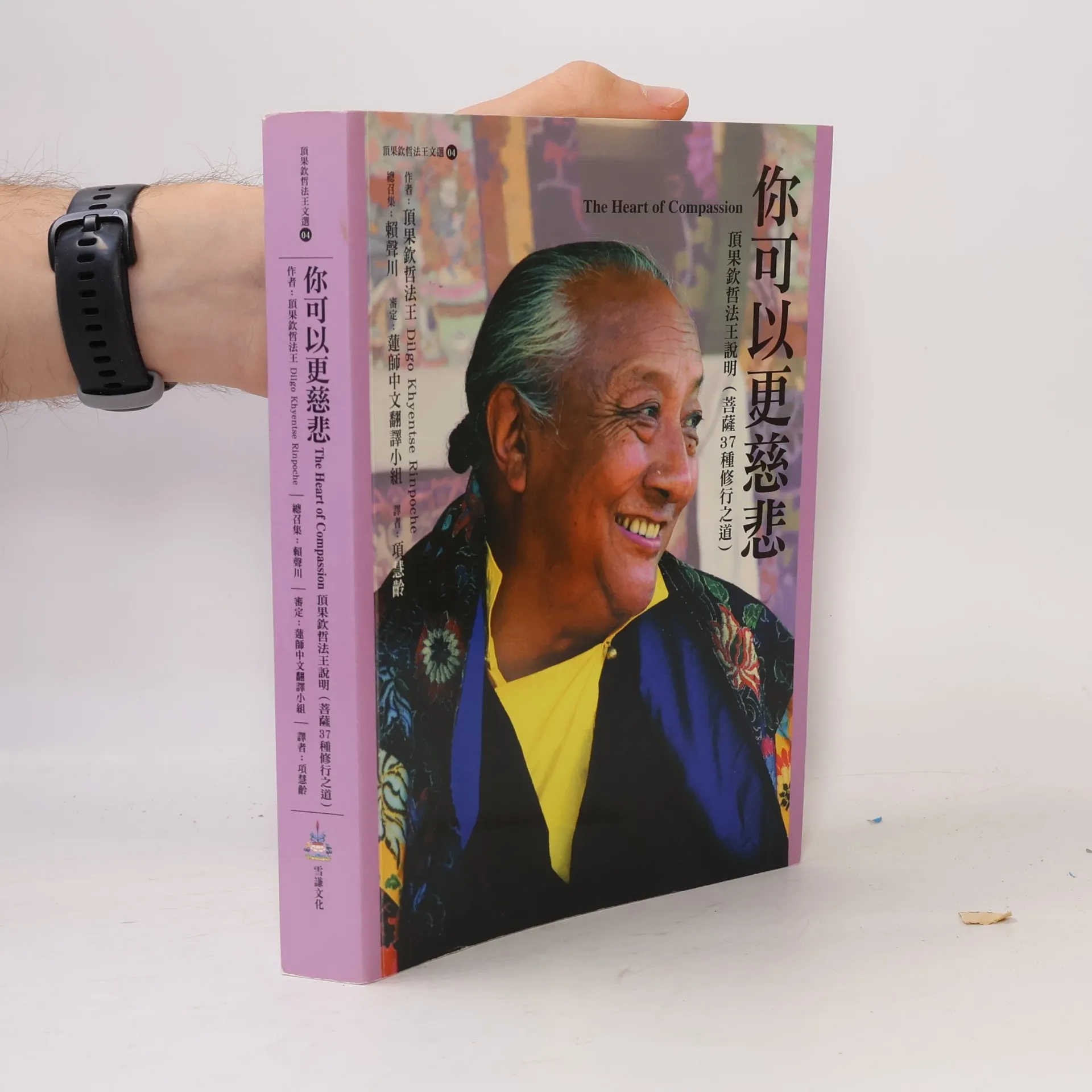
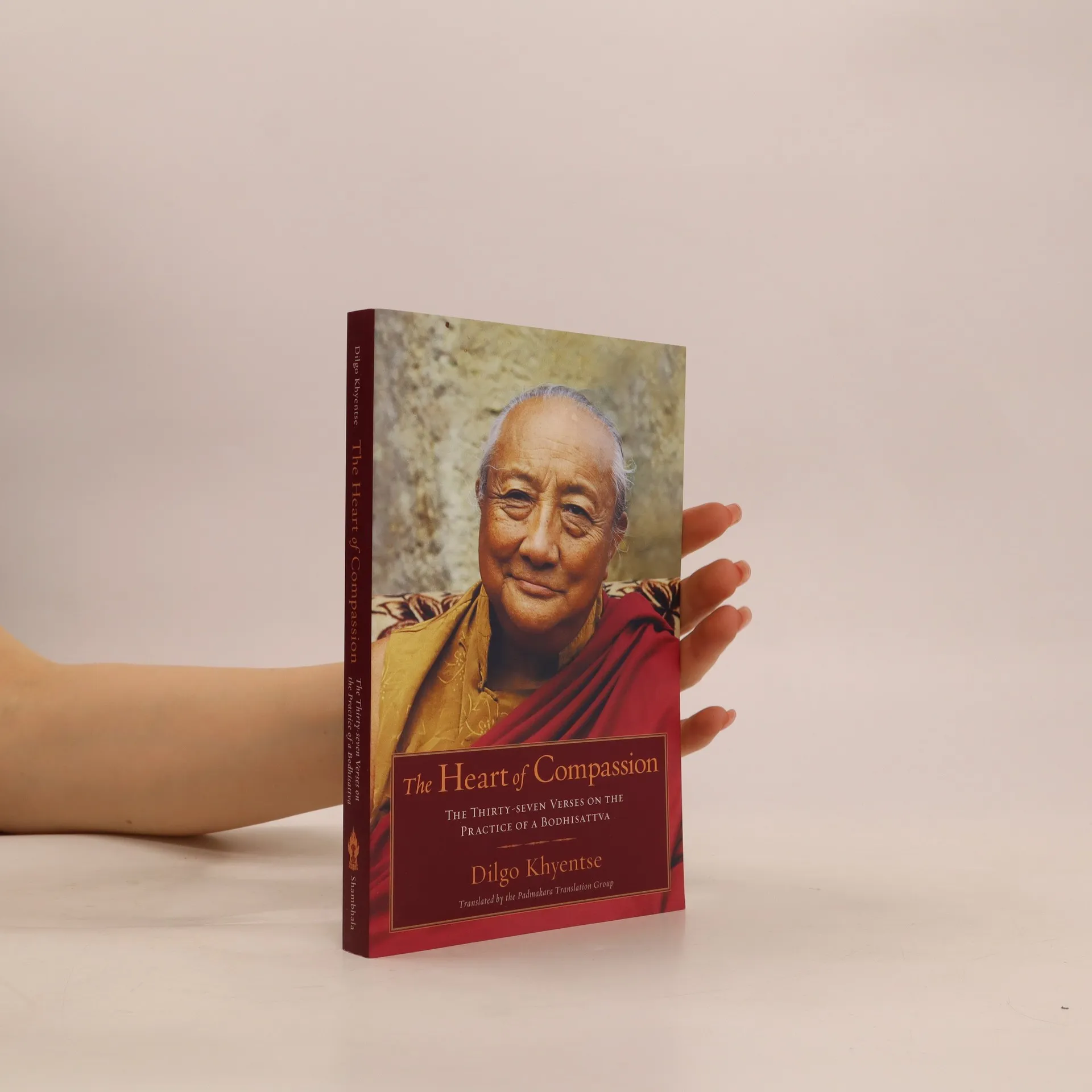
    The Heart of Compassion
    Guru Yoga
    The Life And Times Of Jamyang Khyentse
    • The Life And Times Of Jamyang Khyentse

      • 606 pages
      • 22 hours of reading

      This illustrated biography explores the life of Jamyang Khyentse Chokyi Lodro (1893-1959), a prominent Tibetan Buddhist master and key figure in the Rime movement, which promotes the study and practice of all Tibetan Buddhism schools. His extensive teachings and the diverse list of students he influenced highlight his commitment to the Dharma and his ability to transcend sectarian divides. The first half of the volume features informal anecdotes from Chokyi Lodro's teachers, students, friends, and family, compiled by Orgyen Tobgyal Rinpoche and translated into English for the first time. These intimate, humorous stories, accompanied by sixty-one photographs, provide a heartfelt glimpse into the life of this great master, showcasing the challenges he faced during the Chinese occupation of Tibet. The second half includes an English translation of the spiritual biography, or namtar, by Dilgo Khyentse, a close disciple. In recounting the life and liberation of his revered guru, Dilgo Khyentse portrays Chokyi Lodro as a living Buddha and offers a comprehensive guide to the path of enlightenment.
      The Life And Times Of Jamyang Khyentse
      4.8
    • Guru Yoga

      • 95 pages
      • 4 hours of reading

      Why is the practice guru yoga (union with the nature of the guru) so important? Because with the help of the outer teacher, the inner teacher (the true nature of our own mind) is discovered. This particular guru yoga is called "The Wish-fulfilling Jewel," and it is the outer practice of the guru from the Longchen Nyingtik revelation of Rigdzin Jigme Lingpa. It was during a summer retreat in France in 1984 that Dilgo Khyentse Rinpoche gave teachings on this text. This is a new commentary and not a re-edit of teachings in the book The Wish-fulfilling Jewel.

      Guru Yoga
      4.8
    • The Wish-Fulfilling Jewel

      • 108 pages
      • 4 hours of reading

      The Uru Is Like A Wish-Fulfilling Jewel Granting All The Qualities Of Realization, A Father And Mother Giving Their Love Equally To All Sentient Beings, A Great River Of Compassion, A Mountain Rising Above Worldly Concerns Unshaken By The Winds Of Emotion, And A Great Cloud With Rain To Soothe The Torments Of The Passions. In Brief, He Is The Equal Of All The Buddhas. To Make Any Connection With Him, Whether Through Seeing Him, Hearing His Voice, Remembering Him, Or Being Touched By His Hand, Will Lead Us Toward Liberation. To Have Full Confidence In Him Is The Sure Way To Progress Toward Enlightenment. The Warmth Of His Wisdom And Compassion Will Melt The Ore Of Our Being And Release The Gold Of The Buddha-Nature Within. In The Tibetan Buddhist Tradition, Devotion To The Spiritual Master And Complete Confidence In Him Are Considered To Be Indispensable In The Attainment Of Enlightenment. Based On The Teachings Of The Great Eighteenth-Century Saint And Visionary Rigdzin Jigme Lingpa, The Instructions Of Dilgo Khyentse In This Book Focus On The Devotional Practices Of Guru Yoga, Merging With The Mind Of The Guru. His Holiness Dilgo Khyentse Rinpoche (1910-1991) Was A Highly Revered Meditation Master And Scholar Of The Nyingma Lineage Of Tibetan Buddhism. He Is Also Author Of Heart Treasure Of The Enlightened Ones.

      The Wish-Fulfilling Jewel
      4.7
    • Shambhala Pocket Classics: The Hundred Verses of Advice

      Tibetan Buddhist Teachings on What Matters Most

      • 208 pages
      • 8 hours of reading

      This commentary on Padampa Sangye's classic verses of advise to Tibetan villagers of Tingri—by renowned and beloved meditation master Dilgo Khyentse—offers guidance for people trying to lead a dharmic life in the workaday world. These hundred verses, studied for centuries by Tibetans and students of Buddhism, contain a complete survey of the Tibetan Buddhist path. Dilgo Khyentse's lively explication of each stanza brings to light subtleties and amplifies the richness of the words and their pertinence to our lives. These two venerable teachers advise us in relating to everyday difficulties such as loneliness, craving, family squabbles, competition in business, disagreements with neighbors, and betrayal by friends—as challenging to us as they have been to meditators for centuries.

      Shambhala Pocket Classics: The Hundred Verses of Advice
      4.6
    • Primordial Purity

      • 100 pages
      • 4 hours of reading

      A meditation master illuminates the path trekchö and provides his commentary on the atiyoga dzogchen instructions from the Nyingma school of Tibetan Buddhism The path of trekchö is the way of directly and thoroughly cutting through the misconceptions of samsara to lay bare the primordial purity of the nature of mind. This powerful practice is illuminated by Dilgo Khyentse Rinpoche in his commentary on an essential text based on the atiyoga dzogchen instructions of the outstanding nineteenth-century master Patrul Rinpoche. Three Words That Strike the Vital Point is the famous seminal statement by Garap Dorje that is said to encapsulate all the myriad dzogchen tantras. The key instructions on it by Patrul Rinpoche—the verses known as "The Special Teaching of Khepa Shri Gyalpo"—form the basis for the discourse in Primordial Purity. It explains that in dzogchen, when one has fully recognized that all the confusion of samsara is the expressive power of great emptiness, confusion is spontaneously liberated into the primordial purity of mind’s essential nature. Compassion spontaneously arises, accomplishing the benefit of sentient beings. Dilgo Khyentse Rinpoche illuminates this beautifully in this profound work, which will inspire students of Buddhism and deepen their experiential appreciation of the teachings.

      Primordial Purity
      4.7
    • Brilliant Moon

      • 400 pages
      • 14 hours of reading

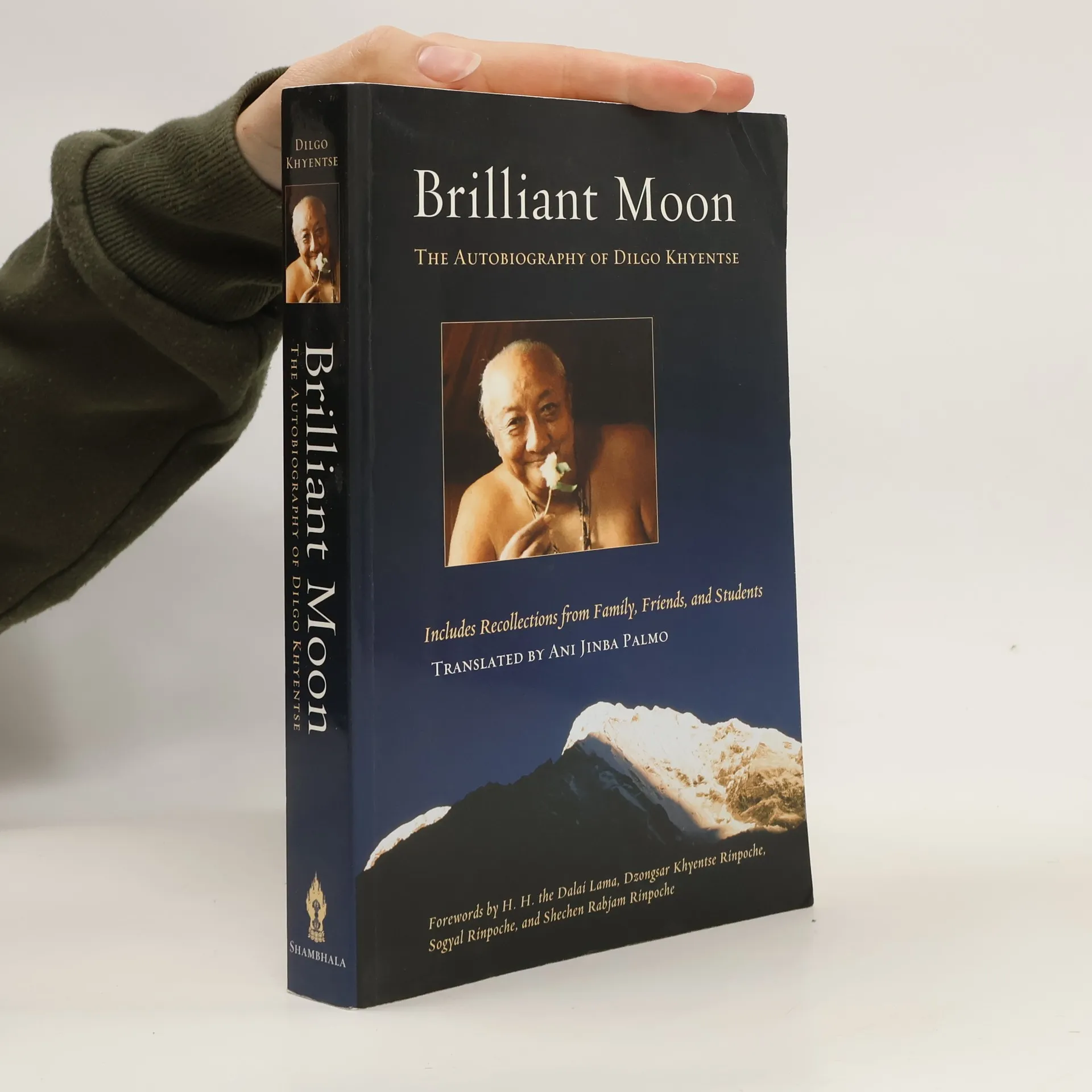
      Through lively anecdotes and stories this highly revered Buddhist meditation master and scholar tells about his life of study, retreat, and teaching. The formative events of Dilgo Khyentse Rinpoche’s life, and those insights and experiences that caused him to mature into the warm, brilliant, and highly realized meditation master and teacher he was, are deeply inspiring. The second half of the book comprises recollections by his wife; his grandson, Shechen Rabjam Rinpoche; Tenga Rinpoche; the Queen Mother of Bhutan; and many prominent teachers.

      Brilliant Moon
      4.9
    • The Life of Shabkar

      The Autobiography of a Tibetan Yogin

      • 712 pages
      • 25 hours of reading

      The Life of Shabkar has long been recognized by Tibetans as one of the masterworks of their religious heritage. Shabkar Tsogdruk Rangdrol devoted himself to many years of meditation in solitary retreat after his inspired youth and early training in the province of Amdo under the guidance of several extraordinary Buddhist masters. With determination and courage, he mastered the highest and most esoteric practices of the Tibetan tradition of the Great Perfection. He then wandered far and wide over the Himalayan region expressing his realization. Shabkar's autobiography vividly reflects the values and visionary imagery of Tibetan Buddhism, as well as the social and cultural life of early nineteenth-century Tibet.

      The Life of Shabkar
      4.4
    • Rimey Lama Chopa

      • 108 pages
      • 4 hours of reading

      The book features the Rimey Lama Chopa, a significant liturgical text by the revered Tibetan Buddhist teacher Dilgo Khyentse Rinpoche, emphasizing the Eight Chariots Rimey lineages within Vajrayana Buddhism. Celebrating Khyentse's centenary, this edition includes a foreword by his disciple Matthieu Ricard and personal photographs. Compiled by translator Glenn Mullin, it aims to contribute to spiritual literature while supporting charitable efforts through the Karuna-Shechen Foundation, with half of the profits directed to its initiatives in the Himalayas.

      Rimey Lama Chopa
      5.0
    • Dakini Activity

      • 194 pages
      • 7 hours of reading

      The source of activity is the dakini and there are five kinds of activities, peaceful, increasing, magnetizing, subjugating, and the supreme activity. The primary way to perfect these is through dakini practices, and among dakinis, there are the wisdom dakinis, in space, and worldly dakinis. These vast collections of practices can be condensed into those of the three roots, lama, yidam, and dakini. The source of blessings is the lama, the source of accomplishment is the yidam, and the source of activities is the dakinis. The one who carries out the activities for the lama and the yidam is the dakini, in other words, the virtue of blessings and accomplishment is the activity, which is the dakini. Pema Khandro practice connects us with magnetizing practices. And why do we do magnetizing practice? The real essence that needs to be magnetized is not superficial things; it is to magnetize realization of the view, to magnetize the teachings on how to realize the view, to magnetize the meditation and the conduct

      Dakini Activity
      5.0
    • Powerful Transformation

      • 224 pages
      • 8 hours of reading

      Powerful Transformation elucidates the alchemical principles of development and completion stage practices applied in a sublime manner. What prevents the meditation experiences and realization from arising, are mainly our misdeeds, obscurations and habitual patterns, these can be purified by Vajrasattva Practice. When a yogi attains accomplishment, the obstacles become greater and can be overcome by Vajrakilaya Practice, combined with recognition of mind nature. In the Secret Heart Essence, these two powerful yidams are combined as conduits to realization and accomplishment. These teachings on the hidden treasures of Chokgyur Lingpa by Karmey Khenpo Rinchen Dargye, Kyabje Dilgo Khyentse Rinpoche, Tulku Urgyen Rinpoche, Tsikey Chokling Rinpoche, and Orgyen Topgyal Rinpoche exactly describe how to train.

      Powerful Transformation
      5.0
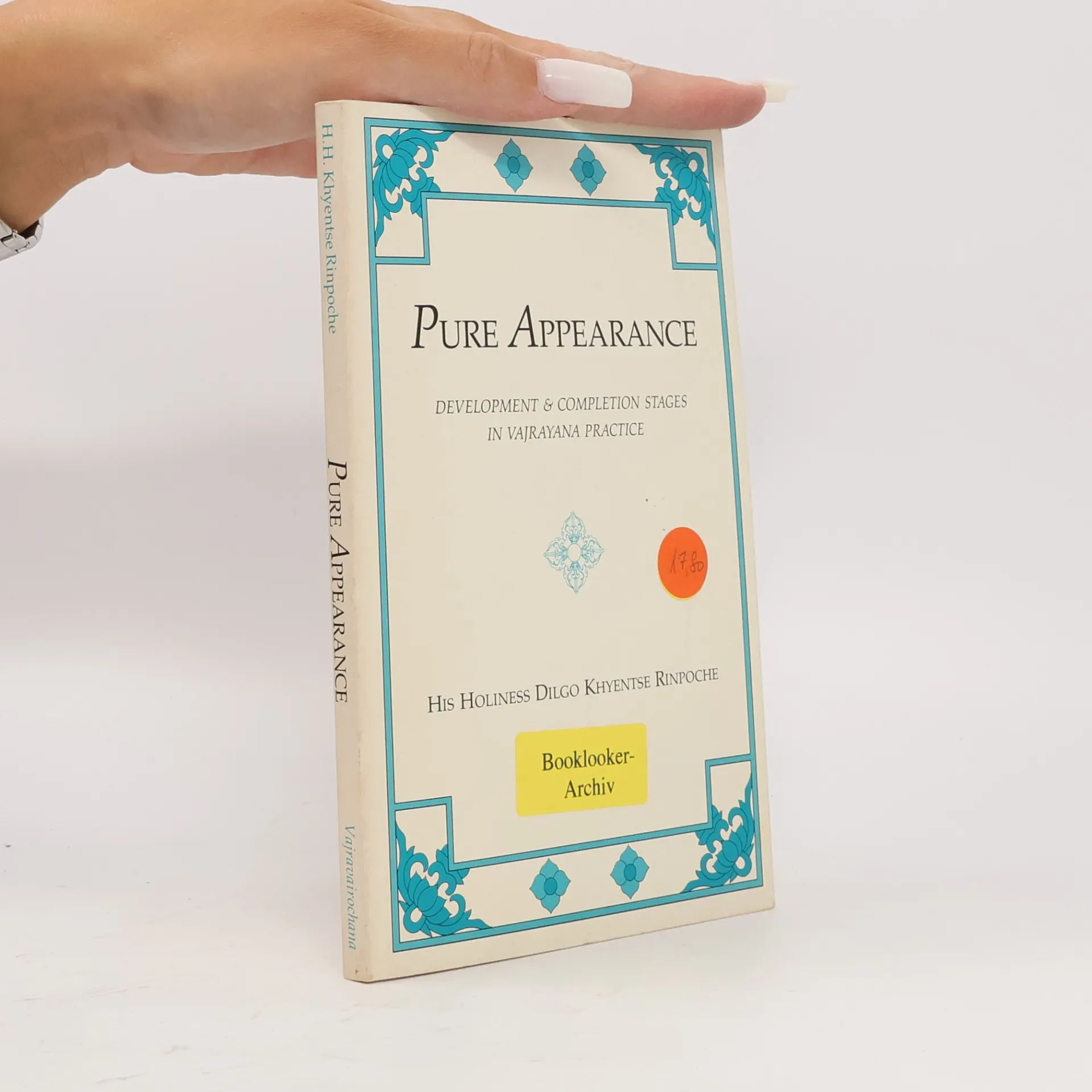
    • Pure Appearance

      • 118 pages
      • 5 hours of reading

      An overview of Tibetan tantric practice that explains its concepts, clarifies its terminology, and shows how its myriad pieces fit together, including an extensive teaching on the bardos, or "between states"--essential for those new to the topic and a welcome source of illumination for longtime students. Vajrayana methods for realizing the true nature of the mind take the resultant state of buddhahood as the path, or what is to be practiced. Pure Appearance focuses on the generation and completion stages of tantra that work with the pure form aspect of enlightenment. In this short but densely packed teaching, Dilgo Khyentse Rinpoche explains the structure of the tantric path and how its stages are put into practice, in terms that apply generally across the spectrum of deity practices. He emphasizes the distinctive features of the Nyingma approach but frequently correlates them with their counterparts in the New Translation traditions. The result is a crystal-clear depiction of a complex topic, a treasure trove of illuminating gems that will be welcomed by all students of Tibet's Buddhist traditions.

      Pure Appearance
      4.7
    • Dispeller of Obstacles

      • 240 pages
      • 9 hours of reading

      Dispeller of Obstacles is the first in a new series that will include video, audio, photos, and commentaries to support practice and is the heart essence of the accomplished 9th-century master Padmasambhava. This hidden treasure is a revelation with a rich history that is explained in the book. In addition to the root text and classical commentaries by Chokgyur Lingpa and Jamyang Khyentse Wangpo, the treasure-revealers themselves, there are also explanations by modern-day masters such as Tulku Urgyen and Orgyen Topgyal Rinpoches. This extensive cycle contains teachings and practices for the preliminaries up to and including Dzogchen. Linking to a fresh treasure has the power to imbue us with hot and juicy blessings that invigorate our being and generate devotion and joy. Just as we prefer to have fresh food, these treasure teachings are endowed with a very special quality that has not been interpolated by anyone else, but has come directly from Padmasambhava by means of one of his disciples appearing as a present-day incarnation. The teaching is then spread to people for their immediate practice.

      Dispeller of Obstacles
      4.8
    • The Excellent Path To Enlightenment

      • 128 pages
      • 5 hours of reading

      The vow to perfect oneself in order to perfect others is called the thought of enlightenment or bodhichitta. This implies that every single action word or thought even the most trivial is dedicated to the good of all beings. To accomplish the good of others, we must first perfect ourselves by purifying and transforming our minds. This is the aim of what we call the preliminary practices, which establish the foundations of all spiritual progress. In this book, Dilgo Khyentse Rinpoche explains a key practice text composed by Jamyang Khyentse Wangpo (1820–1892) on the Vajrayana preliminaries: taking refuge, generating the thought of achieving enlightenment for the sake of all beings, performing the meditation, and recitation of Vajrasattva to remove hindrances on the path to enlightenment, offering the mandala to accumulate merit and wisdom, and developing proper reliance on a spiritual teacher. Clear, direct, and personal, these instructions illuminate the heart of Vajrayana practice. Included here are the Tibetan text as well as the mantras and prayers commonly recited in conjunction with this practice.

      The Excellent Path To Enlightenment
      4.5
    • Dharma Paths

      • 288 pages
      • 11 hours of reading

      Since its initial publication, Dharma Paths has quietly gained a reputation as one of the most useful introductory texts on Tibetan Buddhism. Assuming no prior background or knowledge of Buddhist terminology, Khenpo Karthar Rinpoche presents Buddhist ways of working with anxiety and frustration, the nature and development of love and compassion, and the profound methods of the vajrayana. The Four Noble Truths, taking refuge, and the Stages of the Path are concisely explained, and clear instructions for shamatha ("calm abiding") meditation are provided. Question-and-answer sections follow each chapter, anticipating common problems and addressing them in a direct, accessible style.

      Dharma Paths
      4.6
    • Zurchungpa's Testament

      • 448 pages
      • 16 hours of reading

      Zurchungpa's Eighty Chapters of Personal Advice represents the final teachings of the esteemed Nyingma master Zurchung Sherab Trakpa before his passing. These counsels encapsulate a lifetime of experience, offering practical guidance from a master who embodied the teachings of the Great Perfection. The original text comprises nearly 580 maxims, organized into eighty chapters that explore the entire Dzogchen path, from foundational teachings on devotion and renunciation to a series of pith instructions that enliven the Dzogchen view. The often cryptic nature of these instructions can be challenging without the annotations provided by Shechen Gyaltsap Rinpoche, who based his interpretations on insights from his teacher, Jamyang Khyentse Wangpo. This edition includes a comprehensive teaching on Zurchungpa's text by Dilgo Khyentse Rinpoche, drawing from Shechen Gyaltsap's notes. Initially intended for practitioners in a three-year retreat, it serves as an essential guide for anyone committed to the practice of the Great Perfection. Zurchung Sherab Trakpa (1014-1074) was a pivotal figure in the Zur tradition, a key lineage transmitting teachings from Guru Padmasambhava to contemporary Nyingma masters. Shechen Gyaltsap Rinpoche (1871-1926), a significant disciple of Jamyang Khyentse Wangpo, was both an accomplished meditator and a respected scholar, with his writings spanning thirteen volumes.

      Zurchungpa's Testament
      4.5
    • Lion of Speech

      • 288 pages
      • 11 hours of reading

      A traditional biography on the life of Mipham Rinpoche--one of the greatest 19th-century masters--from Dilgo Khyentse Rinpoche, one of the greatest 20th-century masters.The first half of this volume comprises the first-ever English translation of the biography of Mipham Rinpoche written by Dilgo Khyentse Rinpoche, a teacher to His Holiness the Dalai Lama as well as an entire generation of other teachers and students throughout the Himalayan region and the West. Composed in 1939, it was left behind in Tibet in 1959 when Khyentse Rinpoche went into exile and was lost for fifty-one years before its discovery in 2010 by an extraordinary stroke of good luck. Reverential in tone, it is informed by both oral accounts preserved in notes kept by Khyentse Rinpoche's elder brother and the recollections of Mipham's devoted personal attendant of thirty-seven years.In keeping with the identification of Mipham as an emanation of Manjushri, the lion of speech, the second half comprises a selection of Mipham's writings, designed to give the reader an experience of Mipham's eloquent speech and incisive thought. It includes both a new translation of The Lion's A Comprehensive Discourse on the Buddha-Nature and A Lamp to Dispel the Dark , a teaching of the Great Perfection, as well as excerpts from previously published translations of his works on Madhyamaka and tantra.

      Lion of Speech
      4.5
    • Light of Wisdom, The Conclusion

      • 252 pages
      • 9 hours of reading

      The role of a Vajra Master in a student's spiritual development to clear away hindrances on the path and enhance self-realization forms the core of this final volume in the Light of Wisdom series. Padmasambhava, the lotus-born founder of Vajrayana Buddhism, established Buddhist doctrine in Tibet during the eighth century. He concealed teachings in the form of hidden treasures, to be revealed at an appropriate time in the future. The book is a combination of three texts: the root text, The Gradual Path of the Wisdom Essence comprising oral instructions of Padmasambhava, recorded by his chief female disciple, Yeshe Tsogyal; The Light of Wisdom by Jamgön Kongtrül, one of the most prominent Buddhist masters of nineteenth-century Tibet, an extensive commentary on this sacred scripture; and Entering the Path of Wisdom, annotations on the commentary by Jamyang Drakpa, a student of Jamgön Kongtrül as dictated to the scholar Jokyab Rinpoche.

      Light of Wisdom, The Conclusion
      4.3
    • A spiritual classic along the lines of The Tibetan Book of the Dead, this text is a clear and accessible guide to the essence of Dzogchen and the attainment of Buddhahood A text belonging to the same cycle as The Tibetan Book of the Dead, this instruction on the method of self-liberation presents the essence of Dzogchen, The Great Perfection, regarded in Tibet as the highest and most esoteric teaching of the Buddha. Teaching the attainment of Buddhahood in a single lifetime, this text was written and concealed by Guru Padmasambhava in the eighth century and rediscovered six centuries later by Karma Lingpa. The commentary by the translator is based on the oral teachings of Namkhai Norbu Rinpoche and Lama Tharchin Rinpoche.

      Self-Liberation through Seeing with Naked Awareness
      4.4
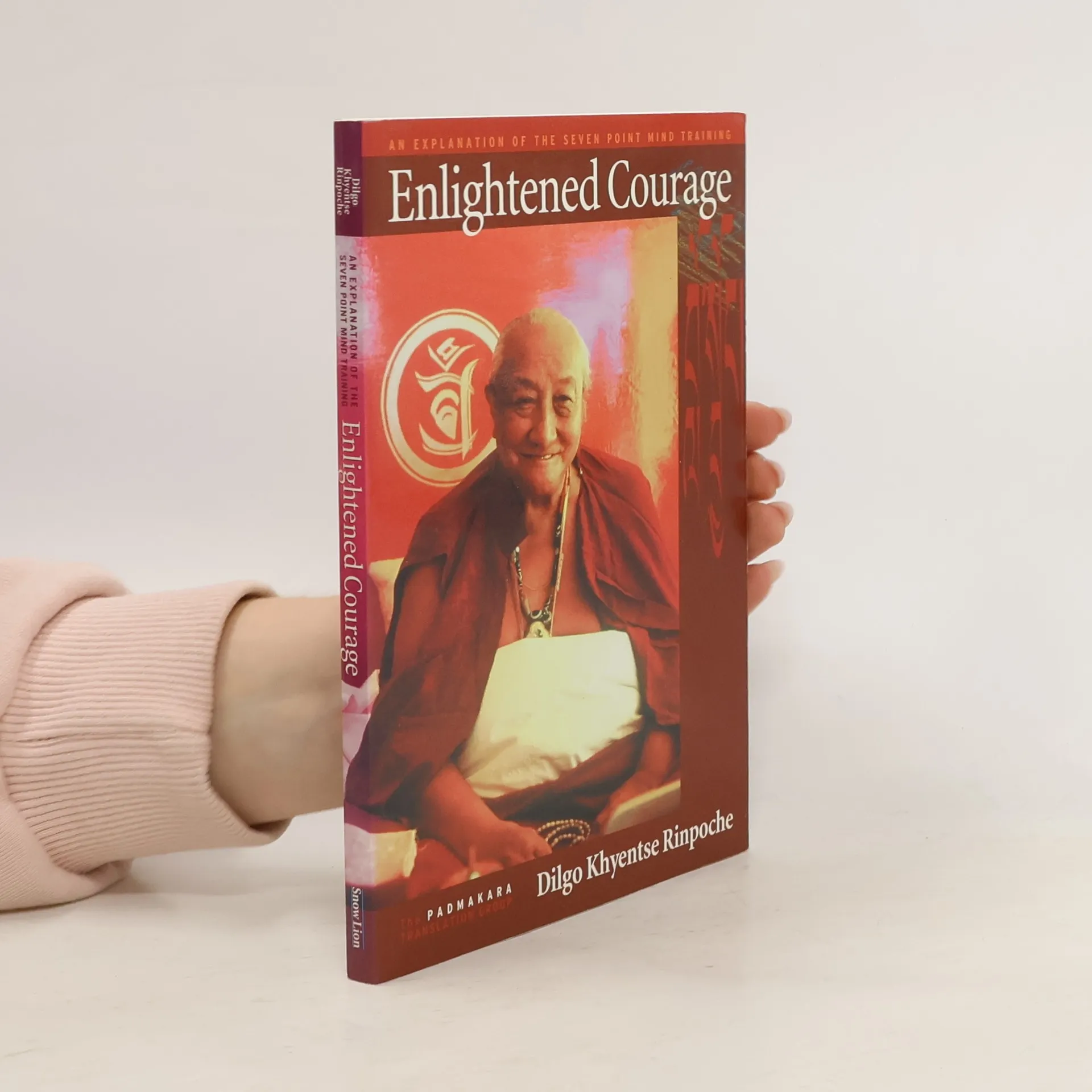
    • Enlightened Courage

      • 144 pages
      • 6 hours of reading

      Highly respected by thousands of students throughout the world, Dilgo Khyentse Rinpoche was one of the foremost poets, scholars, philosophers, and meditation masters of our time. Here he speaks frankly, drawing on his own life experience. Condensing the compassionate path to Buddhahood into practical instructions that use the circumstances of everyday life, Rinpoche presents the Seven-Point Mind Training—the very core of the entire Tibetan Buddhist practice.

      Enlightened Courage
      4.3
    • Sublime Lady of Immortality

      • 368 pages
      • 13 hours of reading

      The Heart Essence of the Lady of Immortality, or Chime Phakme Nyingtik, represents the most profound teachings received by Jamyang Khyentse Wangpo through seven transmission methods, promoting not only longevity but also a life free from obstacles and rich in wisdom. The teachings encompass translations of texts from great masters of the Chime Phakme Nyingtik lineage, including Jamyang Khyentse Wangpo’s responses to inquiries, Jamgön Kongtrul’s Retreat Manual, and practice instructions from Jamyang Khyentse Chökyi Lodrö, alongside a visualization guide by Dilgo Khyentse Rinpoche. Additionally, it features teachings from Tulku Orgyen Tobgyal, presented in eleven parts, that convey the profound views, meditations, conduct, and ultimate goals of Vajrayana Tibetan Buddhism. This collection provides essential information for practicing Chime Phakme Nyingtik while clarifying points relevant to all sadhana practices. Even those who do not engage in this specific practice can gain insights from the book. Orgyen Tobgyal’s detailed instructions on kyerim practice, rooted in the Chime Phakme Nyingtik, are particularly rich in practical guidance inherited from the great siddhas of this lineage.

      Sublime Lady of Immortality
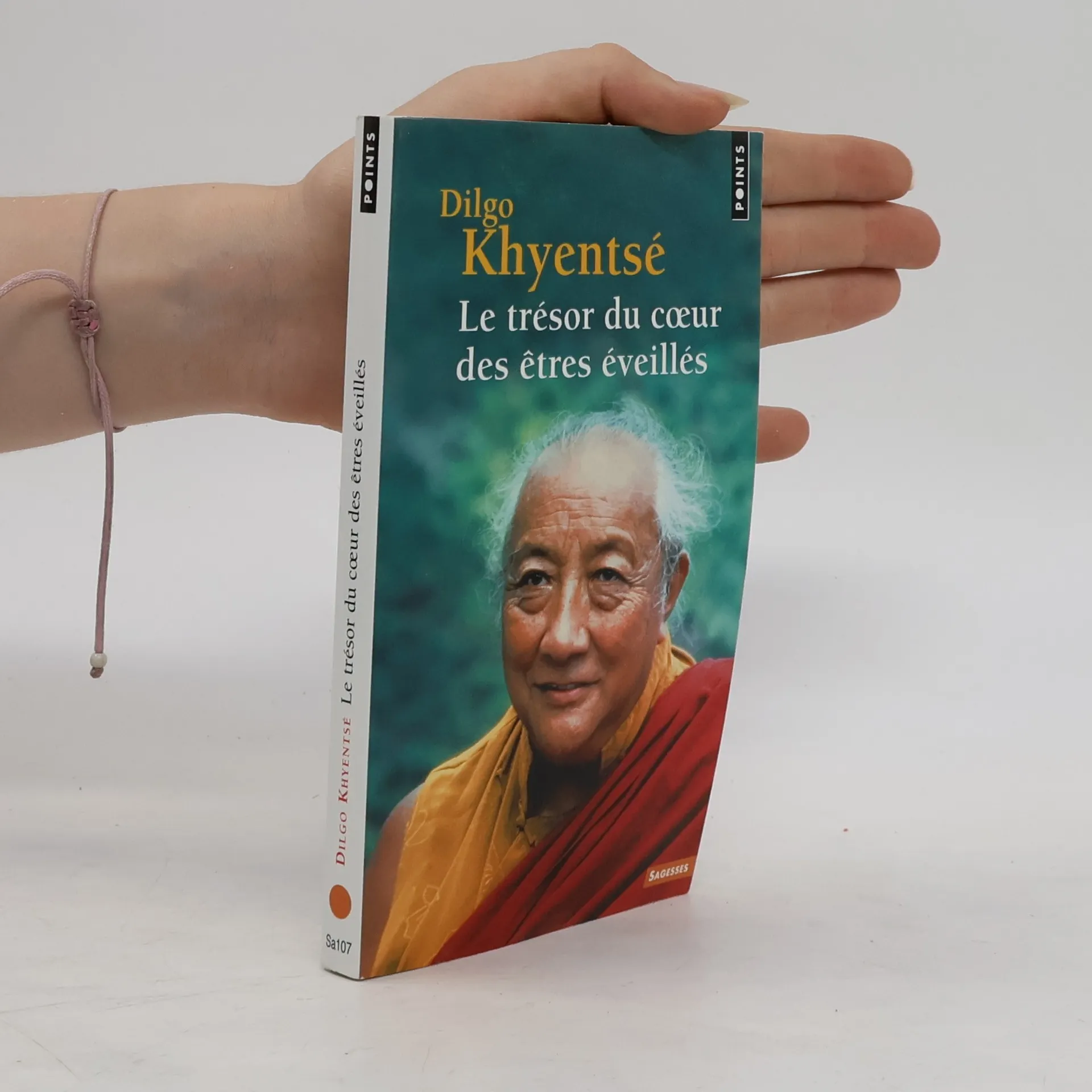
    • Le trésor du coeur des êtres éveillés

      Pratique de la vue, de la méditation et de l'action

      • 271 pages
      • 10 hours of reading

      Le trésor du cœur des êtres éveillés. Dans ce livre, deux grands maîtres tibétains des XIXe et XXe siècles nous exhortent à examiner de façon critique nos préocupations matérialistes et à réfléchir attentivement à la façon dont nous allons passer le reste de notre vie. En même temps, ils donnent des indications pratiques pour suivre la voie bouddhiste, qui part des motivations les plus fondamentales et culmine dans l'expérience directe de la réalité au-delà de la prise de l'esprit conceptuel. Le texte-racine est un magistral enseignement versifié, écrit au XIXe siècle par Patrul Rinpoché (1910-1991), chef de la lignée de l'école Nyingma et l'un des grands propagateurs du dharma en Occident, développe le poème avec sa compassion et sa droiture caractéristiques. La combinaison de la fraîcheur incisive du poème de Patrul Rinpoché et de la pertinence pratique des commentaires de Dilgo Khyentsé Rinpoché forme un ensemble, assez bref, d'une remarquable cohérence et d'une émouvante beauté.

      Le trésor du coeur des êtres éveillés
      5.0
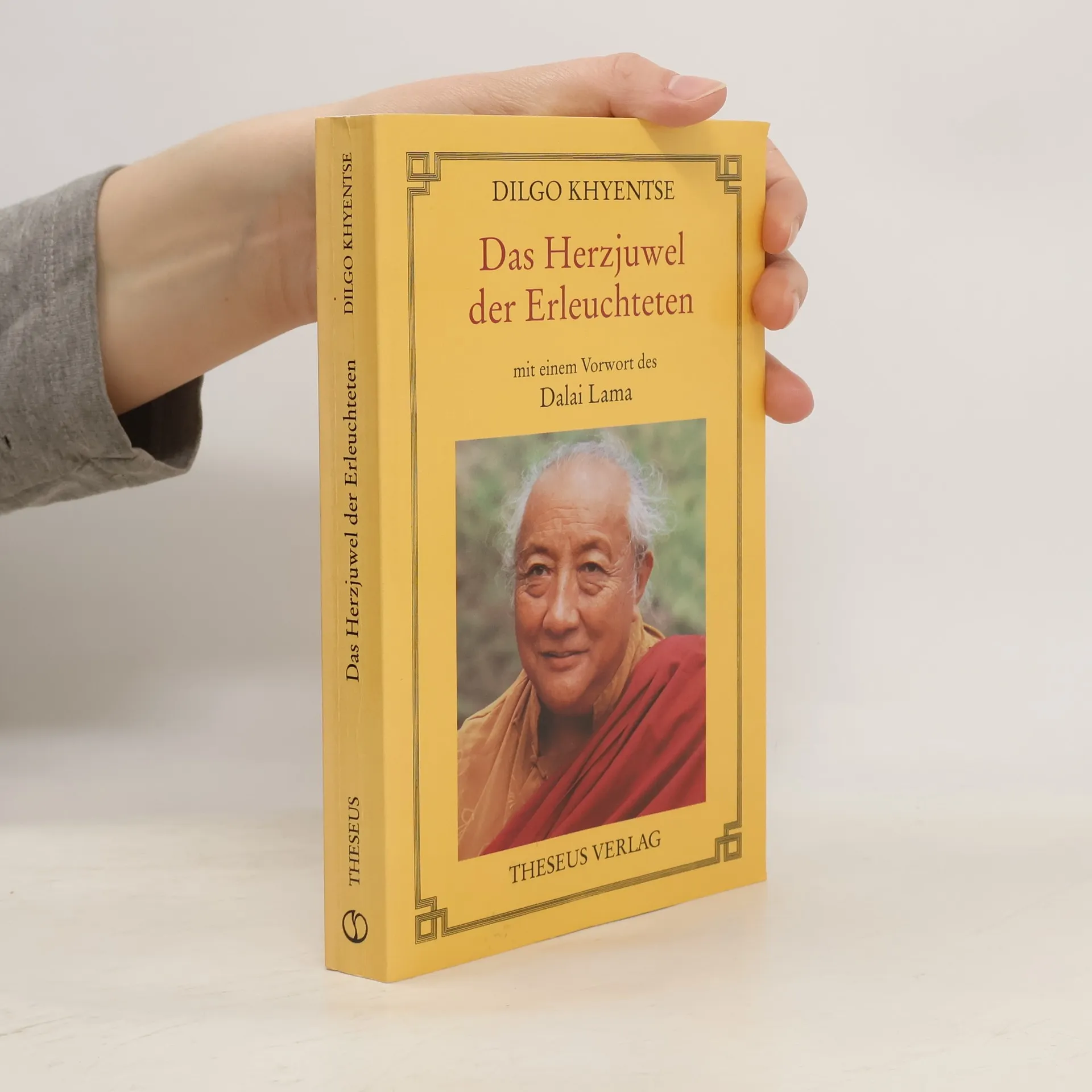
    • Das Herzjuwel der Erleuchteten

      Die Übung von Sicht, Meditation und Verhalten; eine Abhandlung heilsam am Anfang, in der Mitte und am Ende

      • 270 pages
      • 10 hours of reading
      Das Herzjuwel der Erleuchteten
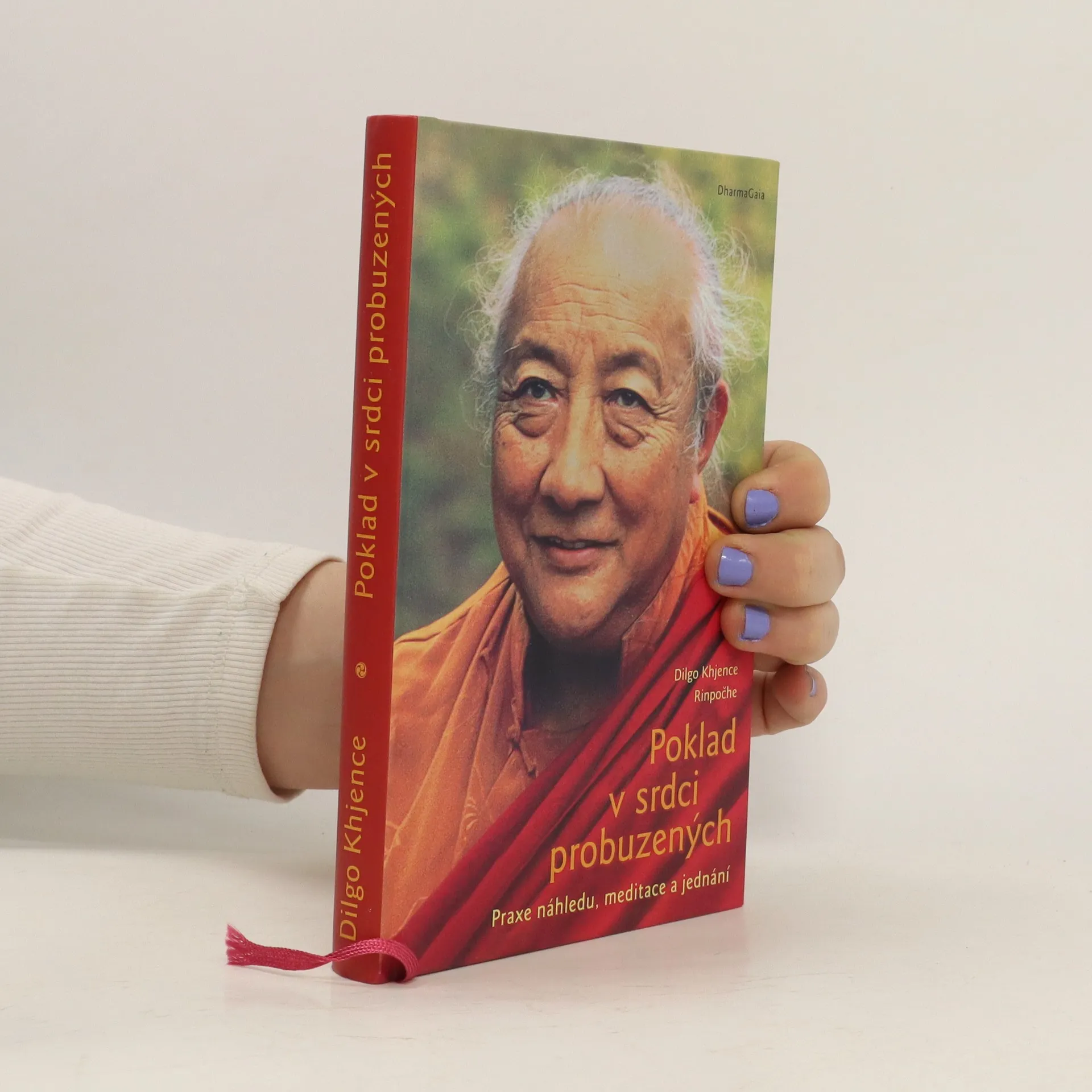
    • Autor (1910-1991) byl jedním z nejvyšších mistrů dzogčhenu v starobylé tibetské tradici Ňingma a zároveň jedním z posledních představitelů generace velkých lamů, kteří své vzdělání a duchovní vyškolení získali ještě v Tibetu. V této knize komentuje rozsáhlou didaktickou báseň věhlasného tibetského mistra meditace Patrul Rinpočheho (1808-1987), významného učitele dzogčhenu a nesektářského hnutí rime. Tato báseň popisuje kompletní buddhistickou cestu, počínaje základní motivací a přípravnou praxí, přes stadia rozvoje, dovršení a nekonceptuální meditaci mahámudry a dzogčhenu až po vrcholnou přímou zkušenost absolutní skutečnosti mimo dosah konceptuální mysl.

      Poklad v srdci probuzených
      5.0
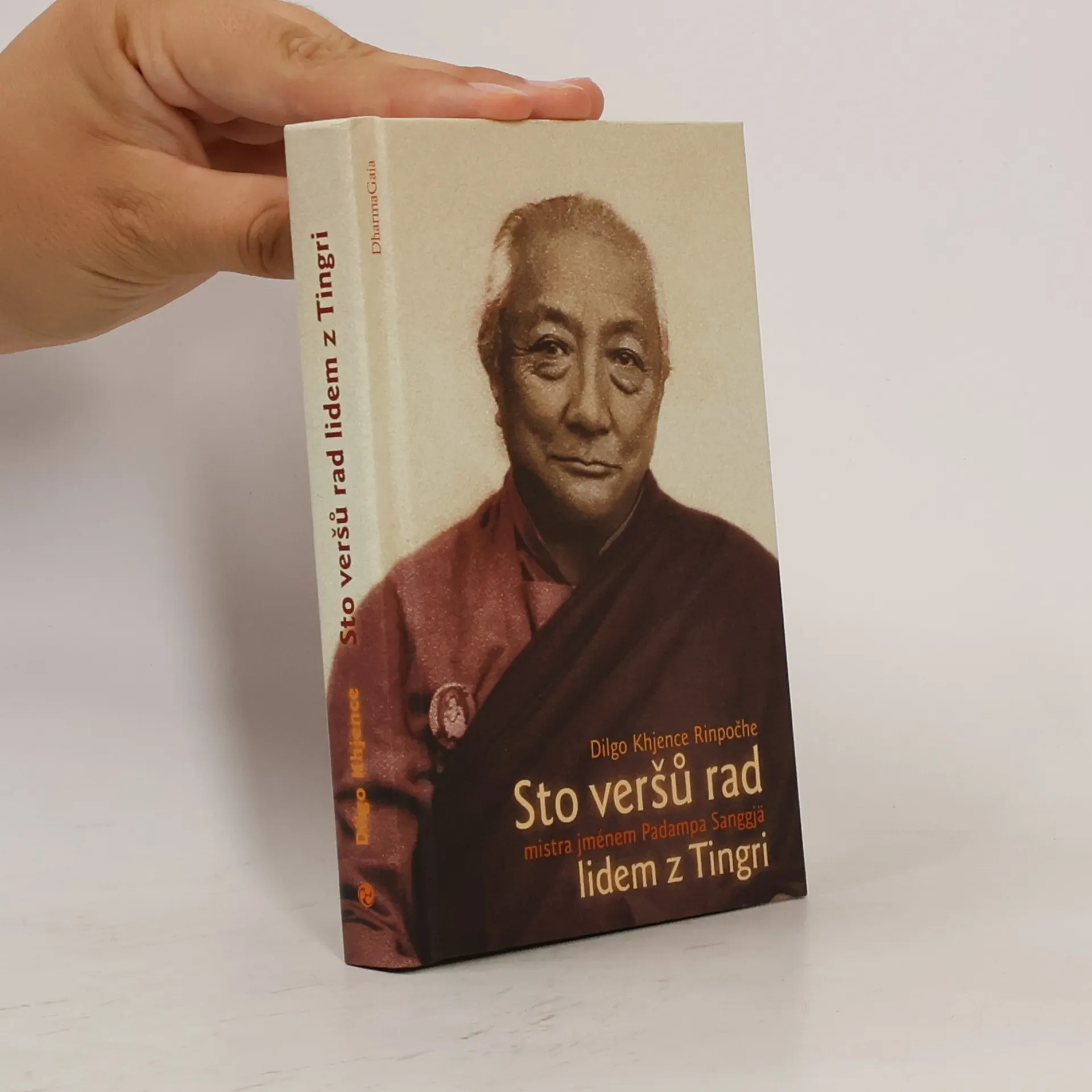
    • Indický jógin a duchovní mistr Padampa Sanggjä přišel do Tibetu poprvé v roce 1091. Pobýval zde deset let, pak dvanáct let cestoval po Číně a poté se navrátil zpět do Země sněhu, kde zůstal až do své smrti. Než v Tingri v roce 1117 zemřel, věnoval tamějšímu lidu jako své poslední učení těchto Sto veršů rad. Krátce nato řekl: "Má mysl splynula se světem jevů." Tím vyjádřil, že z jeho mysli vymizelo veškeré dualistické vnímání. Poté spočinul svým pohledem na nebi a zemřel. Každý z těchto veršů bohatě, velmi jasně a zpříma okomentoval Dilgo Khjence Rinpočhe (1910-1991) a zároveň tak ukázal, že "lidé z Tingri" se nijak neliší od jiných hledačů pravdy. S velkou láskou, ale nekompromisně nám Dilgo Khjence Rinpočhe dává velkolepé učení o tom, jak zacílit své myšlenky k tomu, na čem v životě opravdu záleží, jak se věnovat duchovní praxi celým svým bytím a jak odhalit konečnou přirozenost mysli. Přeložili Lukáš Chmelík a Lucie Hanigerová. Edice Mangalam - malá řada.

      Sto veršů rad mistra jménem Padampa Sanggjä lidem z Tingri
      5.0