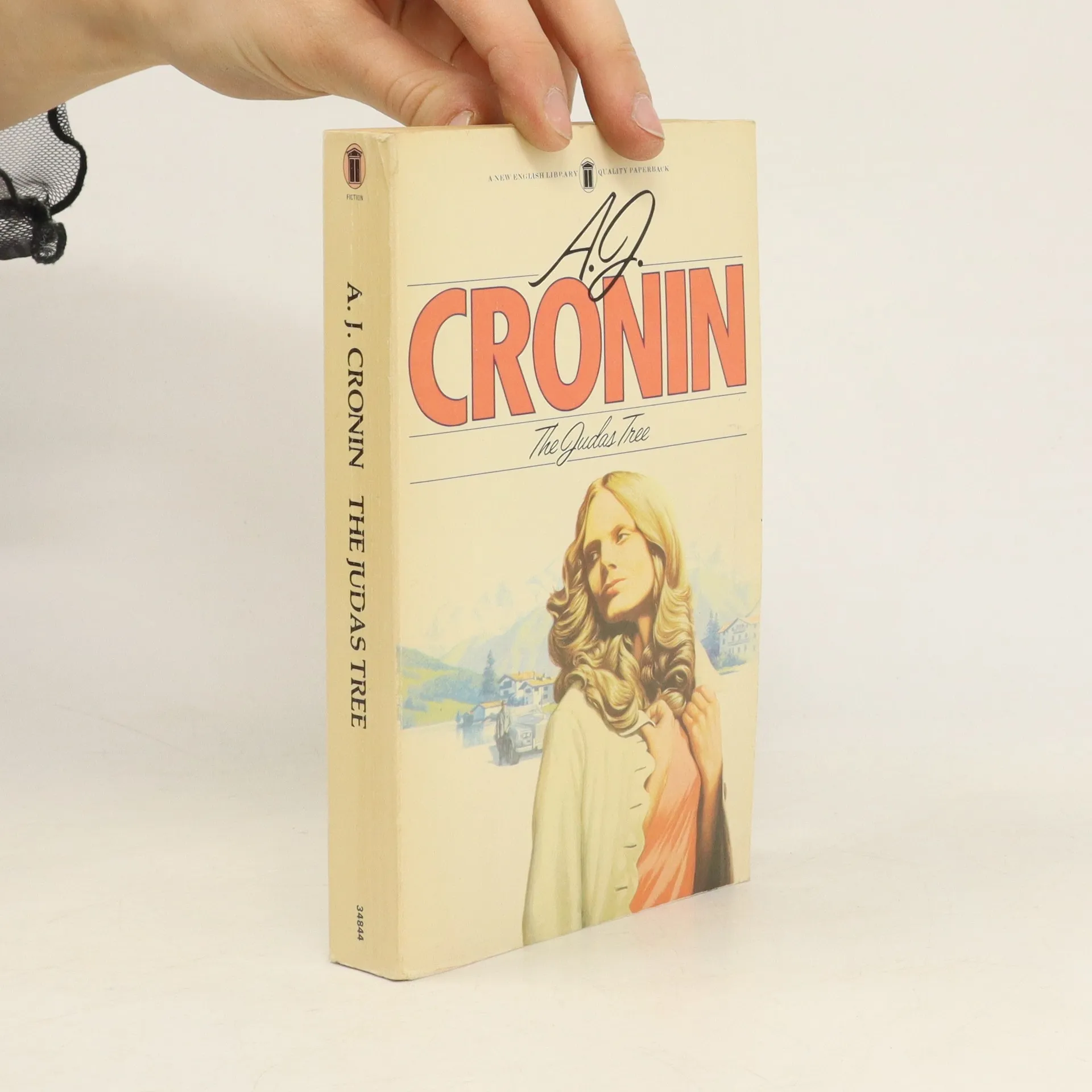
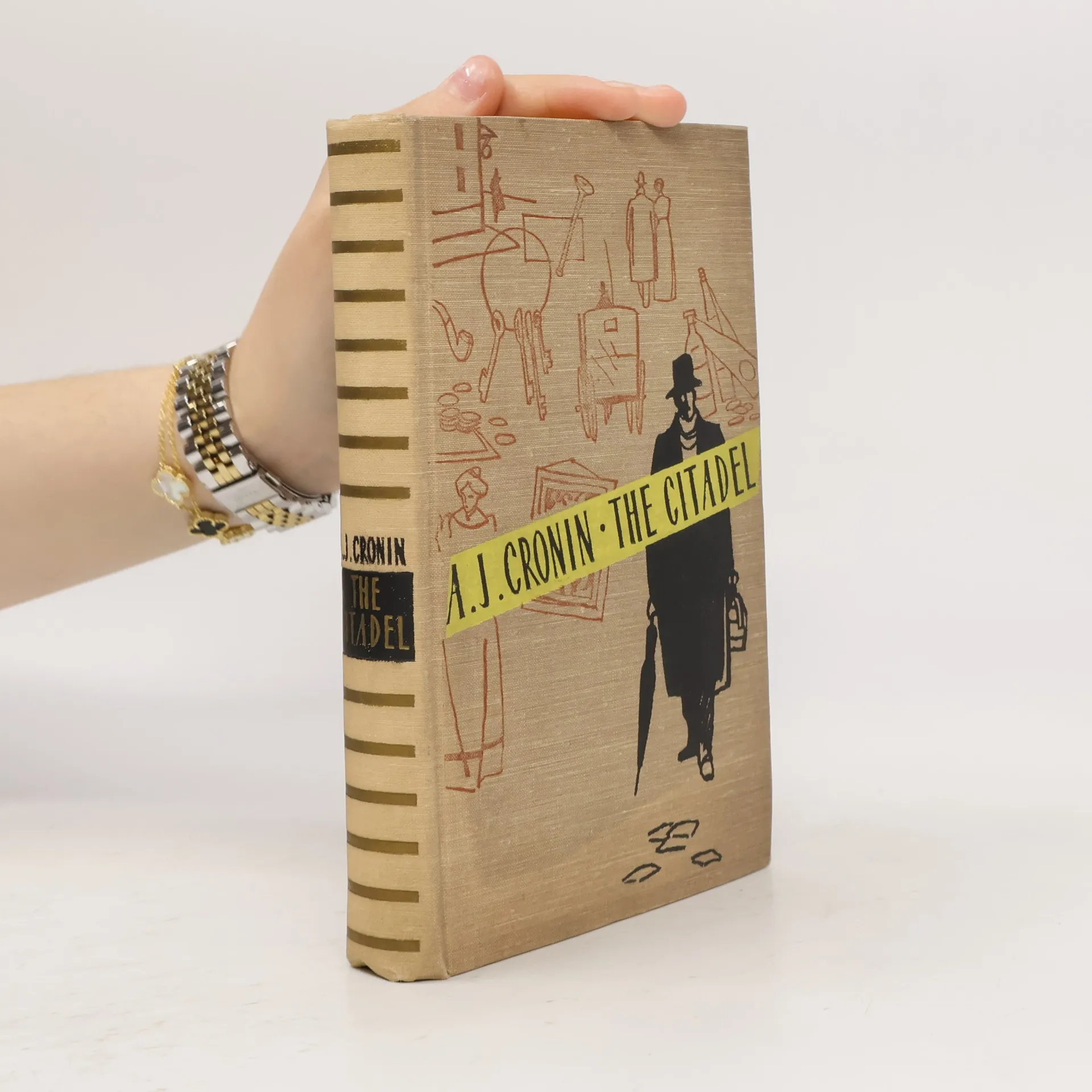
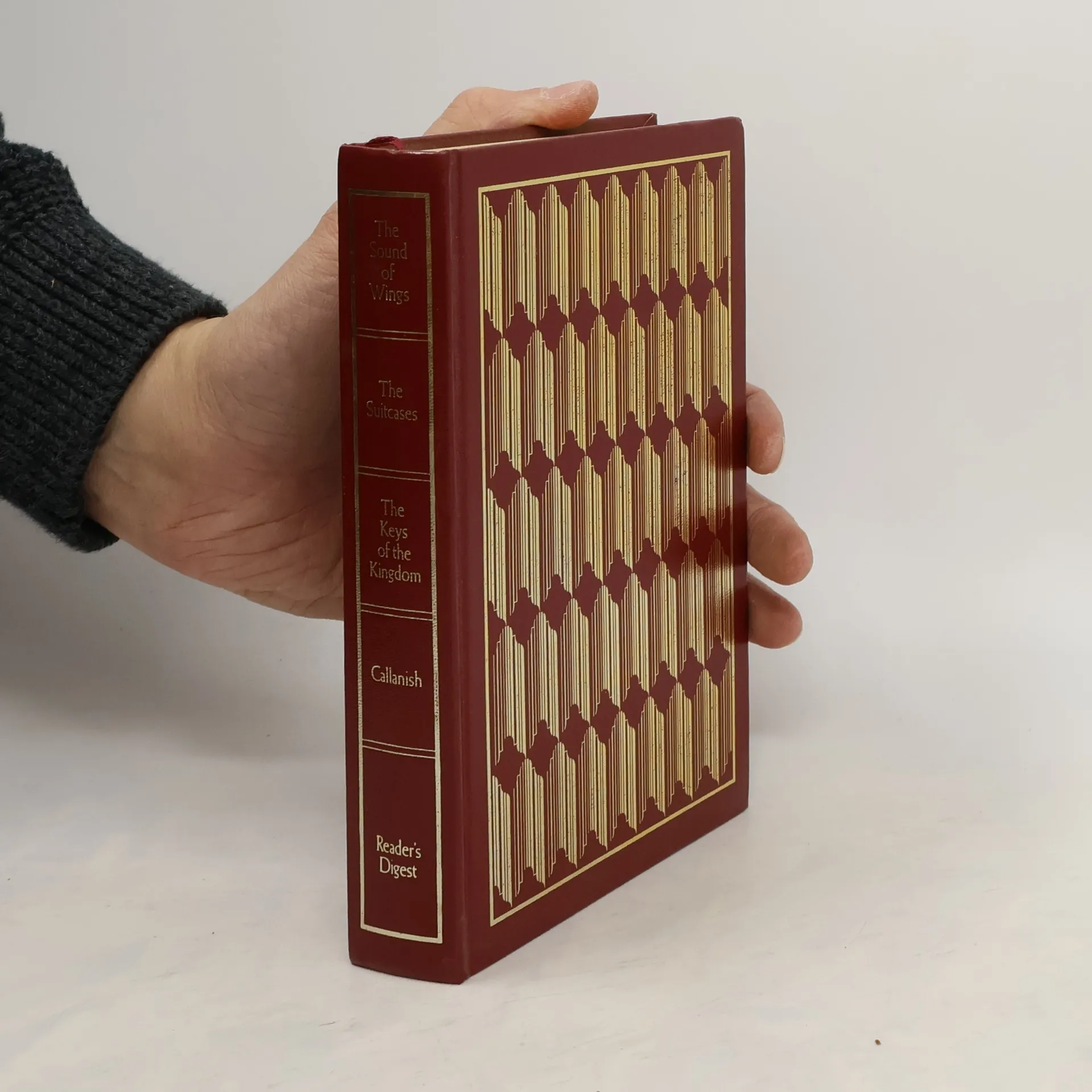
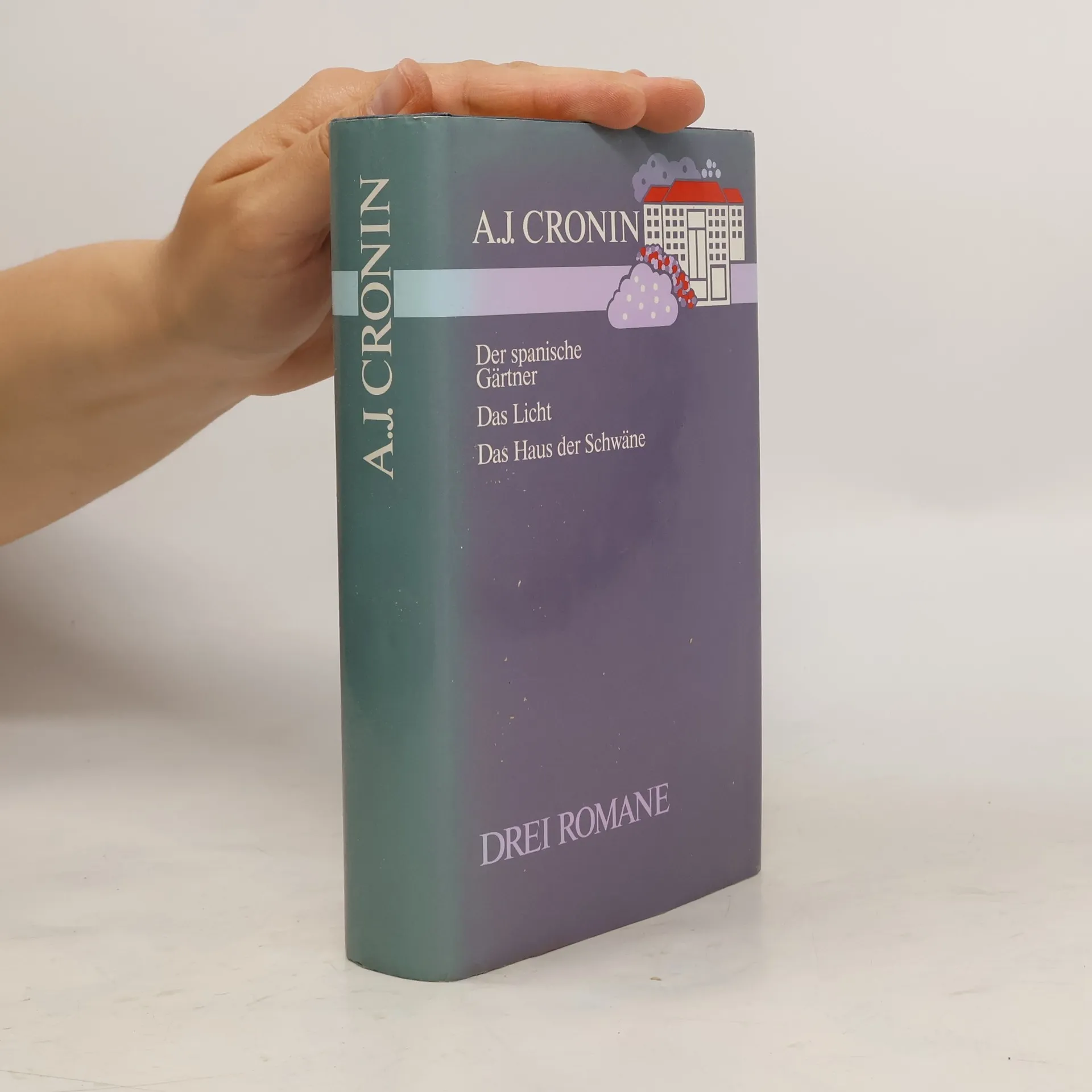
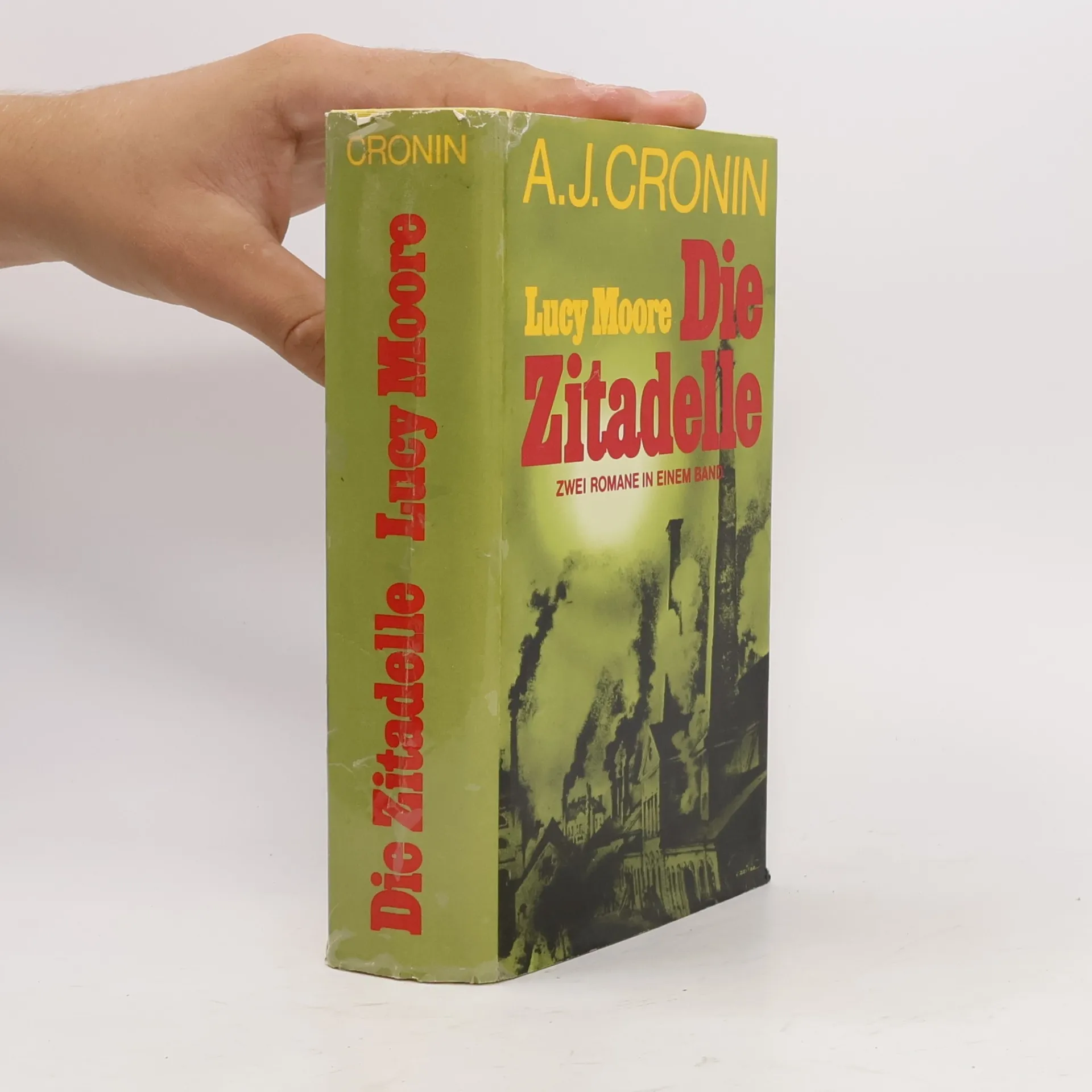
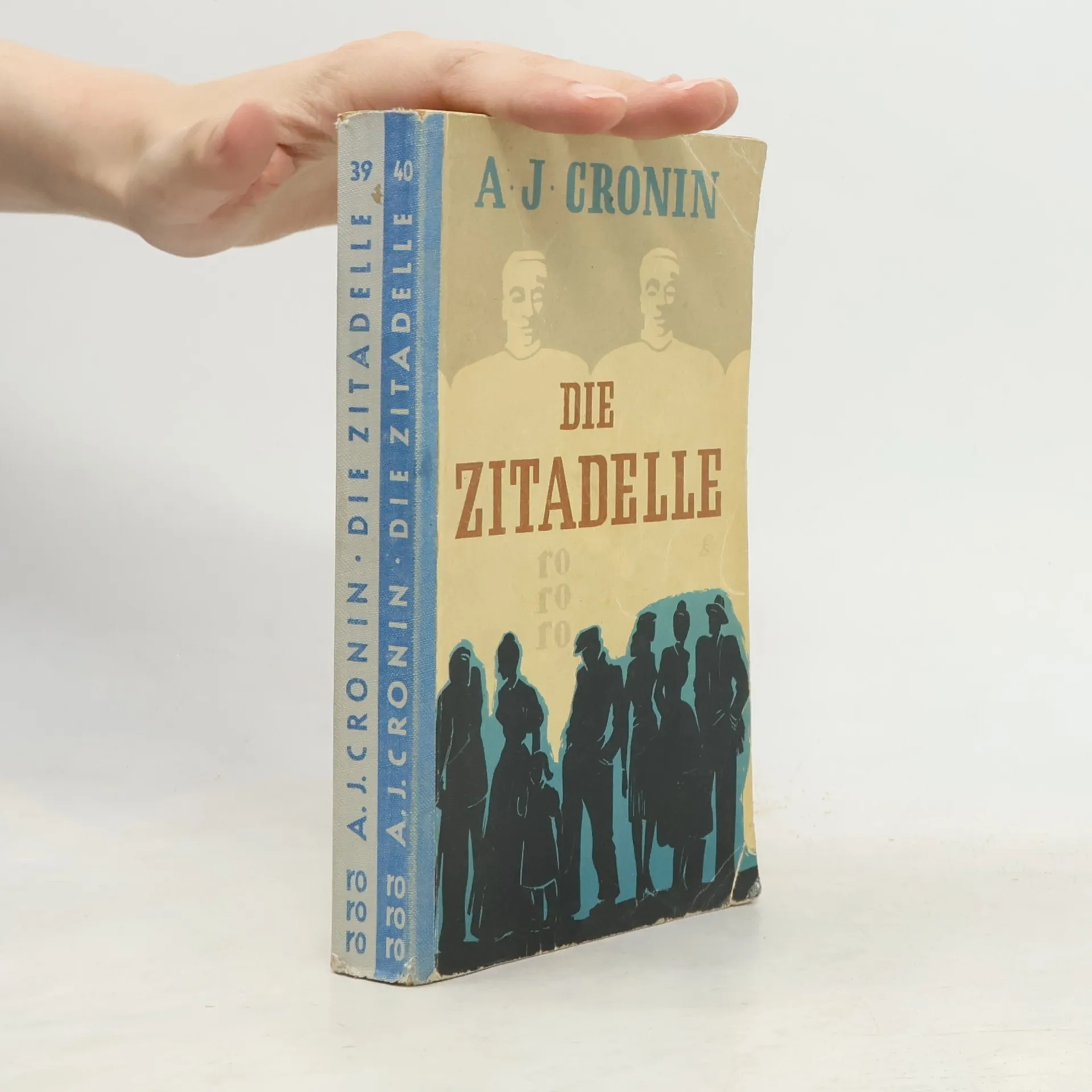
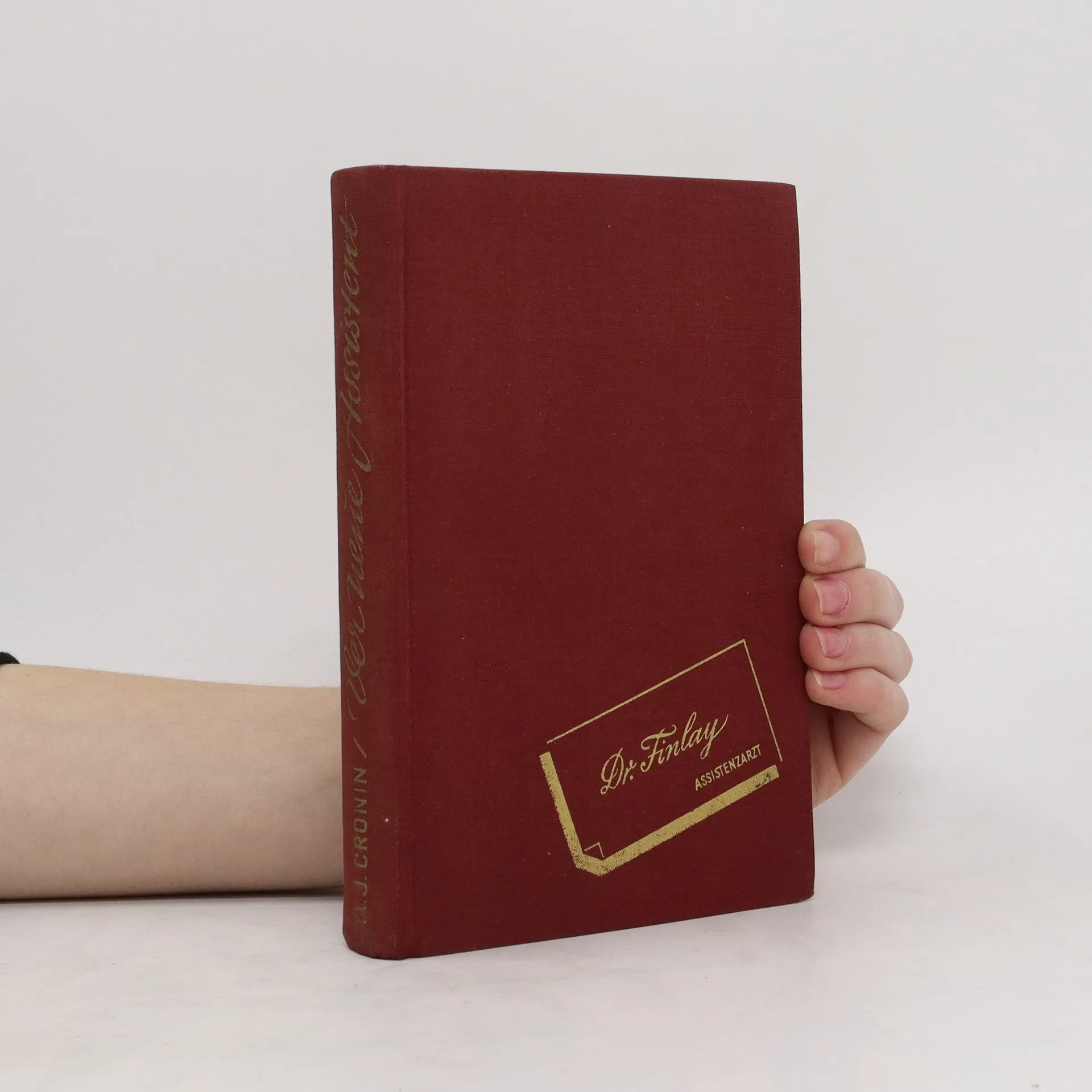
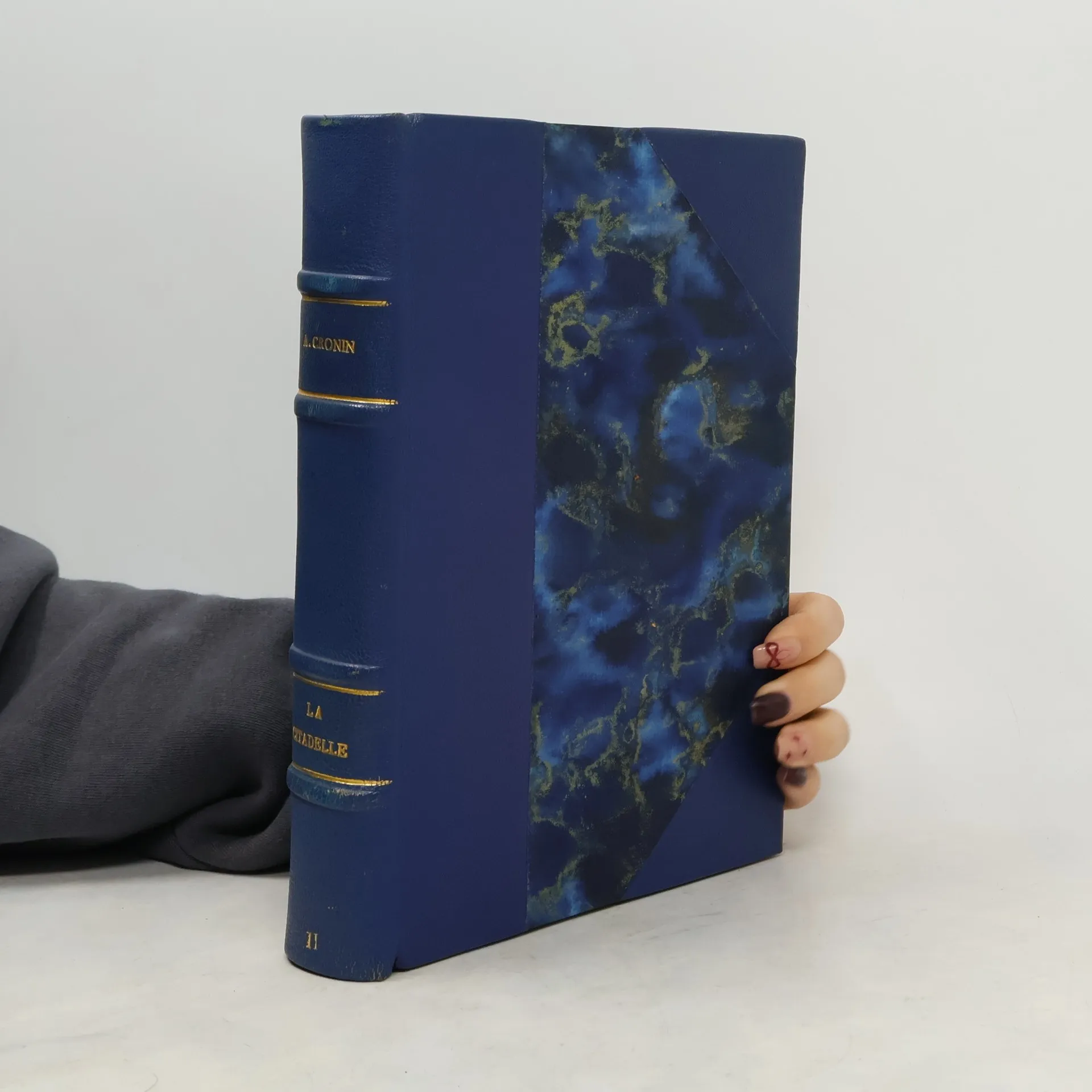
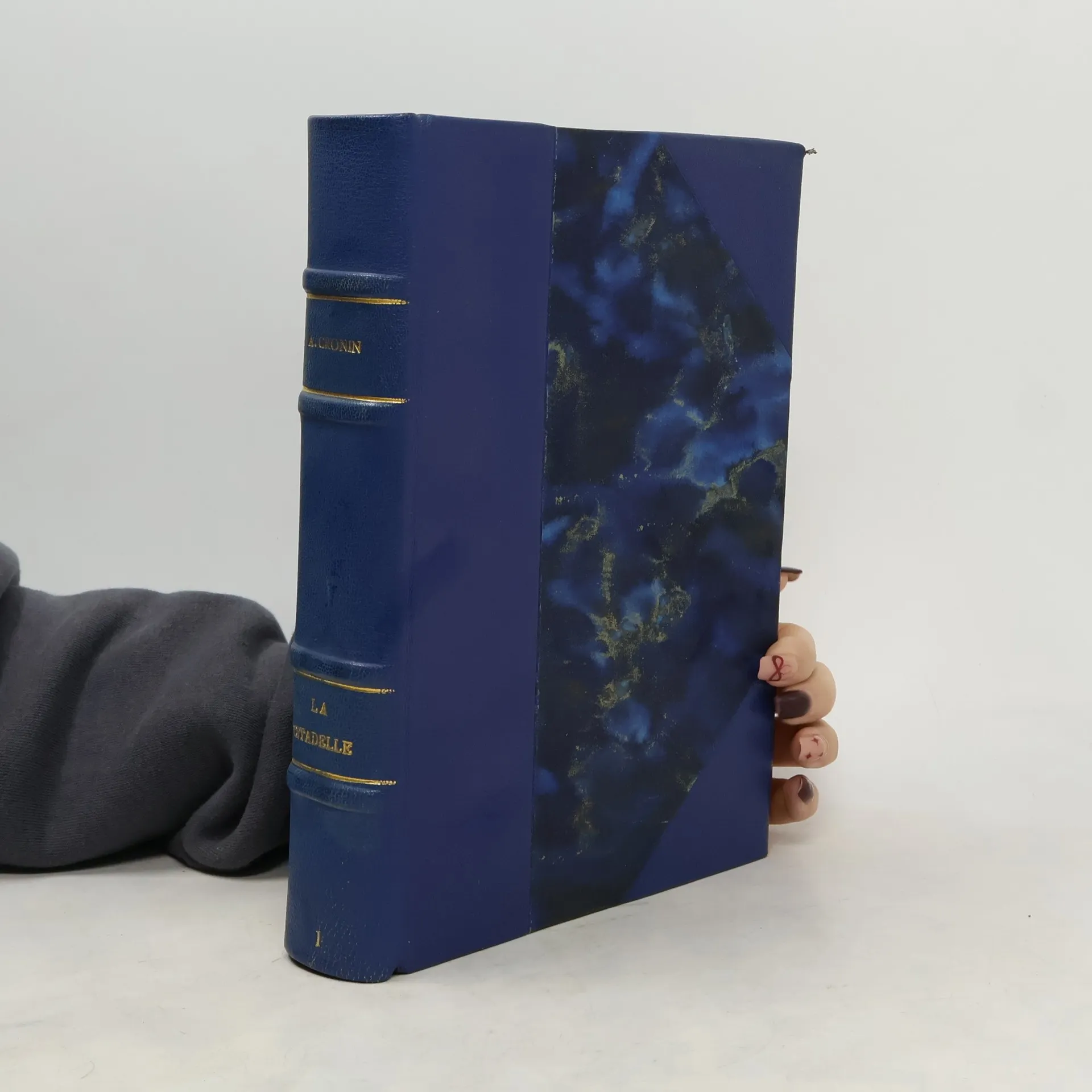
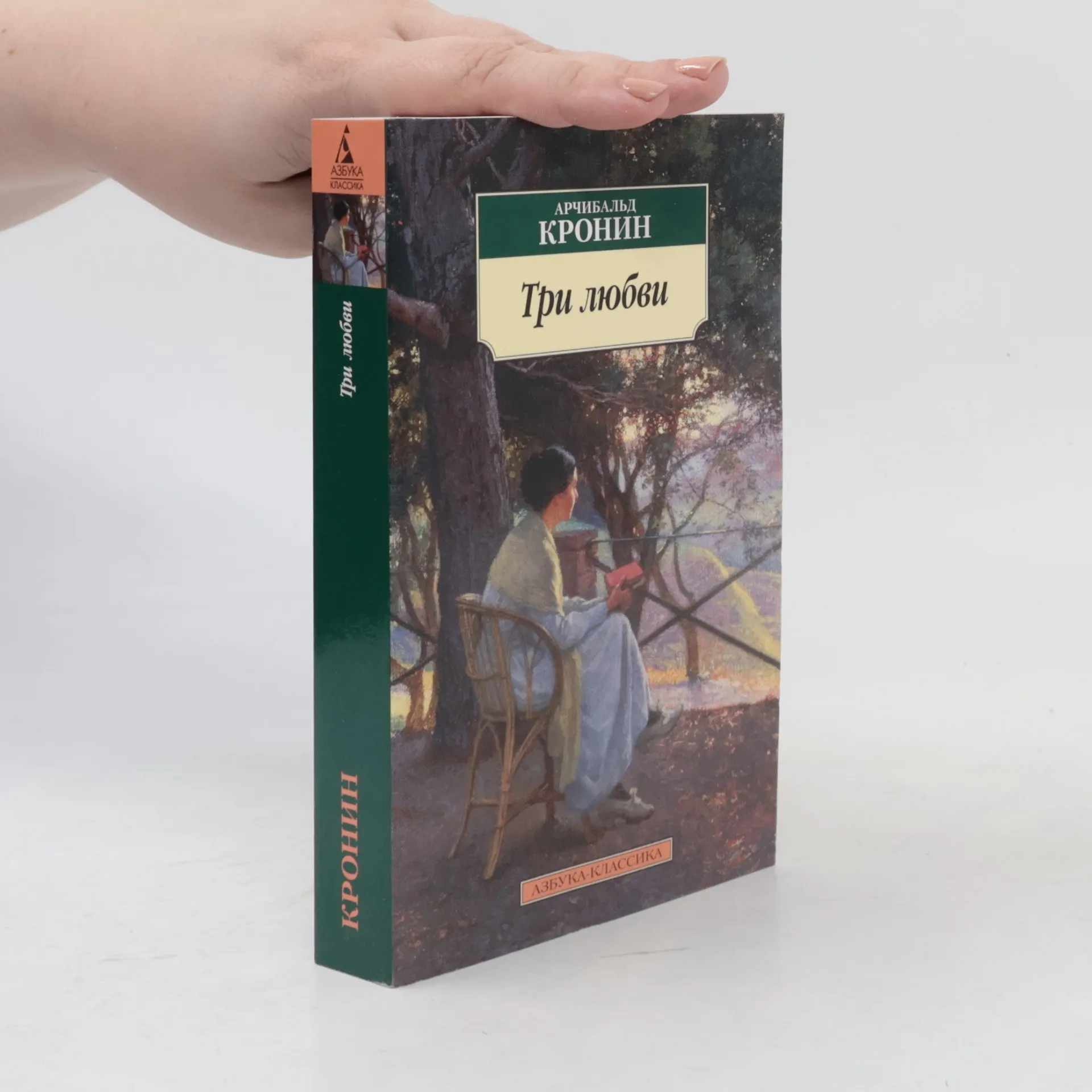
Archibald Joseph Cronin, a well-known English novelist born in 1896 in Scotland, was originally a doctor rather than a writer. He initially worked in several hospitals, then opened a private practice in South Wales, and in 1924 became a health inspector for English mines. He himself descended into over five hundred mines to investigate health conditions and safety measures. His somber experiences from this period are recounted in the novel "The Citadel," a work that later established the author's worldwide fame. However, Cronin's critical tone from "The Citadel" shifts to a more forgiving and understanding one in the novel "The Keys of the Kingdom." The noble missionary Francis Chisholm seeks beauty and goodness in people, judging them not by their church affiliation but by their qualities and deeds. Indeed, he does not always find understanding from those who cling to words and forms, and he faces condemnation from his own superiors, but on the other hand, he is loved and respected by all the suffering and oppressed, the simple and the poor. "The Keys of the Kingdom" are for the missionary the keys to the human soul and to paradise here on earth—and they will be given to all who fight not with words but with deeds to ensure that there are as few poor and unhappy people as possible. Such is the creed of the novel, which was once among the most translated and widely read English works.
Archibald Joseph Cronin Books



Over the course of six episodes, the early years of Dr. Finlay are explored, as he gets to grips with the locals in the Scottish Highland town of Levenford. But the new doctor is full of surprises; caring, stub-born, idealistic and clever, but he proves to be more than a match for the local residents. His patients range from the stingiest and most cunning widow in Scotland to a pantomime actress, and from a hen-pecked husband, to the Scobie sisters, who have managed to live together for fifteen years without speaking.
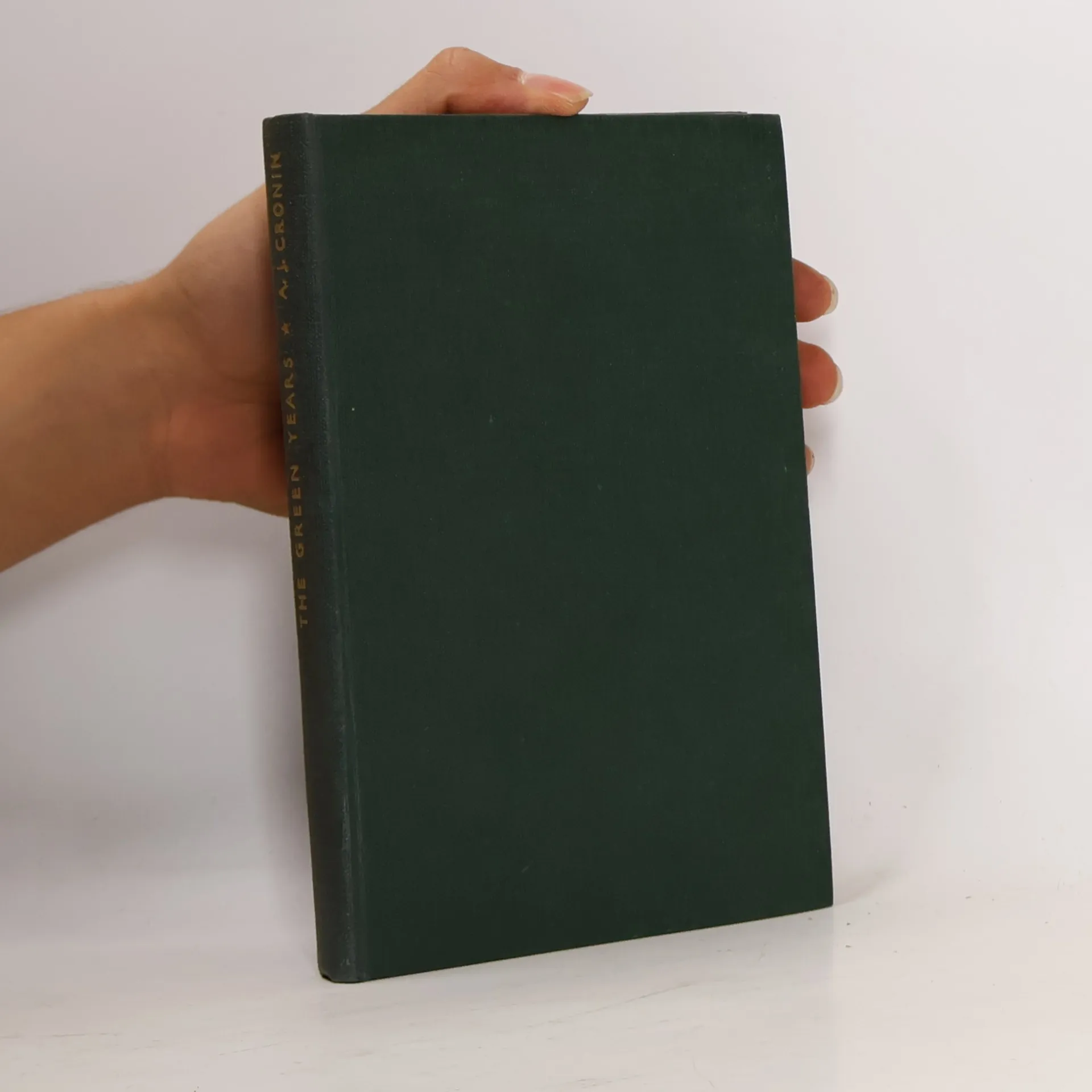
The Green Years is a 1944 novel by A. J. Cronin which traces the formative years of an Irish orphan, Robert Shannon, who is sent to live with his draconian maternal grandparents in Scotland. An introspective child, Robert forms an attachment to his roguish great-grandfather, who draws the youngster out of his shell with his raucous ways.
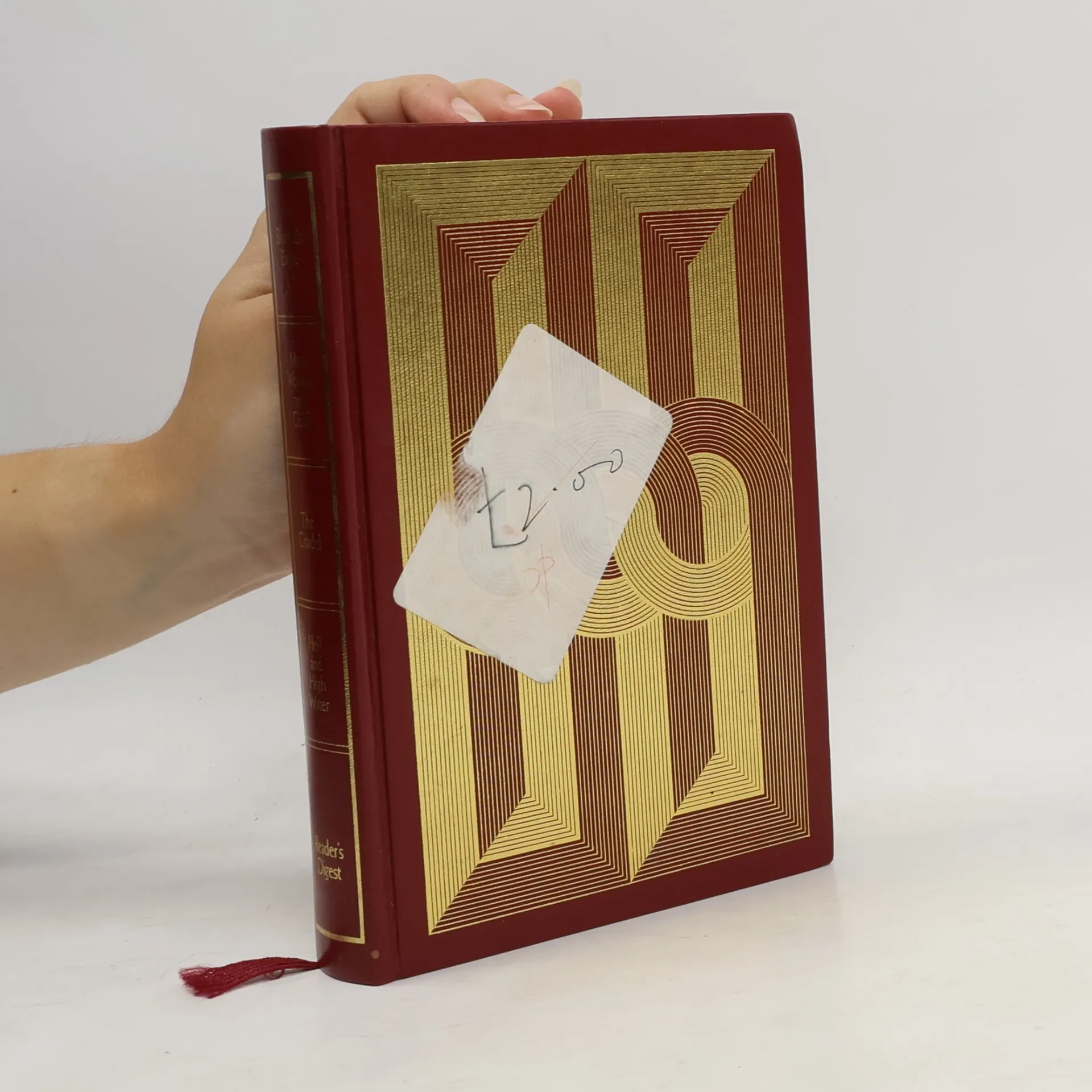
Reader's Digest Condensed Books
Sharpe's Eagle by B. Cornwell; Man, Woman and Child by E. Segal; The Citadel by A.J. Cronin; Hell and High Water by T. Thompson
- 185 pages
- 7 hours of reading
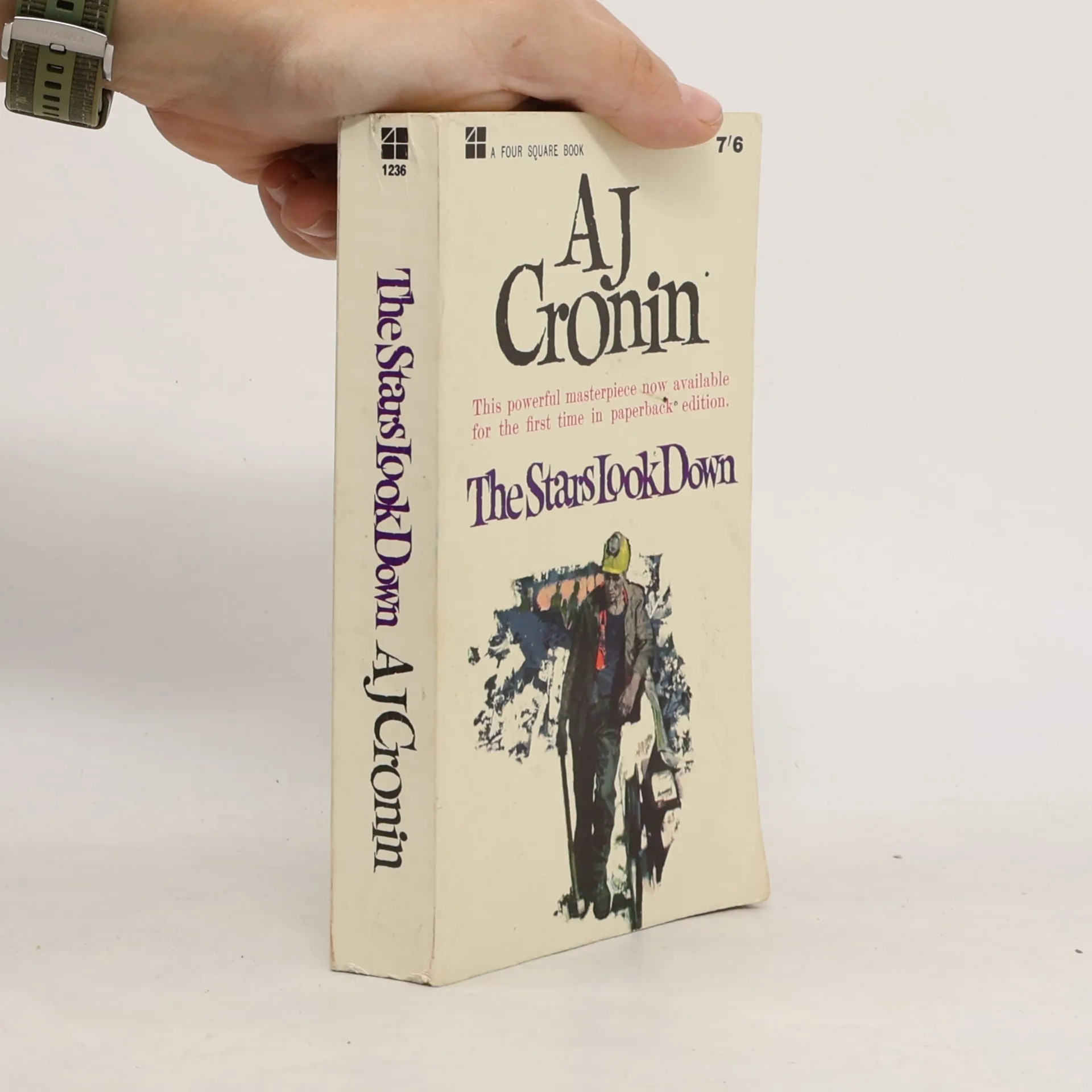
The Stars Look Down was A.J. Cronin's fourth novel, published in 1935, and this tale of a North country mining family was a great favourite with his readers. Robert Fenwick is a miner, and so are his three sons. His wife is proud that all her four men go down the mines. But David, the youngest, is determined that somehow he will educate himself and work to ameliorate the lives of his comrades who ruin their health to dig the nation's coal. It is, perhaps, a typical tale of the era in which it was written --there were many novels about coal mining, But Cronin, a doctor turned author, had a gift for storytelling, and in his time wrote several very popular and successful novels.
This is the life and suffering of a passionate, loving woman who, in her selfish exaggeration, never finds the love she seeks and ultimately breaks under the excess of her feelings. First, it is the struggle for the love of her husband, who dies because of her; then a harsh, almost merciless fight for the affection of her only son, whom she ultimately believes she will lose to his wife; and finally, it is the struggle for God, to whom she wishes to surrender in monastic life, but even here she does not come close to her goal due to the egocentric outlook of her fundamentally harsh soul.
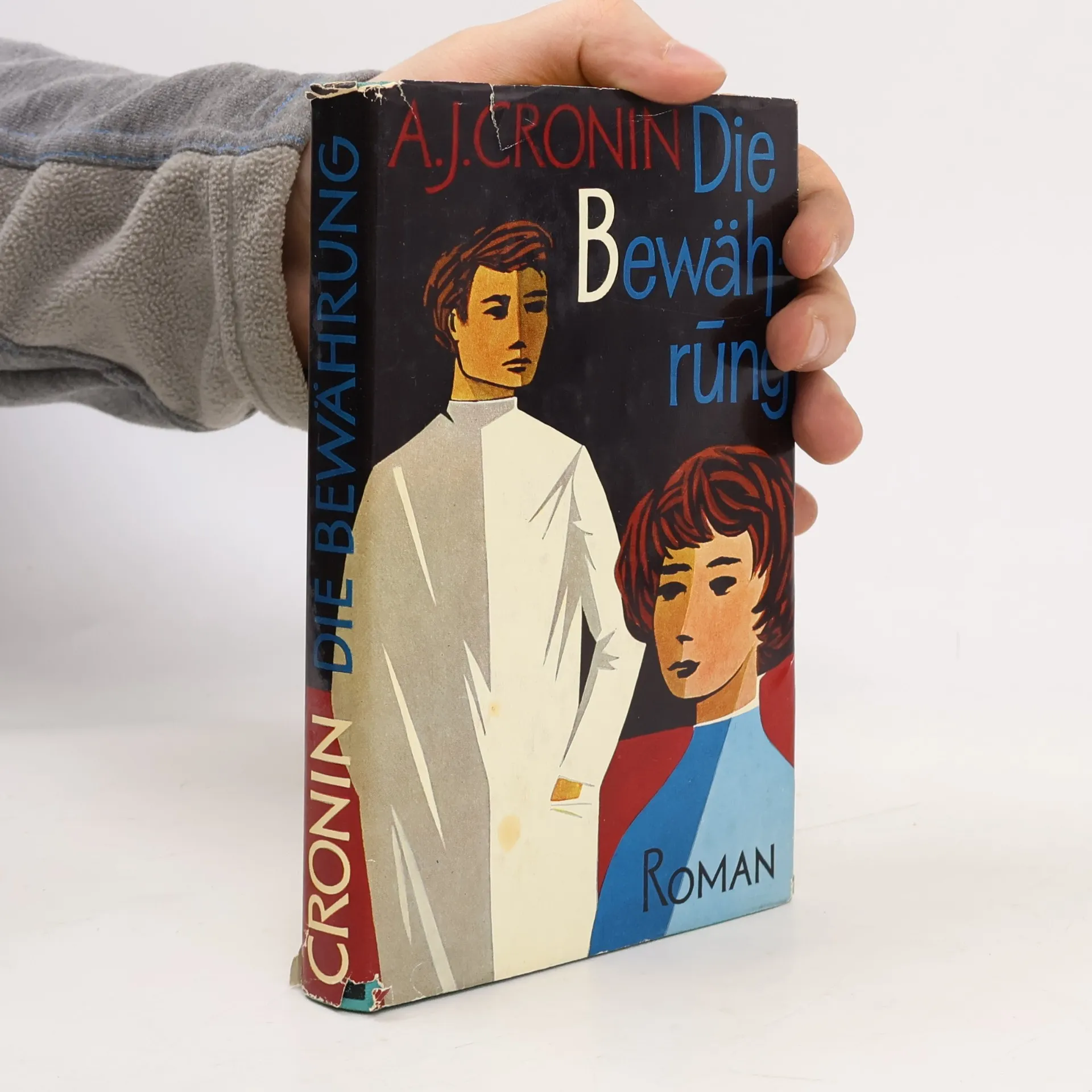
When Andrew Manson starts work as a doctor he discovers some unpleasant facts about the medical profession. He struggles against a system that seems to value money more than curing illness. But the system is extremely powerful. Will he win his battle?
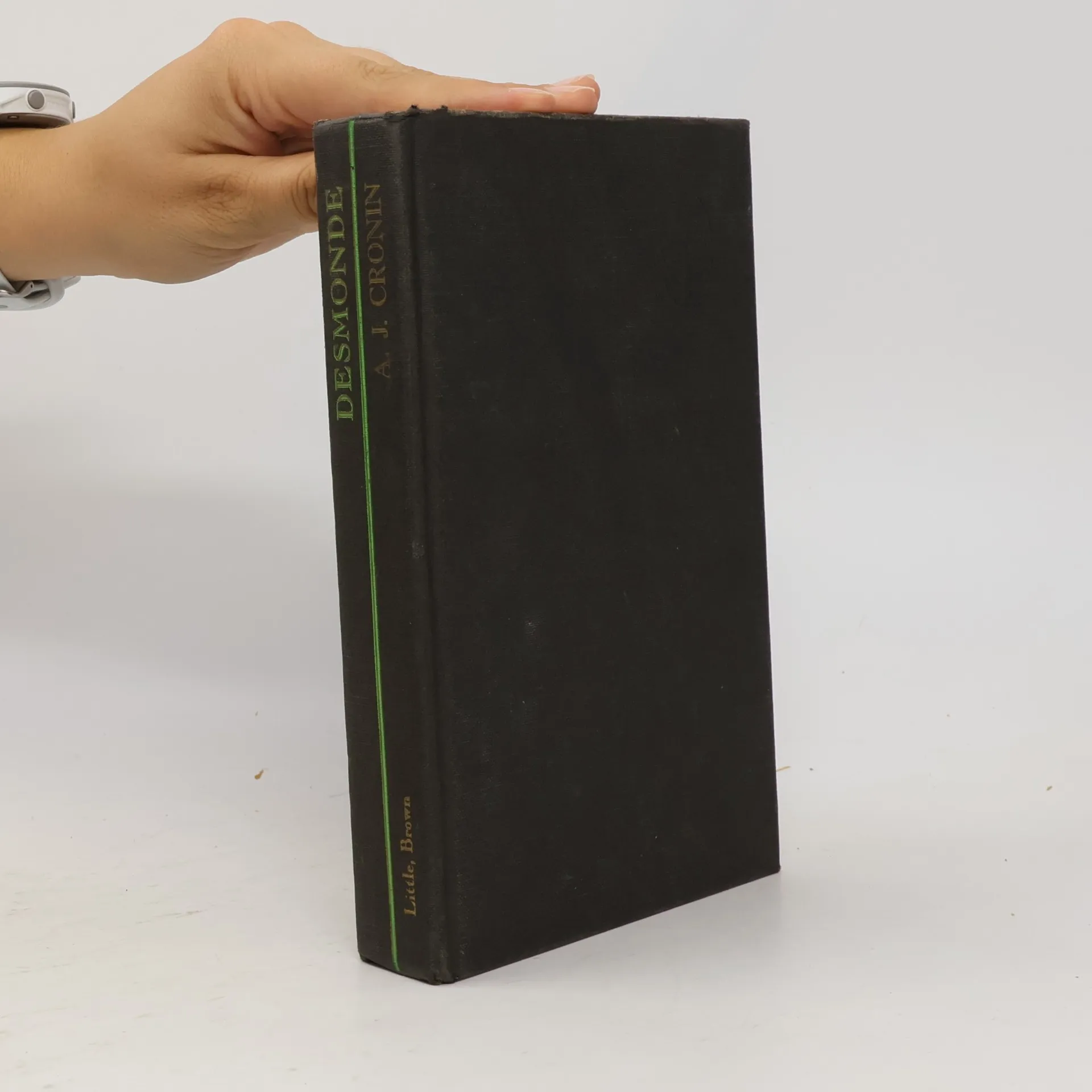
Desmonde
- 340 pages
- 12 hours of reading
Desmonde Fitzgerald is handsome, charming and blessed with a marvellous singing voice - he is the Minstrel Boy. He becomes a priest, winning the coveted Golden Chalice for his singing when in seminary school abroad. But the duality of nature threatens to destroy the brilliant future that lies before him. Beloved of his parishioners and canon, he is devastatingly attractive to women, in particular the wealthy patron of his church at Kilbarrack, Ireland. But it is not until her wayward and sensual niece, Claire, arrives that disaster strikes . . .In the magnificent narrative tradition of The Citadel, The Stars Look Down and Cronin's other classic novels, The Minstrel Boy is a great book by a much-loved author
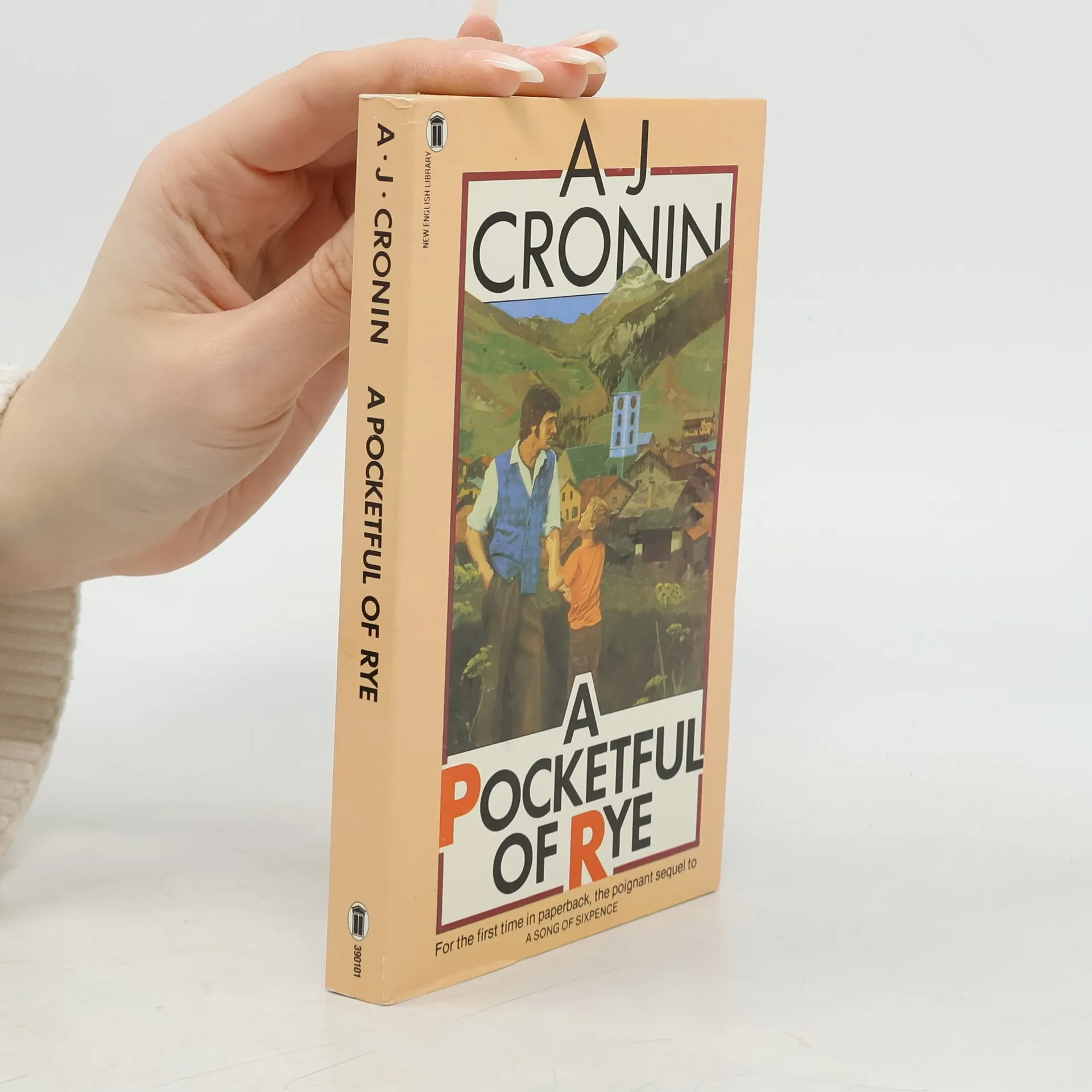
A Pocketful of Rye
- 224 pages
- 8 hours of reading
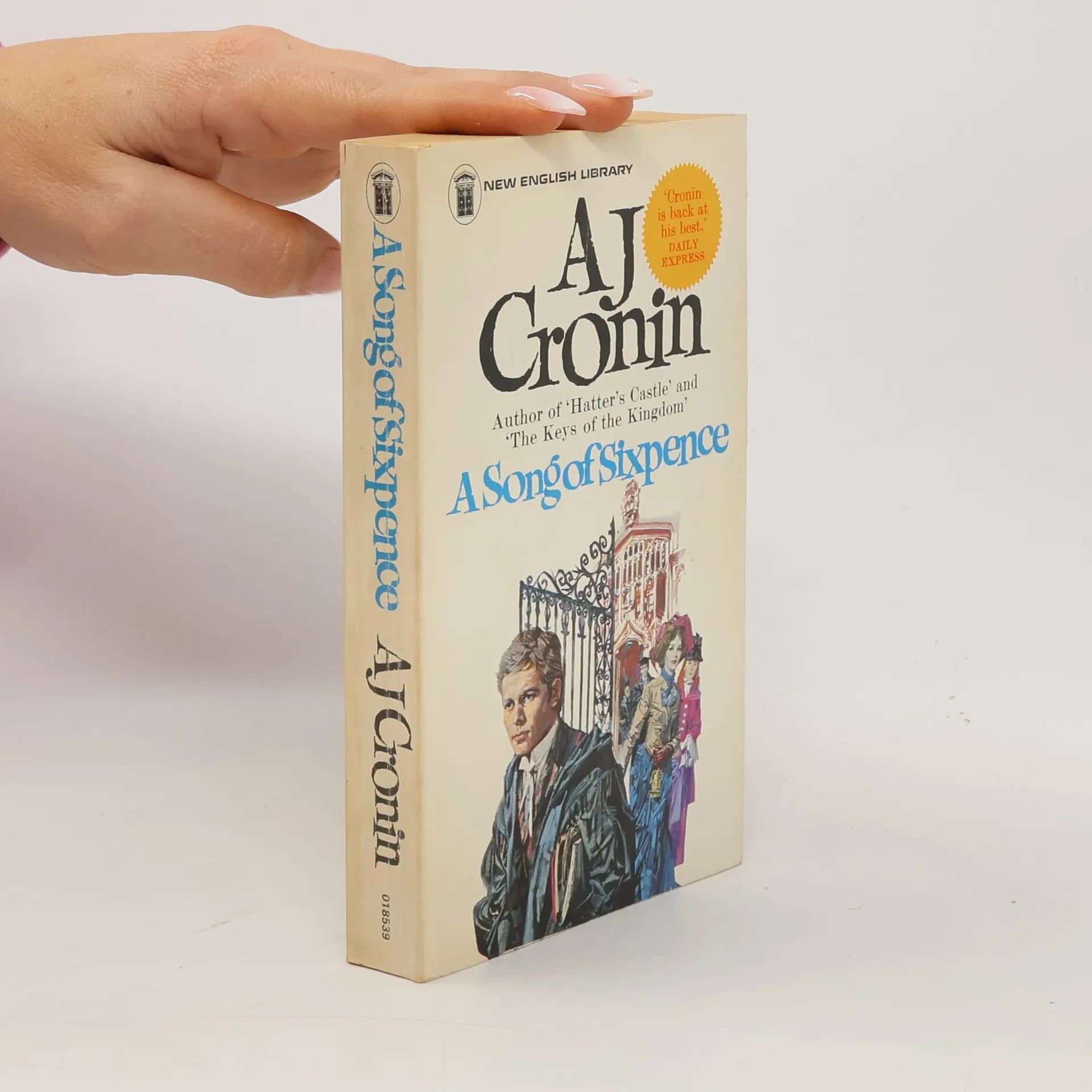
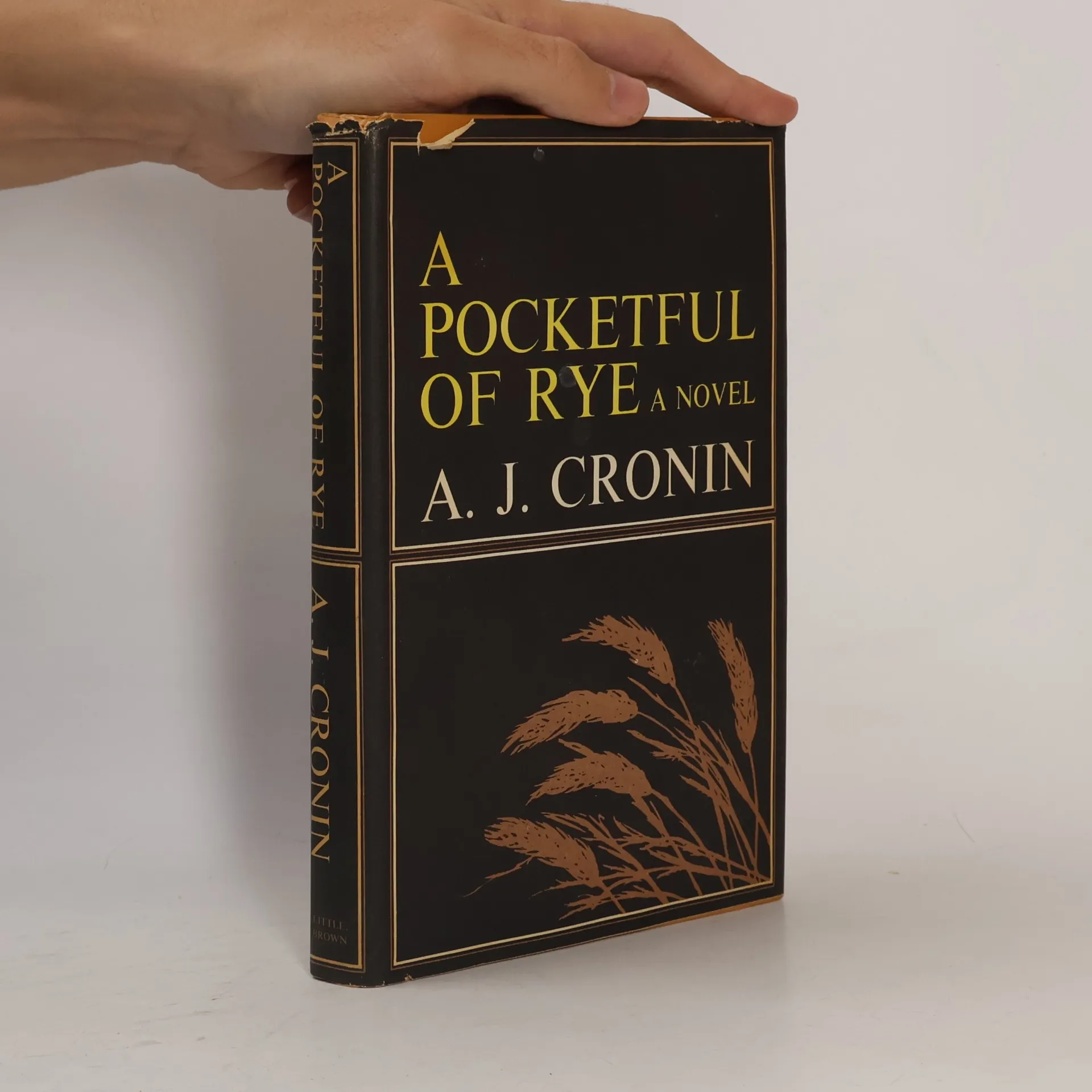
The poignant sequel to A Song of Sixpence The clinic stood high on an Alpine slope. Lush meadows, studded with autumn crocus, sloped steeply down. Across the valley, above the pinewoods, the high peaks were already dusted with snow. Like a toy railway, the line to Davos twisted and turned up along the mountain side. Laurence Carroll breathed in the pure, clear air. A wonderful place, a not-too-demanding job as resident doctor to the convalescent children flown out from England; it was a million miles from his Scottish childhood, the struggles to qualify and the grinding, poverty-stricken years as a young GP in the Welsh mining valleys. He was relaxed. Happy. But, soon to arrive at Zurich, a woman he had once known well, now a widowed mother, was to bring with her all the turmoil and anguish of his early years, flooding back into his casually ordered life.
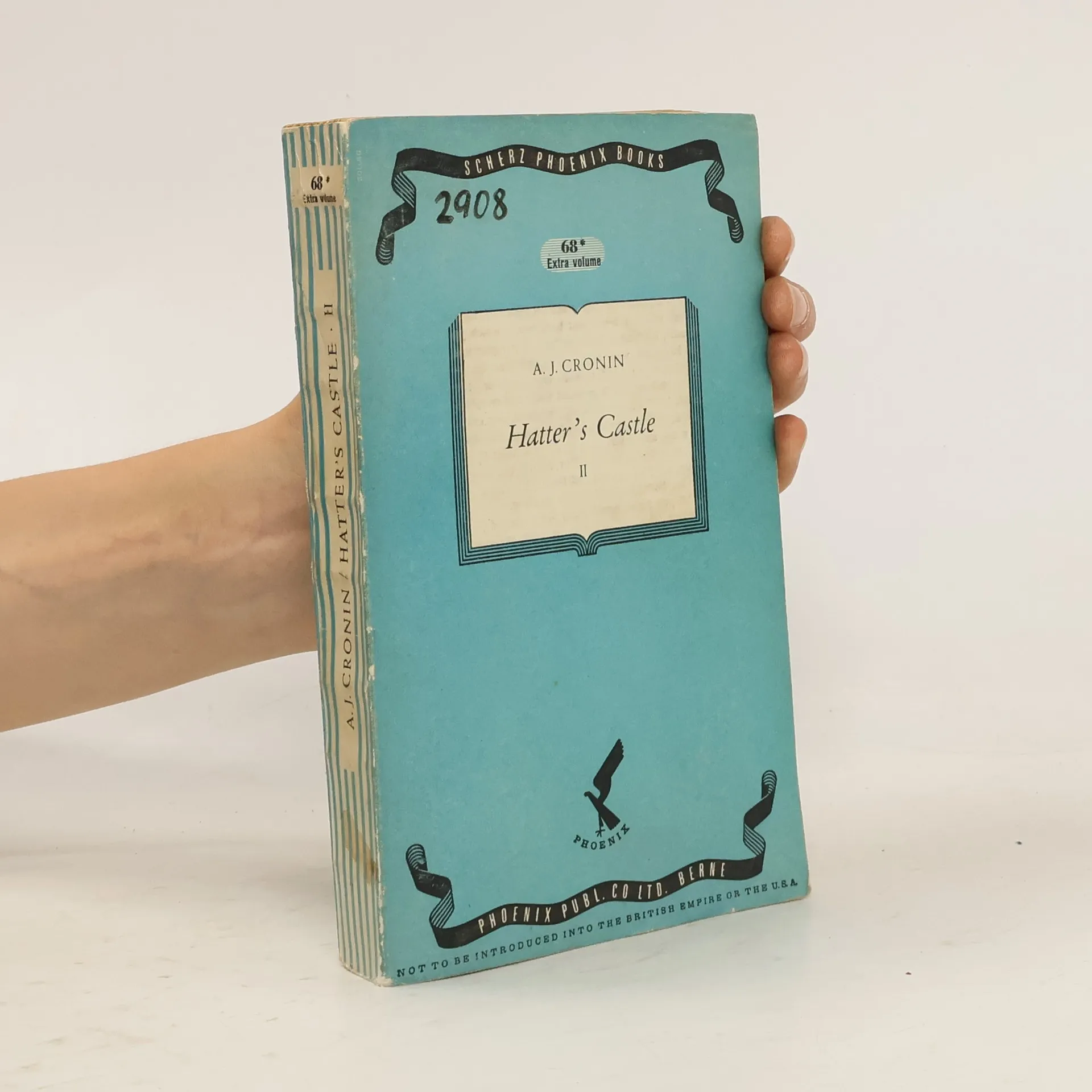
Hatter's Castle (1931) is the first novel of author A. J. Cronin. The story is set in 1879, in the fictional town of Levenford, on the Firth of Clyde. The plot revolves around many characters and has many subplots, all of which relate to the life of the hatter, James Brodie, whose narcissism and cruelty gradually destroy his family and life.
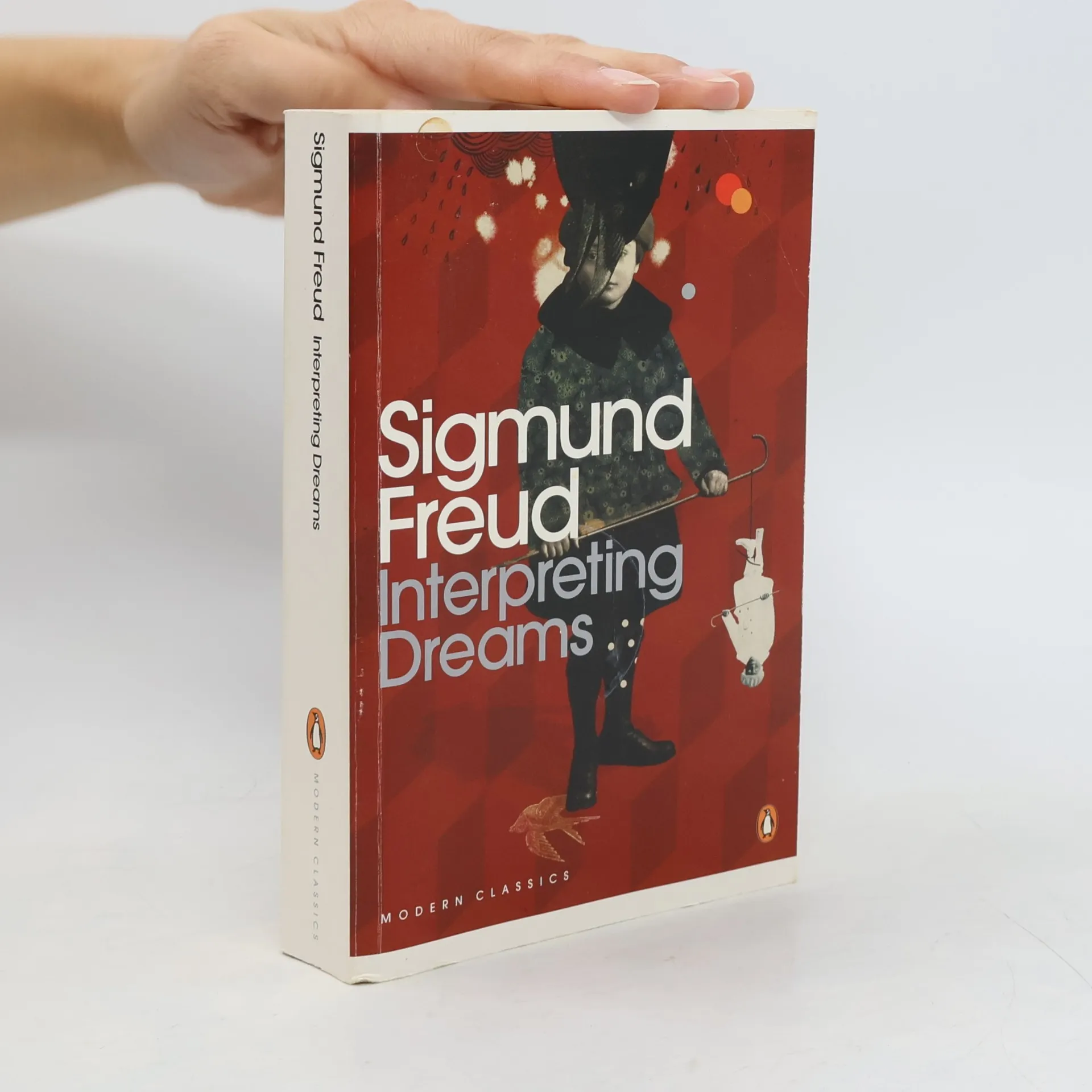
Interpreting dreams
- 720 pages
- 26 hours of reading
Whether we love or hate Sigmund Freud, we all have to admit that he revolutionized the way we think about ourselves. Much of this revolution can be traced to The Interpretation of Dreams, the turn-of-the-century tour de force that outlined his theory of unconscious forces in the context of dream analysis. Introducing the id, the superego & their problem child, the ego, Freud advanced scientific understanding of the mind immeasurably by exposing motivations normally invisible to our consciousness. While there's no question that his own biases & neuroses influenced his observations, the details are less important than the paradigm shift as a whole. After Freud, our interior lives became richer & vastly more mysterious. These mysteries clearly bothered him--he went to great (often absurd) lengths to explain dream imagery in terms of childhood sexual trauma, a component of his theory jettisoned mid-century, tho now popular among recovered-memory therapists. His dispassionate analyses of his own dreams are excellent studies for cognitive scientists wishing to learn how to sacrifice their vanities for the cause of learning. Freud said of the work contained in The Interpretation of Dreams, "Insight such as this falls to one's lot but once in a lifetime." One would have to feel quite fortunate to shake the world even once.--Rob Lightner
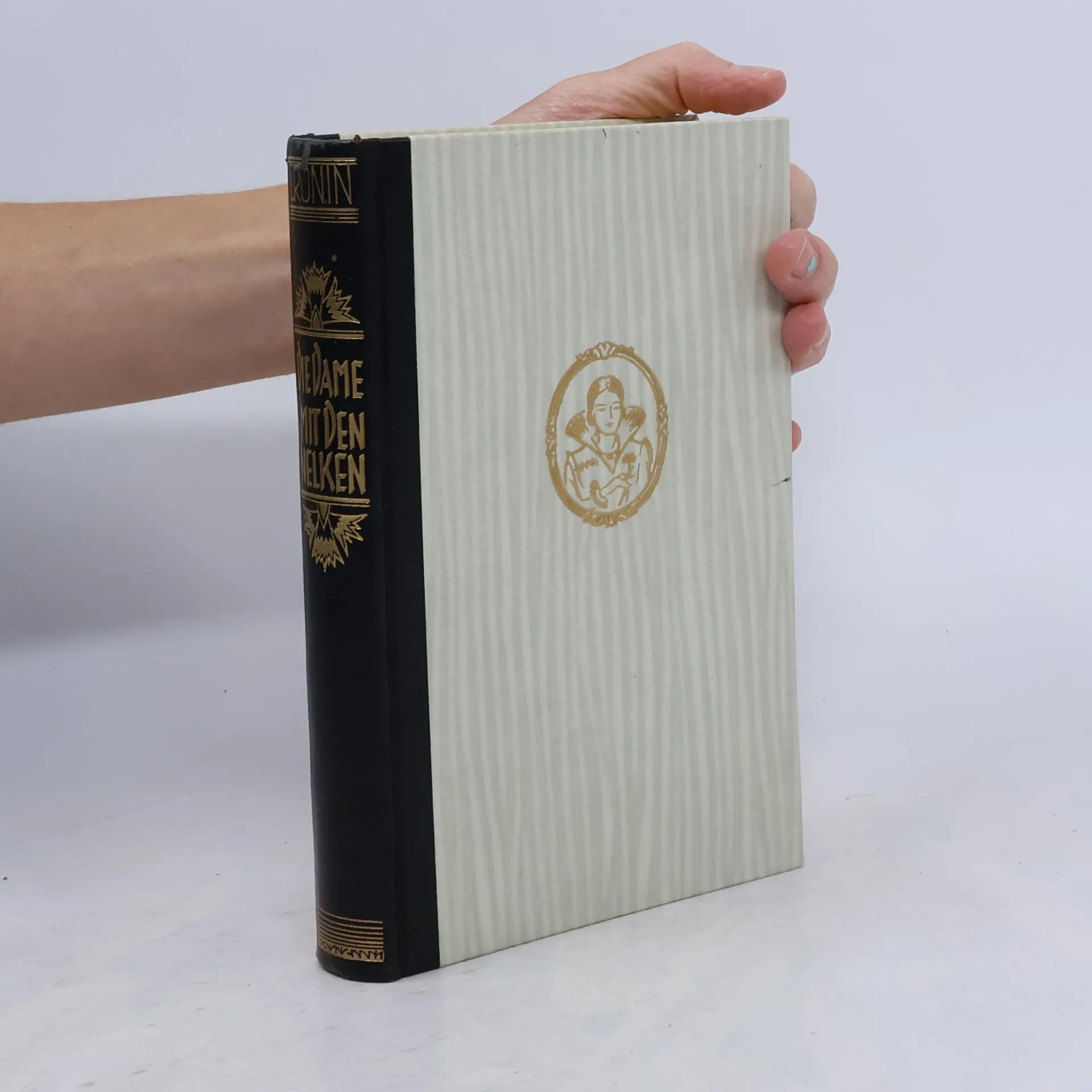
The colorful romance by the English author tells of the renewing power of true human emotion. A doctor, after a disappointment, falls into depression and, at a friend's suggestion, travels to the Canary Islands. During the sea voyage, he meets a young woman who, by her dreamy and sensitive nature, does not fit into the surrounding society and mentally connects with him. After landing, both remain on the islands, where a yellow fever epidemic breaks out, and the doctor decides to help the poor sick from an isolated estate. The woman falls ill and, in the midst of the fever, turns to the hero who saves her life at the last moment. However, the two return to England, where they should part forever, but the open ending of the novel does not exclude a happy conclusion.
Reader's Digest Condensed Books 3/1982
No Escape. The Man From St. Petersburg. Pioneer Women. The Citadel
Robert Shannon is a dedicated scientist on the verge of a significant medical breakthrough, consumed by his work and indifferent to the outside world. However, Jean Law, raised in a restrictive environment, is drawn to him with an intensity she struggles to understand. Despite her upbringing and the expectations placed upon her, she is resolute in her desire to claim Robert for herself. As she navigates the challenges posed by her family's beliefs and societal norms, Jean's determination to pursue her love for Robert becomes a powerful force. In the rich narrative style characteristic of Cronin's celebrated works, "Shannon's Way" explores themes of love, ambition, and the struggle against societal constraints, showcasing the depth of human emotion and the quest for personal fulfillment.
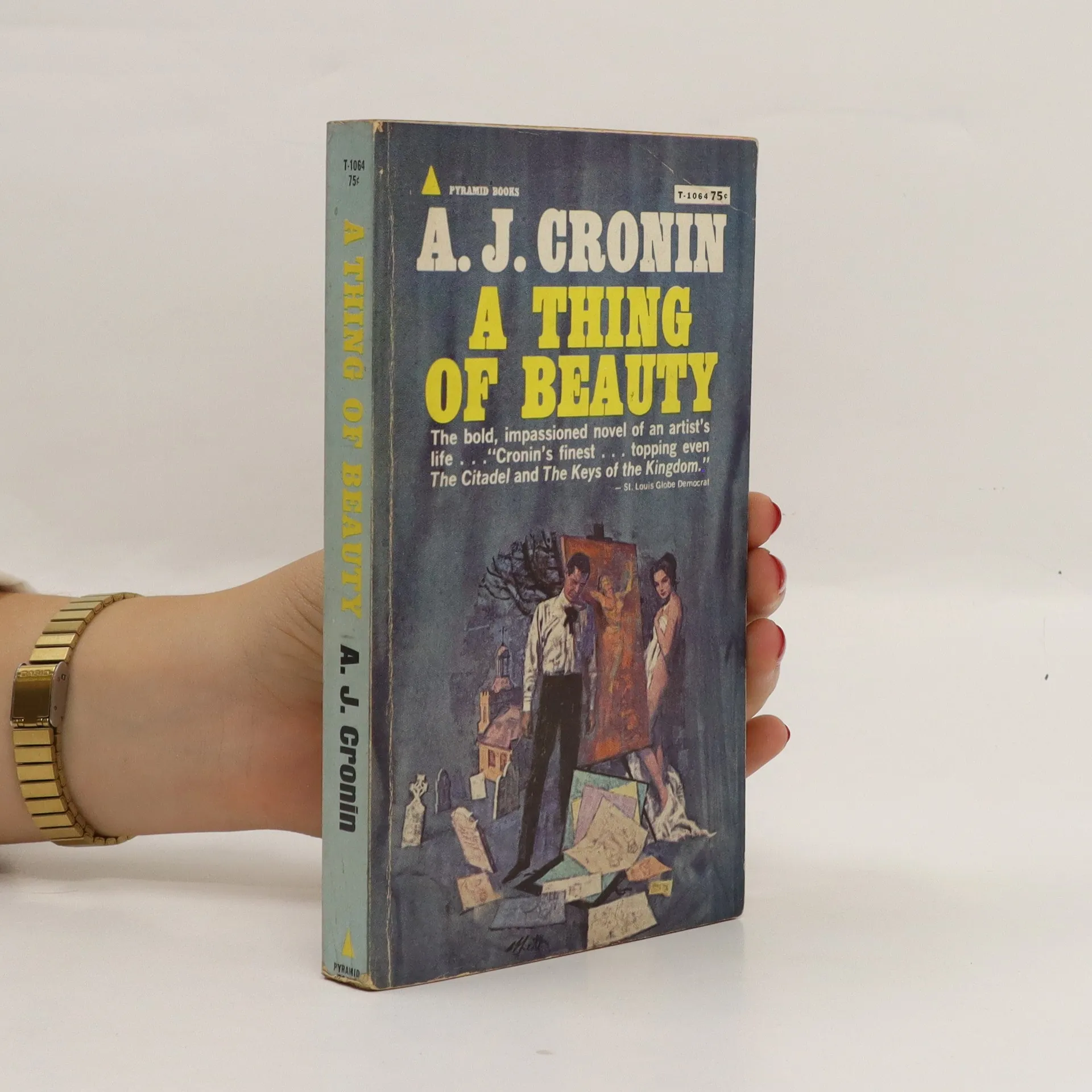
The life of Stephen Desmond, the hero of this extensive novel by Cronin, is the fate of a man who feels called to be an artist. His deep and profound conviction, which ultimately culminates in obsession, is fundamentally justified by Stephen's extraordinary painting talent, his unique worldview, and his opinions that contradict the demands of established traditional art. This is at the core of the conflict between his conception of the artist's mission and the expectations of conformist aesthetes who set the tone in the English art world of the 1920s. Moreover, Stephen's uncompromising artistic stance is reflected in his private and social life; from a young man firmly rooted in the family of an Anglican clergyman, he becomes the black sheep and outcast, who—after experiencing the colorful and superficial life of the Parisian bohemia—must earn a living as a freelance painter in a circus. The sacrifices he is willing to make for his artistic obsession continually escalate, creating an insurmountable chasm between him and the prudish bourgeois society from which he emerged. In this richly structured and captivating novel, Cronin creates a portrait of a true artist who is willing to sacrifice health and life for his work and who—like many great painters in history—achieves recognition only after death.
A Pocketful of Rye
A Novel
A Song of Six Pence
- 109 pages
- 4 hours of reading
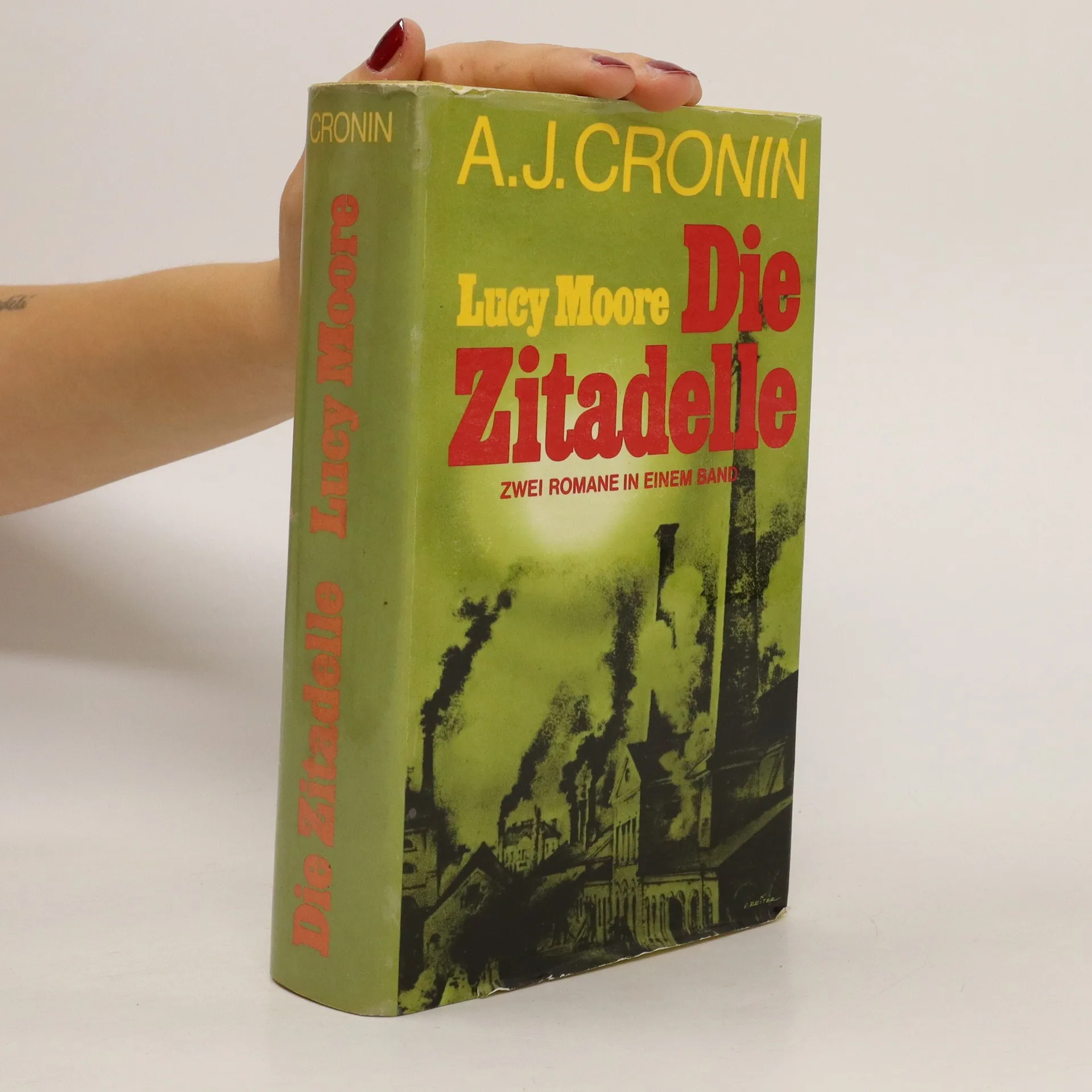
Lucy Moore, Die Zitadelle
Zwei Romanen in Einem Band
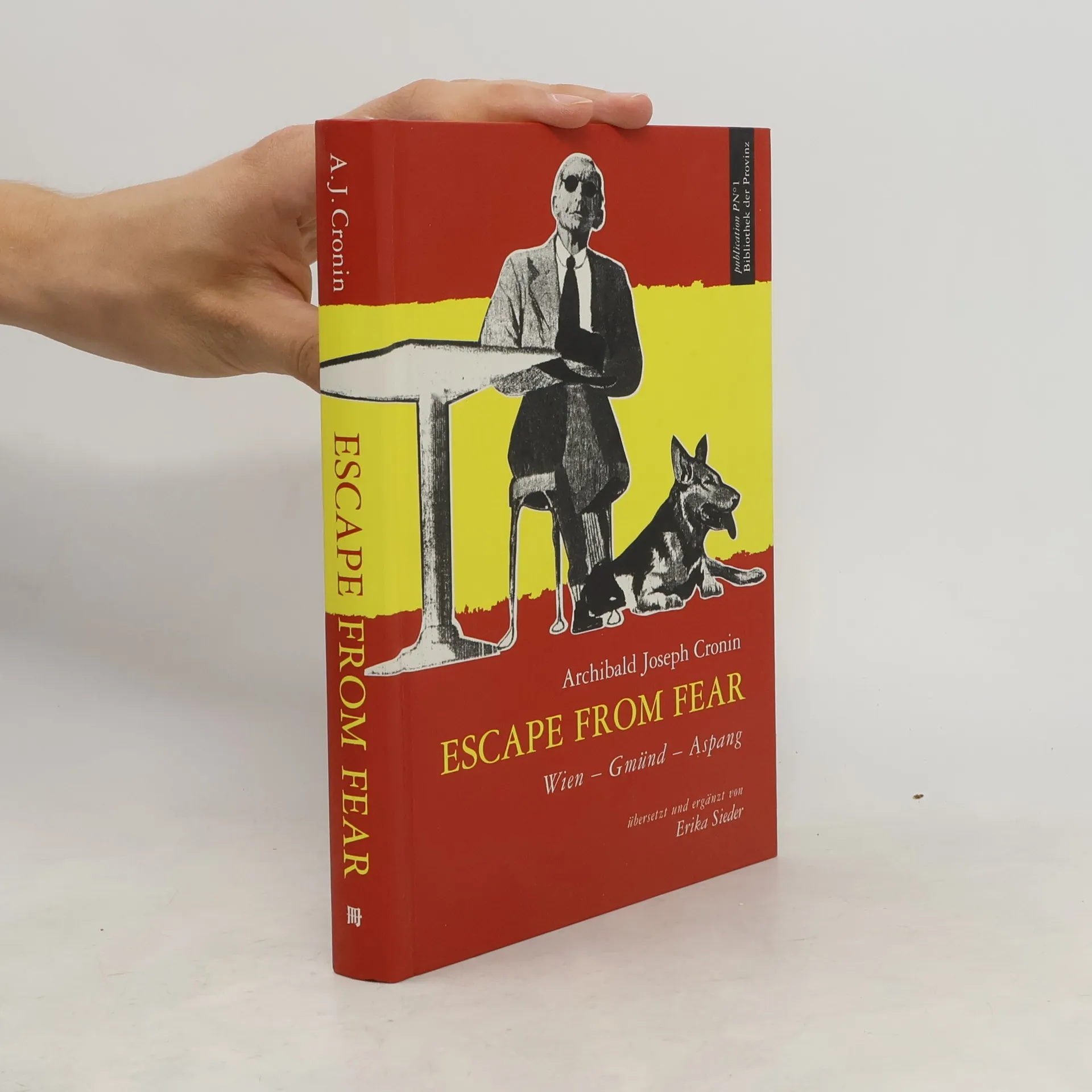
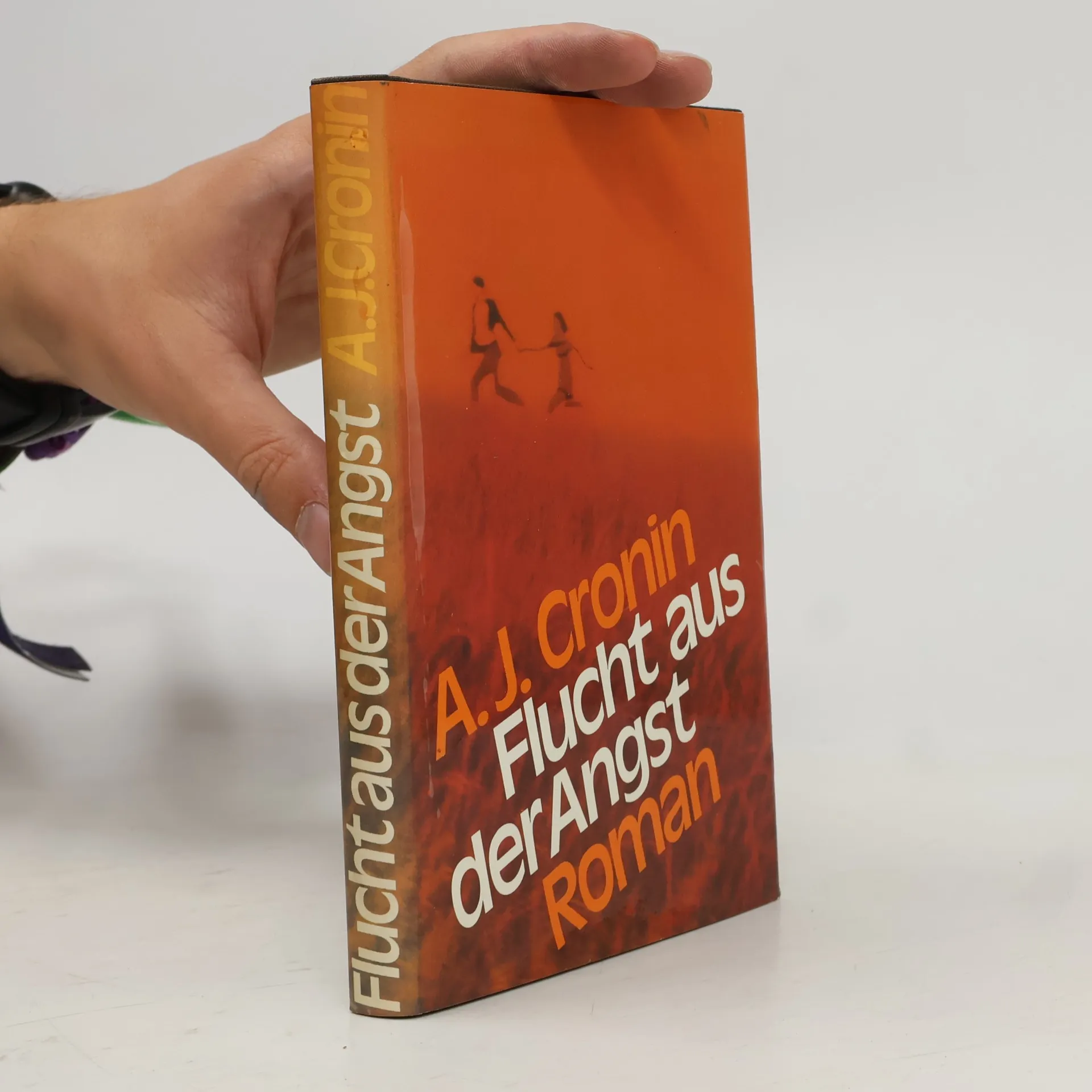
Ursprünglich 1954 in Fortsetzungsform veröffentlicht, erzählt ESCAPE FROM FEAR von A. J. Cronin die packende Geschichte eines jungen amerikanischen Ingenieurs in Österreich, der aus geschäftlichen Gründen in die russische Zone übertritt und mit der sowjetischen Geheimpolizei in Konflikt gerät, als er versucht, die charmante Verlobte seines Freundes, eine Staatsfeindin, vor den Roten zu retten.
Arztpraxis: Kinderarzt Dr. Carroll. Gehirnstation. Der rostende Ruhm
- 571 pages
- 20 hours of reading
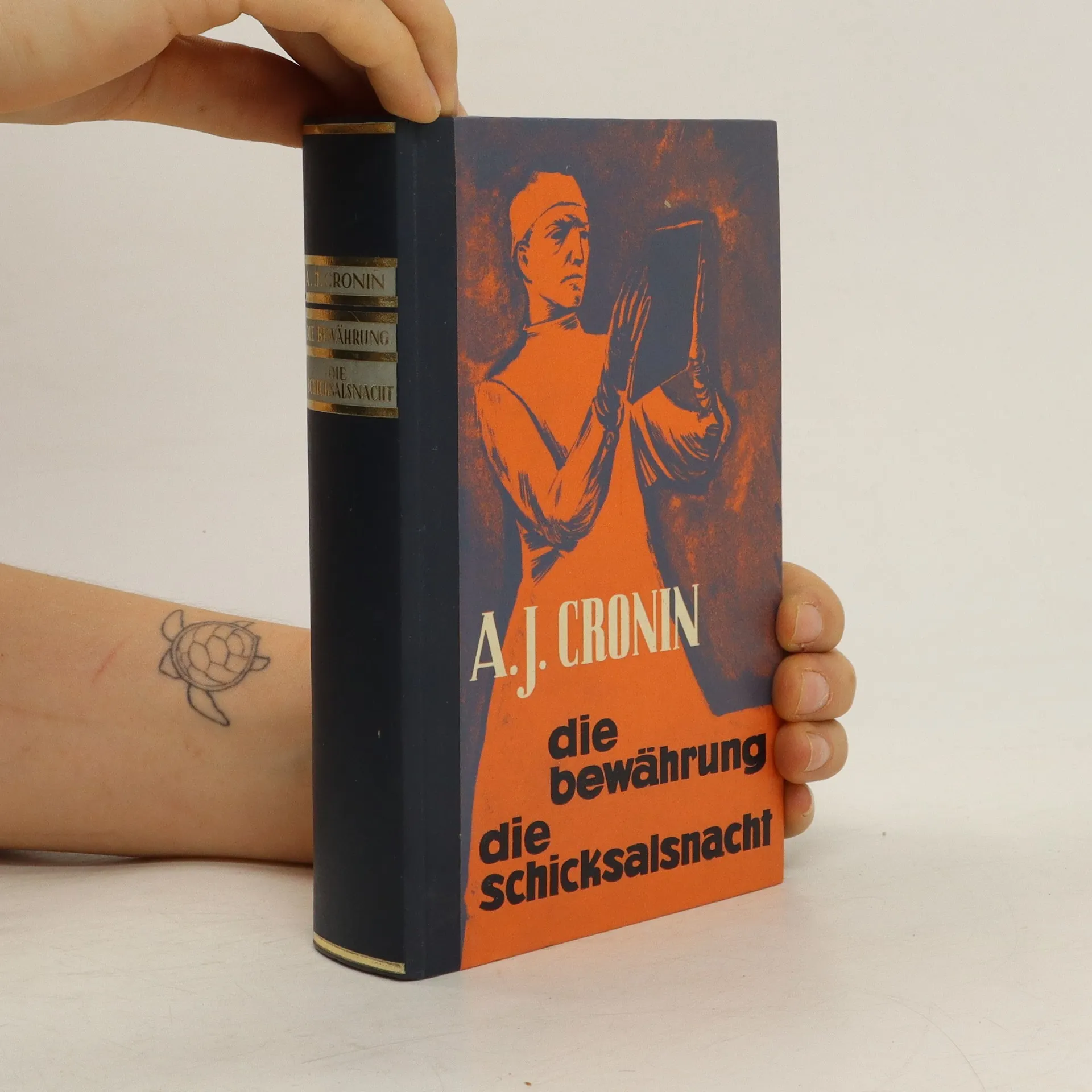
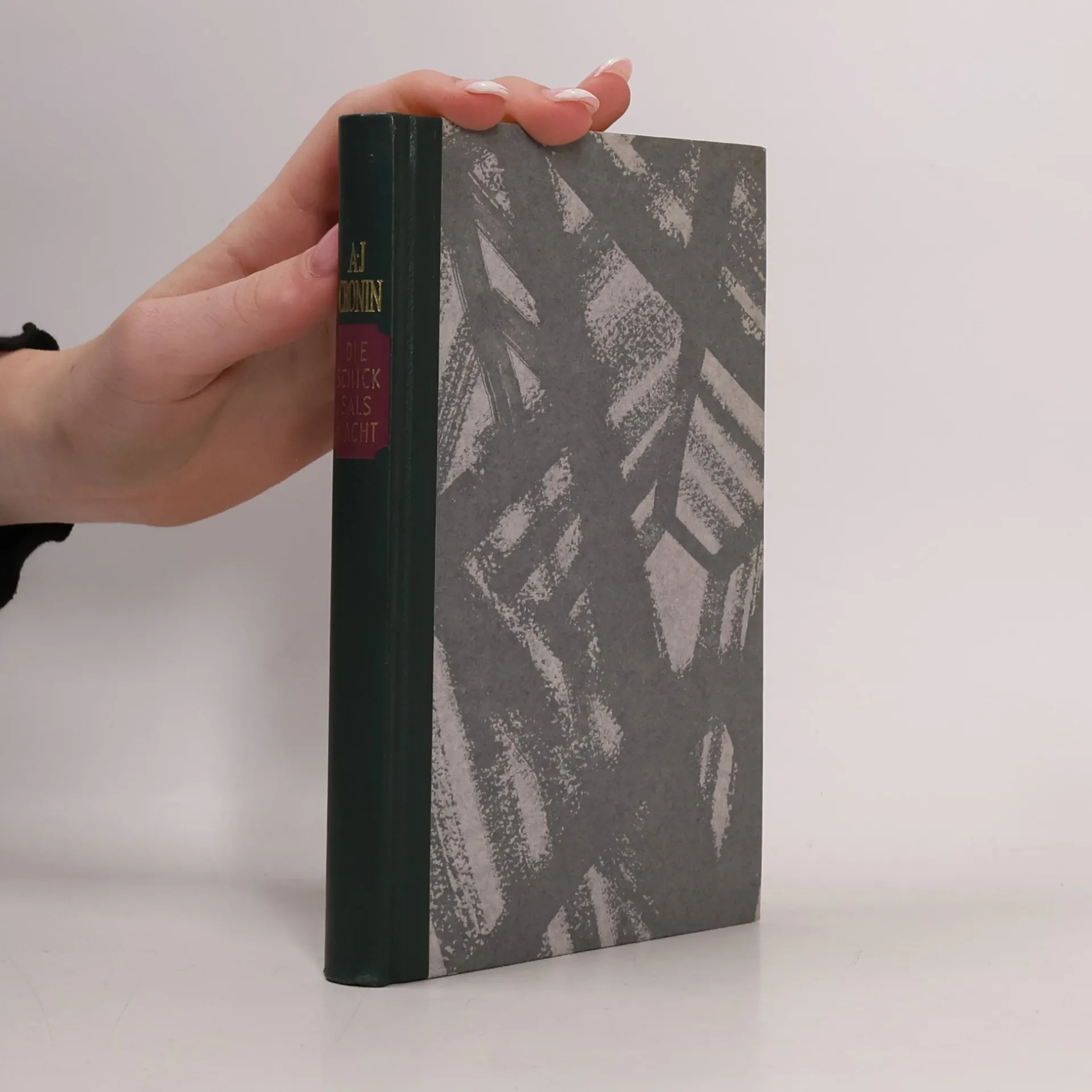
Die Schicksalsnacht. Roman
- 156 pages
- 6 hours of reading
Der ursprüngliche Titel, Gracie Lindsay, entspricht dem Namen der jungen Frau, deren Leben die Handlung des Erzählens bildet. Dennoch ist die Hauptfigur der Onkel von Gracie, ein fünfzigjähriger, kinderloser protestantischer Pastor einer kleinen schottischen Gemeinde. Er ist ein mittelmäßiger Mann, der durch seine Schüchternheit zum ewigen Zweiten geworden ist (seine kirchliche Karriere wurde durch seine Unfähigkeit bei öffentlichen Predigten gebremst, er stottert, vergisst usw.), aber als gläubiger Mensch von tiefer Moral und Güte. Getrieben von seiner Menschlichkeit und seinen christlichen Überzeugungen bemüht er sich - und erreicht es - dass seine geliebte Nichte die Pflichten übernimmt, die sie als Mutter eines Kindes hat, das sie in ihrer Jugend zur Adoption geben musste, um größeren Skandal zu vermeiden. Der Schauplatz der Handlung, ein kleines Dorf, trägt weiter dazu bei: Klassendifferenzierung, Gerüchte, Verleumdungen und Intrigen... hauptsächlich aus Neid.
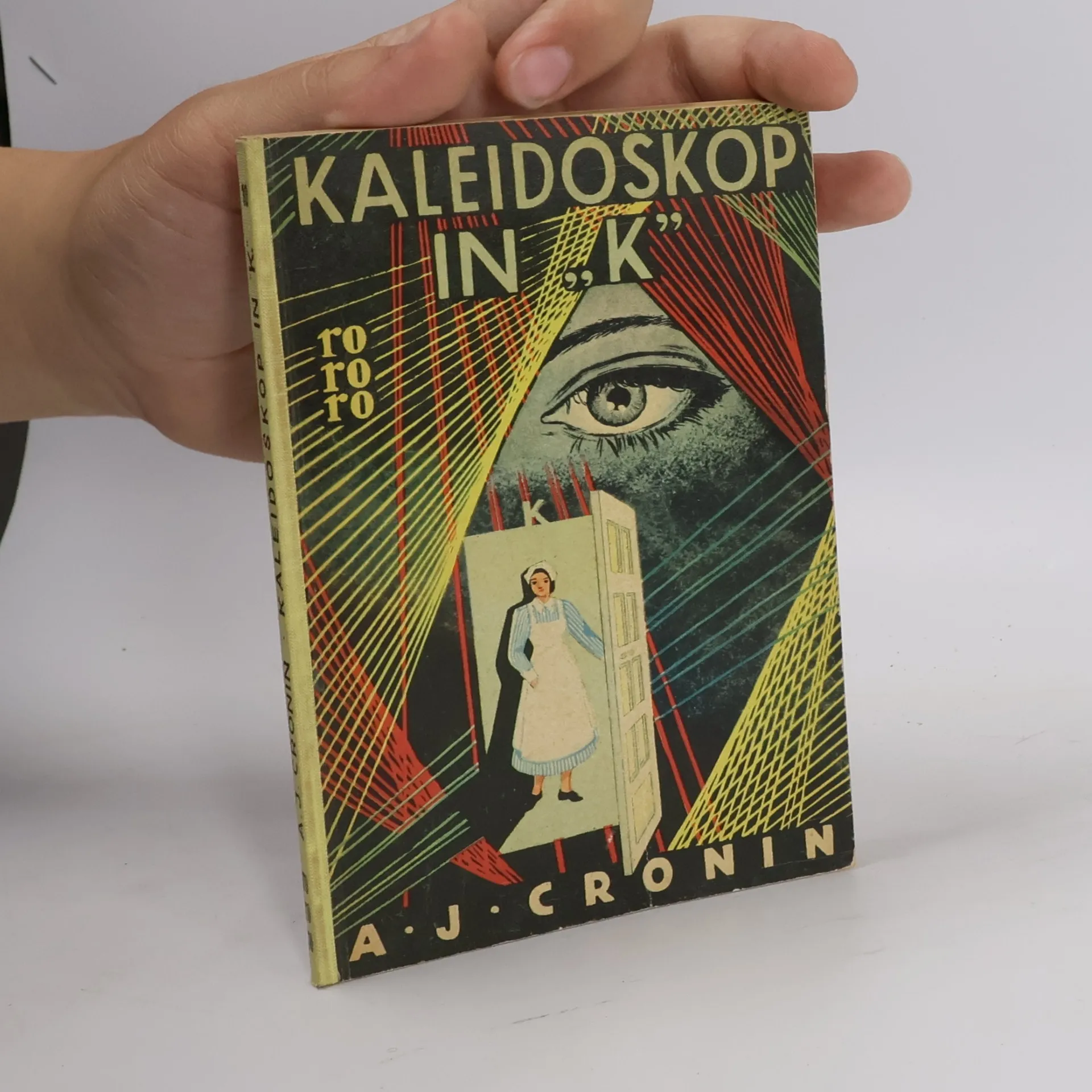
Der Tagesablauf im Krankensaal K spiegelt in diesem Buch gleichsam wie in einem Kaleidoskop die ärztliche Arbeit im Dienste des Menschen.
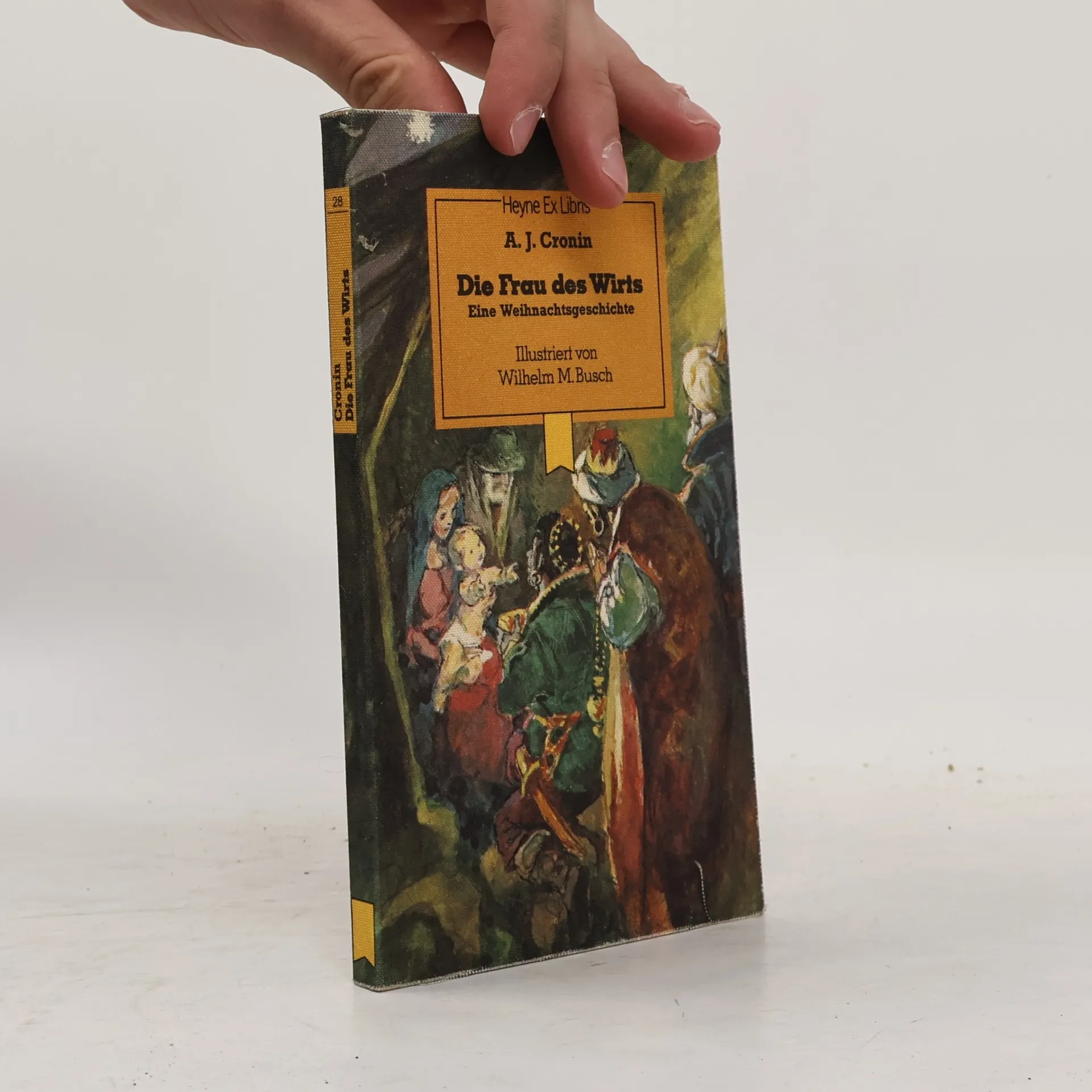
Die Frau des Wirts
- 56 pages
- 2 hours of reading
A J Cronin wurde beauftragt, eine Weihnachtsgeschichte zu schreiben, die die Auswirkungen der Geburt des Kindes auf bestimmte Charaktere, insbesondere die Frau des Wirts, lebhaft rekonstruiert. Die Geschichte handelt von einer guten und herzlichen Frau, die selbst kinderlos ist und von einem durchsetzungsfähigen und geizigen Ehemann schikaniert wird. Hier ist nun die alternative Weihnachtsgeschichte, mit großer Geschicklichkeit erzählt.
Wien 1950, noch deutlich von den Folgen des letzten Krieges gezeichnet. Die Stimmung eines trüben Wintertages entspricht Bryant Harkers Gemütsverfassung. Um ein Projekt abzuschliessen, muss er in ie sowjetische Besatzungszone nach Gemünd fahren. Für ihn als Amerikaner ist das normalerweise ohne Schwierigkeiten möglich. Doch gerät er unerwartet in schwierige Situationen.
Dr. Finlay, der beliebte und hochgeschätzte Arzt von Tannochbrae, ist zurück mit einer Vielzahl neuer Abenteuer. Fest unterstützt von Dr. Cameron und der treuen Janet, sichert sich Finlay weiterhin einen Platz unter den Unsterblichen in den Annalen der schottischen Medizin. So groß ist sein Ruf, dass die wohlhabenden Gäste des neu eröffneten Caledonian Hotels in seine Praxis strömen, sehr zum Missfallen der guten Leute von Tannochbrae. Doch diese neuen Patienten bringen viele Probleme für Finlay mit sich.
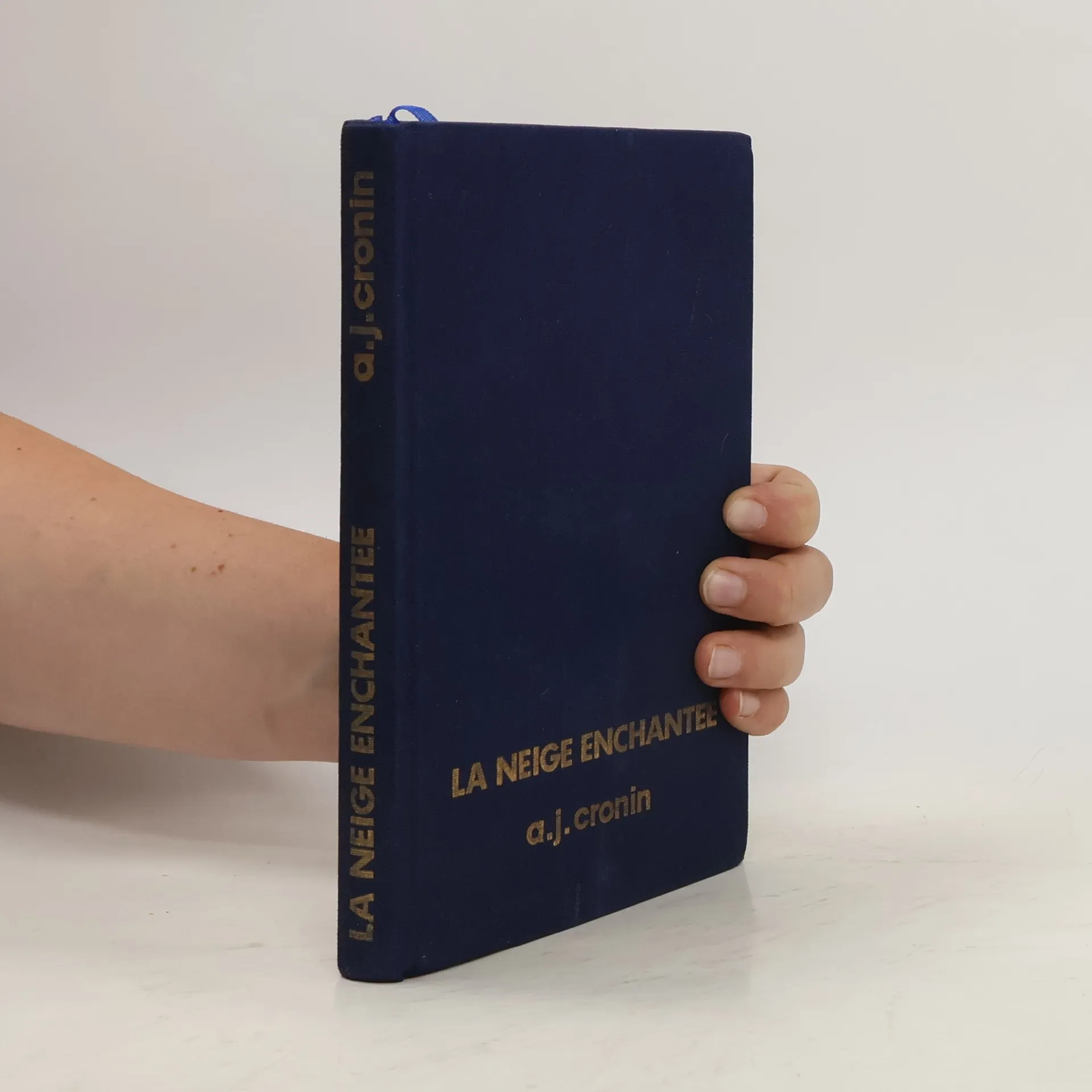
Publié à l'origine dans le magazine Redbook (janvier 1940), NEIGE ENCHANTÉE est le récit romantique et palpitant de A. J. Cronin sur Lewis Merrid, un jeune propriétaire d'une compagnie maritime américaine, qui, en voyageant en train vers Vienne, est irrésistiblement attiré par la pâle et effrayée passagère Sylvia Ullwin. En essayant d'aider l'objet de son affection, Merrid se retrouve impliqué dans une aventure qui se déroule au sommet des pics enneigés d'Autriche—une aventure aux conséquences imprévisibles qui menace non seulement Merrid, mais aussi le père de Sylvia et son fiancé.
Anna ist eine junge Krankenschwester, die ihre Arbeit mit Sorgfalt und Hingabe verrichtet. Ihre Schwester Lucia hat die gleiche berufliche Wahl getroffen, jedoch aus ganz anderen Motiven. Ihre Unbedachtsamkeit führt zu einem schweren Unfall, für den Anna die Verantwortung übernimmt, um sie zu retten. Dies ist das erste Glied in einer Kette von Ereignissen, die die beiden Protagonistinnen in unterschiedliche Schicksale führen werden: Ein Mann, Robert Prescott, tritt in Annas Leben, während Lucia von unglücklichen Abenteuern geprägt wird. Die Schicksale verweben sich, die Protagonisten sind gefangen in einem Geschehen, das größer ist als sie selbst, und anfangs können sie es noch kontrollieren, bis sie schließlich unter der schweren Last zusammenbrechen. Mit dem Tod kommt die Katharsis: Frieden für die, die gelitten haben, Liebe und ein Versprechen von Ruhe für die, die überleben. Angeli della notte vereint die außergewöhnlichen erzählerischen Fähigkeiten, die den Autor von Anni verdi und Il castello del cappellaio sowie vielen anderen Romanen zu einem der meistgelesenen und populärsten Erzähler des letzten Jahrhunderts gemacht haben.
Später Sieg
Roman
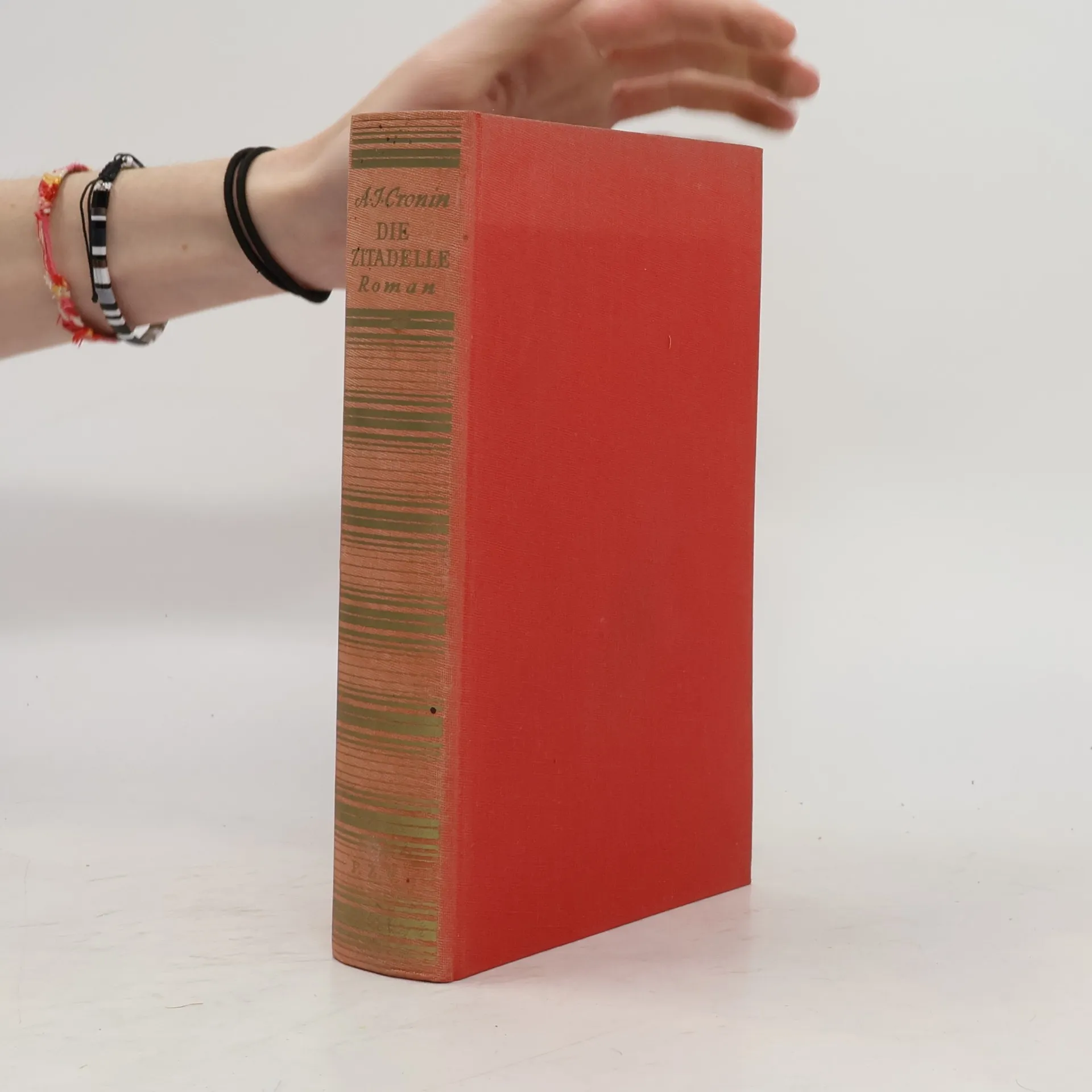
Die Zitadelle
Roman
Reader's Digest Auswahlbücher
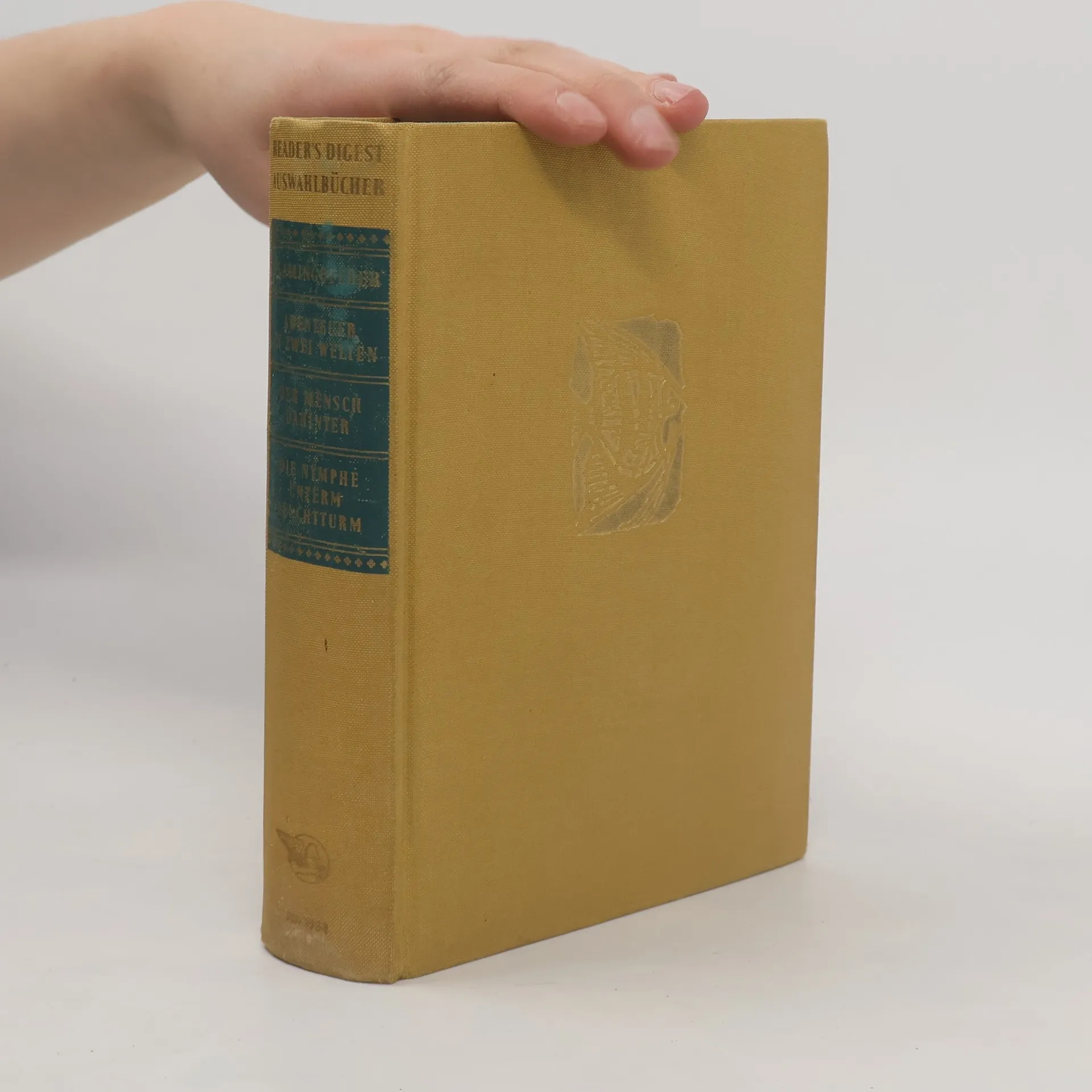
Flamingofeder. Abenteuer in zwei Welten. Der Mensch dahinter. Die Nymphe unterm Leuchtturm
Ma il cielo non risponde
- 365 pages
- 13 hours of reading
Da anni il pubblico aspettava un romanzo "nuovo" di A.J. Cronin: ed ecco Ma il cielo non risponde , dove l’autore stesso si fa personaggio, testimone e commentatore morale della lacerante, spasmodica, contraddittoria vicenda umana di Desmonde Fitzgerald, il bellissimo giovane, l’uomo di Dio, il cantore, l’essere umano risucchiato in un insondabile baratro erotico, l’avventuriero, l’innocente, l’attore… Lungo un arco di tempo che va dai primi del secolo a oggi, in una varietà d’ambiente che include la Dublino degli anni intorno alla prima guerra mondiale, la Hollywood dell’età dell’oro del cinema, un Oriente favoloso e enigmaticamente lussurioso, s’intesse la vicenda parallela di due vite che tendono a farsi "esemplari", cariche si significati universali, di tensione esistenziale, di "destino". Due vite su cu incombe l’ombra torbida e misteriosamente fascinosa di un grande personaggio femminile: Claire, frivola, irresistibile, alcolizzata, travolta da un bisogno irrefrenabile di perdizione: una figura di donna assolutamente indimenticabile… Ma il cielo non risponde è una grande interrogazione e una grande riuscita romanzesca.
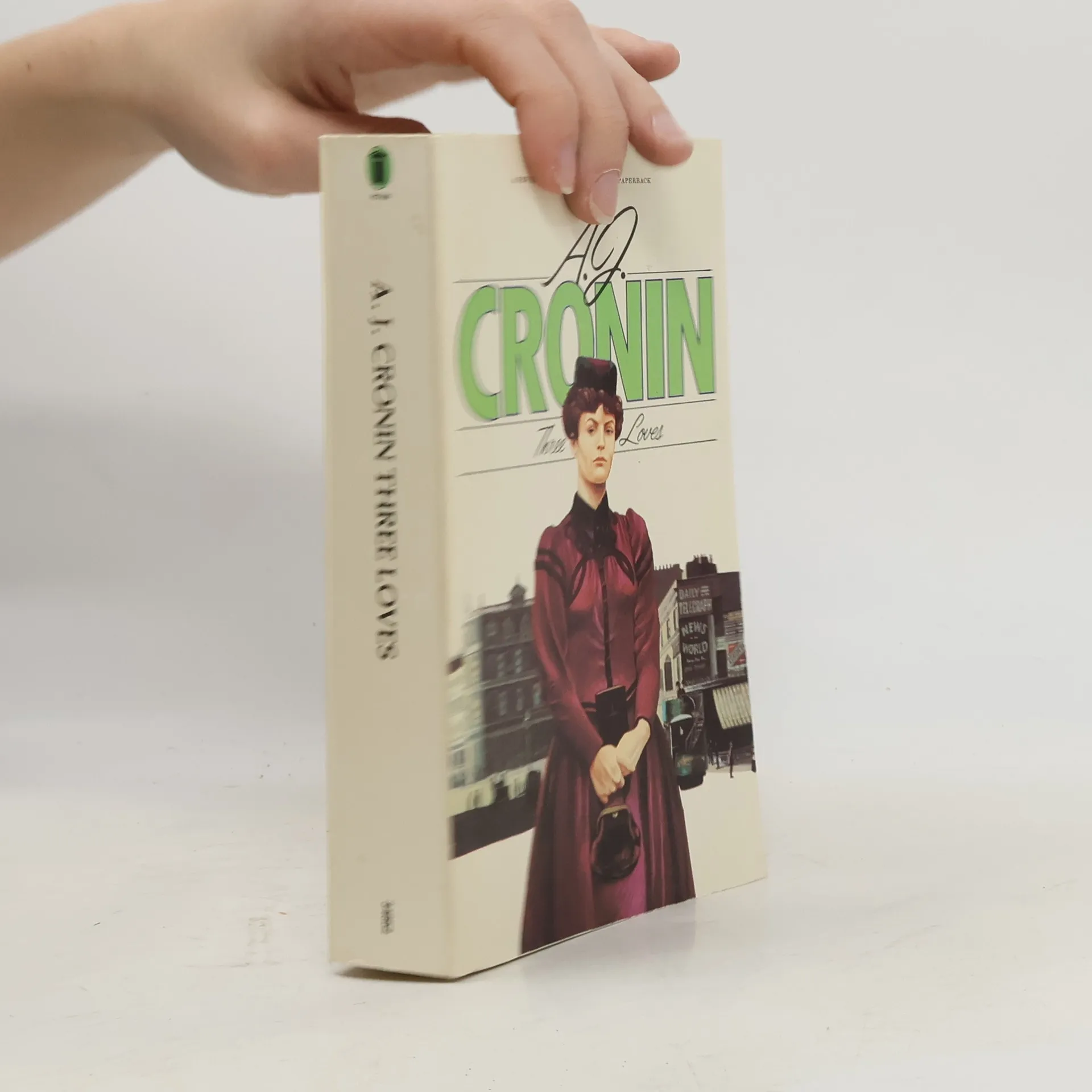
Три любви
- 640 pages
- 23 hours of reading
Ljusi Mur ochen u nee est ljubimyj i ljubjaschij muzh, ocharovatelnyj synishka, ujutnyj dom, sverkajuschij chistotoj. Ee optimizm ne znaet granits, i ona khochet oschastlivit vsekh vokrug sebja. Ljusi priglashaet pogostit Annu, kuzinu muzha, ne podozrevaja, chto v ee proshlom est tajna, brosajuschaja ten na vse semejstvo Mur. S pojavleniem etoj zhenschiny chistenkij, takoj pravilnyj i uporjadochennyj mirok Ljusi nachinaet rassypatsja kak kartochnyj domik. Ona ischet vykhod iz dvusmyslennogo polozhenija i v svo em likhoradochnom stremlenii sokhranit dom i semju sovershaet nepopravimyj postupok, kotoryj privodit k strashnoj tragedii... «Tri ljubvi» — esche odin shedevr Kronina, napisannyj v velikolepnoj povestvovatelnoj traditsii romanov «Zamok Broudi», «Kljuchi Tsarstva», «Drevo Iudy».