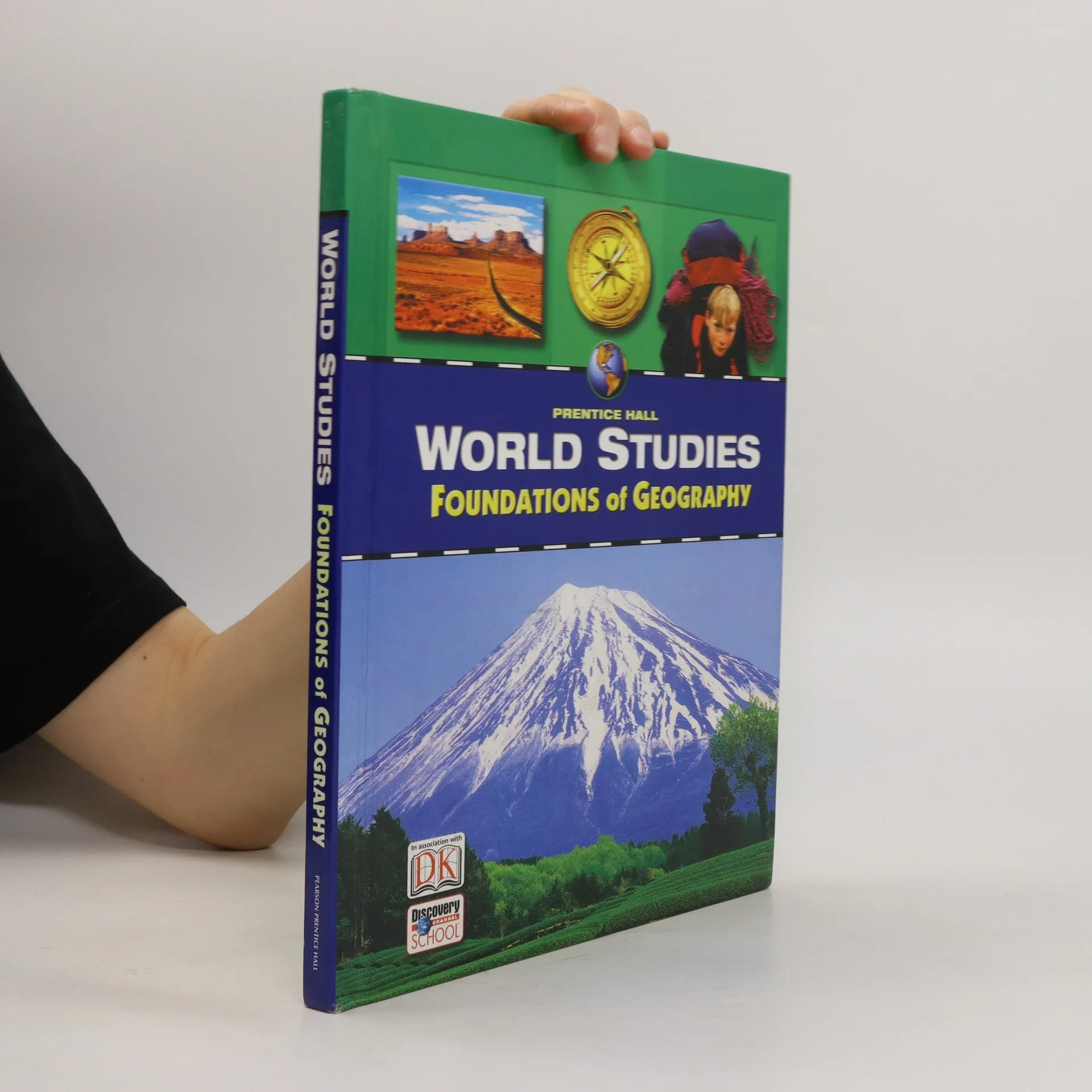
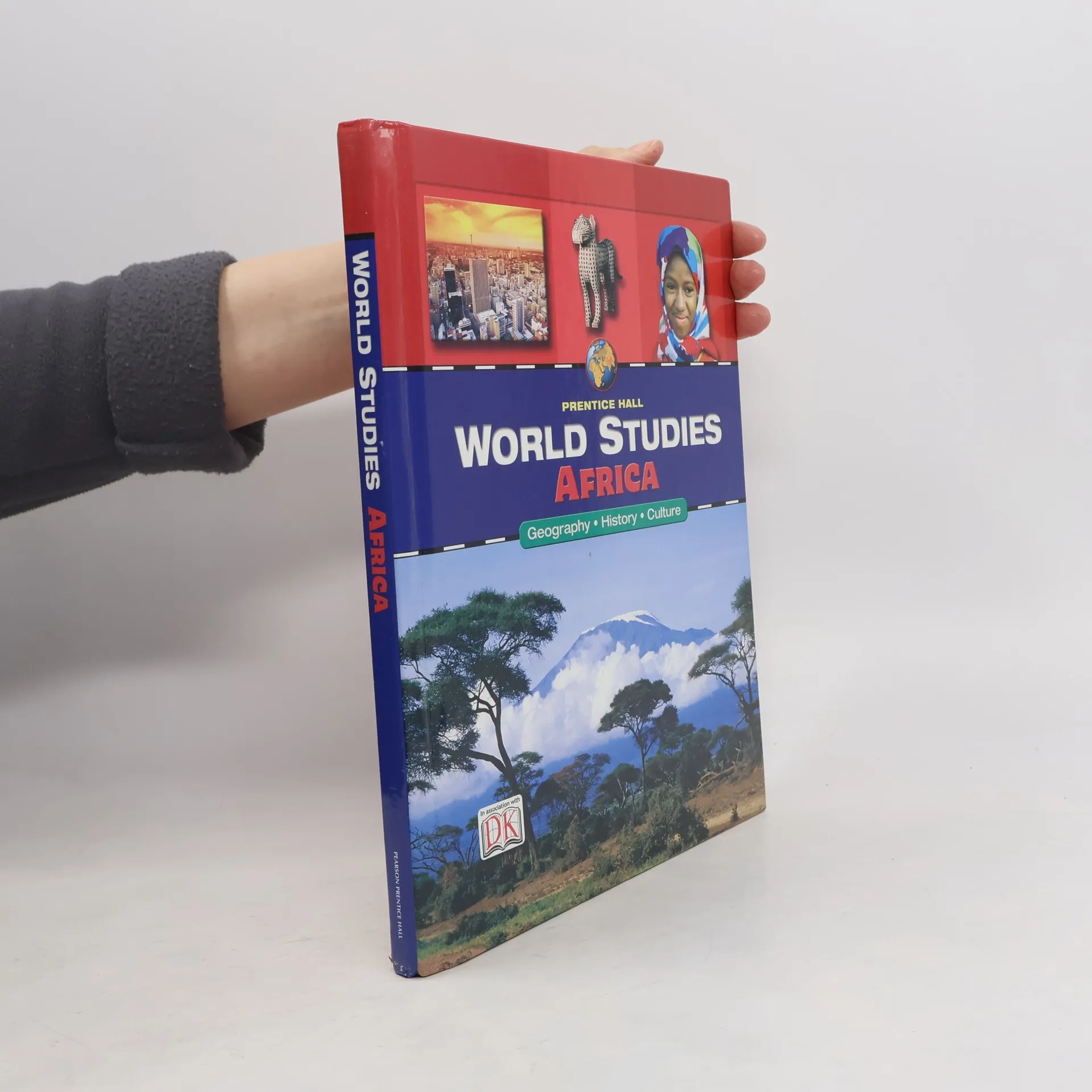
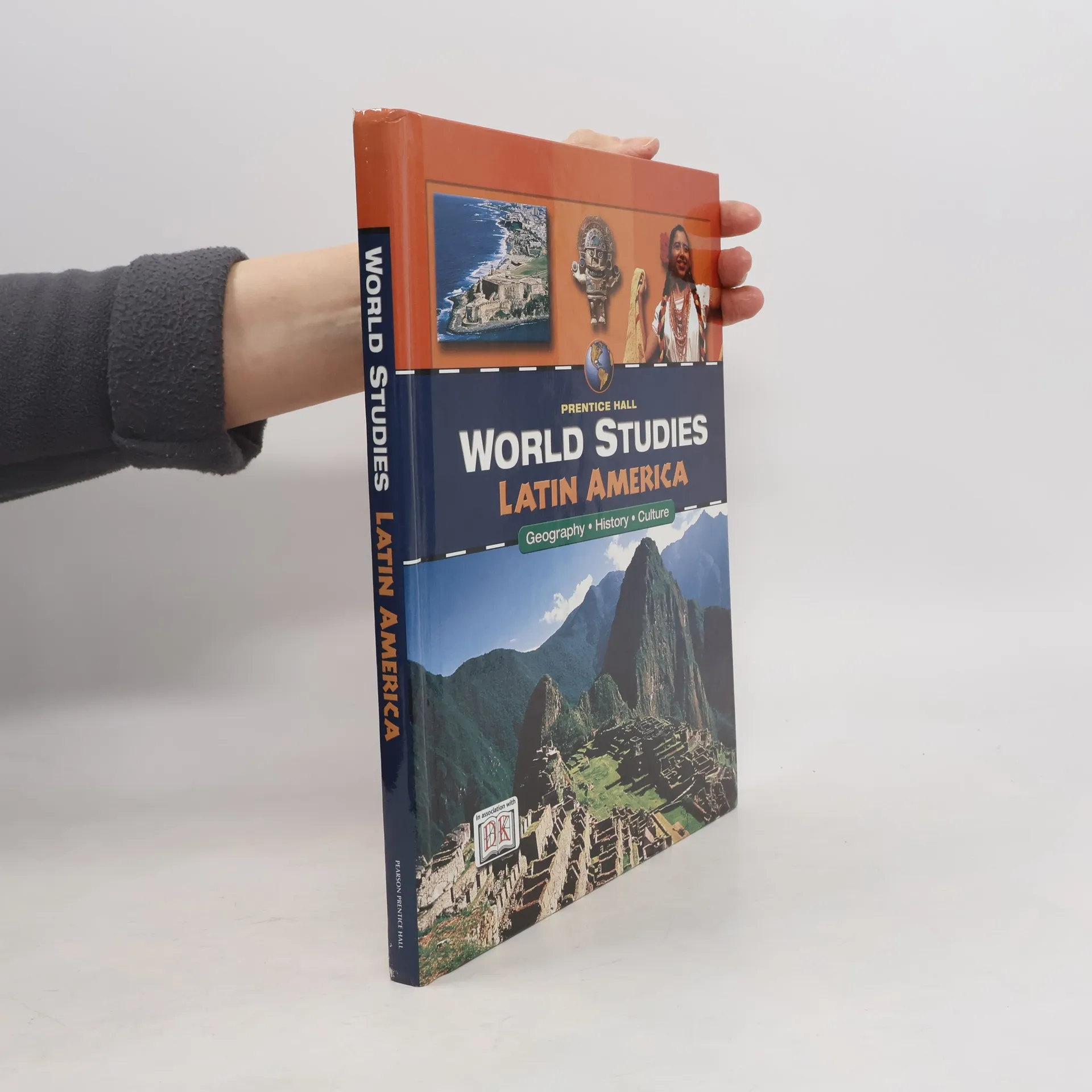
Student textbook builds a regional background of Latin merica's physical geography, history, and cultures. It also creates an understanding by focusing on Mexico, Central America, the Carribean, and South America.
Heidi Hayes Jacobs Book order (chronological)
Dr. Heidi Hayes Jacobs is an author and internationally recognized leader in education, celebrated for her pioneering work in curriculum mapping, integration, and the development of 21st-century teaching and learning approaches. As president of Curriculum Designers, Inc. and Executive Director of the Curriculum Mapping Institute, she has guided countless schools globally. Her focus is on curriculum reform, instructional strategies that foster critical thinking, and strategic planning. Dr. Jacobs is dedicated to modernizing educational practices to meet contemporary and future needs.


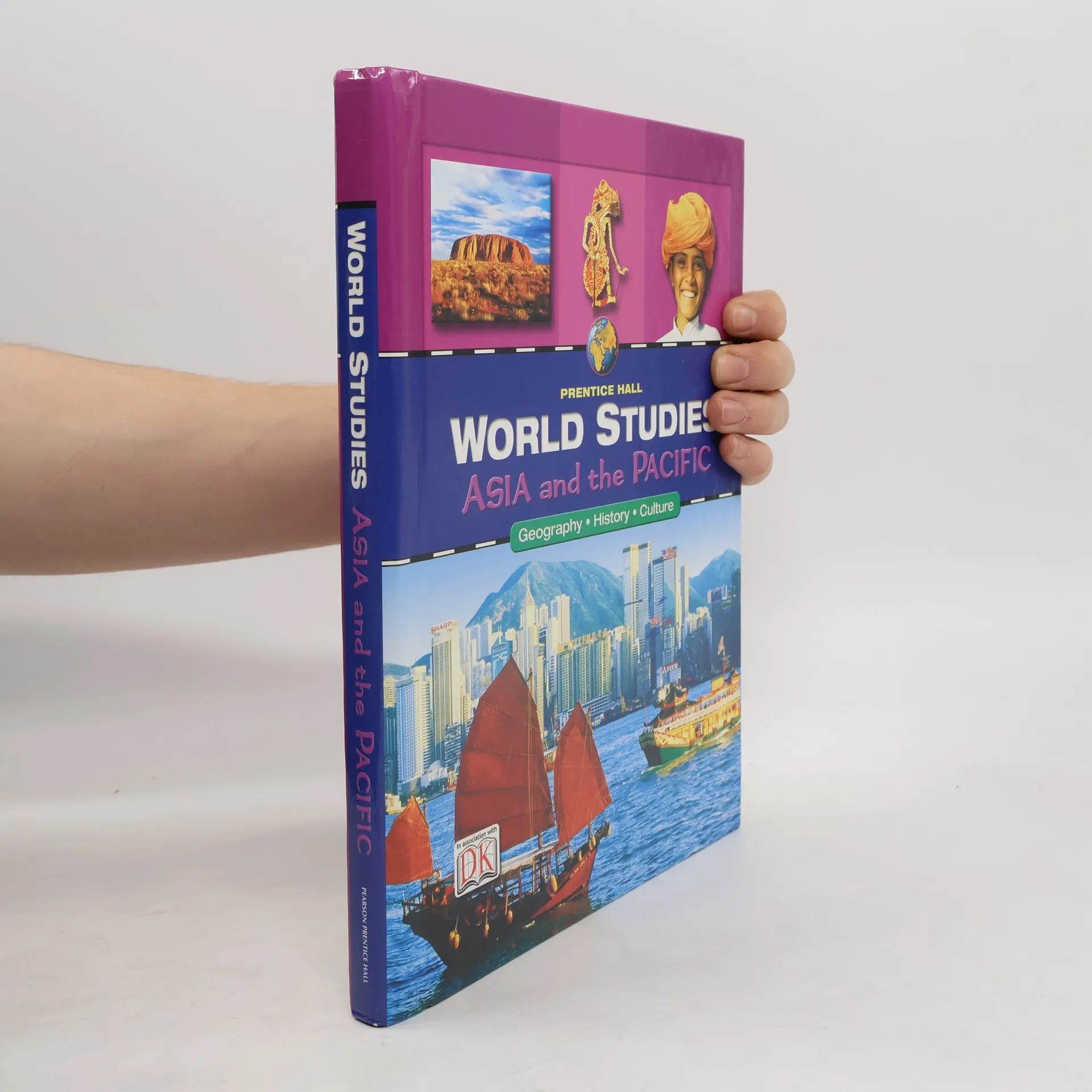
Introduces the geography, history, and culture of Asia and the Pacific Region.
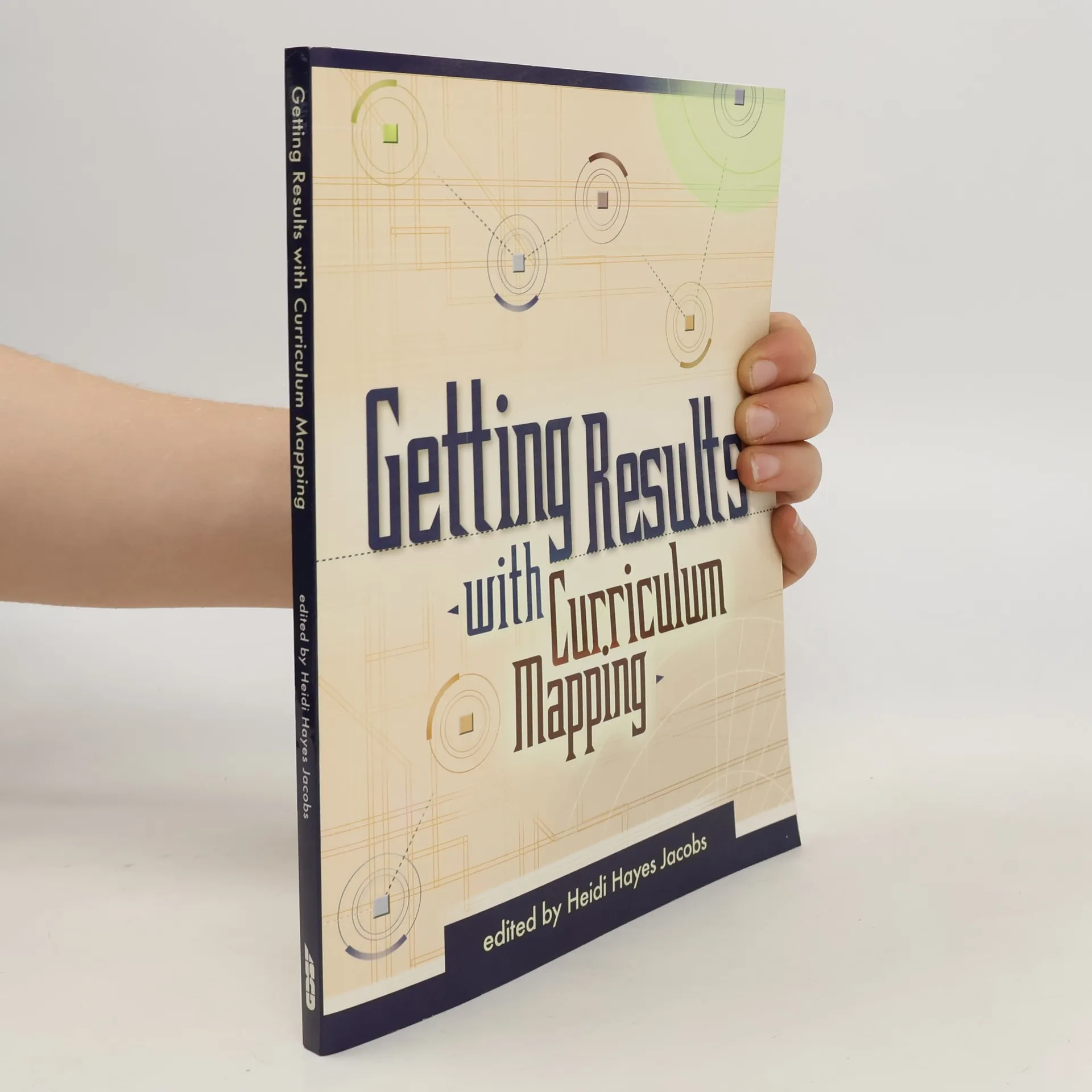
Getting results with curriculum mapping
- 181 pages
- 7 hours of reading
Curriculum mapping is said to remove the clutter that may interfere with learning and teaching. It sorts lessons and units into consistent plans that teachers, schools, and districts can access to ensure content is consistent and also progresses along with students. Jacobs and her contributors describe how to set up a mapping project, work on the project as a team, and use mapping in special settings such as in an independent or alternative school. They show how to create consistent benchmarks and use the resulting maps to integrate new technology, new data, decision-making structures, and staff development opportunities. The appendices include samples.Preparing educators to implement mapping procedures, * Using software to create unique mapping databases, * Integrating decision-making structures and staff development initiatives through mapping, * Helping school communities adjust to new curriculum review processes, and * Making mapping an integral part of literacy training.
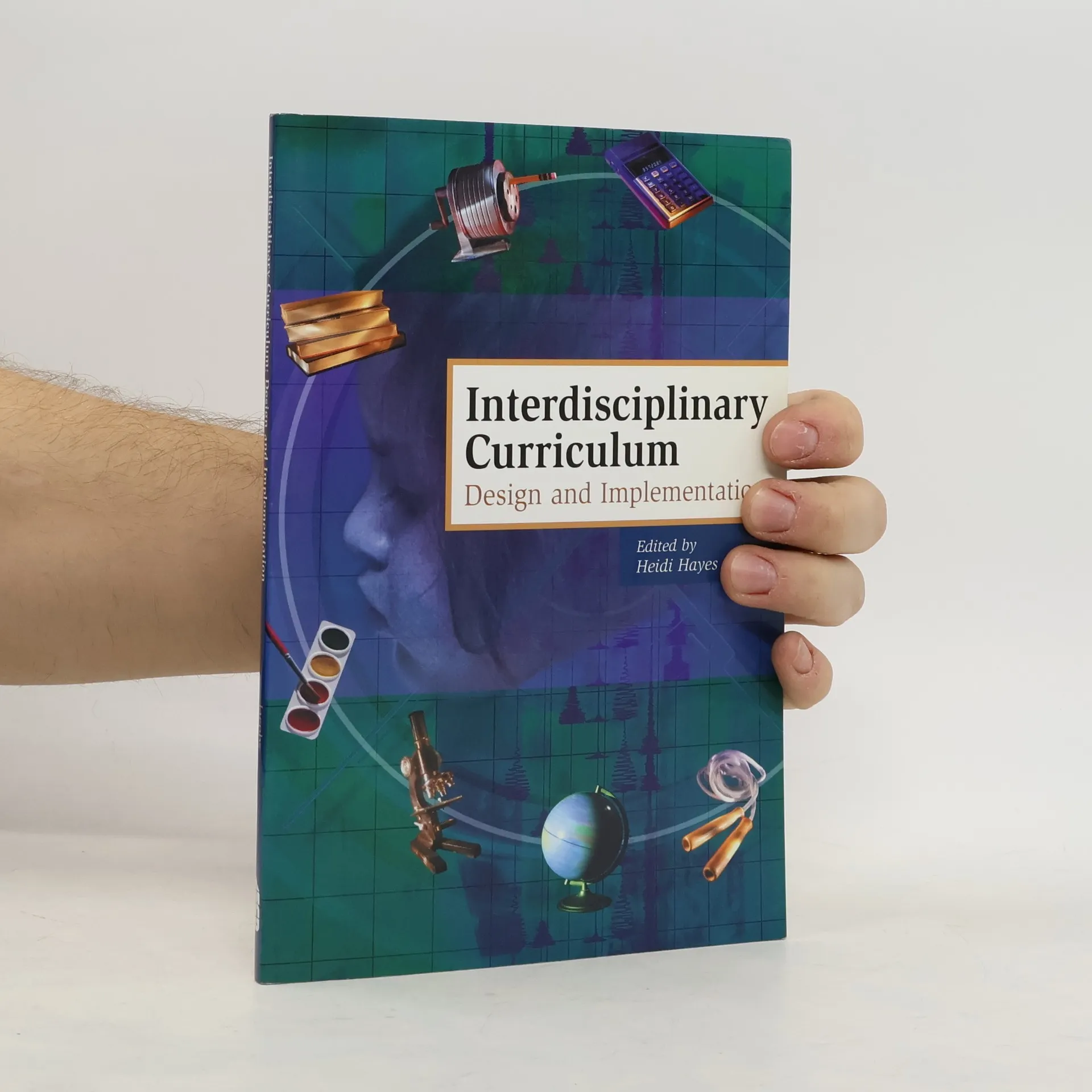
An introduction to an interdisciplinary approach in education explores six design options for an interdisciplinary curriculum and offers a process for integrating the teaching of science, math, language arts, social studies, and the arts.