

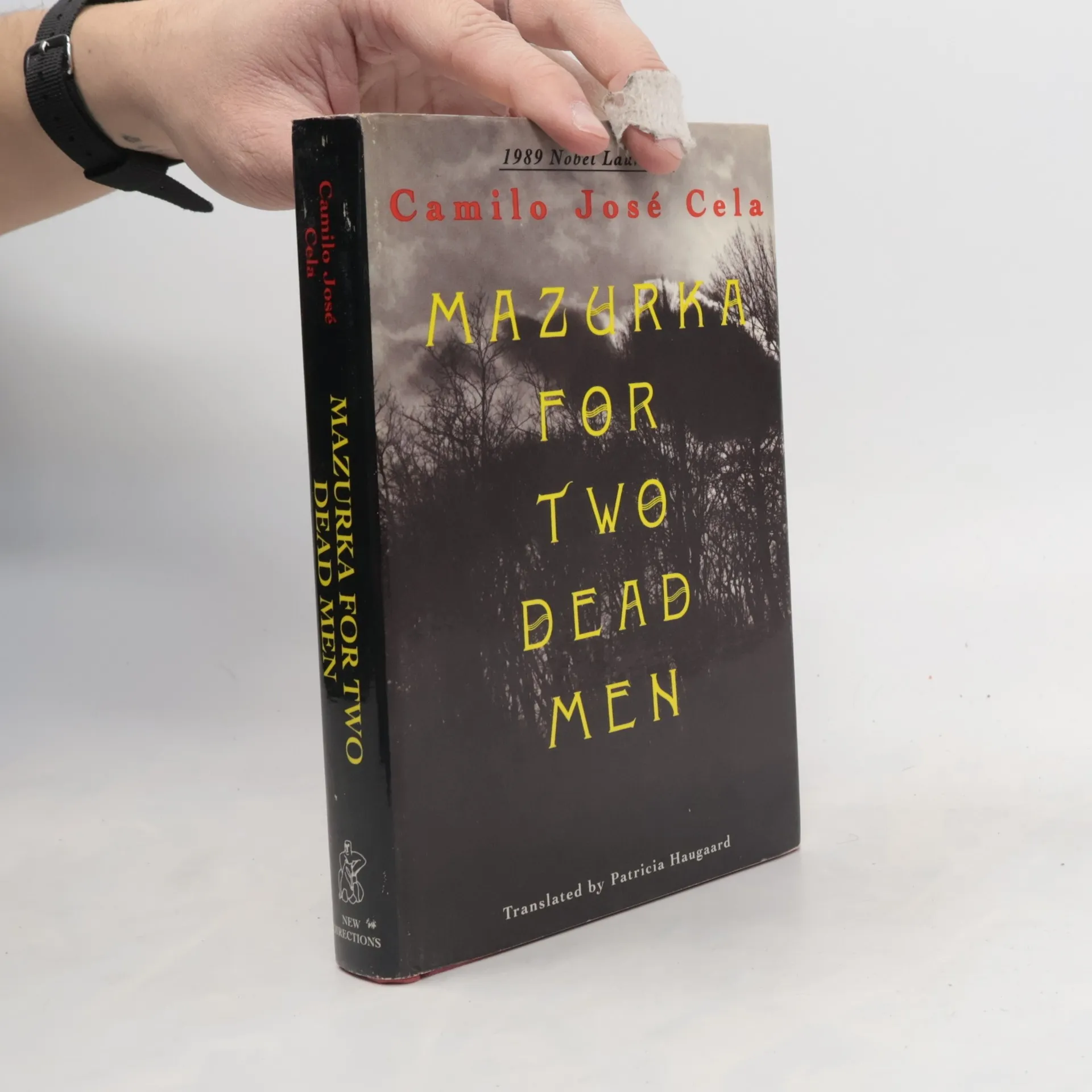
Complete and uncensored in English for the very first time, a fragmented, daringly irreverent depiction of decadence and decay in Franco's Spain written by the 1989 winner of the Nobel Prize in Literature. The translator Anthony Kerrigan compared Camilo José Cela, the 1989 winner of the Nobel Prize in Literature, to Louis-Ferdinand Céline and Curzio Malaparte—all “ferocious writers, truculent, badly spoken, even foulmouthed.” However provocative and disturbing, Cela’s novels are also flat-out dazzling, their sentences as rigorous as they are riotous, lodging like knives in the reader’s mind. Cela called himself a proponent of “uglyism,” of “nothingism.” But he has the knack, to quote another critic, Américo Castro, of deploying those “nothings and lacks” to construct beauty. The Hive is set over the course of a few days in the Madrid of 1943, not long after the end of the Spanish Civil War, when the regime of General Francisco Franco was at its most oppressive. The book includes more than three hundred characters whose comings and goings it tracks to hypnotic effect. Scabrous, scandalous, and profane, The Hive is a virtuosic group portrait of a wounded and sick society.
Camilo José Cela Conde Book order (chronological)
Camilo José Cela Conde is a Spanish writer and professor of Philosophy of Law, Ethics and Policy at the University of the Balearic Islands. His work often delves into ethical dilemmas and societal questions, drawing from a profound understanding of human nature. As an author, he stands out for his sharp analytical style and his ability to pose probing questions about the nature of law and morality in the contemporary world. His writing is marked by both academic rigor and creative imagination, offering readers a stimulating intellectual journey.


Novela cuya acción se sitúa en una isla del Mediterráneo en la postguerra española, COMO BESTIA QUE DUERME gira en torno a la relación que mantienen en el intervalo veraniego una pareja de niños al borde de la adolescencia, Arturo y su primo José Manuel, enredados en una madeja de sentimientos en la que se mezclan amor y odio, angustia y esperanza, amistad y traición, vida y muerte. Contra el fondo que conforman el paisaje de la isla y el mundo de los pescadores y el mar que CAMILO JOSÉ CELA CONDE recrea con maestría y eleva casi al rango de personajes, los lentos días de ese estío darán oportunidad al descubrimiento de la crueldad del mundo de los adultos, que, como los monstruos que velan en las aguas abismales de la vida y de la memoria, aguarda sin prisa el momento justo para revelarse.
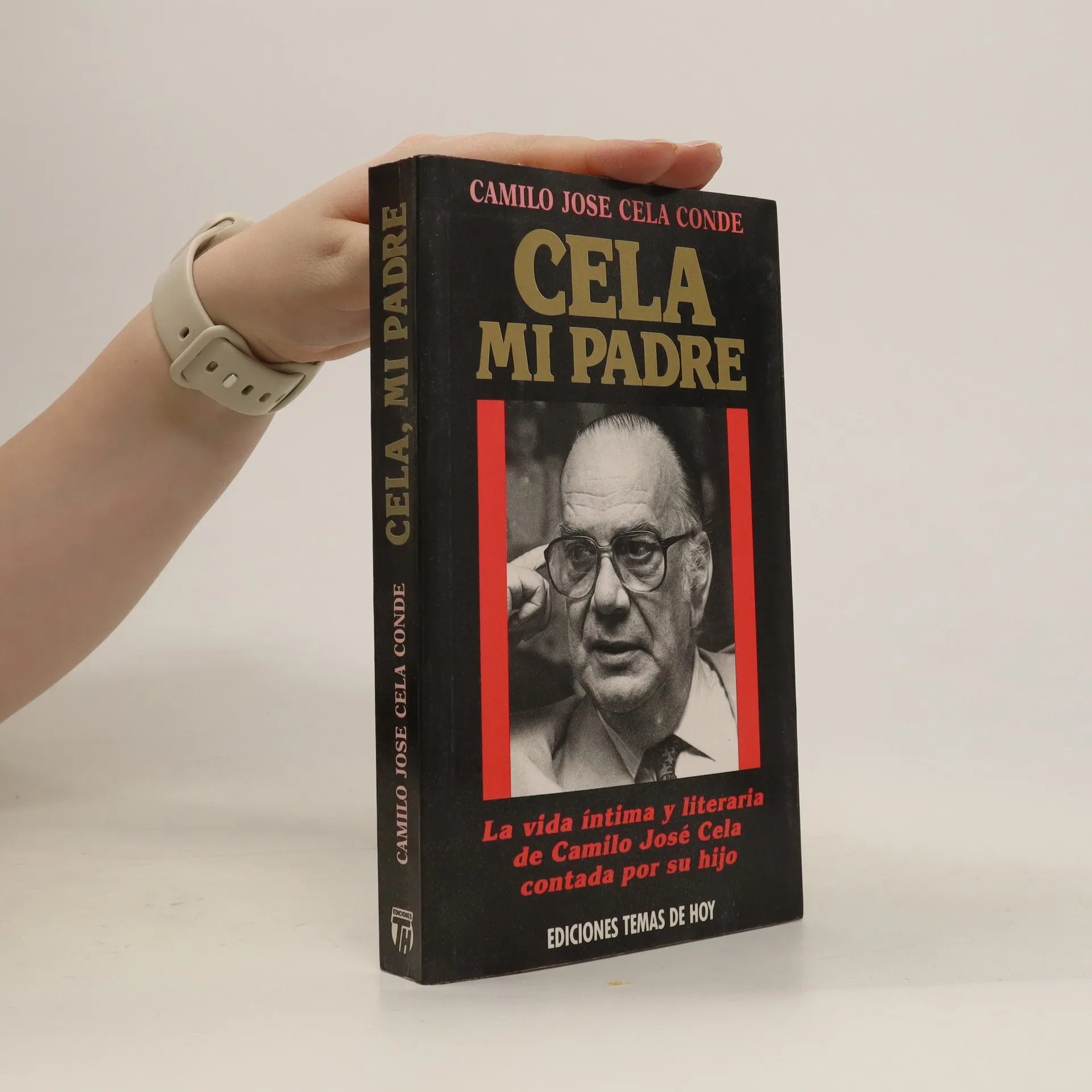
Cela, mi padre
- 255 pages
- 9 hours of reading
Madrid. 23 cm. 260 p. Encuadernación en tapa blanda de editorial. Primera edición. Cela Conde, Camilo José ( 1946-). 1916-2002)-. Biografías .. Este libro es de segunda mano y tiene o puede tener marcas y señales de su anterior propietario. 8484601927
At the end of the Spanish Civil War, Tanis Gamuzo sets out to avenge the death of his brother, who was abducted and killed during the war, in a work set in a backward rural community, by the 1989 Nobel Prize winner.