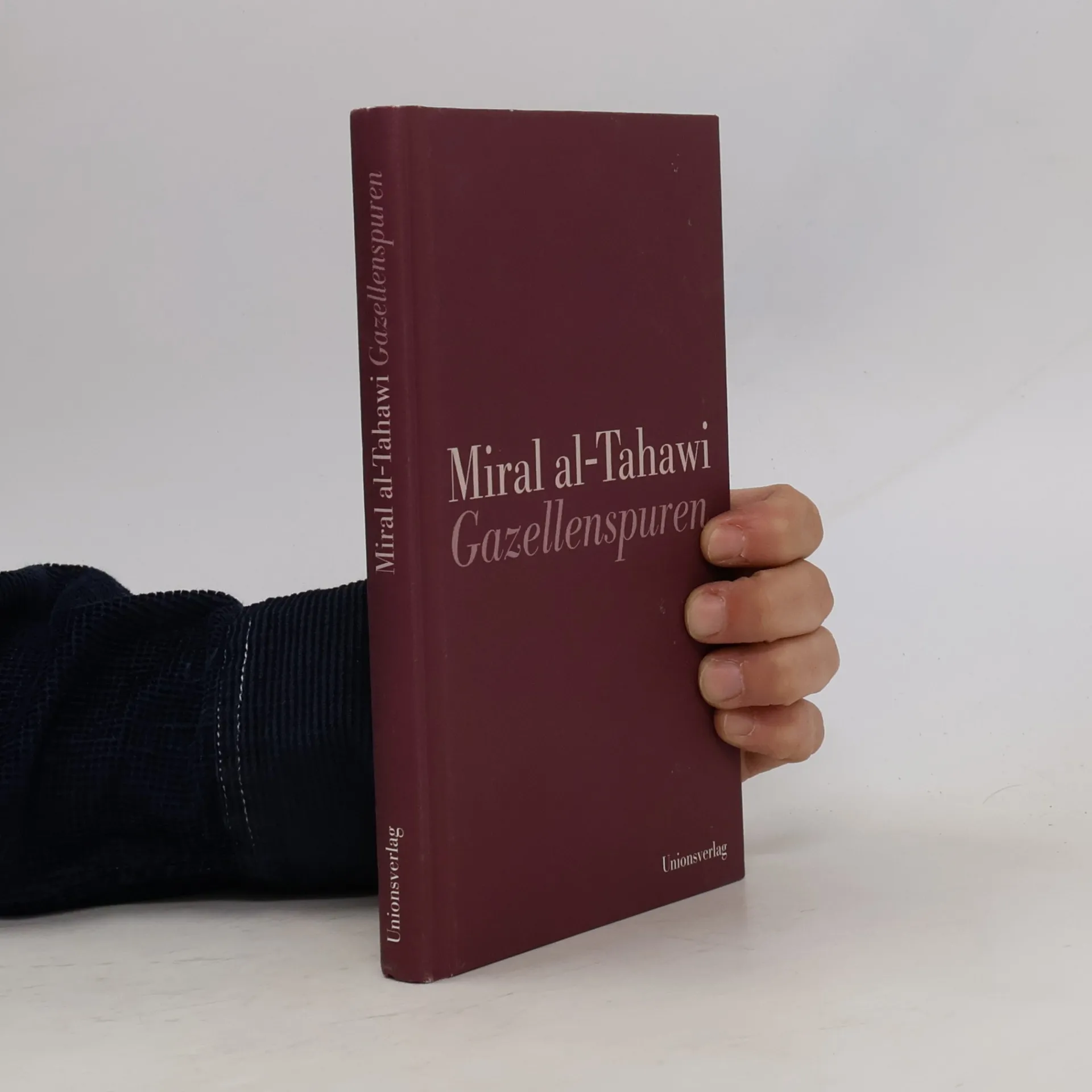
Die Bilder im alten Haus am Nil sind Muhra seit ihrer Kindheit vertraut. Da ist zum Beispiel das Foto der drei Schwestern mit den bunten Schleifen im Haar. Oder ein Gemälde, von einem durchreisenden Franzosen gemalt: Beduinen sitzen um ein Feuer und sehen einer verschleierten Frau beim Tanz zu. Und von ihrem Vater gibt es Fotos mit seinem Lieblingsfalken und mit edlen Araberpferden. Jedes der Bilder birgt ein Geheimnis. Welche der drei Schwestern ist Muhras Mutter? Wer ist die tanzende Frau am Feuer? Weshalb nahm der Vater für reiche Ölscheiche an Falkenjagden teil, die nichts als eine Farce waren? Muhra will die Wahrheit wissen und sucht ihre Spuren in Erinnerungsfetzen, in den Geschichten der Alten, in versteckten Aufzeichnungen und Skizzen.
Doris Kilias Books


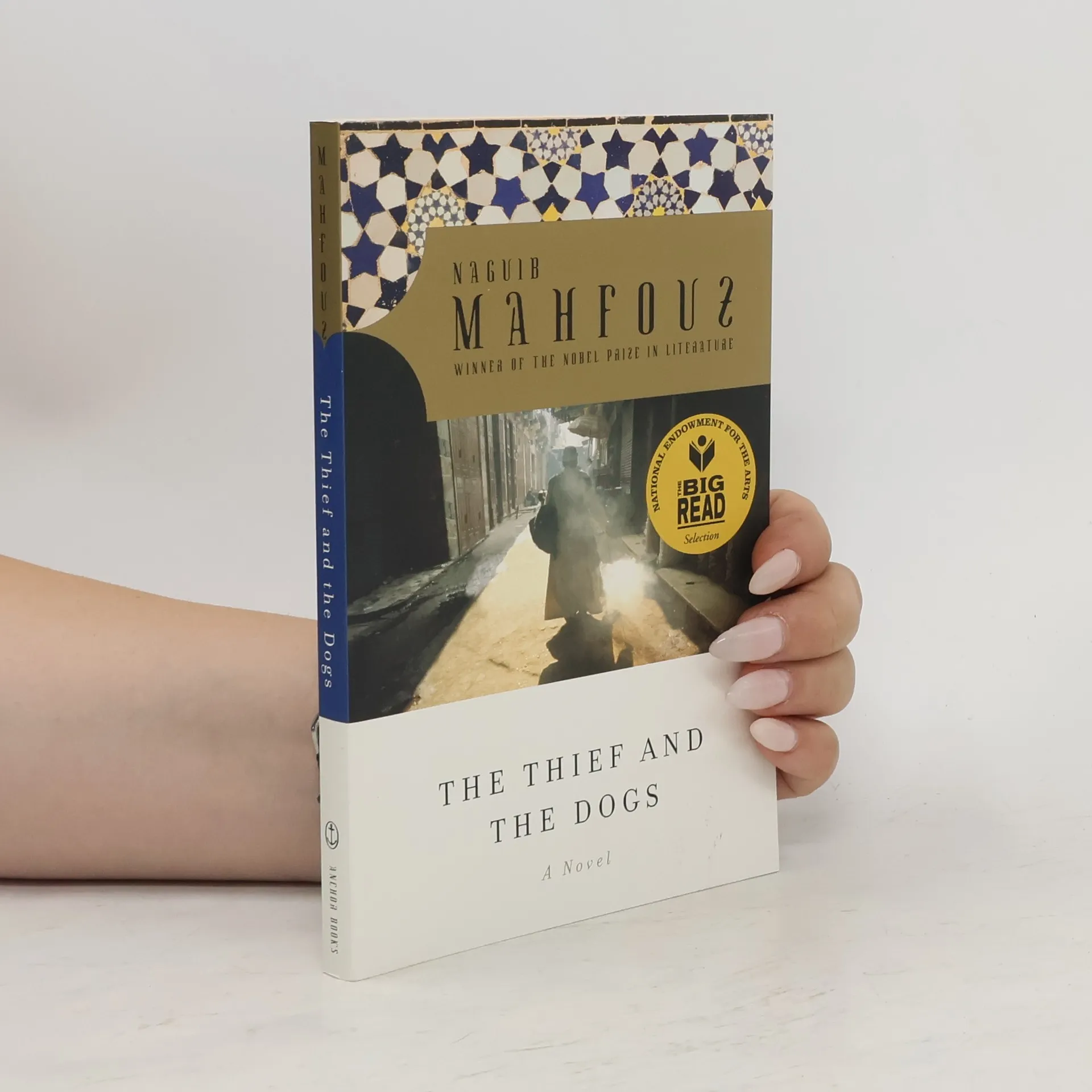
Thief And The Dogs
- 158 pages
- 6 hours of reading
Naguib Mahfouz's haunting novella of post-revolutionary Egypt combines a vivid pychological portrait of an anguished man with the suspense and rapid pace of a detective story.After four years in prison, the skilled young thief Said Mahran emerges bent on revenge. He finds a world that has changed in more ways than one. Egypt has undergone a revolution and, on a more personal level, his beloved wife and his trusted henchman, who conspired to betray him to the police, are now married to each other and are keeping his six-year-old daughter from him. But in the most bitter betrayal, his mentor, Rauf Ilwan, once a firebrand revolutionary who convinced Said that stealing from the rich in a unjust society is an act of justice, is now himself a rich man, a respected newspaper editor who wants nothing to do with the disgraced Said. As Said's wild attempts to achieve his idea of justice badly misfire, he becomes a hunted man so driven by hatred that he can only recognize too late his last chance at redemption.
With its Sufistic parables of the human condition, rendered in a style redolent of both the austere meditations of Borges and the dark engorged ruminations of Arthur C. Clark, Pyramid Texts engages the mind and beguiles the imagination. In a series of chapters each shorter than the last―so that, like their subjects, they taper ultimately into nothingness―the author evokes the obsessions that have drawn men over the centuries to the brooding presence of mankind’s most ancient and mysterious monuments. Among others in a procession of exotic characters, a Moroccan seeker after knowledge spends years contemplating the pyramids in the hope that one day he will understand the mysterious writing that fitfully appears on their sides. Another waits patiently for the moment when the shadow of one will diverge from its accustomed path and bestow immortality, and the Sphinx performs a celestial dance. Pyramid Texts leads us into a world of endless passages and mysterious sighing winds, a world whose claustrophobic and shadowy spaces may be illuminated by flashes of ecstasy leading to scintillating transfigurations and dizzying annihilations.
La preuve par le miel
- 177 pages
- 7 hours of reading
A bestseller throughout the Arab world, a tribute to sex, eroticism, language and liberty, The Proof of the Honey is a superb celebration of female pleasure. A Syrian scholar working in Paris is invited to contribute to a conference on the subject of classic erotic literature in Arabic. The invitation provides occasion for her to evoke memories from her own life, to exult in her personal liberty, her lovers, her desires, and to revisit moments of shared intimacy with other women as they discuss life, love, and sexual desire. Far more than an erotic novel, The Proof of the Honey is a surprising and illuminating voyage into the history of Arabic literature. Borrowing inspiration from The Thousand and One Nights , erudite asides are woven into the fabric of the protagonist’s story and the stories of her lovers. Affirming that “Arabic is the language of sex,” and making desire the source of her own personal liberty, Al Neimi has written a stirring novel about the place afforded sex in modern Arabic society and its relationship to the long, rich tradition of Arabic erotica.
Erkundungen. 32 ägyptische Erzähler
- 334 pages
- 12 hours of reading
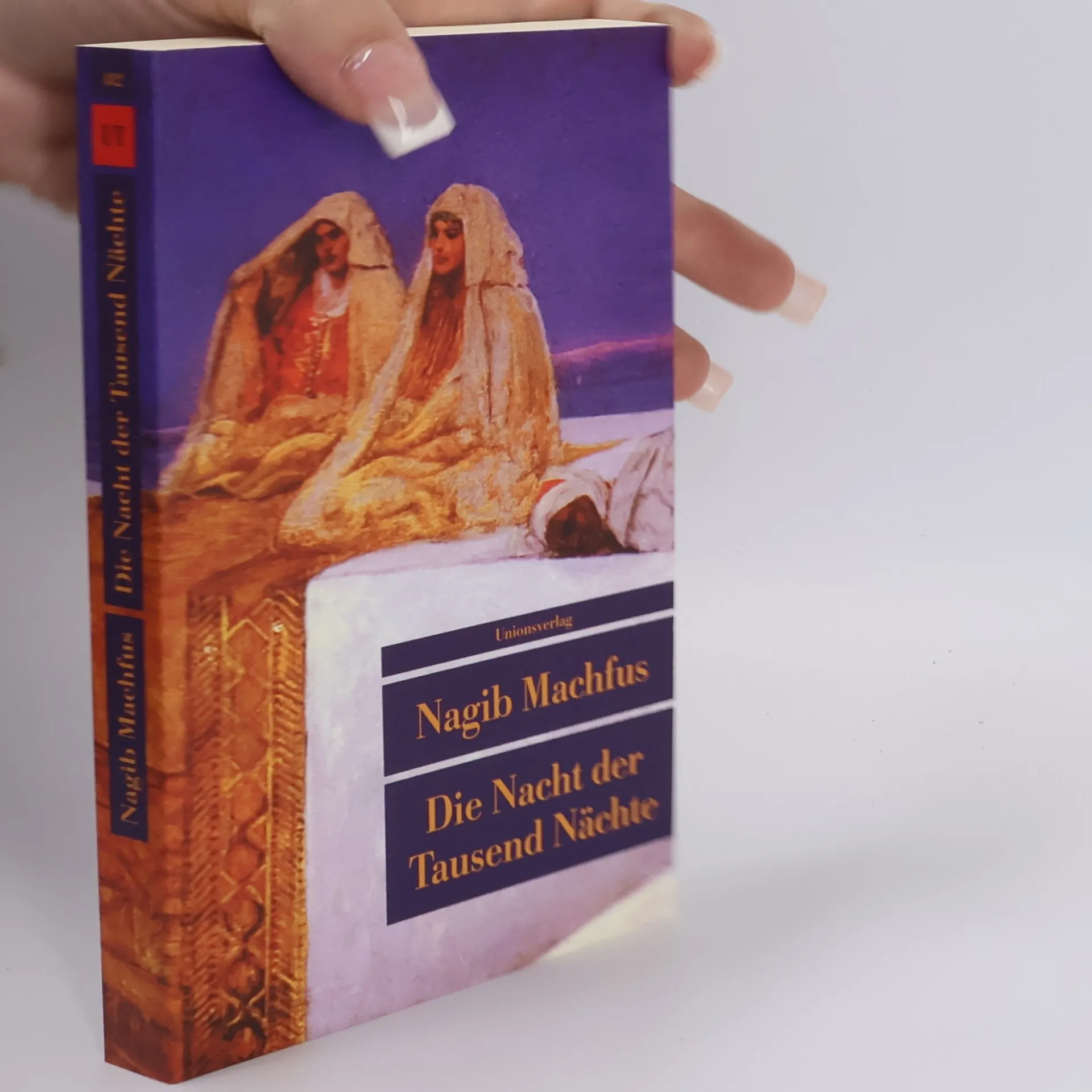
ليالي ألف ليلة وليلة معاصرة... ومملكة شهريار مدائن معاني تضج في خيال نجيب محفوظ... وشهرزاد رمزاً ينسحب... يتسلل من الماضي كاسم ليكون شهرزادات وليكون شهريار شهريارات ولتأتي الحكاية حكاية كل زمان وكل مكان... تحدث بالقهر... بالتسلط والمعاناة.... ويقف نجيب محفوظ خلف سطوره... وبين ثنايا معانيه يحركها وكأنه الواقف خلف ستار مسرح الدمى... يحرك عرائسه... يبدل أثوابها... يزخرفها... يلونها بألف لون ولون... ليغدو القارئ المشاهد أسير عالمه ويعود بذاكرته إلى الوراء... ليدنو إلى ما يسفر عنه الحاضر
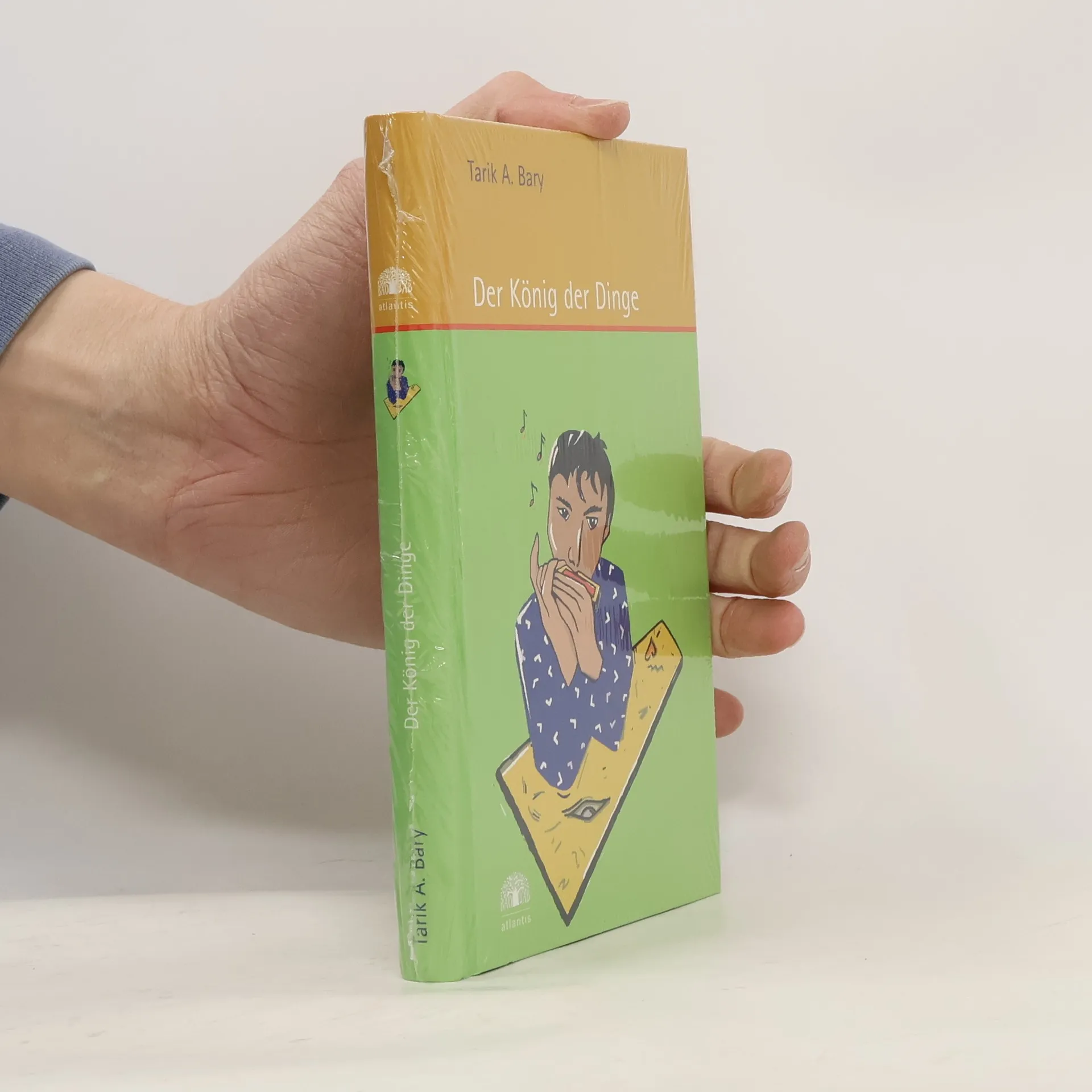
Der König der Dinge
- 182 pages
- 7 hours of reading
Ein Junge mit siebtem Sinn und handfesten Gegnern. Karim kann mit Schulbänken, Türen und Tischen reden. Kaum betritt er zum ersten Mal die neue Internatsschule, wenden sich sämtliche Dinge ihm zu: freundlich, hilfsbereit – und mit ihren Sorgen. An der Schule gibt es drei Oberschüler, die Karim bald klar machen, wer hier das Sagen hat. Er wehrt sich, doch sie schüchtern ihn ein. Als die Dinge Karim um Hilfe bitten, gerät er in eine Zwickmühle. Wie soll er sich dafür stark machen, dass man Tischen und Stühlen mehr Sorge trägt, ohne dass ihn alle auslachen? Wenn er mit den Dingen spricht, glauben die Kollegen ohnehin, er führe Selbstgespräche. Dennoch stellen sich einige Schüler auf seine Seite. Aber auch die Gegenpartei ist aktiv. Die Lage spitzt sich zu, bis kurz vor dem Schulfest. Eine spannende Internatsgeschichte aus Ägypten. Was unter Schülern und Schülerinnen passiert, ist uns vertraut. Daneben gibt es auch Kräfte wie Protektionismus und Korruption, die hierzulande weniger deutlich zu erkennen sind. Dass Konflikte am besten durch Solidarität und Fairness gelöst werden können, gilt jedoch überall.