


To become a great leader, develop your soft skills. If you read nothing else on developing your soft skills and people skills, read these 10 articles. We've combed through hundreds of Harvard Business Review articles and selected the most important ones to help you identify your social and emotional strengths and weaknesses, approach them with a growth and learning mindset, and become a more effective leader today. This book will inspire you to: Systematically improve your social skills Influence with and without authority Listen to build consensus Develop your leadership presence Present and communicate more effectively Focus your attention inward and outward HBR's 10 Must Reads paperback series is the definitive collection of books for new and experienced leaders alike. Leaders looking for the inspiration that big ideas provide, both to accelerate their own growth and that of their companies, should look no further. HBR's 10 Must Reads series focuses on the core topics that every ambitious manager needs to know: leadership, strategy, change, managing people, and managing yourself. Harvard Business Review has sorted through hundreds of articles and selected only the most essential reading on each topic. Each title includes timeless advice that will be relevant regardless of an ever‐changing business environment.
Amy Gallo Book order


- 2024
- 2022
Dealing with difficult people can severely impact our creativity, productivity, and overall engagement. Conflict and stress cloud our judgment, leading to sleepless nights, withdrawal from work, or regrettable reactions like eye-rolling or snapping at colleagues. Negative relationships can spread, affecting entire teams and organizations. Often, we feel trapped, either enduring the situation or resorting to ineffective, one-size-fits-all solutions. However, it's crucial to prioritize your sanity and career amidst thoughtless or malicious behavior. In this insightful guide, workplace expert Amy Gallo identifies eight types of challenging coworkers—including the insecure boss and the know-it-all—and offers tailored strategies for constructive engagement. For those facing unique challenges that don't fit these categories, Gallo provides principles to help navigate any conflict. Taking the high road is difficult, but with compassion and practical tools, you can handle these situations on your terms. Gallo addresses pressing questions like the importance of work relationships, the impact of negative communications, and how to manage uncooperative colleagues. With relatable examples, the latest behavioral science, and actionable advice, this guide equips you to tackle tough workplace relationships and build resilience in your interactions.
- 2020
Confianza (Confidence Spanish Edition)
- 192 pages
- 7 hours of reading
Necesitas ser seguro de ti mismo para inspirar confianza, comunicarte eficazmente y tener éxito en su organización. Pero la inseguridad y los nervios pueden socavar tu capacidad para actuar con decisión y persuadir a los demás. ¿Qué puedes hacer para superar estas inseguridades?Este libro explica cómo puede usar la inteligencia emocional para tener más confianza en sí mismo en el trabajo. Aprenderás a corregir lo que te retiene, a superar el síndrome del impostor, y cuando te sientas demasiado seguro de ti mismo, en realidad puede resultar contraproducente.///// You need confidence to inspire trust, communicate effectively, and succeed in your organization. But self-doubt and nerves can undermine your ability to act decisively and persuade others. What can you do to push past these insecurities?This book explains how you can use emotional intelligence to become more confident at work. You'll learn how to correct what is holding you back, how to overcome imposter syndrome, and when feeling too self-assured can actually backfire.
- 2017
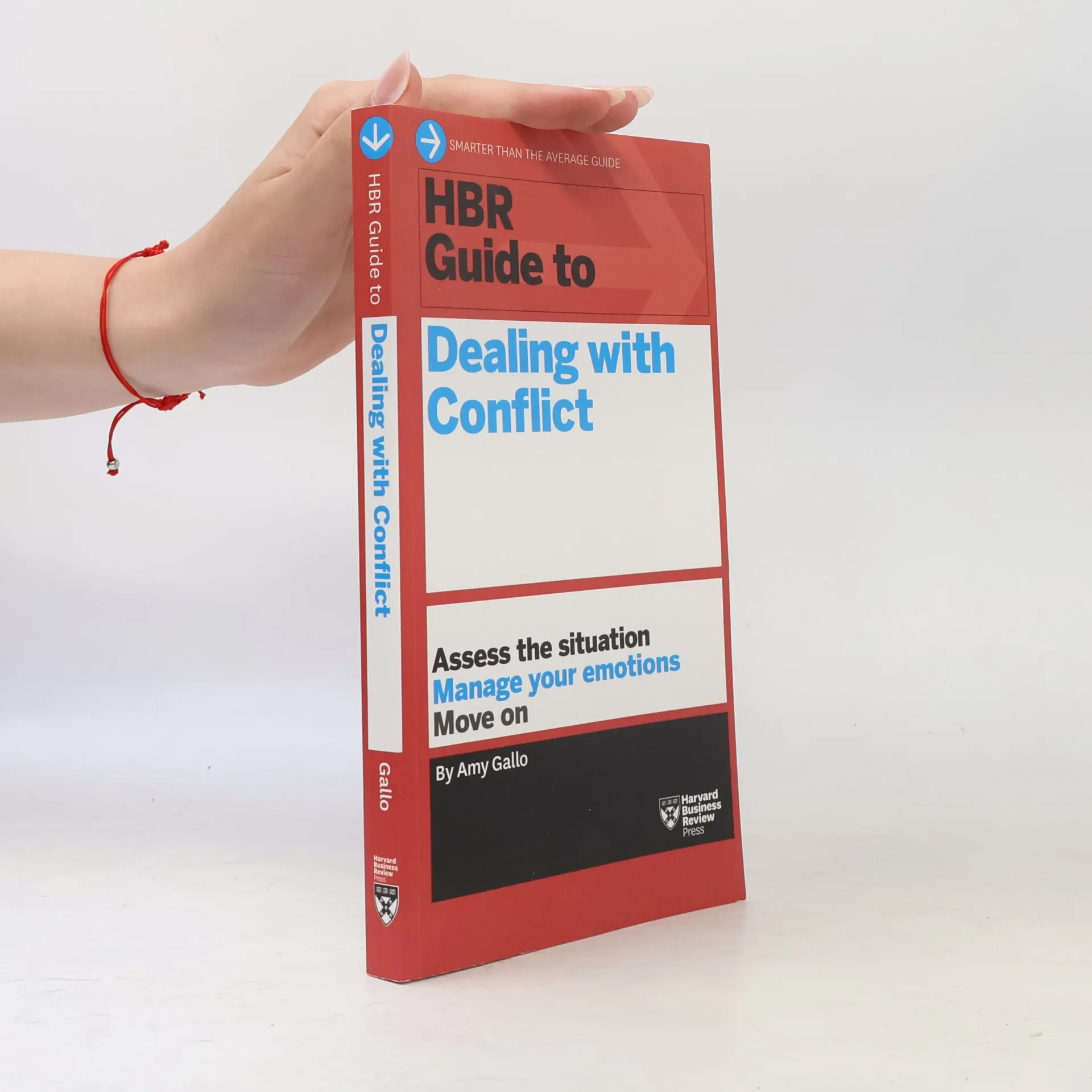
HBR Guide to Dealing with Conflict
- 192 pages
- 7 hours of reading
The author, a contributing editor to Harvard Business Review, speaker, and workshop facilitator who helps organizations deal with conflict, describes how to deal with conflict at work, understand and address it, recognize whether people seek or avoid conflict, assess the situation, prepare for and engage in difficult conversations, manage emotions, develop a resolution, know when to walk away, repair relationships, and navigate common situations.