
Explore the latest books of this year!
Bookbot

John R. Stilgoe

    January 1, 1949

    John Stilgoe is a historian and photographer whose work delves into landscape and visual culture. He keenly observes the intricate relationship between people and their environment, exploring how visual elements shape our perception of the world. Stilgoe's approach offers readers a unique perspective on the everyday landscape.

    Trees
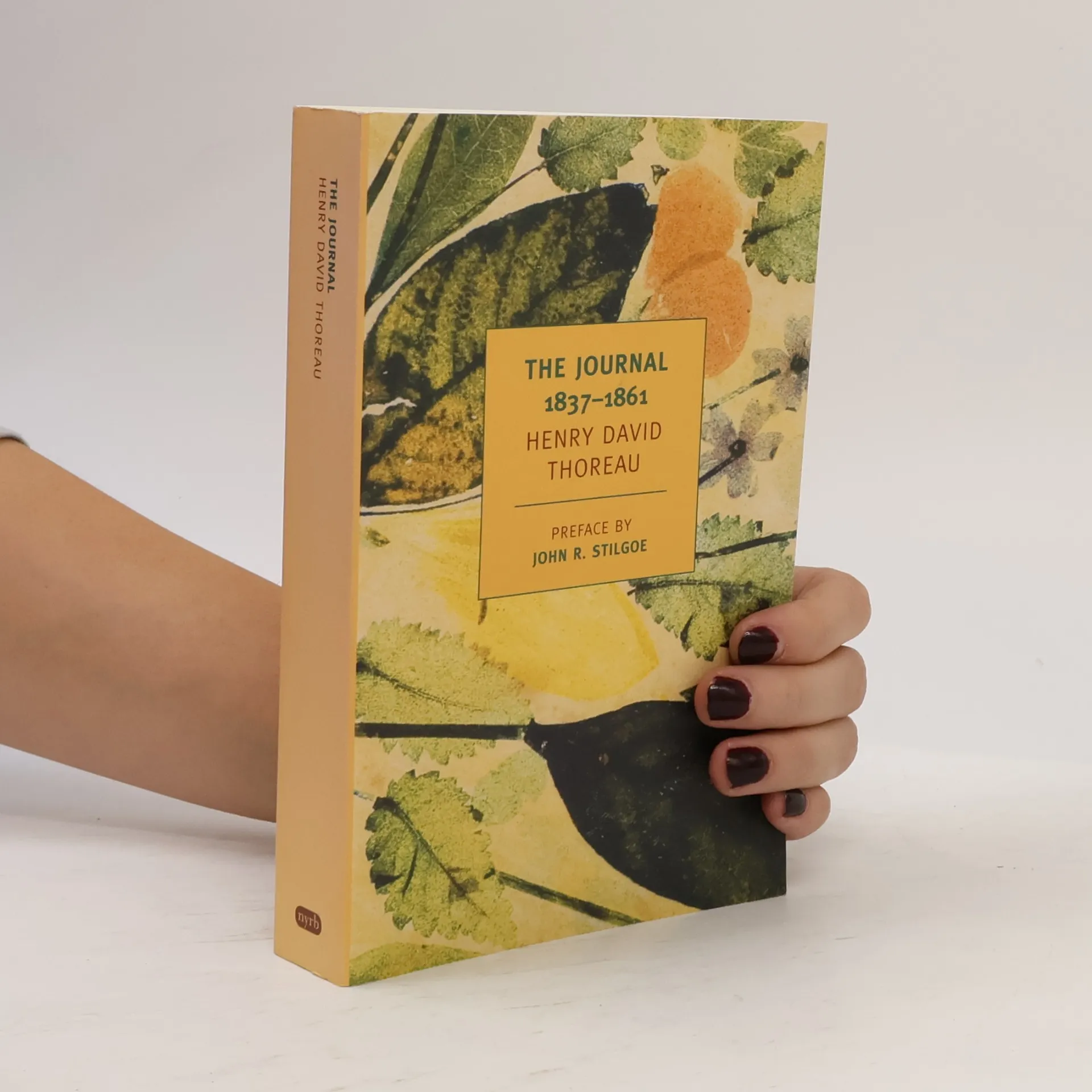
    The Journal 1837-1861
    • The Journal 1837-1861

      • 704 pages
      • 25 hours of reading

      Henry David Thoreau’s Journal was his life’s work: the daily practice of writing that accompanied his daily walks, the workshop where he developed his books and essays, and a project in its own right—one of the most intensive explorations ever made of the everyday environment, the revolving seasons, and the changing self. It is a treasure trove of some of the finest prose in English and, for those acquainted with it, its prismatic pages exercise a hypnotic fascination. Yet at roughly seven thousand pages, or two million words, it remains Thoreau’s least-known work. This reader’s edition, the largest one-volume edition of Thoreau’s Journal ever published, is the first to capture the scope, rhythms, and variety of the work as a whole. Ranging freely over the world at large, the Journal is no less devoted to the life within. As Thoreau says, “It is in vain to write on the seasons unless you have the seasons in you.”

      The Journal 1837-18612009
      4.4
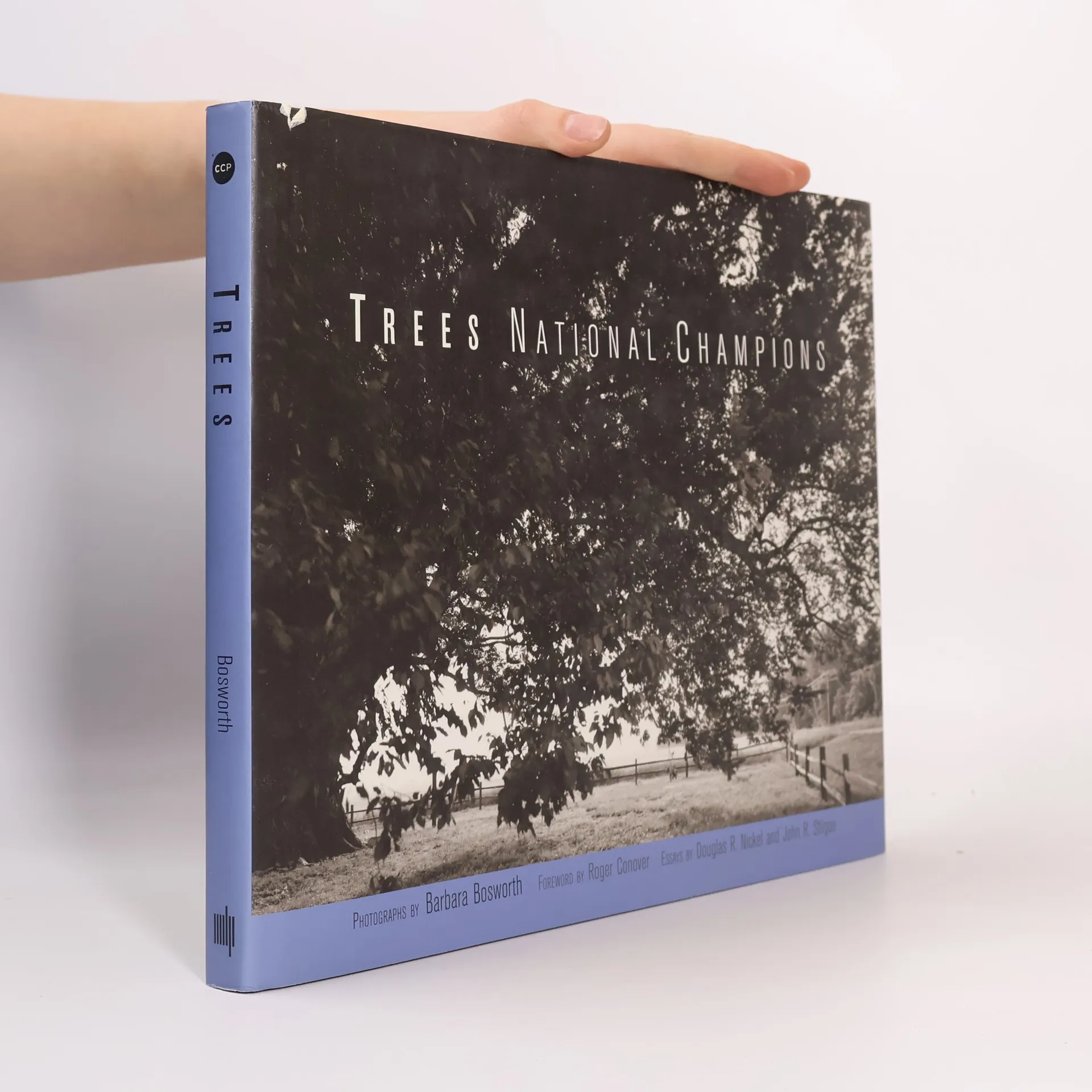
    • Trees

      National Champions Photographs

      • 144 pages
      • 6 hours of reading

      Trees captivate us as they are grounded in the earth yet reach toward the sky, embodying both time and space. Photographer Barbara Bosworth has dedicated her work since 1991 to capturing America's "champion" trees—those recognized as the largest of their species by the National Register of Big Trees, maintained by American Forests. Her journey has taken her along highways and back roads, through forests and clear-cut areas, sometimes accompanied by local enthusiasts, sometimes alone, to document trees notable for both their size and endurance. Bosworth discovers champion trees in diverse settings: backyards, fields, and parks, often juxtaposed with urban developments or clear-cut land. Her photographs reveal not only the trees' grandeur but also their role as indicators of a changing landscape. For instance, a yellow poplar thrives near a suburban housing development, while a western red cedar survives alone in a clear-cut area, preserved due to its status as the largest of its kind. Through her lens, Bosworth captures the elegance and dignity of trees, showcasing the green ash at a crossroads, the blooming common pear, and the Florida strangler fig with its intricate roots. Using an 8 x 10 camera, she presents both the vastness of the largest species and the hidden victories of smaller ones. While some trees are replaced in the Register due to illness or discovery of larger specimens, Bosworth's 70 photographs serve as a te

      Trees2005