
Samuel Butler was an iconoclastic Victorian author whose work spanned literary criticism, evolutionary thought, and art studies. He is celebrated for his Utopian satires and profound examinations of societal norms and religious orthodoxy. Butler's distinct voice and keen insights into the human condition continue to resonate with readers.
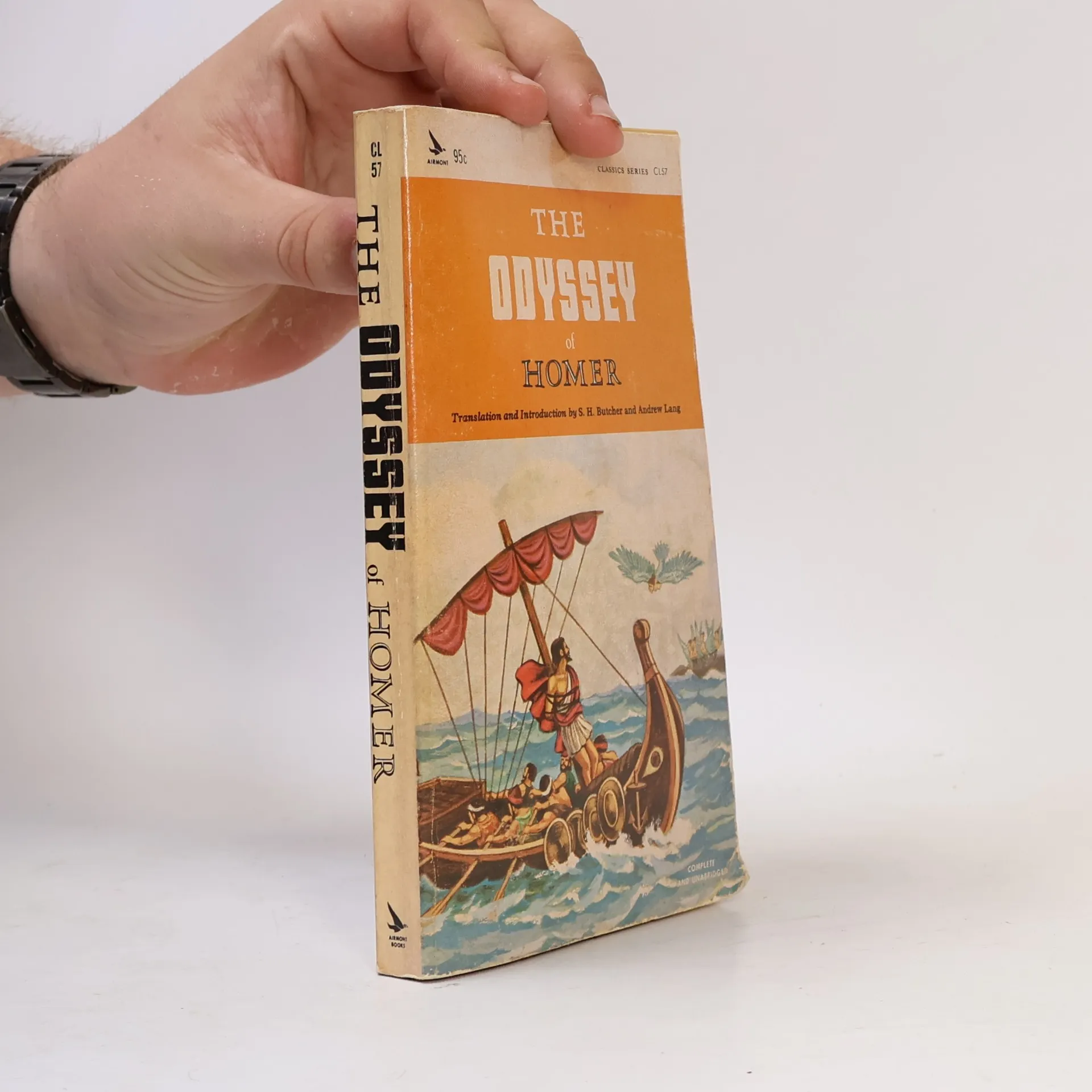
Homer's epic in which Greek hero Odysseus makes his long and treacherous journey home after the Tojan War, while his wife Penelope and his son Telemachos are forced to scheme to protect his throne until his return.
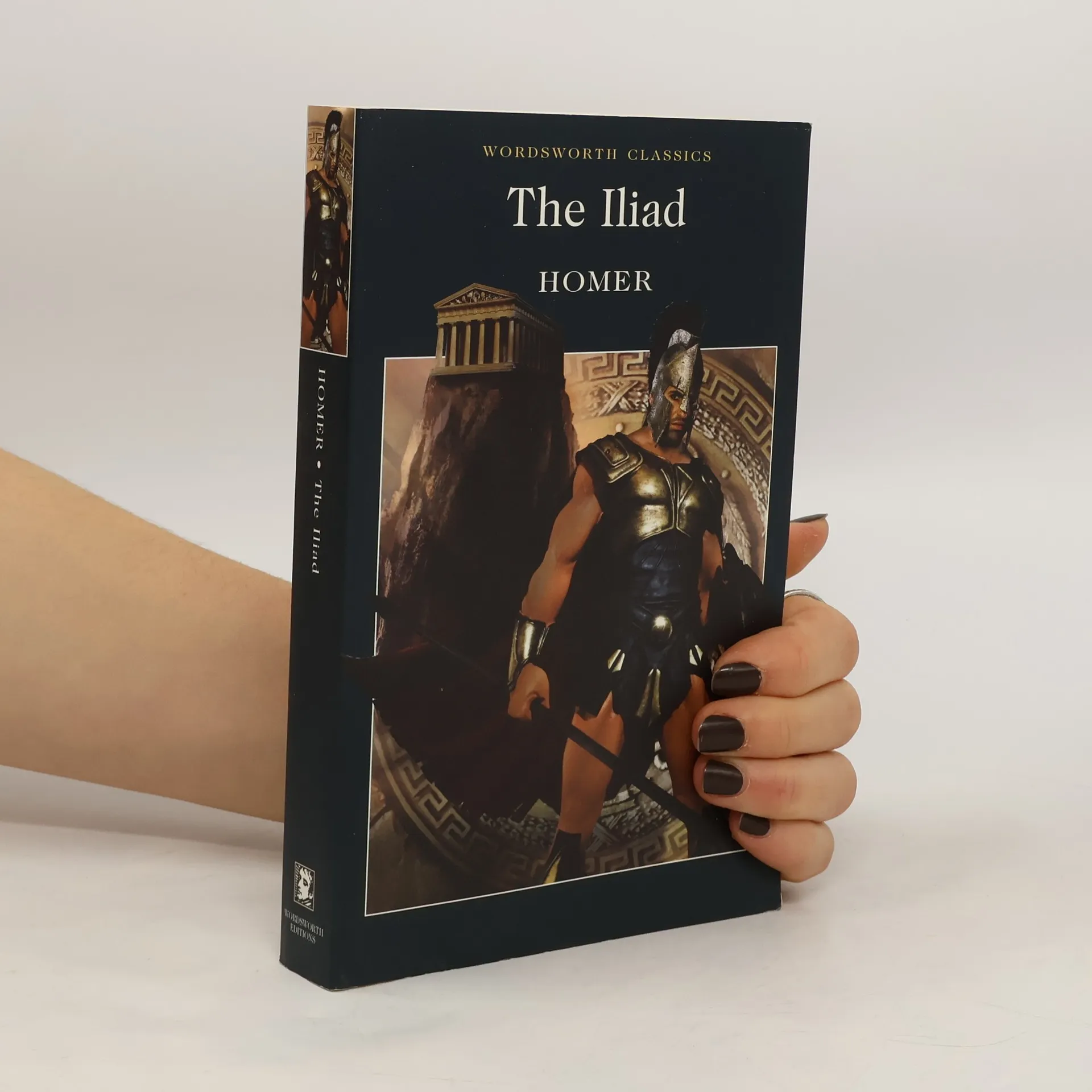
A translation of Homer's poem of war which is a magnificent testimony to the power of the Iliad. This volume retells the story of Achilles, the great warrior, and his terrible wrath before the walls of besieged Troy, and the destruction it wreaks on both Greeks and Trojans.
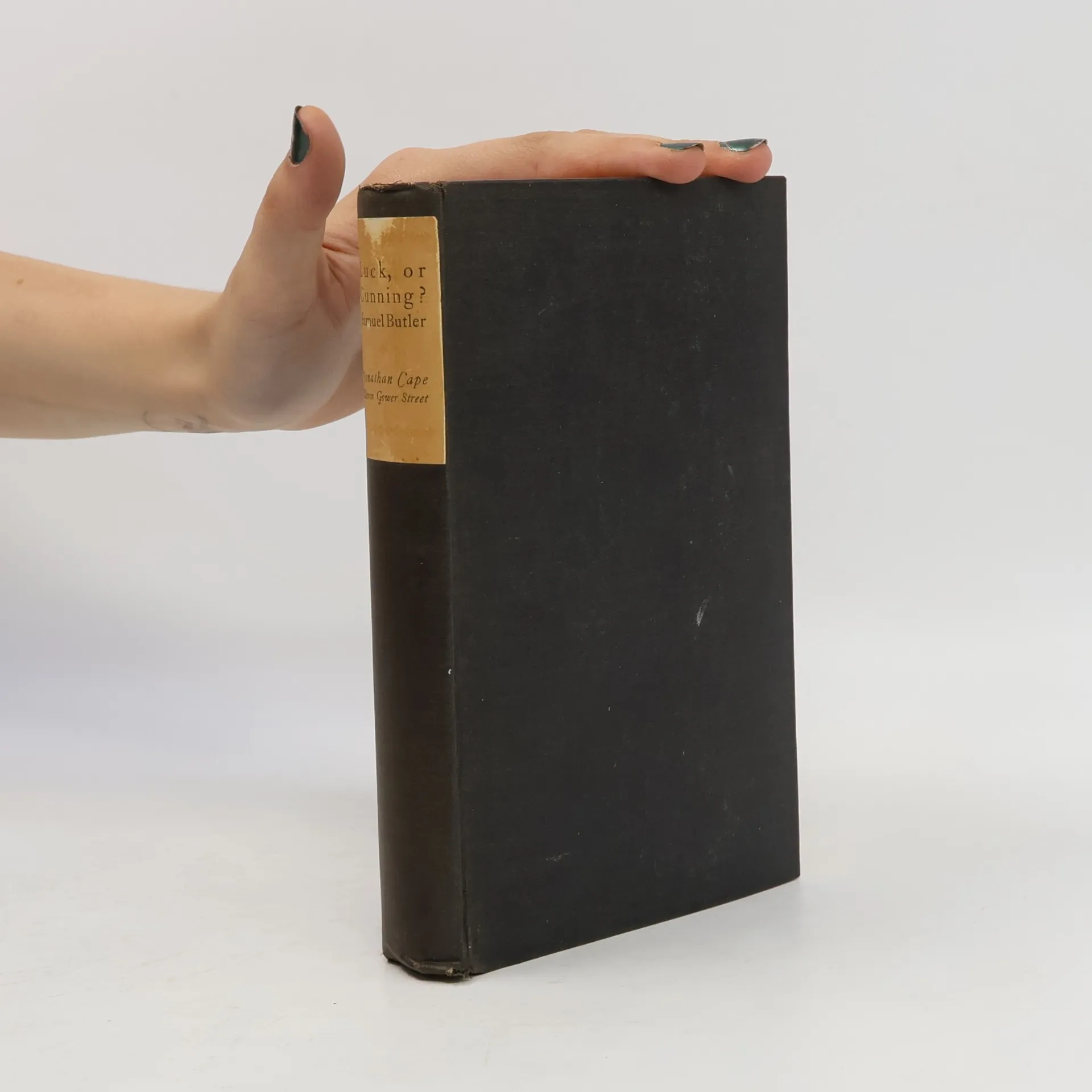
The book explores the concept of unconscious memory, a topic that has held significance throughout human history. Alpha Editions has republished this classical work in a modern format, ensuring its preservation for future generations. The text has been reformatted and retyped for clarity, providing a readable experience without relying on scanned copies of the original work.
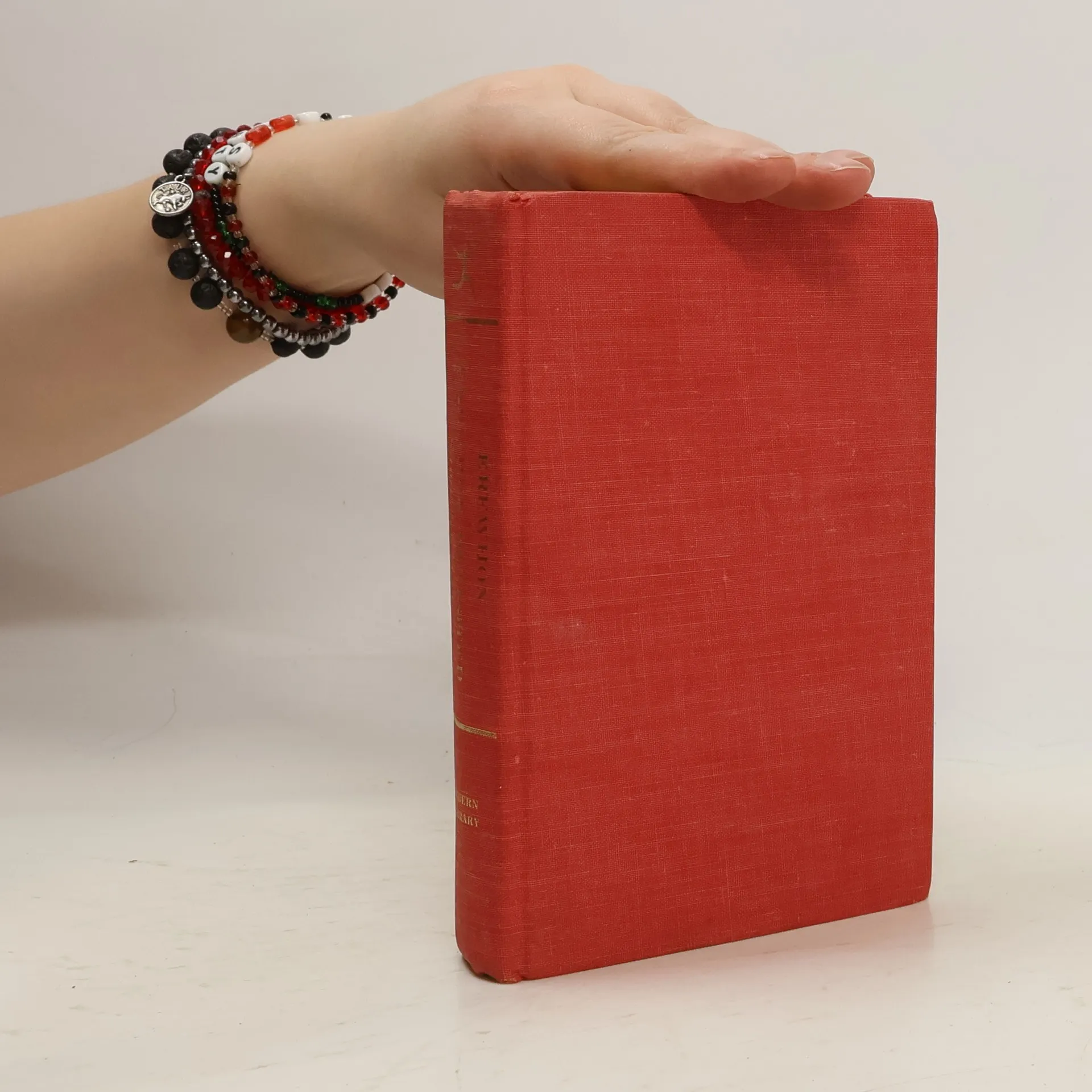
Erewhon, set in a thinly disguised New Zealand, ended with the escape of its protagonist from the native Erewhonians by balloon. In the sequel, narrated by his son John. Higgs returns to Erewhon and meets his former lover Yram, who is now the mother of his son George. He discovers that he is now worshipped as "the Sunchild." He finds himself in danger from the villainous Professors Hanky and Panky, who are determined to protect Sunchildism from him. With George's help Higgs escapes from their clutches and returns to England.
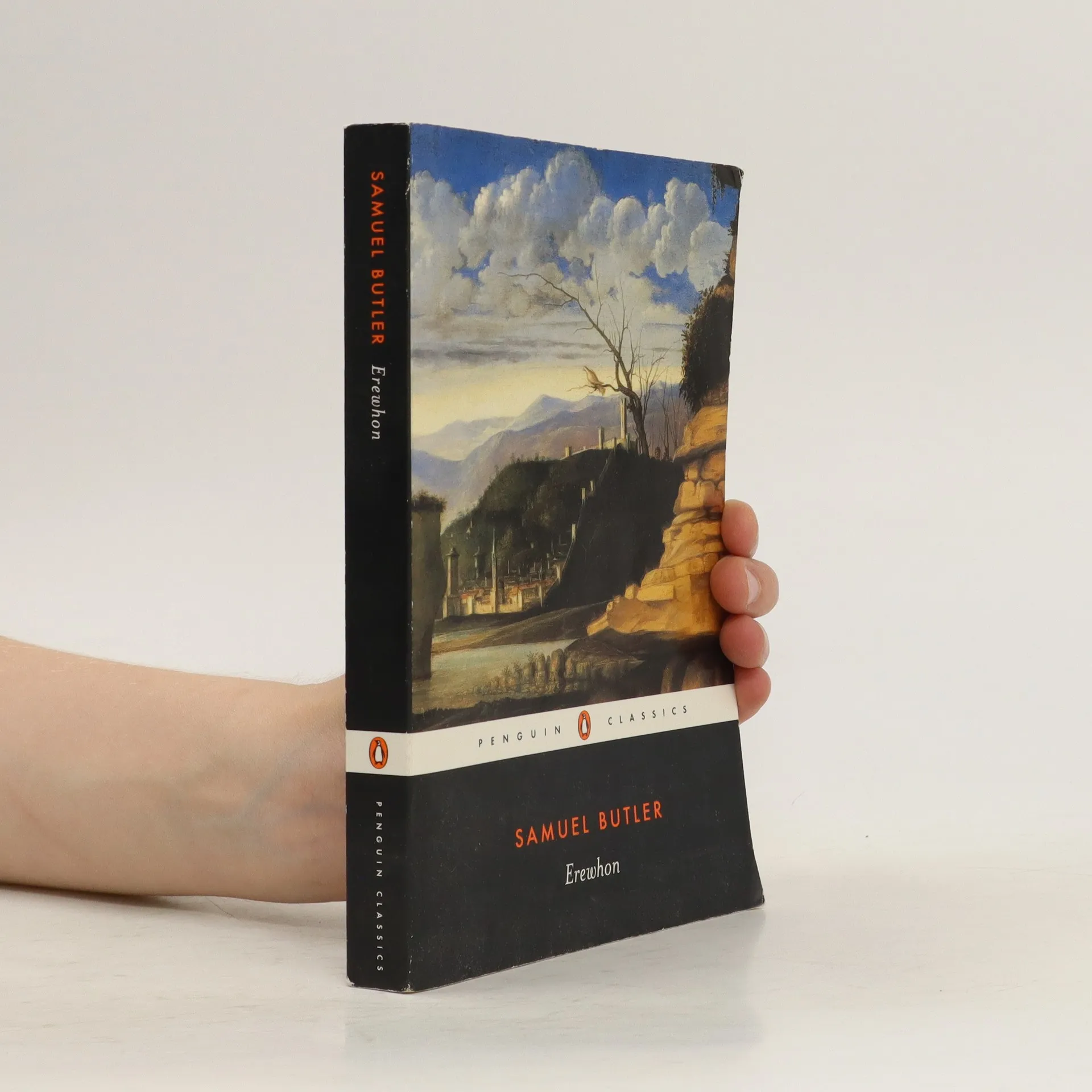
Erewhon (an anagram for "nowhere") is a faraway land where sickness is a punishable crime, criminals receive compassionate medical treatment, and machines are banned (for fear they'll evolve and become the masters of man). Butler's entertaining and thought-provoking Utopian novel takes aim at such hallowed institutions as family, church, and mechanical progress; its remarkable prescience in anticipating future sociological trends adds a special relevance for today's readers.
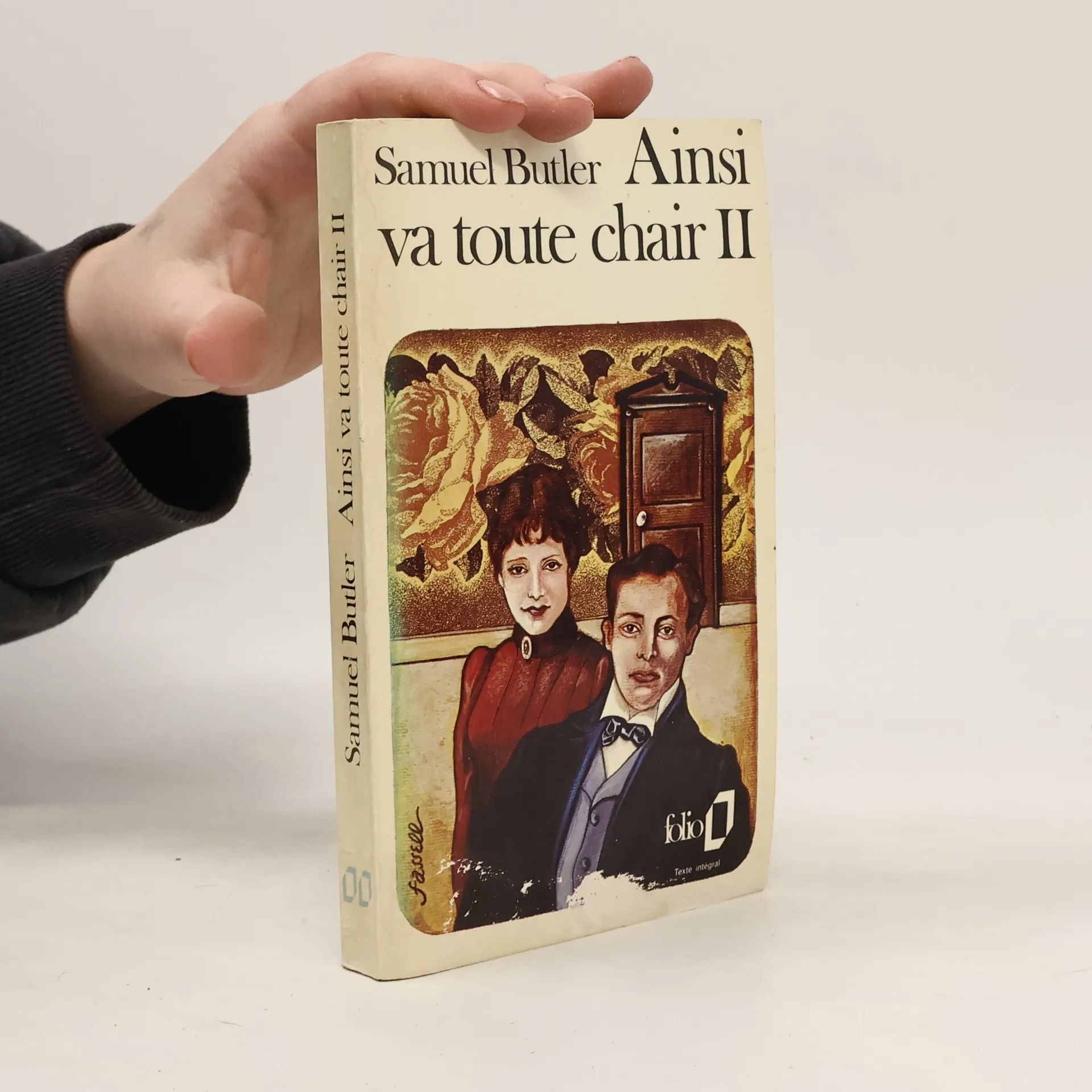
The Way of All Flesh traces four generations of the Pontifex family. The story is narrated by Overton, godfather to the central character Ernest. Beginning in the late eighteenth century, story traces Ernest's emergence from previous generations of the Pontifex family. John Pontifex was a carpenter; his son George rises in the world to become a publisher; George's son Theobald, pressed by his father to become a minister, is manipulated into marrying Christina, the daughter of a clergyman; the main character Ernest Pontifex is the eldest son of Theobald and Christina. Ernest has an antagonistic relationship with his hypocritical and domineering parents. His aunt Alethea is aware of this relationship, but dies before she can fulfill her aim of counteracting the parents' malign influence on the boy. However, shortly before her death she secretly passes a small fortune into Overton's keeping, with the agreement that once Ernest is twenty-eight, he can receive it.
Where and When she Wrote, who she was, the use she Made of the Iliad
312 pages
11 hours of reading
Focusing on the origins of the Odyssey, this work explores the identity of its author and the historical context of its creation. It delves into the relationship between the Odyssey and the Iliad, examining how the latter influenced the former. This detailed study provides insights into the literary techniques and cultural significance of these epic poems, offering a comprehensive look at their enduring legacy. The book is a faithful reproduction of the original 1897 edition, preserving its scholarly value.
Samuel Butler, an innovative English author, is best known for his Utopian satirical novel, which critiques Victorian society and explores themes of morality and progress. His semi-autobiographical work delves into personal growth and the complexities of human experience, reflecting his unique perspectives on life and culture during the 19th century. Butler's writings challenge conventional norms and offer insightful commentary on the human condition, making him a significant figure in literary history.