In this highly insightful analysis of Western and Chinese concepts of efficacy, Francois Jullien subtly delves into the metaphysical preconceptions of the two civilizations to account for diverging patterns of action in warfare, politics, and diplomacy. He shows how Western and Chinese strategies work in several domains (the battlefield, for example) and analyzes two resulting acts of war. The Chinese strategist manipulates his own troops and the enemy to win a battle without waging war and to bring about victory effortlessly. Efficacity in China is thus conceived of in terms of transformation (as opposed to action) and manipulation, making it closer to what is understood as efficacy in the West.Jullien's brilliant interpretations of an array of recondite texts are key to understanding our own conceptions of action, time, and reality in this foray into the world of Chinese thought. In its clear and penetrating characterization of two contrasting views of reality from a heretofore unexplored perspective, A Treatise on Efficacy will be of central importance in the intellectual debate between East and West.
François Jullien Books

Detour and Access
- 424 pages
- 15 hours of reading
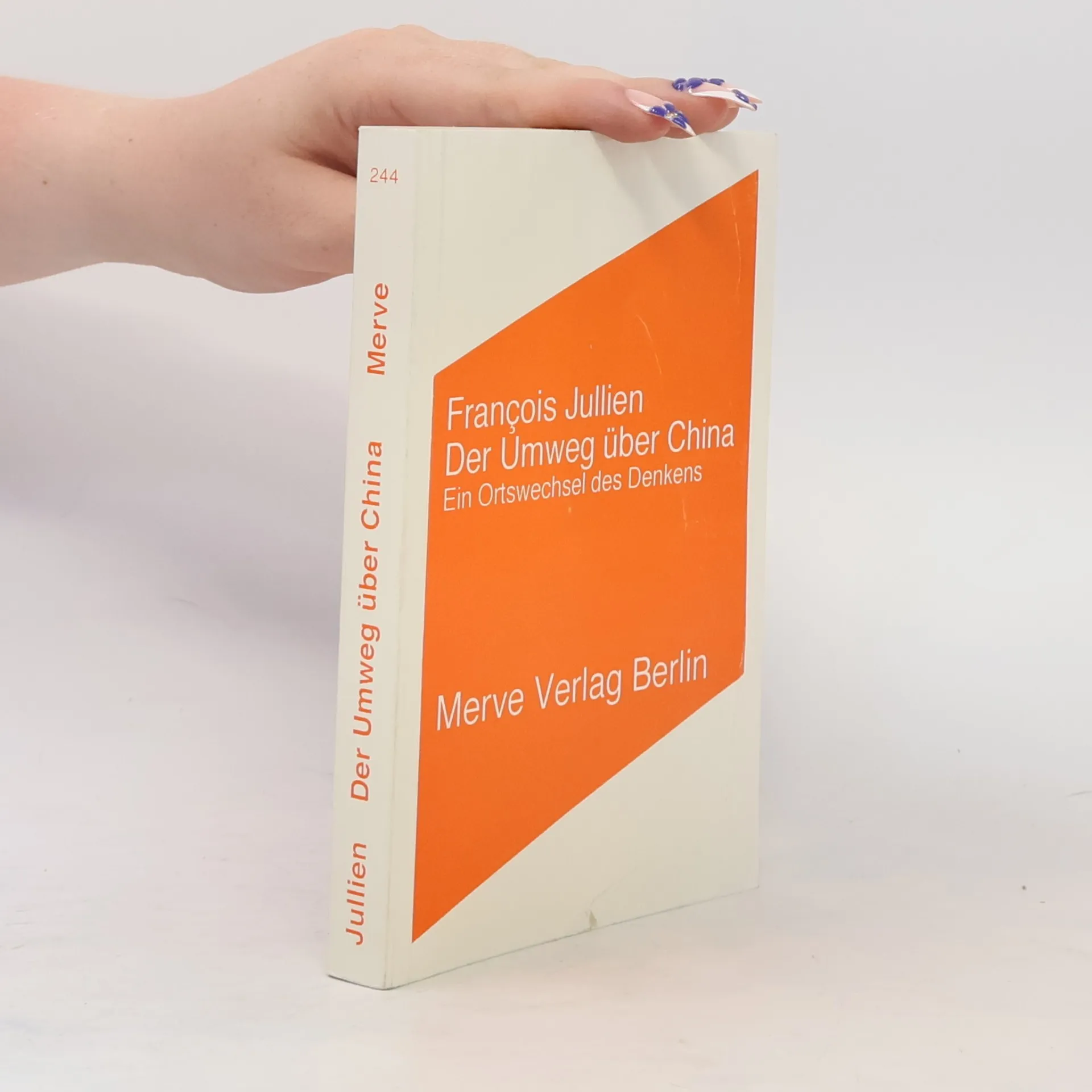
While the Western tradition, starting from Greece, has privileged a frontal approach to the world, the Chinese tradition, on the contrary, has preferred an oblique one, through a detour. This is not merely a cultural difference that could be seen as an anecdotal peculiarity without greater consequences. Instead, this book demonstrates, both in its entirety and in detail, that it is a difference that fundamentally involves how the spirit relates to reality. The author seeks to answer questions such as: "Why has that other plane—of 'essences,' of the 'spiritual'—not been established in China, which has served to structure, in the Greek tradition, the horizon of meaning? Or, if the question is posed in reverse: What are the theoretical positions—but which remain hidden—that have conditioned the very modes of interpretation to the point that they are taken as evidence, that they are confused with 'Reason'?" What this book proposes, through a journey "to the distant country of the 'subtlety' of meaning," is to trace back to the conditions of thought itself.
There Is No Such Thing as Cultural Identity
- 100 pages
- 4 hours of reading
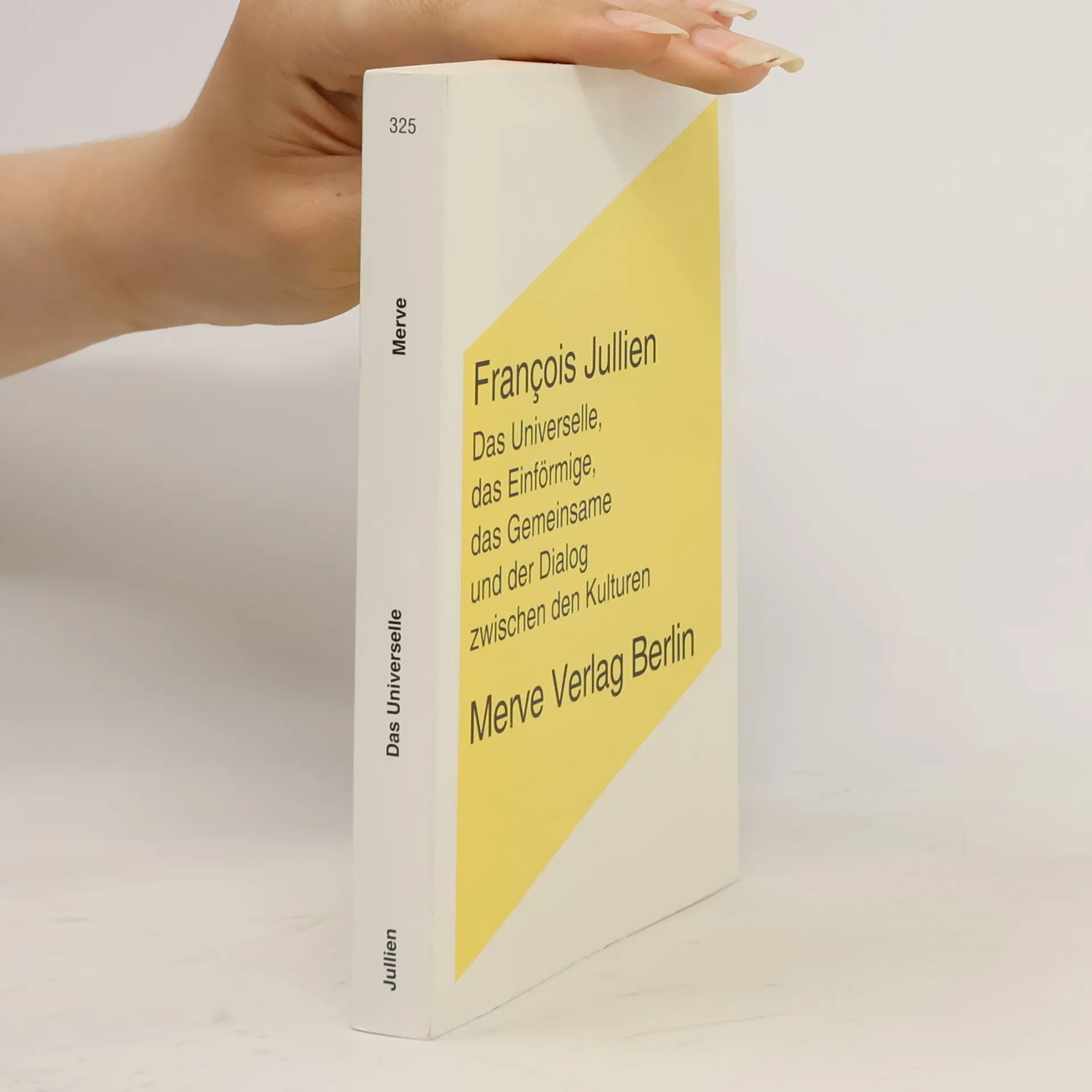
As people throughout the world react to globalization and revert to nationalism, they are proclaiming distinct cultural identities for themselves. Cultural identity seems to offer a defensive wall against the homogenizing effects of globalization and a framework for nurturing and protecting cultural differences. In this short and provocative book, François Jullien argues that this emphasis on cultural identity is a mistake. Cultures exist in relation to one another and they are constantly mutating and transforming themselves. There is no cultural identity, there are only what Jullien calls ‘resources’. Resources are created in a certain space, they are available to all and belong to no one. They are not exclusive, like the values to which we proclaim loyalty; instead, we deploy them or not, activate them or let them fall by the wayside, and each of us as individuals is responsible for these choices. This conceptual shift requires us to redefine three key terms – the universal, the uniform and the common. Equipped with these concepts, we can rethink the dialogue between cultures in a way that avoids what Jullien sees as the false debate about identity and difference. This powerful critique of the modern shibboleth of cultural identity will appeal to anyone interested in the great social and political questions of our time.
This Strange Idea of the Beautiful
- 256 pages
- 9 hours of reading
An exploration of what it means when we say something is beautiful. Bringing together ideas of beauty from both Eastern and Western philosophy, François Jullien challenges the assumptions underlying our commonly agreed-upon definition of what is beautiful and offers a new way of beholding art. Jullien argues that the Western concept of beauty was established by Greek philosophy and became consequently embedded within the very structure of European languages. And due to its relationship to language, this concept has determined ways of thinking about beauty that often go unnoticed or unchecked in discussions of Western aesthetics. Moreover, through globalization, Western ideals of beauty have even spread to cultures whose ancient traditions are based upon radically different aesthetic foundations; yet, these cultures have adopted such views without question and without recognizing the cultural assumptions they contain. Looking specifically at how Chinese texts have been translated into Western languages, Jullien reveals how the traditional Chinese refusal to isolate or abstract beauty is obscured in translation in order to make the works more understandable to Western readers. Creating an engaging dialogue between Chinese and Western ideas, Jullien reassesses the essence of beauty.
Die stillen Wandlungen
- 184 pages
- 7 hours of reading
« Wachsen, altern; aber auch die Gleichgültigkeit, die sich Tag für Tag zwischen ehemaligen Liebenden vertieft, ohne dass sie es überhaupt bemerken; ebenso wie die Revolutionen, die sich ohne Vorwarnung in Privilegien verkehren, oder die Erderwärmung: all dies sind Veränderungen, die offen vor uns stattfinden, aber so kontinuierlich und global, dass wir sie nicht wahrnehmen. Doch plötzlich erkennen wir das Ergebnis – das uns ins Gesicht schlägt. Wenn uns diese kontinuierliche Transformation entgeht, liegt es wohl daran, dass das Werkzeug der griechischen Philosophie, das in Begriffen bestimmter Formen denkt, versagt, diese Unbestimmtheit des Übergangs zu erfassen. Daher das Interesse, durch das chinesische Denken zu gehen, um diesem gleichen Phänomen Aufmerksamkeit zu schenken: den „stillen Wandlungen“, die unter dem Lärm des Ereignisses die Fluidität des Lebens darstellen und die Reifung der Geschichte ebenso wie der Natur erhellen. Von einer beschreibenden Vorstellung kann man dann ein Konzept des Handelns ableiten, strategisch wie auch politisch: Angesichts des Denkens an Ziel und Plan, das den Westen so sehr besessen hat, entdeckt man die Kunst, Situationen unauffällig zu beeinflussen, umso effektiver, je diskreter sie ist. » François Jullien
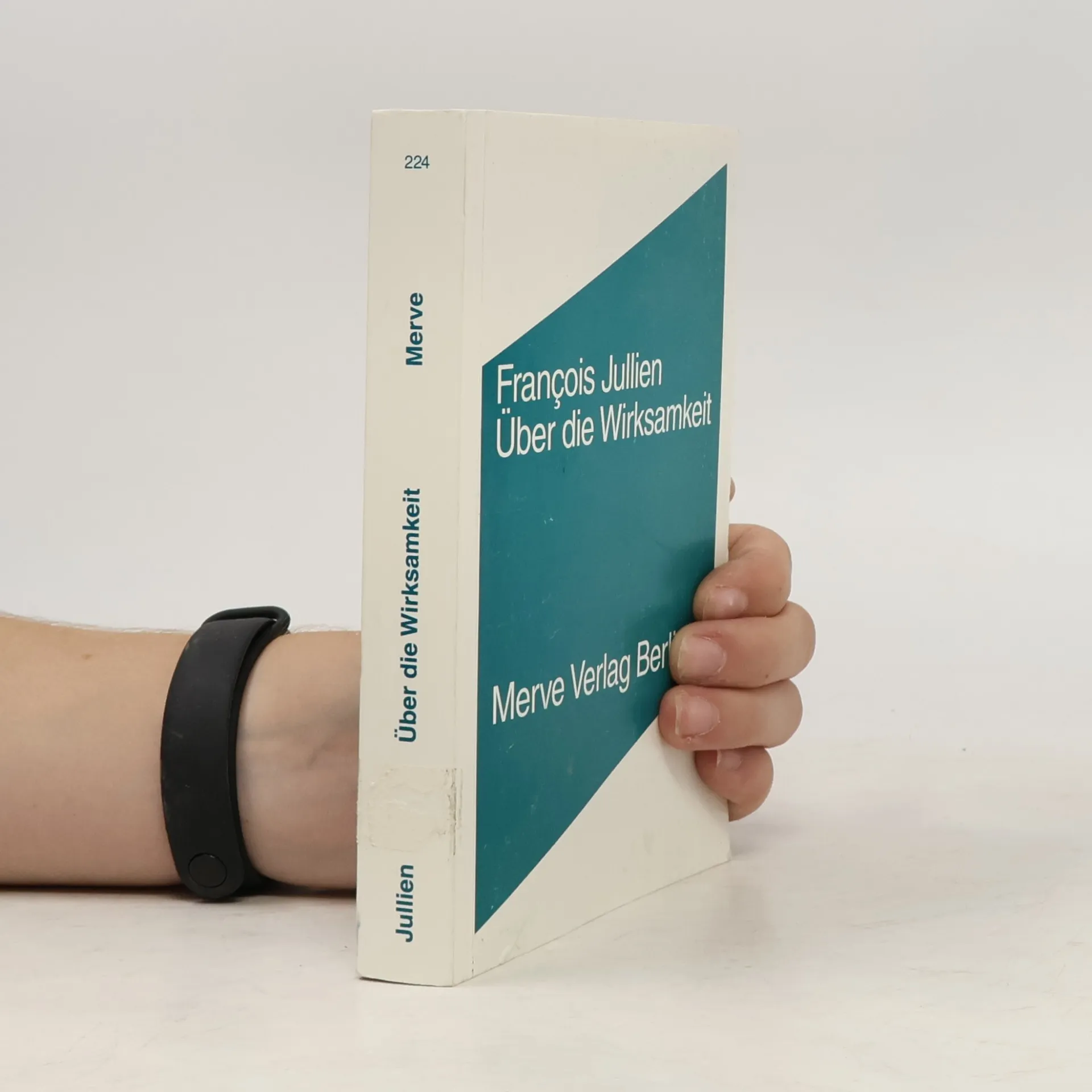
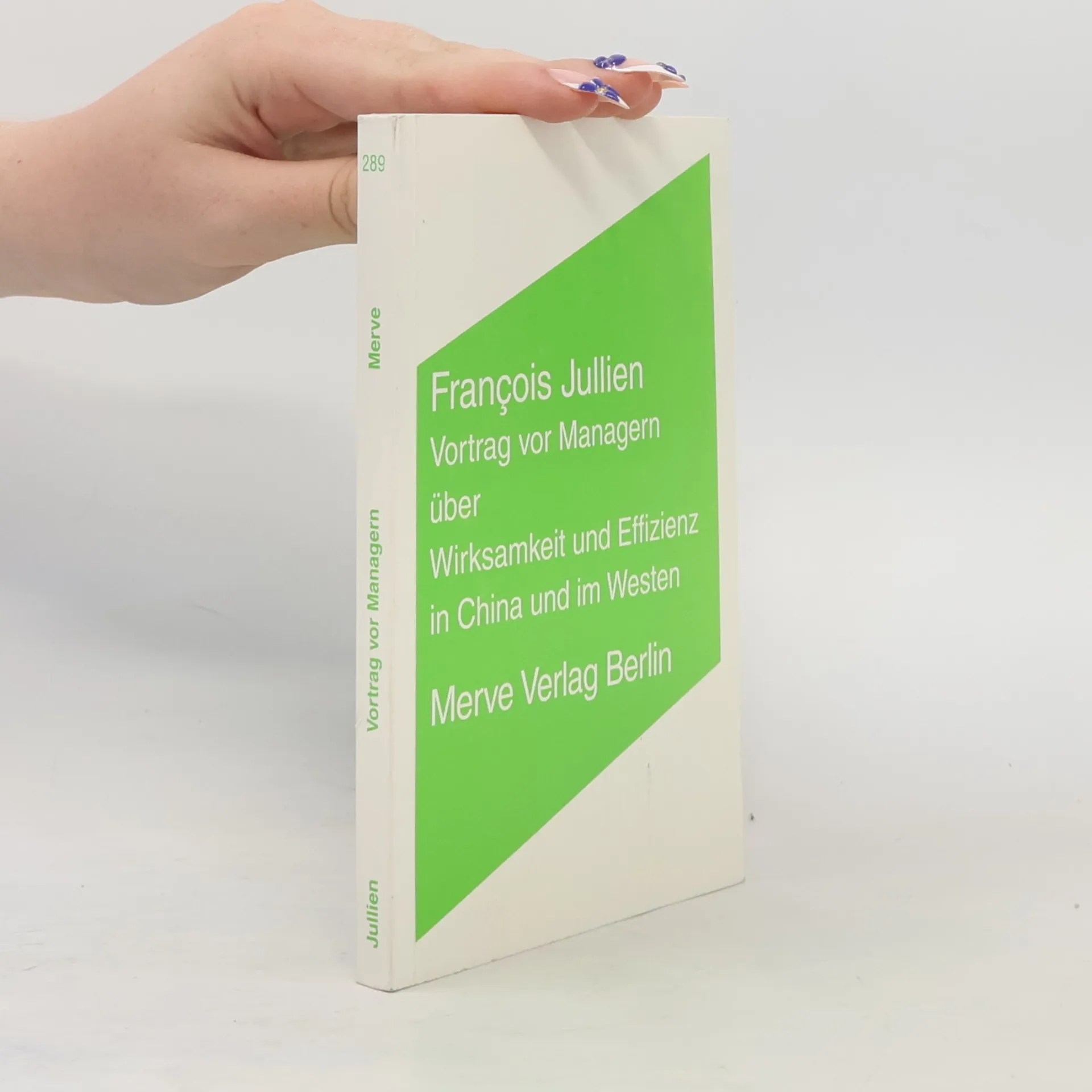
Philosophie und Sinologie, François Jullien präsentiert hier einen Vortrag, den er vor Unternehmensführern und im Bereich des Managements gehalten hat. Einerseits ist die europäische Auffassung der Wirksamkeit mit der Erstellung von Modellen, sowie mit der Zweckbestimmung verbunden und hat die Aktion bis hin zum Heldentum zur Folge; andererseits stützt sich das chinesische Denken der indirekten und diskreten Effizienz auf das Potential der Situation und löst „stillschweigende Wandlungen“ aus, die ohne Aufsehen vonstattengehen und nicht einmal den Status eines Ereignisses haben. Anhand dieses Unterschieds soll die Natur der Effektivität untersucht werden, beziehungsweise, wie es der menschlichen Intervention gelingt, sich an die Neigung der Dinge anzuschließen, und wie sie in diese eingeht. Dieser Ansatz bemüht sich also, die Kunst, Situationen zu beeinflussen, und die Ausübung der Philosophie so wenig wie möglich voneinander zu trennen. Daraus ergeben sich Folgerungen für die Interpretation der Geschichte des 20. Jahrhunderts und für die künftige Geopolitik - und Geoethik. François Jullien ist Professor an der Universität Paris 7 und Leiter des Institut de la pensée contemporaine.
Es geht um Handlungsstrategien, um Kriegskunst, Diplomatie und Rhetorik. Wie man mit Leichtigkeit ohne große Mühe eine schwierige Lage meistert, wie man die potenzielle Situationsenergie ausnützt, wie man rechtzeitig die günstige Gelegenheit erkennt, wie man die Meinung des anderen zu seinen Gunsten beeinflusst.
Warum man nicht mehr »ich liebe dich« sagen sollte
- 53 pages
- 2 hours of reading
Das Unbehagen am pathetischen »Ich liebe dich« ist dasselbe wie etwa am Wort »Beziehung«: Der Markt der Liebe ist in der westlichen Welt laut genug, um wesentliche Aspekte der Liebe, wie sie sich im Lauf der Geschichte bereits gezeigt haben, zu übertönen. François Jullien entwickelt nun einen Begriff der »Intimität« gegenüber dem der Liebe und die Idee einer zweiten, anderen Liebe, sogar eines zweiten, anderen Lebens, eines »seconde vie«, das in der Ab- lösung von den Wichtigkeiten und Besorgnissen des bisherigen entstehen kann. In einer »De-Koinzi- denz« zu den Anforderungen des bisherigen Lebens entstehen Möglichkeiten, das »Un-Erhörte« wahr- zunehmen. Julliens Theorien wurden in ihren einzelnen Ausarbeitungen in viele Sprachen übersetzt. Ihre Verbindung in diesem Bändchen macht den Grundzug und den inneren Zusammenhang des Jullien’schen Denkens erkennbar.
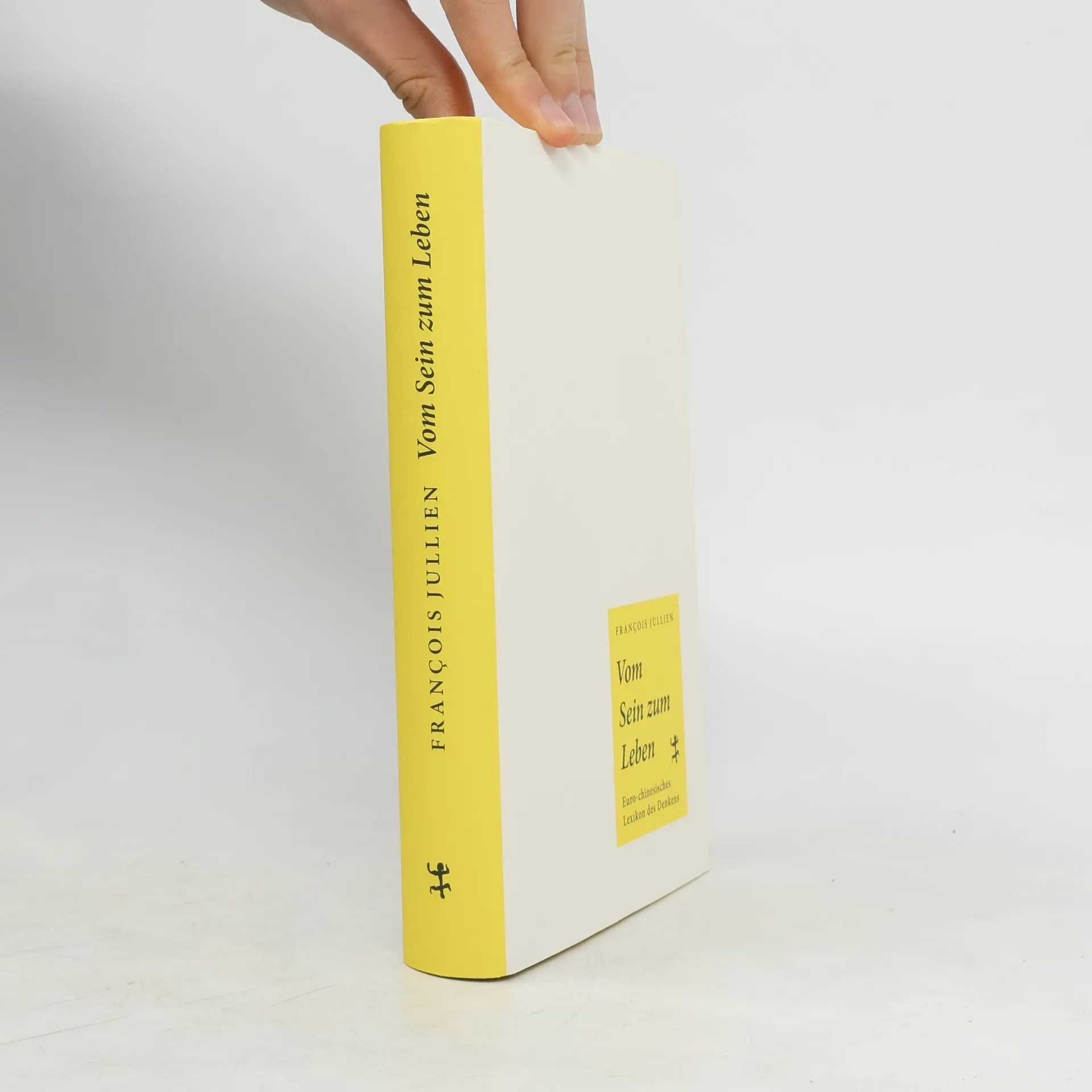
»Vom Sein zum Leben« versteht Francois Jullien als kritisches Resümee seiner lebenslangen Beschäftigung mit dem chinesischen Denken und Sprechen. Anhand von 20 Begriffspaaren entfaltet er die Differenzen der beiden Kultur- und Denkräume: In höchst originellen Essays stellt er beispielsweise »Kohärenz« dem »Sinn« gegenüber, »Beharrlichkeit« dem »Willen«, »Zuverlässigkeit« der »Aufrichtigkeit«, »Aufschwung« dem »Stillstand«. Doch Jullien begnügt sich nicht, das eine Konzept mit Hilfe des anderen zu erleuchten und damit die zugehörige Kultur zu verstehen. Er geht in diesem Buch einen Schritt weiter, versucht von beiden Abstand zu nehmen und eine dritte Position zu gewinnen, die ihm ermöglicht eine eigenen philosophischen Entwurf zu entwickeln. Ein Buch für alle, die China verstehen, aber dabei nicht in Exotismus schwelgen wollen, und für alle, die die Lust am eigenen Denken nicht verloren haben.
Unsere Erfahrung, in Europa, wurde ausgehend von einer Trennung von Ebenen gedacht: lebenswichtig / moralisch / geistig. Selbst das grundlegendste Verb, 'nähren', wurde von der Spaltung in Konkretes und Symbolisches erfasst: seinen Körper nähren oder seine Seele nähren (bei Platon und den Kirchenvätern). Wenn man dem in China weit verbreiteten Ausdruck 'sein Leben nähren' folgt, wird man dazu geführt, zur Ungeschiedenheit dieser Ebenen zurückzukehren. (.) Der Weise hat keine Bestimmung und kein Verlangen; er 'bewegt' sich im tao, heißt es, 'wie ein Fisch im Wasser'. Dadurch werden einige unserer massivsten Grundbegriffe erschüttert, und zwar vor allem die der 'Seele' und des 'Körpers'. Wenn sein Leben nähren als begriffliche Einheit gefasst werden kann, dann in erster Linie, weil man von Grund auf in sich den 'Lebensatem' nährt. Es zeichnet sich also ein anderes Verständnis ab – das vom suspekten Mystizismus zu befreien ist, mit dessen Soße die Vertreter der 'persönlichen Entwicklung' uns übergießen wollen.
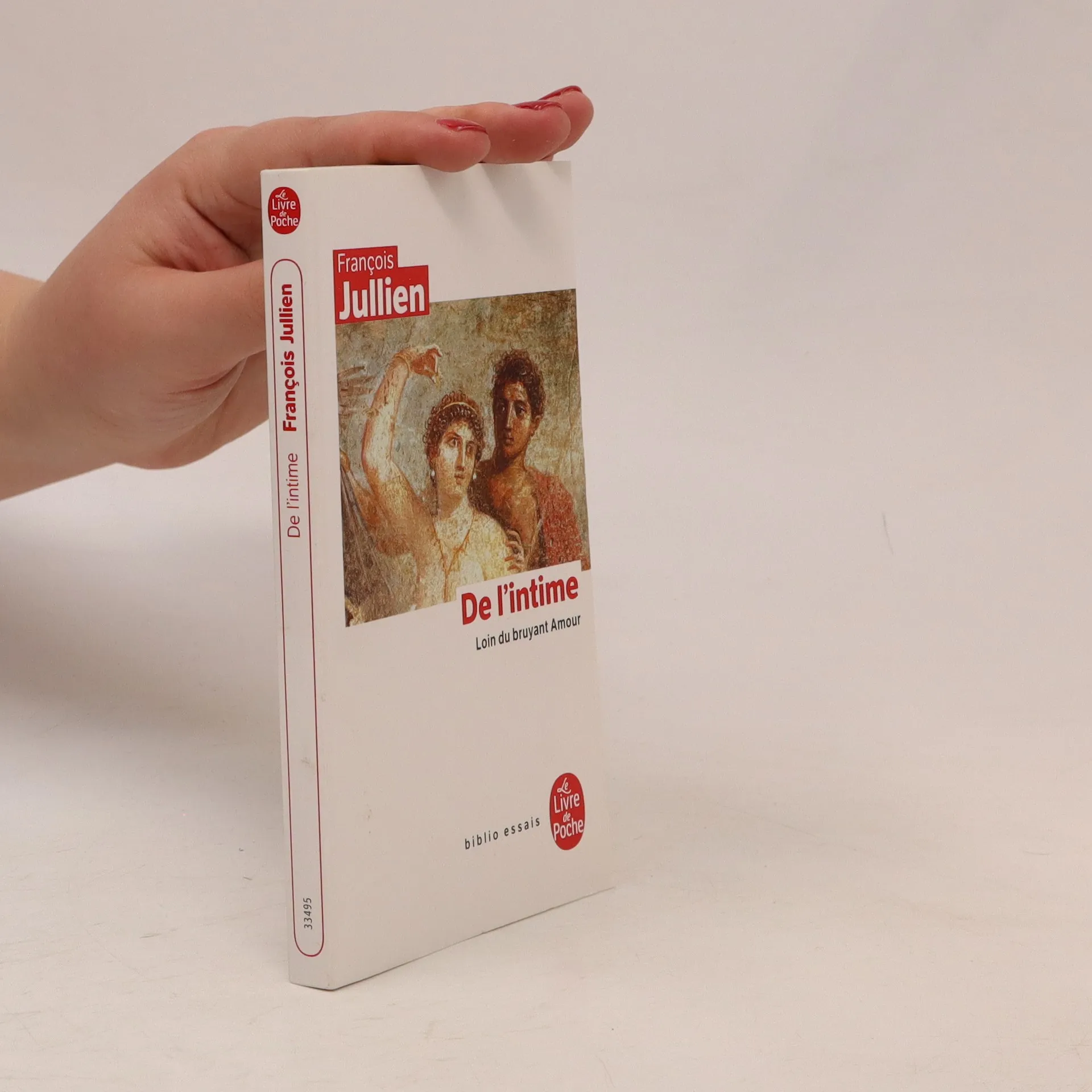
A l'amour et au " Je t'aime " - qui réduit l'autre à n'être qu'un objet et fait de la passion un événement qui s'usera -, François Jullien entend substituer, dans ce livre, l'intime. Qu'est-ce à dire? Que l'intime, précisément, abolit la frontière entre l'autre et soi. Qu'il fait basculer un dehors indifférent dans un dedans partagé. Qu'il vit des " riens " du quotidien, en y découvrant les vertus de l'être auprès. Telle est sa façon - via saint Augustin, Rousseau et Stendhal - de se débarrasser de l'éternel du " cour " humain. Comment l'Europe s'y est-elle prise pour transporter cet intime de Dieu à l'humain ? Et peut-on - doit-on - fonder une morale sur ce sol ?
Éloge de la fadeur
à partir de la pensée et de l'esthétique de la Chine
On croira d'abord au paradoxe : faire l'éloge de la fadeur, priser l'insipidité et non point la saveur, c'est aller à l'encontre de notre jugement le plus immédiat. Prendre plaisir à malmener le sens commun. Or, dans la culture chinoise, la fadeur est reconnue comme qualité. Plus encore : comme la qualité, celle du " centre ", de la " base ". Le motif est important déjà dans la pensée de l'Antiquité, qu'il s'agisse de dresser le portrait du Sage ou d'évoquer la Voie. De là, il a fécondé la tradition esthétique des Chinois : non seulement parce que les arts qui se développent en Chine bénéficient d'une telle intuition, mais aussi parce qu'ils peuvent rendre plus sensible cette insipidité fondamentale - ils ont donc mission de la révéler : à travers le son, le poème, la peinture, la fadeur devient expérience. François JULLIEN Pour percer les arcanes de la pensée chinoise. Poésie, peinture, musique, les arts dans leur ensemble, mais aussi plus largement la culture et la philosophie sont ici revisités à partir de la notion de fadeur. Ou comment, vers l'Orient, les valeurs se sont inversées, jusqu'à définir une autre économie de l'esthétique comme de la réflexion. Dans une langue claire et agréable, François Jullien brosse le tableau de cet " autre " esprit.
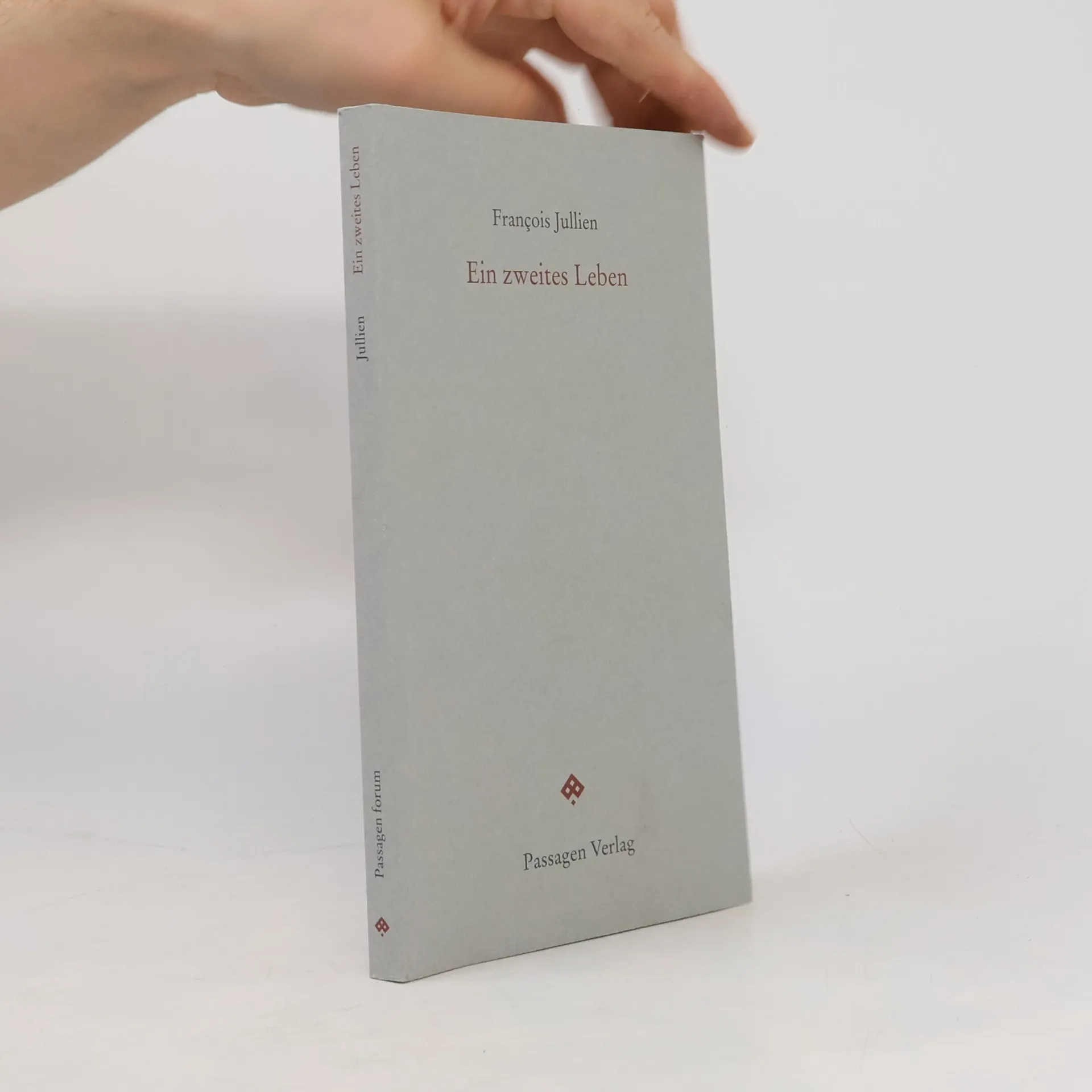
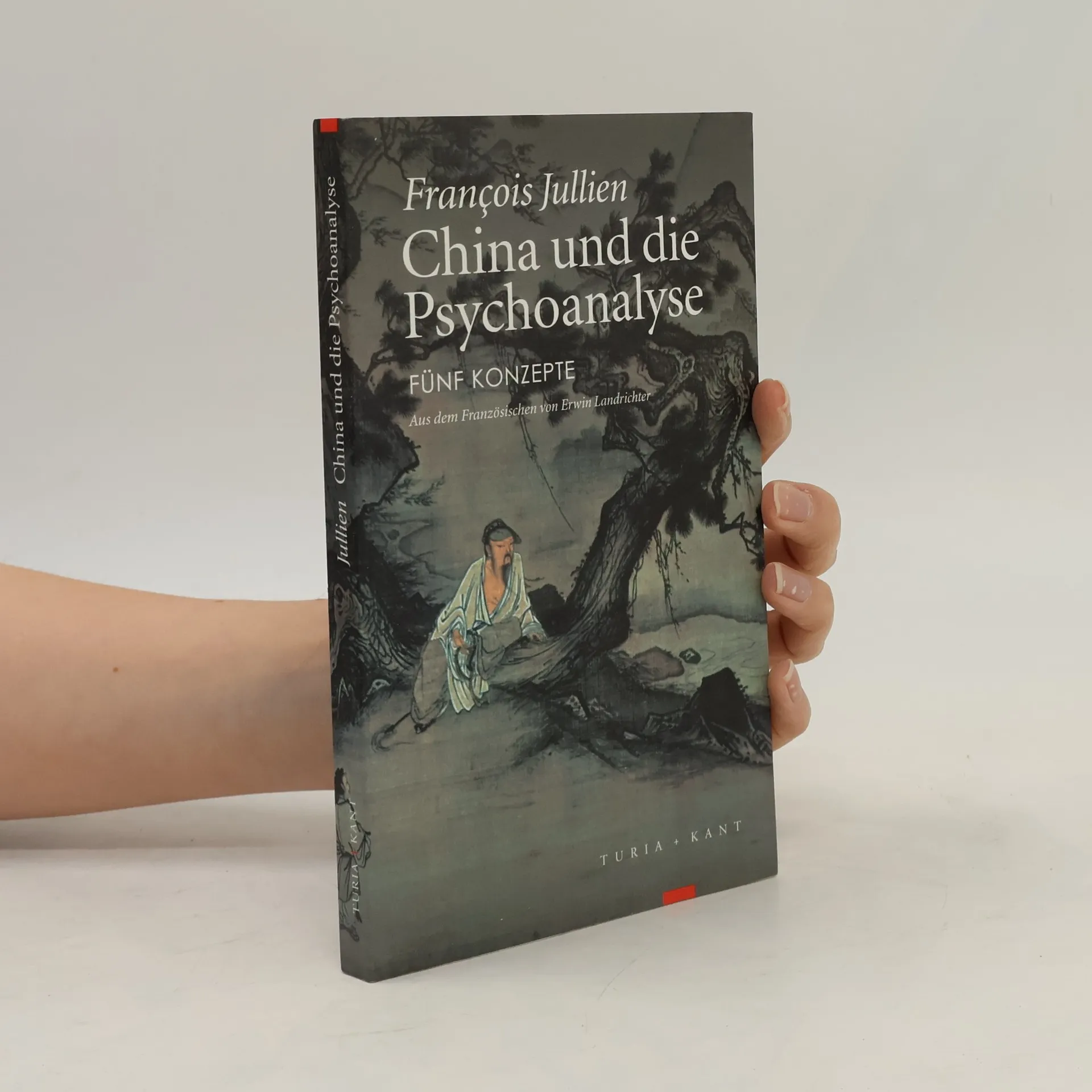
Die Idee eines „zweiten Lebens“, die François Jullien in Auseinandersetzung mit den Klassikern des chinesischen Denkens entwickelt, meint nicht Wiedergeburt oder neues Leben, sondern zeichnet einen Weg der stillen Verwandlung vor. In diesem Essay lässt François Jullien die Begründer des Taoismus in einen Dialog mit europäischen Denkern treten. Dabei entwickelt er die Idee eines „zweiten Lebens“: Diskret und ohne Bruch findet eine Verschiebung in unserem Leben statt – es trifft nunmehr seine eigenen Entschlüsse und gestaltet sich um. Es belebt sich neu, kommt wieder in Gang, richtet seine Vorhaben und Ziele aus und gibt bislang unergründet gebliebene Möglichkeiten frei. Indem wir unsere Freiheit schrittweise entfalten, aus der Wiederholung heraustreten und Klarheit erlangen, leben wir fortan nicht mehr bloß, sondern beginnen zu existieren.
Tout désigne le Nu comme un phénomène qui a si bien collé à la culture européenne que nous n'en sommes jamais sortis. Tant il relie l'Occident d'un bord à l'autre, d'une époque à l'autre, et a servi continûment de base dans la formation des Beaux-Arts. L'Eglise a pu rhabiller le sexe, mais elle a gardé le nu. En revanche, s'il est un espace culturel où le nu est resté complètement ignoré, c'est bien en Chine. Donnée d'autant plus surprenante que la tradition artistique chinoise a largement développé la peinture et la sculpture des personnages. Une absence aussi radicale, et qui ne souffre pas d'exception, renvoie à une impossibilité. Nous voilà donc conduits à nous interroger sur la condition de possibilité du nu : à quoi, d'un point de vue théorique, a-t-il dû de s'interposer entre la chair et la nudité, le désir et la honte ? Rouvrant ainsi un accès sensible à l'ontologie, François Jullien en fait le révélateur de notre quête de l'en-soi et de la présence, en même temps qu'il met au jour un nouvel objet, d'autant plus intéressant à penser qu'il est identifié par son absence : le " Nu impossible ".
Das Unerhörte
- 144 pages
- 6 hours of reading
François Jullien geht in diesem Buch dem Verdacht nach, dass das Leben eine Illusion sein könnte. Verpassen wir womöglich das wahre Leben, weil wir es gar nicht bemerken? In der Monotonie eines Alltags, die unser Leben seiner Möglichkeiten zu berauben scheint, macht er eine Verflachung, einen Rückzug, eine Abwesenheit aus, deren Spur er von Flaubert bis Nietzsche, von Hölderlin bis Adorno durch die Literatur und die europäische wie chinesische Philosophie verfolgt. Es geht nicht darum, das schöne, gute oder gar glückliche Leben zu finden. Der höchste Anspruch besteht vielmehr darin, das Pseudo-Leben zurückzuweisen, den Schein zu durchbrechen und sich dem zu stellen, was bleibt, wenn alle Ideale verflogen sind. Erst dann dringen wir zum Intimen vor, zum zweiten, zum wahren Leben.
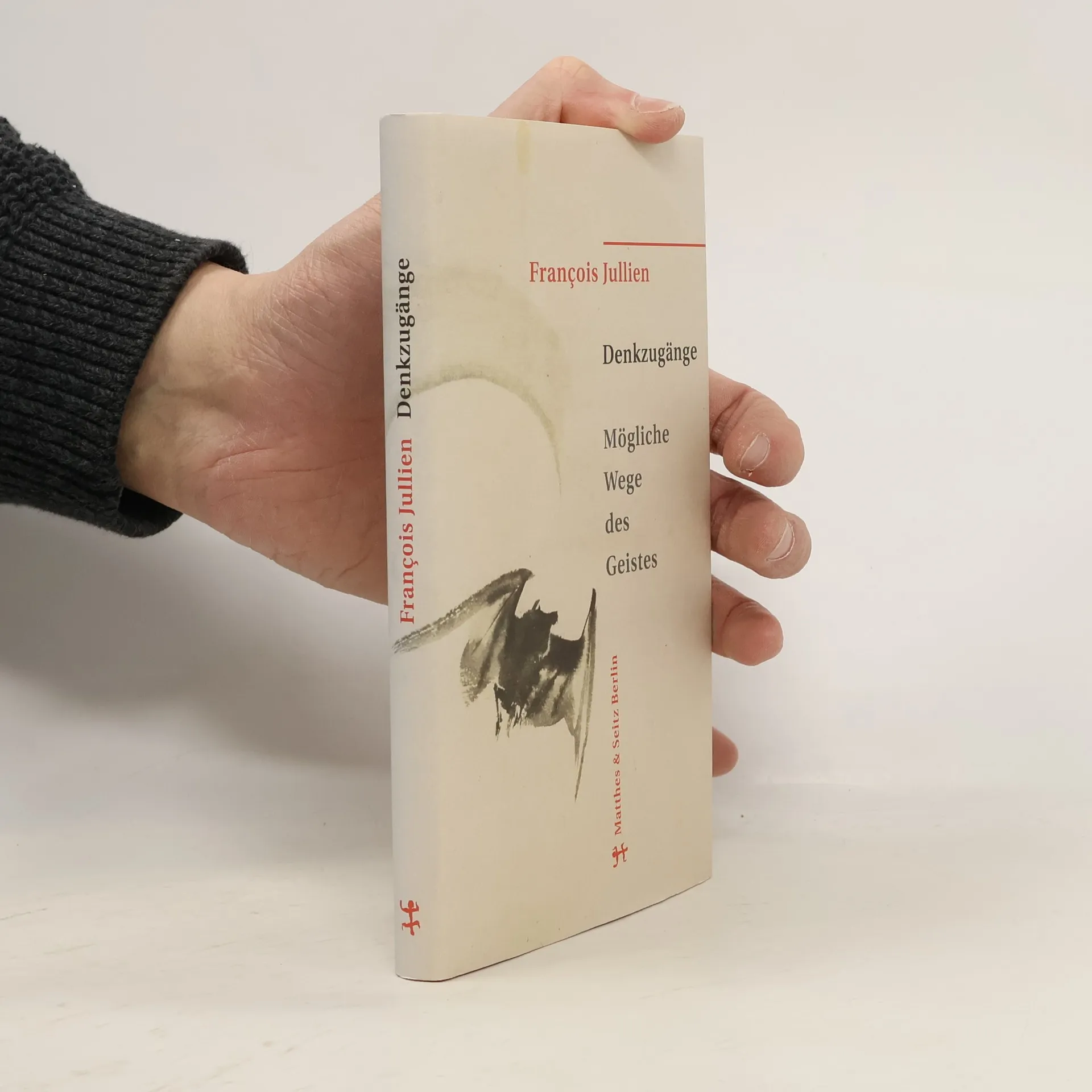
Denkzugänge
- 141 pages
- 5 hours of reading
Was heißt es, einen Gedanken zu fassen, einen Gedanken zudem, der einem entfernten Denken entstammt? François Jullien erkundet die Wege ins Innere der chinesischen Geisteswelt und stellt die Frage nach der Möglichkeit, Zutritt zu ihr zu erlangen. Ihre Begriffe nachzuzeichnen, ihre Geschichte zu rekonstruieren genügt dafür nicht. Erst wenn wir unser Denken wirklich hinter uns lassen, können wir uns auf alternative Wege des Geistes begeben. Anhand der konzentrierten Lektüre des ersten Satzes der chinesischen Spruchsammlung »Yi-Jing« veranschaulicht Jullien, was es heißt, verschiedene Wege des Denkens zu beschreiten – einen Text von innen her zu lesen und sich ihm von außen, von der Bibel und griechischer Philosophie her zu nähern. Im Laufe der Lektüre richtet sich zwischen beiden Interpretationszugängen eine Schwelle auf, eine Schwelle jedoch, die uns einlädt, sie zu überschreiten und einzutreten.
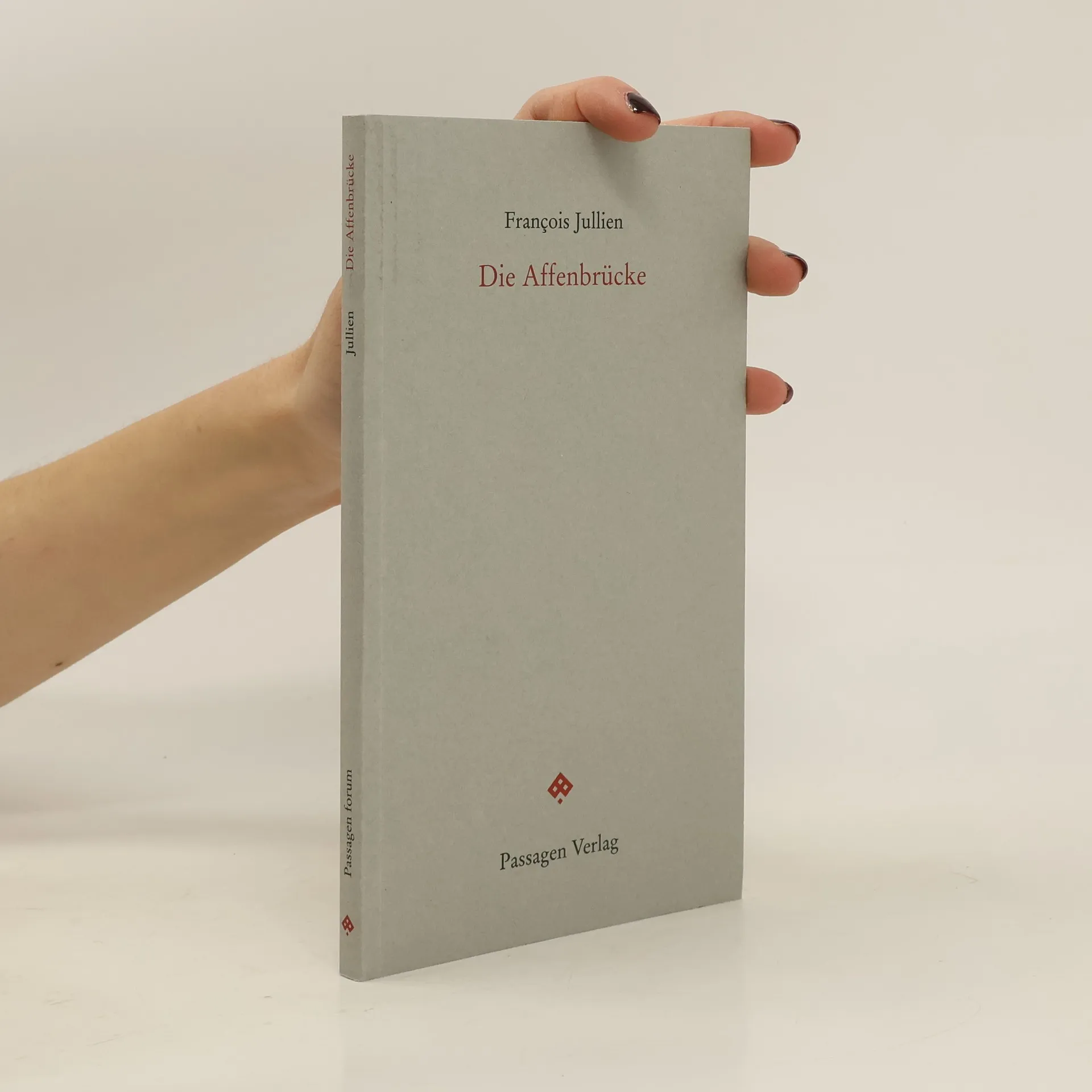
Der Philosoph und Ostasienwissenschaftler François Jullienverknüpft den Bericht seiner Vietnamreise mit philosophischpolitischen Reflexionen und einem Plädoyer für den Dialog der Kulturen.„Affenbrücken“ sind aus drei Bambusrohren bestehende, fragile Konstruktionen, die im Mekong-Delta in Vietnam jahrhundertelang die einzige Möglichkeit der Flussüberquerung boten. Nun werden sie von Betonbrücken verdrängt. Jullien veranschaulicht an diesem Phänomen die Notwendigkeit einer Erweiterung des westlichen Denkens und nimmt die „Affenbrücke“ als Symbol für die Überwindung kultureller Abstände: Anstatt uns auf Wertezu berufen, die, unveränderlich und voreingenommen, nur zur Reproduktion von Kolonialismen führen, müssen wir beginnen, uns auf kulturelle Ressourcen zu stützen, die inklusiv und allen zugänglich sind, um eine künftige Diversität zu bewahren.
De la vraie vie
- 208 pages
- 8 hours of reading
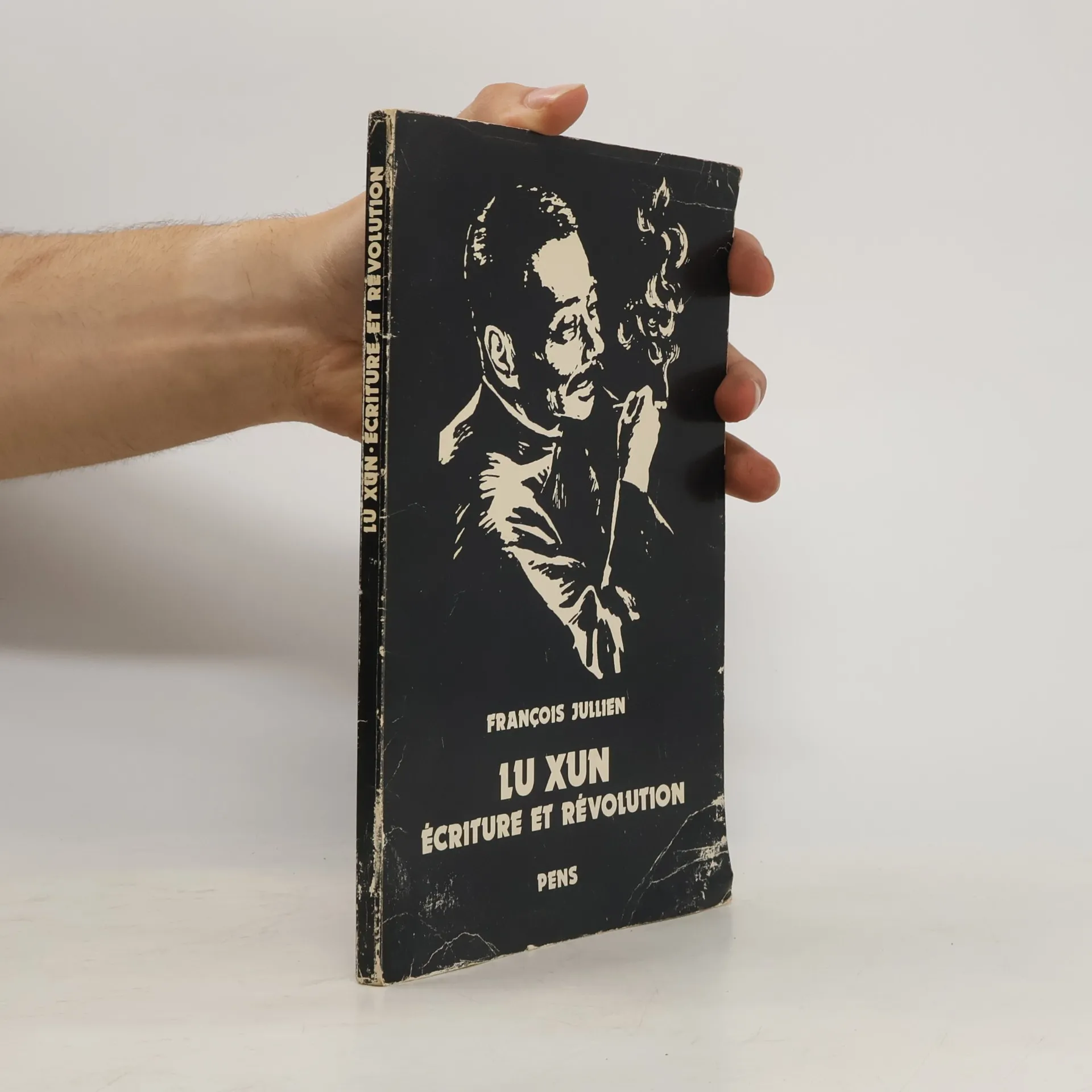
Lu Xun Écriture et révolution
- 128 pages
- 5 hours of reading
French
Der Umweg über China
- 194 pages
- 7 hours of reading
„Was Julliens Texte auszeichnet, ist eine hintergründige Verrückung von Wörtern und Strukturen. Die Paradoxien Europas werden plötzlich geschmeidig. Sie machen einen Seitensprung auf anderes Terrain, wo sie sich neu entfalten, ohne die Kolonialware ‚Exotismus’ zu betreiben.“ (Peter Bexte, FR)
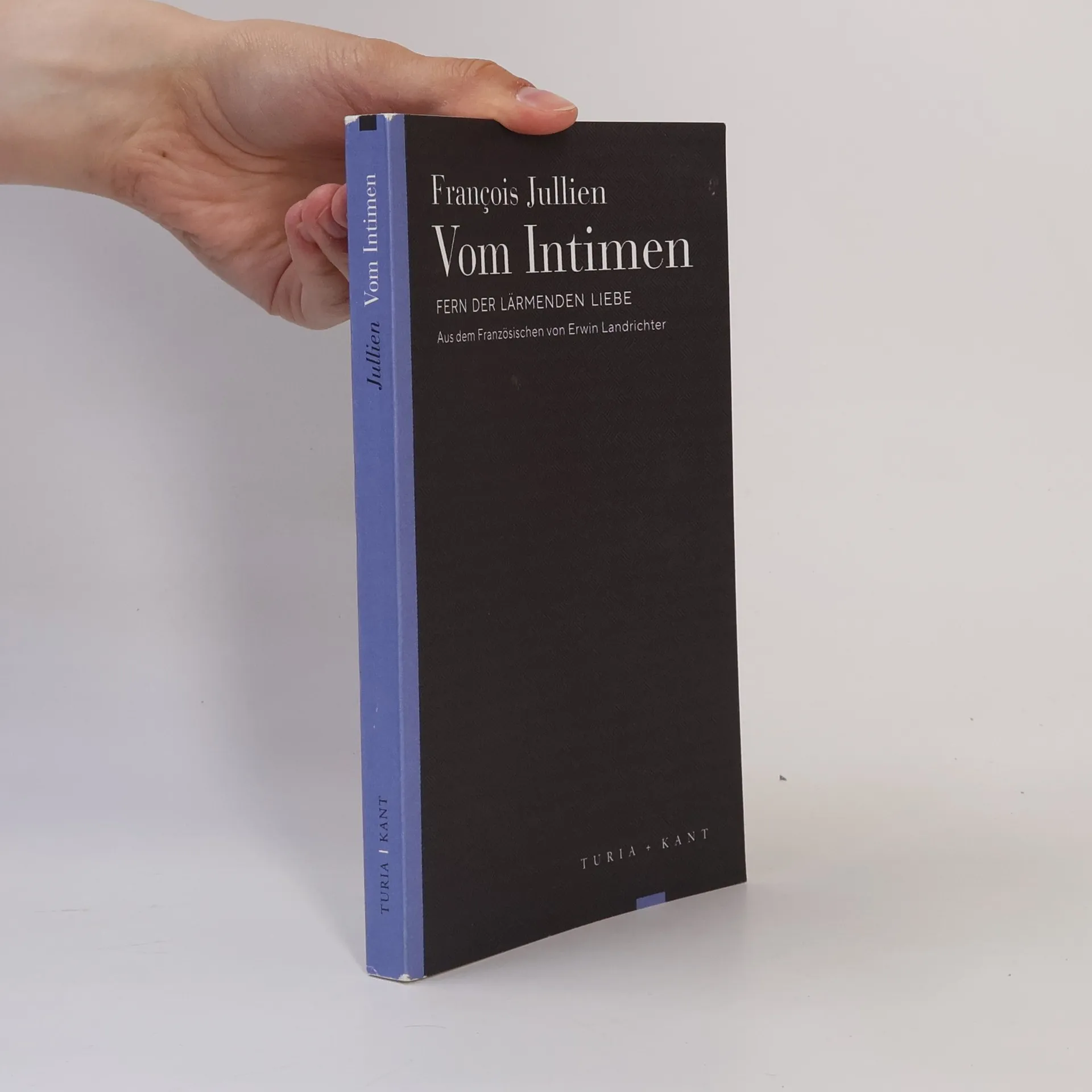
Mit dem Begriff des »Intimen« versucht Jullien eine Form der Liebe in den Blick zu bekommen, die sich erst im vergangenen Jahrhundert erschlossen hat und immer noch unscharfe Konturen aufweist. Das laute »Ich liebe dich« macht aus der Leidenschaft ein Ereignis, das sich schon bald verschleißen wird und zuvor noch nach einer Erklärung verlangt. Der diskrete Verlauf des Intimen bringt hingegen in aller Stille die Grenze zwischen dem Anderen und einem selber zu Fall, lässt aus einem gleichgültigen Außen in ein gemeinsam geteiltes Inneres kippen, lebt unerschöpf
Dialog über die Moral. Menzius und die Philosophie der Aufklärung
- 240 pages
- 9 hours of reading
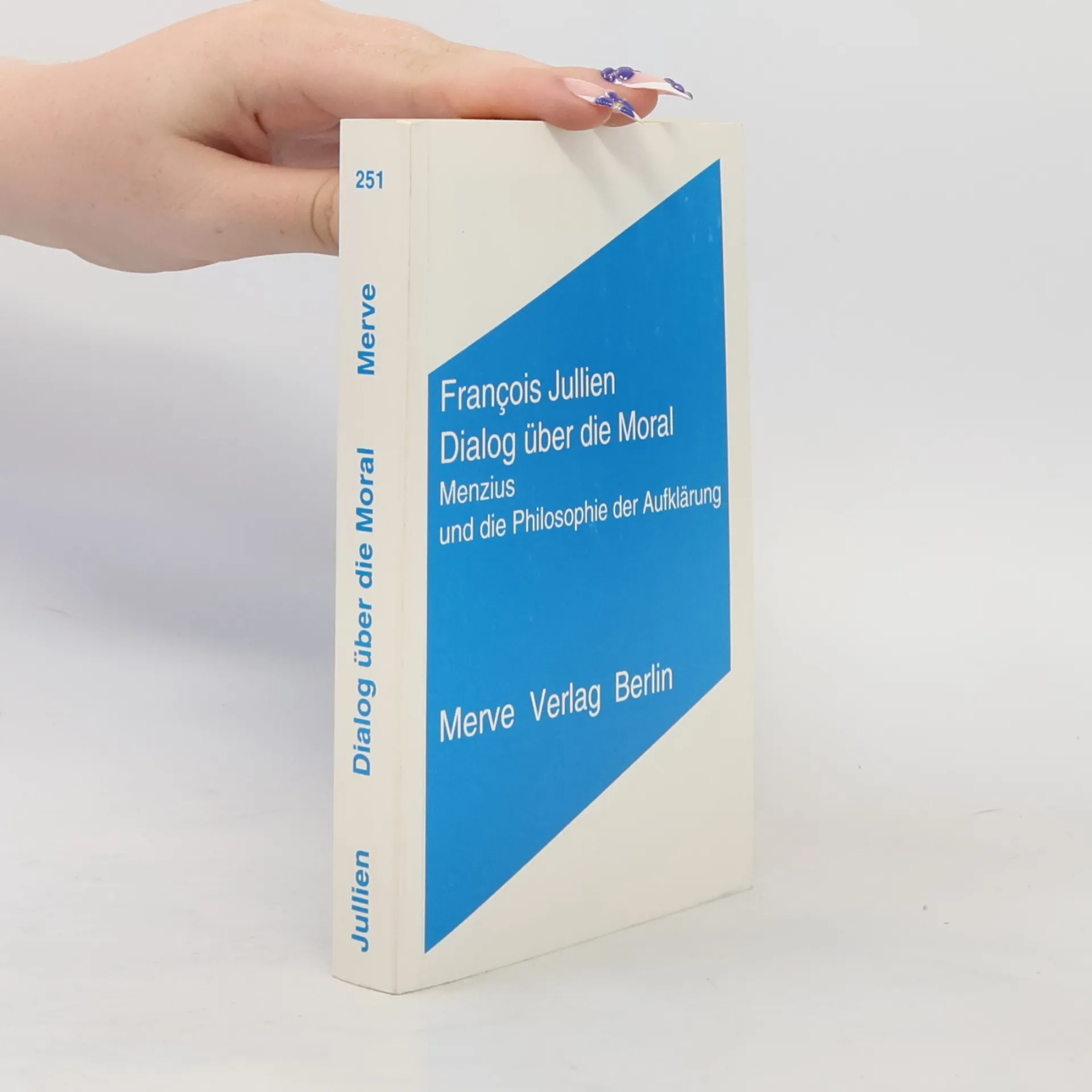
Wer gute Taten begeht, sich tugendhaft verhält und immer die Moralvorschriften beachtet, wird nach westlicher Auffassung spätestens im Jenseits belohnt. Das chinesische Denken kommt dagegen ohne Jenseitsvorstellungen und außerirdische Paradiese aus. Daher stellt sich die Frage, wie auf beiden Seiten die Moral begründet wird? Wie sich im Dialog zwischen Menzius, einem Denker aus dem 4. Jahrhundert vor unserer Zeitrechnung, auf der einen Seite und Kant und Rousseau auf der anderen Seite zeigt, ist der Ausgangspunkt hier wie dort die spontane Erfahrung des Mitleids. Des Mitleids, das einen überkommt, wenn man andere leiden sieht. Kant und Rousseau verbinden moralisches Verhalten mit dem Willen und mit der Freiheit des Willens. Und das führt sie letzten Endes zur Zweiteilung der Welt in eine Welt sinnlicher Erfahrung und eine übersinnliche transzendente Welt. Im Gegensatz zur westlichen Vorstellung, der zufolge das chinesische Denken in mystisch-esoterischen Regionen oder gar religiöser Verklärtheit schwebt, erweist Menzius sich als durch und durch irdischer Denker, der fest in den energetisch-dynamischen Prozessen des Hier und Jetzt verankert ist. Aber, und diese Frage hebt Jullien sich bis zum Schluss auf, muss die chinesische Vorstellung von Freiheit dann nicht geradezu zwangsläufig mit der des Westens kollidieren?
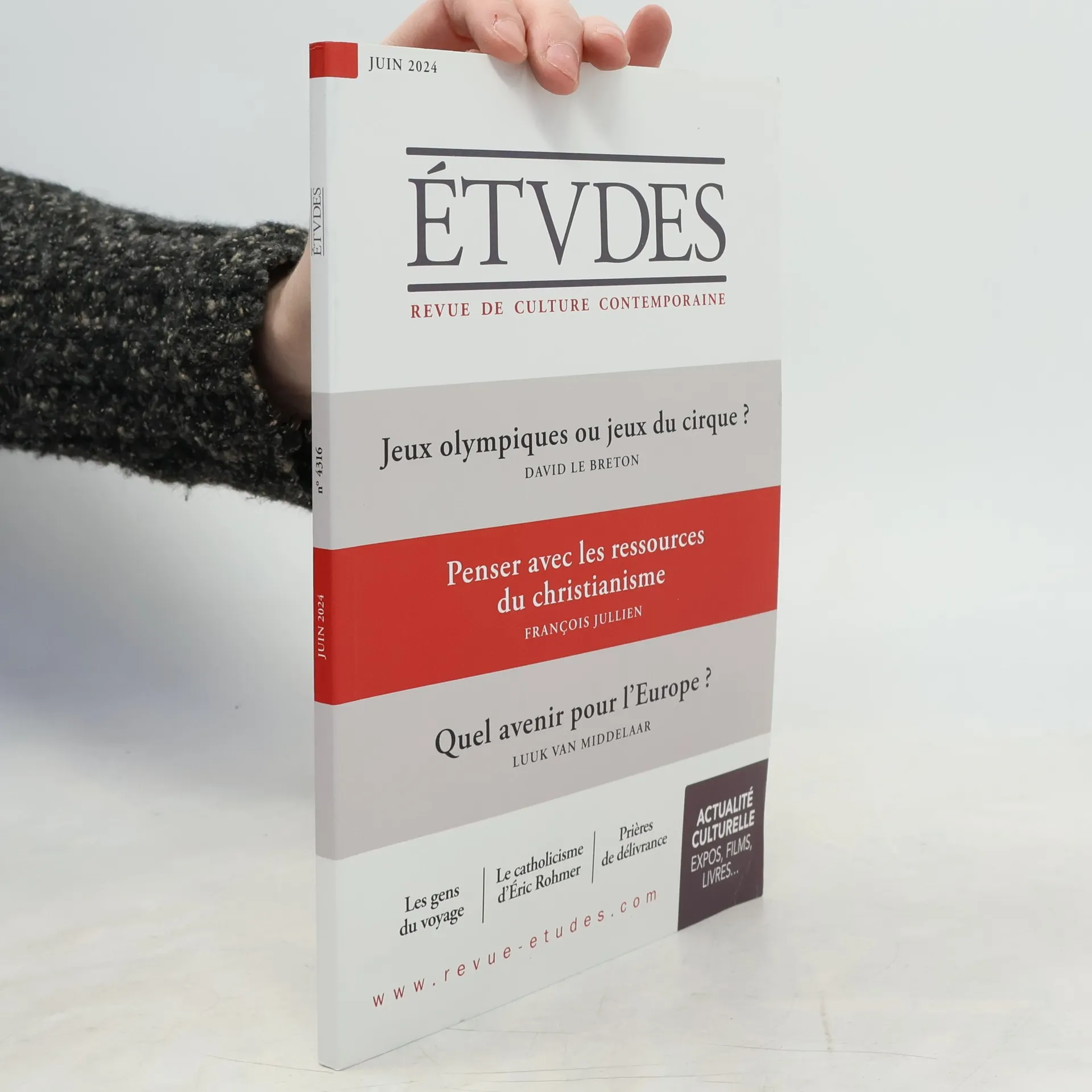
Études. Juin 2024
Revue de culture contemporaine
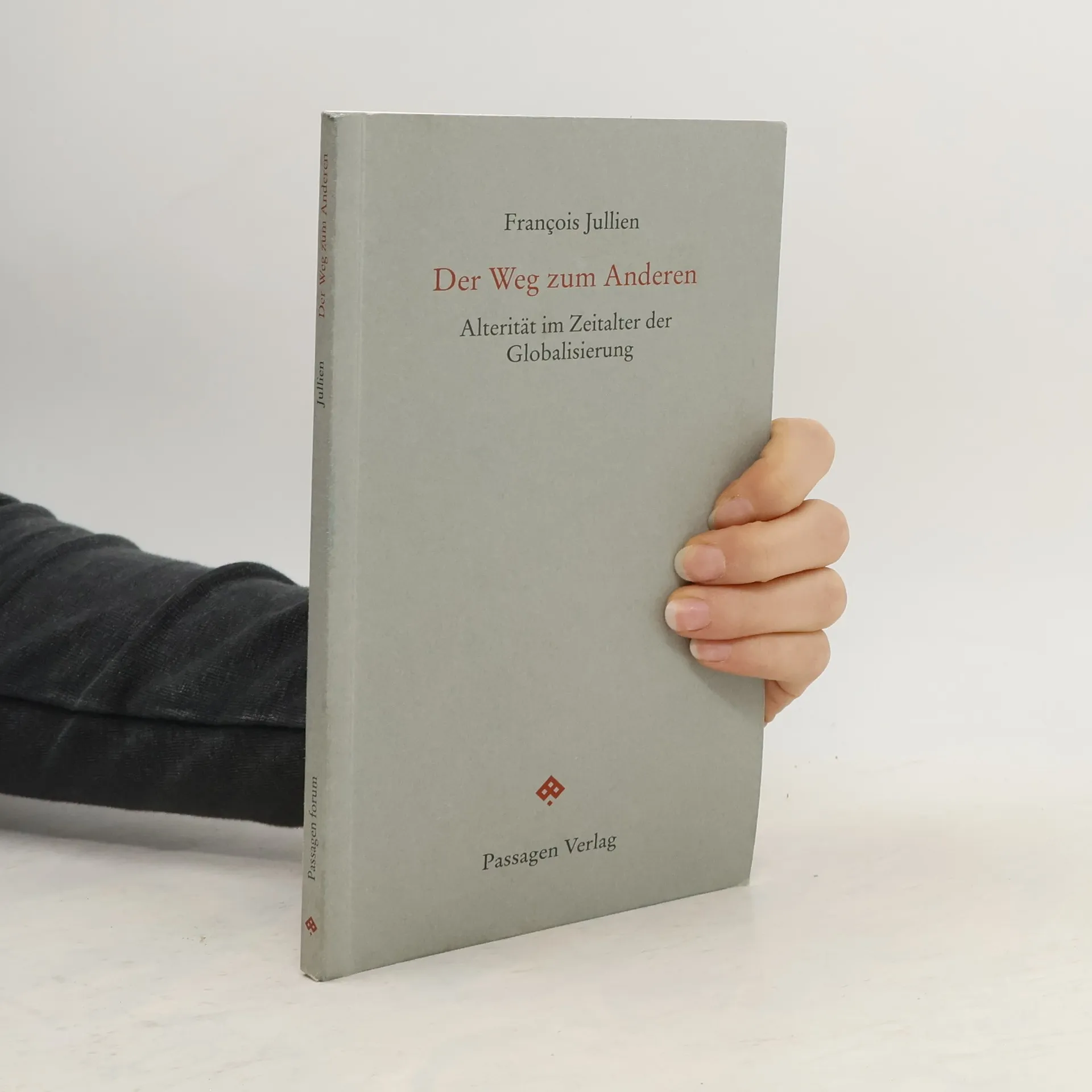
Passagen Forum: Der Weg zum Anderen
Alterität im Zeitalter der Globalisierung
- 88 pages
- 4 hours of reading
Wie kann man sich einen Weg zum Anderen eröffnen? François Jullien stellt hier zwei vermittelnde Begriffe vor: Abstand und Dazwischen. Im Gegensatz zum Unterschied, der fest im Schlepptau der Identität hängt, ist der Abstand fruchtbar, da er erkundungsfreudig und abenteuerlustig ist; da er in ein Spannungsverhältnis setzt, was er trennt.Einen "Abstand" zu eröffnen heißt, ein "Dazwischen" zu erschaffen; ein "Dazwischen" zu erschaffen ist Voraussetzung für die Förderung des "Anderen". In diesem Dazwischen nämlich, in welchem unser Gedanke vom Sein nie gedacht worden ist, intensiviert sich die Beziehung zum Anderen, der somit vor einer Assimilierung bewahrt bleibt. Nicht also, wie man meinen könnte, vom Ähnlichen ausgehend, sondern indem man Abstände wirken lässt und so ein Dazwischen nutzbar macht, lässt sich eine Alterität entfalten, die Gemeinsames hervorbringt. Dies ist der Preis des wirklichen Gemeinsamen. Daran sollte man sich heute erinnern, da im Zeitalter der Globalisierung allerorten dieGefahr der Assimilierung droht.