

The book explores the aspirations of influential thinkers in Britain and the United States between the late nineteenth century and World War I, who envisioned a unified English-speaking world based on Anglo-Saxon exceptionalism. It highlights the efforts of various figures, including Andrew Carnegie and H.G. Wells, to promote transatlantic cooperation through campaigns and publications. The proposals ranged from enhancing defense and economic ties to the radical idea of a single transatlantic state. Although these ideas lost traction by the mid-Edwardian era, their legacy persists today.
Duncan Bell Book order (chronological)
Duncan Bell explores how political thought and international relations have been shaped across centuries. His work delves into the broader contexts and influences that form our understanding of world order. Dive into his insightful analyses of empire and its impact on the shaping of global politics.
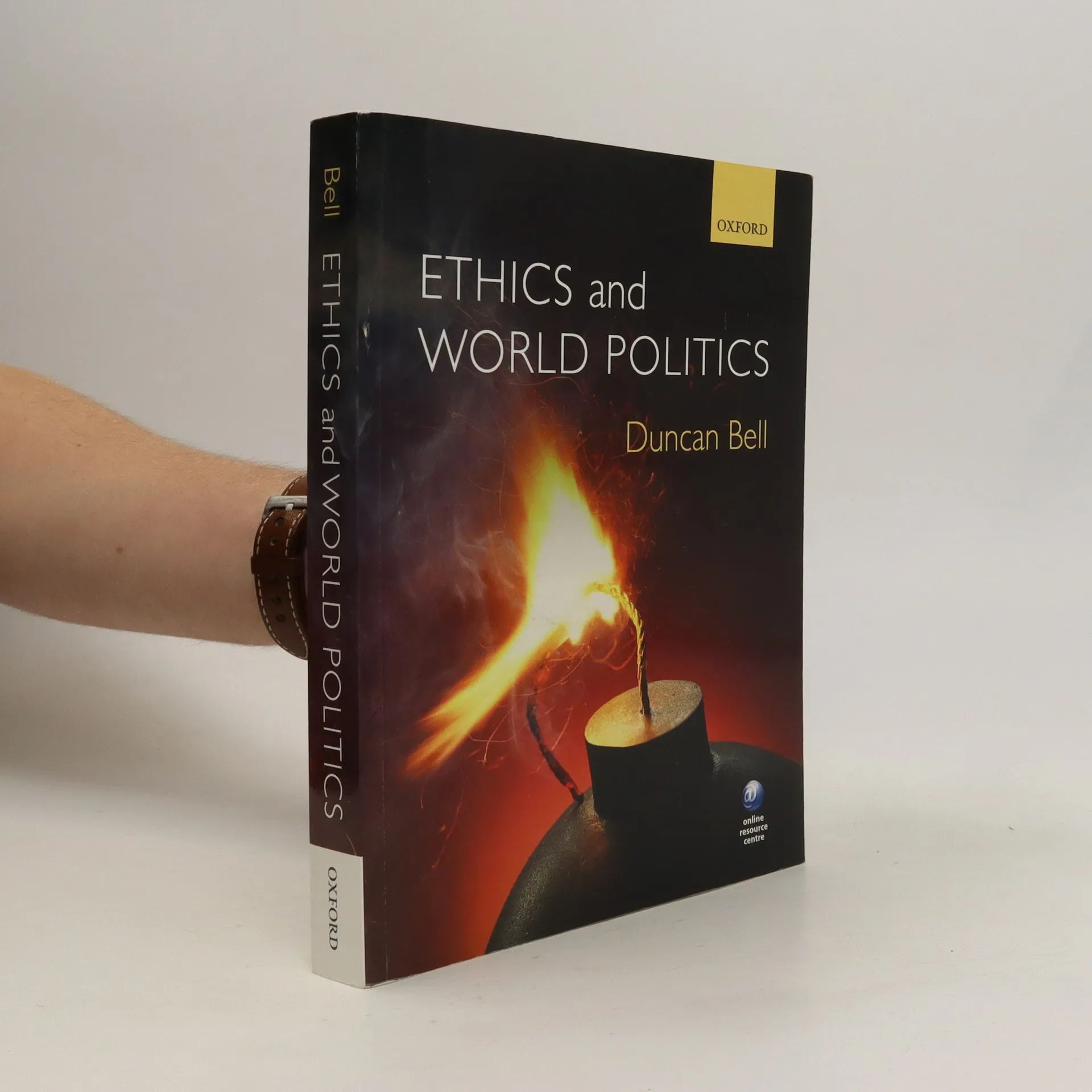

Ethics and world politics
- 440 pages
- 16 hours of reading
The book opens with a discussion of different methods and approaches employed to study the subject, including analytical political theory, post-structuralism and critical theory. It then surveys some of the most prominent perspectives on global ethics, including cosmopolitanism, communitarianism of various kinds, theories of international society, realism, postcolonialism, feminism, and green political thought. Part III examines a variety of more specific issues, including immigration, democracy, human rights, the just war tradition and its critics, international law, and global poverty and inequality. -- Publisher description.