

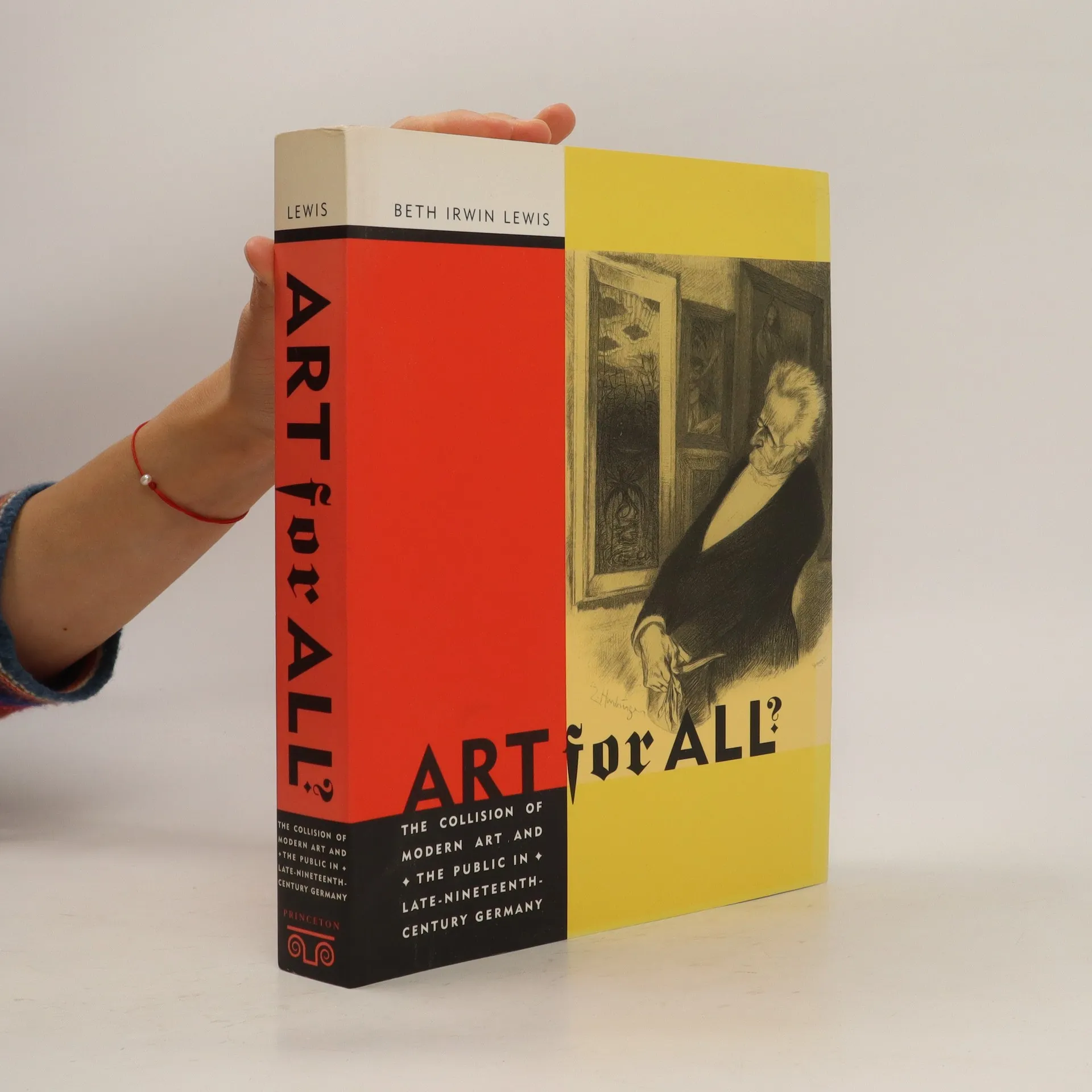
Art for All?
- 432 pages
- 16 hours of reading
This book explores Germany's vibrant art scene in the late nineteenth century, a period overshadowed by twentieth-century events. Through a detailed examination of contemporary periodicals, complemented by illustrations and cartoons, the author presents a systematic study of this artistic landscape. The narrative highlights the public and critical response to new painting styles that emerged in the 1880s, coinciding with a surge in art exhibitions supported by local governments and a burgeoning mass audience. As modern art gained acceptance in the 1890s, the author analyzes the interplay of social, cultural, and economic factors that influenced these developments. Despite hopes for a cohesive national art, the rise of modernism led to fragmentation, with artists distancing themselves from an often indifferent public. The text reveals a growing alienation between modern artists and their audience, reflecting tensions that resonate in today's art world. Additionally, the book addresses issues such as anti-Semitism, the role of women artists, and evolving styles in both art and criticism. Engagingly written and richly illustrated, this work appeals to scholars, students, and anyone interested in German cultural and art history.