

In this important and influential anthology Dame Helen Gardner has collected together those seventeenth-century poets who, although never self-consciously a school, did possess in common certain features of argument and powerful persuasion which have come to be described as 'metaphysical'. Contains amongst others: John Milton, Thomas Carew, Sir William Davenant, Henry Vaughan, Andrew Marvell, George Herbert, Sir Walter Ralegh, Robert Southwell, John Donne and Richard Crashaw.
Helen Gardner Books
Helen Gardner was a distinguished professor of English literature, renowned for her critical work on John Donne and T. S. Eliot. She was the first woman to hold the esteemed Merton Professorship of English Literature at Oxford. Her scholarship delved deeply into these literary masters, offering insightful analyses of their complex verse. Gardner brought a unique perspective to the academic world, and her contributions to literary criticism remain highly valued.
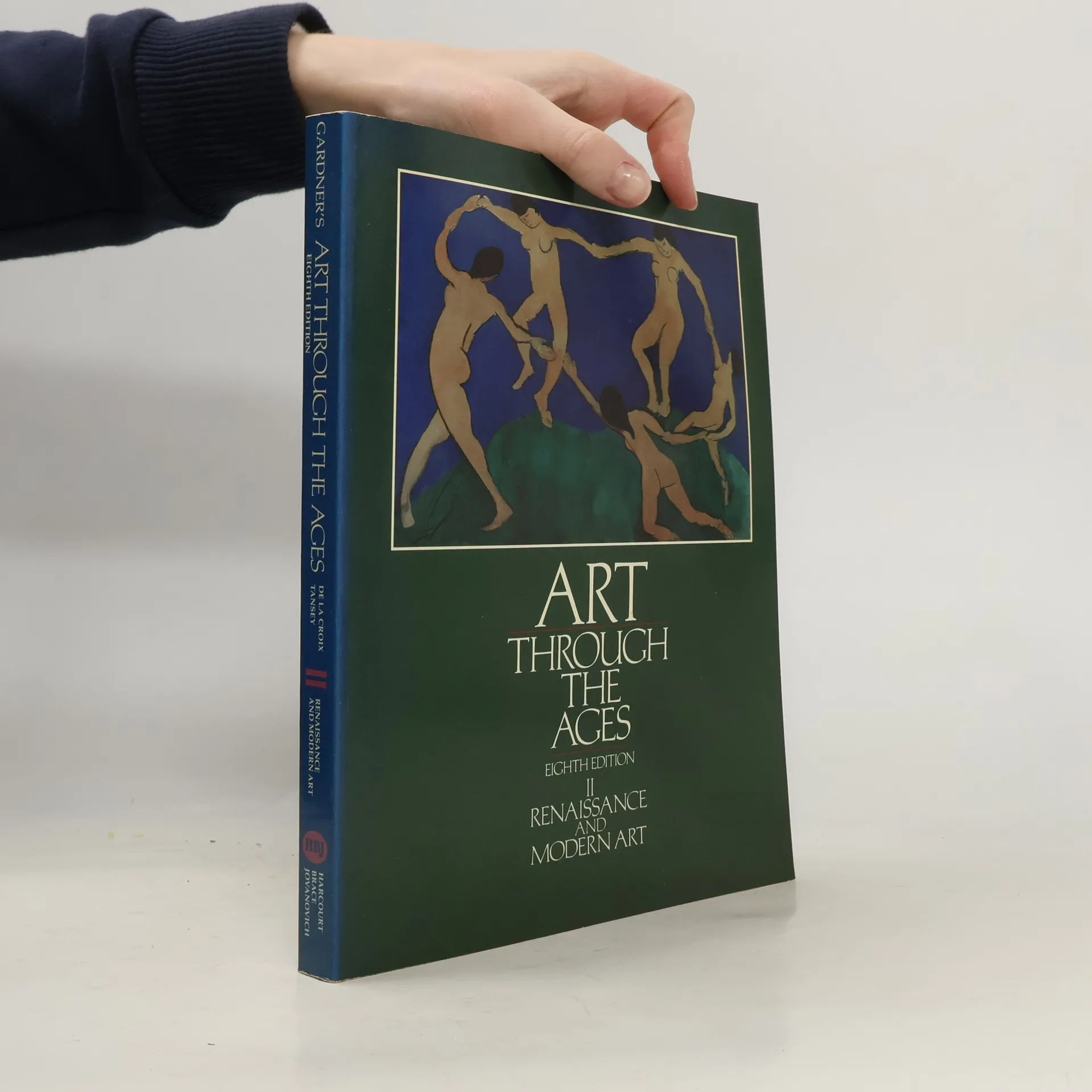

The fundamental belief that guided Helen Gardner and her successors is that the history of art is essential to a liberal education. The study of art history, like its fellow humanistic studies, the history of literature and the history of music, has as its aim the opening of student perception and understanding to works of high esthetic quality and expressive significance -- works that humankind has produced throughtout history and around the world, and that -- especially now -- are cherished and conserved by the peoples of the world as representative of their cultural identities. The awareness, comprehension, and informed experience of these works are what a survey like this would encourage and hope to achieve. The art experience can only be informed, expanded, and made selective in its judgments if it is at the same time a historical experience. This means understanding works of art within the contexts of their times and places of origin and the temporal sequences of their production.
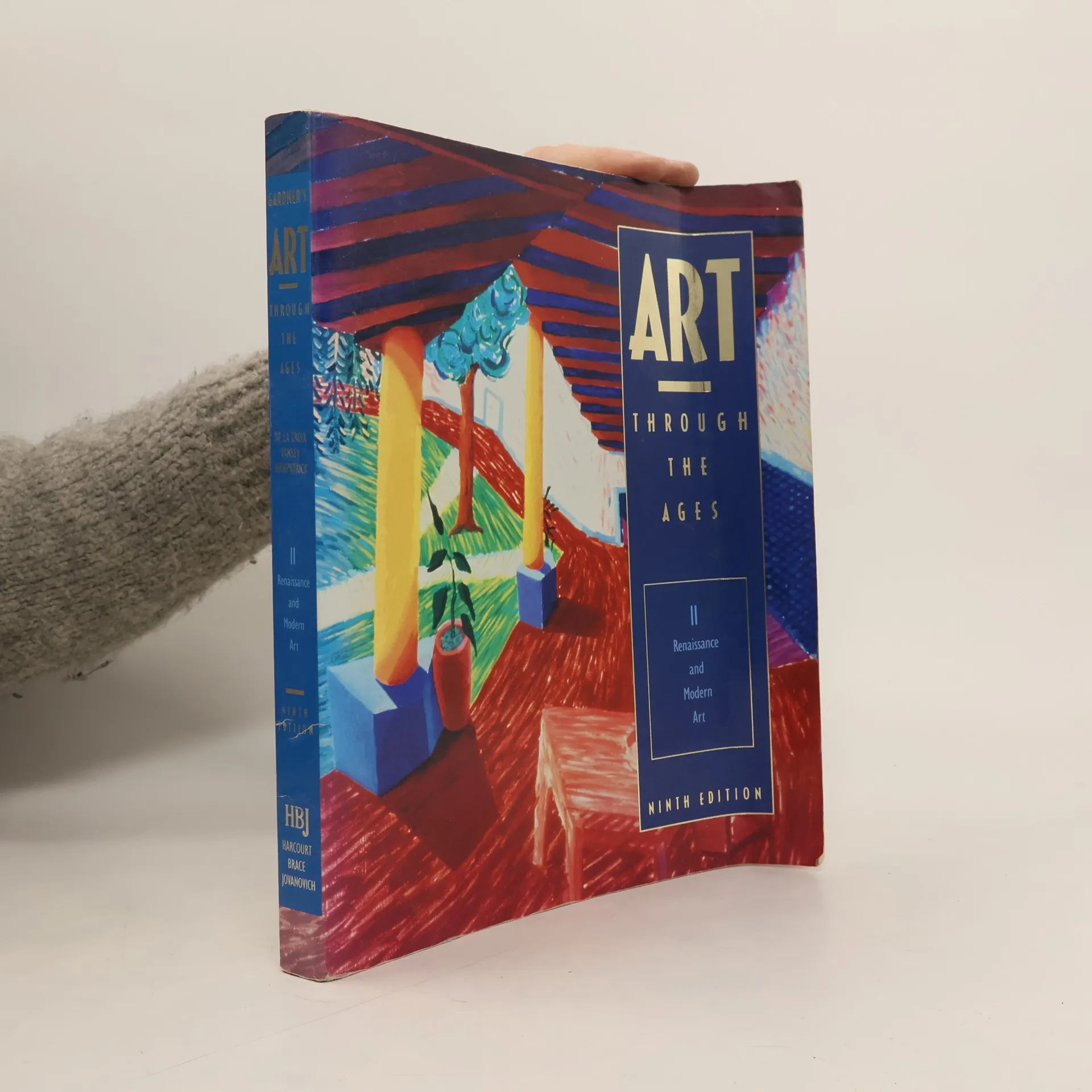
Gardner's - 2: Art Through the Ages
Renaissance and Modern Art - Ninth Edition
- 560 pages
- 20 hours of reading
The 15th edition of Gardner's Art Through the Ages: A Global History, Volume II provides a comprehensive, beautifully-illustrated tour of the world's great artistic traditions. It offers a rich cultural backdrop for each of the covered periods and geographical locations, incorporating new artists and art forms, all reproduced according to high standards of clarity and color fidelity. The unique Scale feature helps visualize the actual size of the artworks shown in the book. "The Big Picture" overviews at the end of every chapter summarize the chapter's important concepts and assist in exam review.