

Albert-Lasker-Preis 2021 für Karl Deisseroth »Ein Meisterwerk, das für uns alle geschrieben wurde.« Patricia Churchland, Professorin für Philosophie »Karl Deisseroth verwebt Neurowissenschaften und Lebensgeschichten auf völlig neue Weise: zugleich technisch, poetisch und zutiefst einfühlsam.« Lucy Kalanithi, Professorin für Medizin »Ein einfühlsamer Psychiater und ein fesselnder Autor, der urmenschliche Gefühle mit tief schürfenden Einsichten aus der führenden Psychiatrie und Neurowissenschaft zusammenführt.« Robert Lefkowitz, Chemie-Nobelpreisträger Warum fühlen wir? Wie entstanden unsere Emotionen? Welche Geheimnisse birgt das ganze Spektrum unserer Gefühlswelten? Ein außergewöhnliches, erhellendes und mitreißendes Werk - über Lebensgeschichten und die Geschichte allen menschlichen Lebens.
Karl Deisseroth Book order (chronological)

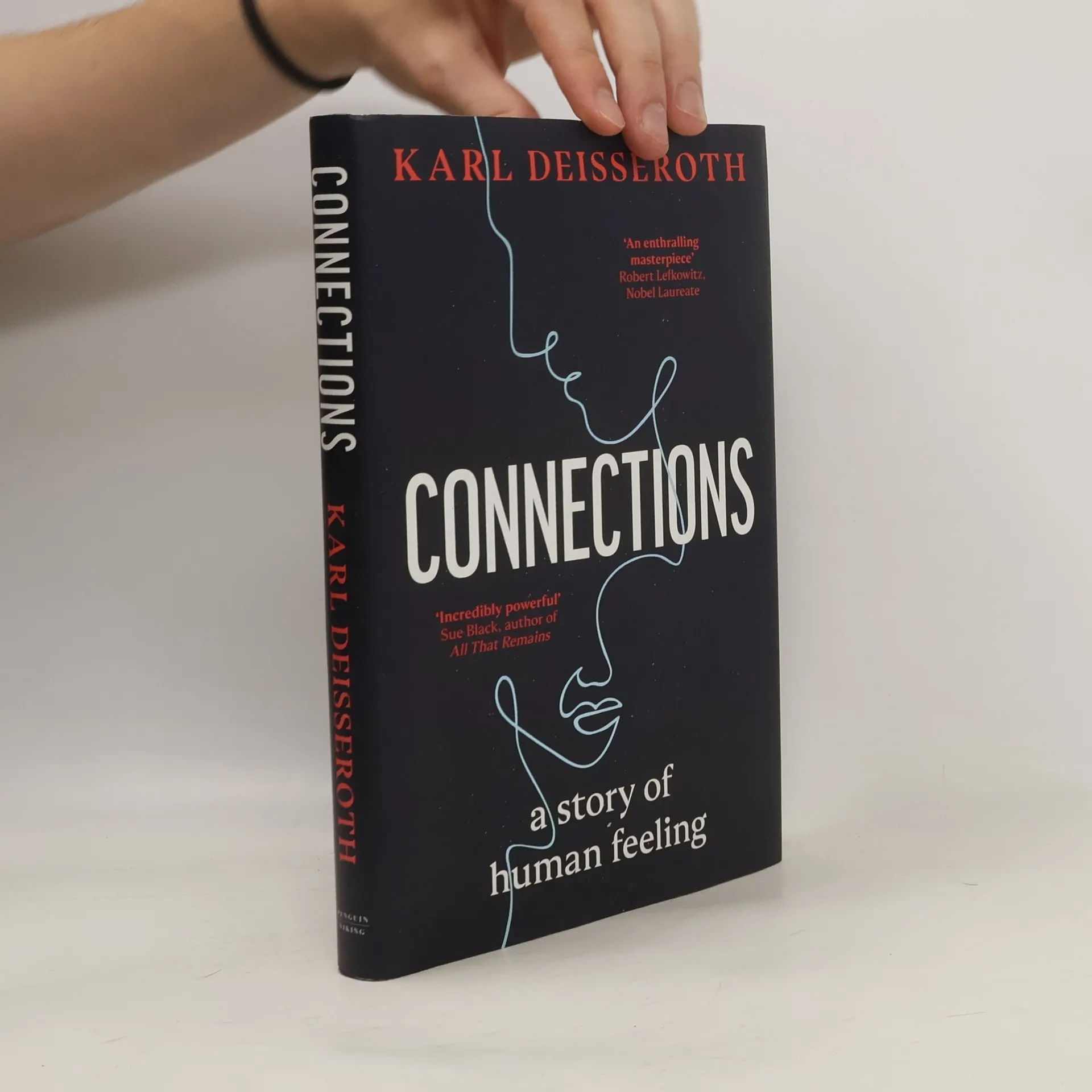
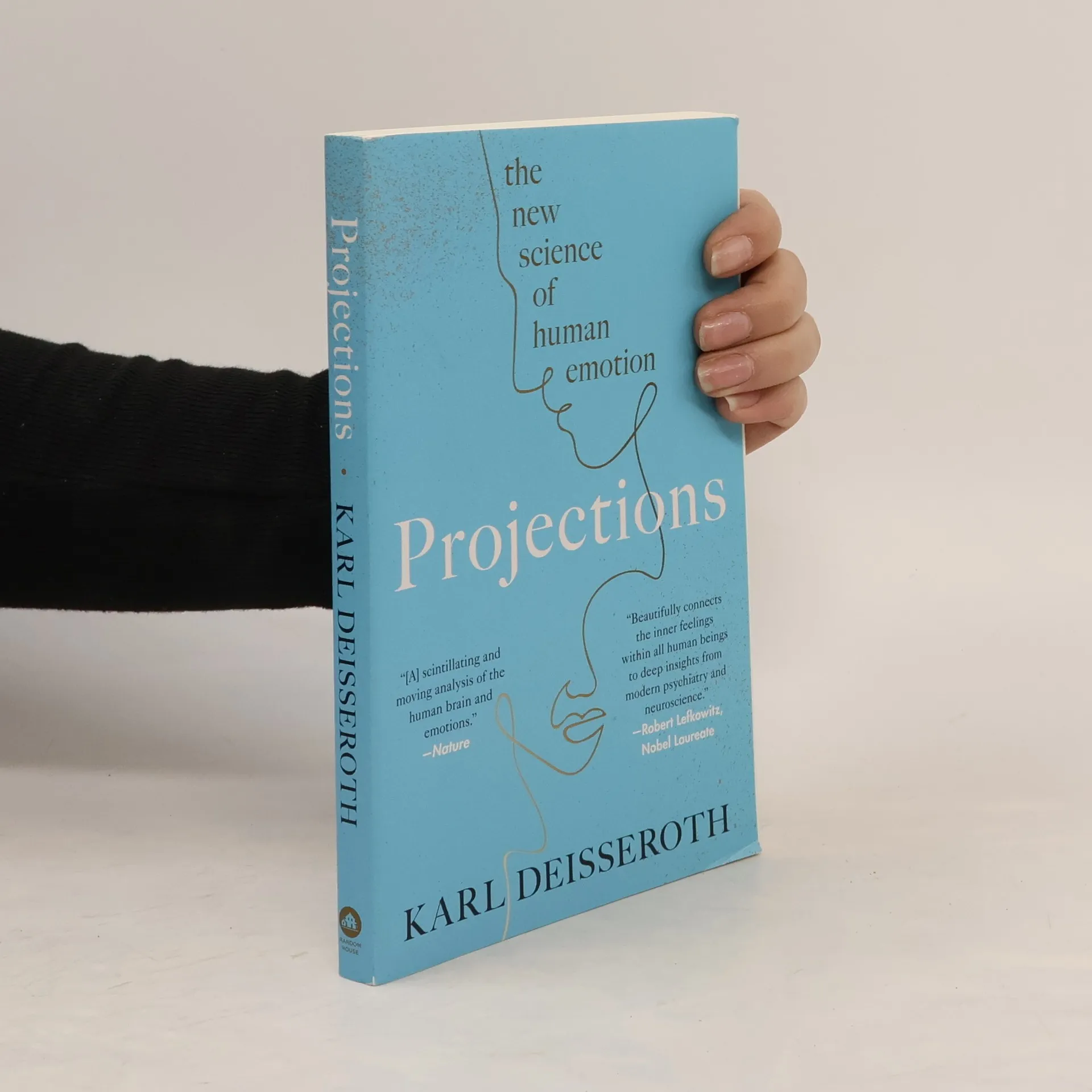
Exploring the biological foundations of emotions and the human psyche, this book presents a compelling journey through the mind. It features gripping clinical stories that reveal the complexities of mental health, highlighting both the struggles and triumphs of individuals. By intertwining science with personal narratives, it offers profound insights into how our inner worlds are shaped by biology, providing a deeper understanding of emotional experiences.
Karl Deisseroth, a clinical psychiatrist and pioneering researcher, explores the complexities of the human mind through his groundbreaking work in optogenetics, which uses light to reveal brain functions. In his first book, he merges his scientific insights with deep empathy for his patients, examining how mental illness can shed light on the mind and the essence of human emotions. As a professor of bioengineering and psychiatry at Stanford, Deisseroth shares compelling case studies that illustrate the biological roots of human feelings. These narratives highlight how emotional experiences are rooted in both the brain's ancient circuits and the profound struggles of everyday life. Through the stories of his patients, he uncovers the richness of humanity and the ways in which the self can fracture. A young woman grappling with an eating disorder exemplifies the mind's conflict with basic instincts, while an older man, burdened by depression and dementia, reveals the evolution of joy and its absence. Additionally, a lonely Uyghur woman emphasizes the significance of social connections. This illuminating work transforms our understanding of the brain, presenting it as both a biological entity and a vessel of emotional experience.