


Explore the latest books of this year!
Bookbot

Marvin Heiferman

    Still life
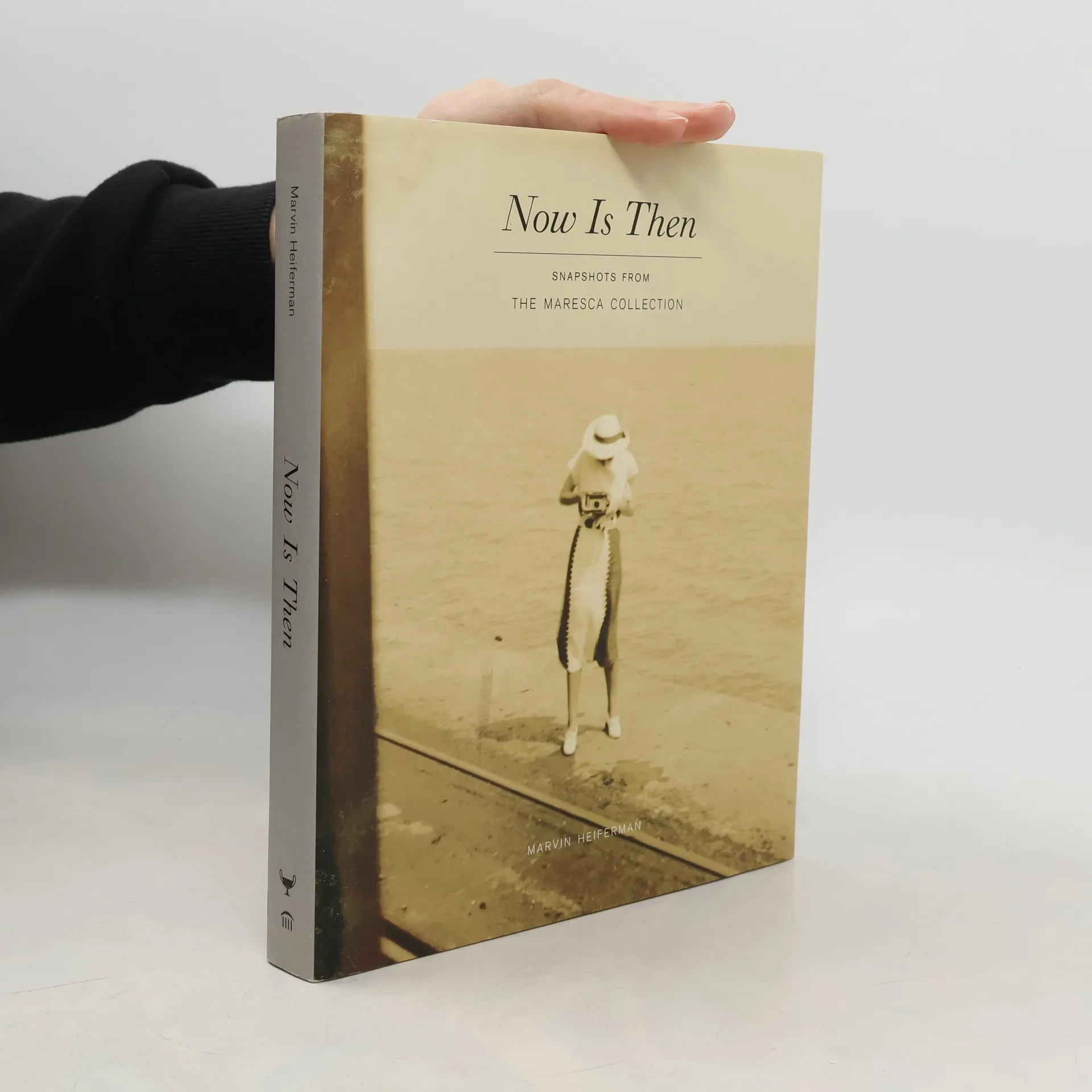
    The Maresca Collection: Now Is Then
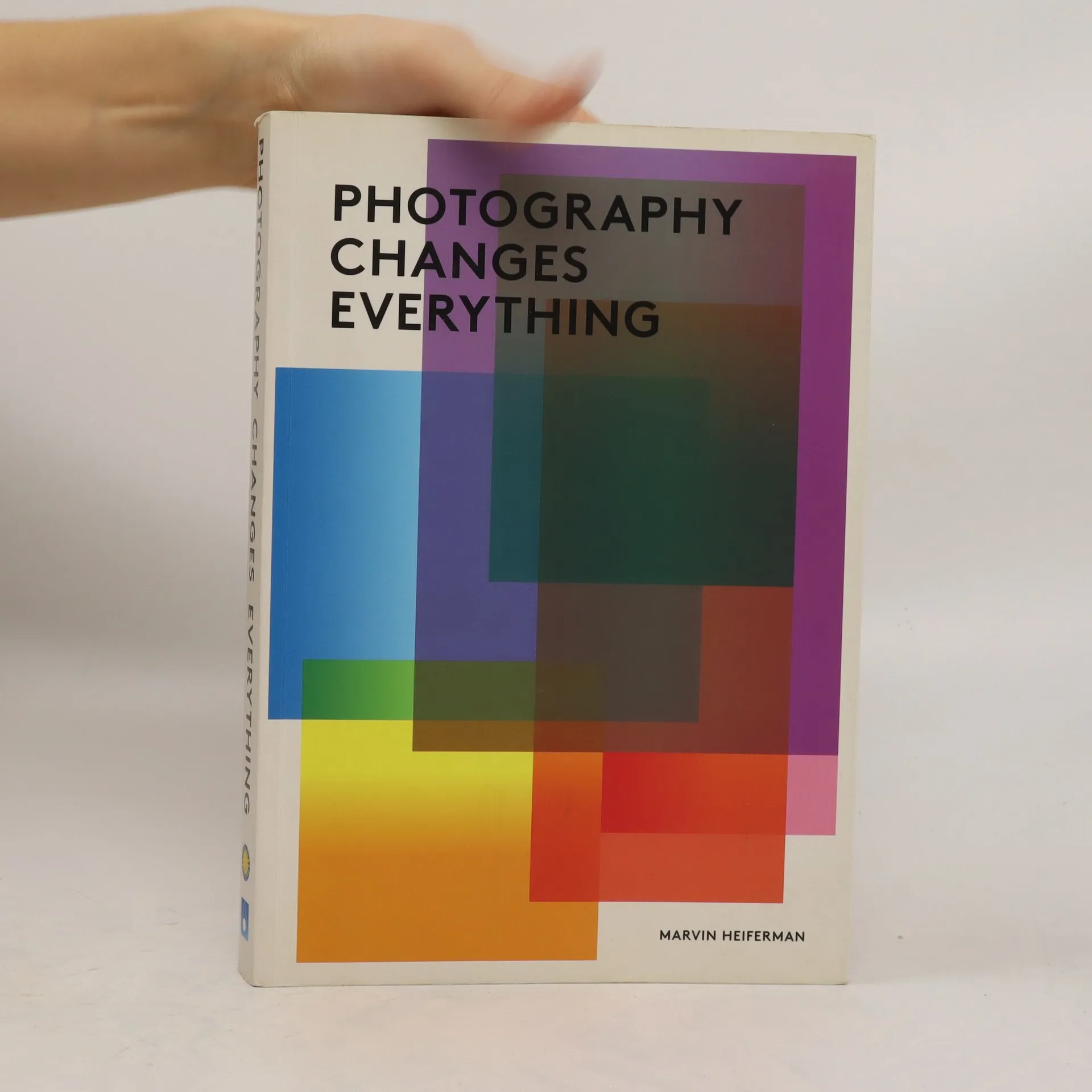
    Photography Changes Everything
    Japanese Literature: From Murasaki to Murakami
    Love is Blind
    A Survey of Matrix Theory and Matrix Inequalities
    • Japanese Literature: From Murasaki to Murakami provides a concise introduction to the literature of Japan that traces its origins in the seventh century and explores a literary legacy--and its cultural contexts--marked by the intersection of aristocratic elegance and warrior austerity. Coverage extends to the present day with a focus on the complex twists and turns that mark Japan's literature in the modern period. In under one-hundred pages of narrative, Marcus's account of Japanese literature ranges from the 712 CE publication of Japan's first literary work, the Kojiki, to internationally-famous 21st century authors. Readers get a sense of past and contemporary literary themes and well written vignettes of the men and women who produced works that are an integral part of Japan's literary traditions. Readers are introduced to Japanese literature, but Marcus's linkages to history and culture increase the likelihood that many readers will be inspired to learn more about Japan and its rich history. Marcus's compelling interpretations of significant works of Japanese literature and their historical moments complement carefully selected passages of literary prose, poetry, and images from Japan's long literary and cultural history. This small gem of a book is essential for students, teachers, and general audiences interested in Japan and its long literary traditions.

      Japanese Literature: From Murasaki to Murakami2021
    • Photography Changes Everything

      • 263 pages
      • 10 hours of reading

      Photography Changes Everythingdrawn from the online Smithsonian Photography Initiativeoffers a provocative rethinking of photographys impact on our culture and our lives. It is a reader-friendly exploration of the many ways photographs package information and values, demand and hold attention, and shape our knowledge of and experience in the world. At this transitional moment in visual culture, Photography Changes Everything provides a unique opportunity to better understand the history, practice, and power of photography. The publication harnesses the extraordinary visual assets of the Smithsonian Institutions museums, science centers, and archives to trigger an unprecedented and interdisciplinary dialogue about how photography does more than record the worldhow it shapes and changes every aspect of our experience of and in the world. The book features over three hundred images and nearly one hundred engaging short texts commissioned from experts, writers, inventors, public figures, and everyday folkHugh Hefner, John Baldessari, John Waters, Robert Adams, Sandra Phillips, and others. Each story responds to images selected by project contributors. Together they engage readers in a timely exploration of the extent to which our lives have been transformed through our interactions with photographic imagery.

      Photography Changes Everything2012
    • The Maresca Collection: Now Is Then

      Snapshots from the Maresca Collection

      • 192 pages
      • 7 hours of reading

      Deceptive in the ease of their creation, diminutive size, and sheer abundance, snapshots are often thought of as the mostinnocent type of photography. But snapshots are complex and willful picturespremeditated, fussed over, and oftenpredetermined. The postures we adopt, the gestures we pantomime, the exaggerated facial expressions we compose and try to hold for a split second are all meant to express the emotional weight of a certain moment. In a time when digital cameras make photography all too easy, it is fascinating to look back on a day when image making was more deliberate.Now Is Then features images from the 1920s through the 1960s, the golden age of snapshot photography. The photosquirky, elegant, heartbreaking, and heart-warmingboth celebrate and question the conventions of snapshot photography. Texts by well-known visual culture critics offer fresh perspectives on the snapshots and their power over us. Unlike previous explorations of vernacular photography, Now Is Then takes a step forward to look at the broader cultural impact of snapshotswhy we make them, how we use them, why they become relics, and, most importantly, what they reveal about us.

      The Maresca Collection: Now Is Then2007
    • Concise, masterly survey of a substantial part of modern matrix theory introduces broad range of ideas involving both matrix theory and matrix inequalities. Also, convexity and matrices, localization of characteristic roots, proofs of classical theorems and results in contemporary research literature, more. Undergraduate-level. 1969 edition. Bibliography.

      A Survey of Matrix Theory and Matrix Inequalities1992
      3.3