Henry Chadwick, often hailed as the "father of baseball," was an influential English-born sportswriter and historian whose contributions fundamentally shaped the game. He pioneered the public sale of baseball guides and is credited with introducing the box score and the "K" notation for strikeouts. Chadwick's statistical innovations, including the batting average and earned run average (ERA), established foundational metrics for analyzing player performance.
This book is a reproduction of a historical work, specifically designed in large print to enhance accessibility for individuals with impaired vision. Published by Megali, a company dedicated to making classic texts more readable, it aims to preserve important literature while ensuring it is accessible to a broader audience.
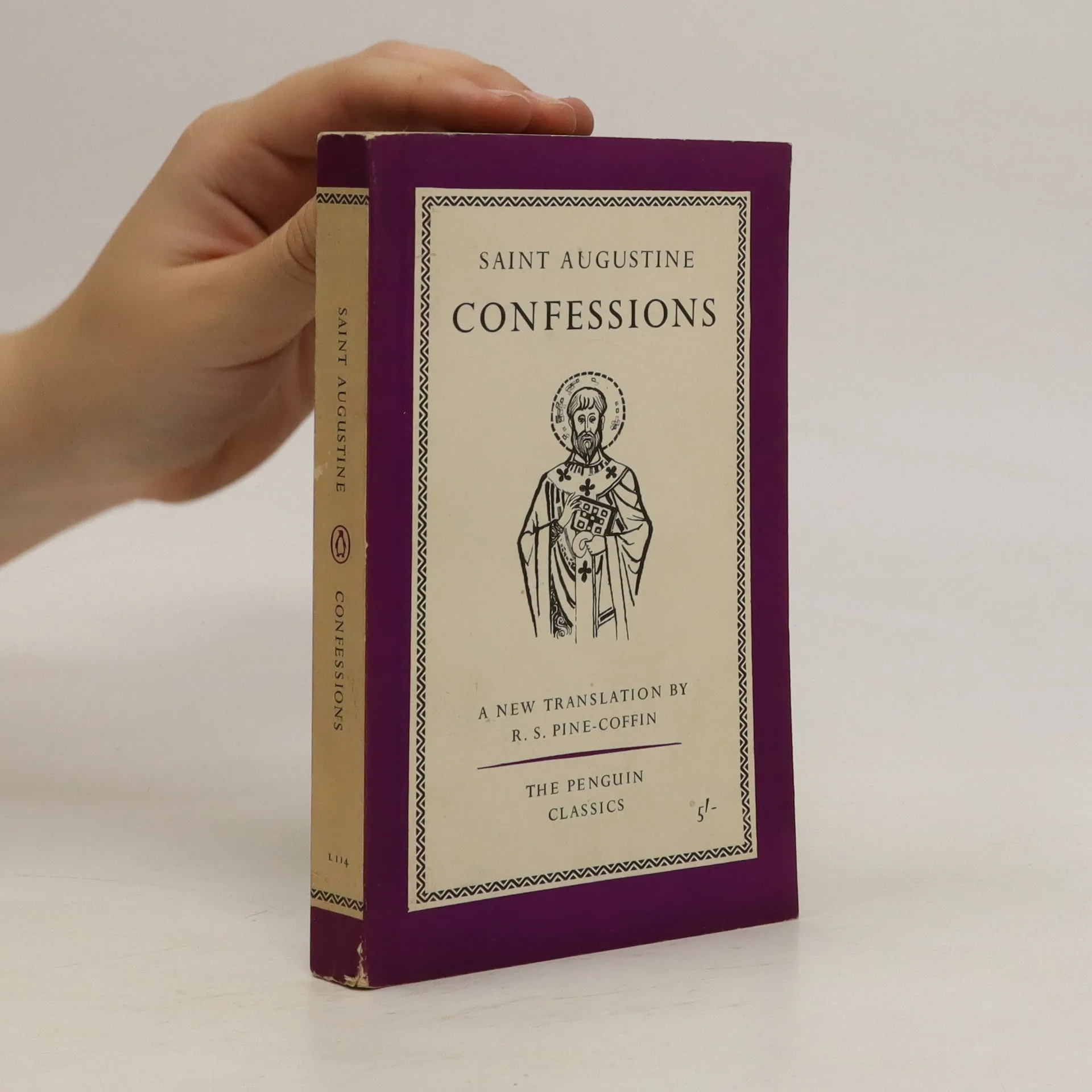
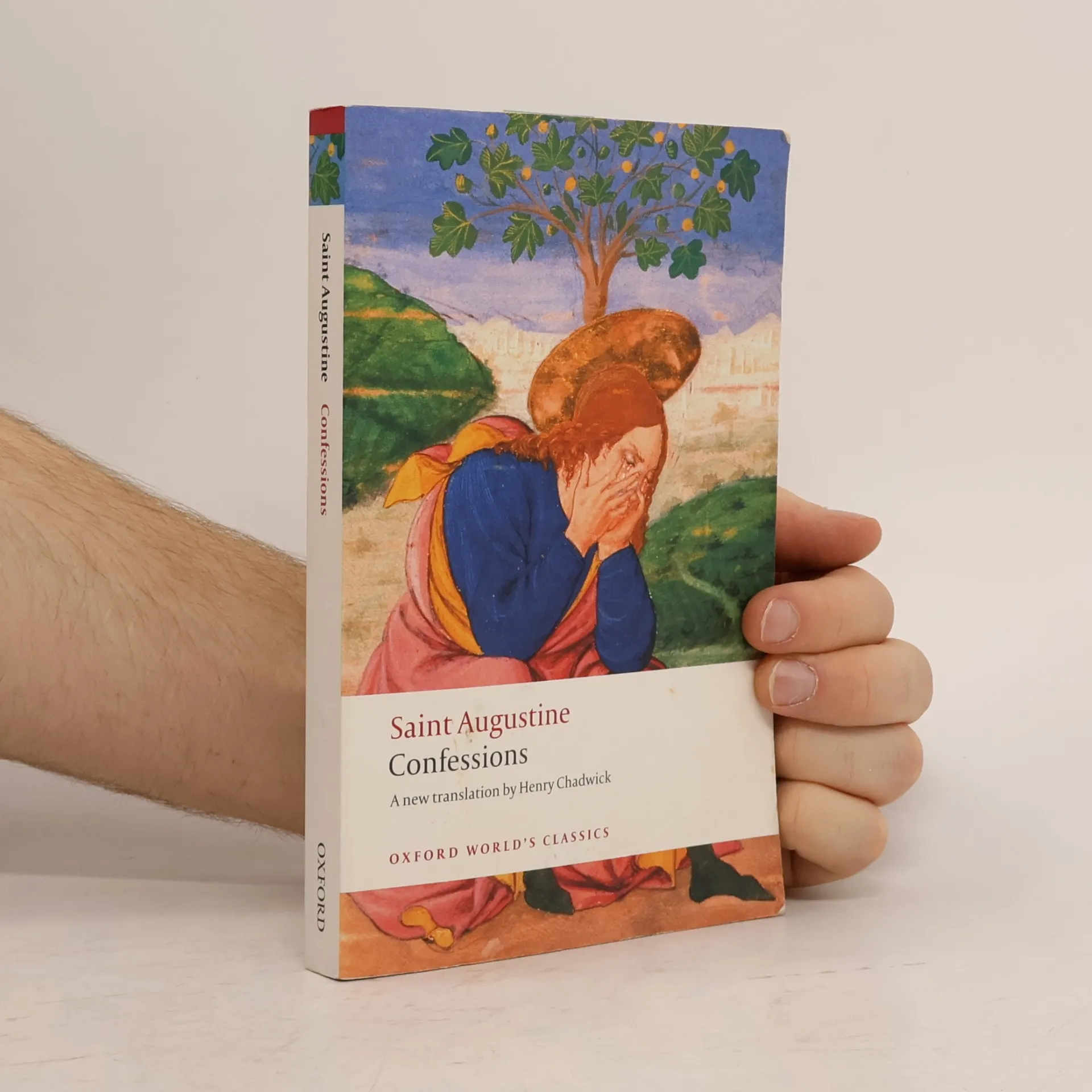
In his day, Augustine of Hippo was the dominant figure of the Western Church and is now regarded as one of the greatest thinkers of Christian antiquity. His "Confessions" stands as a monumental work in Western literature. This intensely personal narrative chronicles Augustine's journey from a humble Algerian farm to the imperial court in Milan, detailing his struggles with his sexual nature, his renunciation of secular ambition and marriage, and his eventual recovery of the faith instilled in him by his mother, Monica. Henry Chadwick, a noted scholar of early Christianity, offers the first new English translation in thirty years, presenting Augustine's conversion in clear, modern language. Readers follow Augustine's fascination with astrology and the Manichees, his skepticism toward pagan myths, and his ultimate embrace of Christian faith. The text features profound philosophical reflections on Platonism and the nature of God, alongside poignant portraits of Augustine's mother, St. Ambrose, and early Christians like Victorinus, who forsook a successful career for orthodox faith. Chadwick enhances accessibility with comprehensive notes and an introduction that contextualizes Augustine's concerns, making them resonate with contemporary readers. His translation facilitates a fresh engagement with Augustine's deeply personal meditations, ensuring the enduring religious and philosophical significance of "The Confessions" is readily
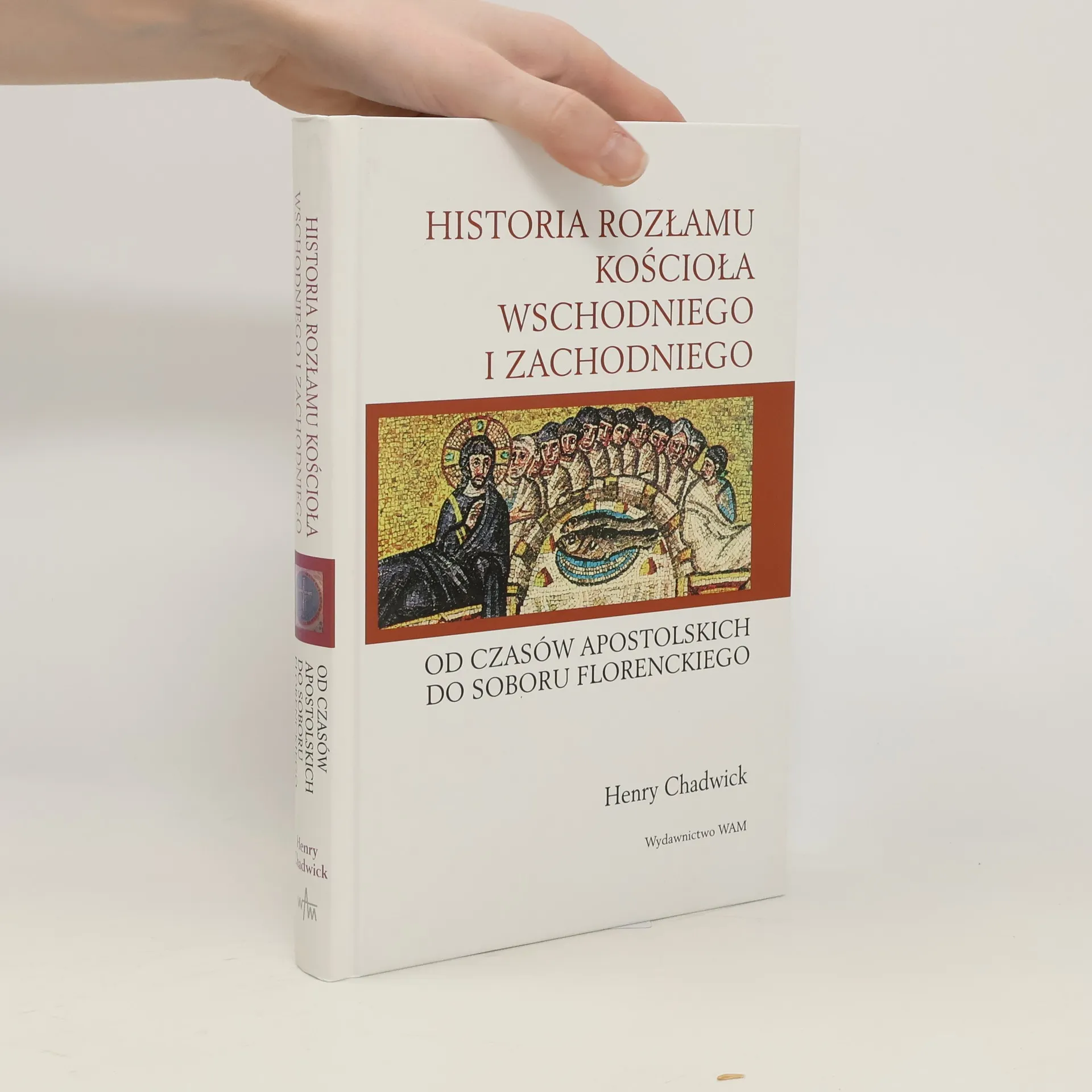
The greatest Christian split of all has been that between east and west, between Roman Catholic and eastern Orthodox, which is still apparent today. Henry Chadwick provides a compelling and balanced account of the emergence of divisions between Rome and Constantinople. Starting with the roots of the divergence in Apostolic times, he takes the story right up to the Council of Florence in the fifteenth century.
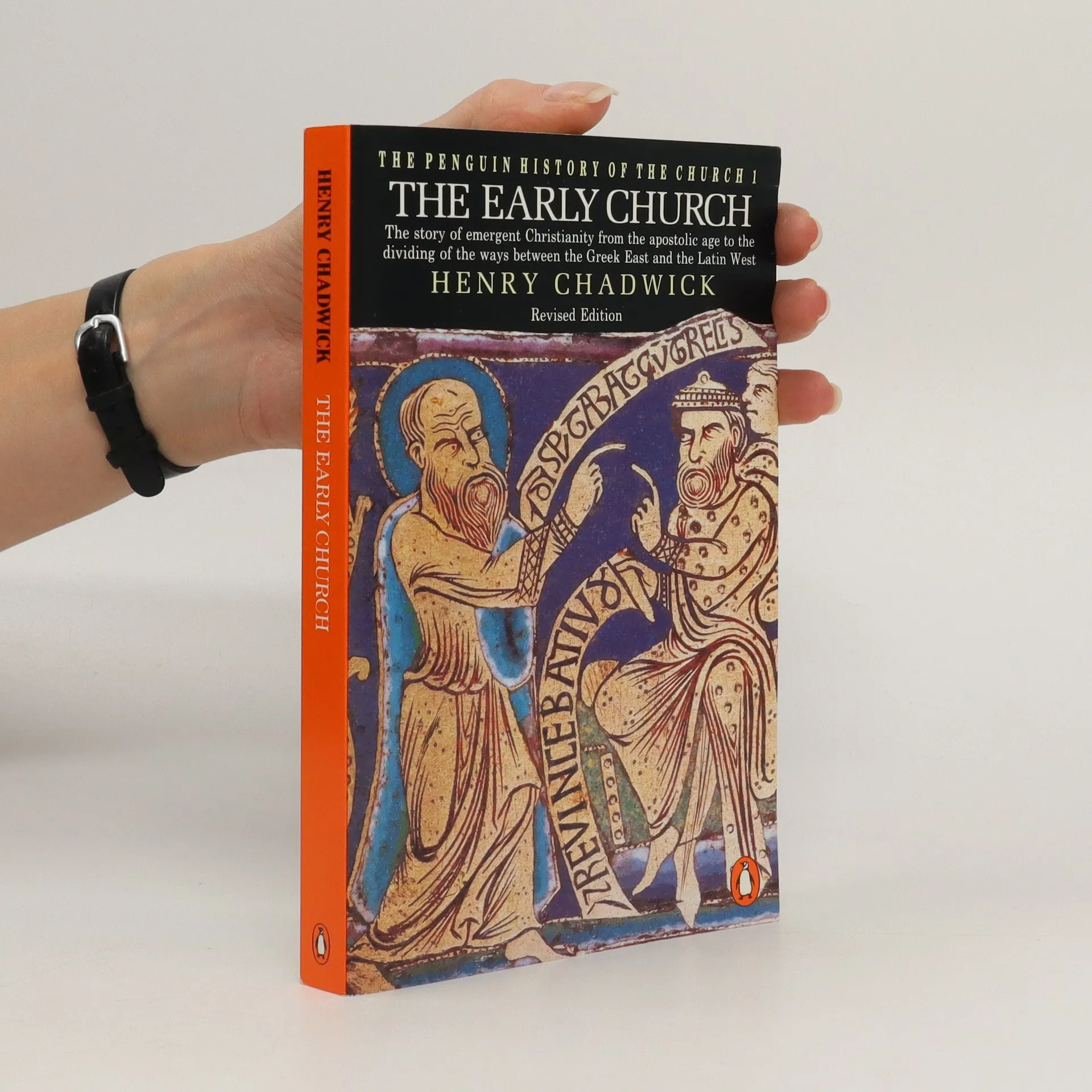
The narrative history explores the evolution of Christianity over the first six centuries, highlighting its impact on Ancient Greek and Roman society. Through a chronological framework, it delves into significant texts and theological debates, presenting them within their historical context. Henry Chadwick's detailed exposition offers an engaging and comprehensive examination of the early Church's development and influence.
Reich illustrierter Überblick über die Geschichte und Gegenwart des Christentums, die wichtigsten konfessionellen und regionalen Ausprägungen, Traditionen und Erscheinungsbilder.
By his writings, the surviving bulk of which exceeds that of any other ancient
author, Augustine came to influence not only his contemporaries but also the
West since his time. This Very Short Introduction traces the development of
Augustine's thought, discussing his reaction to the thinkers before him, and
themes such as freedom, creation, and the trinity. schovat popis
The apostolic tradition of St Hippolytus provides a single source of evidence on the inner life and religious polity of the early Christian Church. This book brings out the value of this treatise for the study of early Christian institutions, and the spirit of the primitive Church.
Throughout history, some books have changed the world. They have transformed the way we see ourselves - and each other. They have inspired debate, dissent, war and revolution. They have enlightened, outraged, provoked and comforted. They have enriched lives - and destroyed them. Now Penguin brings you the works of the great thinkers, pioneers, radicals and visionaries whose ideas shook civilization, and helped make us who we are.One of the greatest explorations of sin, epiphany and redemption ever written, the Confessions of Saint Augustine continue to shape our ideas with their passionate declaration of the life-changing power of faith.
This volume in the Library of Christian Classics series offers fresh translations of selected works of Clement and Origen of Alexandria. Long recognized for the quality of its translations, introductions, explanatory notes, and indexes, the Library of Christian Classics provides scholars and students with modern English translations of some of the most significant Christian theological texts in history. Through these works--each written prior to the end of the sixteenth century--contemporary readers are able to engage the ideas that have shaped Christian theology and the church through the centuries.